Nevada outside Las Vegas is two photographic worlds and they share exactly one condition: very dry air. Everything else about them is opposite. In the north-west corner the state reaches the eastern shore of Lake Tahoe at a little under nineteen hundred metres above sea level — an alpine lake in pale Sierra granite, cold year-round, surrounded by conifer, with enormous winter snowfall and a dependable season of about three and a half months.
In the south, an hour or so from Las Vegas, the Mojave produces red Aztec sandstone eroded into fins, domes and slots, where summer afternoons run from a hundred and five to a hundred and fifteen degrees on bare shadeless rock and the reliable season is November through March. One venue is unusable in January for snow and the other is unusable in July for heat, and the reasons are entirely different. What they share is the dryness, and it is the single most useful thing to understand before photographing anywhere in this state.
Dry air scatters very little light, which has four consequences that a photographer arriving from a humid climate will get wrong. Shadows are hard and deep — four or five stops below the sunlit subject, rather than the two you would get in the Gulf South — because there is almost nothing in the air to fill them. Whatever fill you want, you bring; the environment provides none. The sky is a deeply saturated blue rather than a pale wash, which means it is worth composing into a wide frame instead of excluding, and a polariser will darken it dramatically, sometimes too far into an artificial blue-black.
Distance resolves with extraordinary clarity, so a long lens across a lake or a valley is genuinely usable where the same frame at sea level would be a hazy mess. And the diurnal range is large, so a summer day that reaches the mid-twenties can be near ten degrees by ten in the evening, which matters for a party in formal clothing at an outdoor reception.
At Tahoe the altitude adds to all of this: roughly twenty per cent less atmosphere above you means still less scattering, still harder shadows, and substantially stronger ultraviolet — sunburn happens faster than anybody plans for, and the water and pale sand reflect more of it upward. It also affects guests before it affects photographs. Nineteen hundred metres produces breathlessness on slopes, faster dehydration in dry air, and alcohol with a markedly stronger effect than expected, which is a genuine consideration for older guests and for anyone arriving the same day from sea level.
Two scheduling facts recur across the Nevada guides and both are governed by the clock rather than by luck. At Tahoe it is the daily wind cycle: calm at dawn, building through the late morning, a real breeze across the lake by early afternoon, and often easing again near sunset. That decides whether the lake is a mirror or an opaque blue sheet, and therefore whether Tahoe's defining feature — water clear enough to show submerged granite several metres down — is photographable at all. It is a morning phenomenon, and by two in the afternoon on most days it has gone.
If a couple's reference images show visible rock beneath the surface, that needs an early session rather than an afternoon one, and a circular polariser is the accessory that makes it possible, because it cuts the reflected skylight off the surface. In the Mojave the equivalent fact is the hour, and three separate problems all resolve to the same answer. Heat, which in summer is genuinely hazardous on bare rock with no shade and no water rather than merely uncomfortable.
Colour, because red sandstone gets its intensity from low-angle light and washes out to a pale orange-brown under a high sun, losing the shadows that give fins and domes their form. And crowds, because a popular park within reach of a large city is busy through the middle of the day and empty at the ends of it. Be on the rock in the first two hours after sunrise or the last two before sunset, in any season, for any reason.
The one exception is a narrow slot or deep undercut, where a high sun is the only condition that reaches down into the gap and produces reflected glowing light on the walls with no direct sun on the subject. Colour cast is the technical problem that will damage files in the south of the state, and it is more severe there than anywhere else in this library.
Sunlit red sandstone reflects red light, and where rock surrounds you on several sides that bounce is a large fraction of what falls on a face — a subject in open shade inside a sunlit red canyon is lit almost entirely by red light, and their skin records with a cast that reads as sunburn. It is not a white-balance problem, because the light is genuinely on the face, so correcting globally shifts the rock too. The answers are distance from any large sunlit red surface, positioning so the dominant light is blue skylight from above, or bringing a neutral key light of your own, which is the most reliable.
At Tahoe the equivalent is a pale-reflector problem rather than a coloured one: granite, white sand and water are all bright, so exposures run hot and turquoise clips easily in the blue and green channels — once clipped it goes a flat unrecoverable cyan, so check the histogram on the water rather than on the rock. Permits govern more of the state than couples expect. Nevada's state parks require permits both for weddings and for commercial photography, with limits on group size that may be far smaller than a couple assumes, designated locations only, and restrictions on amplification, chairs, arches and anything brought in.
Much of Tahoe's accessible shoreline is state park, national forest or municipal beach with the same requirement, and it is not waived because a ceremony happened elsewhere; parking at popular access points fills very early in summer, and lots do close. Settle all of it months ahead in writing with the managing body rather than with a planner, and ask specifically about vehicle access, because moving a party between two locations inside a desert park is a twenty-minute drive rather than a walk. Two late-summer hazards need contingencies across the state.
Thunderstorms build over the Sierra through July and August, localised and quick but carrying genuine lightning risk on an open beach; in the southern desert the July-to-September monsoon produces flash flooding in washes and slots that can arrive from rain falling kilometres away with no warning at the location, which is a safety matter rather than an inconvenience. And wildfire smoke has become a serious recurring feature of August and September in the Sierra, capable of filling the Tahoe basin for days, turning the light orange, flattening all contrast and producing air quality that makes an outdoor event inadvisable.
None of it forecasts far ahead, so a late-summer outdoor plan in this state needs an air-quality contingency as well as a weather one. The compensation, in both halves of the state, is the half hour after a storm clears, and it is exceptional.
In dry air at altitude or in the desert the air washes to absolute clarity, wet granite and wet sandstone both go several tones darker and dramatically more saturated — wet red rock is effectively a different material from dry — the wind usually drops so a lake flattens, water stands in rock hollows and reflects the sky, and a low sun comes under a broken ceiling. If a cell goes through at six and it is safe to be out, everything else on the schedule can wait. Two closing notes on the ends of the day.
Civil twilight runs about twenty-eight to twenty-nine minutes at Tahoe's latitude and about twenty-four in the southern desert, and at altitude the afterglow runs a little longer and considerably more colourful than the number suggests, because you are seeing light scattered from air well above you — budget twenty minutes rather than twelve. And alpenglow is the mountain gift: after the sun has left the shore, the peaks keep catching light for several minutes and go pink and then deep rose while the ground is already in shadow. Expose for the lit peaks, light the couple yourself, and if the water has calmed, get the reflection.
After that, both halves of the state are genuinely dark, with almost no light pollution — which means everything from then on is lit entirely by the photographer, and that the night sky itself becomes available as a subject in a way it is not at any urban venue.
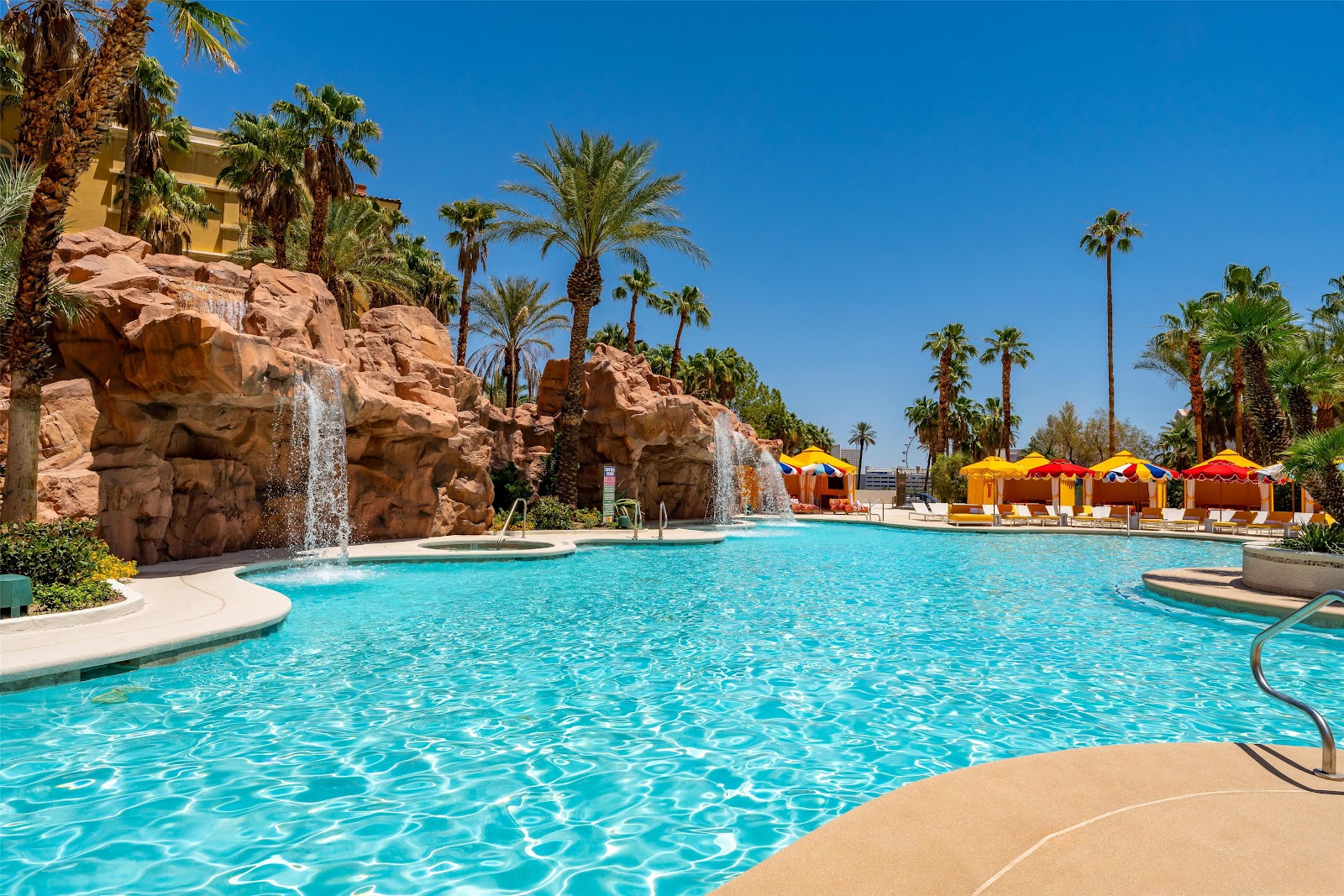
The Rio, Las Vegas: A Walk Through an Off-Strip Resort
An off-Strip Las Vegas resort walked in the order a day uses it — and what being off the Strip gives a photographer.
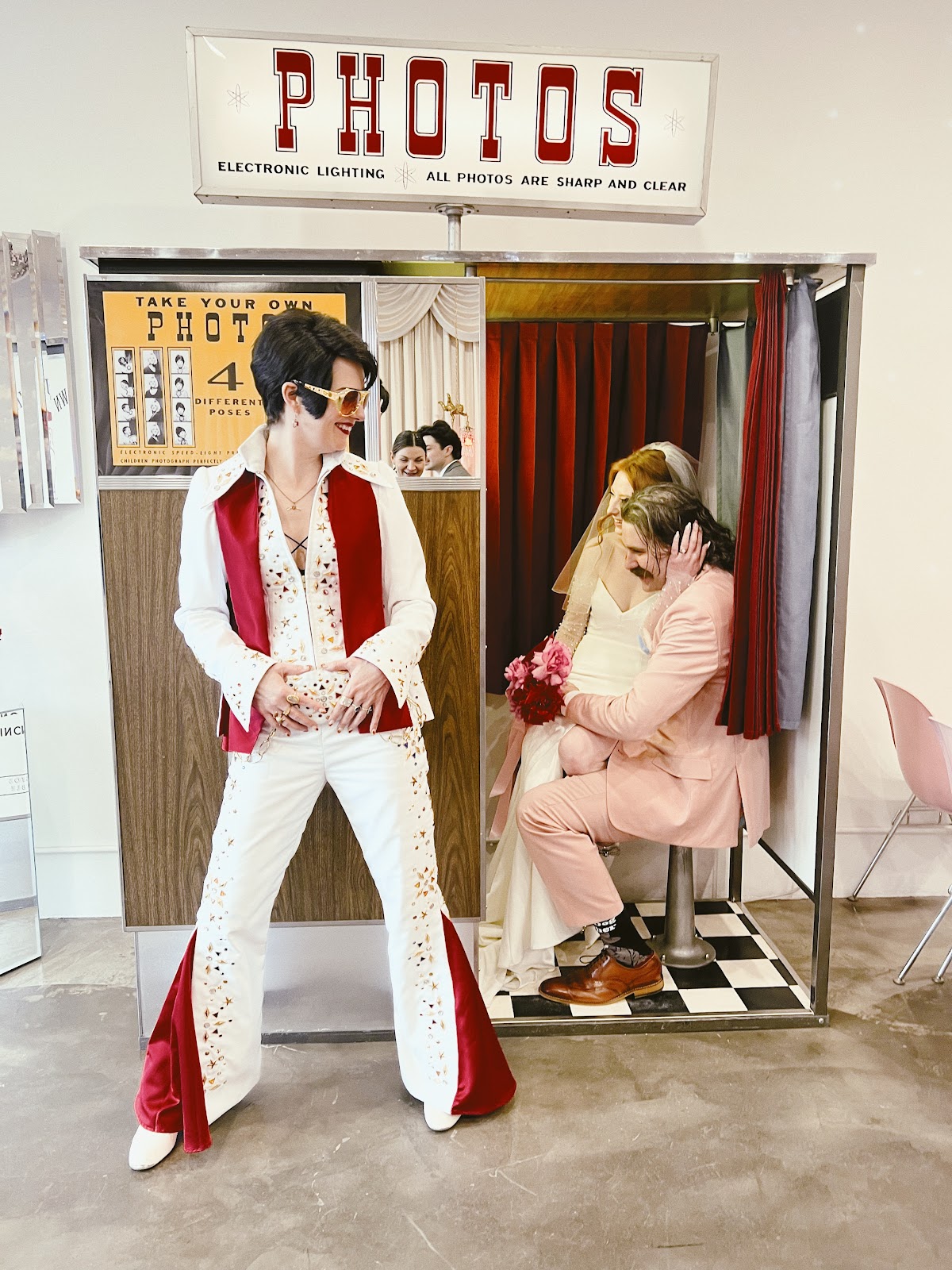
The Sure Thing Chapel, Las Vegas: A Walk Through a Las Vegas Chapel
A small Las Vegas chapel walked in the order a ceremony uses it — and what a short booking demands.
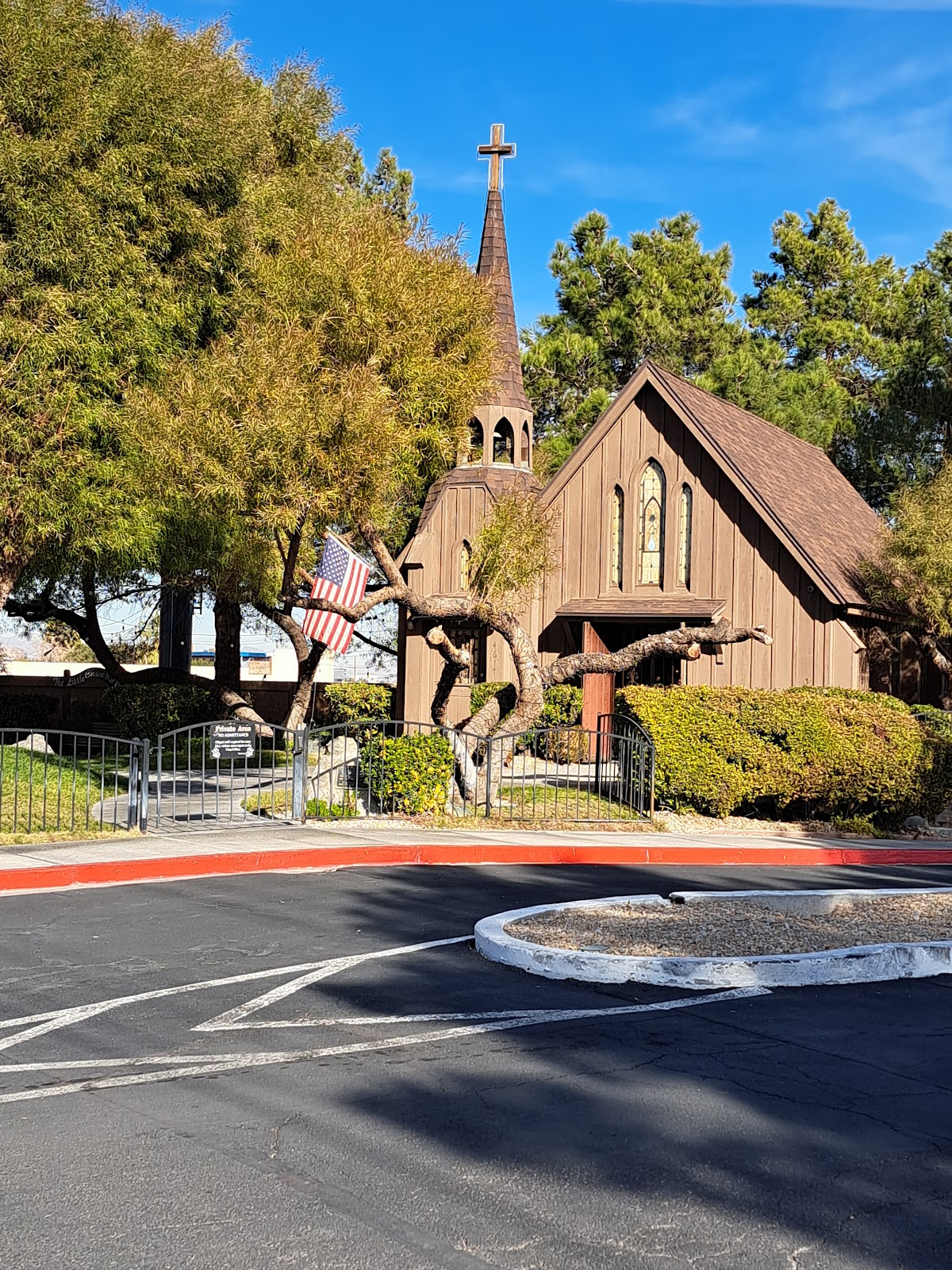
The Little Church of the West, Las Vegas: A Walk Through a Timber Chapel
A small timber chapel with planted grounds, walked in the order a wedding day uses it.
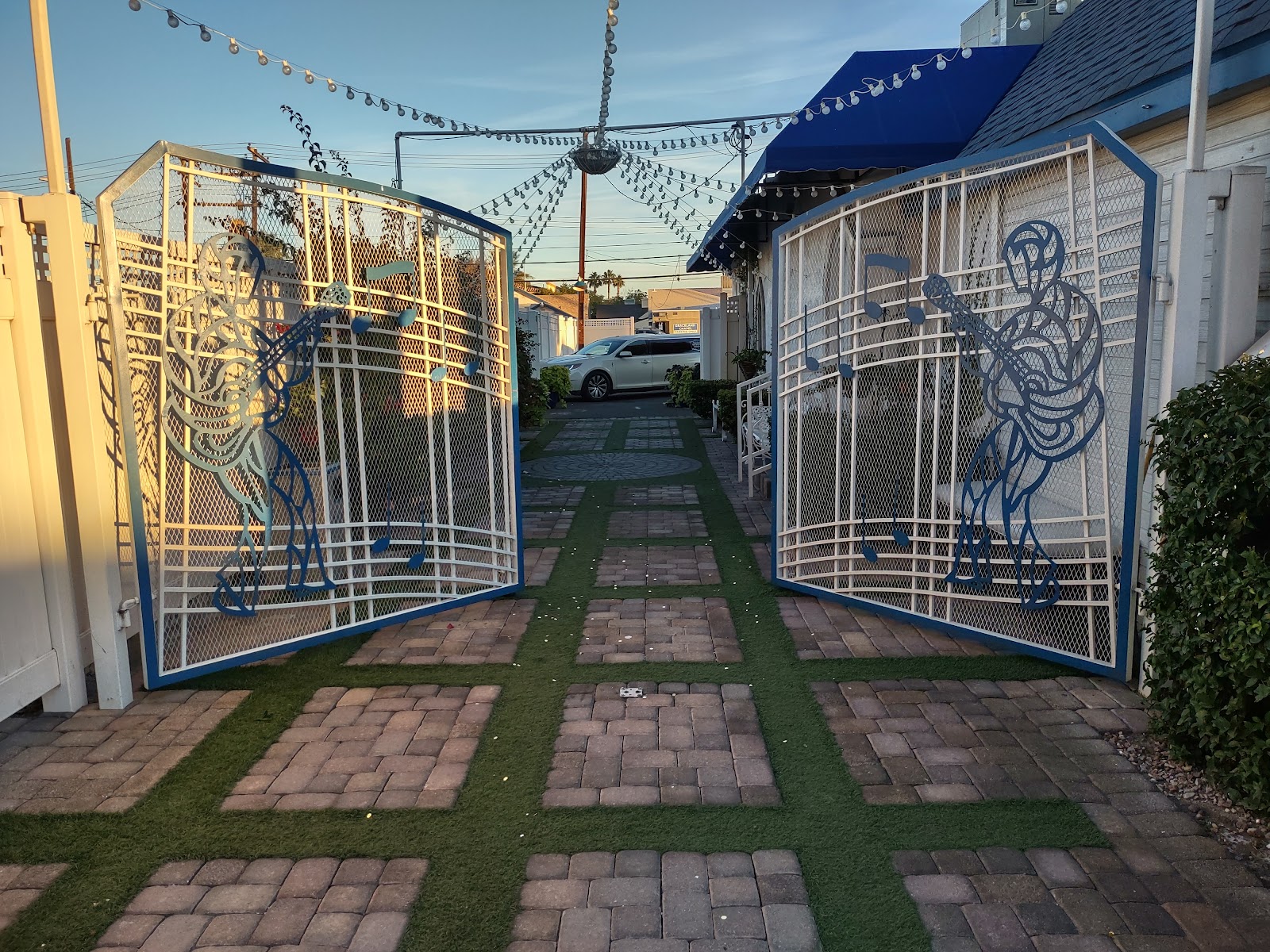
Graceland Wedding Chapel, Las Vegas: A Walk Through a Small Chapel
A small Las Vegas wedding chapel walked in the order a ceremony uses it — arrival, aisle, vows, and out.
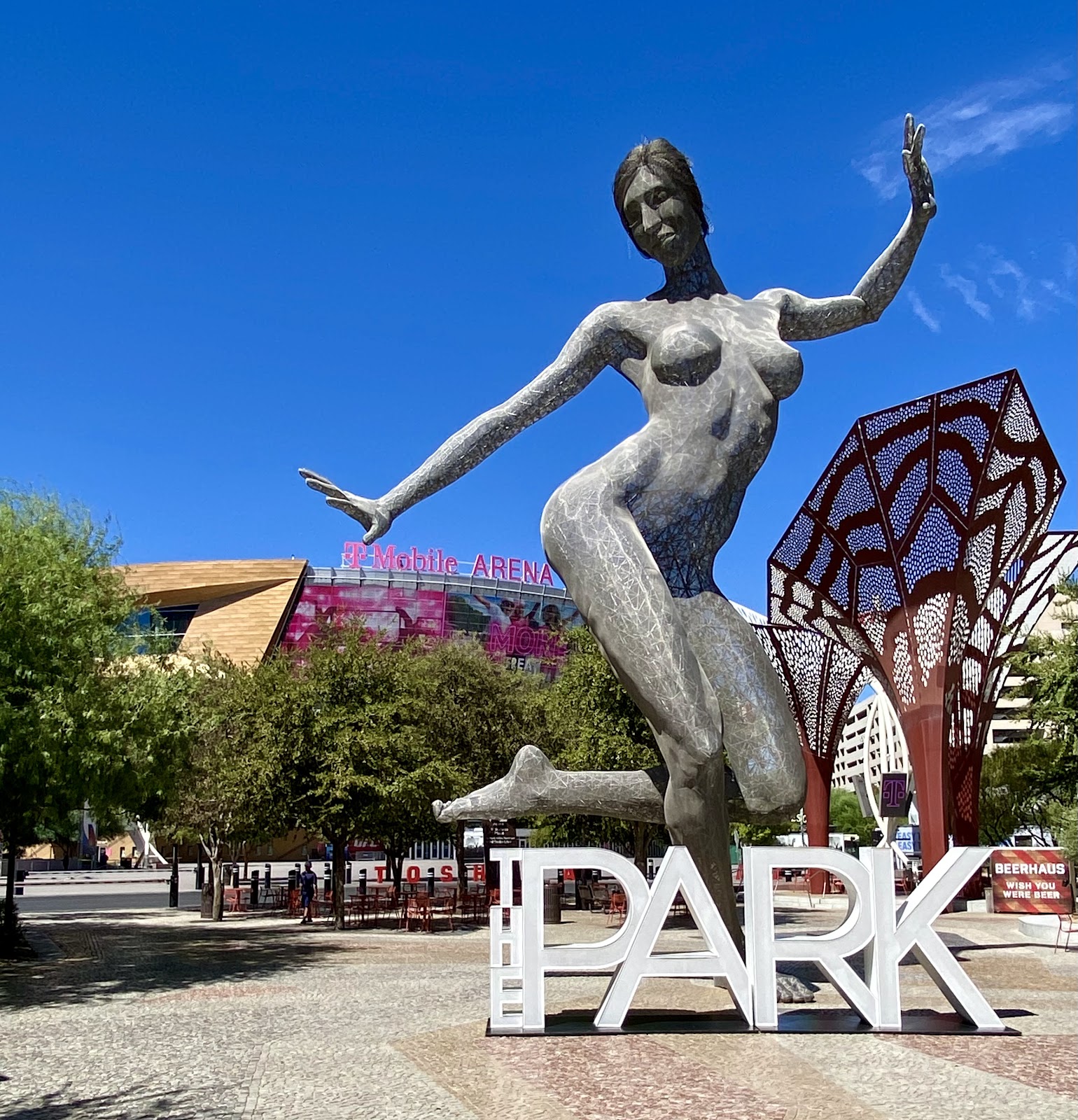
New York-New York, Las Vegas: The One Decision That Governs Everything
A Las Vegas resort built to imitate a city — and the one decision that determines what the pictures mean.
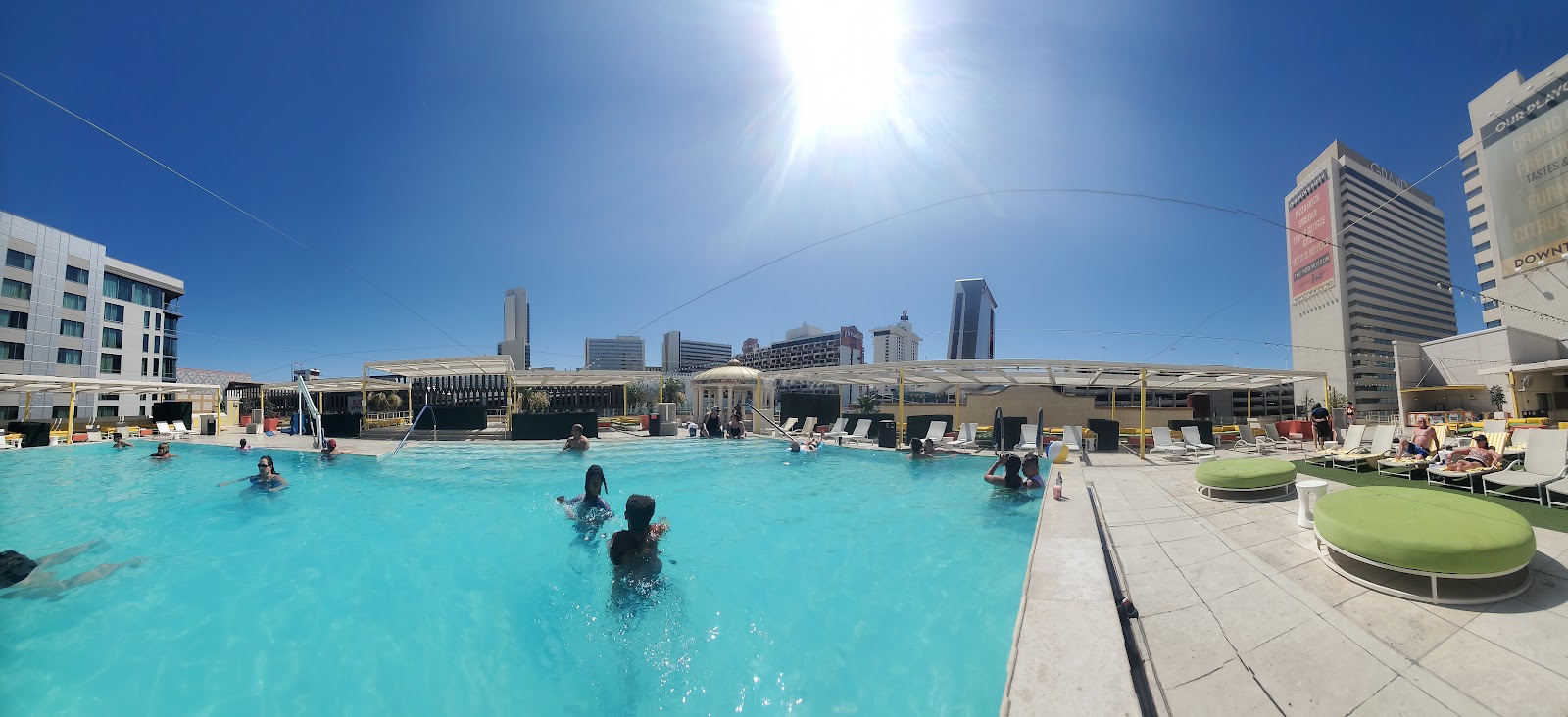
The Downtown Grand, Las Vegas: The One Decision That Governs Everything
A downtown Las Vegas hotel with a rooftop pool deck — where one scheduling decision governs the gallery.
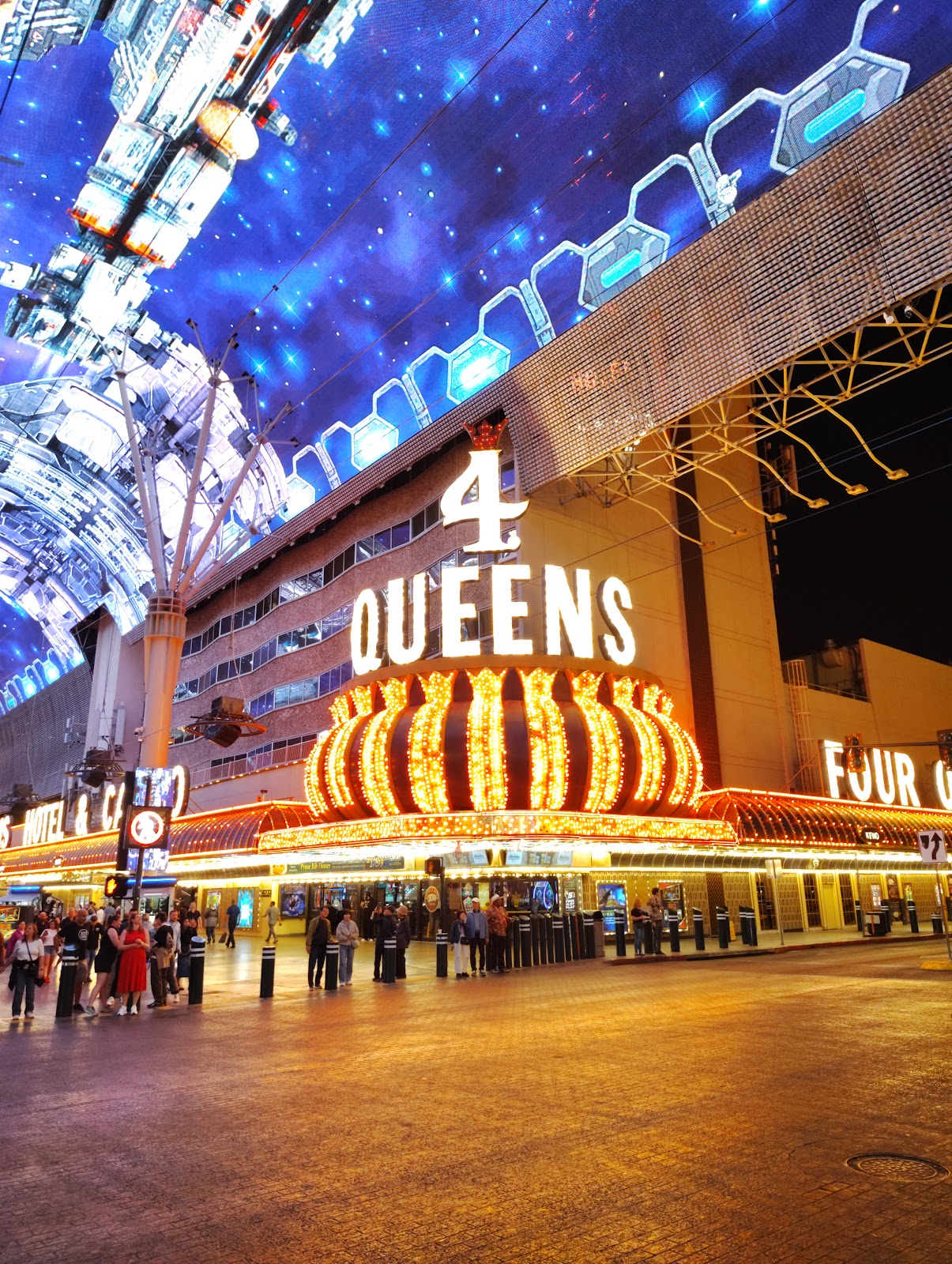
The Fremont Hotel, Las Vegas: The One Decision That Governs Everything
An older downtown Las Vegas hotel, where one lighting decision determines what the whole gallery looks like.
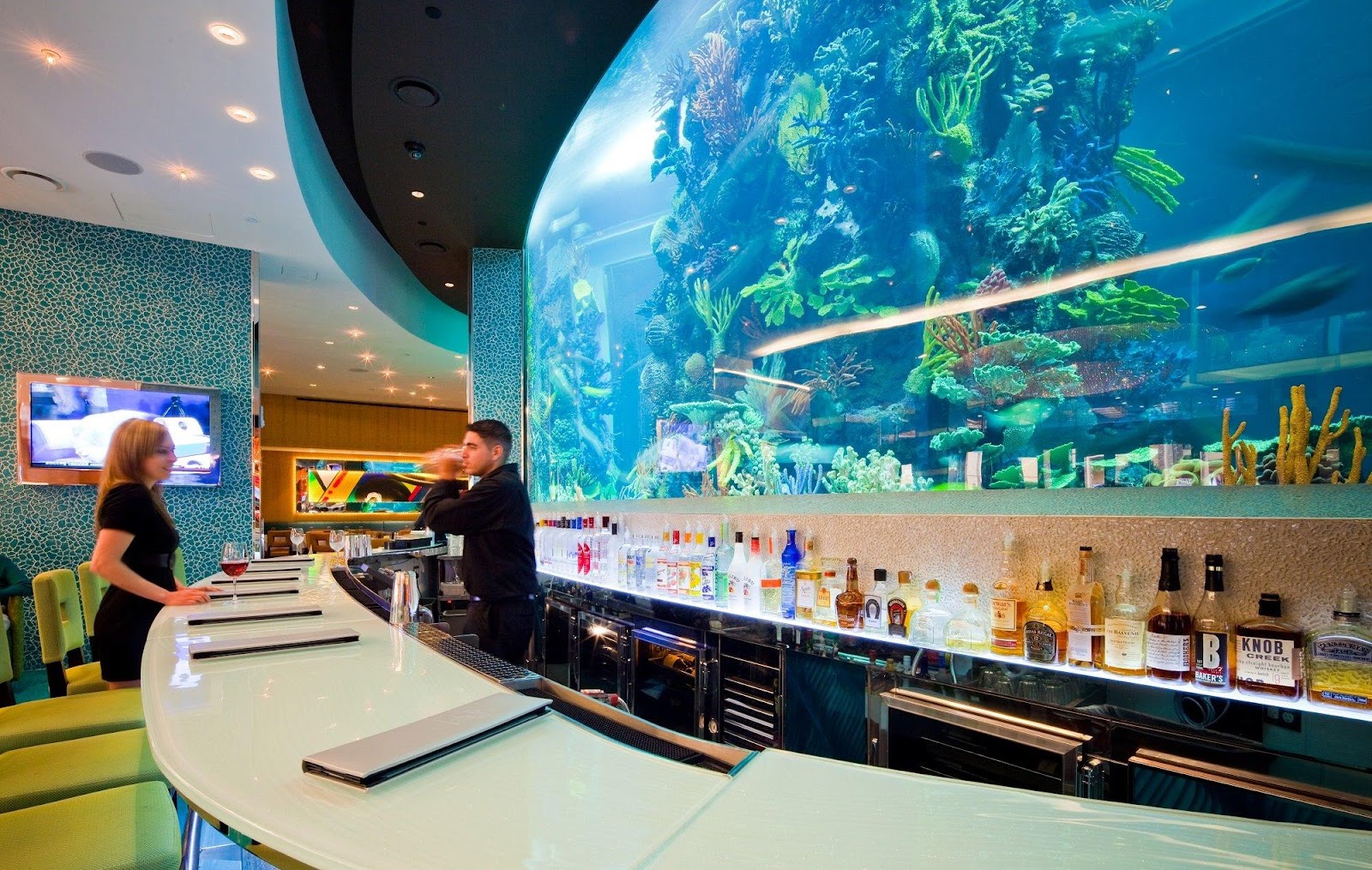
The Golden Nugget, Las Vegas: The One Decision That Governs Everything
A downtown Las Vegas resort where one decision — which version of the city the pictures belong to — governs everything.
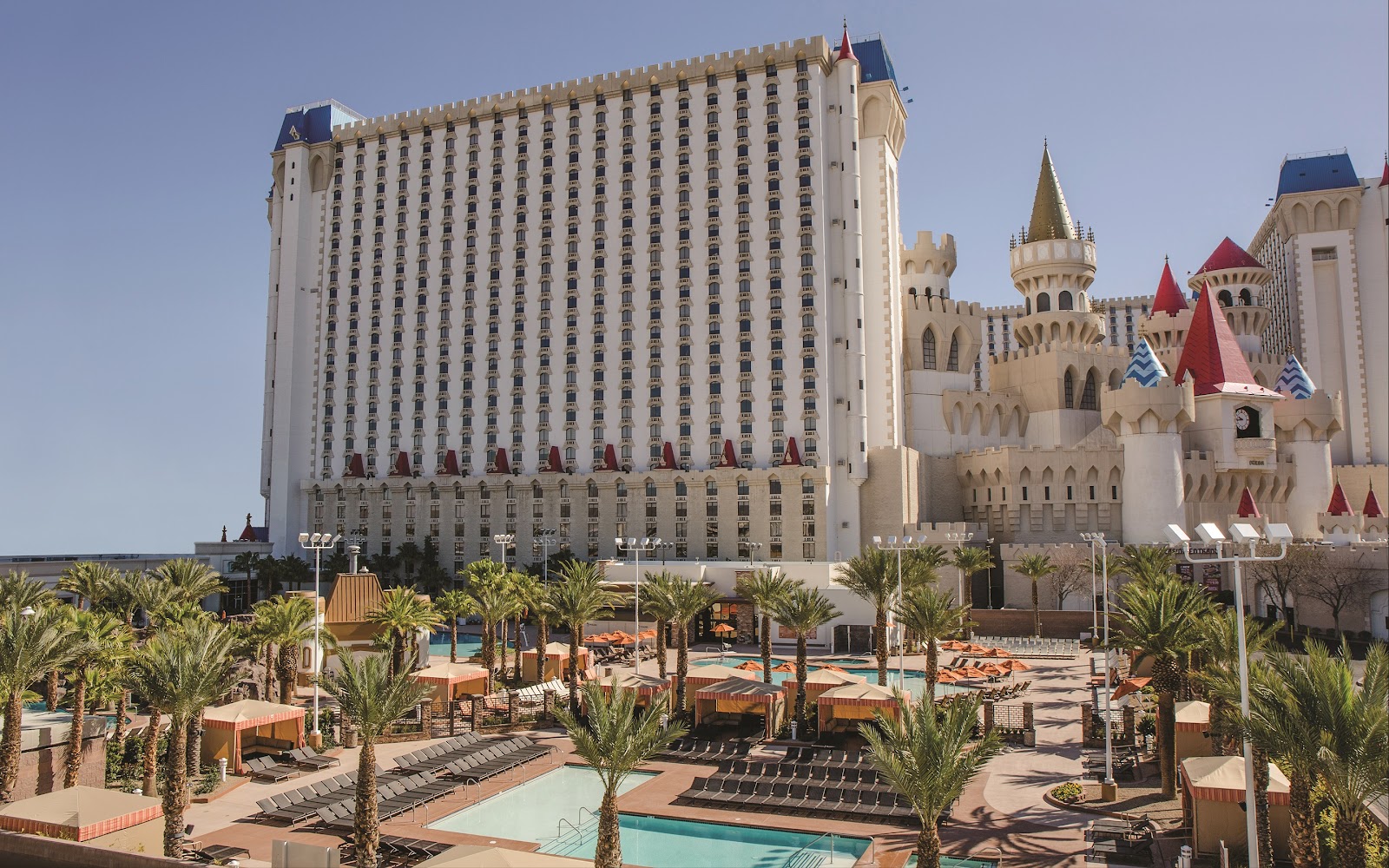
The Excalibur, Las Vegas: What It Suits, and What It Does Not
A strongly themed Las Vegas resort — what a committed theme gives a photographer, and what it takes.
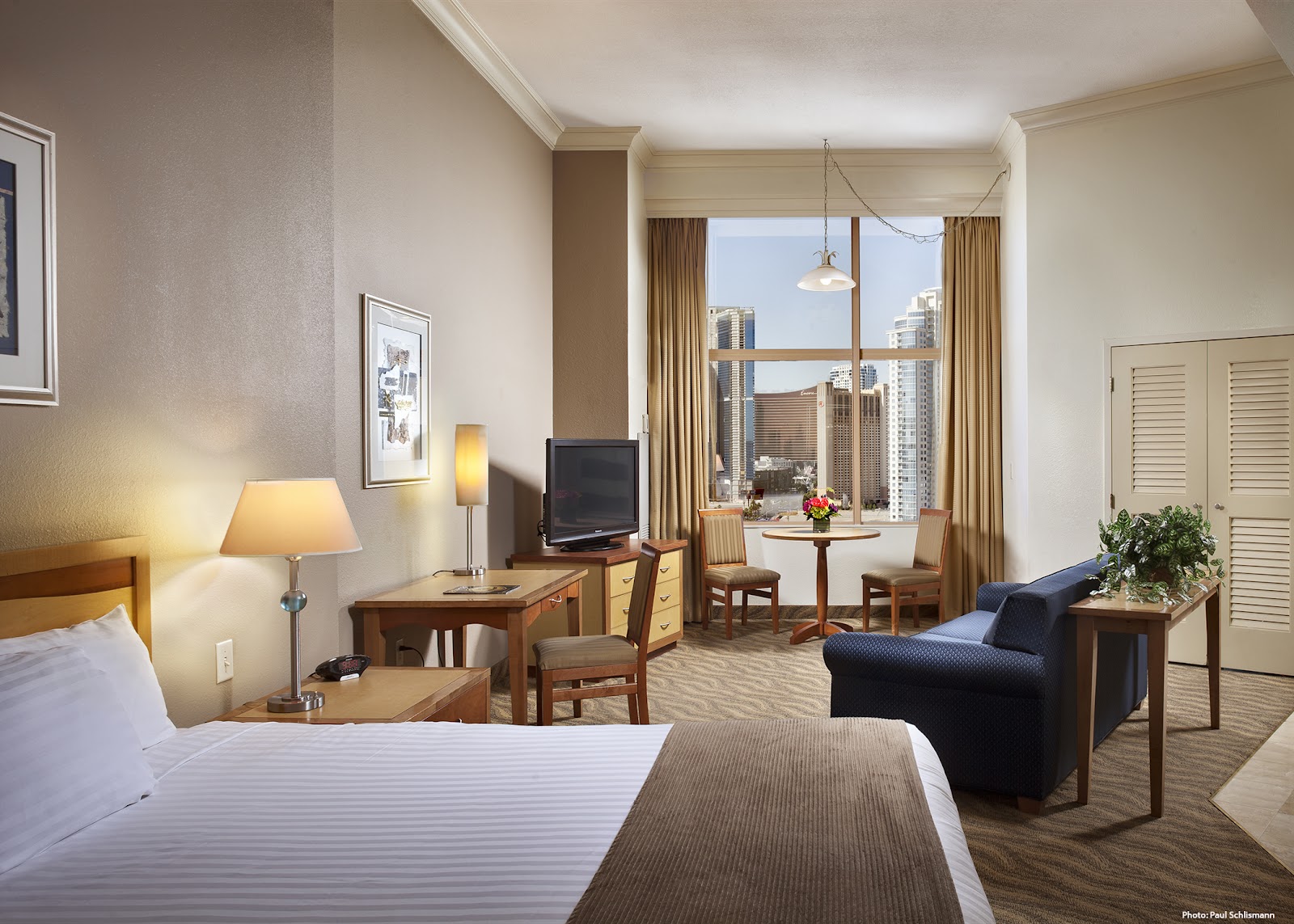
The Strat, Las Vegas: What It Suits, and What It Does Not
A Las Vegas venue with an observation level far above the city — what height gives, and what it costs.