Three things govern photographs in Montana and none of them is obvious from a brochure. The first is altitude. These venues sit between about three and a half thousand and seven and three-quarter thousand feet, which means a sixth to a fifth less atmosphere overhead than at sea level.
Direct sun is harder and shadows are deeper than the temperature suggests; the sky is a much deeper blue, which makes open shade markedly cool and means an ungelled flash puts cold faces into a warm landscape; ultraviolet is high; and the air is exceptionally clear, which is why distant ranges hold detail on a long lens in a way they never do in humid country. The second is latitude.
Montana runs from about forty-five degrees north to nearly forty-nine, which gives the longest light in these guides: a midsummer day of sixteen hours or more at the northern end, with civil twilight running thirty-six to forty-three minutes at each end, and a midwinter day of barely eight. That long generous dusk is a genuine working session rather than a scramble — but a narrow valley or a closed canopy takes most of it before the sky goes, so where you stand at that moment matters more than when.
The third is the species, and in the northern Rockies the distinction is absolute. Lodgepole pine dominates Yellowstone and grows tall and straight with sparse crowns high on the trunk, which means it throws a hard shifting dapple with a four or five stop range across a face — unusable, and background material only. Ponderosa pine does the same and photographs beautifully as a background because of its orange plated bark. Douglas fir, Engelmann spruce and subalpine fir block almost all direct light, which makes their margin the best free separation available anywhere: a metre inside gives soft directional light in front and three or four stops of near-black behind.
Knowing which conifer you are standing under is the practical difference between a good frame and a wasted one. Two seasonal facts complete the picture. Wildfire smoke is the condition nobody mentions and everybody should: the northern Rockies' fire season runs from roughly July into September, and smoke from fires anywhere in the region can fill a valley for days, turning the sun orange, flattening contrast, removing the ranges entirely and shifting everything warm in a way no white balance resolves.
It removes the wide frames and leaves the barns, the rivers at close range and the interiors intact — which is a real argument for choosing an enclosed venue for a late-summer date. And late September into mid-October is the best window in the state: the aspen turn, and because a grove is clonal — genetically a single organism — a whole stand goes gold at once rather than tree by tree; the cottonwoods along the rivers follow; and in western Montana the western larch, a deciduous conifer that grows almost nowhere else in these guides, turns brilliant gold among near-black fir in the middle of October.
That gives the west of the state a three-week autumn rather than a two-week one, with the first snow back on the peaks and the clearest air of the year.
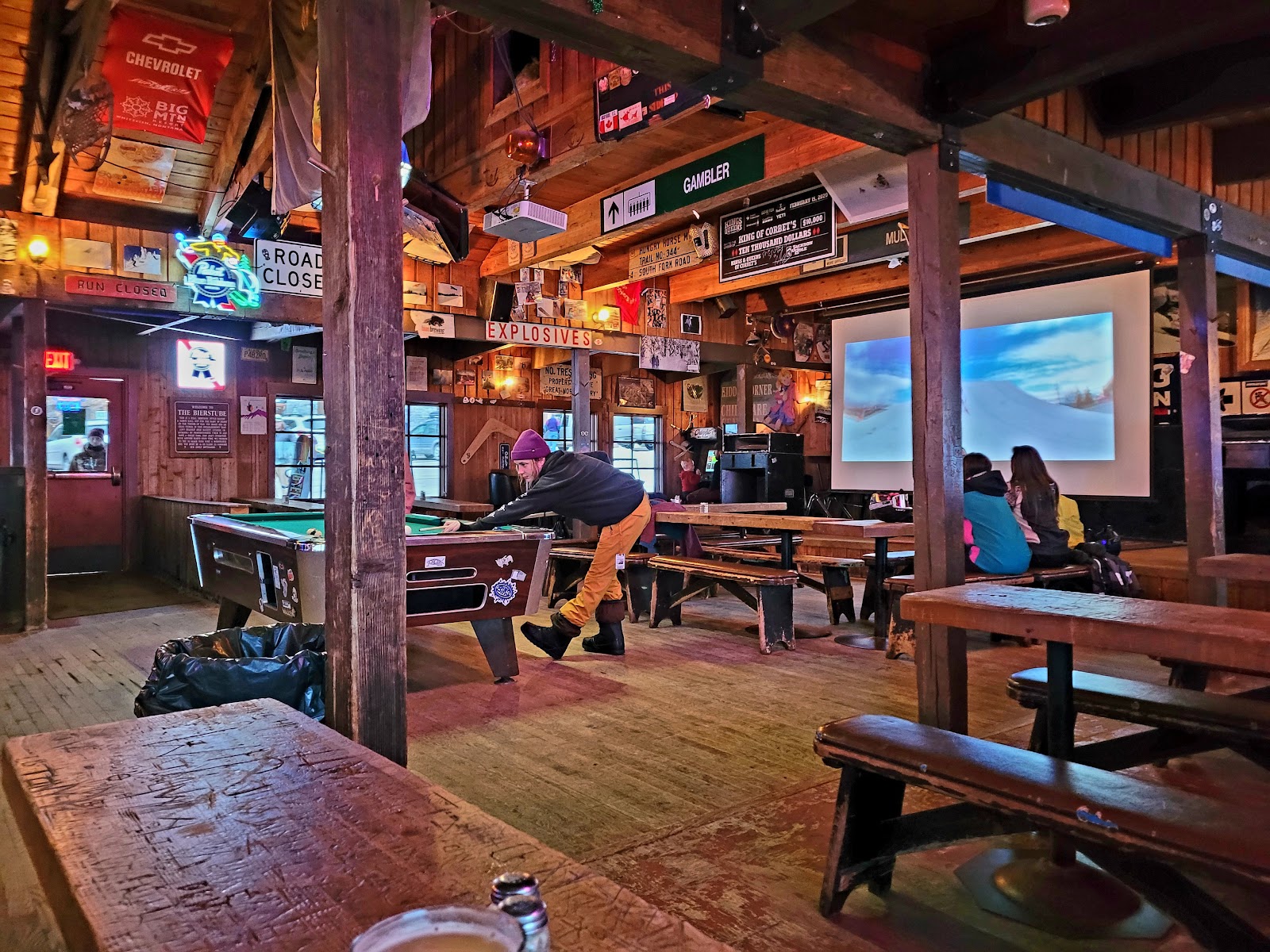
The Bierstube: What Changes When the Reception Is in a Bar
A long-standing ski-town bar in Whitefish, Montana, with a tavern interior and genuine local character.
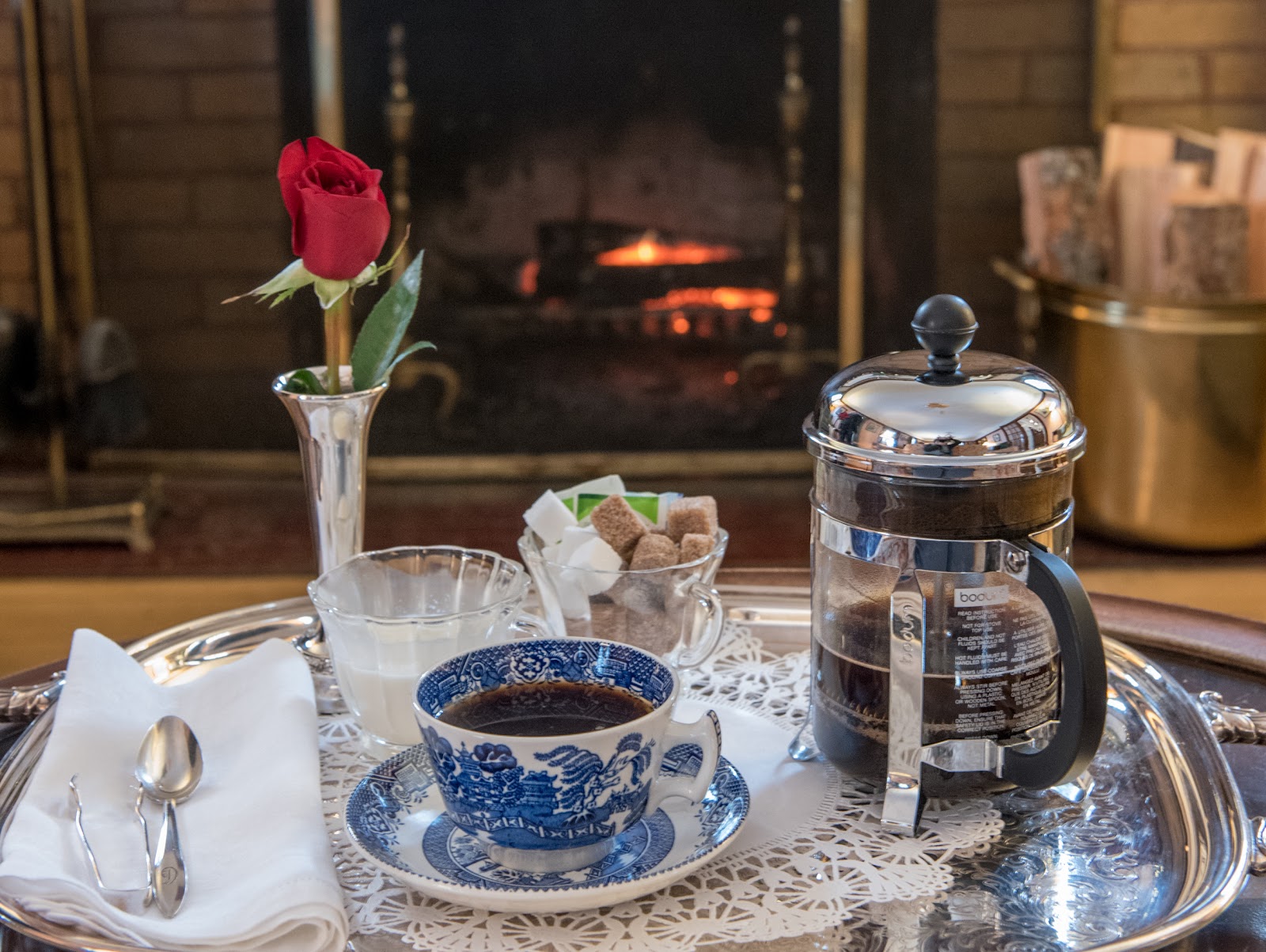
The Garden Wall: How to Work a Genuinely Small Venue
A small period inn in Whitefish, Montana, with garden ground and an intimate scale.
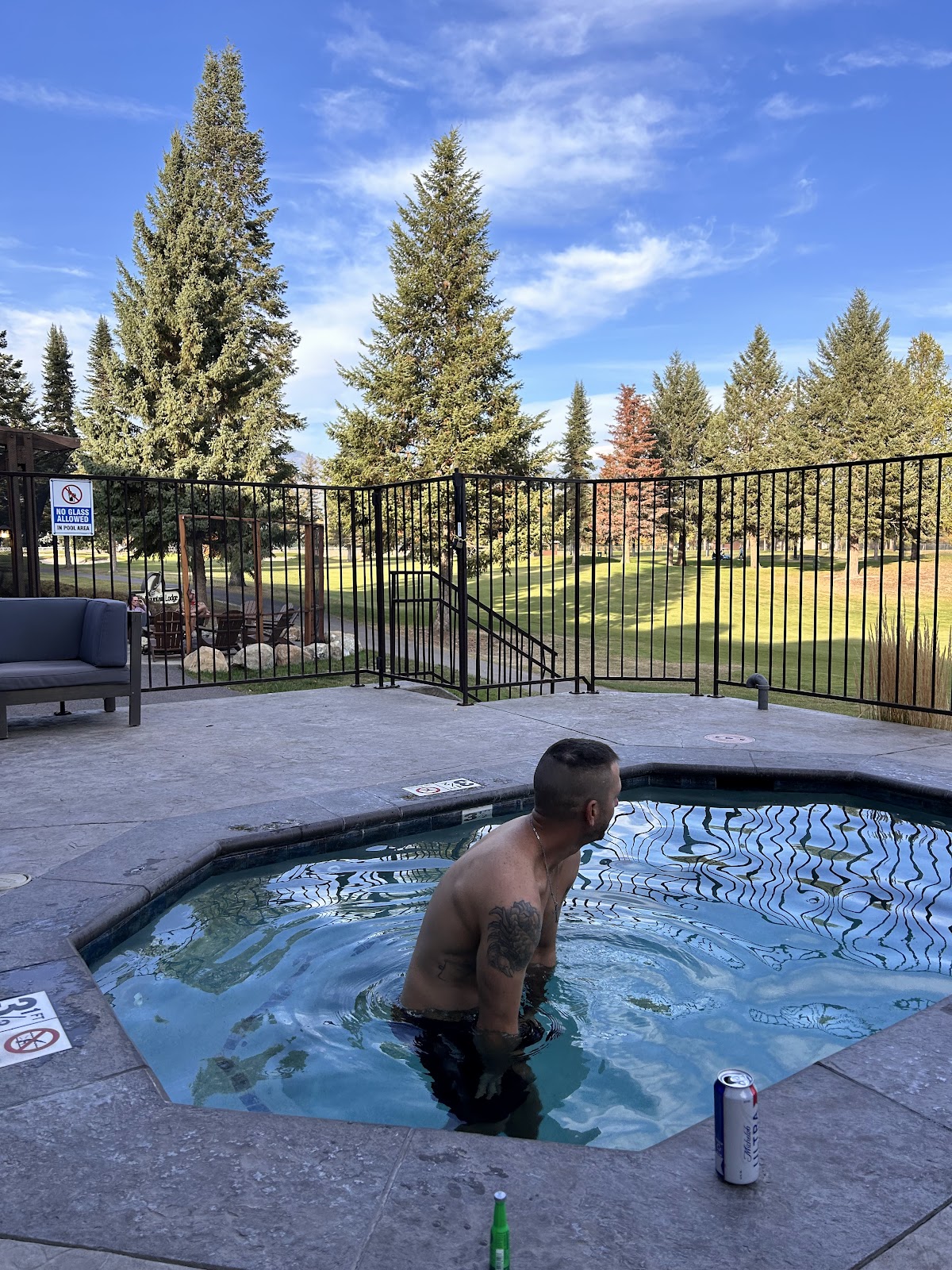
Grouse Mountain Lodge: Broad Lawns and the Group Photograph
A timber lodge on open ground near Whitefish, Montana, with broad lawns and mountain views.
The Farmhouse Inn: Four Ways Out of the Open-Ground Problem
A farmhouse property in the valley outside Whitefish, Montana, with open ground and mountain views.
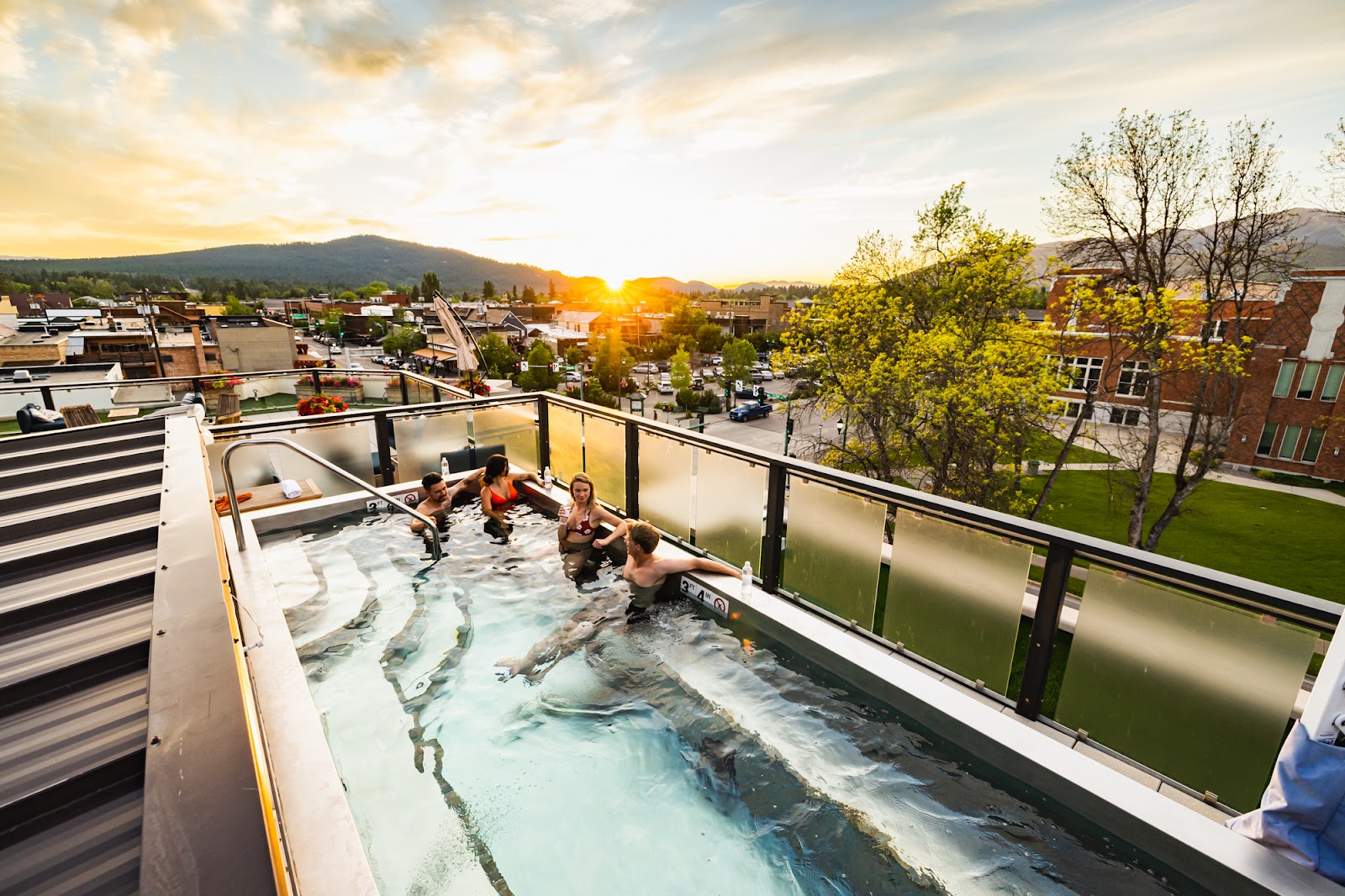
The Firebrand Hotel: Photographing a Mountain Town from Inside It
A contemporary boutique hotel in downtown Whitefish, Montana, a short walk from the town's main street.
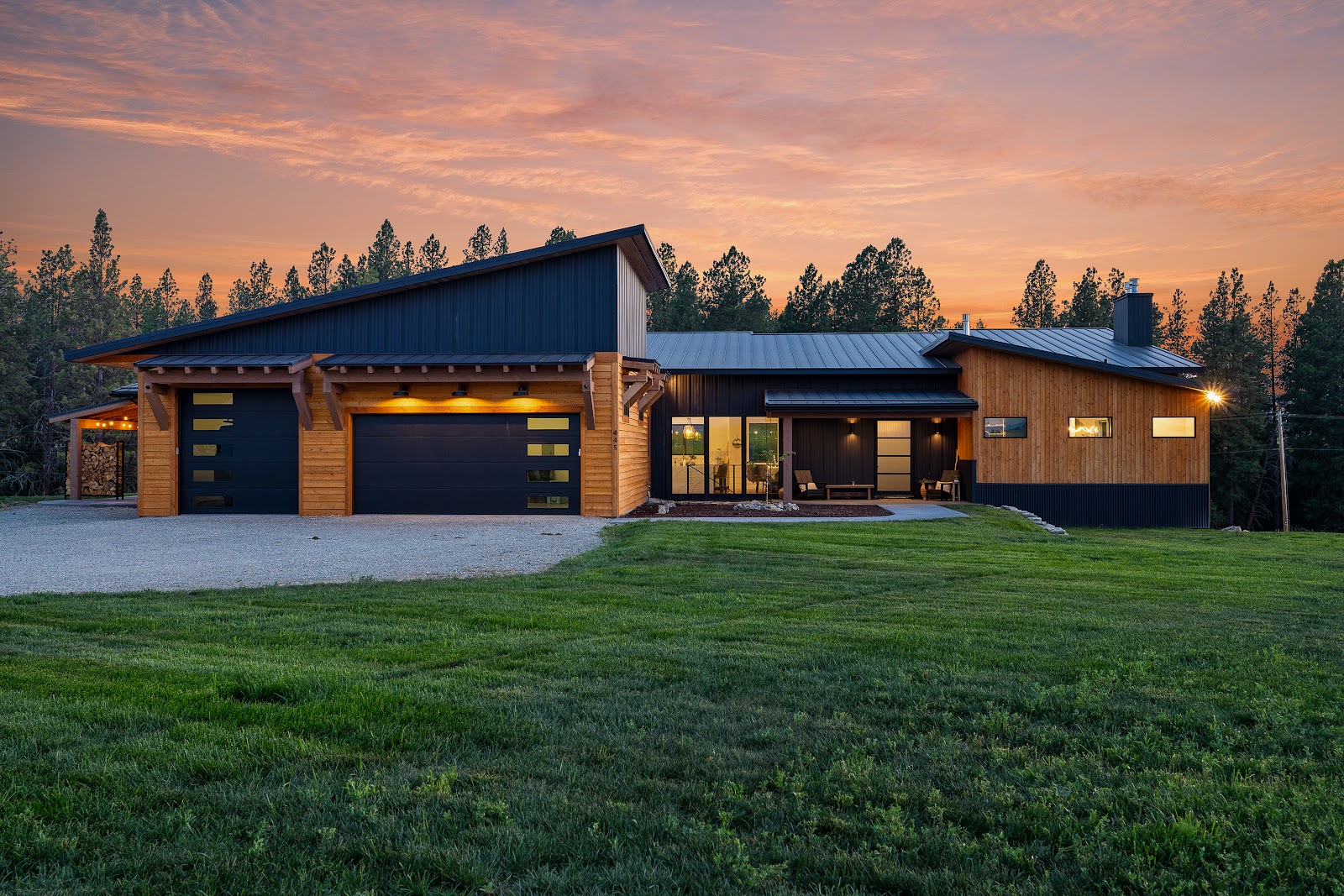
The Stillwater River Lodge: One Variable Changes the Whole Venue
A lodge on the Stillwater River outside Whitefish, Montana, in a wooded river corridor.
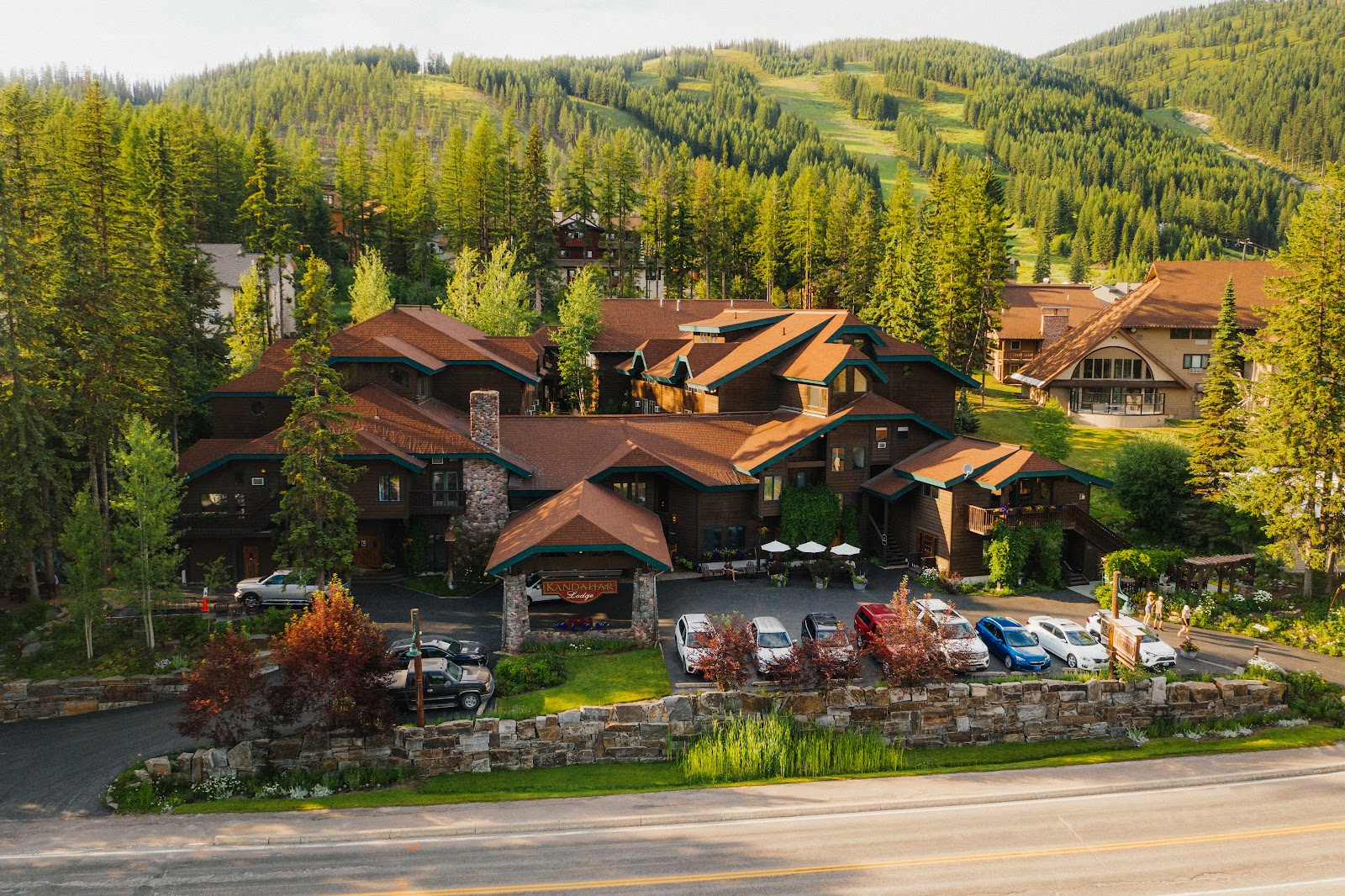
Kandahar Lodge: What Heavy Timber Does to a Photograph
A European-style alpine lodge on the mountain above Whitefish, Montana, with heavy timber interiors.
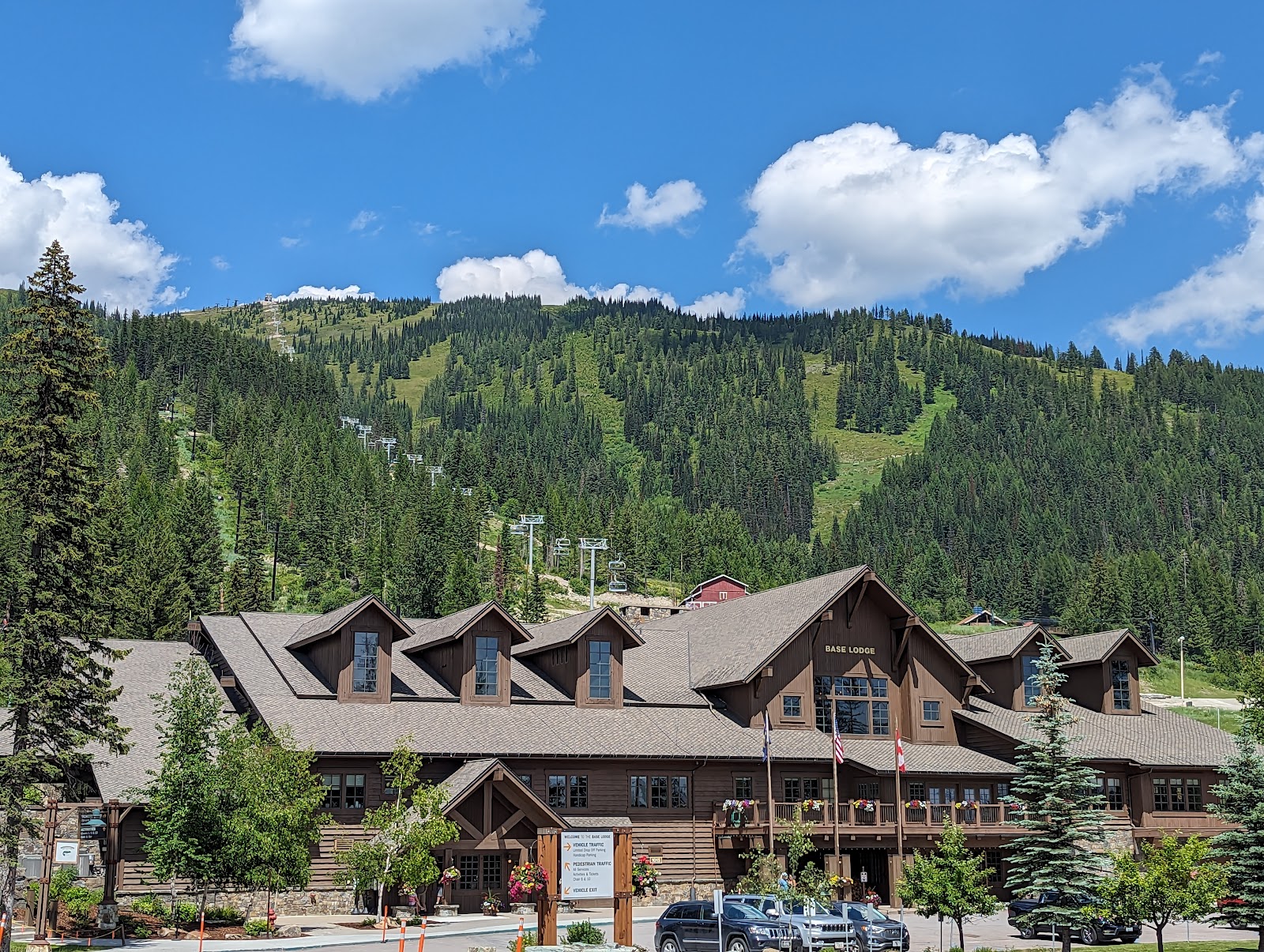
Whitefish Mountain Resort: One Decision Governs the Whole Day
A ski resort on Big Mountain above Whitefish, Montana, with summit views across the Flathead Valley toward Glacier.
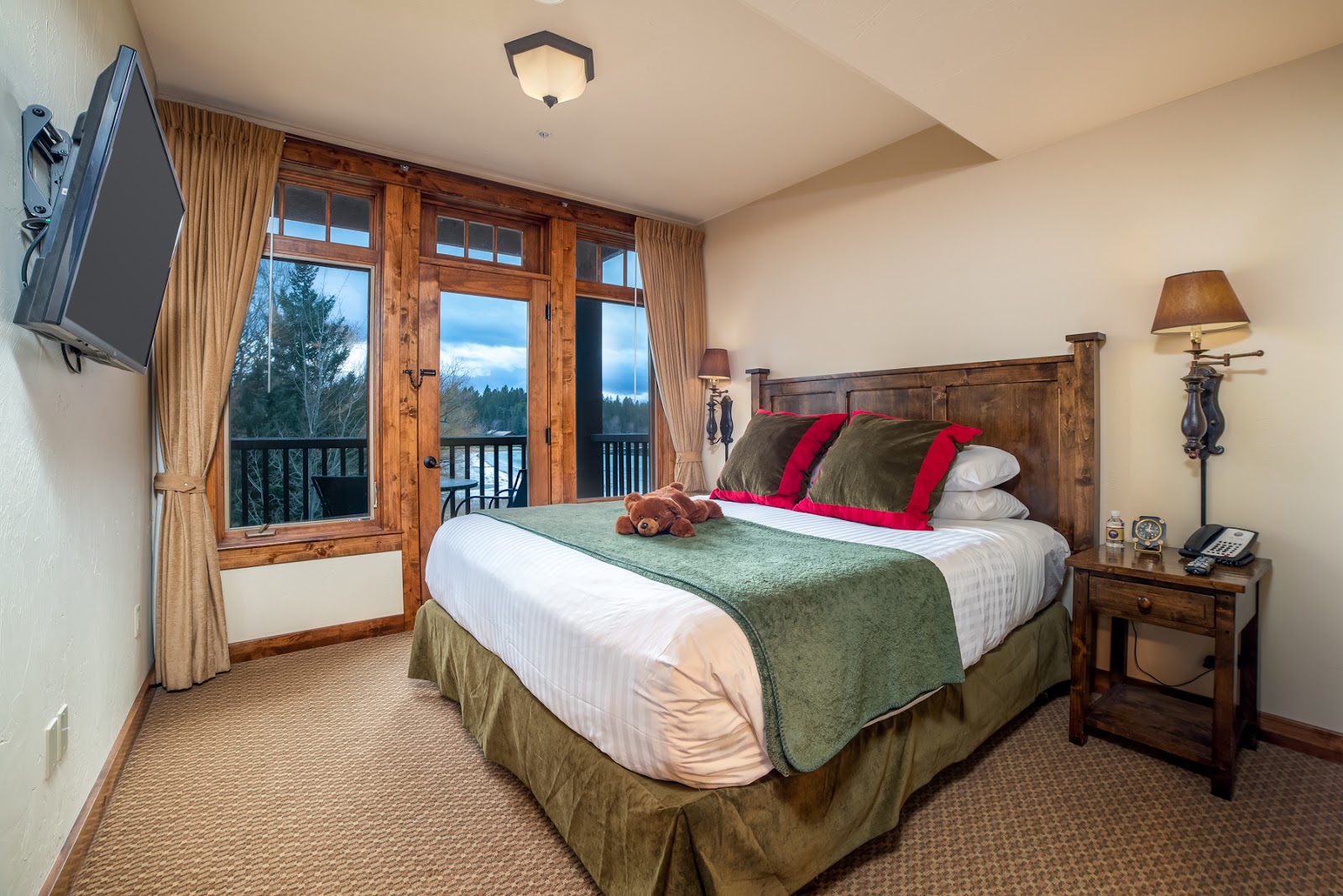
The Lodge at Whitefish Lake: Reading a Mountain Lake Hour by Hour
Timber lodge architecture on the shore of Whitefish Lake, in northwest Montana under the Whitefish Range.
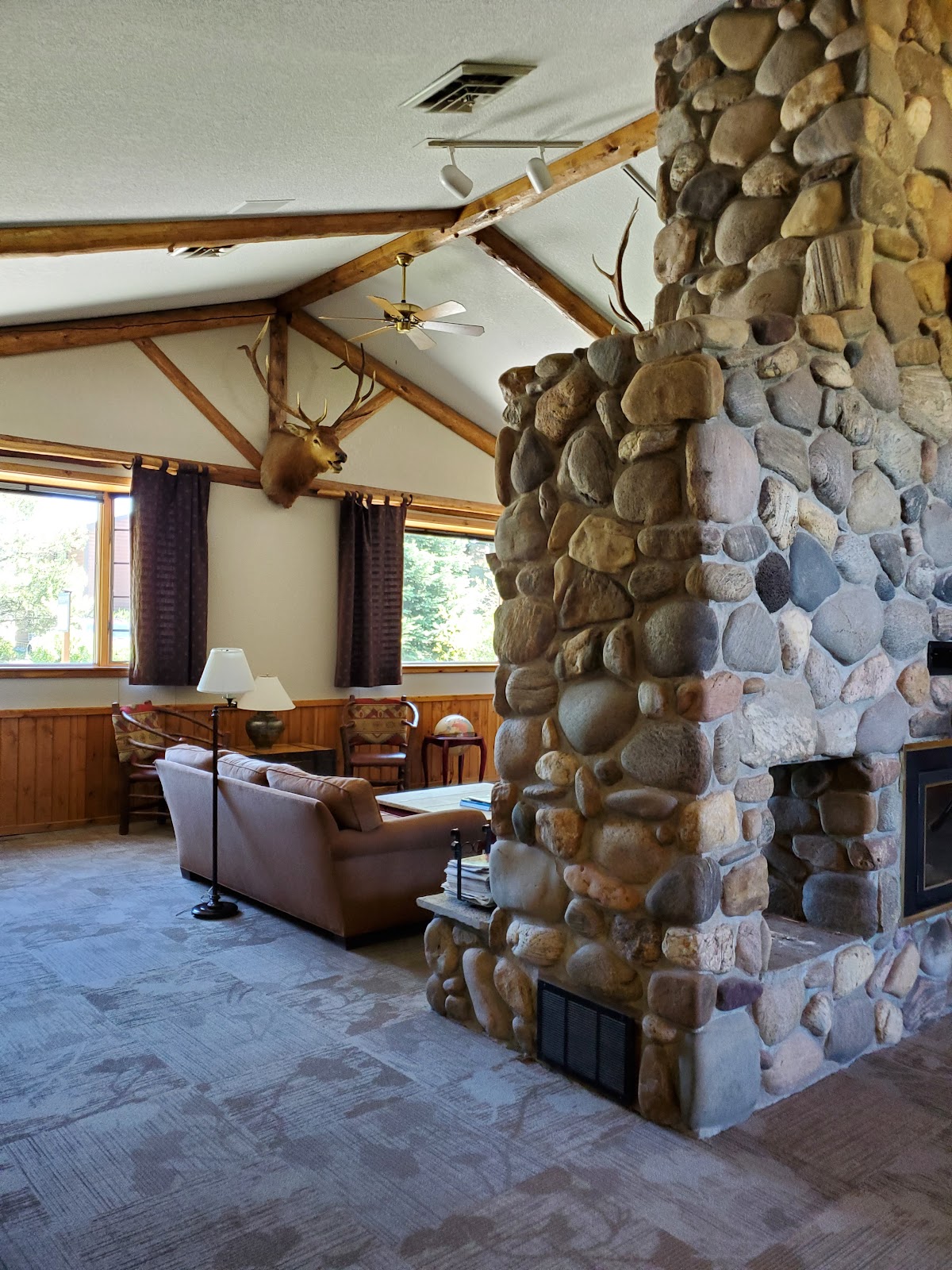
Buck’s T-4 Lodge, Big Sky: What It Suits, and What It Does Not
A working Montana mountain lodge — reliable where it counts, and genuinely demanding in four specific ways.