This collection covers four places with genuinely different ground under them, and the ground is the thing to understand first. Jackson sits inland on the Pearl River. Natchez and Vicksburg sit on loess bluffs — steep banks of wind-blown silt piled up along the Mississippi, which is why two small river towns have dramatic elevation and long views that the rest of the state does not. Biloxi sits on the Gulf, which means live oaks, salt air and a horizon of water. Humidity is the constant.
Mississippi summers run high dew points for months, and humid air is not a comfort problem for a photographer so much as an optical one: it scatters light, so distant backgrounds go pale and low in contrast, shadows fill by roughly a stop without any help, and a cold lens brought out of air conditioning will fog solid for several minutes. Plan for that last one specifically. Getting the camera out early and letting it come up to ambient temperature is the difference between working and standing still.
There is a second thing this collection has to say plainly, because a couple should decide it deliberately rather than discover it. Several of these venues are antebellum houses, and Natchez in particular has one of the largest concentrations of them in the country. Those houses were built by enslaved people, and some of the sites interpret that history directly while others barely do. Beauvoir, on the coast, is the last home of Jefferson Davis and functions as a Confederate memorial site. These guides cover what each place gives a camera, and they name what each place is.
What we do not do is photograph former slave quarters, memorials or burial grounds as wedding backdrops, and we will say so on the day. That is a line we hold regardless of venue, and it is worth knowing before a shot list is agreed rather than after. On the craft itself: the antebellum interiors share a profile — tall shuttered windows, deep porches and high ceilings, which together produce rooms that are far darker than they appear to the eye because the porch roof cuts the sky before the window ever sees it.
The porches themselves are the compensation, and they are excellent: a deep covered porch is an enormous soft light source with a hard top edge, usable in full sun at midday when nothing else on the property is. Latitude here is around thirty-two degrees, so the sun climbs high and drops fast. Midday is harsher than photographers from further north expect, and golden hour is shorter. These guides set out what that means venue by venue.
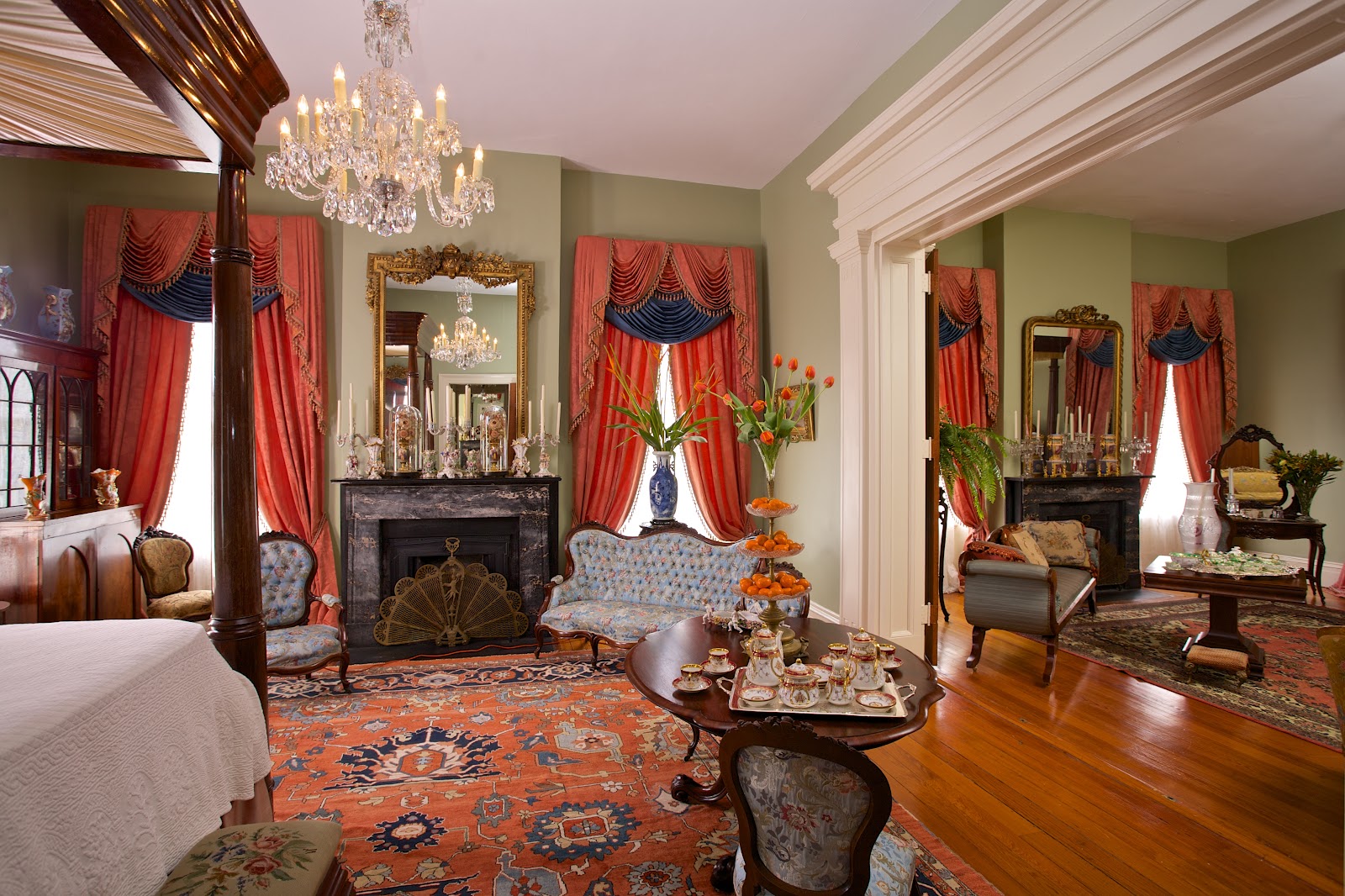
Choctaw Hall: What a Gazebo Ceremony Does to the Photographs
An antebellum house on planted grounds in central Natchez, with a garden gazebo used as a ceremony site.
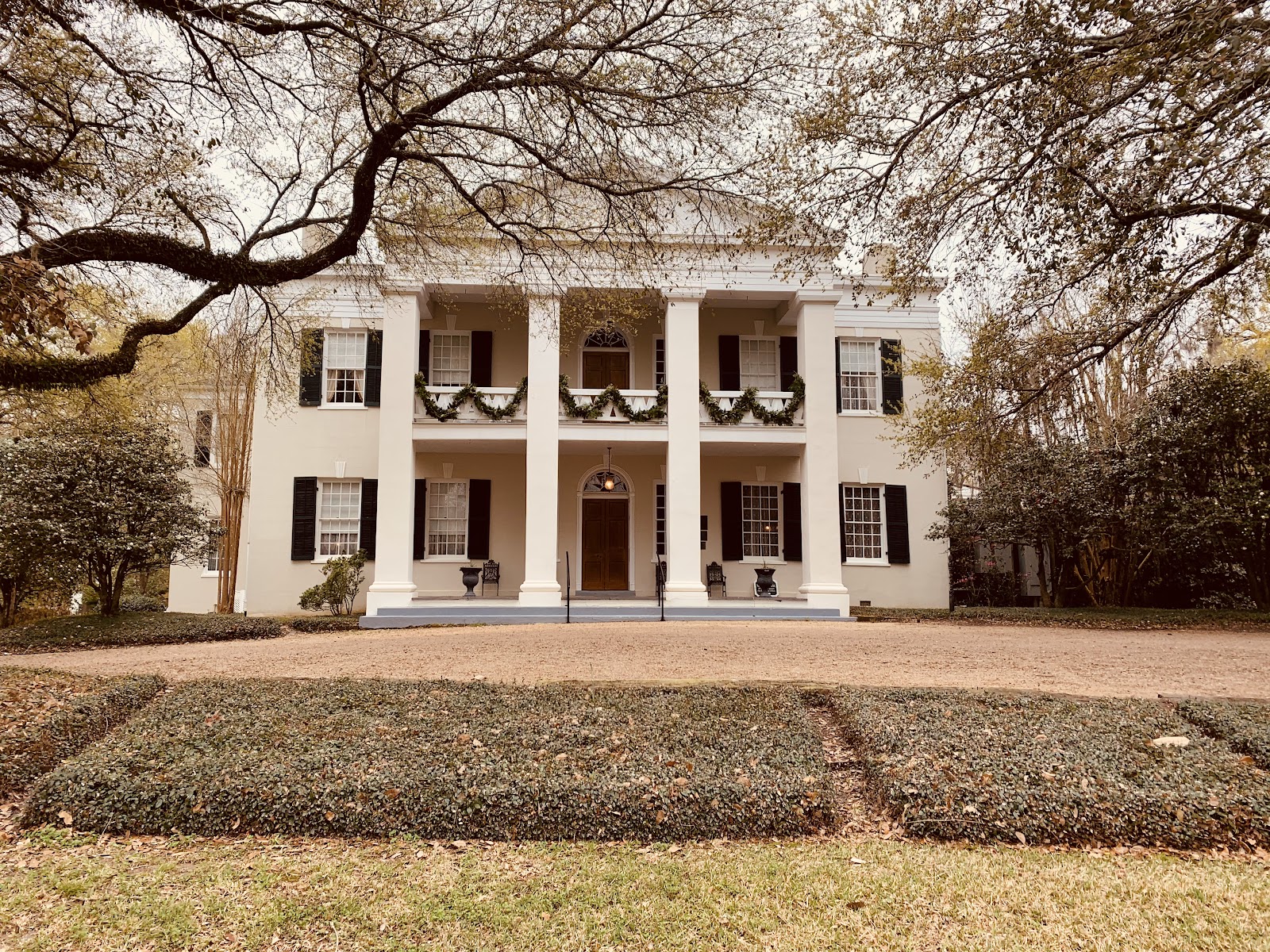
Monmouth Historic Inn: What Changes When Everyone Stays On Site
An antebellum house on landscaped grounds in Natchez, operating as an inn with accommodation across the property.
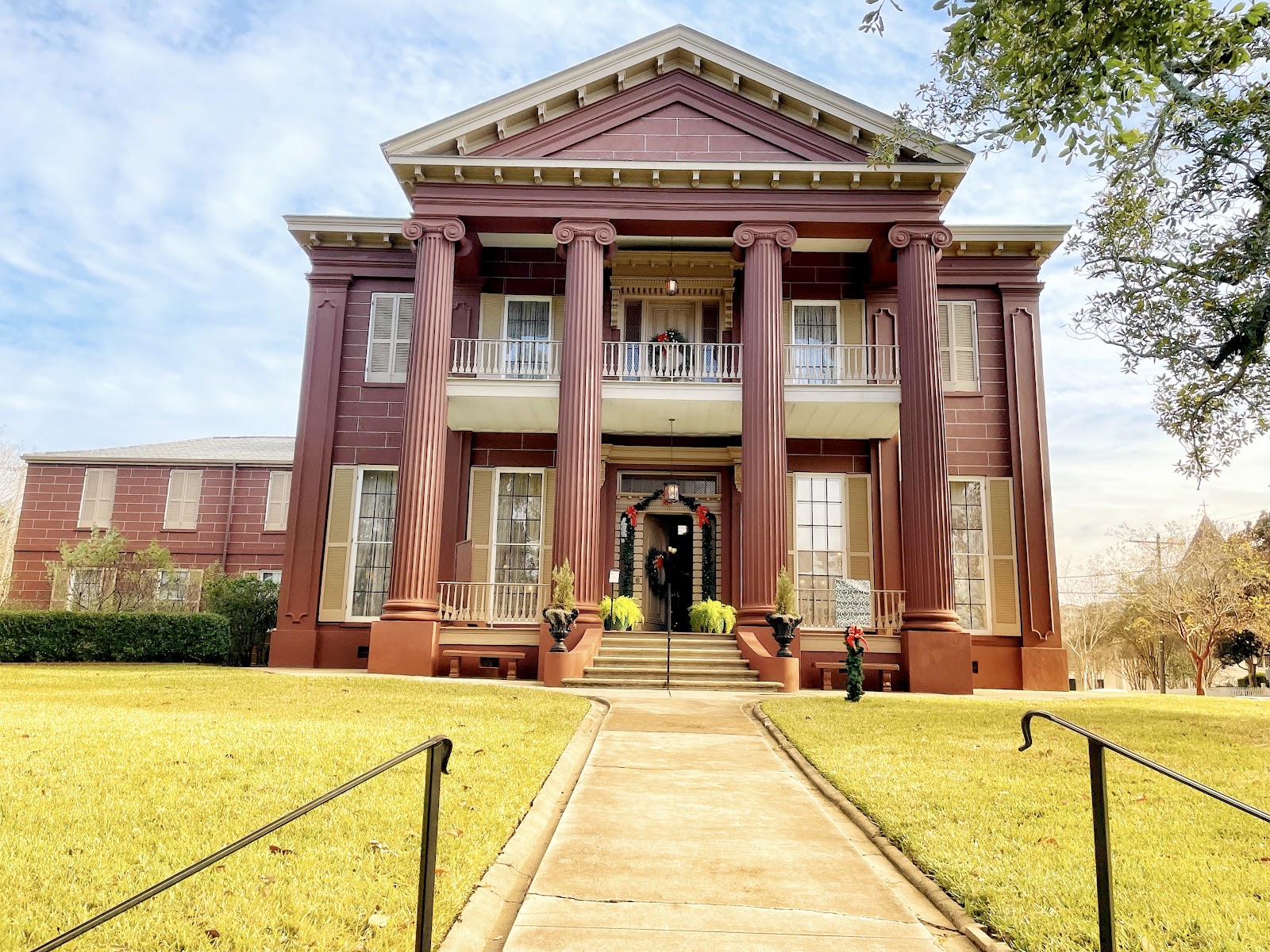
Magnolia Hall: Photographing a Greek Revival Town House
A mid-nineteenth-century Greek Revival mansion in central Natchez, with crystal chandeliers and ornate plaster ceiling medallions.
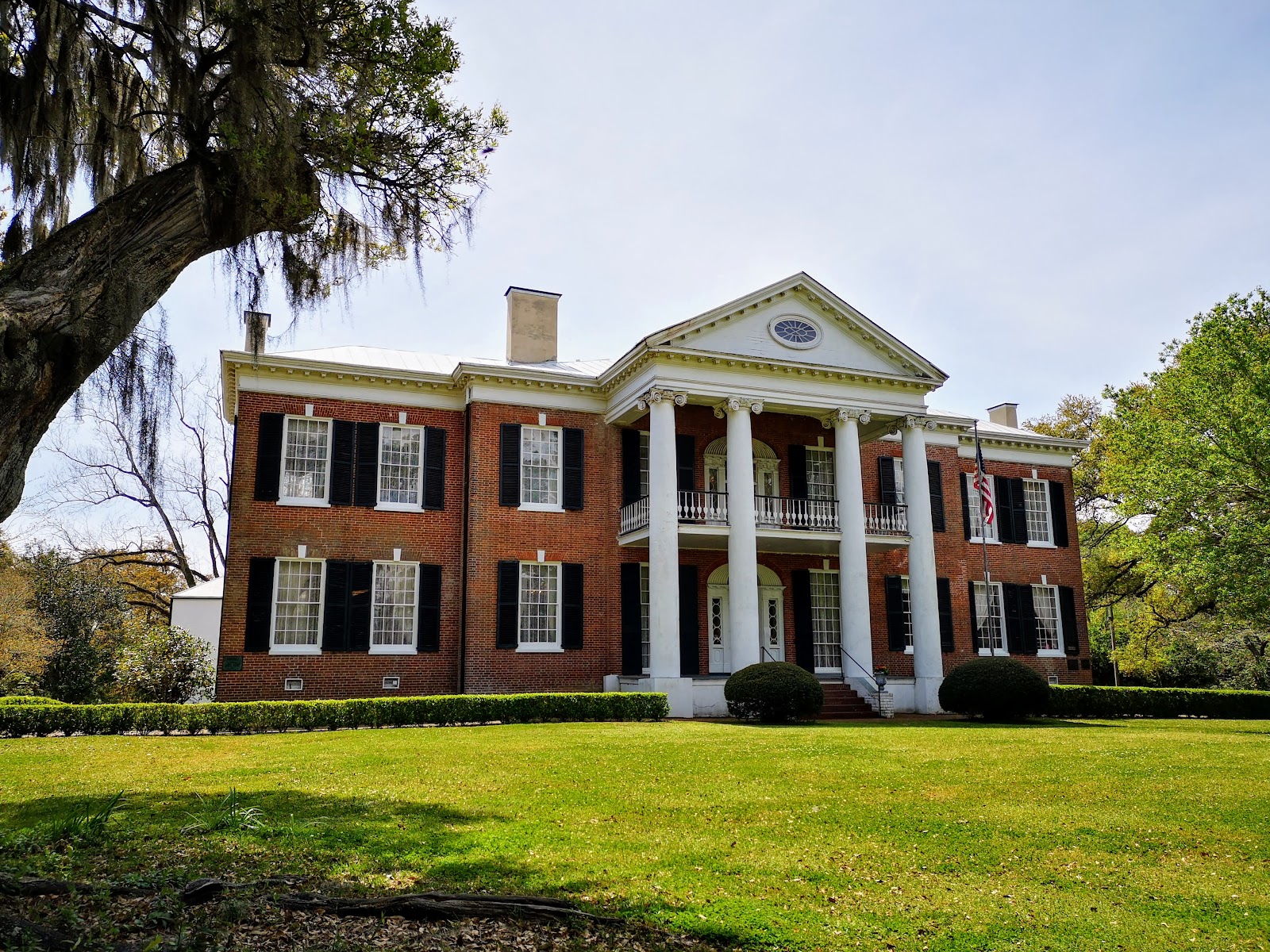
The Auburn Museum: Field Notes on a Freestanding Spiral Stair
An early nineteenth-century brick mansion on parkland in Natchez, known for a freestanding spiral staircase rising through its hall.
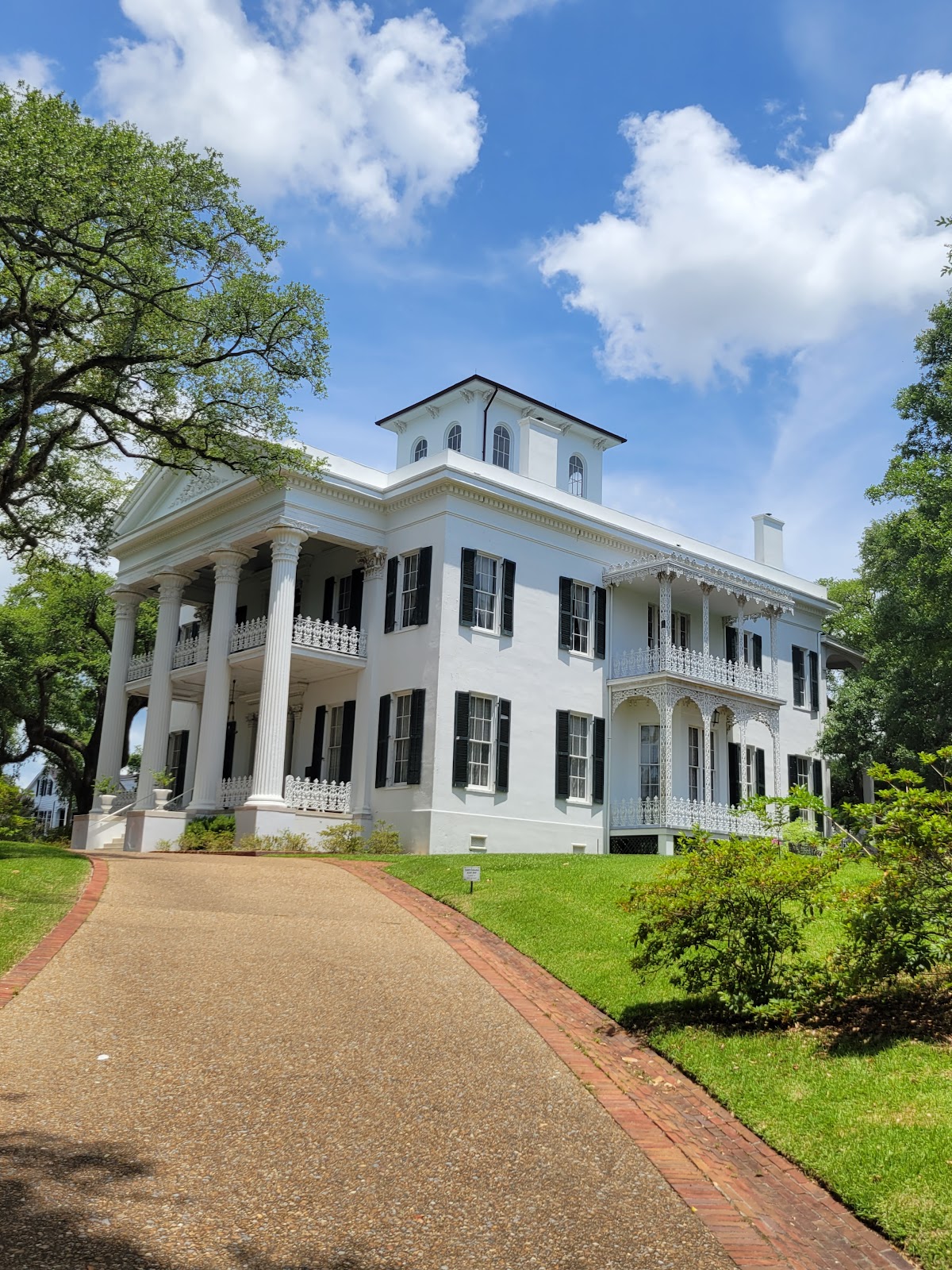
Stanton Hall: Four Ways Out of the White-Column Problem
A large Greek Revival mansion on its own city block in Natchez, with white-painted columns and mature gardens.
Dunleith Historic Inn: A House With a Good Side at Every Hour
A Greek Revival house on landscaped grounds near Natchez, encircled by colonnaded galleries on all four sides.
Rosalie Mansion: Reading the Light on a West-Facing Bluff
An 1820s brick mansion on the bluff above the Mississippi River at Natchez, with lawns facing the water.
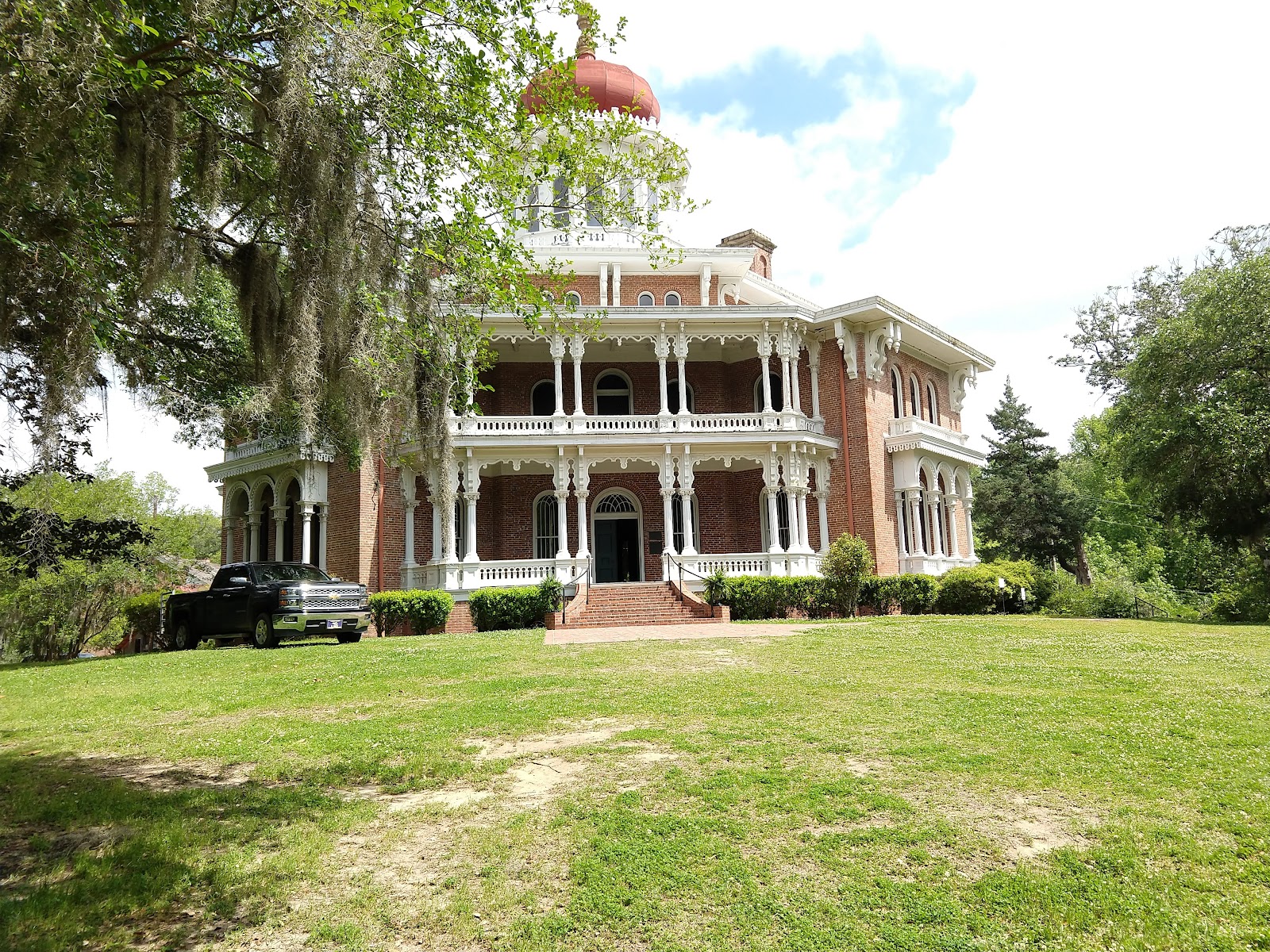
Longwood: How to Photograph a House That Was Never Finished
An octagonal antebellum house in Natchez, Mississippi, topped by a Byzantine dome and left unfinished above the ground floor since 1861.
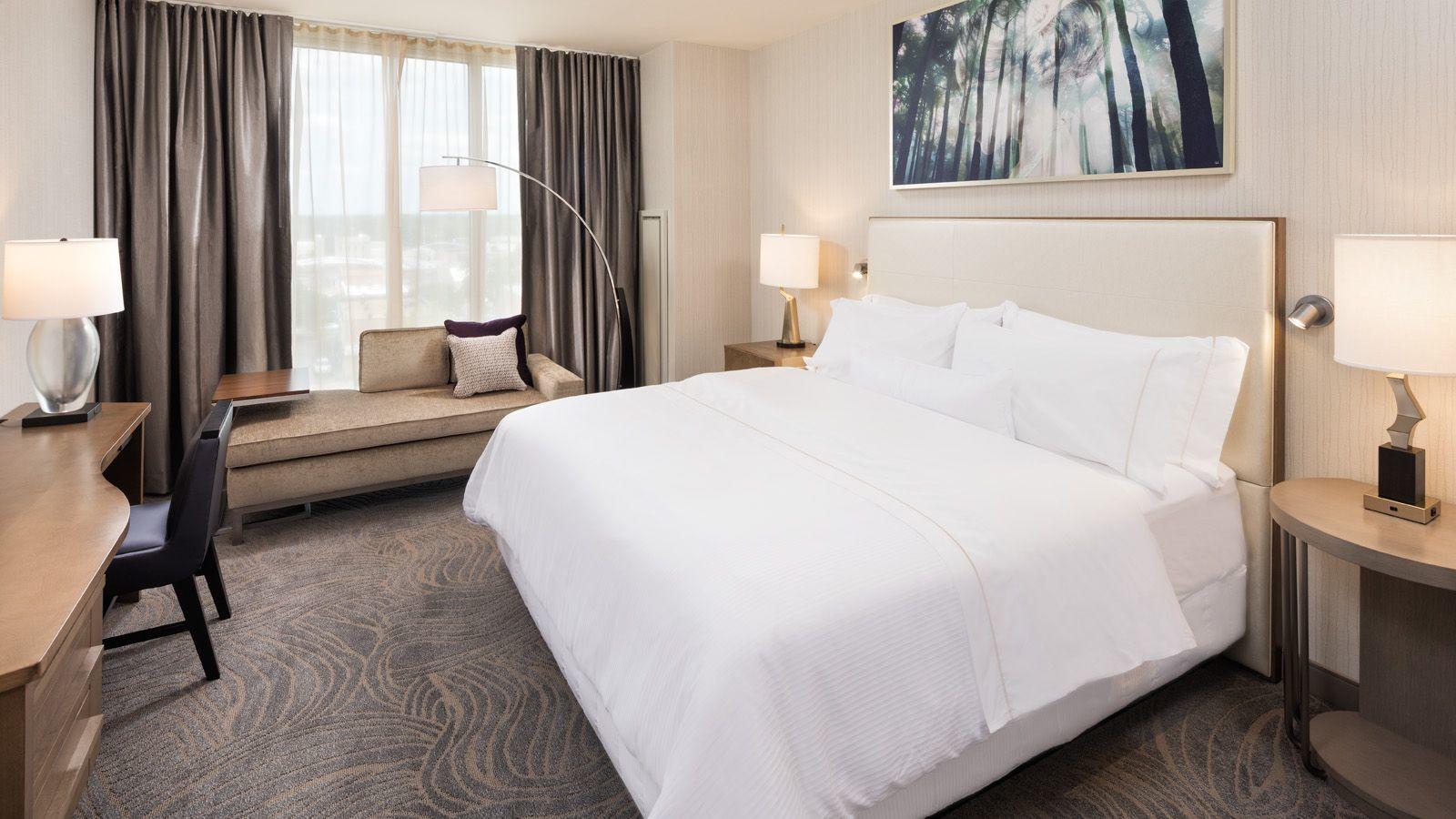
The Westin Jackson: A Walk Through a Contemporary Hotel
A contemporary hotel in downtown Jackson, Mississippi, with a ballroom and function space at several scales.
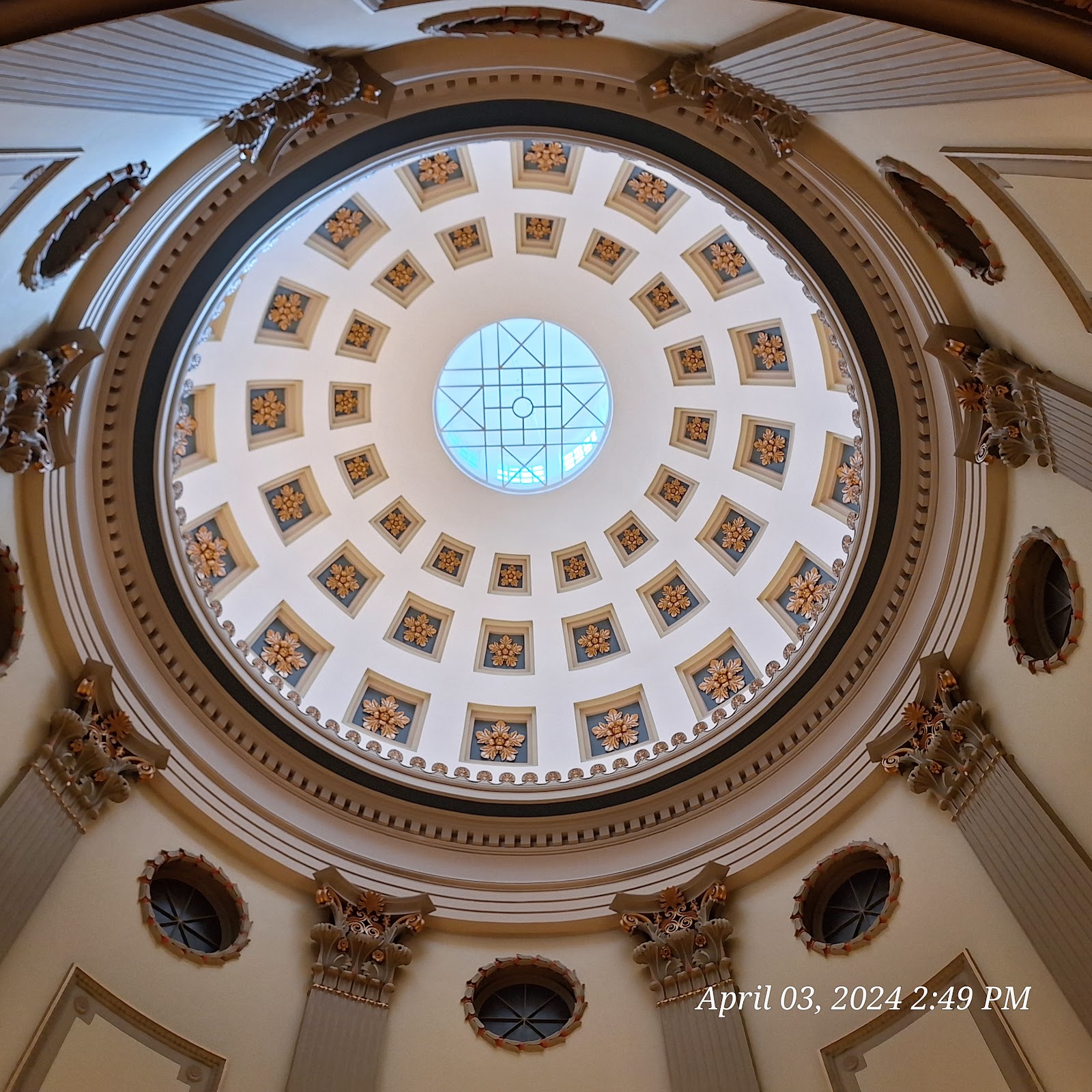
The Old Capitol Museum, Jackson: Four Ways Out of the Landmark Problem
A restored former state capitol building in Jackson, Mississippi, now a museum with carefully conserved interiors.