Lincoln is a plains city and two conditions run through every venue in it. Wind is a constant rather than an occasional event, because there is no topography to slow the air — which makes a veil a held-or-removed decision rather than a hope, means any light stand needs real weight, and makes a walled street or an alley a better outdoor option than any open ground. And there is very little natural shade anywhere, so the dependable midday option is a building's own shadow rather than a tree.
What the plains give back is a genuinely long golden hour, because nothing intercepts the sun near the horizon, and an unobstructed sky that fills the frame with colour for twenty minutes after sunset.
The city is also low-rise, which matters more than it sounds: where a city of towers loses its streets to shadow by mid-afternoon, low evening sun here reaches ground level and runs the full length of a street. That is the block that locates a gallery when the interiors could be anywhere, and finding which streets run roughly east-west is ten minutes of preparation that pays for itself.
The guides below are venue by venue, because the useful information is specific: how to find the true axis of a mosaic rotunda, why a music venue lends you a lighting rig if you ask three weeks early, and why the floor you are on decides the light in a converted industrial building.
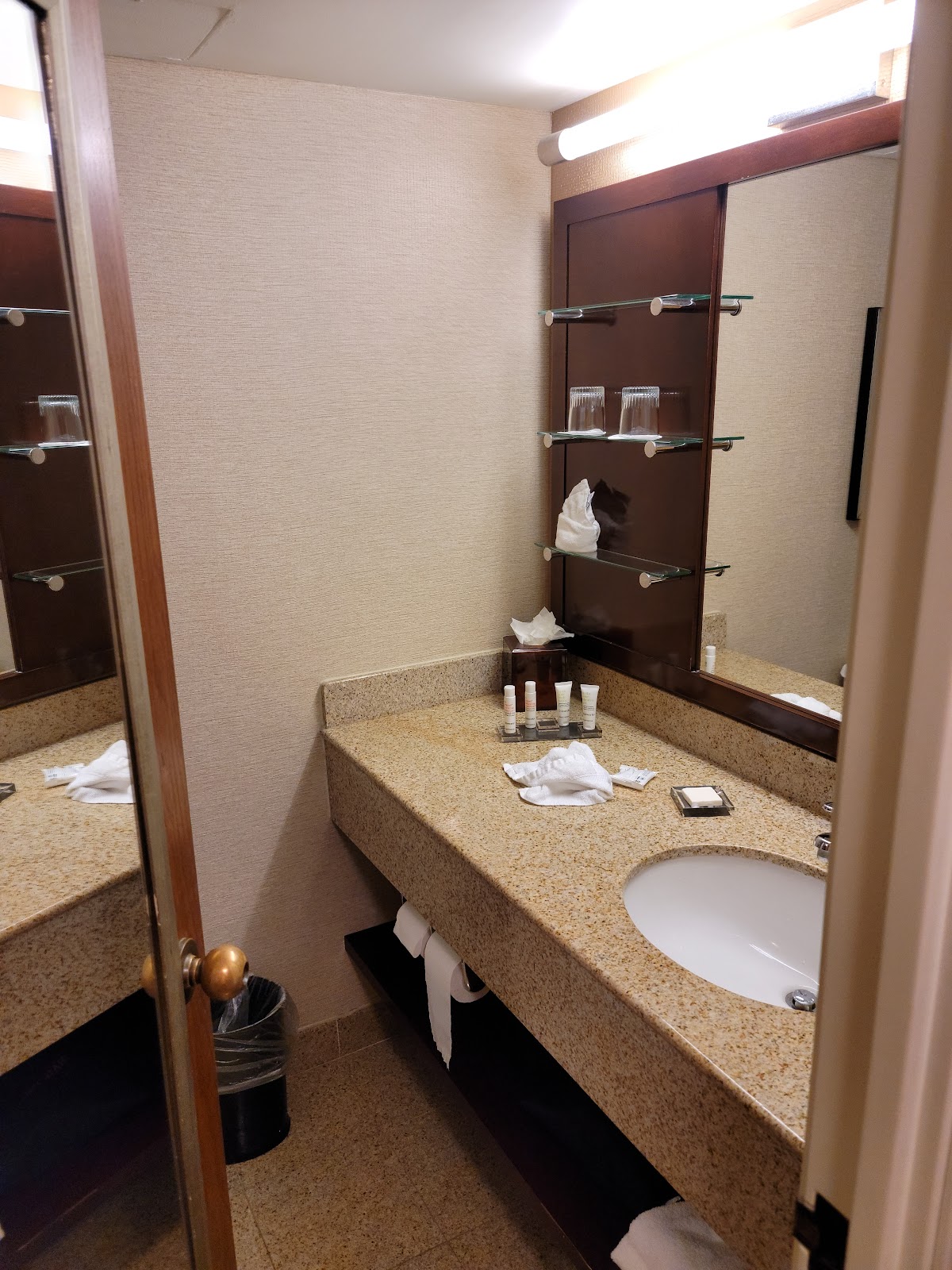
The Lincoln Marriott Cornhusker: Field Notes on a Large Hotel Ballroom
A large full-service hotel in downtown Lincoln, Nebraska, with extensive ballroom and meeting space and guest floors above.
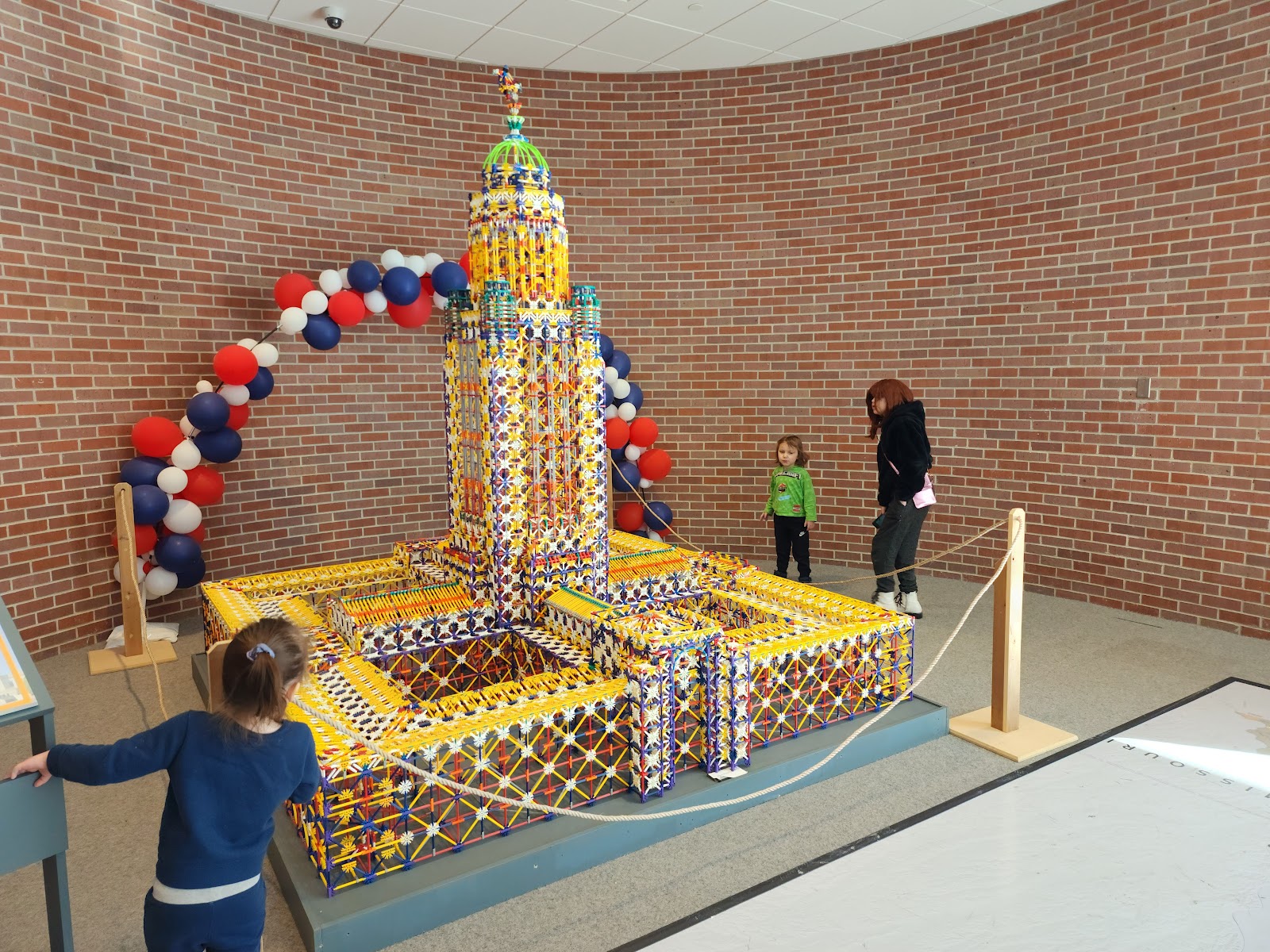
The Nebraska History Museum: Working Under Conservation Lighting
A state history museum in downtown Lincoln, Nebraska, with conservation-lit galleries and public spaces near the Capitol.
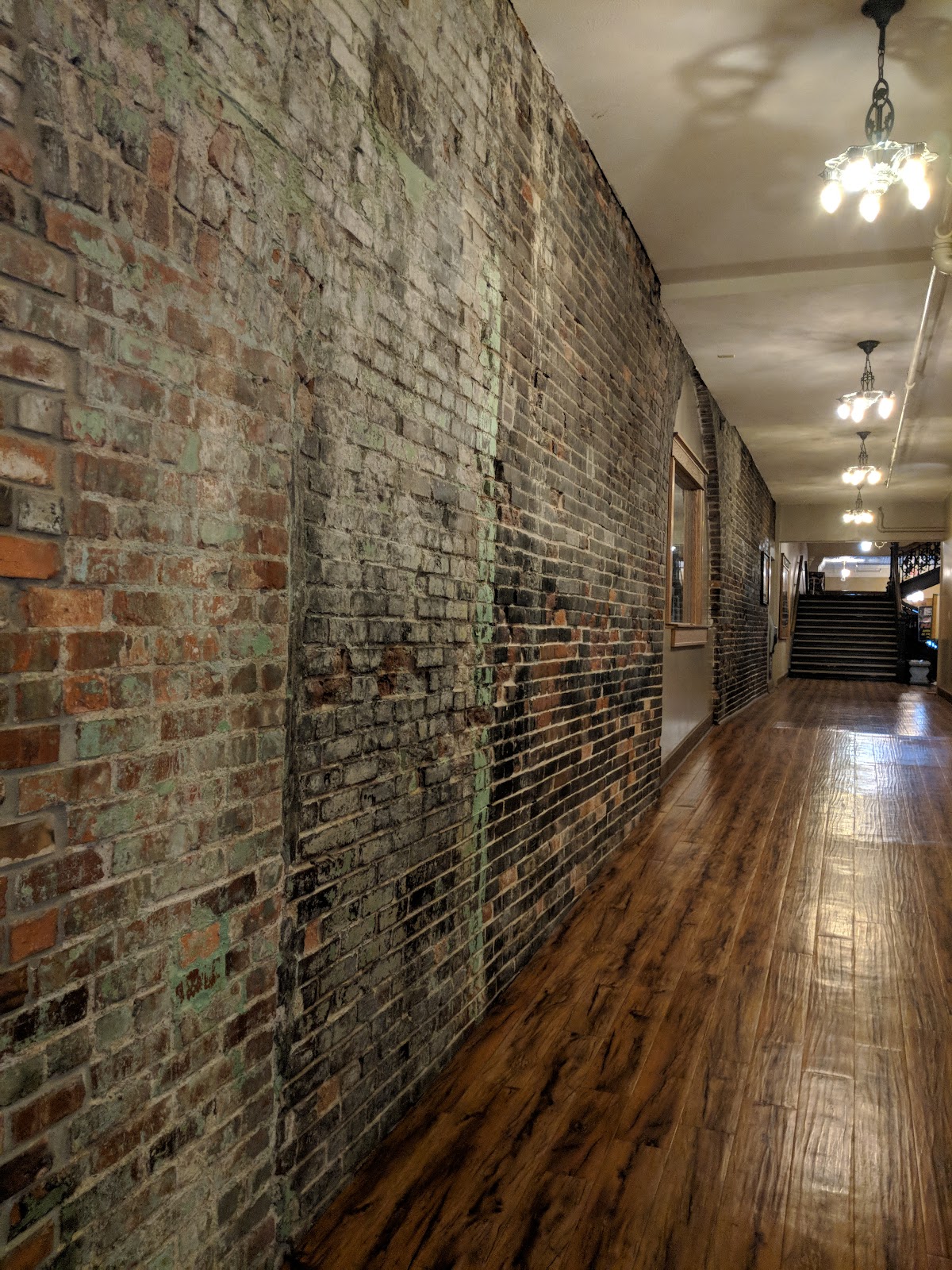
The Creamery Building: One Decision About Which Level You Use
A converted creamery building in Lincoln's Haymarket district, with event space across several levels and original industrial fabric.
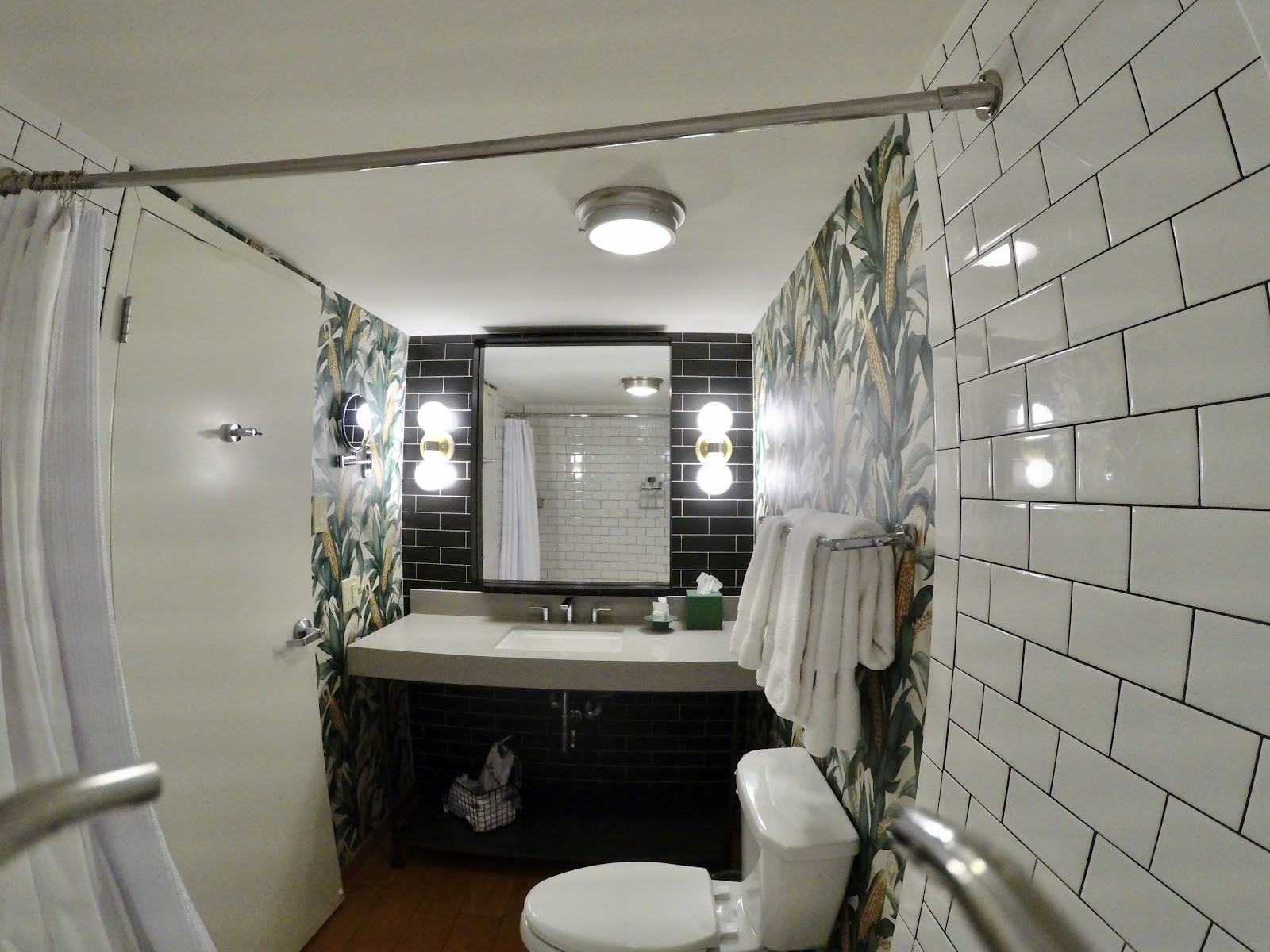
The Graduate Lincoln: A Themed Hotel and the District Beside It
A themed contemporary hotel in downtown Lincoln, Nebraska, beside the historic Haymarket district.
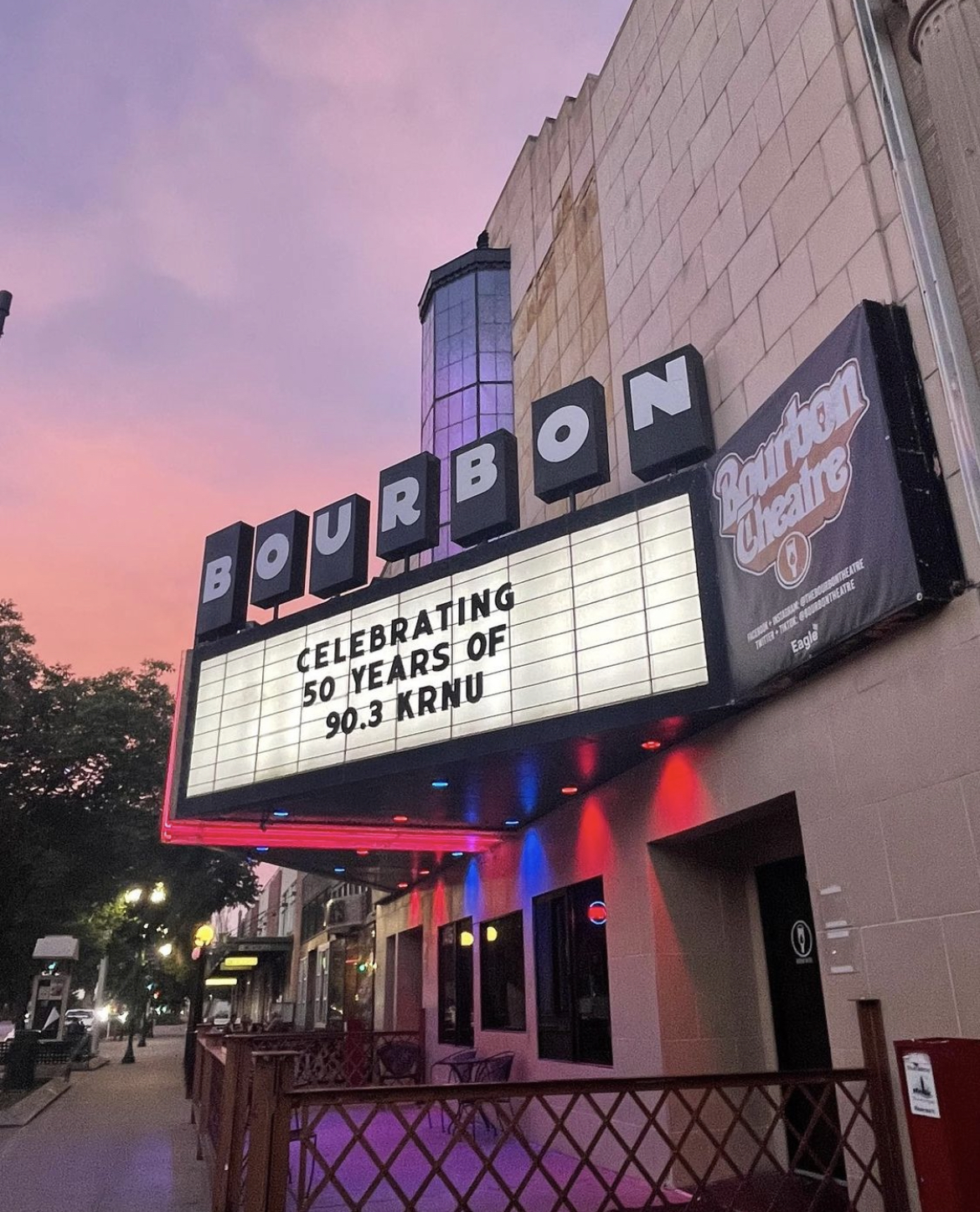
The Bourbon Theatre: Reading a Working Music Venue Through the Day
A converted theatre operating as a live music venue in downtown Lincoln, Nebraska, with a stage, bar areas and a balcony.
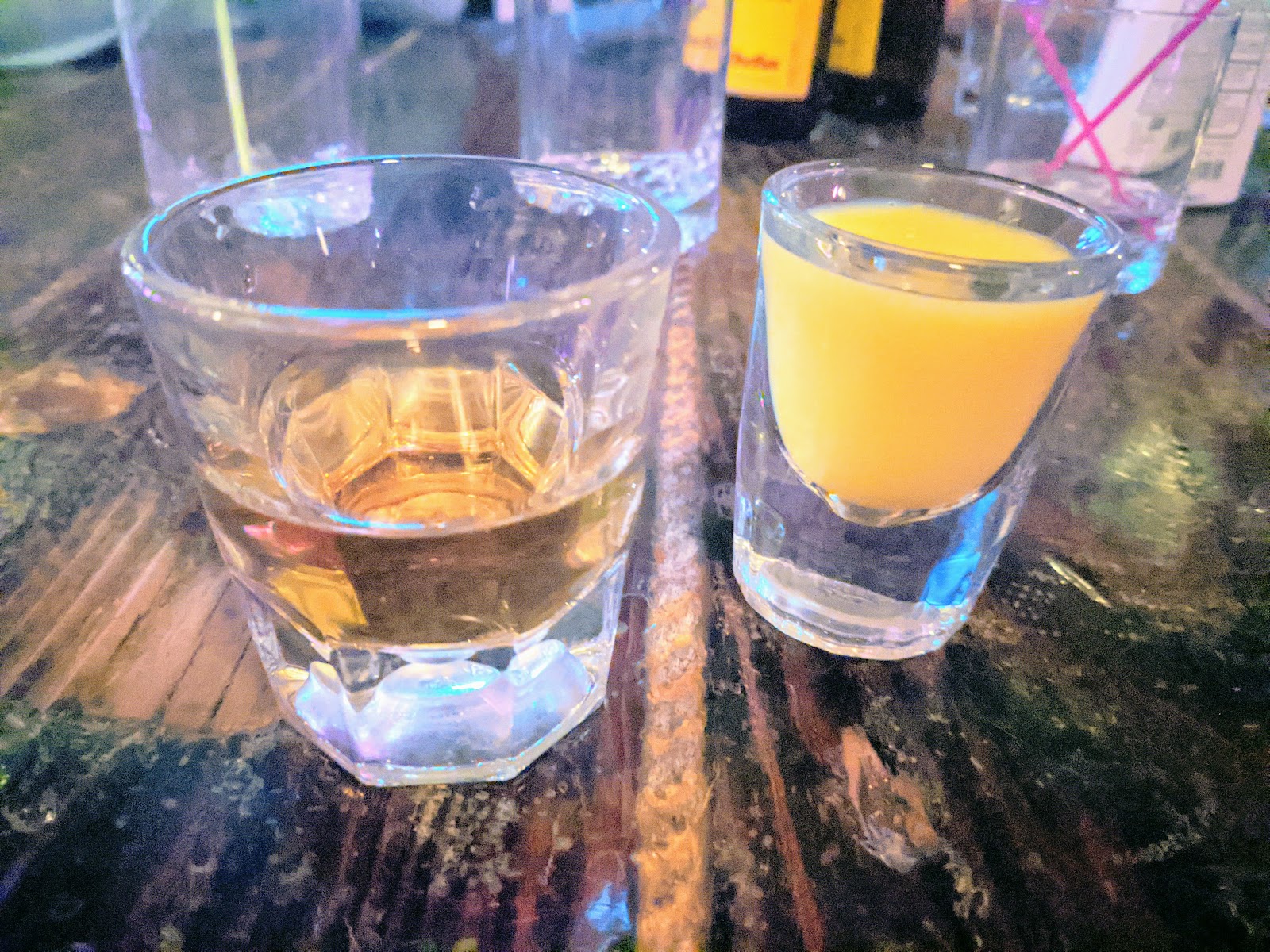
The Zoo Bar: Four Ways Out of the Small-Bar Problem
A long-standing blues bar in downtown Lincoln, Nebraska, with a narrow room, a stage and decades of accumulated character.
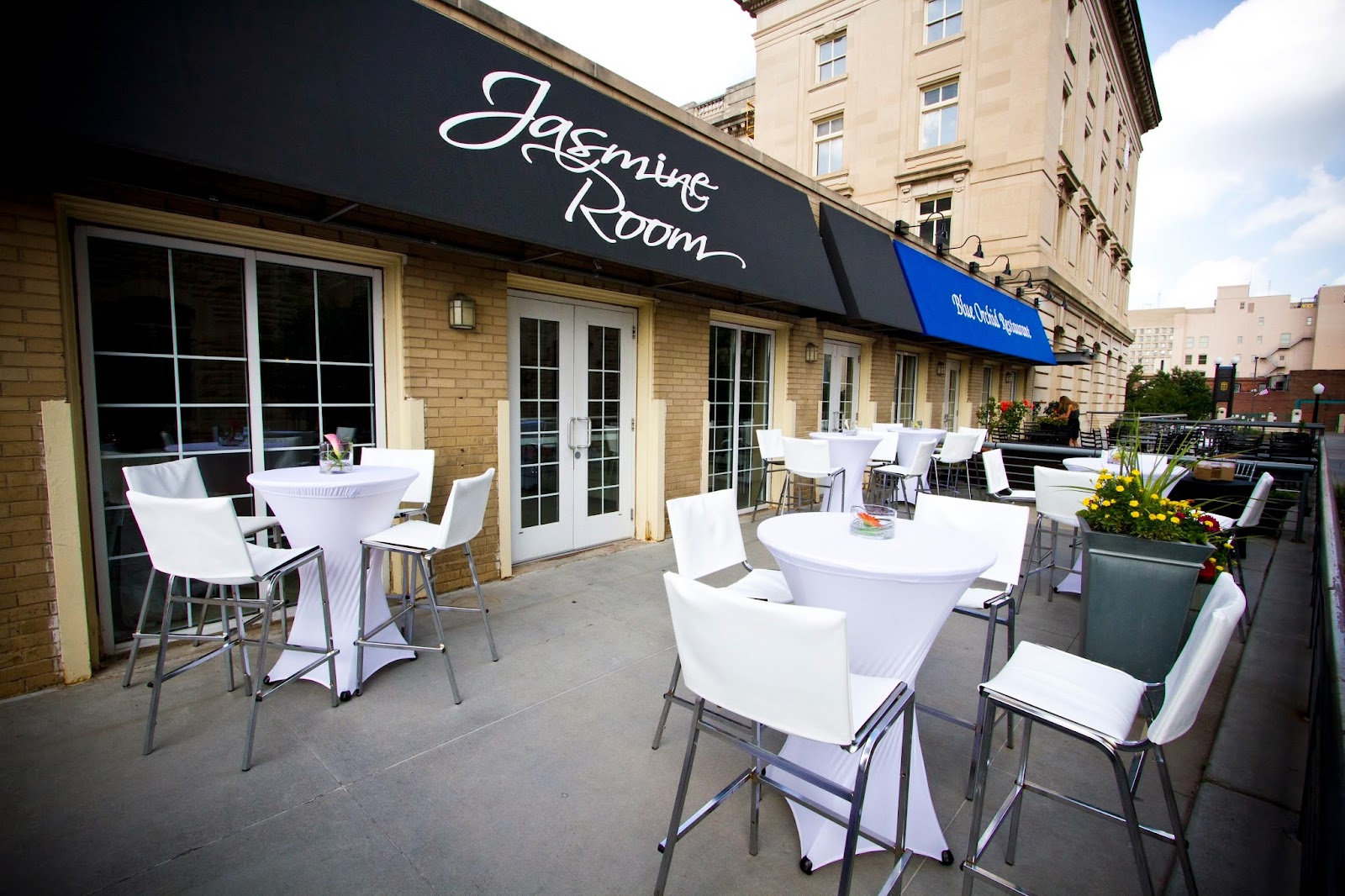
The Grand Manse: Photographing a Converted Federal Building
A converted late nineteenth-century federal building in downtown Lincoln, Nebraska, with stone construction and event spaces across several levels.
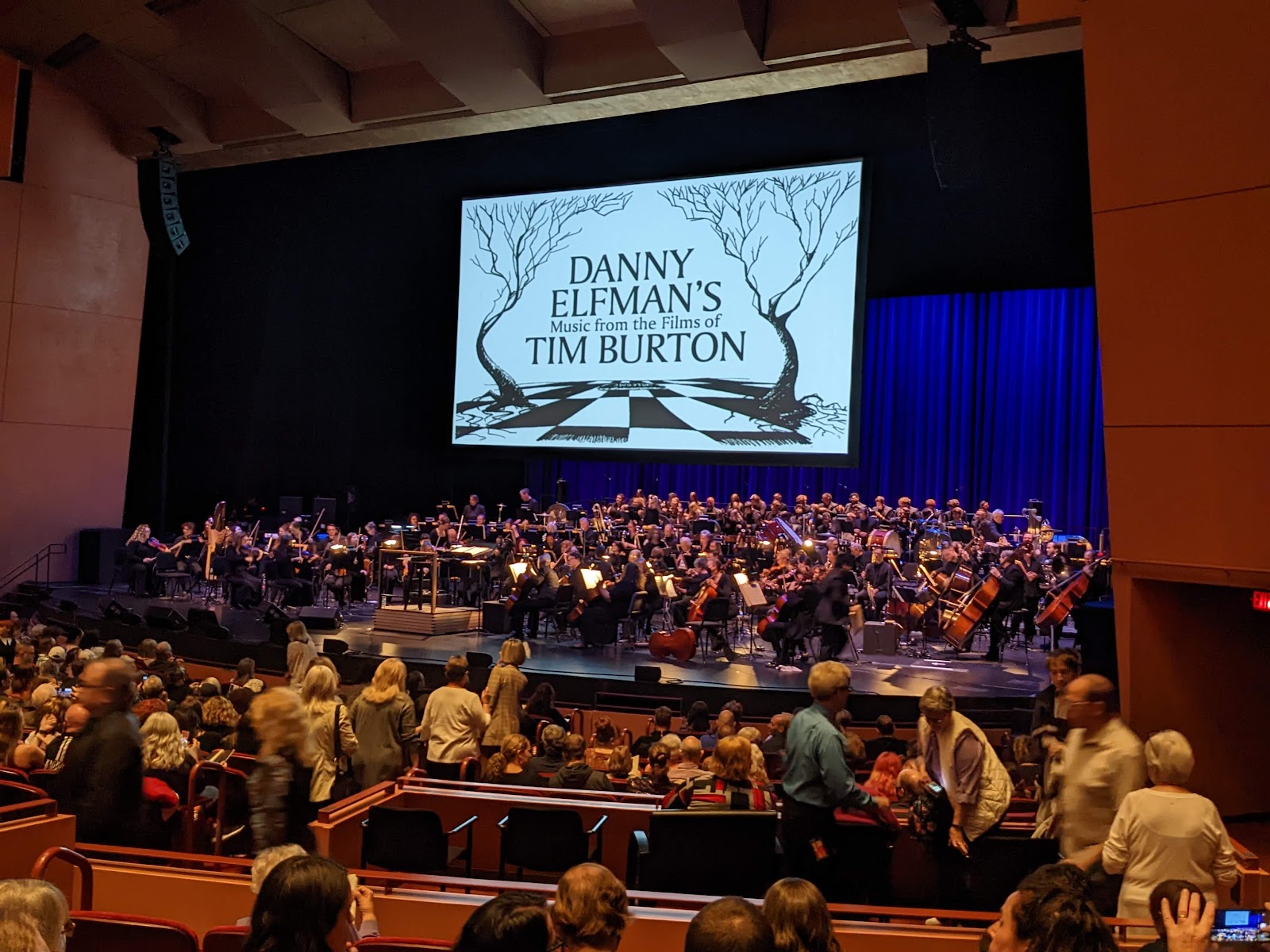
The Lied Center: Field Notes on a Modern Performing Arts Venue
A contemporary performing arts centre on the university campus in Lincoln, Nebraska, with a glazed lobby and a large auditorium.
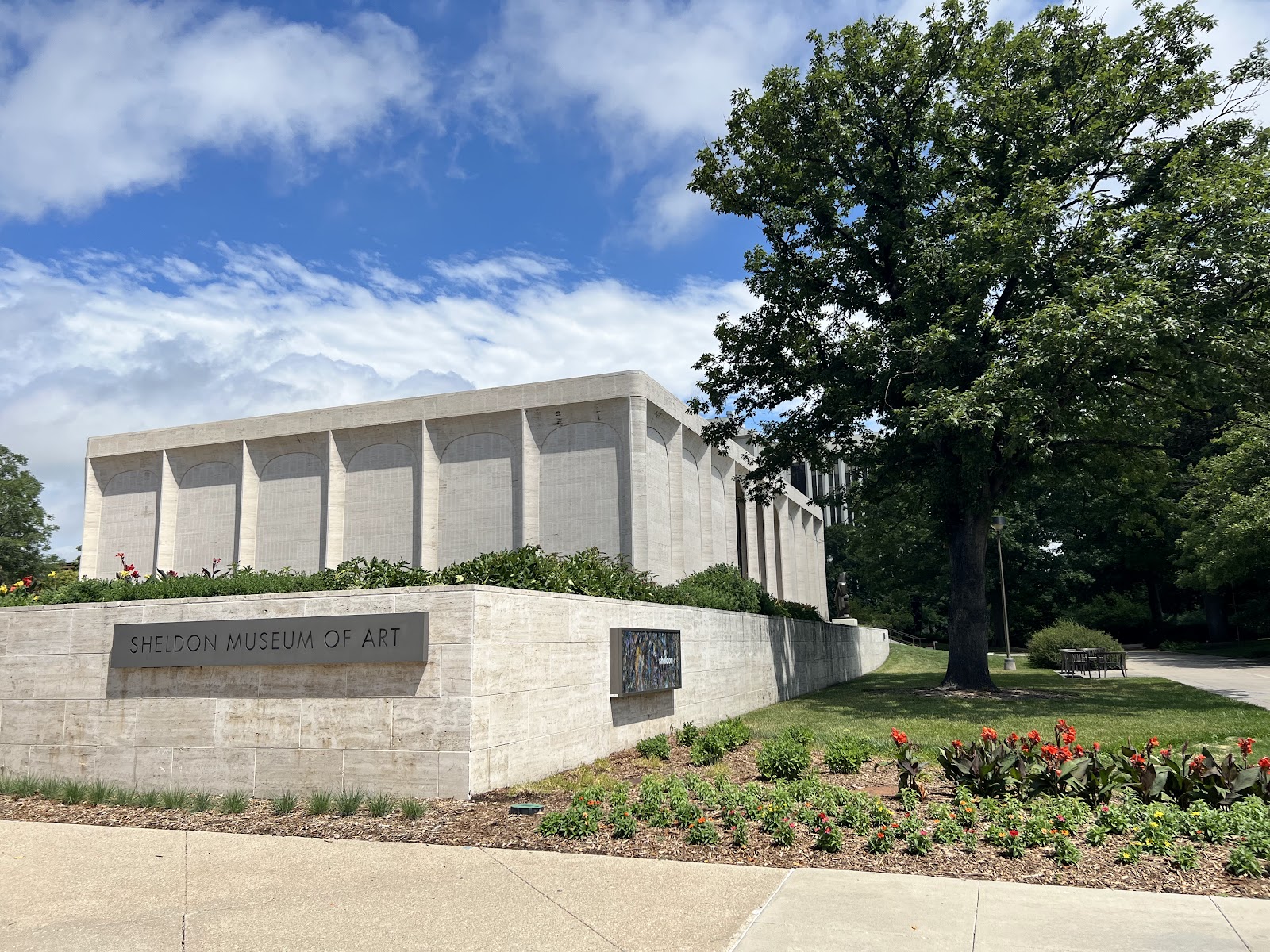
The Sheldon Museum of Art: A Travertine Box and What It Suits
A modernist art museum on the university campus in Lincoln, Nebraska, clad in travertine, with a top-lit hall and a sculpture garden.
The Nebraska Club: One Decision About a Club on a High Floor
A private club occupying a high floor of a downtown Lincoln tower, with panelled rooms and panoramic views across the plains.
- 1
- 2