 The Omaha Children’s Museum: A Photographer Answers Your Questions
The Zoo Bar: Four Ways Out of the Small-Bar Problem
A small bar is the tightest, darkest and most characterful venue in this series, and all three are the same fact.
The Zoo Bar is a long-standing blues bar in downtown Lincoln, Nebraska — a narrow room with a small stage, a bar down one side and the accumulated character of a venue that has been doing the same thing for decades.
Couples who choose a bar for a wedding are almost always doing it deliberately, usually because the room means something to them, and a photographer should treat the decision that way. The photographic conditions are specific and they all follow from the same fact: it is a small room that was designed for people to stand in, drink in and listen to music in, not to be photographed in. It is tight, so camera position is fixed. It is dark, because bars are lit for atmosphere rather than visibility. It is warm, because the fittings are tungsten and the surfaces are timber. And it is reflective, because a back bar is glass, bottles and usually a mirror.
Four approaches make that workable and they all suit different moments. We have not photographed a wedding at the Zoo Bar; small bars behave the same wherever they are. Capacity, whether the room closes for private events and whether the stage lighting can be used are questions for their team — and the second changes the assignment completely.
The Zoo Bar at a glance
| Where | Downtown Lincoln, Nebraska |
| Character | A long-standing narrow blues bar with a stage and decades of use |
| The conditions | Tight, dark, warm and reflective — all the same fact |
| The asset | Character no designed venue can manufacture |
| Ask first | Whether the room goes private, and whether the stage lights work |
Why a small bar is its own problem
Four things at once. The room is narrow, so there is generally one camera position for any given shot and whatever covers the frame from there is the lens you are using — usually a 28mm or 35mm for anything with more than two people in it. Wide lenses at close range stretch whatever sits near the frame edge, and in a narrow room people naturally end up there.
It is dark, and deliberately so: bars are lit for atmosphere rather than visibility, and the fittings are dim, warm and often decorative rather than functional. Expect fast lenses wide open and an ISO that shows grain.
It is warm and the surfaces compound it. Timber, brick and tungsten all push the same direction, so the room is decidedly orange — which is pleasant on skin but needs a deliberate white balance rather than an automatic one that drifts frame to frame.
And it is reflective in a very specific place. A back bar is a wall of bottles, glass and usually a mirror, which makes it the most reflective surface in any venue type — point a flash near it and you get a hard bright spot straight back at camera, plus your own reflection, plus anything else bright behind you.
All four are manageable, and the character the room has in exchange is the thing no designed venue can manufacture.
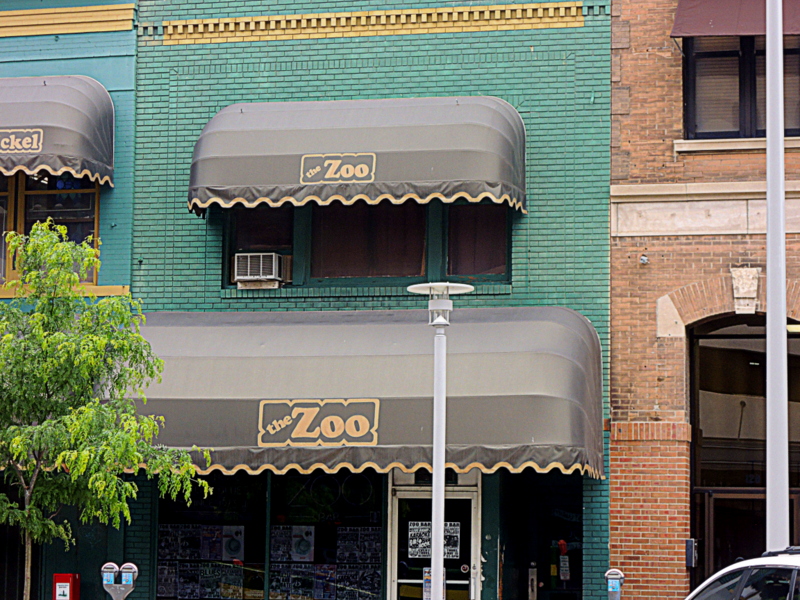
Ways one and two: fill the frame, and bounce off the ceiling
The first approach is compositional and it inverts the instinct. In a small characterful room, do not try to show the room — fill the frame with people. Density is the aesthetic that suits a bar: a frame packed with faces, glassware, timber and signage reads correctly here in a way it never would in a ballroom, and the room supplies context at the edges without needing to be the subject.
That also solves the wide-lens problem, because filling the frame with people means fewer wide frames and fewer stretched faces at the edges. Where a group shot is needed, arrange them in a shallow arc rather than a line, which brings the outer people inward.
The second approach is the one that makes a small room easy: bounce. A bare flash aimed at a pale ceiling or a wall turns the entire room into a soft source, larger than any modifier that would fit through the door, deployable in seconds, needing no stand, and travelling in a pocket. In a ballroom bounce achieves nothing because the surfaces are too far away; here it is better than anything you could carry.
The caveat is what you are bouncing off. Bars frequently have dark timber or pressed-tin ceilings, which absorb and tint rather than returning light — check on arrival rather than assuming, because a dark ceiling turns the best technique in the room into the worst. A pale wall is often the better surface.
- Fill the frame with people; the room supplies context at the edges
- Bounce off a pale surface — check the ceiling before relying on it
- Shoot the back bar obliquely so the reflected cone misses the lens
- Set a custom white balance and keep the warmth
- Split consciously: ambient for candids, added light only where legibility matters
Ways three and four: manage the mirror, and use the stage
The third approach deals with the back bar. Two controls: shoot it obliquely rather than square on, so the reflected cone goes past the lens rather than back into it; and keep any light well off the camera axis and, where possible, behind the plane of the subject so it is not in the reflected field at all. Then check the frame properly, because a bright rectangle floating among the bottles is obvious in the final image and easy to miss on a small screen.
Used deliberately, the same surfaces are the best thing in the room. A couple reflected in a back-bar mirror between bottles, or shot through a row of glassware with the bar lights flaring behind, gives frames that could only have been made in a bar. The difference between that and a mess is entirely whether it was intended.
The fourth approach is the stage, and it is worth asking about because a music venue has lighting already rigged and aimed at exactly the place people stand. If it can be operated — which needs someone who knows it, so ask in advance — a warm wash plus a backlight gives a two-light setup with no stands, no cables and no setup time. Ask for warm or open white rather than a saturated colour, because strong stage colour on skin is difficult to correct.
A small stage in a small room also gives something a large theatre does not: the audience is close, so a lit couple on stage reads as surrounded by people rather than as isolated in an empty hall. That is arguably the better version of the frame.
Two last things. If the bar stays open to the public there will be strangers in frames, which means shooting tighter than otherwise — worth establishing in advance. And a bar reception runs later and looser than a ballroom one, so the best unposed frames are frequently after the point most photographers have packed up. Outside, downtown Lincoln is low-rise, so evening sun reaches street level, and plains wind means buildings are better shelter than open ground.
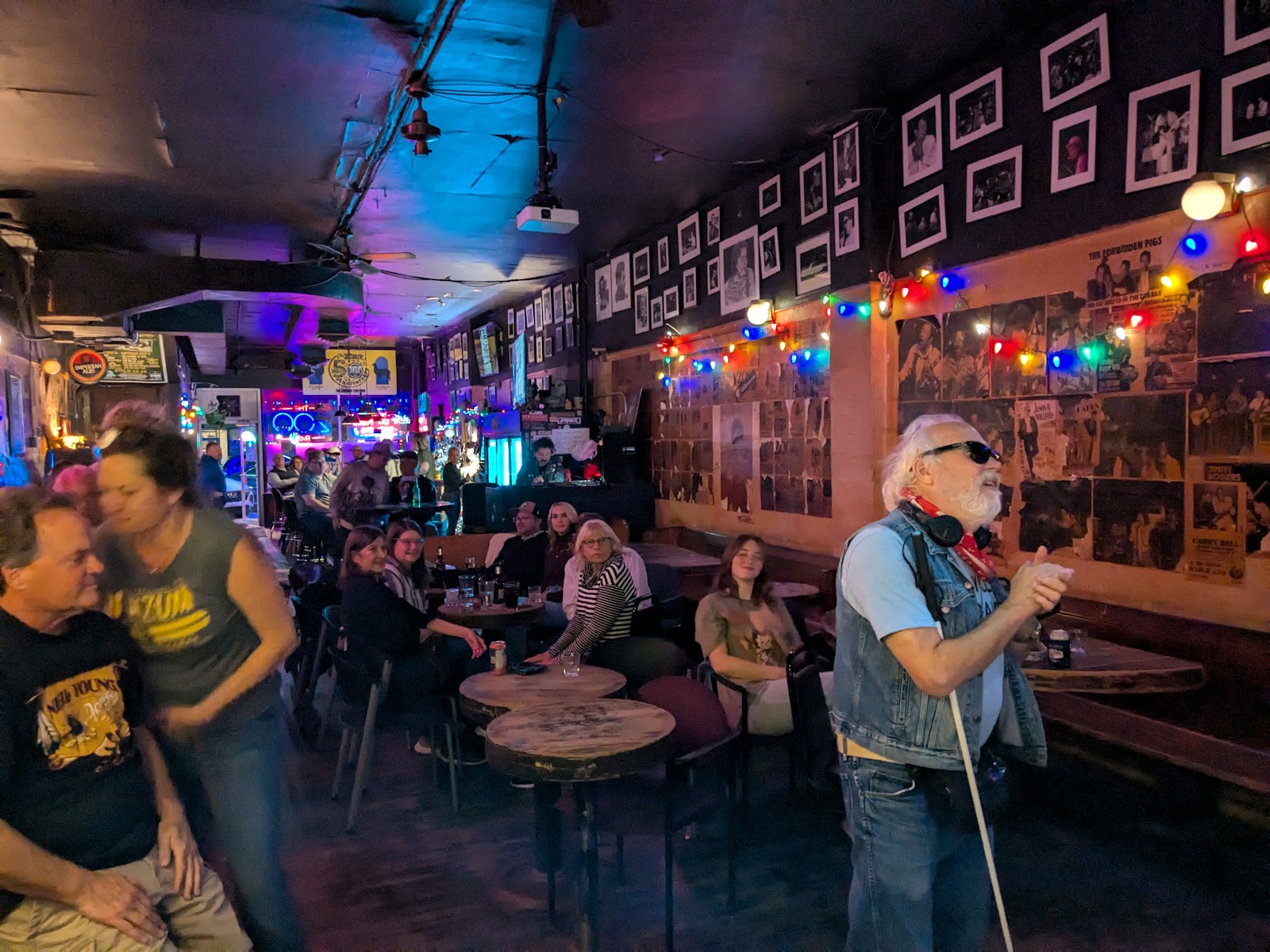
More frames from The Zoo Bar
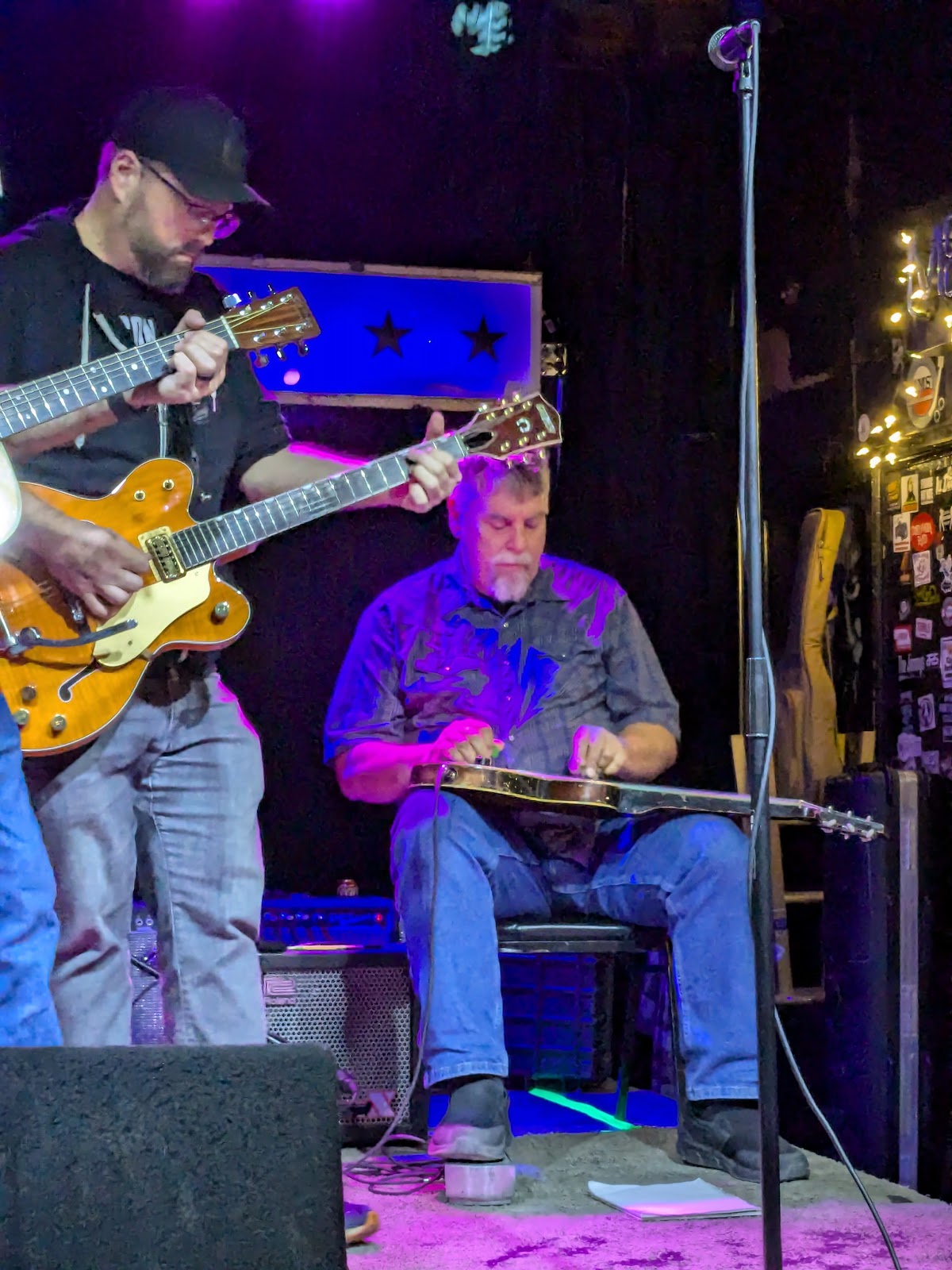
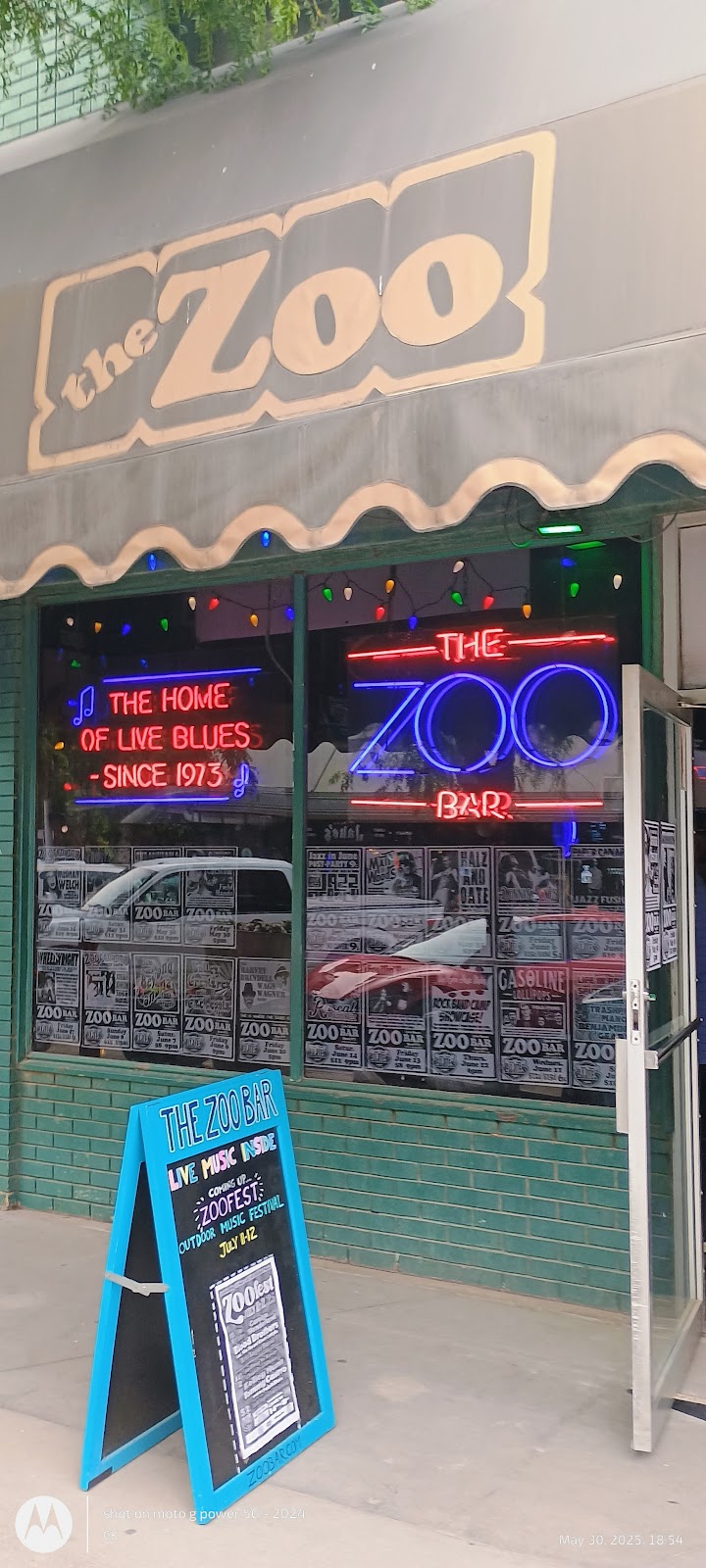
The Zoo Bar wedding photography: common questions
What lens does a narrow bar need?
Whatever covers the shot from the only position available — usually 28mm or 35mm for groups and 85mm for faces across a table. Keep faces towards the centre, because wide lenses stretch whatever sits near the frame edge.
What is the best lighting technique?
Bounce, if the surfaces allow. A bare flash on a pale ceiling or wall turns the whole room into a source larger than anything that would fit through the door. But check first — bars often have dark timber or pressed-tin ceilings that absorb and tint.
How do you handle the back bar?
Shoot it obliquely so the reflected cone misses the lens, keep any light well off the camera axis and ideally behind the subject, then check the frame. A bright rectangle among the bottles is obvious in the final image and easy to miss on screen.
Is the reflection ever useful?
It is the best thing in the room when intended. A couple reflected in a back-bar mirror between bottles, or shot through glassware with the bar lights flaring behind, gives frames that could only have been made in a bar.
Can the stage lighting be used?
Worth asking well in advance, because it needs someone who knows the rig. A music venue has lighting already aimed at where people stand — a warm wash plus a backlight is a two-light setup with no stands and no setup time.
When are the best frames taken?
Later than most photographers stay. A bar reception runs looser and later than a ballroom one, and the loud unposed last half hour is usually why the couple chose a bar in the first place.
More Lincoln, NE venue guides
We are writing a photographer’s guide to every venue we would happily shoot in Lincoln, NE. Here are three more, plus the full index:
- The Nebraska History Museum: Working Under Conservation Lighting
- The Sheldon Museum of Art: A Travertine Box and What It Suits
- The Bourbon Theatre: Reading a Working Music Venue Through the Day
All Lincoln, NE Wedding Venues →
Planning a wedding at The Zoo Bar?
A small bar is tight, dark, warm and reflective, and all four are workable. Tell us your date and whether the room goes private.