 The Omaha Children’s Museum: A Photographer Answers Your Questions
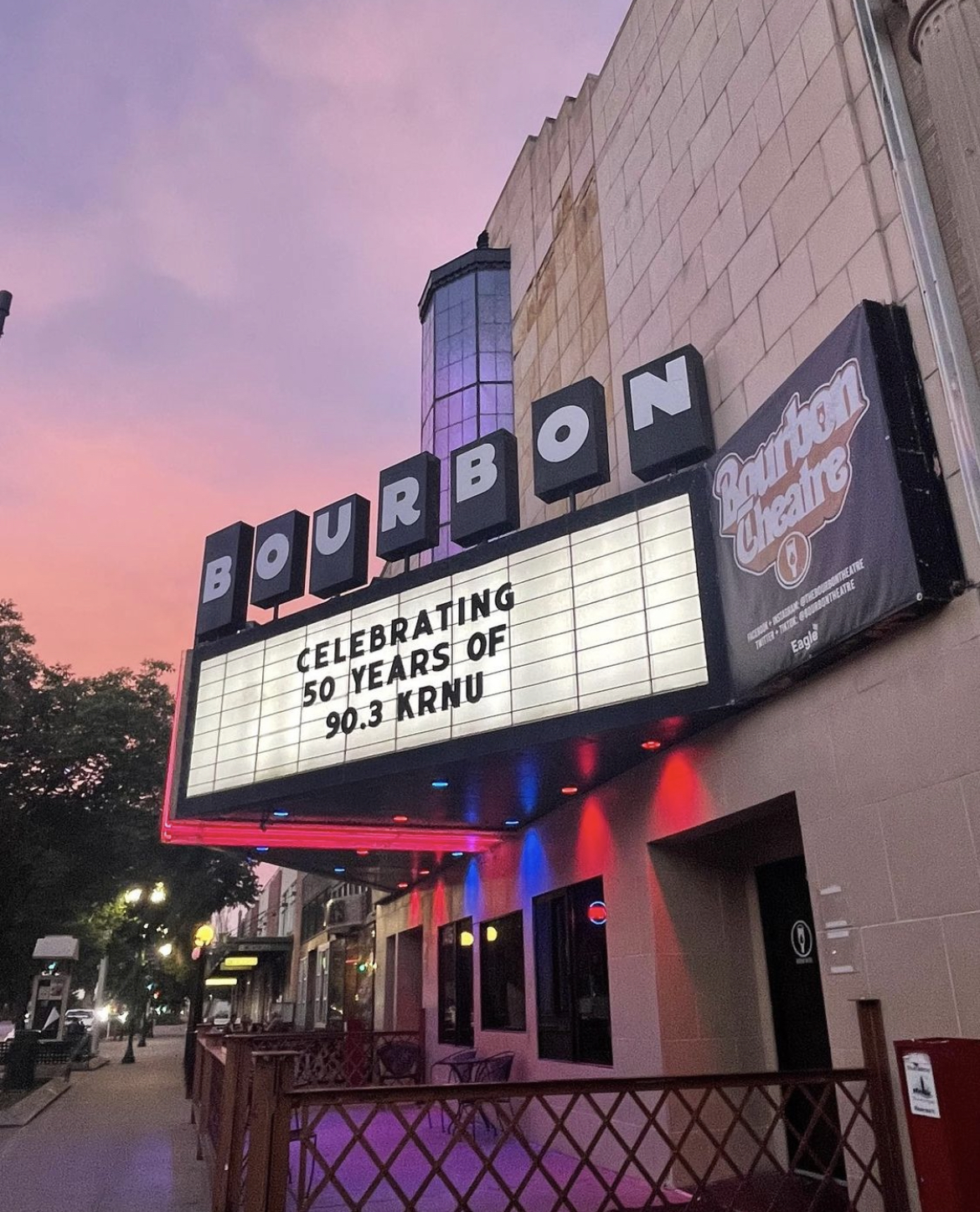
The Bourbon Theatre: Reading a Working Music Venue Through the Day
A working music venue has a lighting rig already aimed where people stand, and no daylight at all.
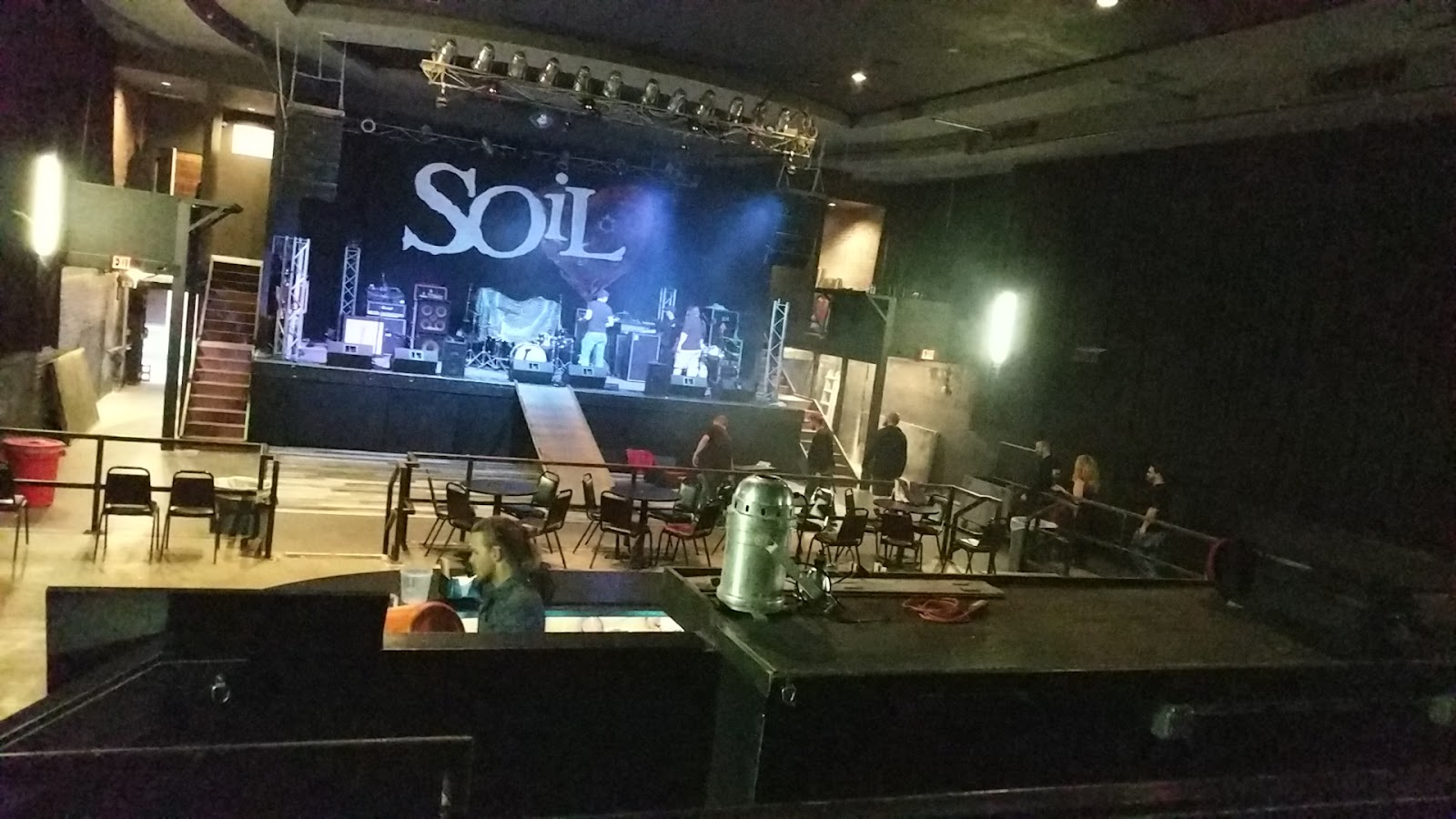
The Bourbon Theatre occupies a converted theatre in downtown Lincoln, Nebraska, operating as a live music venue with a stage, bar and lounge areas and a balcony above the main floor.
Working music venues are a distinct and rather good wedding venue type, and the reason is equipment. Unlike a hotel or a historic house, a music room comes with a lighting rig that is already installed, already aimed and already powered — pointing at precisely the place a couple will stand. That is a two-light setup with no stands, no cables across a floor and no setup time, if somebody can operate it.
What it does not have is daylight. A music room is built to be dark, so the interior is entirely time-independent and weatherproof, which removes all timing pressure indoors and puts every clock-dependent frame outside. This walks the day through on that basis. We have not photographed a wedding at the Bourbon; converted music venues behave the same wherever they are. Whether the rig can be operated and by whom is the first question for their team.
The Bourbon Theatre at a glance
| Where | Downtown Lincoln, Nebraska |
| Character | A converted theatre running as a live music venue, with a balcony |
| The asset | A lighting rig already aimed at where the couple will stand |
| The absence | No daylight at all, so the interior has no clock |
| Ask first | Whether the rig can be operated, and by whom |
Daytime: no daylight, which is an advantage
A music venue has no windows to speak of, and the consequence is that the interior looks identical at two in the afternoon and one in the morning. That removes a whole category of problems: there is no convergence moment to hit, no window to balance, no glass turning into a mirror after dark, no weather dependency, and no penalty at all for a running order that slips.
It also means the interior is the block to move when the day runs late, because everything with a clock attached is outside on the street. Knowing which part of a plan is expendable is the practical value of understanding a venue’s structure.
The absence of daylight has one real cost: there is nowhere in the building that will produce a flattering natural-light portrait, so preparation coverage either happens elsewhere or happens under artificial light. That is worth establishing early — a venue with no daylight may also have no dressing room worth photographing in, which makes preparation a transfer to budget for in the timeline.
Where a room does exist, treat it as a small dark space: a bare flash bounced off a pale wall turns it into a soft source larger than any modifier that would fit, which keeps the kit small and the setup fast.
The rig: the request that makes the day
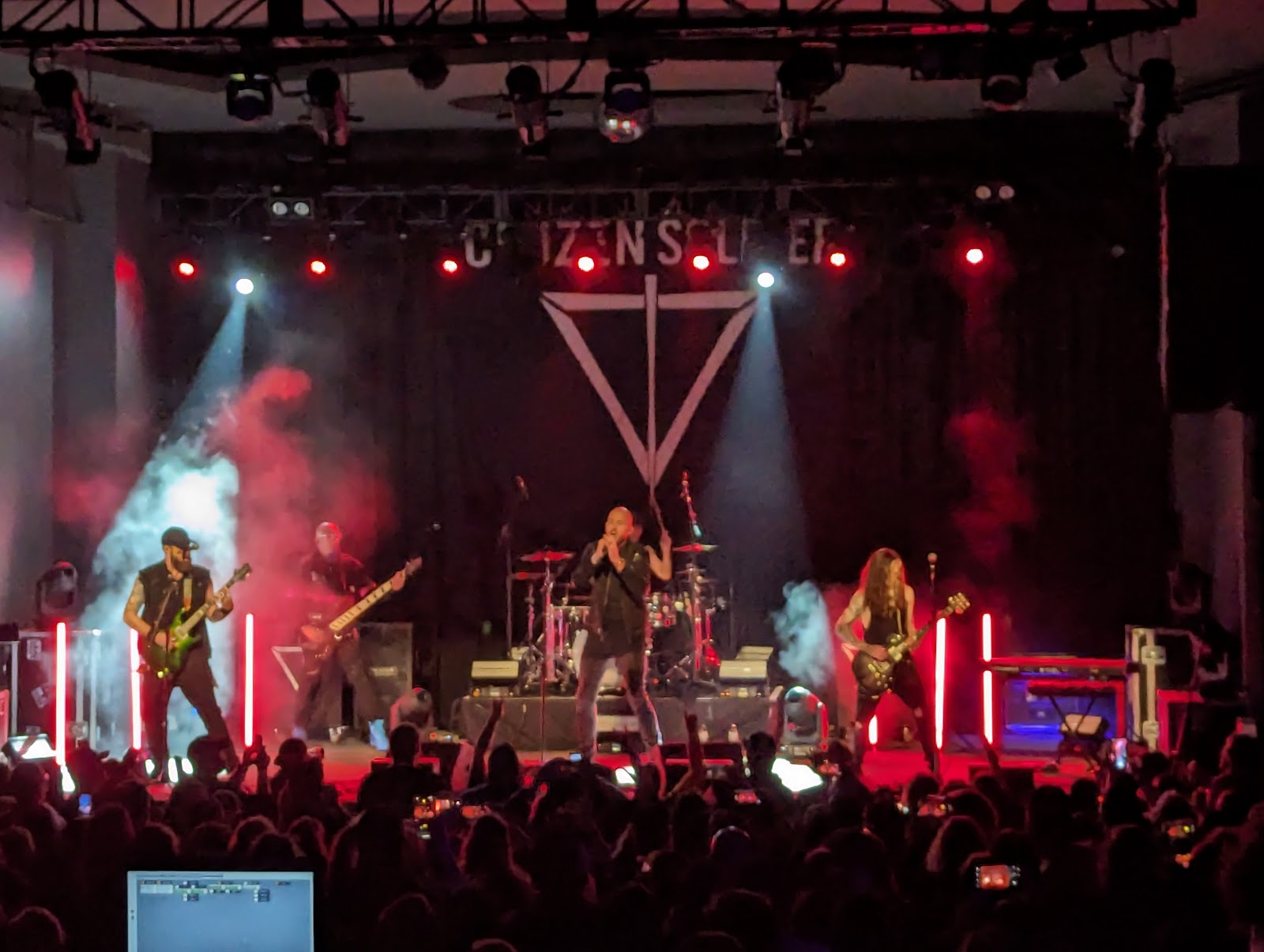
The request is small, specific and needs to reach the events team well before the day: a warm front-of-house wash on the stage, a backlight from upstage if the rig has one, and the house lights at a low level rather than off. Those three settings give modelled faces, separation from whatever is behind, and a room that reads faintly as context instead of disappearing into black.
It needs a person who knows the board, and that person has to be scheduled. A request made on the day to whoever is on shift gets a polite no; three weeks earlier it usually gets someone rostered. That email is the difference between the venue’s best frame and its absence.
Ask for warm or open white rather than a saturated colour. Music rigs are frequently gelled in strong colours, and saturated colour on skin is difficult to correct — if the rig is fixed in a colour, gel your own key to match rather than fighting it, because matched is always better than mixed.
If the rig cannot be operated, light the stage yourself. A dark room is the most forgiving environment for added light, because nothing nearby bounces and therefore there is no spill to manage: one gridded source at forty-five degrees and one behind, both at low power, reproduces the effect closely.
The balcony is the second frame and it is underused. Looking down over the floor towards a lit stage gives a geometric composition no ground-level position offers, and it is a much easier exposure — the background becomes a distant tone rather than a space to fill. In a converted theatre the balcony front also gives a strong horizontal to compose against.
- Ask three weeks ahead for a warm front wash, a backlight and low house lights
- Request warm or open white rather than a saturated colour
- If the rig is fixed in a colour, gel your key to match rather than fight it
- Use the balcony for a geometric frame and an easier exposure
- Move the interior block when the day slips — it has no clock
Evening: bar areas, density and the street
The bar and lounge areas are the second environment and they behave like any small dark bar: warm tungsten ambient, timber and brick surfaces that absorb and tint, and a back bar of glass and bottles that reflects anything bright behind the camera. Shoot the bar obliquely so the reflected cone misses the lens, keep any light well off the camera axis, and set a custom white balance for the faces rather than the wall.
Density is the aesthetic that suits the whole building. A frame packed with people, glassware and the venue’s accumulated signage reads correctly in a music room in a way it never would in a ballroom, so fill the frame with faces rather than trying to show the space. The room supplies context at the edges.
The split worth making consciously is between ambient and added light. Fast lenses wide open at a raised ISO give frames that look like the room actually looks, and the grain suits a music venue where a clean flash-lit frame would look imported. Use that for the candid and atmospheric coverage, and add light only where legibility is non-negotiable — speeches, the cake, posed pairs. A set that alternates deliberately reads as range; one that drifts looks uneven.
A music-venue reception also runs later and looser than a ballroom one, and the best unposed frames are frequently after the point most photographers have packed up. That is worth flagging when the coverage hours are agreed, because it is where the character of the venue actually shows.
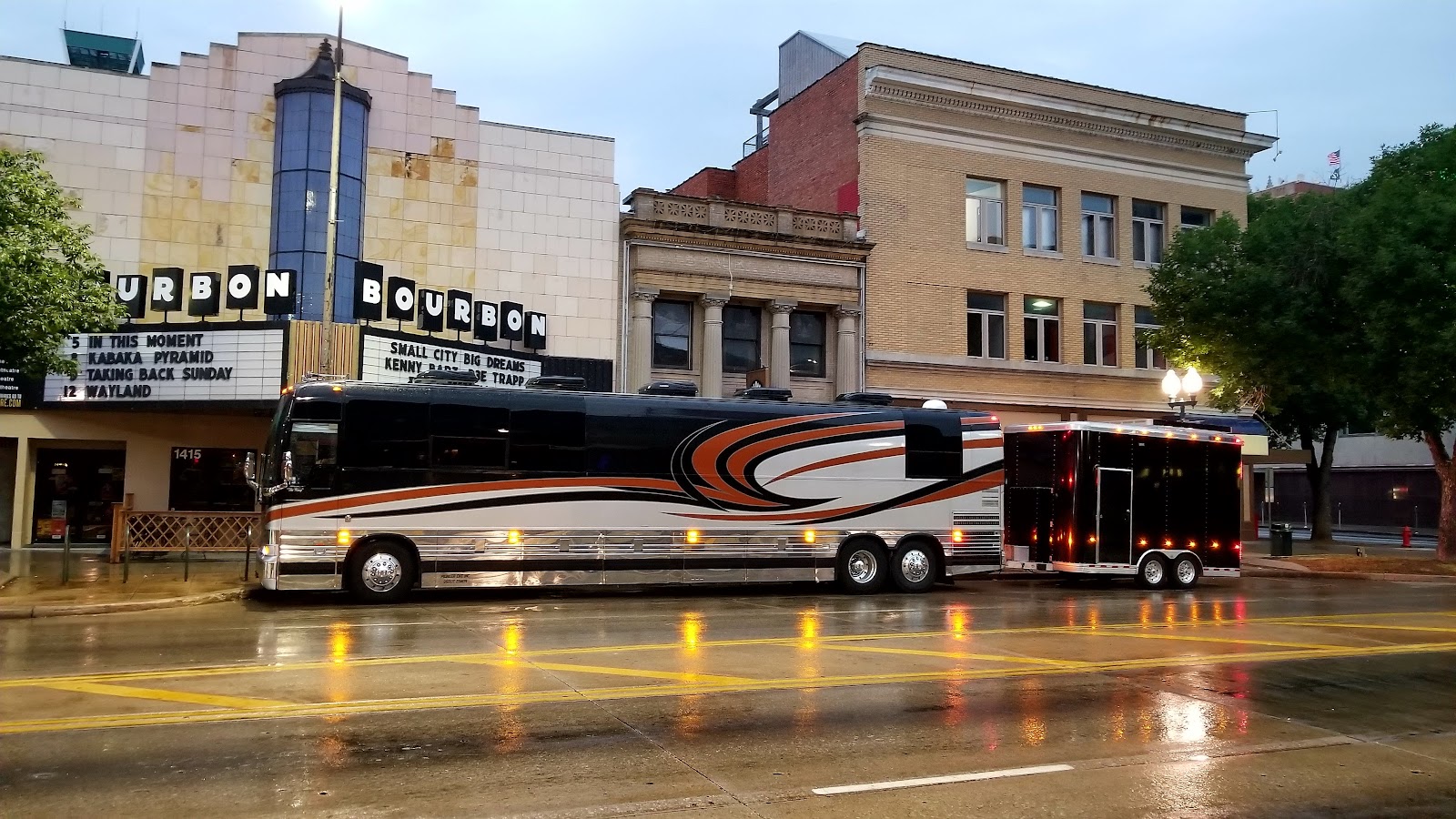
Outside, downtown Lincoln is low-rise, so low evening sun reaches street level and runs the length of a street — the only block with a clock attached, and worth timing. The Haymarket district nearby gives brick warehouse frontages as a coherent extension. Nebraska plains wind is a constant, so a veil is a held-or-removed decision and any stand needs weight; buildings give shelter, which makes a downtown street a better outdoor option than open ground.
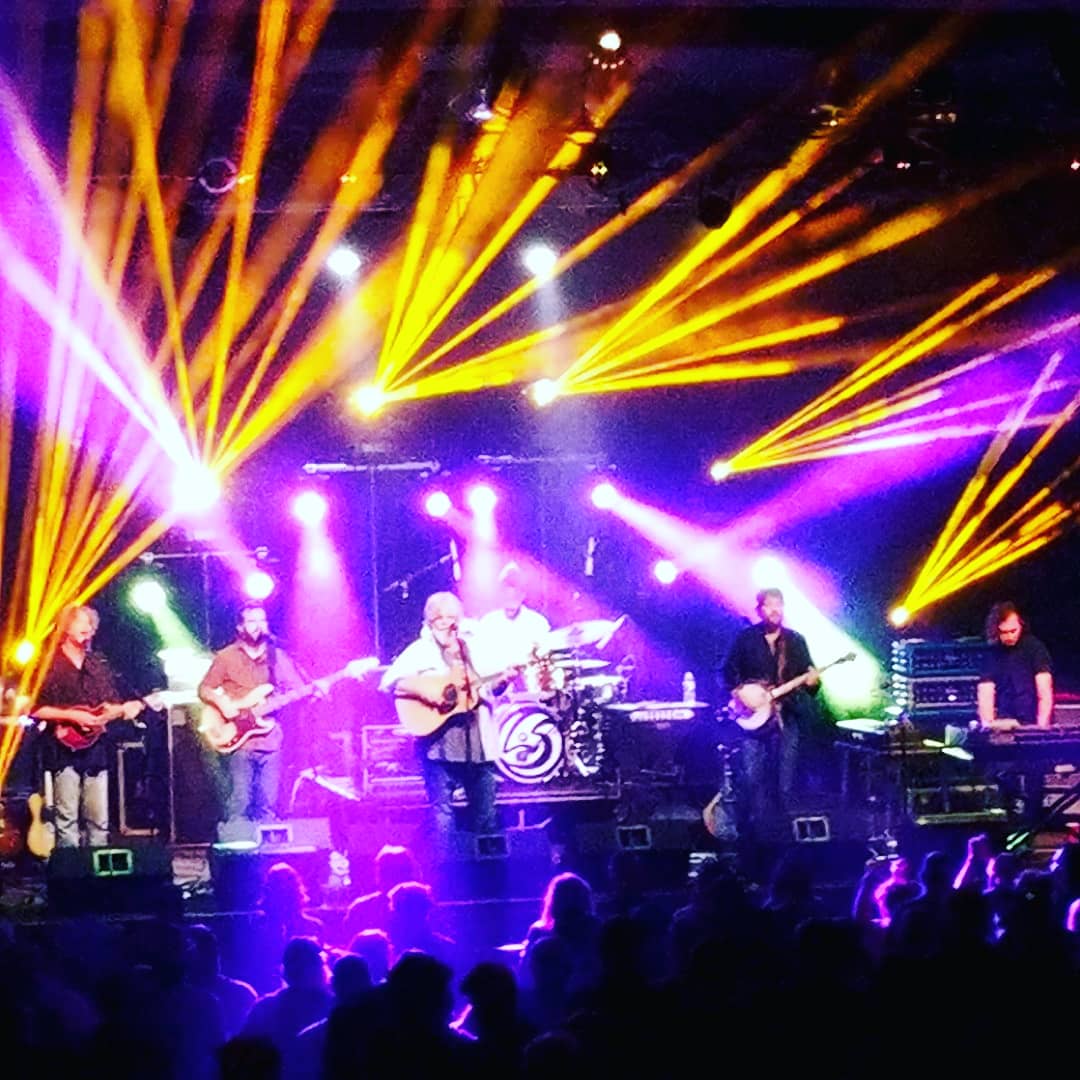
More frames from The Bourbon Theatre
The Bourbon Theatre wedding photography: common questions
What is the advantage of a music venue?
The rig. Lighting is already installed, aimed and powered, pointing at exactly where a couple will stand — a two-light setup with no stands, no cables and no setup time, if somebody can operate it.
What exactly should be requested?
A warm front-of-house wash, a backlight if the rig has one, and house lights low rather than off — asked of the events team three weeks ahead, because it needs someone rostered who knows the board.
What if the rig is gelled a strong colour?
Ask for warm or open white instead. If it is fixed, gel your own key to match rather than fighting it — matched is always better than mixed, and saturated colour on skin is very hard to correct.
Is the absence of daylight a problem?
Mostly an advantage. The interior looks identical at two in the afternoon and one in the morning, so there is no timing pressure and no weather dependency — it becomes the block to move when the day slips.
What is the cost of no daylight?
Preparation. There is nowhere in the building that will give a flattering natural-light portrait, so getting ready either happens elsewhere — a transfer to budget for — or happens under artificial light in whatever room exists.
When are the best frames taken?
Later than most photographers stay. A music-venue reception runs looser and later than a ballroom one, and that last stretch is where the character of the place actually shows.
More Lincoln, NE venue guides
We are writing a photographer’s guide to every venue we would happily shoot in Lincoln, NE. Here are three more, plus the full index:
- The Creamery Building: One Decision About Which Level You Use
- The Graduate Lincoln: A Themed Hotel and the District Beside It
- The Grand Manse: Photographing a Converted Federal Building
All Lincoln, NE Wedding Venues →
Planning a wedding at The Bourbon Theatre?
A music venue lends you its lighting rig if you ask early enough. Tell us your date and we will make the request.