 The Omaha Children’s Museum: A Photographer Answers Your Questions
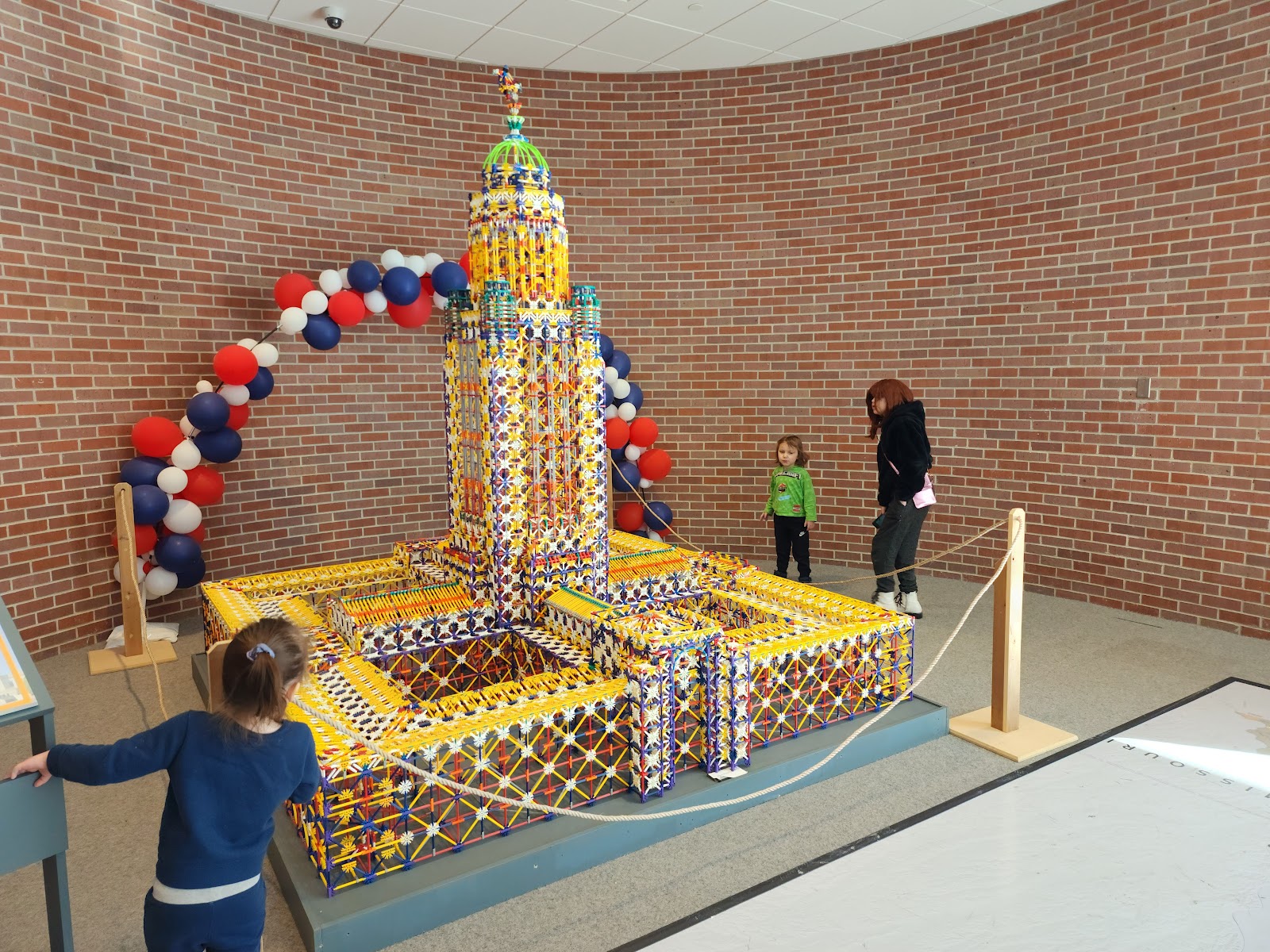
The Nebraska History Museum: Working Under Conservation Lighting
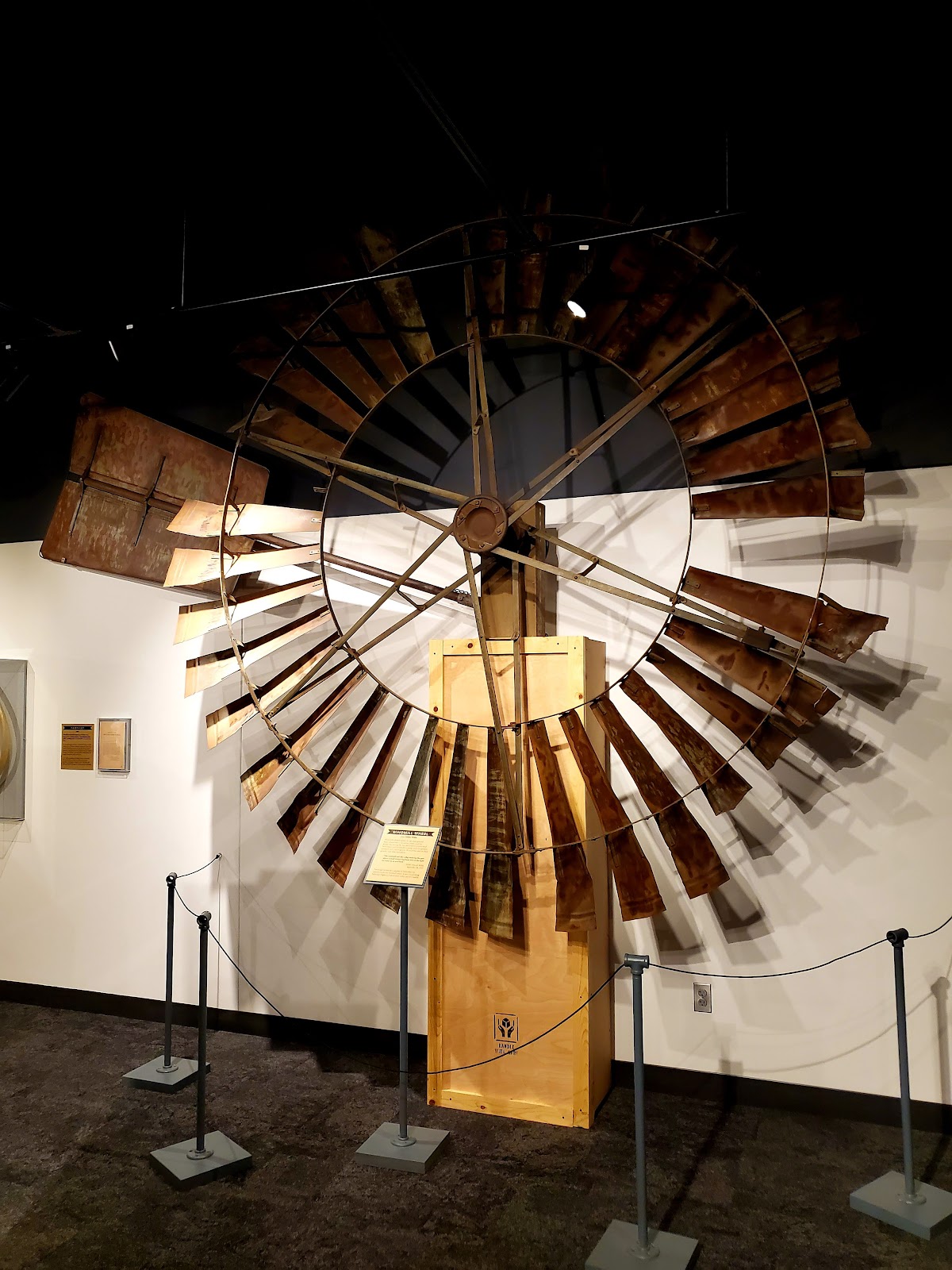
History galleries are dim because light permanently destroys what is in them. That is protection, not oversight.
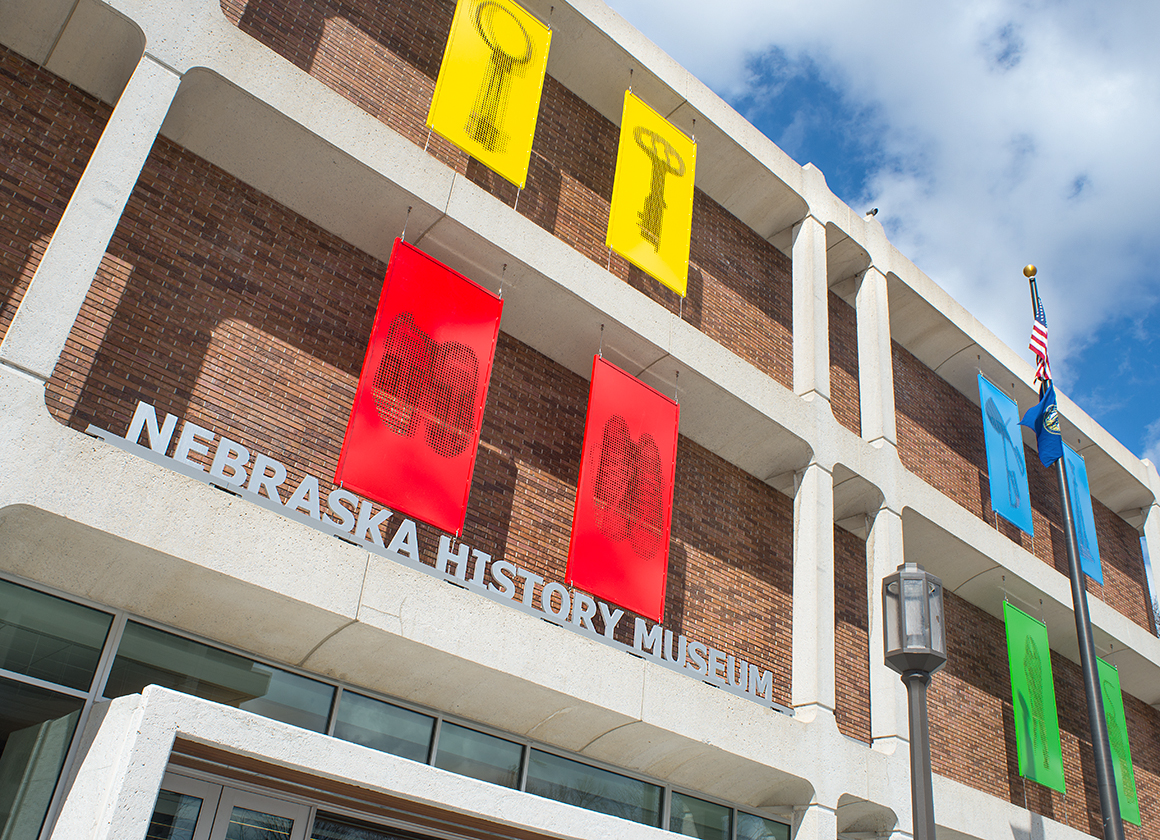
The Nebraska History Museum stands in downtown Lincoln, close to the State Capitol, with exhibition galleries, public circulation space and the collections of a state historical society.
History museums differ from art museums in a way that matters and is rarely explained to couples. Paintings and sculpture tolerate reasonable light levels; textiles, paper, photographs, dyed materials and organic artefacts do not, because light causes cumulative and irreversible fading. Conservation standards therefore keep galleries holding those materials genuinely dim — frequently far dimmer than an art gallery — and flash is commonly restricted or prohibited.
That is protection rather than oversight, and a photographer who understands it will have a more useful conversation with an events team than one who asks for an exception. This is an honest account of who the venue suits on that basis. We have not photographed a wedding here; conservation-lit galleries behave the same wherever they are. What the flash and tripod rules are, and which spaces are available, are questions for their events team — and those two answers frequently differ from each other.
The Nebraska History Museum at a glance
| Where | Downtown Lincoln, Nebraska, near the Capitol |
| Character | A state history museum with conservation-lit galleries |
| Why it is dim | Light permanently fades textiles, paper and dyed materials |
| Consequence | Flash is often restricted, and for a sound reason |
| Ask first | Flash and tripod rules — as separate questions |
What conservation lighting actually means for a photographer
Conservation-lit does not mean black. It means light levels set low enough to slow cumulative damage, which in practice is dim enough that the eye adapts and a sensor struggles — often two or three stops below what feels comfortable. Modern cameras handle it, and the expectation should be fast primes wide open with an ISO that shows visible grain.
Grain is not a defect in this context. A dim historical gallery photographed at a high ISO looks like what it is, whereas a gallery flooded with flash looks like a lit room with cases in it. Accepting the grain is the better aesthetic choice as well as the necessary one.
Tripods are a separate question from flash and worth asking separately, because the answers frequently differ. A venue may prohibit flash entirely while permitting a tripod, and that changes the technique completely — a second of exposure with the couple asked to stay still turns a marginal frame into a clean one.
Where any added light is permitted, keep it small and controlled: a gridded source at low power on the couple alone, with nothing spilling onto cases, walls or displayed material. A dim gallery with a small pool of light reads as atmospheric; the same gallery flooded reads as a lit room. That is both the more respectful approach and the better-looking one.
Who this venue suits
Matching the venue to the brief matters more at a collection venue than almost anywhere else, because the constraints are not preferences that can be negotiated on the day. Conservation limits, loan conditions and flash rules exist for reasons that will not bend for a wedding, and a couple who understands that in advance gets a distinctive gallery while a couple who does not gets a series of small disappointments.
The conditions fit a clear set of briefs:
- Couples who want atmospheric, dark, cinematic frames rather than bright airy ones
- Anyone who genuinely wants the collection visible in the photographs
- Briefs where a distinctive location matters more than easy light
- Weddings needing complete weather and time independence in a central location
- Photographers comfortable at high ISO and happy to work with restrictions
Who should look elsewhere
The reverse list is not a criticism of the museum. A building that holds irreplaceable material is doing exactly what it should by limiting light and access, and the restrictions are the reason the collection still exists to be photographed near. They simply rule some briefs out.
And several reasonable intentions run into the constraints:
- Couples wanting bright, light and airy imagery, which the galleries cannot give
- Anyone needing flash-lit clarity throughout, since flash is often prohibited
- Large formal groups, which need even light the galleries do not provide
- Briefs where displayed items must appear in published photographs without checks
- Anyone expecting to work freely; a collection venue has rules and they are real
Working it, and where the easy light is
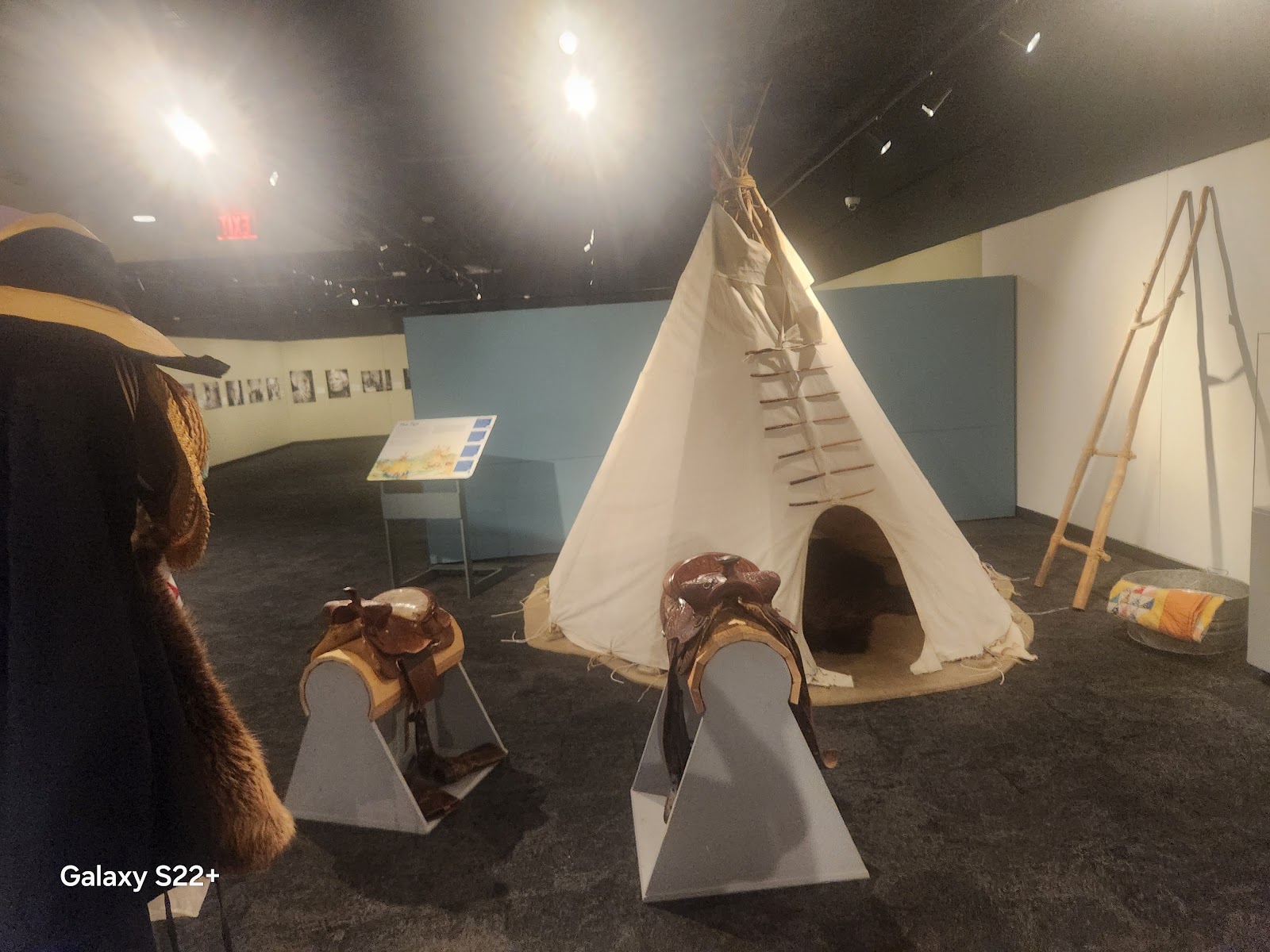
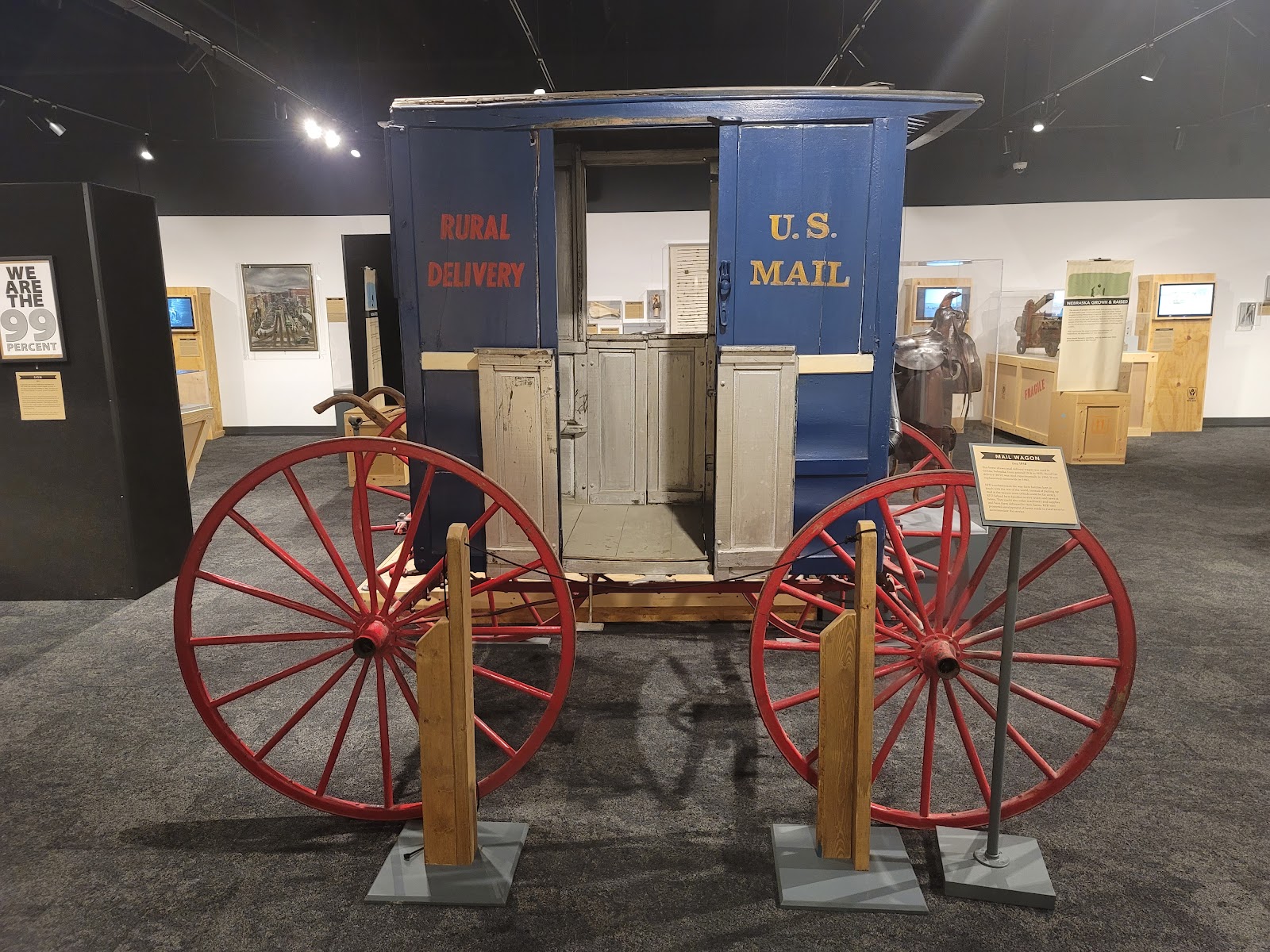
Exhibit lighting is aimed at objects rather than people, and it is usually narrow-beam and mixed in colour. That means a face crossing a gallery passes through hot spots and shadows and two or three colour temperatures within a few metres, so consecutive frames of the same sequence will not match. Where added light is allowed, one source of your own on the faces fixes that entirely — skin stays consistent regardless of what the exhibit lighting is doing. Where it is not allowed, the answer is positional: find where a wall wash or a case throws usable light onto the floor in front of it, and work there rather than in the corridor between.
Cases are glass and they reflect predictably, being flat and vertical: shoot obliquely and the reflected cone misses the lens. Used deliberately, a couple reflected in a case with an artefact behind the glass is a genuinely interesting frame — but it has to be intended.
Displayed material may be on loan, so it is worth asking which items may appear in published photographs rather than assuming. That is a separate question again from flash and tripods.
The public circulation spaces are where the easy light is. Museum lobbies and atria hold nothing light-sensitive, so they are usually generously glazed or well lit, which makes them the right place for anything that must be flattering — groups, portraits and preparation if it happens on site. Where glazing exists, a subject a metre back and turned into it has the best light in the building.
Outside, downtown Lincoln is low-rise, so low evening sun reaches street level and runs the length of a street, and the Capitol nearby gives formal open ground and Art Deco stone. Plains conditions apply: wind is a constant, so a veil is a held-or-removed decision and any stand needs weight; there is little natural shade, so building shadows are the dependable midday option; and the sun stays visible almost to the horizon, so the golden hour is long rather than brief.
The workable plan is therefore front-loaded with questions rather than technique. Ask what may be lit, what may be photographed, whether a tripod is allowed, and which rooms are actually included — then build the coverage around the answers instead of around an assumption. A museum that says no to three things has usually said yes to the two that were going to produce the better frames anyway, and knowing which is which before the day is the whole of working well here.
More frames from The Nebraska History Museum
The Nebraska History Museum wedding photography: common questions
Why are the galleries so dim?
Because light causes cumulative irreversible fading in textiles, paper, photographs and dyed materials. Conservation levels are protection rather than oversight, which is also why flash is commonly restricted or prohibited.
Can you still work without flash?
Yes. Conservation-lit means dim, not black — fast primes wide open at high ISO produce usable frames with visible grain, and that grain suits a historical gallery better than flash-lit clarity would.
What should be asked separately?
Flash and tripods. The answers frequently differ, and a venue that prohibits flash may permit a tripod — which changes the technique completely, because a second of exposure turns a marginal frame into a clean one.
Where any light is allowed, how should it be used?
Small and gridded, on the couple alone, with nothing spilling onto cases or displayed material. A dim gallery with a small pool of light reads as atmospheric; a flooded one reads as a lit room with cases in it.
Why do consecutive gallery frames not match?
Because exhibit lighting is narrow-beam, mixed in colour and aimed at objects, so a face crossing the space passes through hot spots and two or three colour temperatures within a few metres. One source of your own on the faces fixes it.
Where is the easy light?
The public circulation spaces. Lobbies and atria hold nothing light-sensitive, so they are usually well glazed or well lit — the right place for groups, portraits and anything that has to be flattering.
More Lincoln, NE venue guides
We are writing a photographer’s guide to every venue we would happily shoot in Lincoln, NE. Here are three more, plus the full index:
- The Sheldon Museum of Art: A Travertine Box and What It Suits
- The Bourbon Theatre: Reading a Working Music Venue Through the Day
- The Creamery Building: One Decision About Which Level You Use
All Lincoln, NE Wedding Venues →
Planning a wedding at The Nebraska History Museum?
Gallery light is the one thing nobody can change. Tell us your date and we will ask about flash and tripods separately.