Nebraska's two cities give a photographer the same raw material in two different arrangements: nineteenth-century brick warehouse districts, a handful of serious institutions, and an enormous amount of sky. Omaha's Old Market and Lincoln's Haymarket are both former wholesale and rail districts, which means heavy brick, loading docks, cobbled service streets and buildings built to be worked in rather than looked at.
Those districts photograph well for a specific reason: the streets are narrow and the buildings are low, so low sun runs right down them at the ends of the day instead of being blocked by towers, and the brick returns a warm bounce that is flattering as long as the white balance is set for it rather than left automatic.
The Nebraska State Capitol deserves to be singled out. It is not a domed classical building like almost every other American statehouse — Bertram Goodhue's design is a four-hundred-foot tower rising from a low square base, finished in the early nineteen-thirties, with heavily decorated vaulted interiors. It is one of the most distinctive public buildings in the country and it photographs unlike anything else in this library, with deep mosaic-and-marble spaces that are considerably darker than the eye reads them. Outside, the plains assert themselves.
There is very little relief, so the horizon is low and true, and the sun sets close to the time the tables say — which, after a library full of ridges and hills, is a genuine convenience. The trade is weather and wind. Summer afternoons build big convective storms that are magnificent behind a couple and catastrophic twenty minutes later, and the wind is close to constant.
Golden hour on open ground here is long and low and very good, and it is the best thing either city offers; the guides that follow say where to stand for it, venue by venue, and what each interior needs when the light has gone.
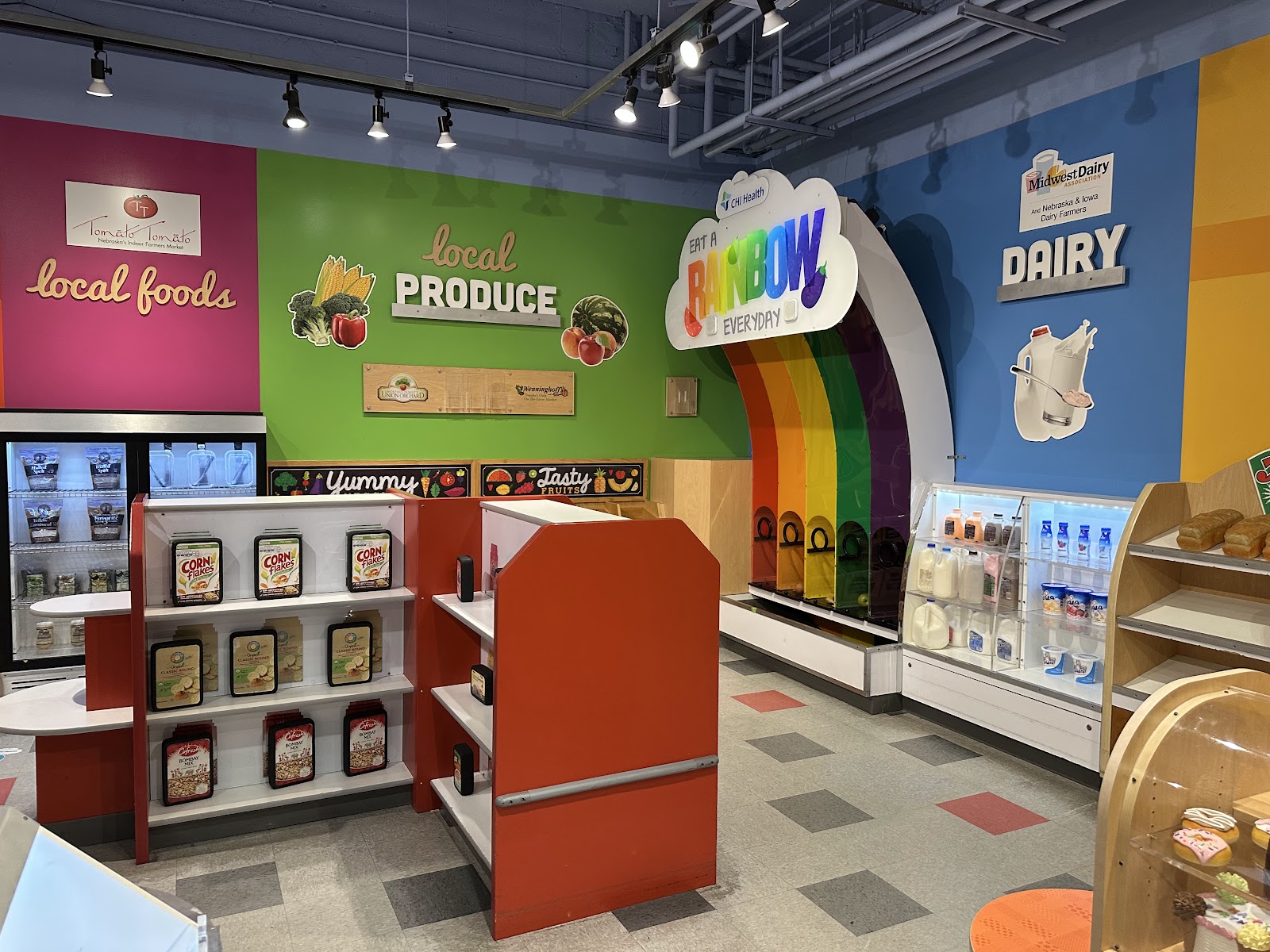
The Omaha Children’s Museum: A Photographer Answers Your Questions
A children's museum in downtown Omaha with interactive exhibits, saturated colour and large open exhibit halls, available for evening private events.
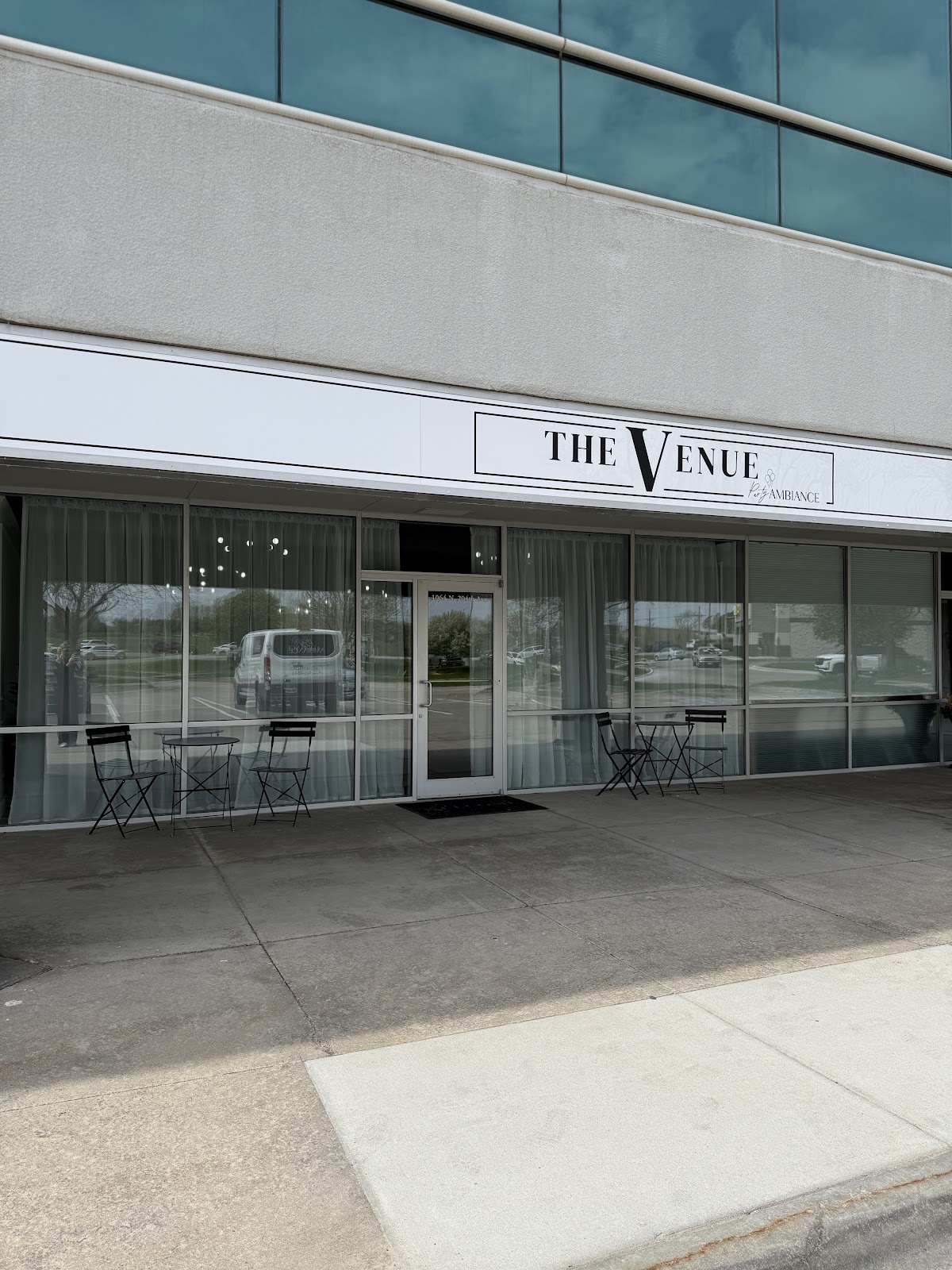
The Venue at 60th: Field Notes on a Purpose-Built Event Space
A purpose-built event space in Omaha, designed for weddings and functions, with flexible rooms and a contemporary neutral finish.
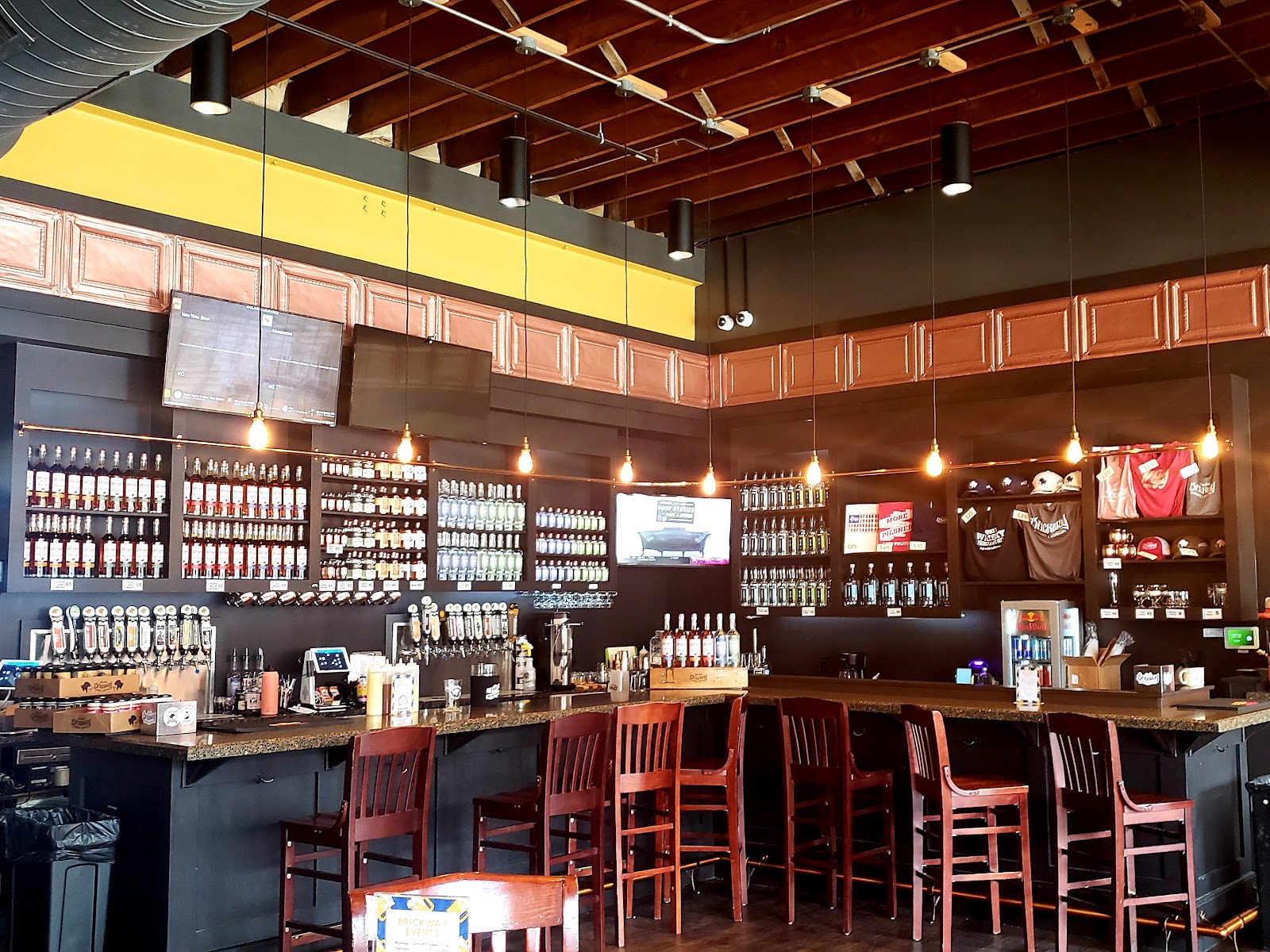
The Brickway: Who This Old Market Distillery Suits
A distillery and brewery in a brick warehouse building in Omaha's Old Market district, with production equipment, a taproom and event space.
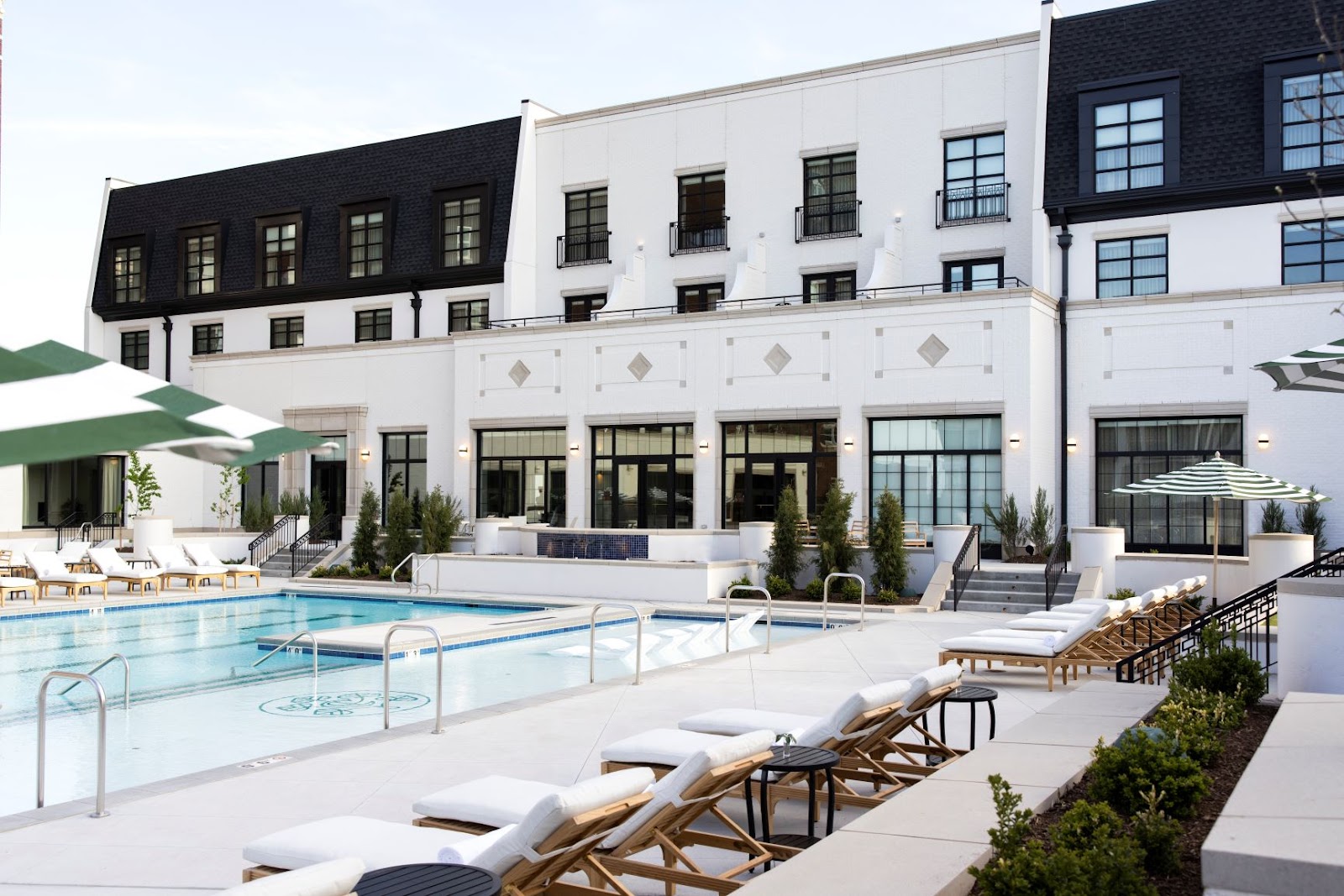
The Kimpton Cottonwood: Lighting a Restored 1916 Grand Hotel
The 1916 Blackstone Hotel on Farnam Street in Omaha, restored and reopened as the Kimpton Cottonwood, with a grand ballroom and period detailing.
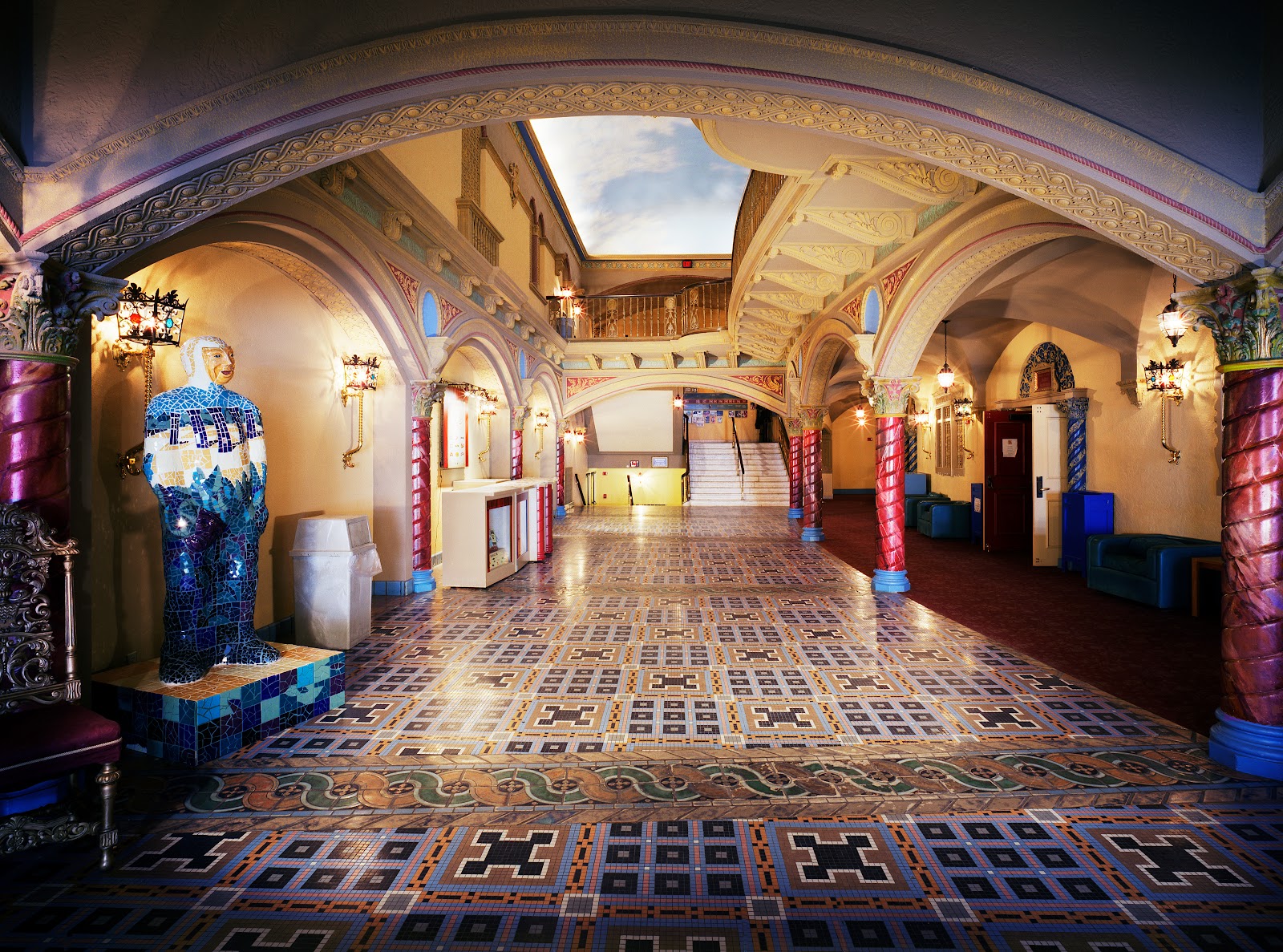
The Rose Theater: A Walk-Through of a 1926 Movie Palace
Opened 1926 in downtown Omaha as the Riviera, an atmospheric movie palace with Spanish-Moorish detailing and a ceiling painted to suggest an open sky.
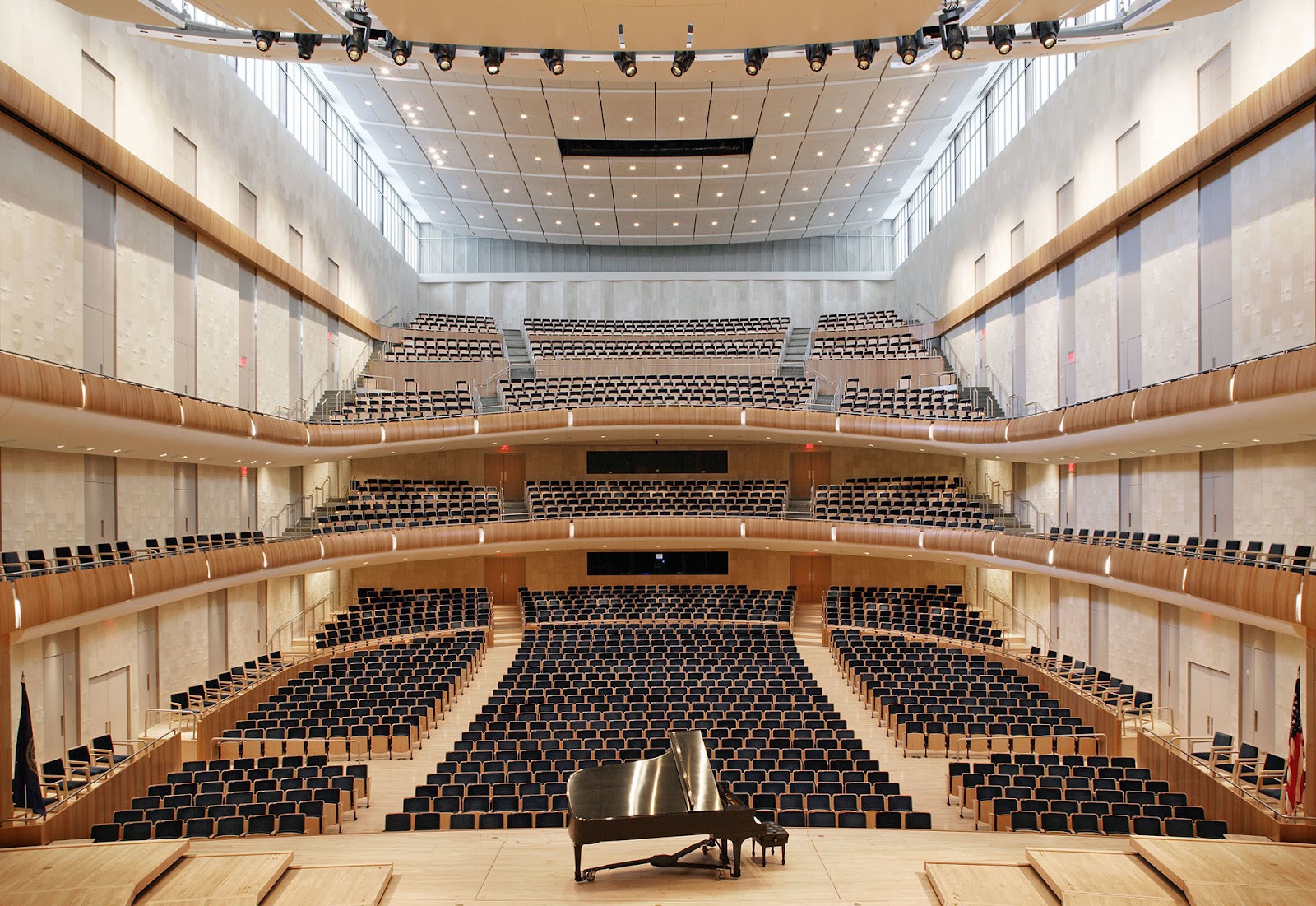
The Holland Center: Building the Shot List in a Contemporary Concert Hall
Opened 2005 in downtown Omaha, a contemporary concert hall with a tall glazed lobby, timber-lined auditorium and a public plaza outside.
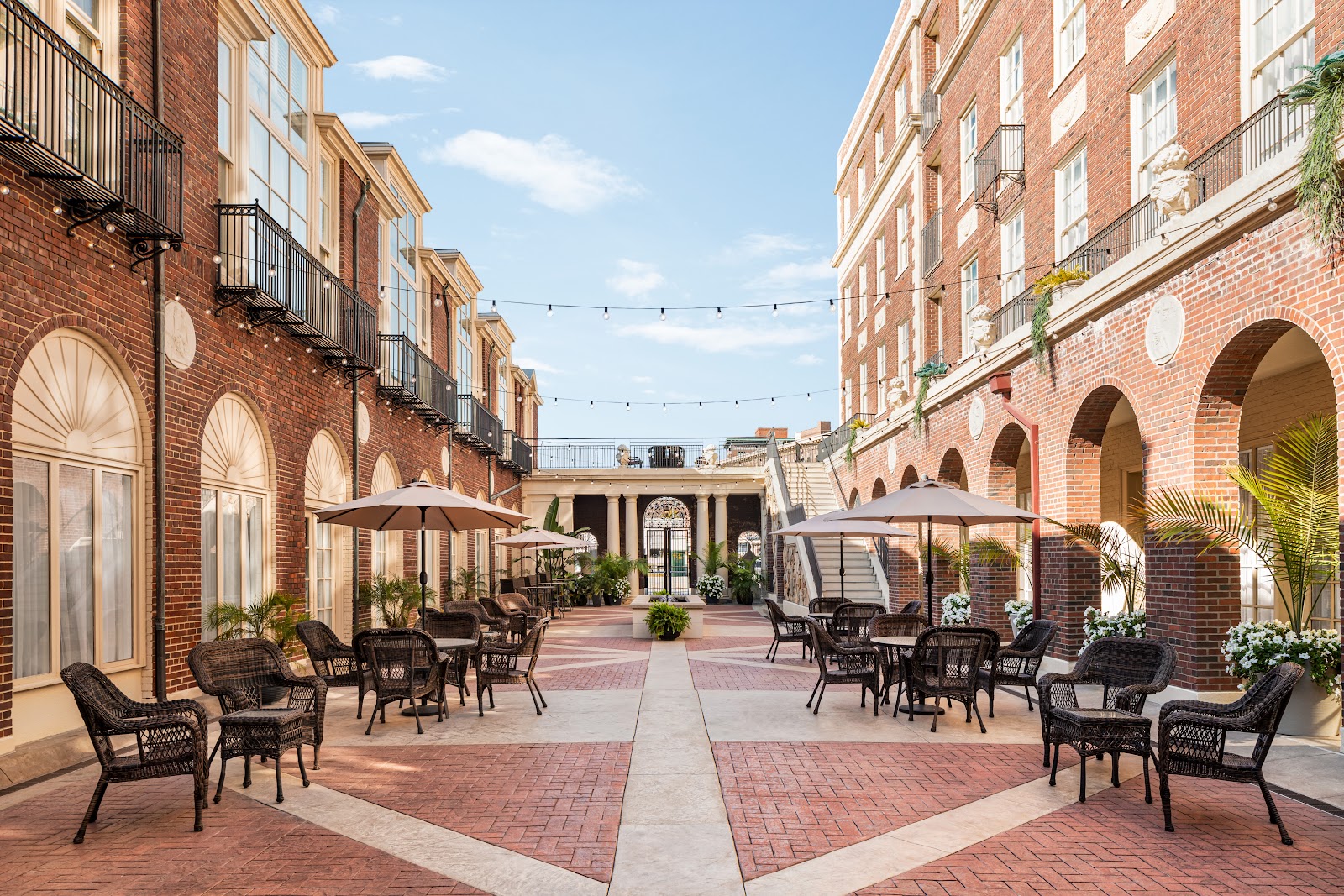
The Magnolia Hotel: Working an Italian Renaissance Revival Building
A 1923 Italian Renaissance Revival building in downtown Omaha, converted to a hotel, with an interior courtyard and period detailing.
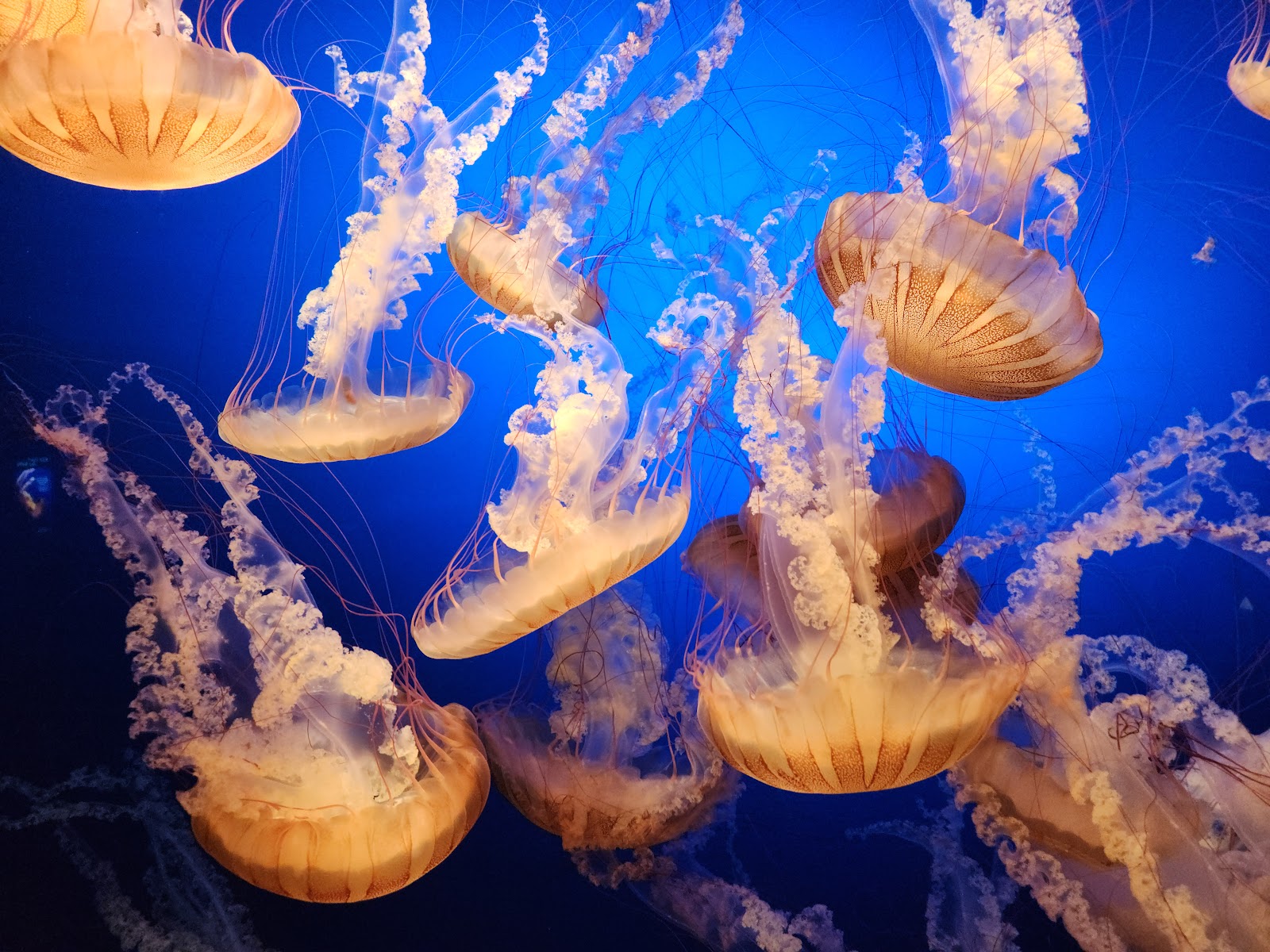
The Henry Doorly Zoo: A Photographer Answers Your Questions
Omaha's zoo, home to the Desert Dome — one of the world's largest indoor deserts under a geodesic dome — and the Lied Jungle indoor rainforest.

The Omaha Design Center: Who This Industrial Venue Suits
A converted early twentieth-century industrial building in north downtown Omaha, with exposed brick, heavy timber, large windows and open floor plates.
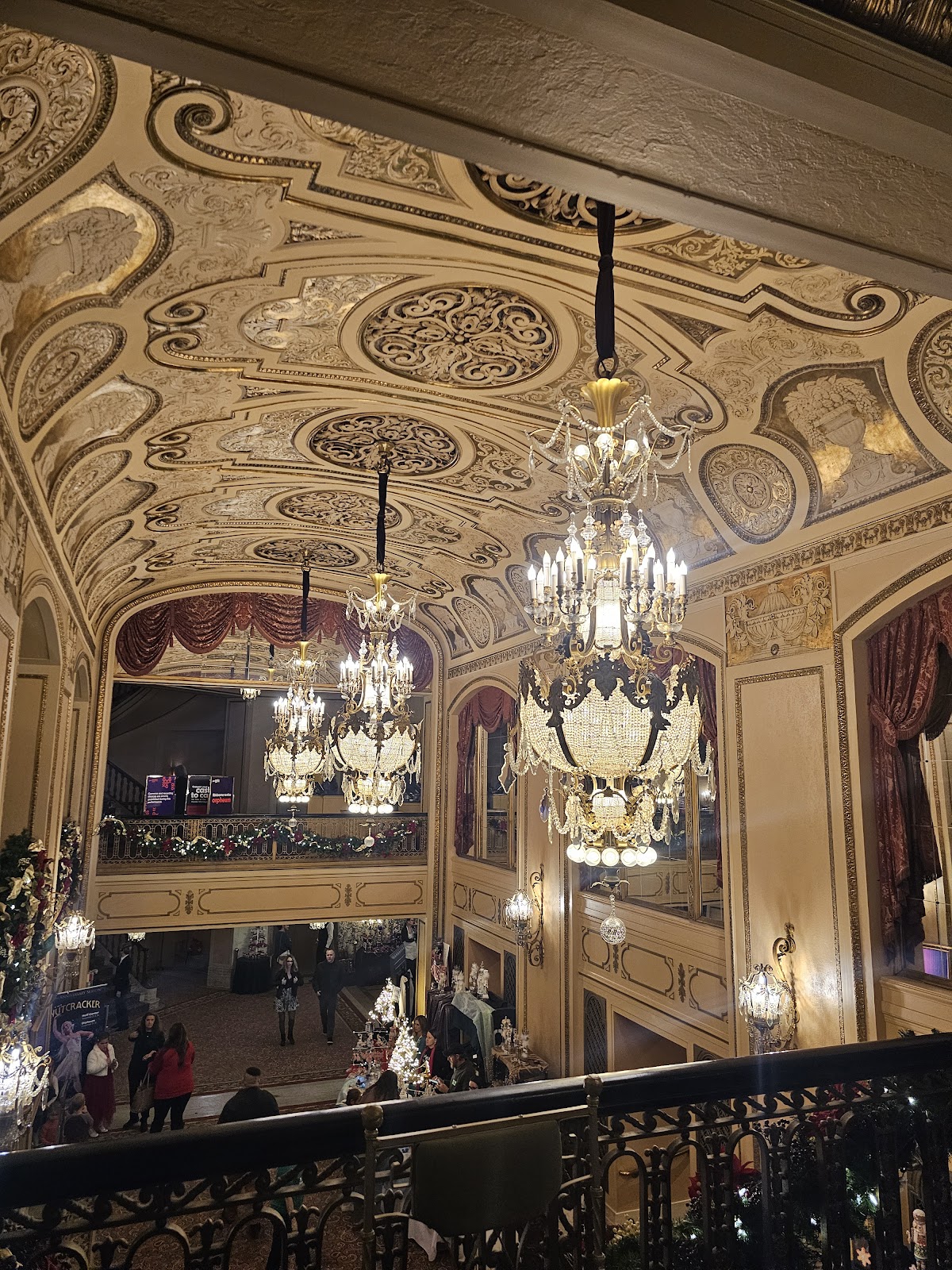
The Orpheum Theater: Field Notes on a 1927 Vaudeville Palace
Opened 1927 in downtown Omaha as a vaudeville and movie palace, restored in the 1970s, with gilded plasterwork, chandeliers, a proscenium stage and a balcony.