Missouri's collection is really two collections, and the split is worth taking seriously because the two cities do not photograph alike. St. Louis is a brick city. The clay under it is good, the local brick industry was enormous, and the result is street after street of deep red masonry. Kansas City is a limestone city, built pale and Beaux-Arts in its confident decades — Union Station, the Nelson-Atkins, the 1920s hotels along the boulevards. That single difference changes the lighting decision at every outdoor location.
Red brick reflects strongly orange, and in a courtyard with brick on several sides the cast is cumulative and needs a custom white balance set in the space. Pale limestone returns light close to neutral, so it fills shadows generously without any colour to correct. Knowing which material you are standing in front of is the most practical thing on this page.
Both cities sit in a continental climate with a genuinely wide annual range, and both get real convective weather. Spring and early summer bring tall thunderheads, and those are an asset rather than a hazard if the day is planned with a covered fallback: a big cumulonimbus tower behind a couple, lit from the side late in the day, is the most dramatic sky either city offers. The same system half an hour later is a downpour, so every outdoor plan here needs a genuine indoor alternative rather than an optimistic one. Two buildings need specific mention.
The Bloch Building at the Nelson-Atkins is clad in channel glass that glows from within at night and diffuses daylight into its galleries by day — beautiful, and a metering problem, because the walls themselves are brighter than the people in front of them. The Kauffman Center's glass shells do something similar on a larger scale. In both, meter for skin and let the architecture run bright; metering for the scene will put faces two stops under every time. Latitude is around thirty-eight to thirty-nine degrees, which is unremarkable, but the humidity is not: a St. Louis August is genuinely oppressive and lenses fog.
These guides cover each venue's light, material and timeline separately.
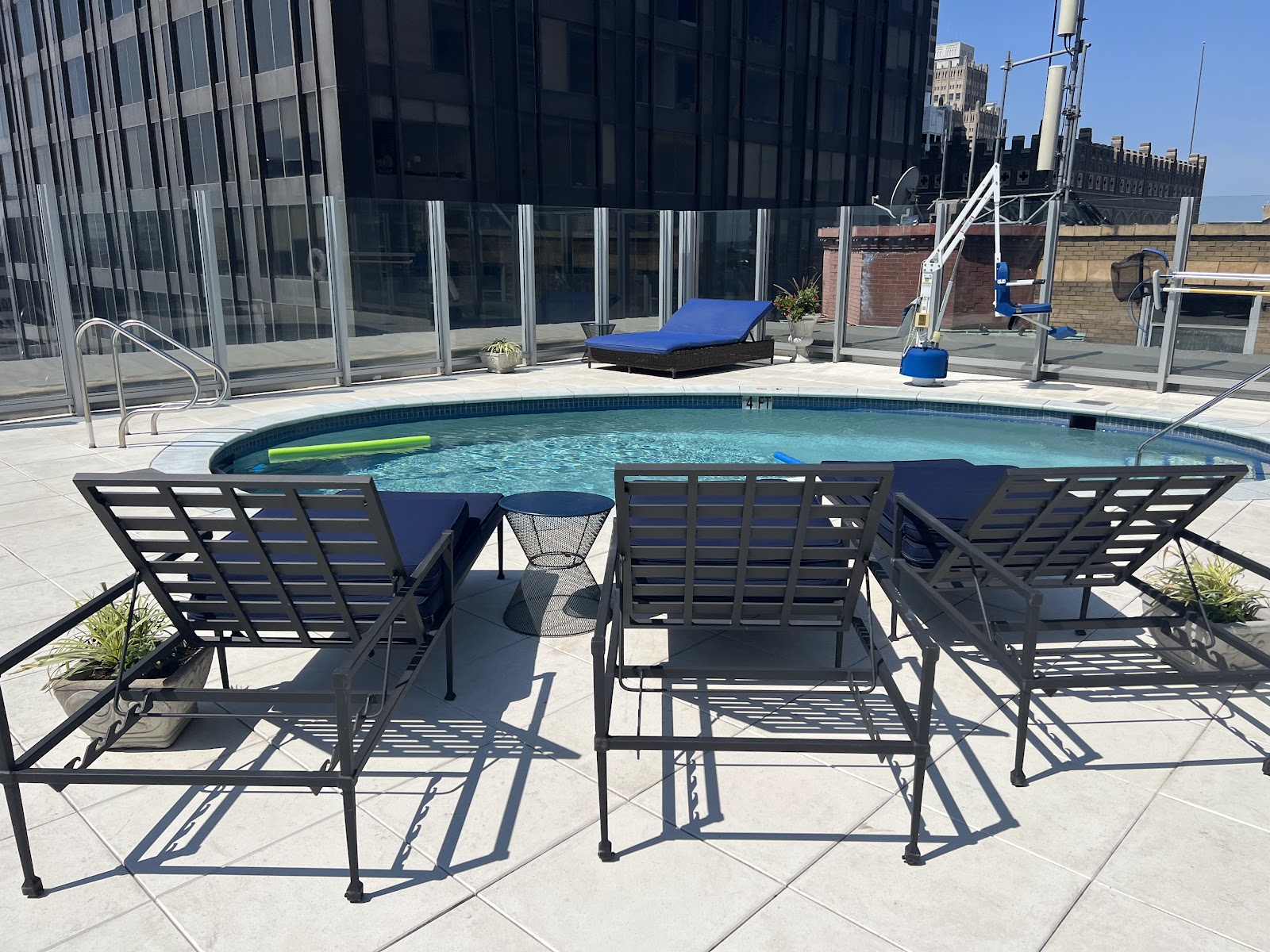
Hotel Saint Louis: A Walk-Through of an 1893 Union Trust Building
Louis Sullivan's Union Trust Building of 1893, converted to a hotel, with the terracotta ornament and structural expression that made Sullivan's reputation.
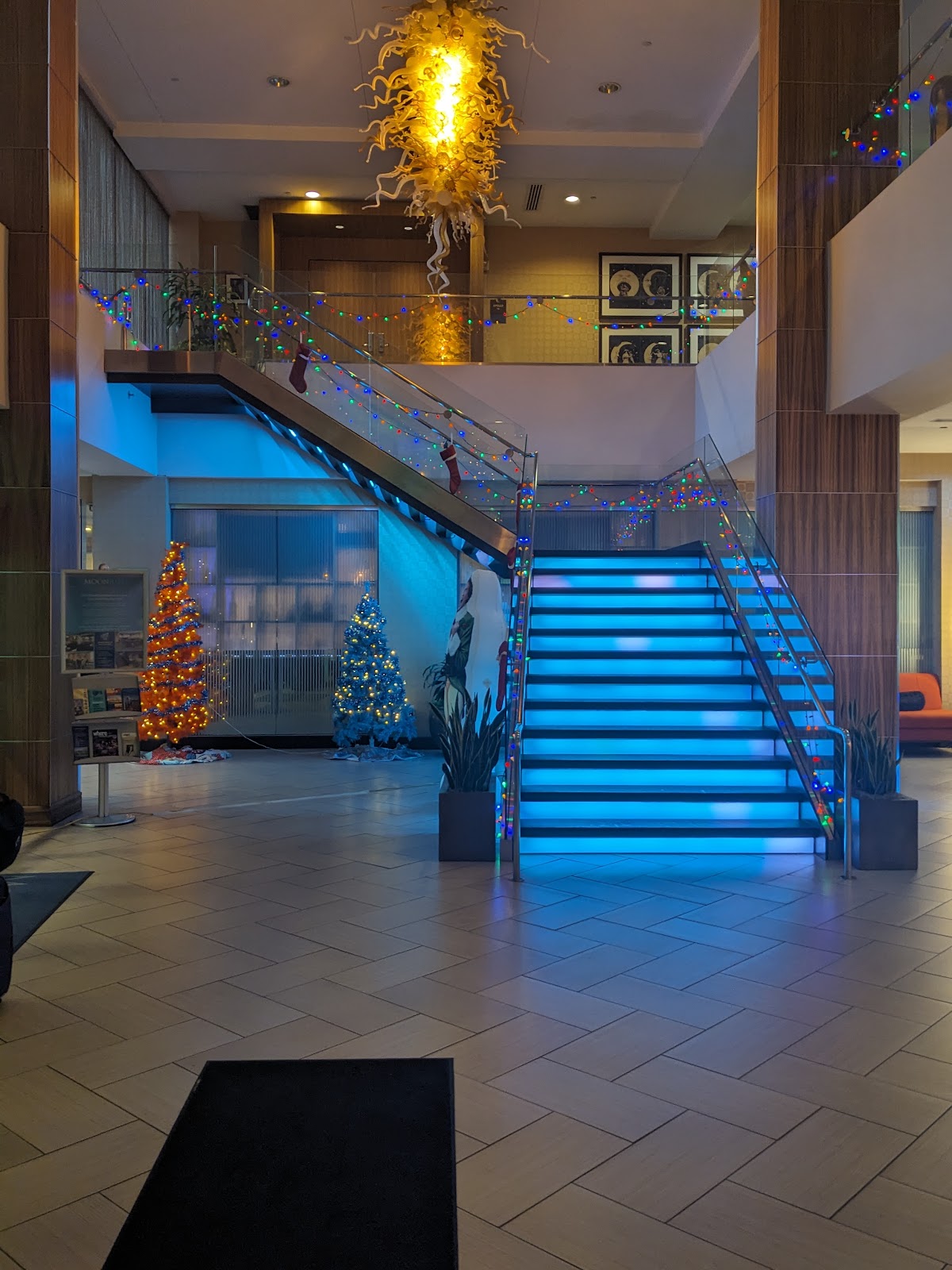
The Moonrise Hotel: A Season-by-Season Guide
A boutique hotel on the Delmar Loop in St. Louis, space-themed, with a rooftop terrace and bar and a large rotating moon sculpture on the roof.
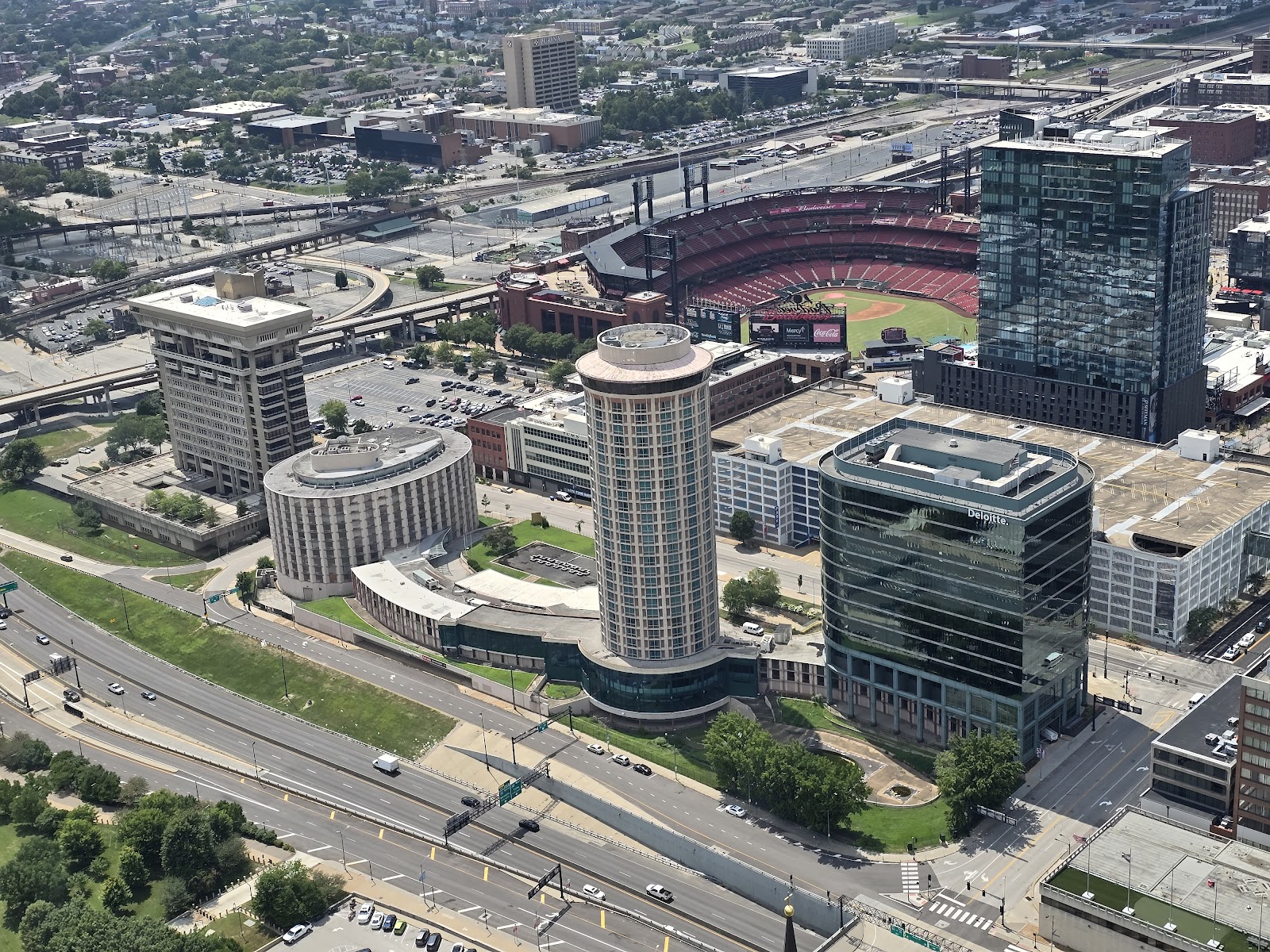
The Gateway Arch: Field Notes on Photographing 630 Feet of Steel
Eero Saarinen's catenary arch, completed 1965, standing 630 feet above the Mississippi riverfront in a national park with redesigned grounds.

The Saint Louis Zoo: A Photographer Answers Your Questions
In Forest Park, with the 1904 World's Fair Flight Cage among its structures. Free to enter, heavily visited, and unlike any other kind of venue.
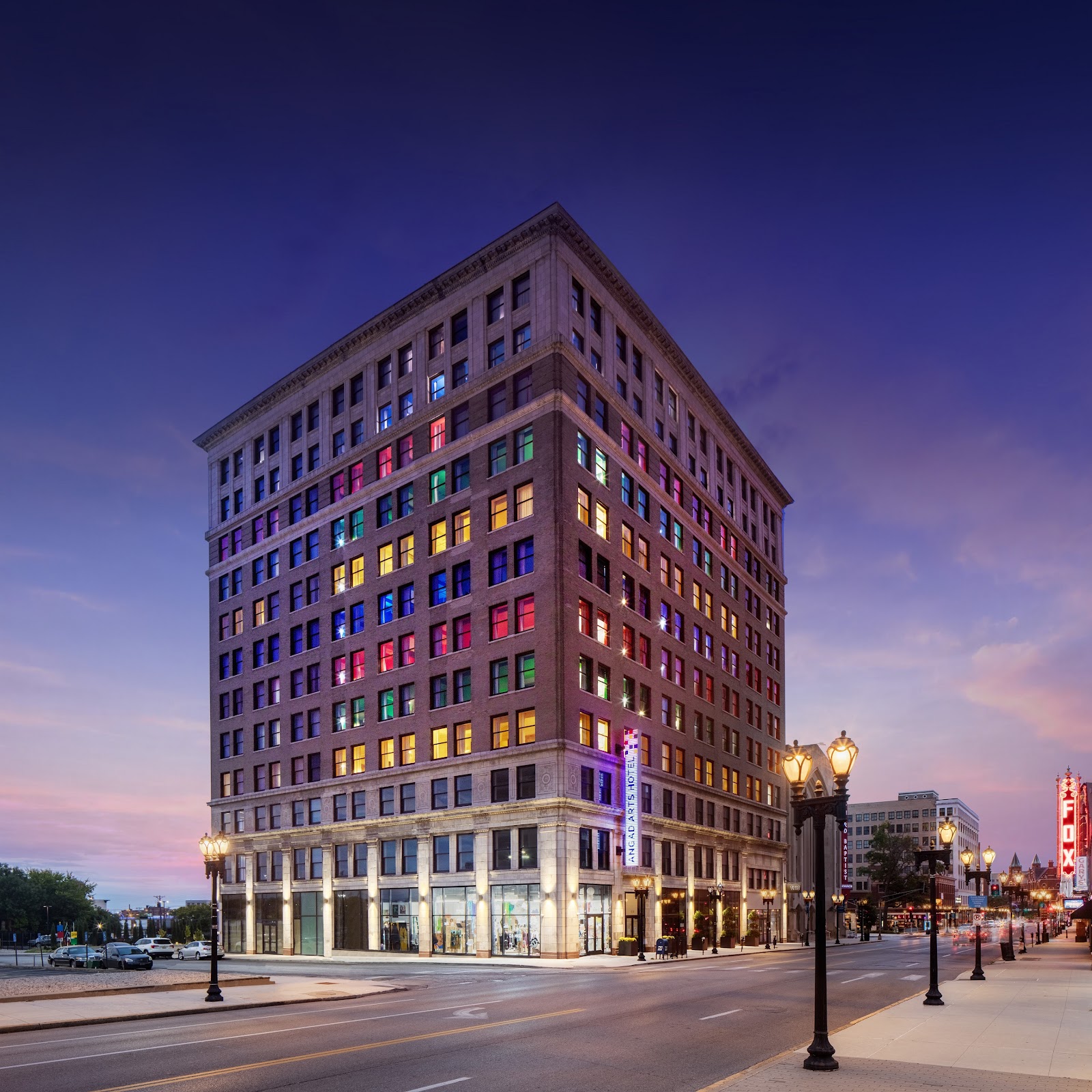
The Angad Arts Hotel: Who This Colour-Themed Venue Suits
An arts hotel in the Grand Center district of St. Louis, where guest rooms are themed by saturated single colours and guests choose a room by mood.
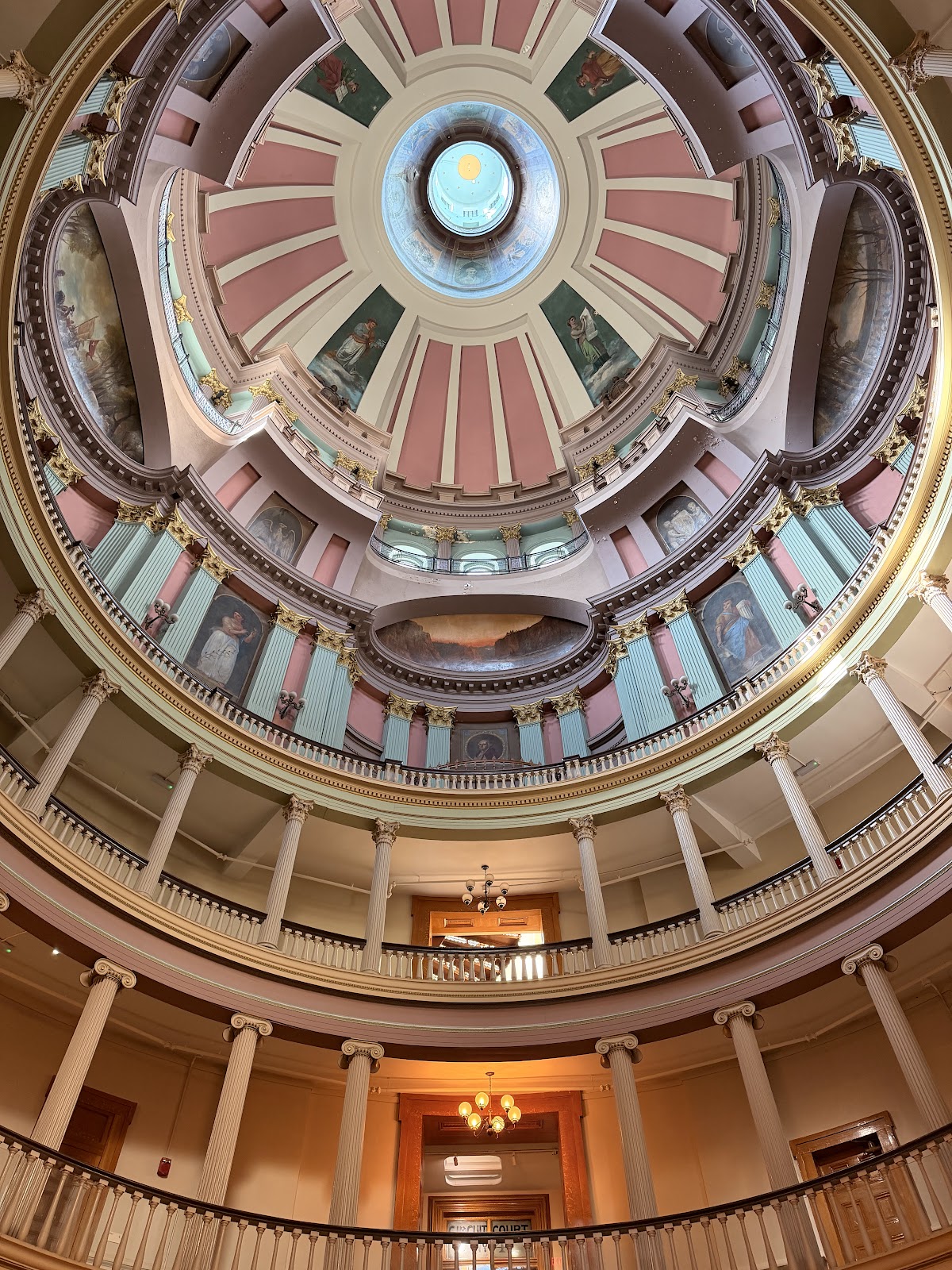
The Old Courthouse: Reading the Light Under a Cast-Iron Dome
Built between 1828 and 1862 in Greek Revival style, with a cast-iron dome and painted rotunda, standing between downtown St. Louis and the Gateway Arch.
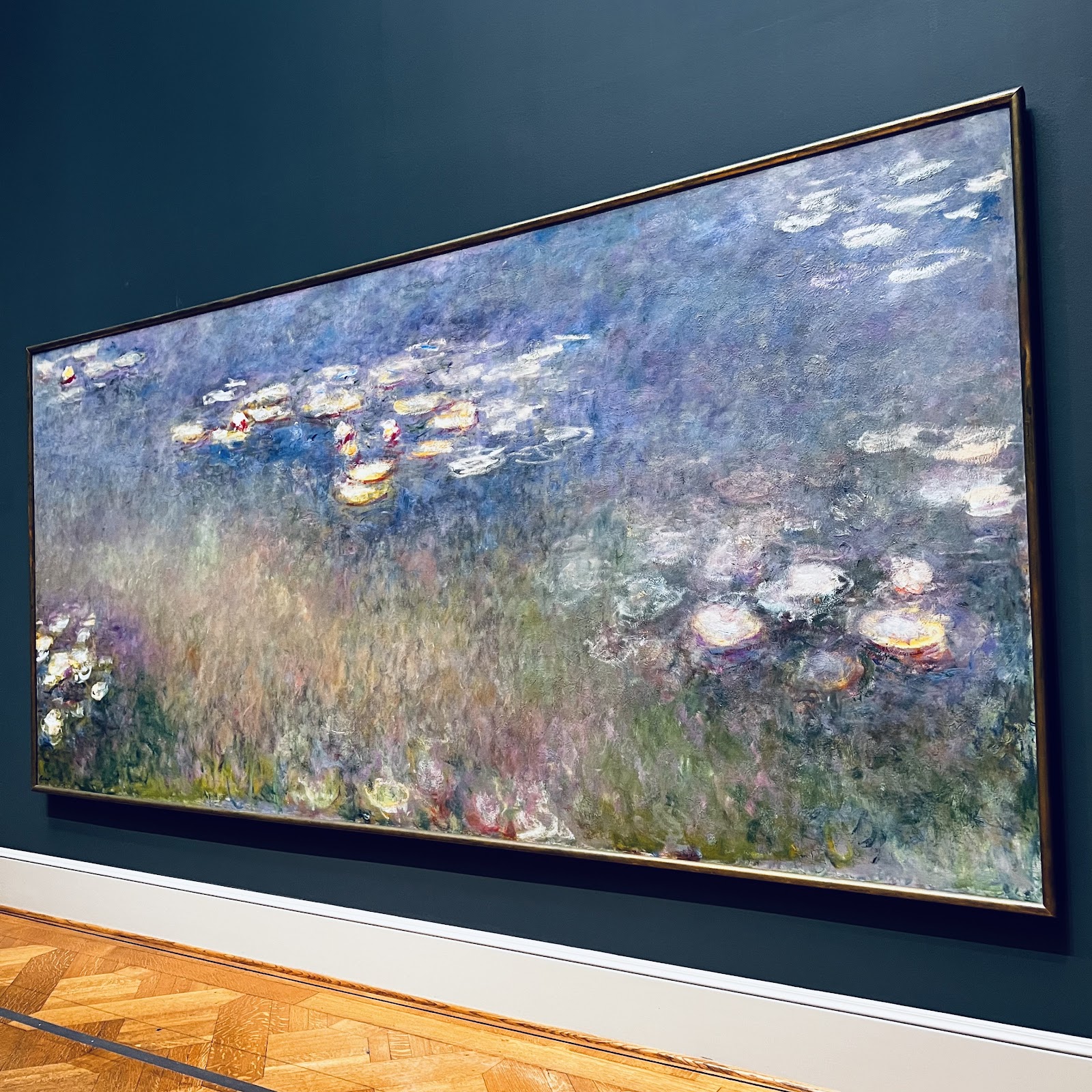
The Saint Louis Art Museum: Building the Shot List
The 1904 World's Fair Palace of Fine Arts on Art Hill in Forest Park, with a 2013 David Chipperfield East Building — Beaux-Arts and contemporary side by side.
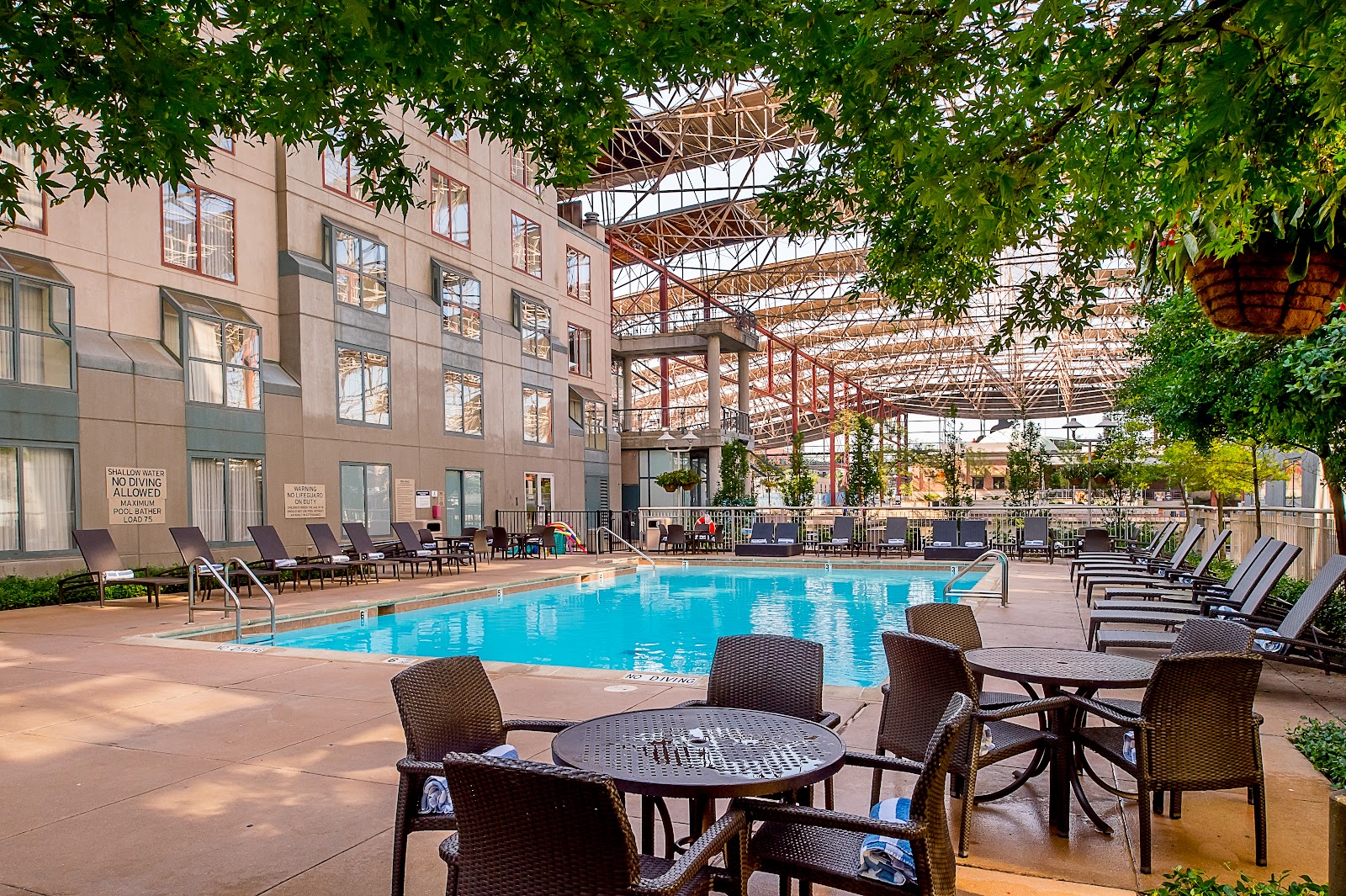
The Union Station Hotel: Photographing a Barrel-Vaulted Grand Hall
Opened 1894 as a railway terminal, now a hotel, with a Grand Hall under a 65-foot barrel vault carrying mosaic, gold leaf and a projected light show.
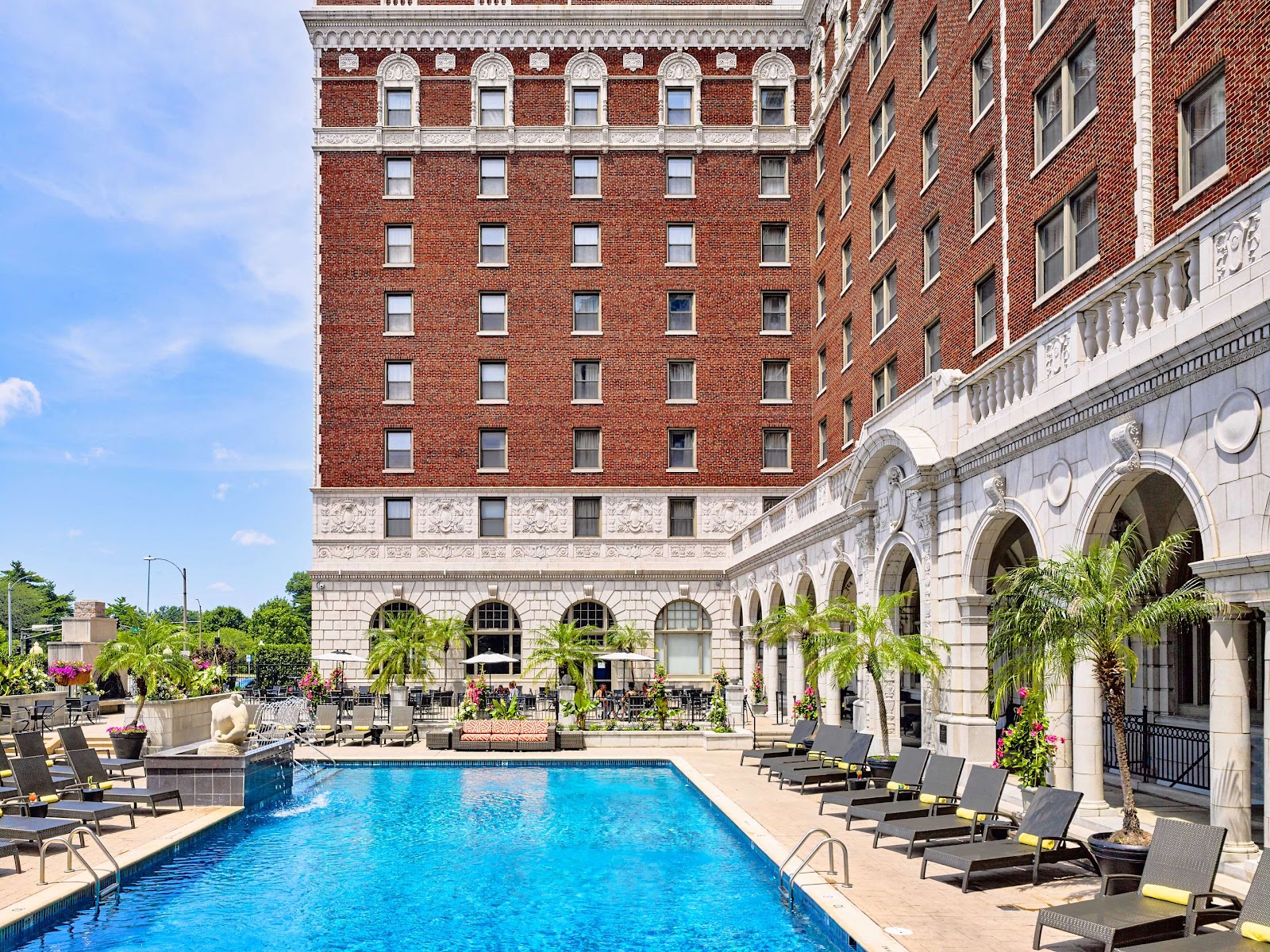
The Chase Park Plaza: A Walk-Through of a 1920s Grand Hotel
Opened 1922 in the Central West End, a grand hotel with the ornate Khorassan Ballroom, a rooftop, and Forest Park directly across the street.
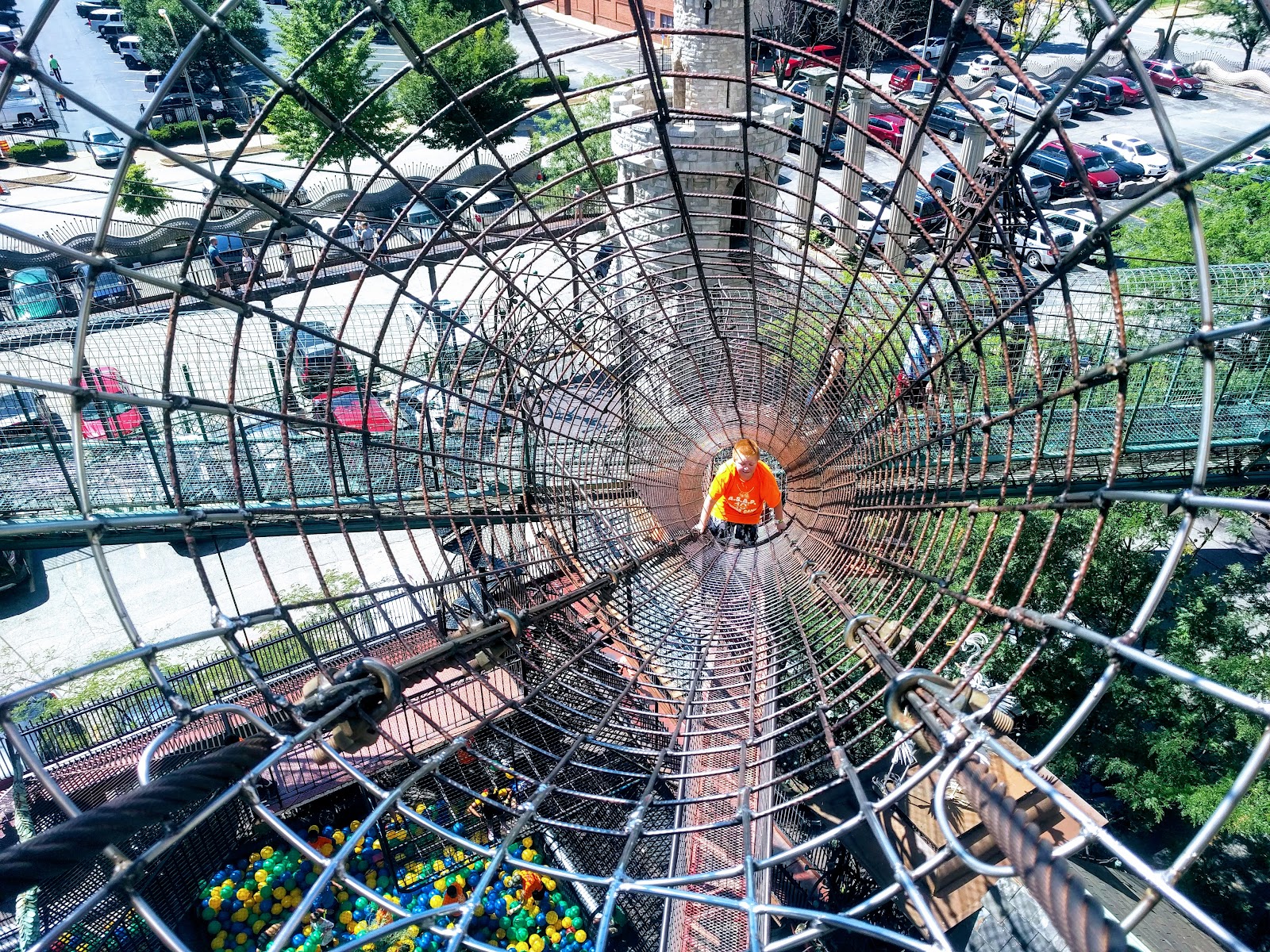
The City Museum: Field Notes on the Strangest Venue in St. Louis
A converted shoe warehouse in downtown St. Louis filled with salvaged architectural fragments, caves, tunnels, a ten-storey slide and a rooftop.