Michigan is defined by water, and the practical consequences for a photographer are larger than they first appear. The state has more freshwater coastline than any other, and the Great Lakes around it behave as an enormous thermal flywheel — moderating temperature in both directions, delaying spring and extending autumn along the shores, and generating weather that inland states at the same latitude simply do not get. The most consequential of those is lake-effect snow.
Cold air crossing relatively warm open water picks up moisture and dumps it on the downwind shore, which means the west of the state receives far more snow than its latitude alone would suggest — six or seven feet a season in places, concentrated in bands that can fall heavily while it stays clear a few miles inland. For a winter wedding that is a genuine planning fact rather than a background detail, and it argues strongly for venues where everything happens under one roof. Lake-effect snow largely ends once the lakes ice over in late winter, so February is often drier than December.
The same mechanism produces cloud, and west Michigan is among the cloudier parts of the country through the winter, with long stretches of flat grey overcast. That light is soft, even and kind to faces, and it gives architecture nothing, because masonry and timber without shadow lose their modelling entirely — which yields a simple working rule across the state: overcast favours interiors and blue hour, not facades.
Latitude is the second variable and Michigan spans a lot of it. The Straits of Mackinac sit at about forty-five and three-quarter degrees north while the southern border is near forty-one and a half, which is a real difference: midsummer days run to around fifteen hours thirty-five in the north against fifteen hours fifteen in the south, and civil twilight stretches from roughly thirty-one minutes down-state to about thirty-six at the Straits. That longer northern dusk turns the blue hour into a genuine working session rather than a scramble, and it is one of the strongest technical reasons to choose a northern venue.
It also pushes the timings late — a Straits blue hour in late June falls near ten in the evening, which puts the best frame of the day comfortably after the reception has started. The third variable is the trees, and Michigan's behave unlike the canopies in this library's drier regions. This is northern hardwood country — sugar maple, red maple, American beech, oak, hickory, with white pine and hemlock mixed in — and sugar maple and oak carry dense rounded crowns of broad leaves that cast clean solid shade with no dapple to manage.
Under a Michigan hardwood at midday a face is evenly lit, and a noon portrait is straightforward rather than a problem, which is worth stating because it is the opposite of the filigree canopies in the Southwest. American beech is the background worth hunting: smooth pale grey bark, almost unmarked, so a mature trunk is a large uniform light-toned surface and effectively a natural studio backdrop. White pine and hemlock give the dark — an evergreen mass behind a subject reads as near-black and provides separation a deciduous background cannot.
A metre or two inside any canopy edge is the best free portrait light in forested country: soft directional light from the open ground in front, three or four stops of darkness behind. Autumn is the season, and it moves north to south across about three weeks — the Straits and the north peak in the first half of October, southern Michigan in the second half to late October, with the lakeshores running slightly later than inland at the same latitude because the water holds the warmth.
Sugar and red maple go scarlet and orange, beech turns a clear bronze that holds late, oak goes russet, and birch and aspen in the north go yellow. A warm dry autumn delays and dulls it while a cool wet one brings it forward and intensifies it, so plan a fortnight either side of the expected peak rather than a specific weekend. And spring is the state's weakest season, worth saying plainly: the lakes delay warming substantially, so April and May are cold, the hardwoods leaf late and the water is at its coldest, with long days over a landscape that is not yet at its best.
The exception is the two weeks before the canopy closes in early May, when light still reaches the forest floor and the woodland flowers — trillium above all — appear in quantity.
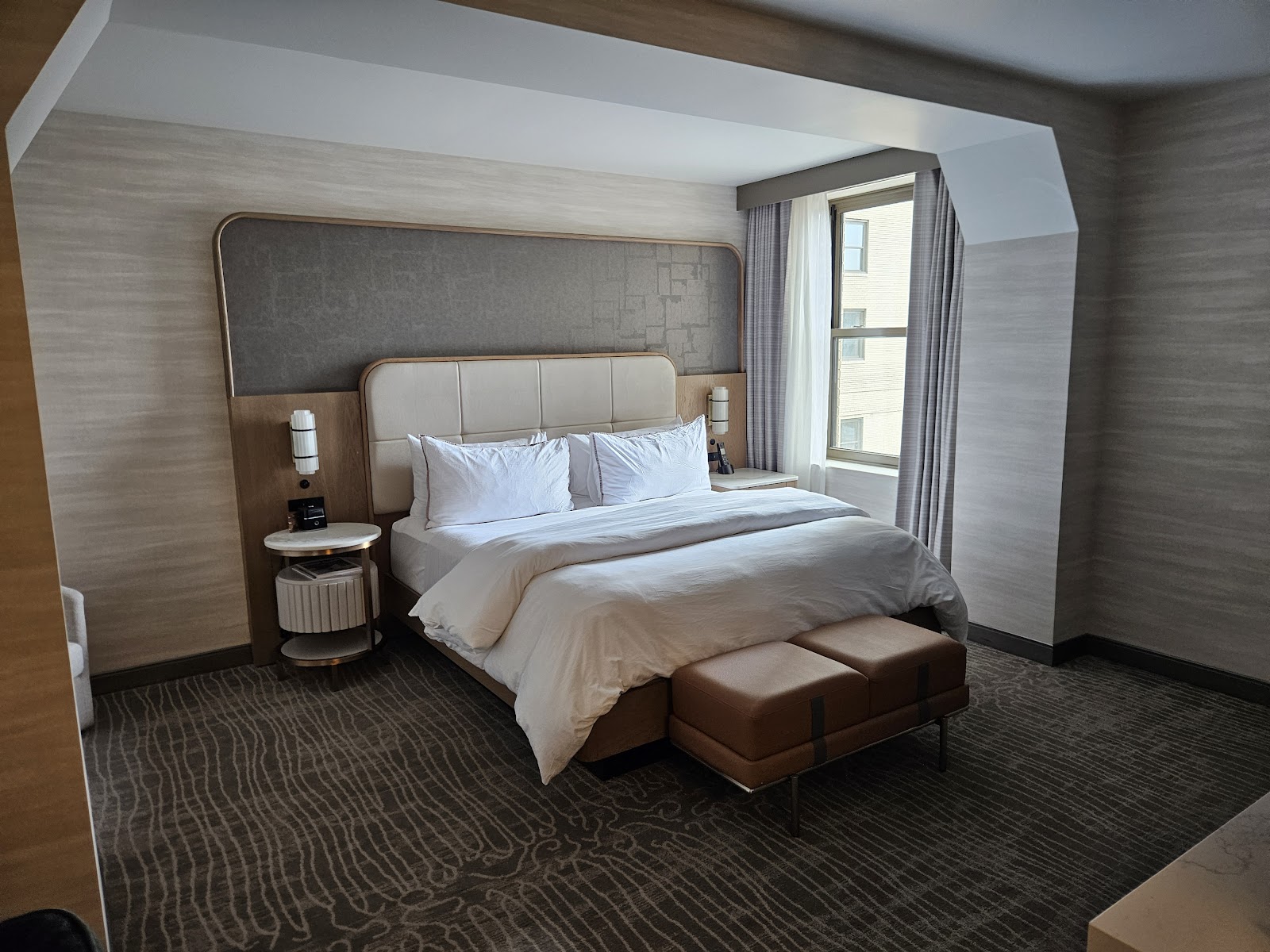
The Westin Book Cadillac, Detroit: A Walk Up Through a Restored 1924 Hotel
A 1924 Detroit hotel restored to its original grandeur, with period function rooms and a tower above them.
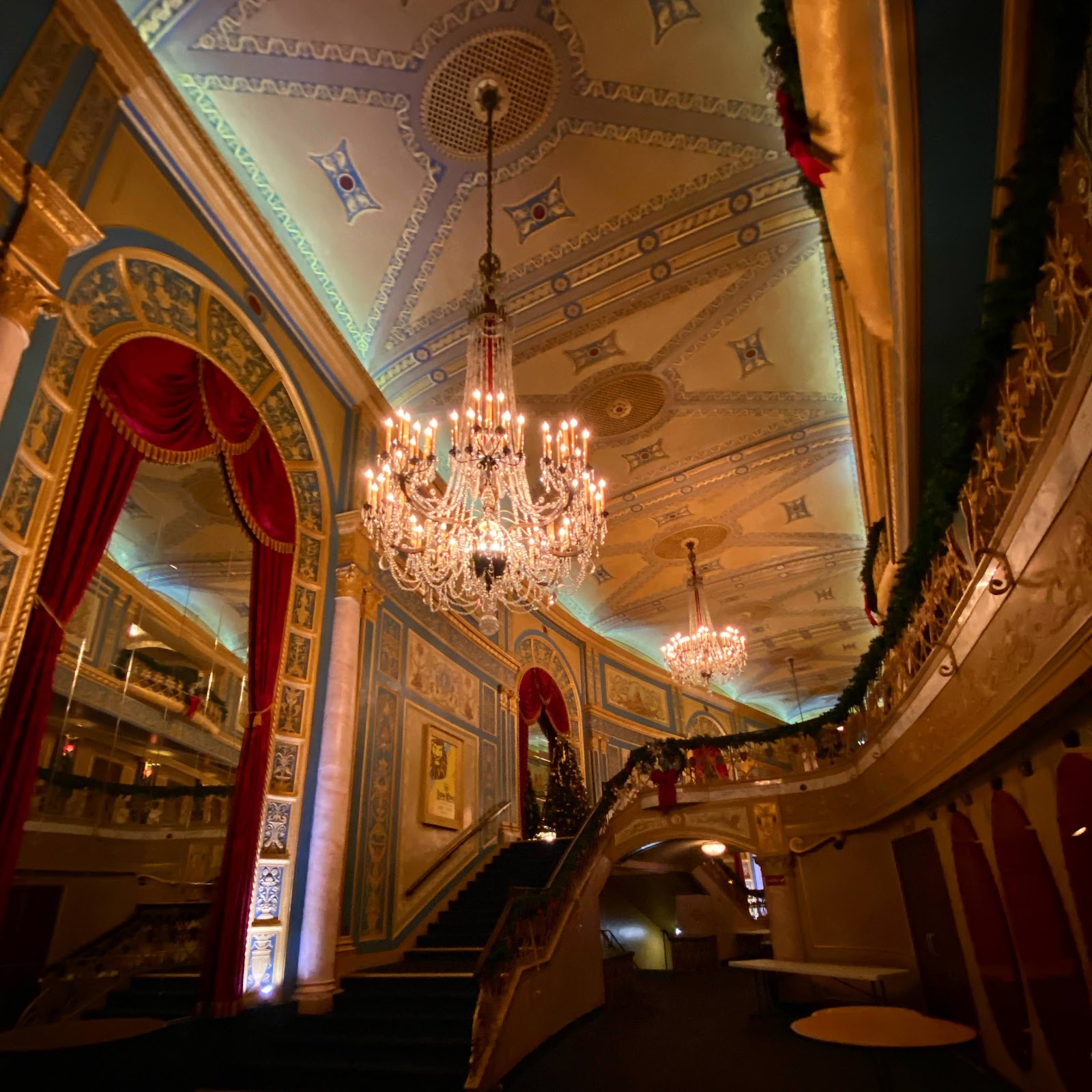
The Detroit Opera House: A Walk Through a Restored Opera House
A restored opera house in Detroit, with a grand lobby, tiered auditorium and stage.
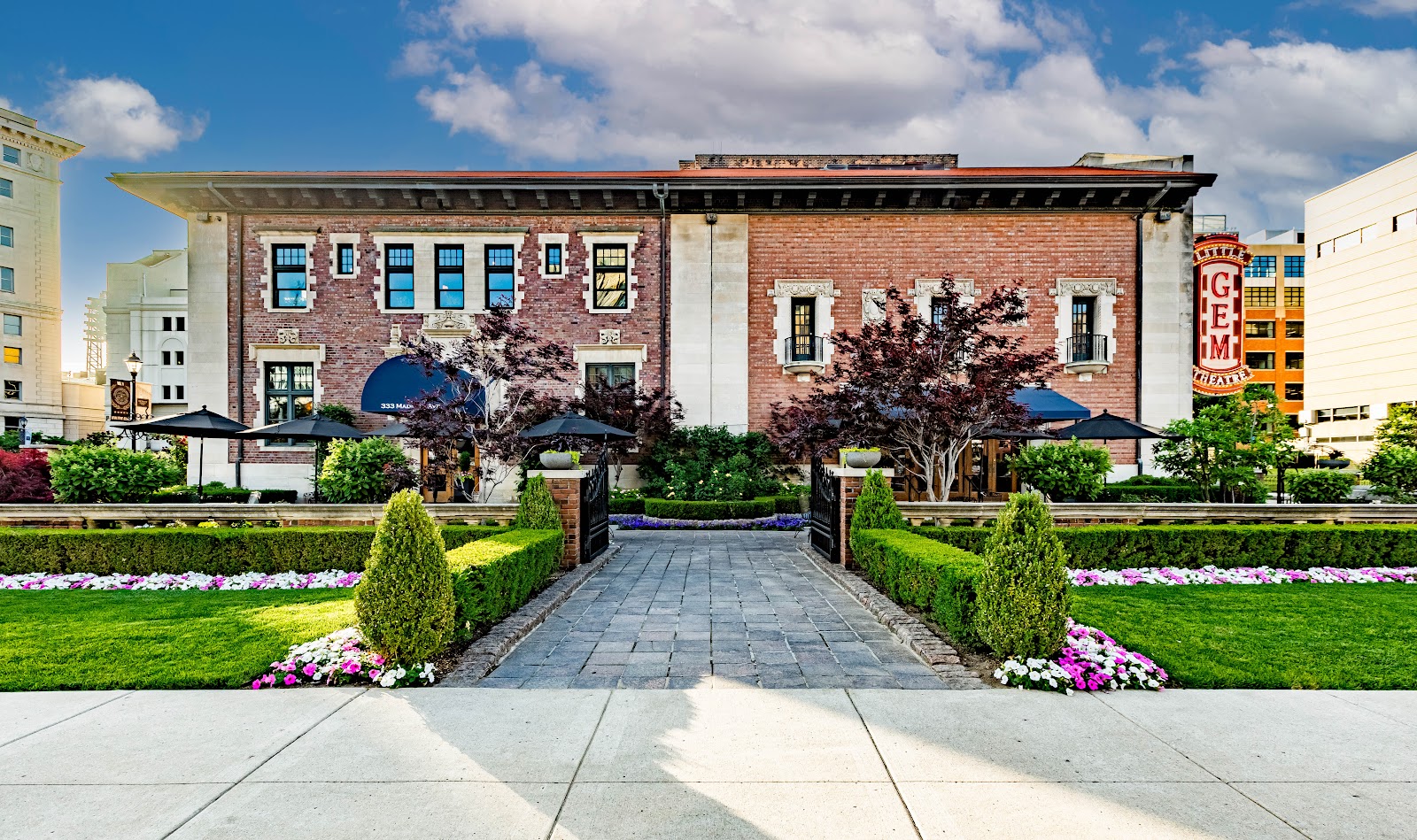
The Gem Theatre, Detroit: The One Decision That Governs Everything
A small historic theatre in downtown Detroit, dramatic and intimately nostalgic in character.
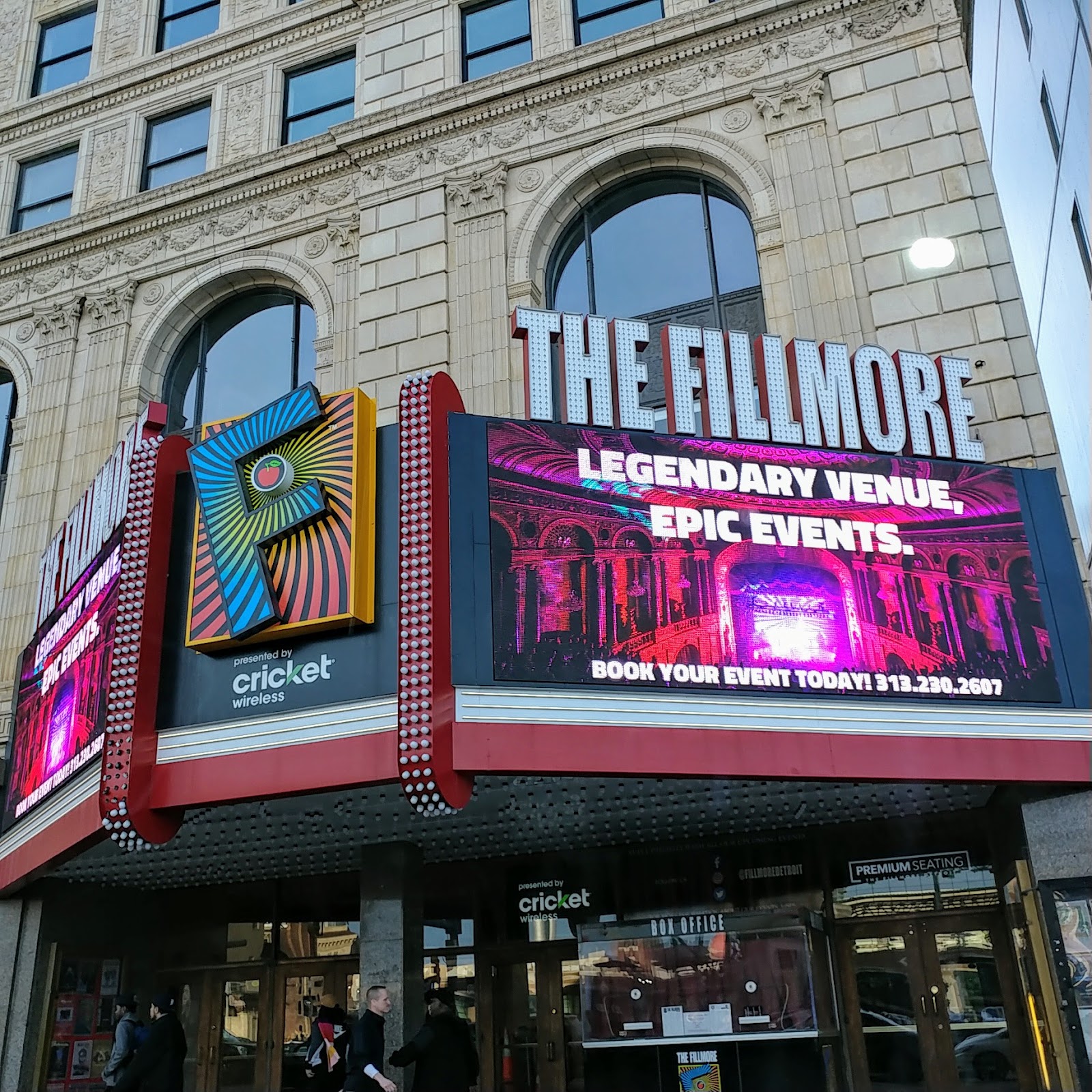
The Fillmore Detroit: The One Decision That Governs Everything
A historic Detroit theatre with a grand lobby of soaring ceilings and ornate chandeliers, now working as a music venue.
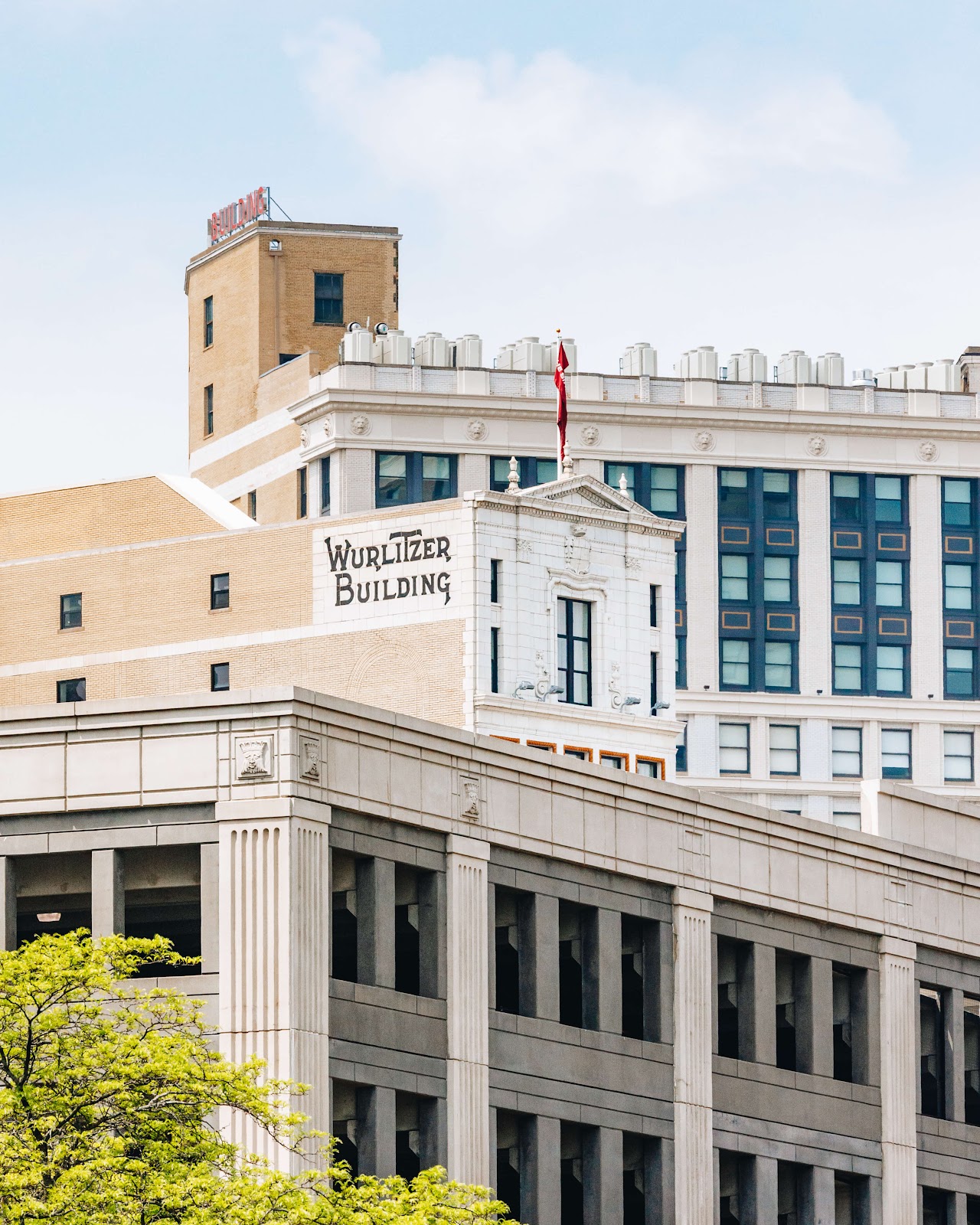
The Siren Hotel, Detroit: What It Suits and What It Does Not
A boutique hotel in downtown Detroit, with a character that is both vintage and refreshingly modern.
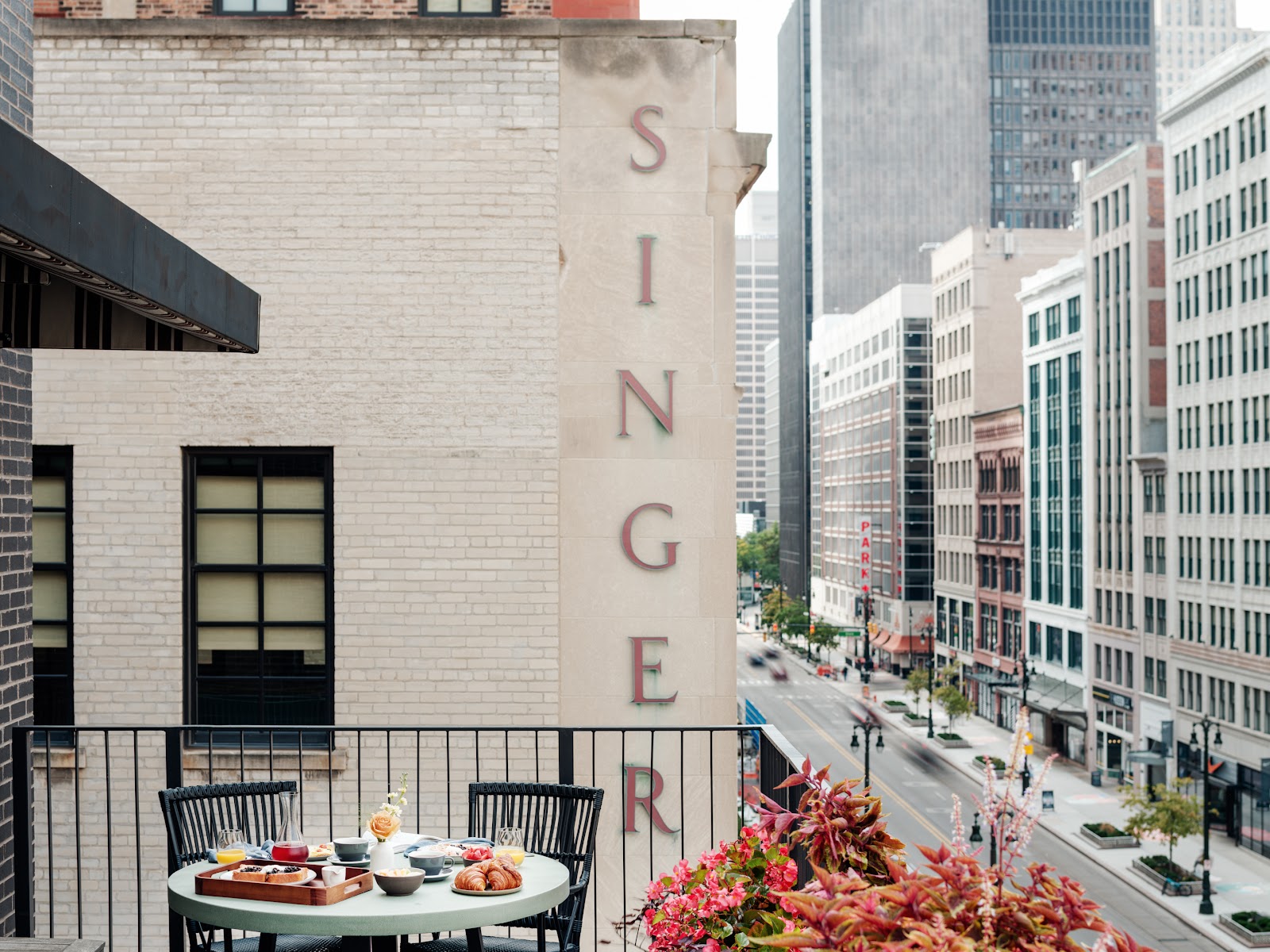
The Shinola Hotel, Detroit: What It Suits and What It Does Not
A design-led hotel in Detroit's historic Woodward shopping district, with considered interiors and period buildings around it.
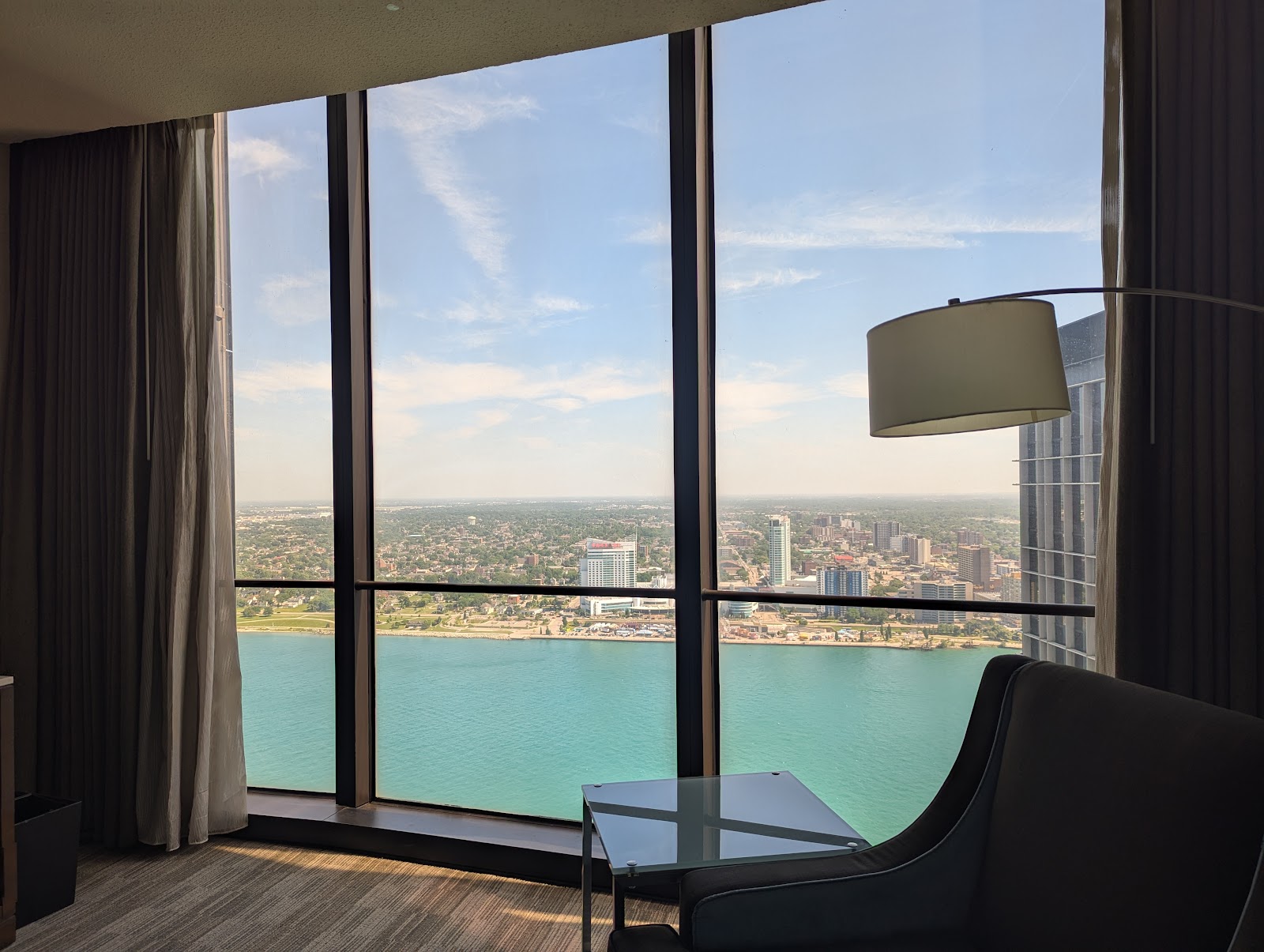
The Detroit Marriott at the Renaissance Center: What It Suits and What It Does Not
A hotel within a riverfront tower complex in Detroit, with modern architecture and a prominent place in the skyline.
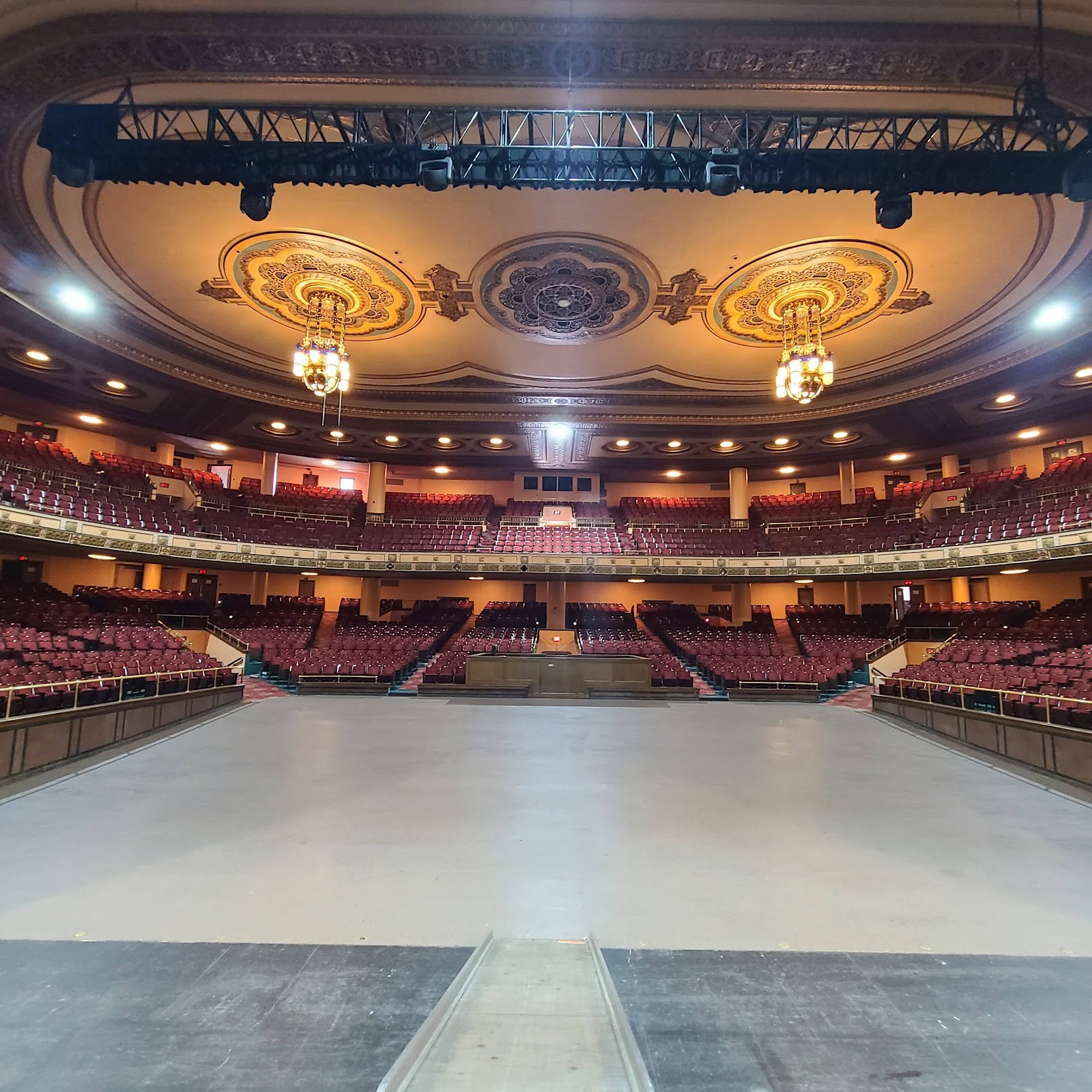
The Masonic Temple, Detroit: One Frame and How It Is Made
An enormous temple building in Detroit with many event spaces, including a chapel with old-world character.
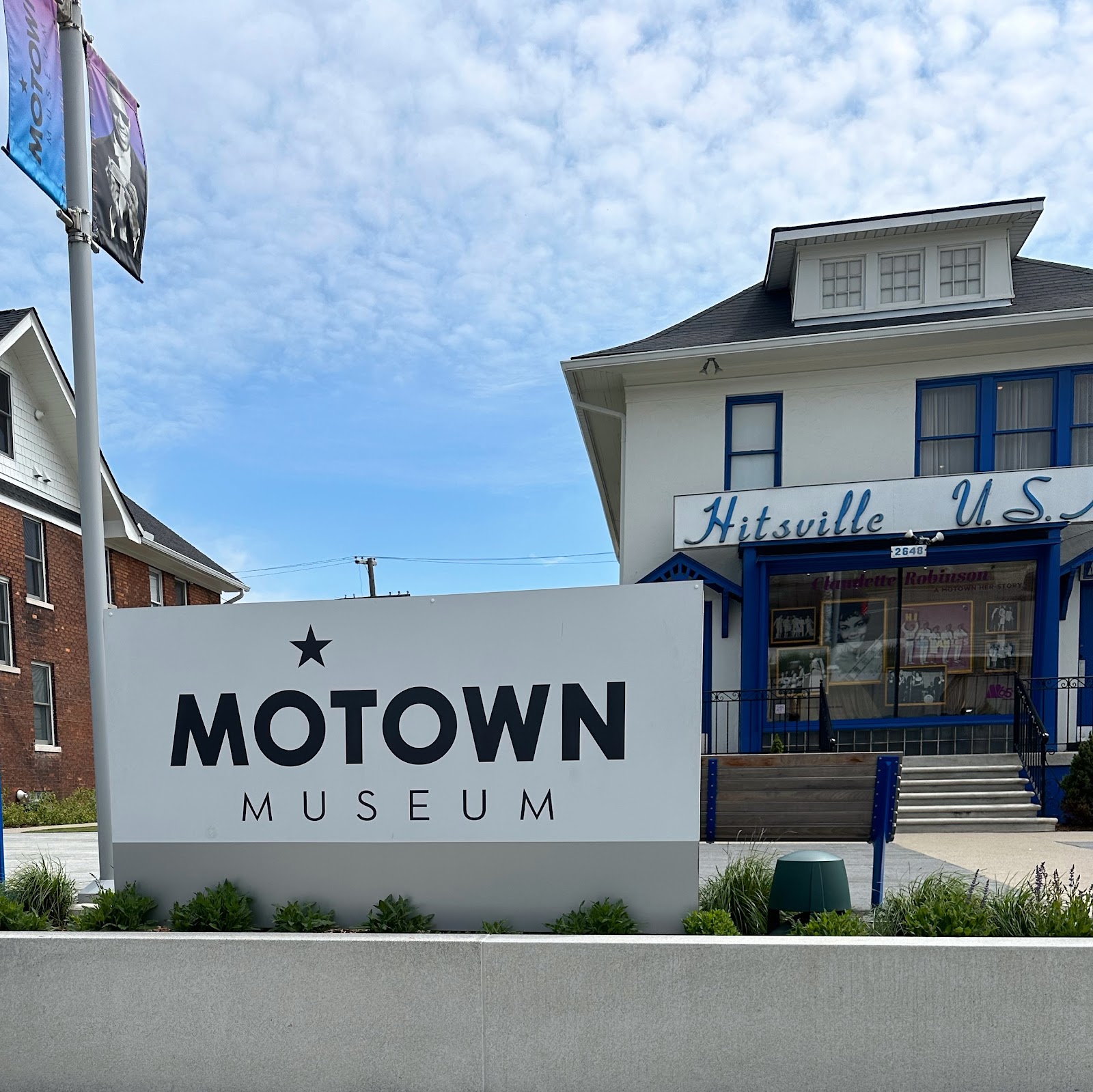
The Motown Museum, Detroit: One Frame and How It Is Made
A museum housed in a small Detroit residential building, where the atmosphere and the music are the attraction.
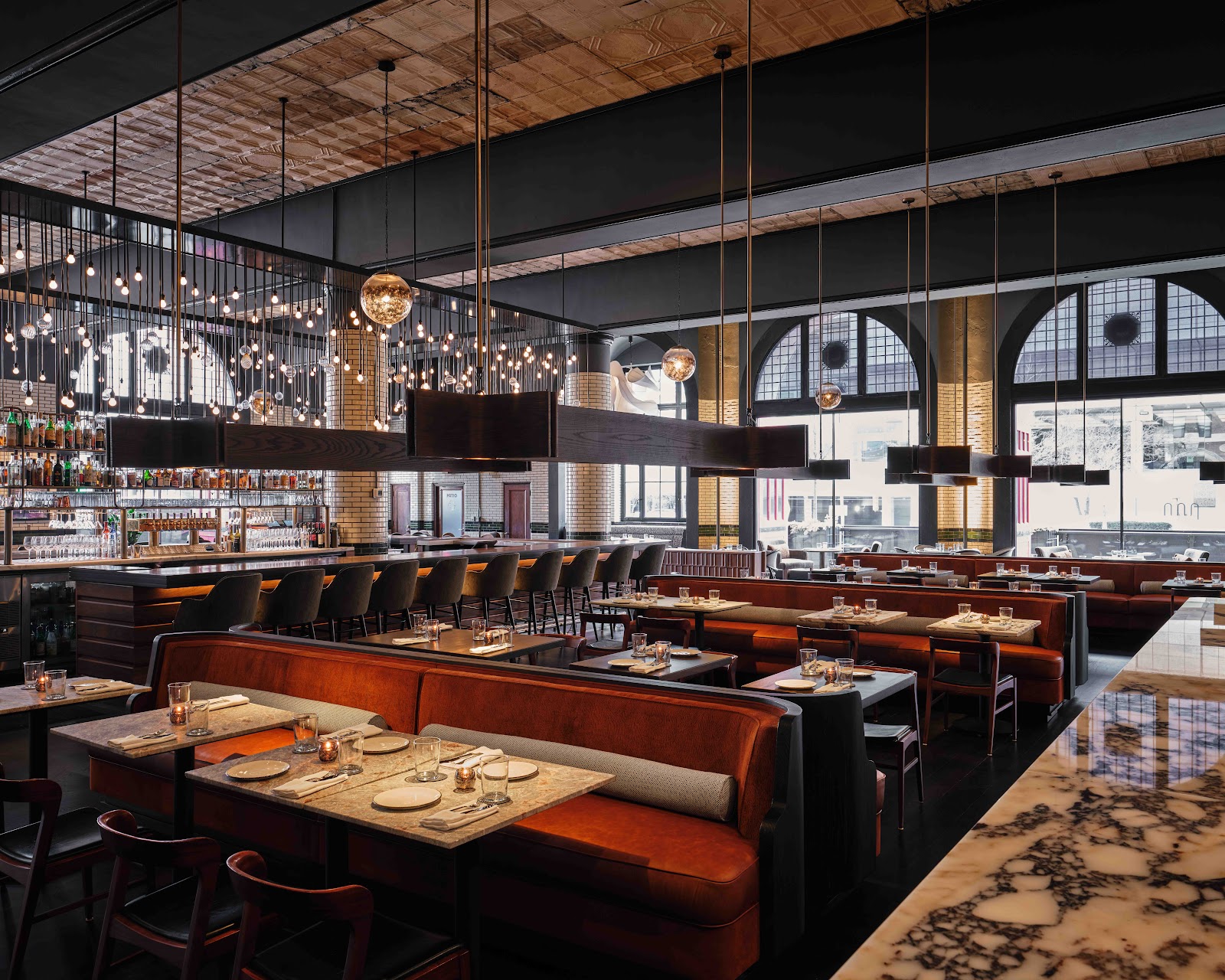
The Foundation Hotel, Detroit: Field Notes on a Civic Conversion
A hotel in a converted historic Detroit civic building, with stylish contemporary interiors inside a period shell.