Kansas City holds an unusually wide spread of building types, and several of them sit at the technical extremes of this series. Union Station's Grand Hall is the largest interior we have written about — a volume so big that lighting it is not an option, because light falls off with the square of distance and there is nothing close enough to bounce the spill back. The Nelson-Atkins is the opposite: pale marble that reflects so efficiently it does most of the lighting for you, at the cost of leaving almost no direction to model a face.
And the Kauffman Center's curved glass curtain wall combines two problems in one surface, since a curve offers no flat elevation to square up to and a glass wall passes light one way and reflects the other.
Two things recur across the cluster and both are worth planning for. The city is low-rise in parts, which means low evening sun actually reaches street level and runs the length of a street — a frame a city of uniform towers cannot offer, and the block that locates a gallery when the interiors could be anywhere. And Missouri summer humidity is high enough that a lens carried from heavy air conditioning into outdoor air fogs for ten to twenty minutes, which costs the arrival frames unless the kit is acclimatised first.
The guides below are venue by venue: why a skyline needs 135mm or it does not exist, why polished metal shows what the light bounces off rather than the light itself, and why the real problem at a very large hotel is distance rather than lighting.
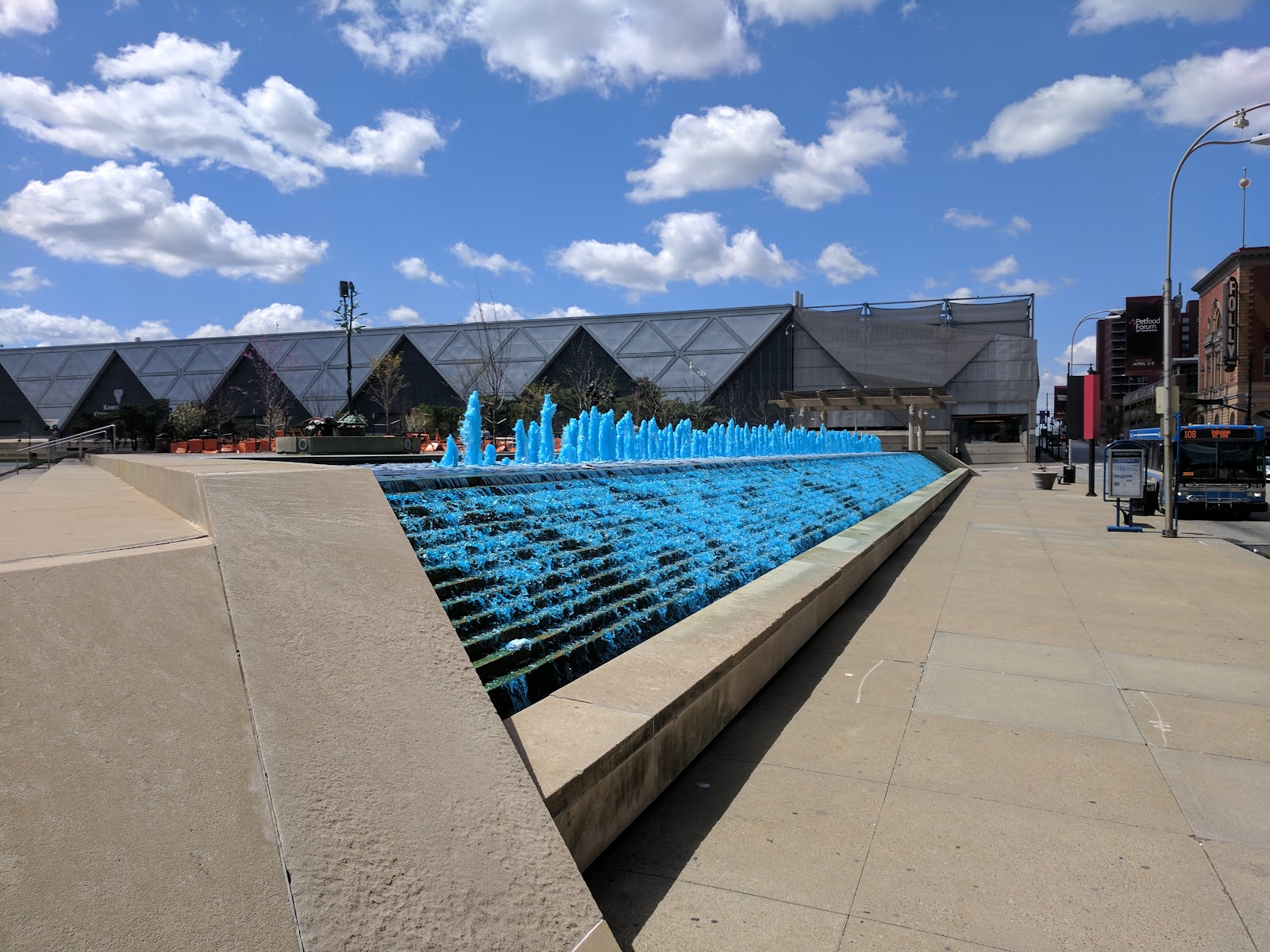
The Kansas City Marriott Downtown: Four Ways Out of the Large-Hotel Problem
A large downtown Kansas City hotel spanning connected towers, with extensive ballroom and meeting space and a 1920s Art Deco element.
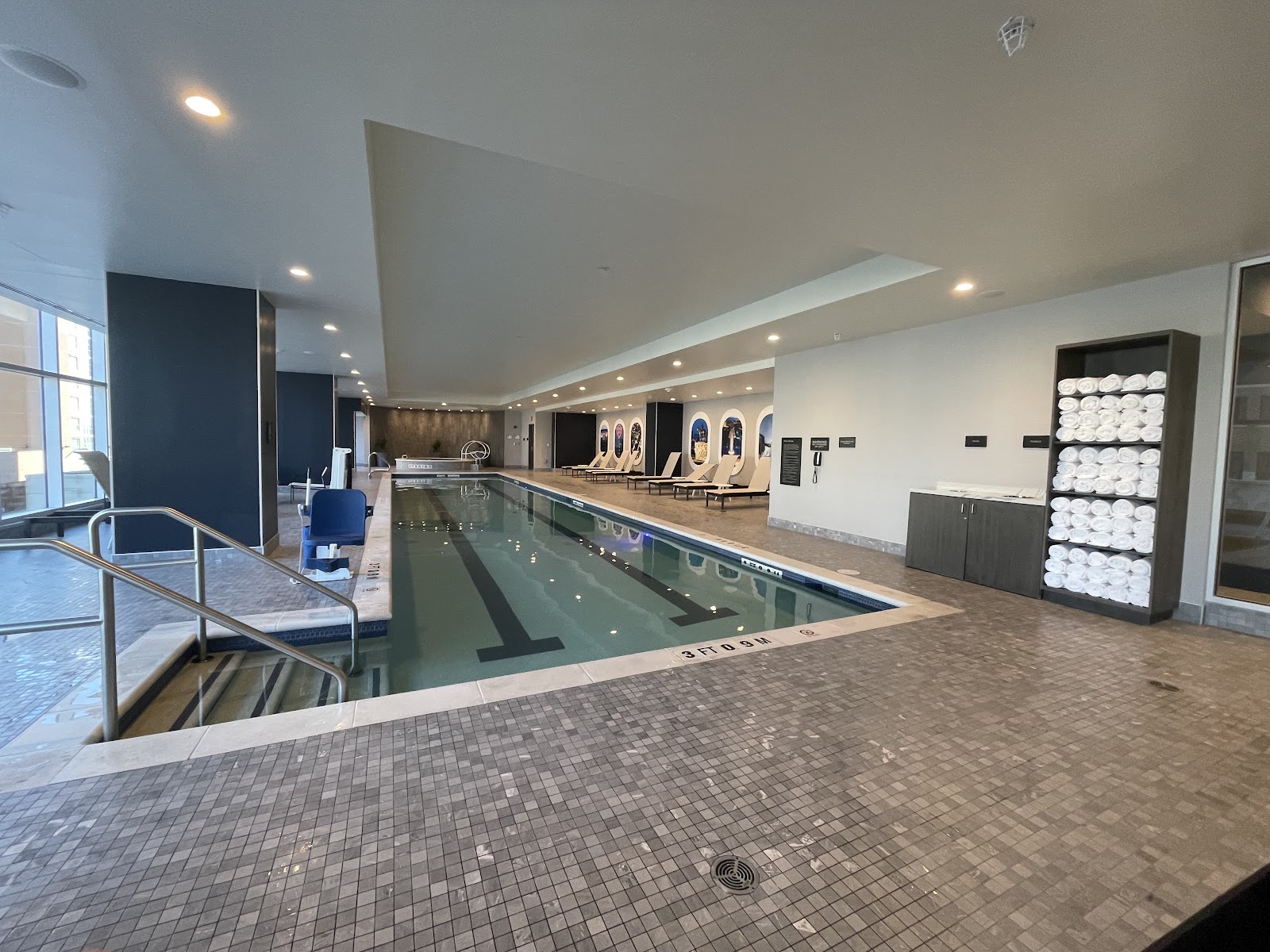
Loews Kansas City: How the High Window Frame Is Made
A contemporary high-rise hotel in downtown Kansas City, Missouri, with ballroom space, guest floors and city views.
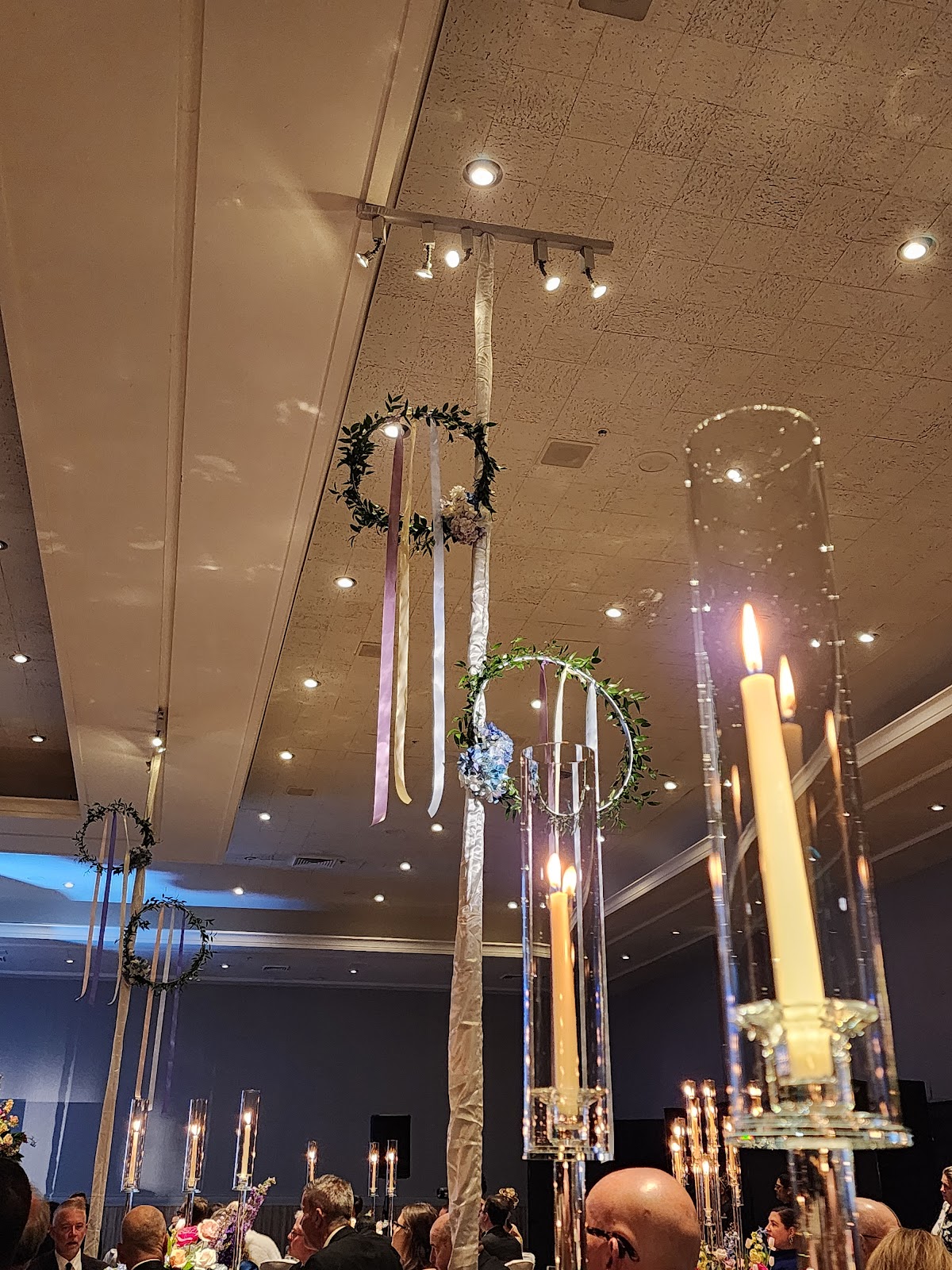
The Muehlebach Hotel: A Historic Wing Attached to a Modern One
A 1915 hotel in downtown Kansas City, joined to a later modern tower, with period ballrooms and contemporary guest floors.
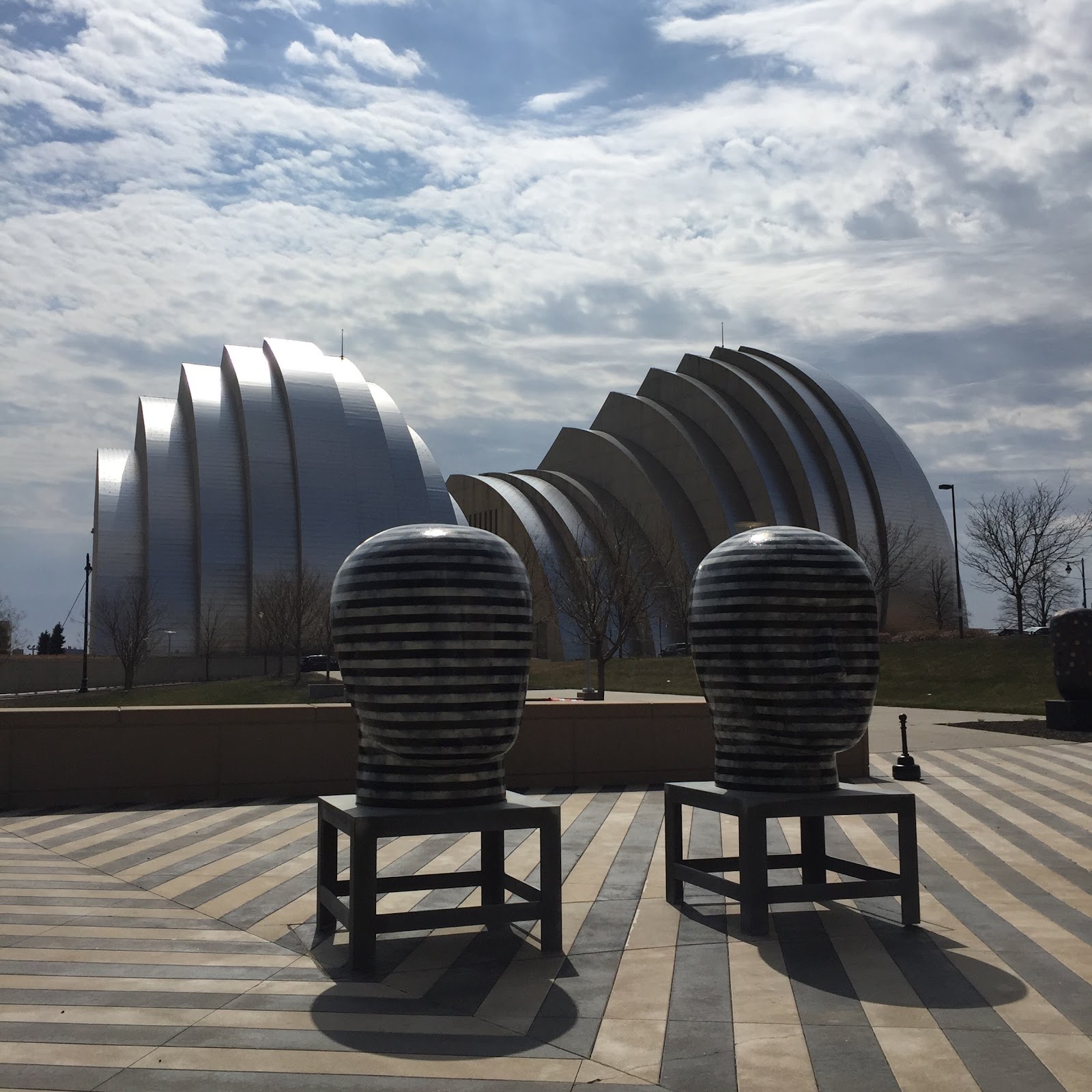
The Grand Ballroom: Photographing a Venue With Only One Space
A historic standalone ballroom in Kansas City, Missouri, used for events, with period detailing and a single principal space.
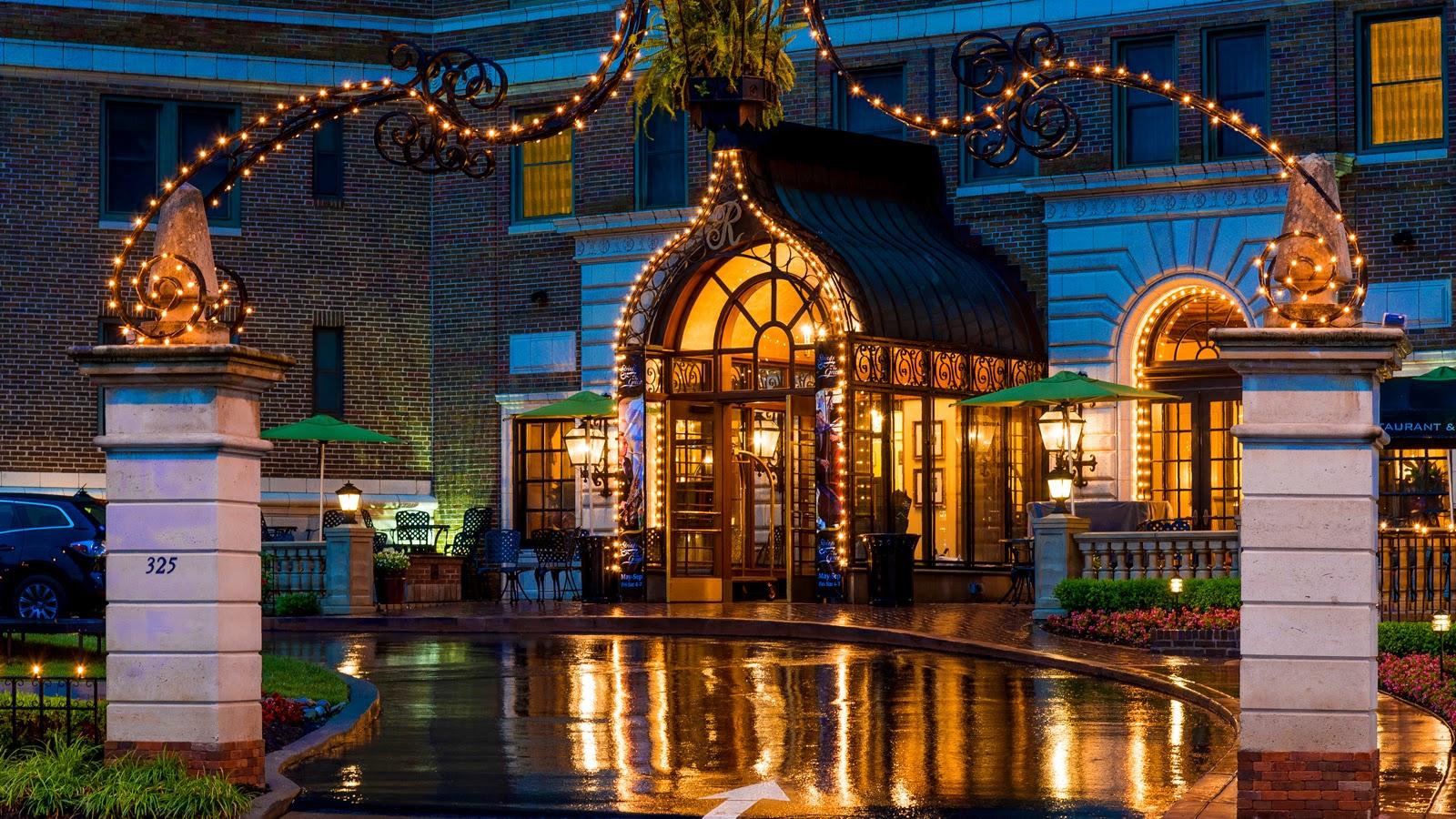
The Raphael Hotel: A Small Hotel and the District Around It
A small hotel in a 1920s building beside the Country Club Plaza in Kansas City, Missouri.
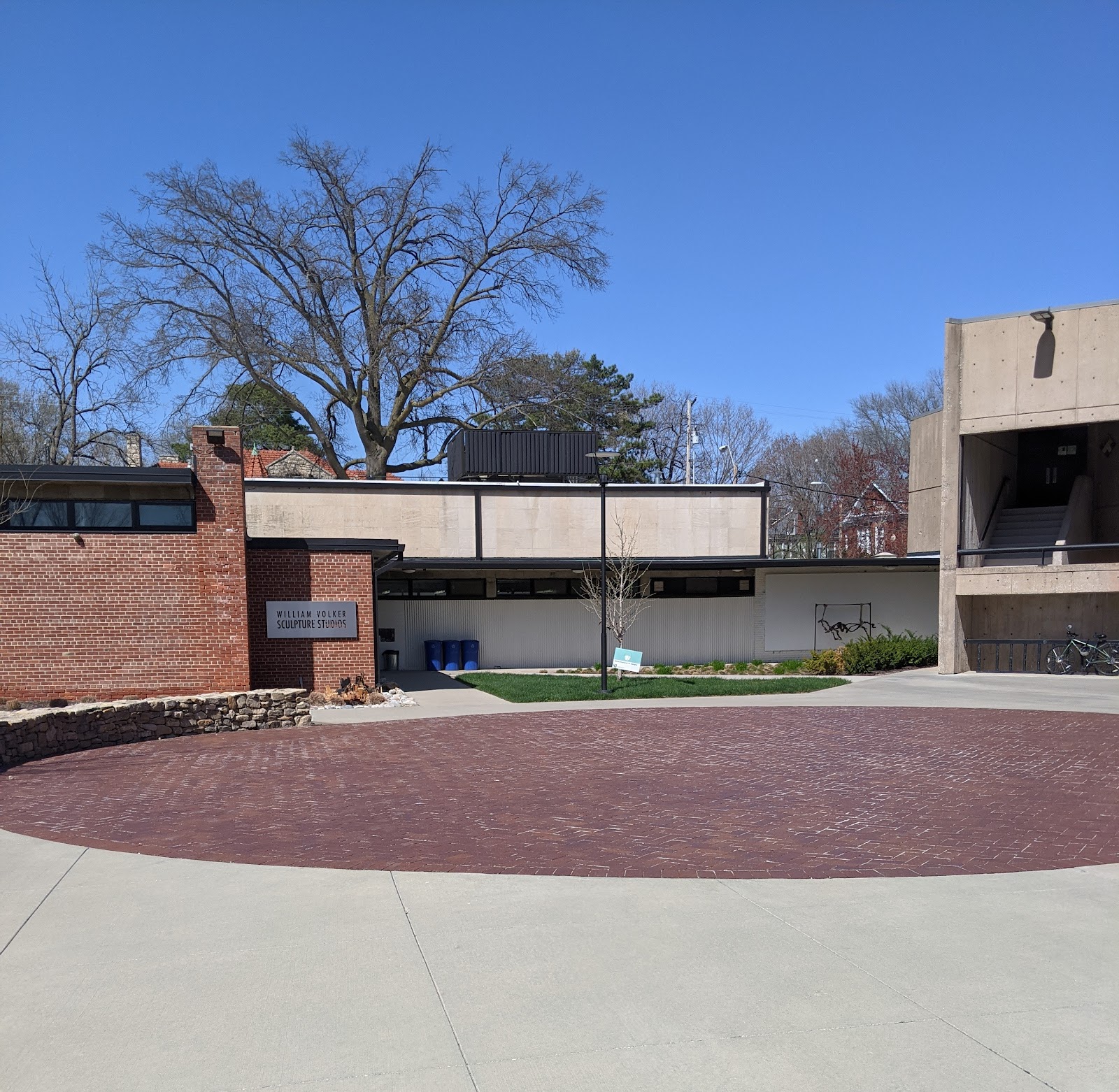
The Kansas City Art Institute: Field Notes on a Working Art Campus
An art school campus in Kansas City, Missouri, combining historic houses, studio buildings and grounds near the Nelson-Atkins.
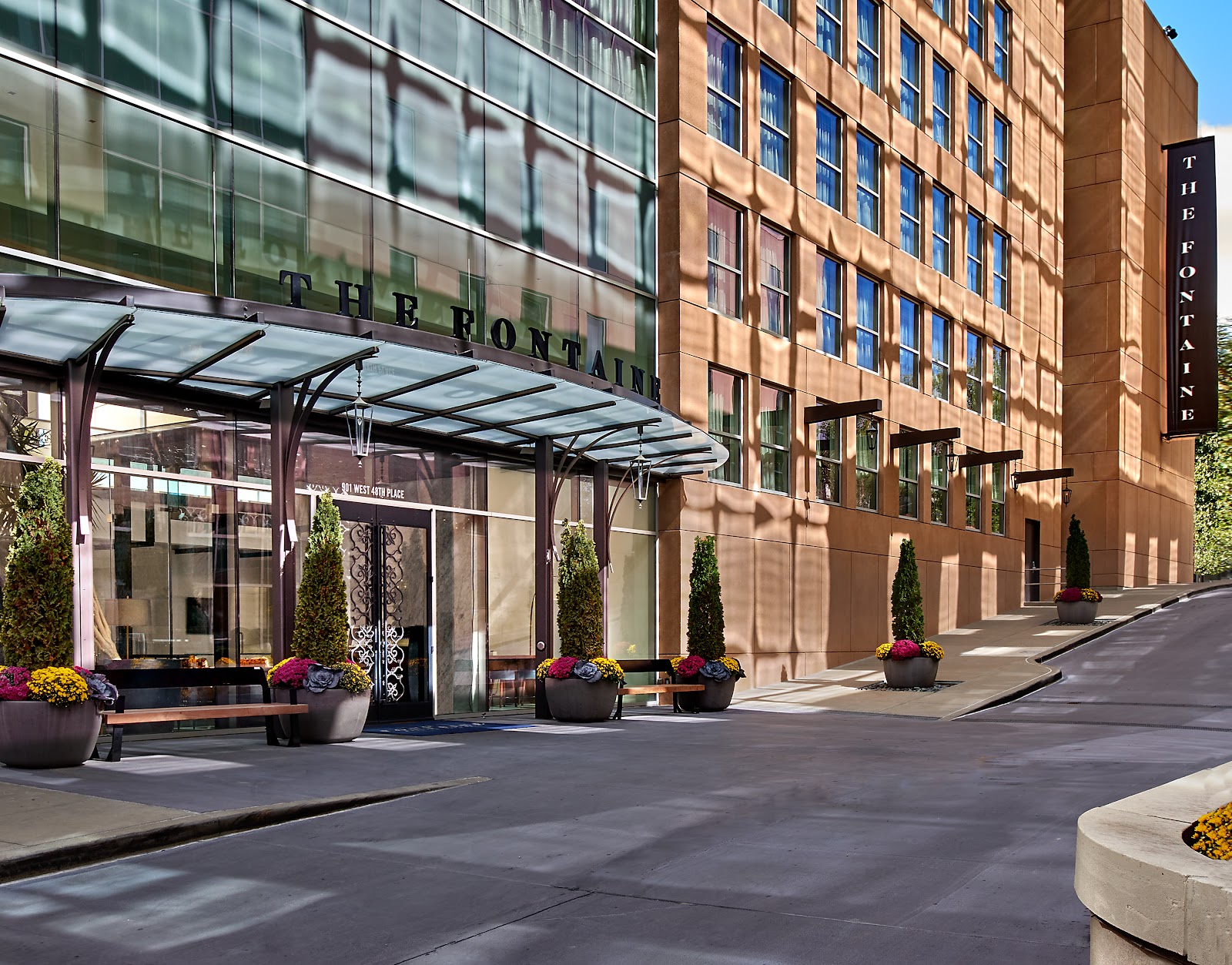
The Fontaine Hotel: One Decision About the Rooftop Pool
A contemporary hotel near the Country Club Plaza in Kansas City, with a rooftop pool, terrace and ballroom space.
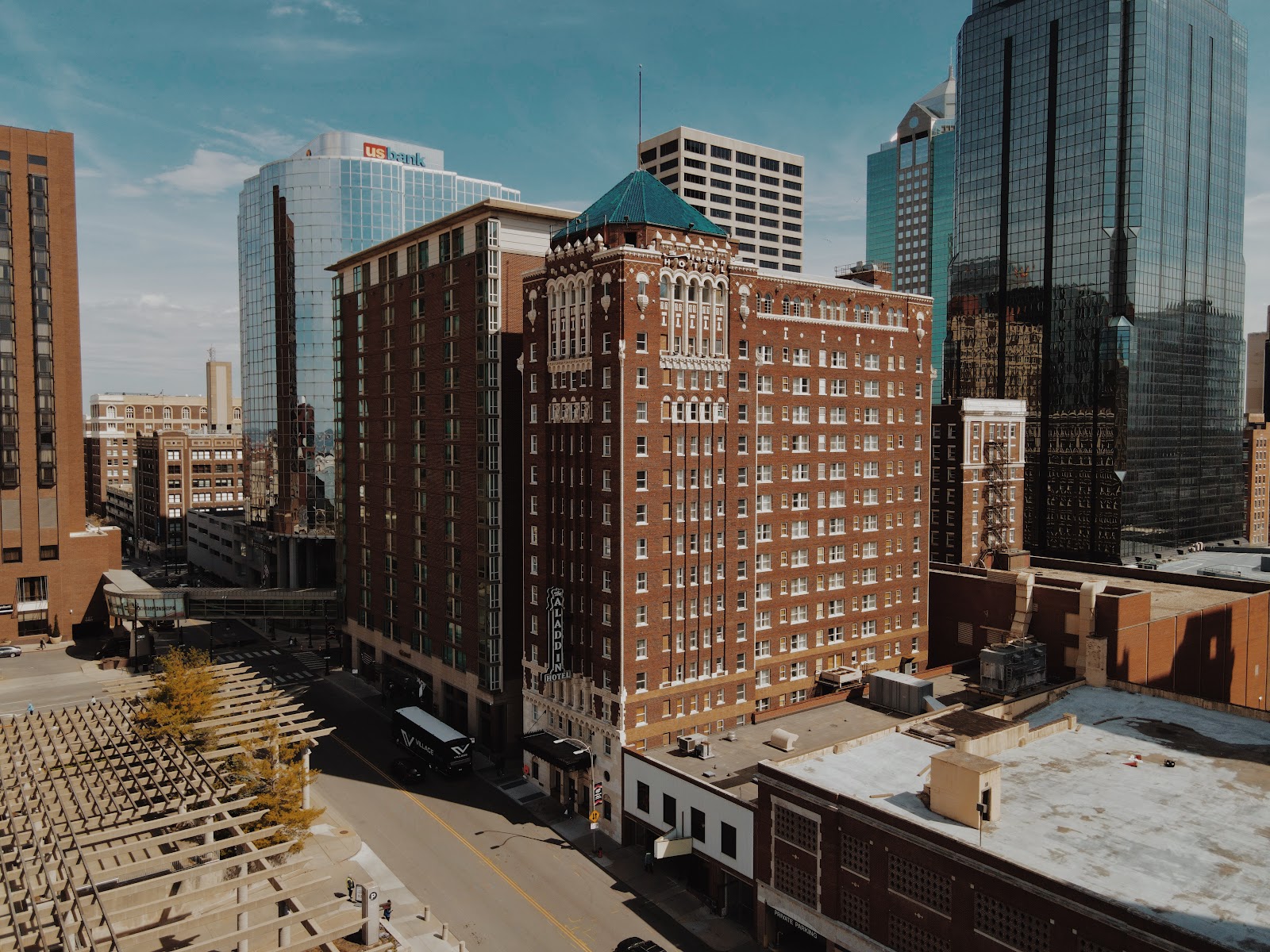
The Aladdin Hotel: What a 1925 Art Deco Interior Suits
A 1925 Art Deco hotel in downtown Kansas City, Missouri, with geometric detailing, metalwork and intimate public rooms.
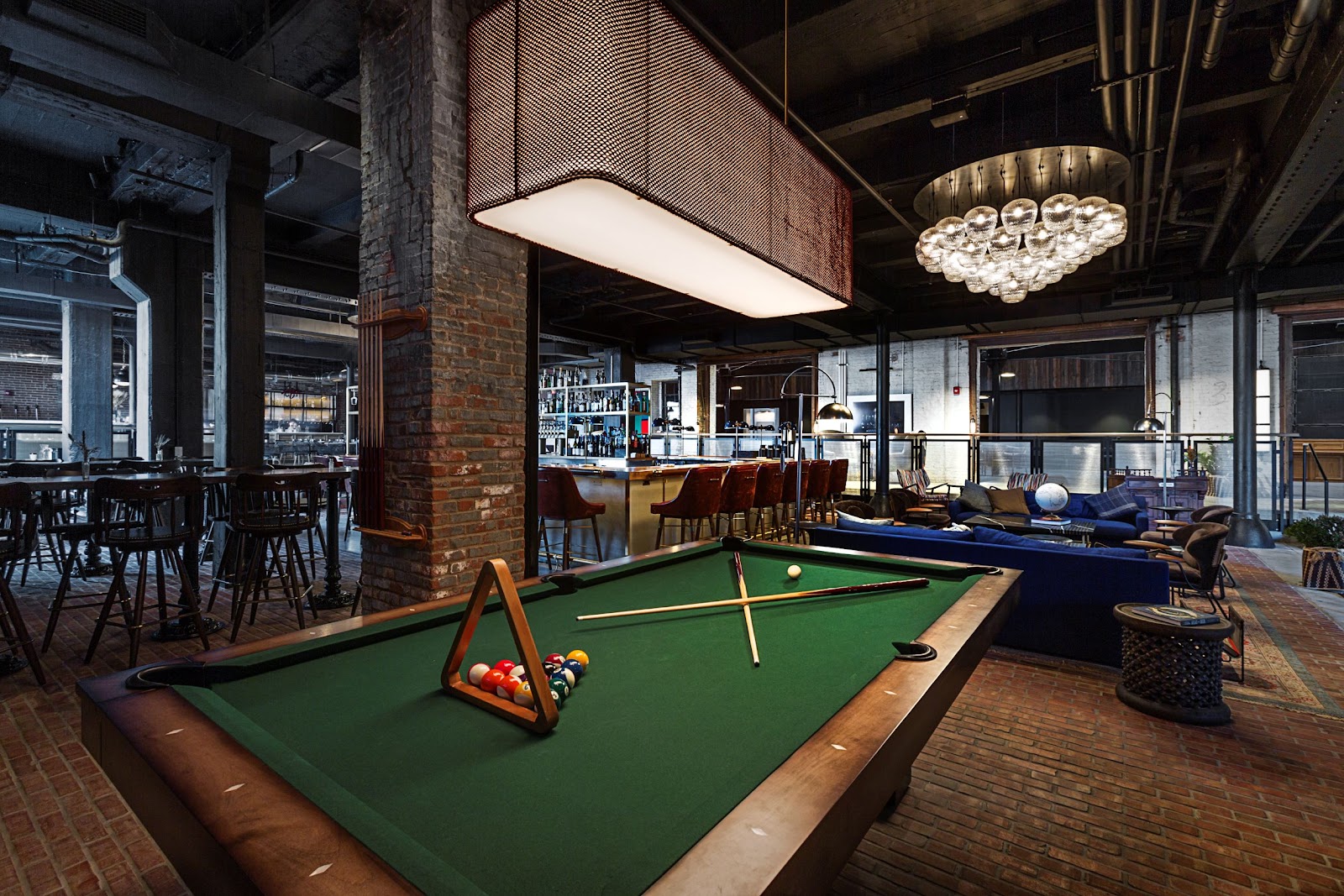
The Crossroads Hotel: Reading a Warehouse Conversion Through the Day
A converted warehouse hotel in the Crossroads Arts District of Kansas City, with exposed brick, industrial beams and large windows.
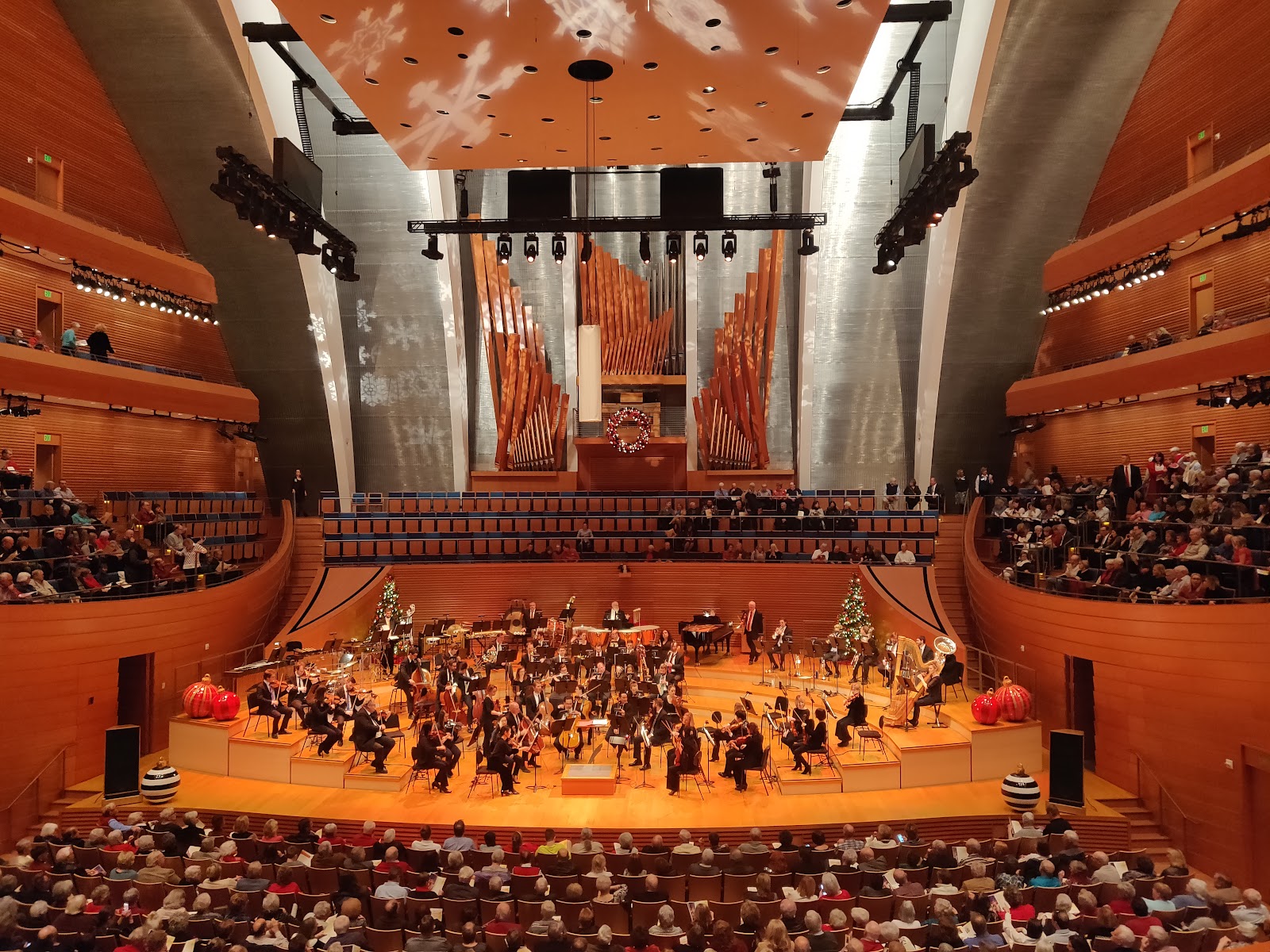
The Kauffman Center: Photographing a Glass Curtain and Curved Halls
A contemporary performing arts centre in Kansas City, Missouri, with a curved glass lobby, theatre halls and terraces over the city.
- 1
- 2