 Hotel Saint Louis: A Walk-Through of an 1893 Union Trust Building
The Grand Ballroom: Photographing a Venue With Only One Space
A venue that is one room takes away every locational choice, which is harder and simpler than it sounds.
The Grand Ballroom is a historic standalone ballroom in Kansas City, Missouri — a single principal space used for events, with period detailing, rather than a hotel or complex containing several rooms.
Single-room venues are a distinct type and worth thinking about properly, because they remove the thing most venue planning is about. At a hotel a photographer chooses between a guest-room window, a lobby, a ballroom and a street. Here there is one room, and every frame of the indoor coverage comes from it. That means variety has to be created rather than found: from lens choice, from light, from where people are placed within the space, and from the passage of time as the room fills and empties.
It is genuinely harder in one way and easier in another, and this follows that logic. We have not photographed a wedding at the Grand Ballroom; single-space historic venues behave the same wherever they are. What preparation space exists, whether there is any daylight and what rigging is permitted are questions for their events team — and the preparation question matters most, because a venue with one room may not have a second.
The Grand Ballroom at a glance
| Where | Kansas City, Missouri |
| Character | A historic standalone ballroom used for events — one principal space |
| The consequence | Every indoor frame comes from the same room |
| So variety comes from | Lens, light, placement and the passage of the evening |
| Ask first | Whether there is a preparation room, and any daylight at all |
Creating variety in one room
Four levers produce variety when the location cannot, and using all four deliberately is what stops a single-room gallery looking repetitive.
Lens is the first and the most effective. The same corner of a room photographed at 24mm, 50mm and 135mm gives three genuinely different images — environmental, natural and compressed — and a set that rotates through focal lengths reads as varied even when every frame is taken within ten metres of the same spot. A photographer who works the whole evening on one lens in a single-room venue will produce a repetitive set regardless of how good each frame is.
Light is the second. In a room with fixed architecture, changing the light changes the frame: a hard gridded source gives a graphic image, a bounced source gives a soft one, a rim from behind gives separation, and a coloured gel changes the register entirely. Moving one light two metres alters a background more than moving the camera would.
Placement is the third, and it means thinking about the room as a set of positions rather than as a space. Against a wall, in the centre, at a window if there is one, beside a doorway, on a stair if there is one, at the edge of the dance floor — each is a different background. Listing those on arrival, before anyone is in the room, is ten minutes well spent.
Time is the fourth and the most valuable. The same room empty, set, filling, full, dancing and emptying again is six distinct environments, and a single-room venue gives all of them. The empty-room frame before the doors open is the one most often missed, and it is in almost every gallery a couple keeps.

Lighting a period ballroom
The lighting problem in a historic ballroom is always the same. House lighting is warm, dim and comes from directly overhead via chandeliers or pendants, which shadows the eye sockets, marks the lines under nose and chin, and produces a top-lit look that flatters nobody. The room looks handsome and the people in it do not.
One source at face height, gelled warm to match the room, at roughly forty-five degrees, fixes it entirely — modelling restored, catchlights in the eyes, and the ceiling fittings left as glowing detail rather than as the key. A second behind the couple as a rim separates them from a warm surround and finishes the dance floor for the night.
Ornate plaster, where it exists, sits stops above the people beneath it and needs the standard treatment: raise the couple towards the ceiling rather than exposing down to them, within two or three stops rather than level, then expose for the plaster. And plaster relief needs directional light, so where the ceiling is the subject your source belongs off to one side rather than on the camera axis.
Because a standalone ballroom usually has little or no daylight, the lighting condition is fixed — which means you light it once, confirm it, and it holds all evening. There is no convergence moment to catch, no weather dependency, and no penalty for a delayed running order. That is a real advantage and it makes the whole indoor coverage the block that absorbs a delay.
Shutter drag is worth using more here than almost anywhere, precisely because the ambient is low and unchanging: a slow shutter with flash freezes the couple while the ambient trails the moving lights and the room, and the results repeat reliably rather than being a lottery. In a single-room venue, a technique that reliably produces a different-looking frame is worth a great deal.
- Rotate focal lengths deliberately; one lens all evening gives a flat set
- List the room’s positions before anyone arrives — ten minutes well spent
- Take the empty room, set and lit, before the doors open
- One warm source at face height kills the top-light look
- Use shutter drag freely; fixed ambient makes it repeatable
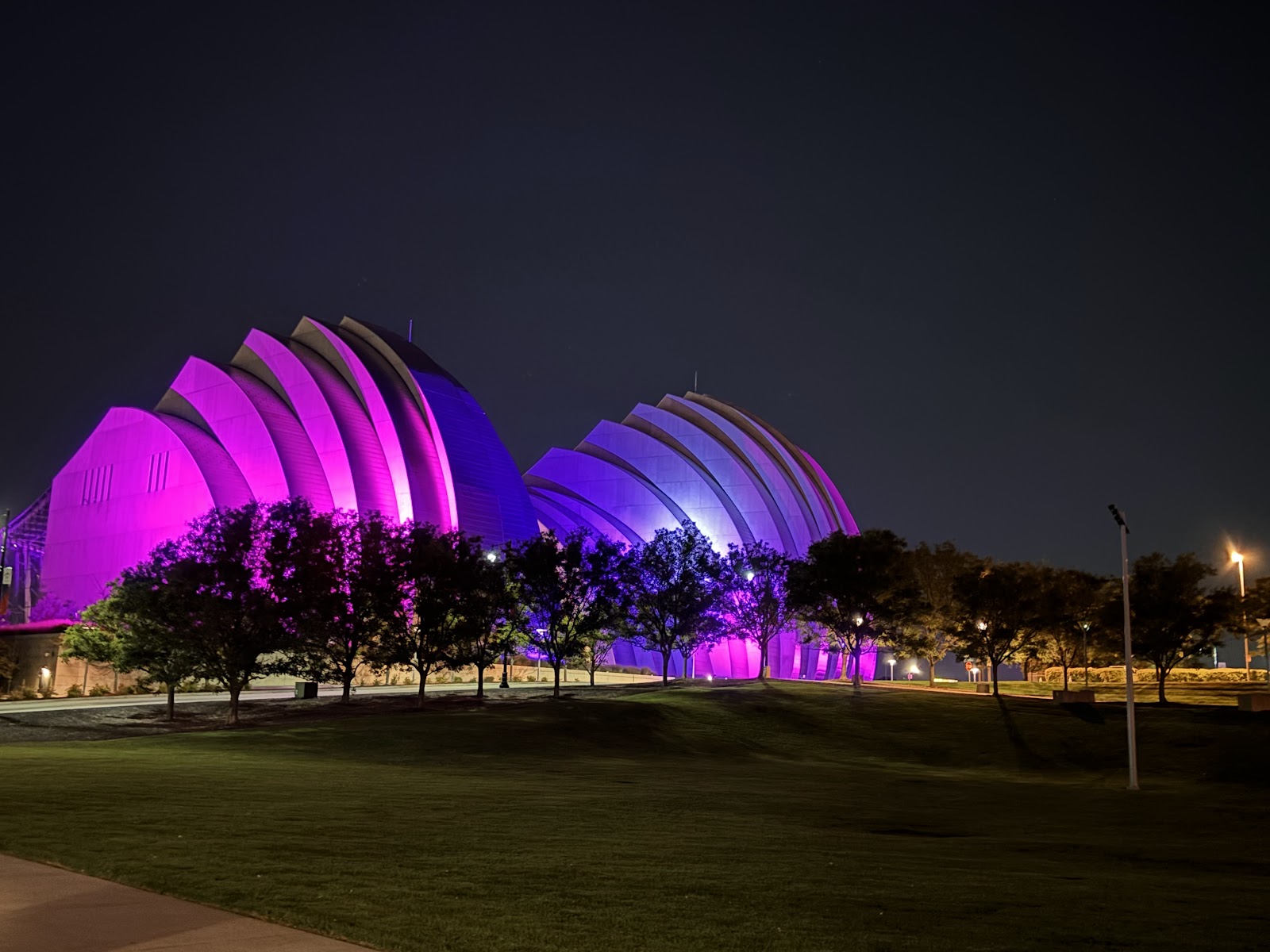
What a single-room venue does not have, and what to do about it
The two things missing are preparation space and daylight, and both need establishing before the day rather than discovering. A venue that is one room may have no getting-ready space at all, in which case preparation happens elsewhere — a nearby hotel or a private house — and that is a transfer to budget for in the timeline. Asking the question early prevents a morning spent photographing a bride getting ready in a corridor.
Daylight is the other gap. Where a ballroom has any windows, they are the most valuable thing in the building and the preparation and portrait coverage should be built around them. Where it has none, every frame in the venue is a lit frame and the daylight coverage has to happen outside — which makes an exterior block not an optional extra but a structural part of the plan.
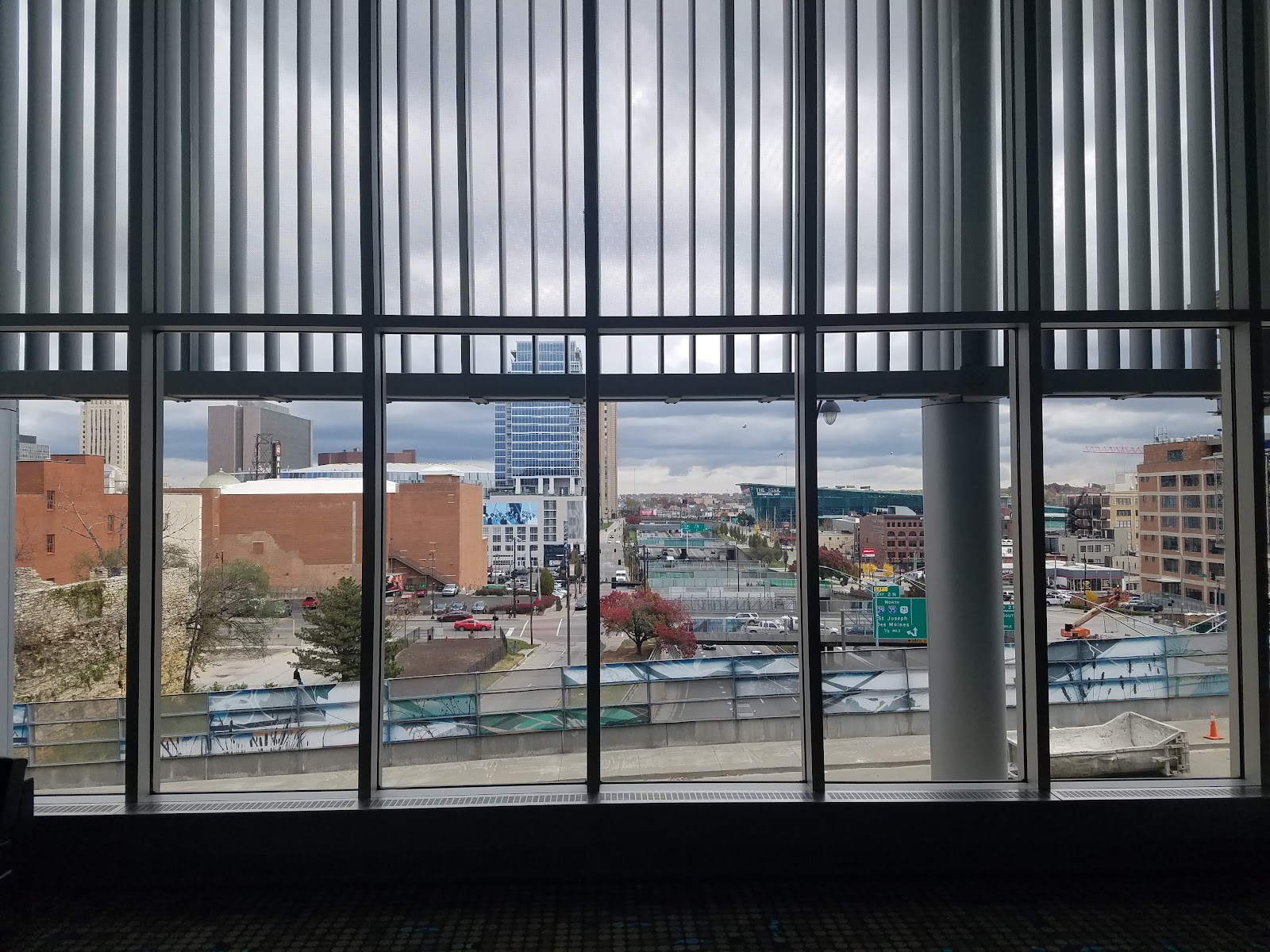
That exterior block is also what locates the gallery. A ballroom interior could be anywhere; a frame with a recognisable street or building outside places the wedding in Kansas City. Because parts of the city are low-rise, low evening sun reaches street level and runs the length of a street, which is a frame a city of towers cannot give — and finding which streets run roughly east-west is a ten-minute site visit.
Groups are the third consideration. A single large room is actually good for formal groups, because floor area and ceiling height are what they need and a ballroom has both. Where a stair exists, better still — steps arrange people at different heights automatically. So this is one thing a single-room venue does better than a small multi-room one.
Missouri conditions apply for any outdoor block: summer humidity fogs a lens carried from air conditioning for ten to twenty minutes, so acclimatise beforehand; and afternoon thunderstorms build and clear fast, which at a venue with no outdoor space of its own means the fallback is simply staying inside — inconvenient for the locating frames but harmless to the wedding.
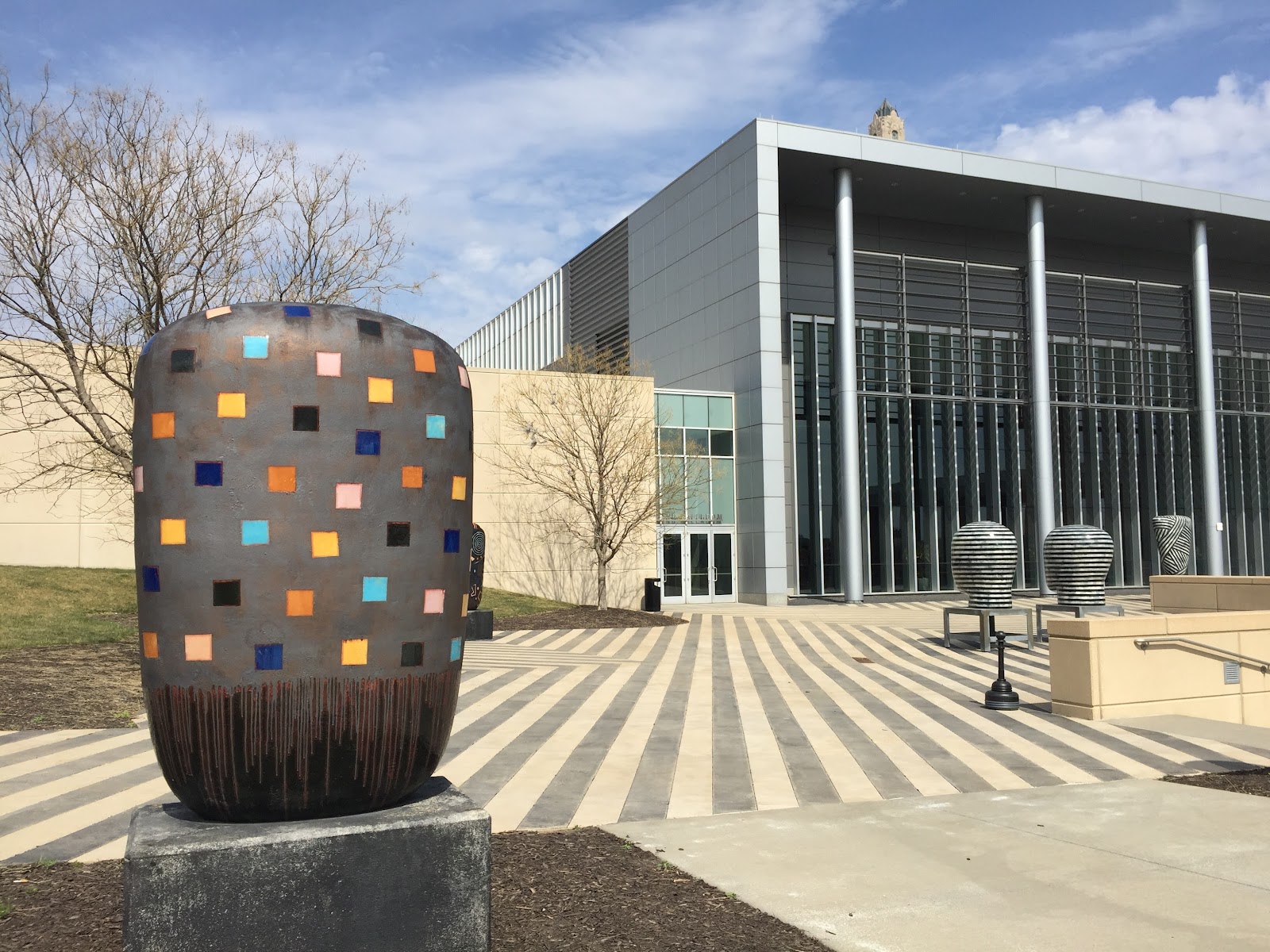
More frames from The Grand Ballroom
The Grand Ballroom wedding photography: common questions
What is hard about a single-room venue?
Variety. At a hotel you choose between a guest room, a lobby, a ballroom and a street; here every indoor frame comes from one space, so variety has to be created from lens, light, placement and the passage of the evening rather than found.
Which lever matters most?
Focal length. The same corner at 24mm, 50mm and 135mm gives three genuinely different images, and a set that rotates through lenses reads as varied even when every frame is within ten metres of the same spot.
What is the most missed frame?
The empty room, set and lit, before the doors open. In a single-room venue it is one of six distinct environments the same space provides — empty, set, filling, full, dancing, emptying — and it is in almost every gallery a couple keeps.
How should the ballroom be lit?
One warm-gelled source at face height at about forty-five degrees, so the overhead house lighting stops being the key. A second behind as a rim finishes the dance floor. Because the ambient is fixed, that setup holds all evening.
What might the venue not have?
A preparation room, and daylight. Establish both early — a venue that is one room may have no getting-ready space at all, which means a transfer to budget for, and no daylight means every interior frame is a lit frame.
Is a single room good for anything?
Formal groups. They need floor area and ceiling height, and a ballroom has both — which is one thing a single large room does better than a small multi-room venue. Better still if there is a stair.
More Kansas City, MO venue guides
We are writing a photographer’s guide to every venue we would happily shoot in Kansas City, MO. Here are three more, plus the full index:
- The Kansas City Art Institute: Field Notes on a Working Art Campus
- The Kansas City Marriott Downtown: Four Ways Out of the Large-Hotel Problem
- The Kauffman Center: Photographing a Glass Curtain and Curved Halls
All Kansas City, MO Wedding Venues →
Planning a wedding at The Grand Ballroom?
One room needs four levers used deliberately. Tell us your date and whether there is a preparation space.