 Hotel Saint Louis: A Walk-Through of an 1893 Union Trust Building
The Kansas City Art Institute: Field Notes on a Working Art Campus
A working art campus is not a venue but a collection of them, and the studios are the most interesting part.
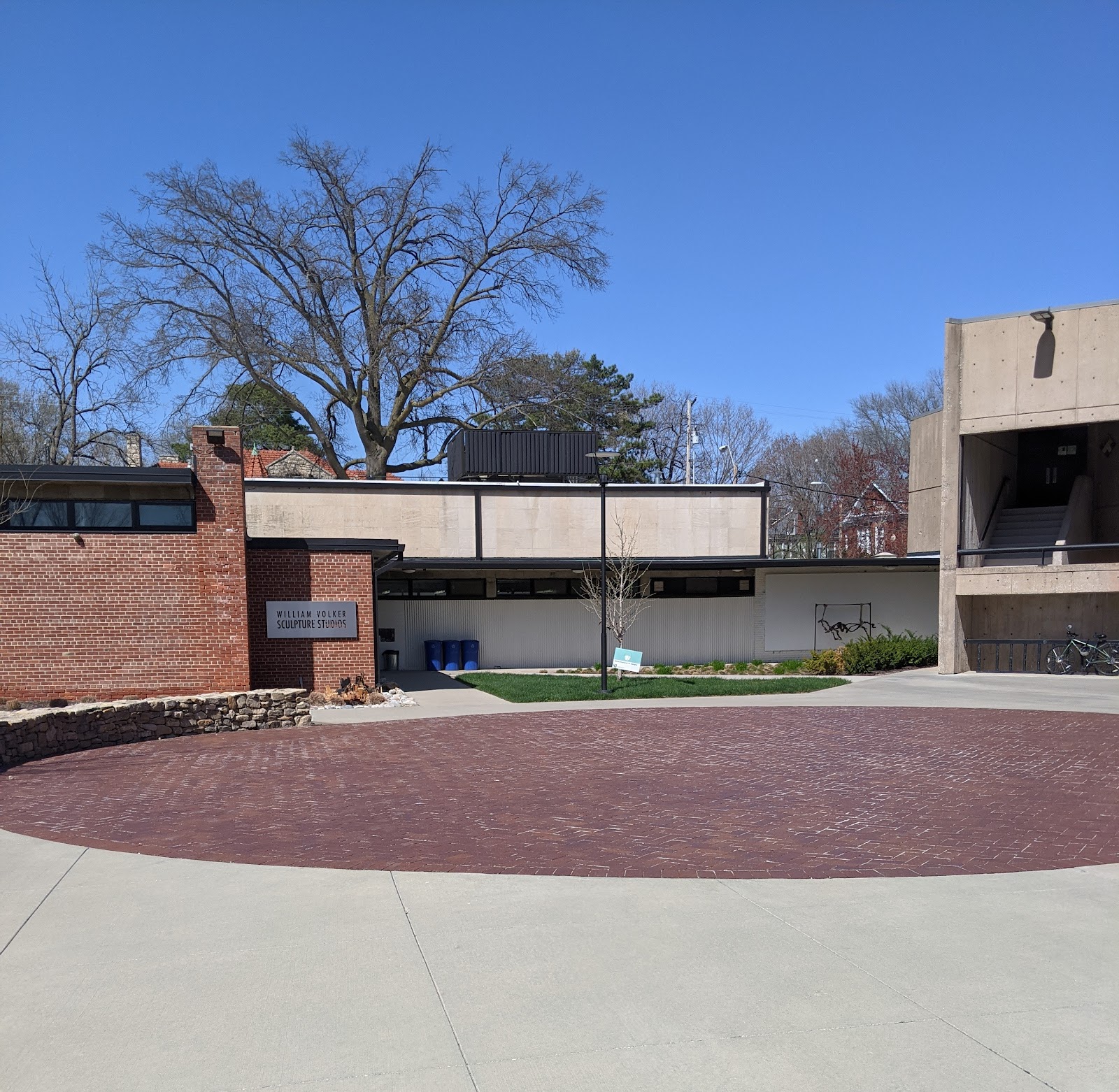
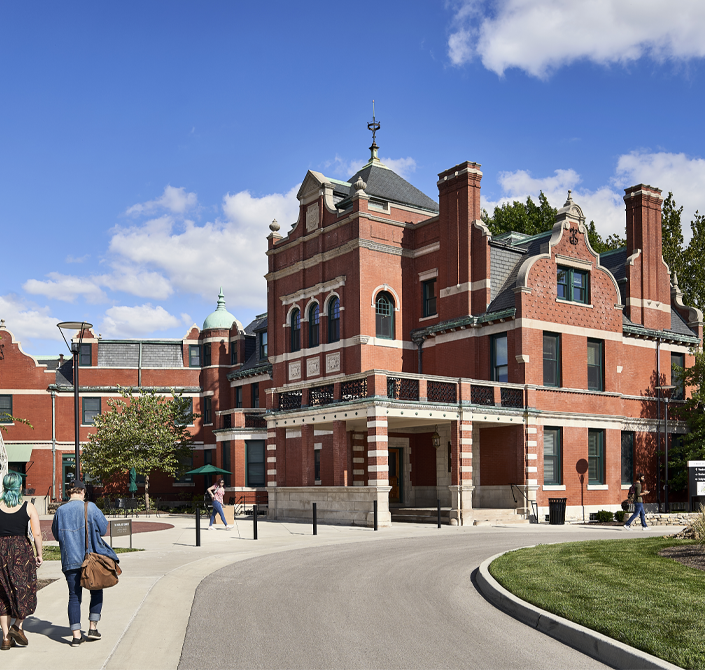
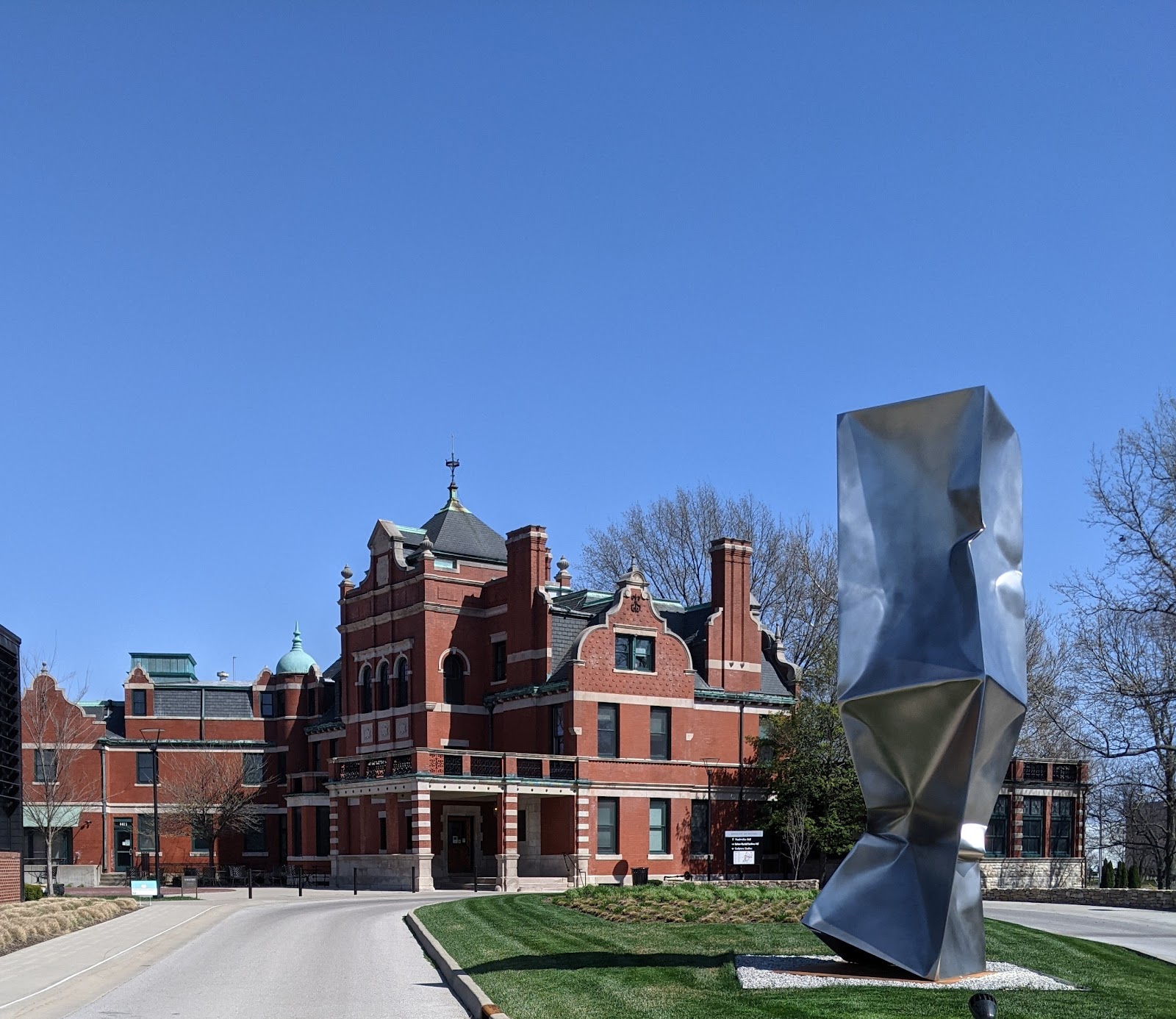
The Kansas City Art Institute occupies a campus in Kansas City, Missouri, close to the Nelson-Atkins Museum, combining historic houses from the district’s earlier residential life with purpose-built studio buildings and grounds between them.
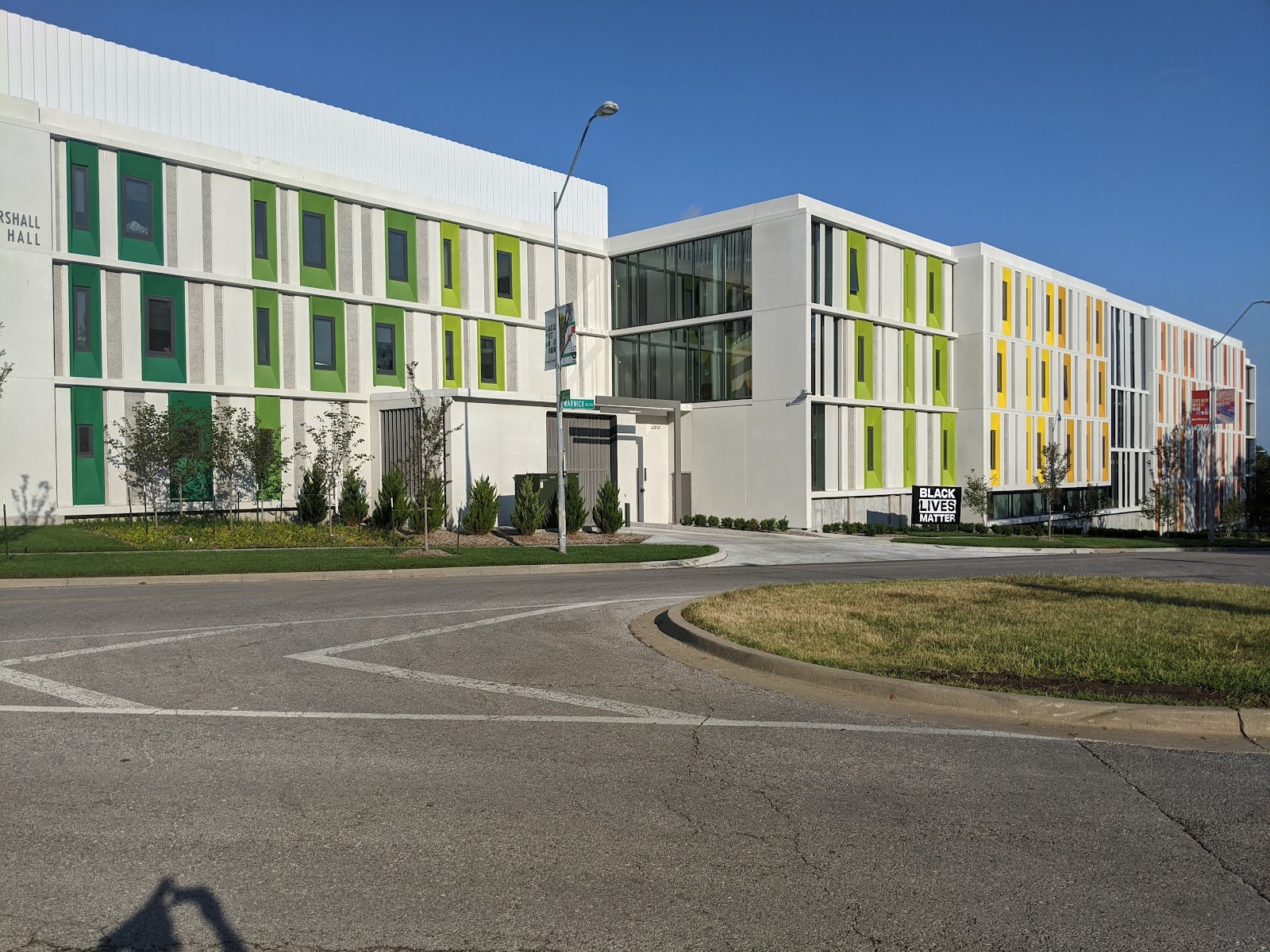
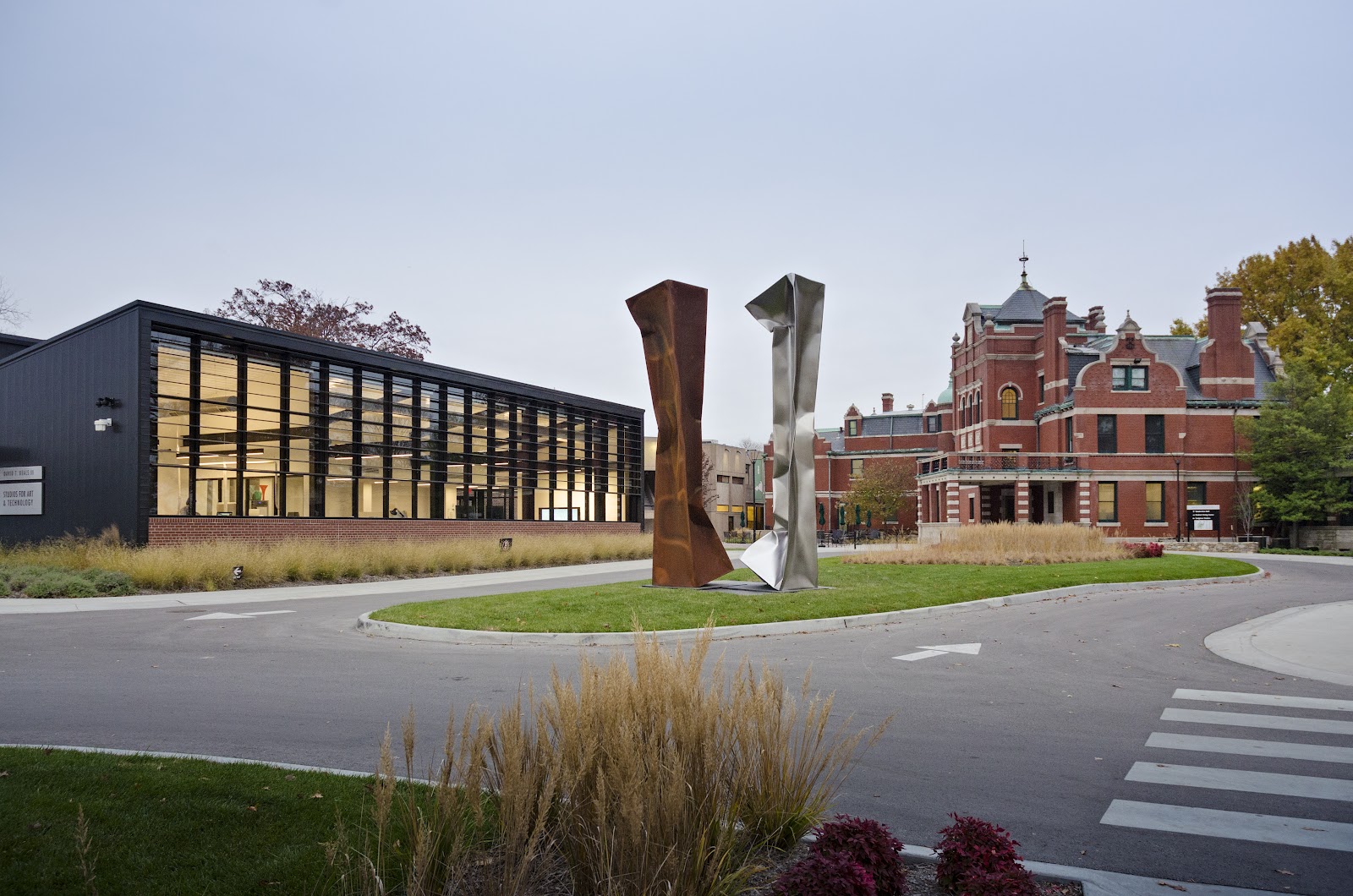
A working campus is a different proposition from a single venue and it is worth understanding as a set rather than as a place. There are the historic houses, which are domestic in scale with period interiors and tall windows. There are the studio buildings, which are industrial in character — high ceilings, north light, concrete or timber floors, and the accumulated evidence of work being done. And there are the grounds between them, with mature planting and sculpture.
Those three registers are further apart than at most venues, and the studios in particular are unlike anything else in this series. These are field notes on each. We have not photographed a wedding at the Art Institute; period houses, art studios and campus grounds behave the same wherever they meet. Which buildings host events, whether studios are accessible and what the term-time constraints are are questions for their events team — and the last one matters, because this is a working school.
The Kansas City Art Institute at a glance
| Where | Kansas City, Missouri, near the Nelson-Atkins |
| Character | An art school campus of historic houses, studio buildings and grounds |
| Three registers | Domestic period interiors, industrial studios, planted grounds |
| The unusual one | Studios, which are built for north light and full of working evidence |
| Ask first | Studio access and term-time constraints; it is a working school |
Problem one: the studios, and why north light matters
Art studios are among the few buildings deliberately designed around a specific quality of light, and the convention is north-facing glazing — large windows or clerestories facing away from the sun’s path, so the light entering is indirect, soft, even and consistent from morning to evening. That is not an accident of construction; it is the reason the building is shaped as it is.
For a photographer that means a studio is the most reliable interior on the campus. North light never becomes direct, so there is no hard patch to avoid, no shadow bars from frames, no colour shifting as the sun moves, and no bad hour. A subject placed near a north window has a large soft directional key that behaves identically at ten in the morning and four in the afternoon.
Its character is specific and worth knowing: north light is cool, because it is sky rather than sun, and it is soft with a gentle fall-off. That makes it flattering and slightly undramatic — excellent for anything that must work, less good for anything that needs to be striking. Set a custom white balance for it rather than assuming daylight, because it is noticeably bluer than direct sun.
The other half of a studio is the working evidence: paint-marked floors, racks, easels, plaster dust, half-finished work. That is genuinely distinctive background material and it needs the usual decision — commit to it deliberately or subordinate it with a long lens, never half. And it needs permission, because student work is student work: confirm what may appear in published photographs rather than assuming, and treat anything in progress as off limits unless told otherwise.
Problem two: the historic houses, and the scale question
The houses are domestic in scale with period interiors, which means the familiar set of conditions: tall windows that are large soft sources with steep fall-off, small rooms where the wall picks the focal length, and dark joinery that absorbs light and needs raking light to show its detail.
One window gives three setups for a change of stance — facing it, side-on, back to it — and in a small room a bare flash bounced off a pale wall is a larger source than any modifier that would fit through the door. So the houses need a small kit and reward working close to the openings.
The scale is the constraint. Domestic rooms cannot take formal groups past about a dozen, so groups happen outside, and on a campus the best option is usually a building’s steps or an open area of the grounds — established in advance rather than improvised.
Mixing the houses with the studios raises the coherence question every multi-register venue has. Period interiors are warm and textured; studios are cool, spare and industrial. Those do not blend frame by frame, so pick one as the spine and shoot the other at a different time of day. Here the natural division is easy: houses for preparation and detail work, studios for the distinctive portraits.
- Studios have north light: soft, cool, consistent, and with no bad hour
- Set white balance for north light; it is noticeably bluer than sun
- Confirm what student work may appear in published photographs
- Houses need a small kit; bounce off a pale wall beats a modifier
- Pick one register as the spine and shoot the other at a different hour
Problem three: it is a working school
This is the constraint that shapes the day and it is easy to underestimate. A campus in term time has students, classes, work in progress and its own priorities, and a wedding is a guest in that rather than the reason the buildings exist. Practically that means studio access may be limited to specific spaces or specific times, some areas may be off limits entirely, and the character of the buildings changes between term and vacation — a studio full of work is a different photographic proposition from an empty one.
So the questions to ask early are specific: which buildings and studios are available, on what days, whether term time or vacation, and what may be photographed and published. Those answers determine the plan rather than decorating it, and a plan built on a studio that turns out to be in use collapses on the day.
Discretion matters as it does in any working environment. Students have not agreed to appear in a wedding gallery, and work in progress is often unfinished for a reason. Composing to exclude both is part of the job.
The grounds are the third register and the simplest. Mature planting means dapple at midday, correctable only by moving people, so building shadows are the reliable midday shade. The last ninety minutes are when the grounds are worth the walk, because low sun comes in under the canopy horizontally and backlights the leaves. And the Nelson-Atkins lawn nearby adds open ground and sculpture within a short distance, which is worth knowing as an extension of the site.
Missouri conditions apply: summer humidity fogs a lens carried from air conditioning into the open for ten to twenty minutes, so acclimatise before the outdoor block; and afternoon thunderstorms in summer build and clear fast, which on a campus means the studios and houses are a genuinely good fallback rather than a compromise.
More frames from The Kansas City Art Institute
The Kansas City Art Institute wedding photography: common questions
Why are art studios such good interiors?
Because they are deliberately built around north-facing glazing, so the light is indirect, soft, even and consistent all day. There is no hard patch to avoid, no shadow bars, no colour shift as the sun moves, and no bad hour.
What is north light like?
Cool and soft, because it is sky rather than sun, with a gentle fall-off. Flattering and slightly undramatic — excellent for anything that must work, less good for anything striking. Set a custom white balance; it is noticeably bluer than direct sun.
Can you photograph the student work?
Ask first. Student work is student work, so confirm what may appear in published photographs rather than assuming, and treat anything in progress as off limits unless told otherwise.
How do the houses and studios fit together?
They do not blend frame by frame — period interiors are warm and textured, studios are cool and spare. Pick one as the spine and shoot the other at a different time: houses for preparation and details, studios for the distinctive portraits.
What is the biggest practical constraint?
That it is a working school. In term time there are students, classes and work in progress, so studio access may be limited and some areas off limits. Ask which buildings are available on which days, and whether term or vacation.
Where do group photographs go?
Outside. Domestic rooms cannot take groups past about a dozen, so the best option is a building’s steps or an open area of the grounds — established in advance rather than improvised on the day.
More Kansas City, MO venue guides
We are writing a photographer’s guide to every venue we would happily shoot in Kansas City, MO. Here are three more, plus the full index:
- The Kansas City Marriott Downtown: Four Ways Out of the Large-Hotel Problem
- The Kauffman Center: Photographing a Glass Curtain and Curved Halls
- Loews Kansas City: How the High Window Frame Is Made
All Kansas City, MO Wedding Venues →
Planning a wedding at The Kansas City Art Institute?
A working campus is three venues and a term calendar. Tell us your date and we will confirm what is available.