 The Audubon Aquarium: Field Notes on Photographing Through Glass
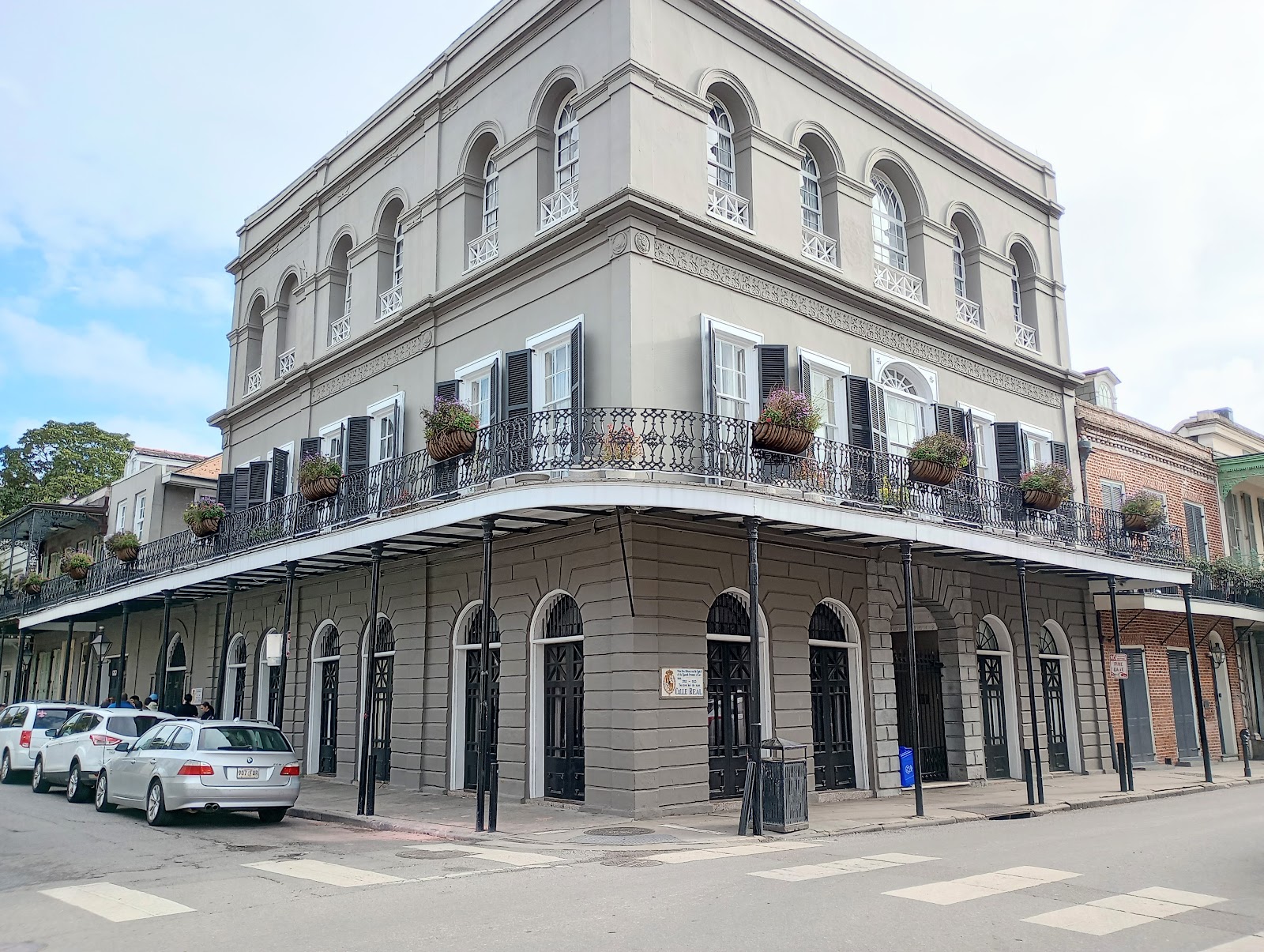
The Gallier House, New Orleans: Field Notes on a Victorian House Museum
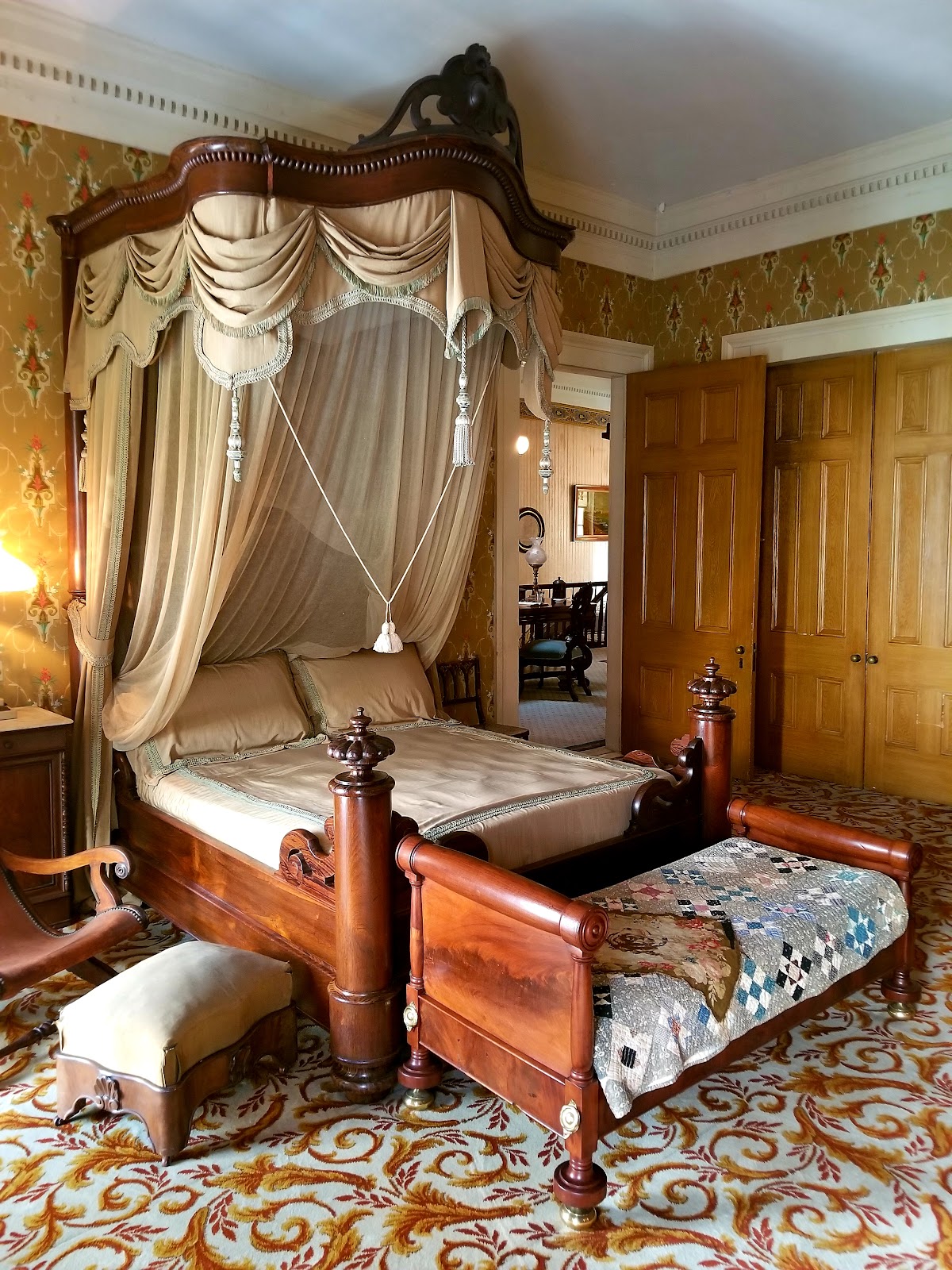
Victorian opulence means dark timber, heavy textiles and pattern everywhere. All three absorb light.
The Gallier House in the French Quarter is a Victorian house museum whose interiors, as its own description has it, provide an atmosphere of sophistication and luxury through period furnishings and opulent decoration.
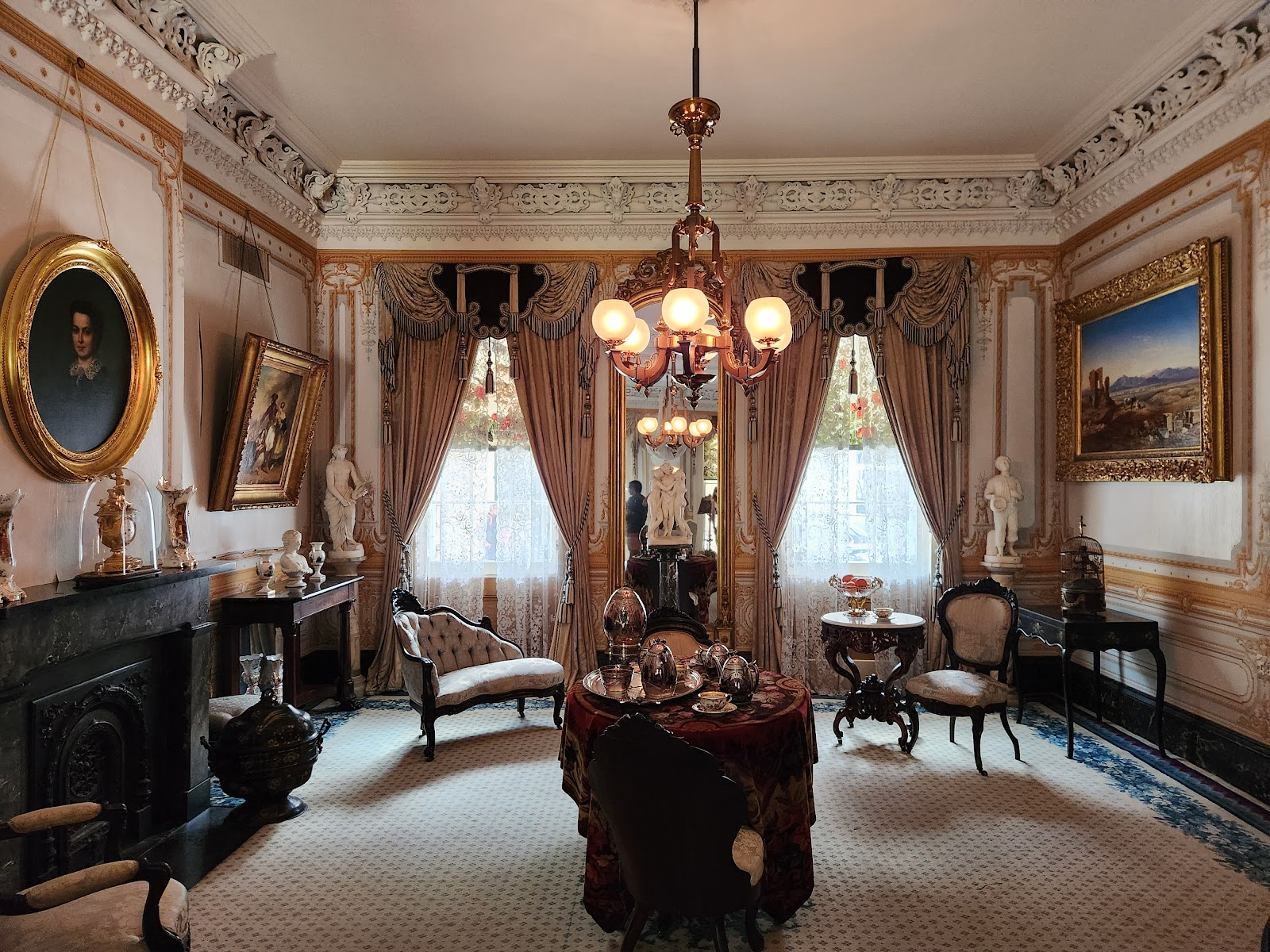
Opulence of that period has a very specific photographic character and it is worth naming precisely. Victorian interior decoration means dark polished timber, deep-coloured heavy textiles, patterned wallpaper and carpet, framed pictures, and a great deal of furniture in a modest floor area. Every one of those absorbs light rather than returning it, and together they produce a room two or more stops darker than its window area alone would suggest, with almost no usable bounce and a great deal of visual competition behind anyone standing in it.
These are field notes: the conditions you will meet and what each one needs. We have not photographed a wedding at the Gallier House; Victorian house museums behave consistently. Interior access and photography rules, the guest limit, and what may be touched are the questions to settle before anything else — in a house museum the furniture is usually in a documented position and nothing moves.
The Gallier House at a glance
| Where | The French Quarter, New Orleans, Louisiana |
| Character | A Victorian house museum with period furnishings and opulent decoration |
| The condition | Dark timber, heavy textiles and pattern — all absorb light |
| The consequence | Low ambient, no bounce, and competing backgrounds |
| Ask first | Interior access and photography rules, guest limit, what may be touched |
What you meet, and what each one needs
Low ambient is the first condition and it has a cause worth understanding, because the reflex response is wrong. The usable light in a room is mostly bounced light, and a room where every surface absorbs bounces almost nothing — so two rooms with identical windows, one papered dark and one painted pale, will differ by two stops or more. The problem is the surfaces rather than the windows.
That means bounce flash, the reflex indoor move, does very little here. A flash aimed at a dark papered ceiling or a timber wall returns a fraction of what it would in a white room, and what does return arrives warm. Test it with one frame on arrival rather than discovering it later.
So light directly and modestly: one source, off the camera axis, at face height, in a modifier large enough to be soft at the distance being used, gelled warm to match the room’s own light with white balance set to the gel. Expose so the room still reads as the warm dim interior it is, and add only enough to put a catchlight in the eyes and separate a shoulder. A Victorian room lit to an even brightness stops being a Victorian room.
Pattern is the second condition and it is a composition problem rather than a technical one. Patterned wallpaper, carpet and upholstery compete for attention with anything in front of them, and in a small room there is nowhere far enough away for the pattern to go soft. The tools are a long lens at the widest aperture the space allows, placement so the plainest available surface is behind the subject, and — most usefully — finding the one patch of plain wall in each room and remembering where it is. That patch is where the dress, the details and any tight portrait belong.
Working distance is the third condition. A domestic room four or five metres across does not allow a step back for a wide view without a very wide lens, and a very wide lens close to a face distorts it. So the wide frame and the portrait frame are two different photographs that cannot be combined, and combining them is how small-room coverage fails.
Doorways are the answer to that and they are the small-house photographer’s main tool. Standing in one room and photographing into the next buys back the working distance the walls took away, adds a natural frame, and gives depth that a single room cannot. In a Quarter house with rooms running one into another, this is often the strongest frame available.
The collection is the fourth condition and it is firm. Furniture in a house museum is frequently in a documented position, textiles are fragile, and objects are accessioned. Assume nothing moves, nothing is leaned on, nothing is sat on unless offered, and no stand goes down without asking.
Windows, courtyards and the French Quarter outside
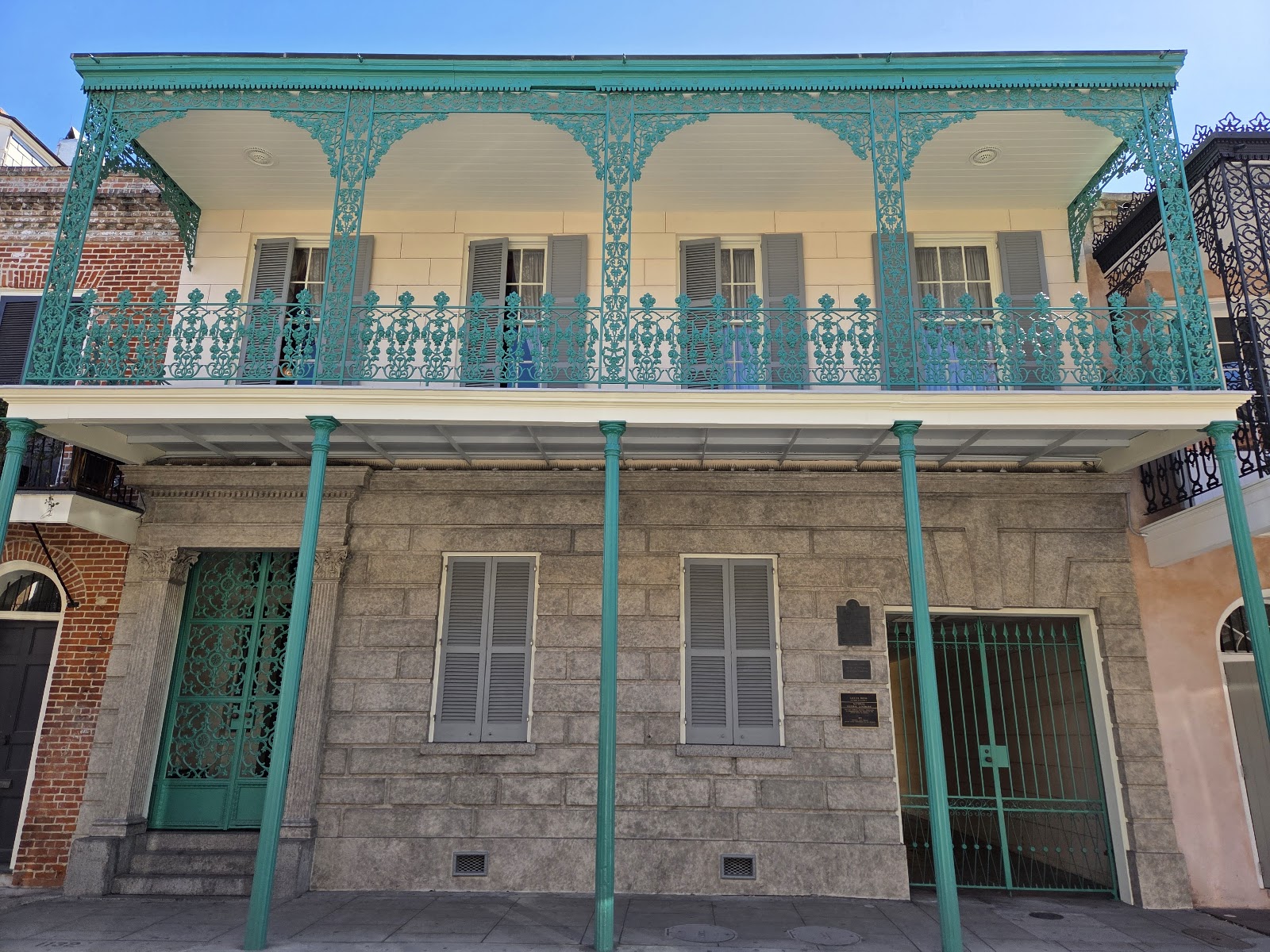
Windows in a Quarter house of this period are frequently tall French doors with shutters, which is genuinely good news. A tall opening sends light further into a room and higher up a standing figure than a small window does, and shutters give control that no modern window offers — partly closed, they turn a broad source into a narrow directional one with a defined edge, which is a lighting instrument rather than an obstruction.
The position to find is two or three steps back from the opening rather than beside it, where the light has softened but is still clearly coming from one direction. In a dark-surfaced room that position is also the only one with enough level to work comfortably.
A courtyard, if the house has one, is the best light on the property and a defining feature of Quarter architecture. An enclosed courtyard is walls on all sides with sky above: the walls bounce, the sky lights from overhead, and the result is a soft, contained, directional source with a clean background — a natural studio. Two things to manage: the overhead direction darkens eye sockets, fixed with a low reflector or a lifted chin; and if the walls are pastel stucco they bounce their own colour strongly onto skin, so set white balance on a face in position rather than assuming.
Courtyard planting in New Orleans is frequently banana, palm and fern, which is dense and throws green. The same rule applies: custom white balance on a face where they will stand, and any pale paving used to bounce a neutral tone back.
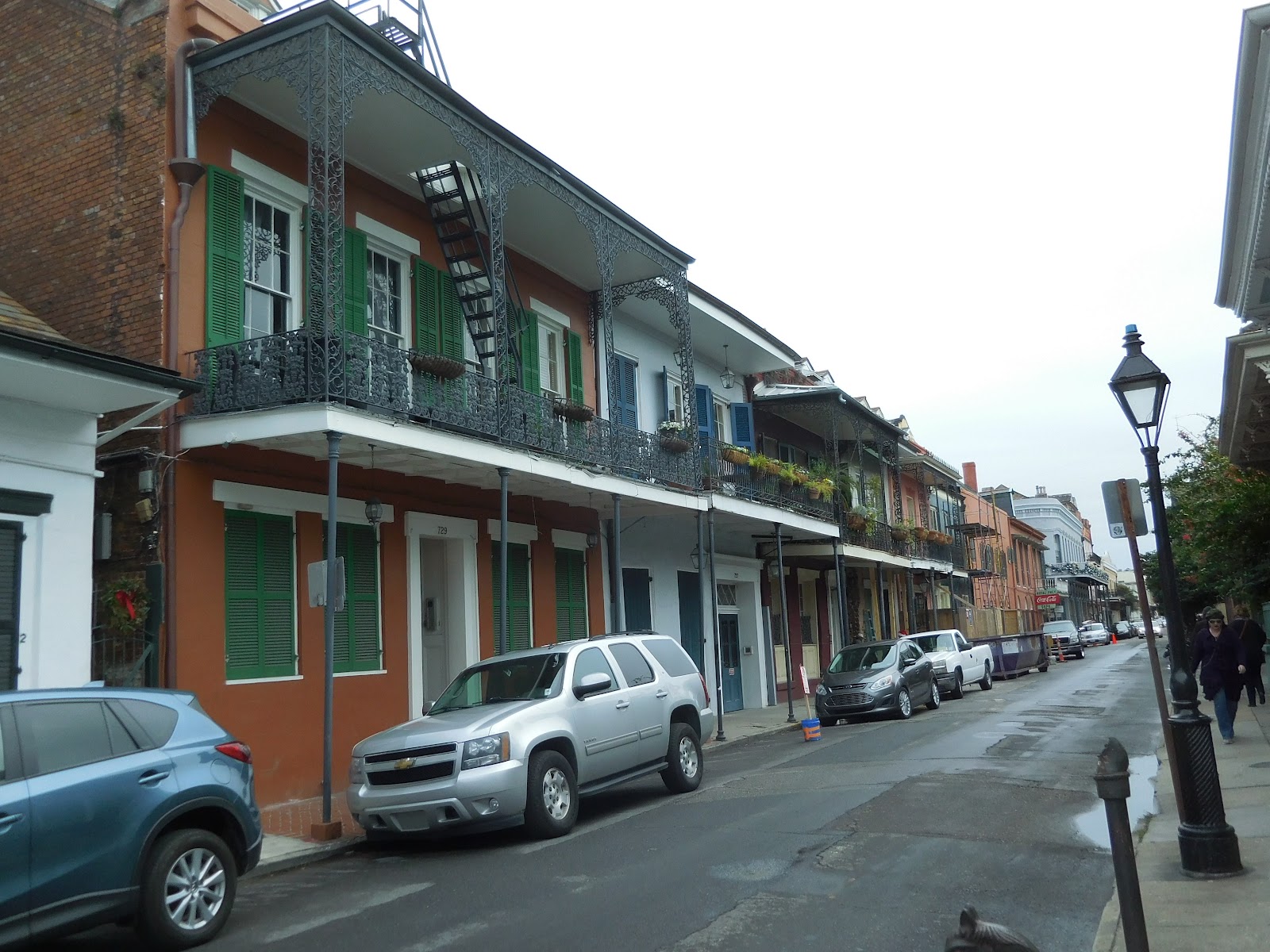
The Quarter itself is the outdoor extension and it is exceptional material. The defining feature is the cast-iron galleries overhanging the pavements, which give continuous covered shade along whole streets — a roof blocking the sky and an open side giving horizontal directional light, available all day and working in rain. In this climate that is the most useful architectural fact in the city.
Quarter streets are narrow with two- and three-storey buildings, so direct low sun reaches street level only on streets running the right way. Those give ninety minutes of raking light down a block; the others stay in shade, which is not a loss because gallery shade is good light anyway.
- Test bounce once; dark papered surfaces return almost nothing
- One warm-gelled source at face height, a stop under the room
- Find the one plain patch of wall in each room and use it for details
- Photograph through doorways to buy back working distance
- A courtyard is a natural studio; fix the overhead light with a low reflector
The hours, the practicalities, and New Orleans weather
The guest limit is the question that shapes the day, because a domestic house and a courtyard have real capacities and those capacities are small. A wedding that fits is intimate and excellent; a wedding slightly too large spends the whole day queueing. Establish the number early and let it inform the coverage plan.
Group photographs need a decided position rather than an improvised one, because no room in a house like this takes more than a handful of people. The front of the house, a set of steps, the courtyard or the gallery are the candidates — find the one that works and know it before it is needed.
The last ninety minutes are when the exterior becomes worth photographing. Stucco, painted timber and cast iron all show their texture only when light runs along them, and a Quarter facade that looks flat at noon separates into planes and detail in raking light. Which elevation receives it depends on which way the street runs, so one walk noting where the evening light will land is worth more than any accessory.
The twenty minutes after sunset are the other exterior opportunity, and in the Quarter they are particularly good because gas and warm street lighting begin to read while the sky still holds colour. One exposure holding a lit facade, a warm gallery and a blue sky is the establishing frame of the whole gallery, and it exists once.
New Orleans weather is the most demanding in this series. Heat and humidity make long outdoor blocks genuinely difficult in formal clothes; afternoon thunderstorms are close to a daily feature of a Gulf Coast summer rather than an occasional event, which makes the wet version of the day a plan rather than a contingency. A small house is not a large fallback, and the galleries outside are — which is worth knowing.
Humidity produces the region’s equipment problem in its most severe form. A camera chilled by an air-conditioned interior fogs comprehensively and immediately outside and can take a long time to clear, and in a house museum where the interior is likely to be climate-controlled for the collection’s sake, that cycle will happen every time the door opens. Let the kit warm before it is needed, and plan one outdoor excursion rather than several.
More frames from The Gallier House
The Gallier House wedding photography: common questions
Why are Victorian interiors so dark?
Because dark timber, heavy textiles, patterned paper and carpet all absorb rather than return light, and usable room light is mostly bounced. Two rooms with identical windows can differ by two stops depending on their surfaces.
Does bounce flash work?
Barely. Dark papered ceilings and timber return a fraction of what a white room would, and what comes back is warm. Test with one frame on arrival and plan for direct modified light.
How do you handle pattern behind people?
Find the one patch of plain wall in each room and use it for the dress, the details and tight portraits. Otherwise a long lens at the widest aperture the space allows, and careful placement.
How do you photograph a small room?
As two separate photographs: a wide frame about the room with people incidental, and tighter frames about the people with the room as texture. And shoot through doorways to buy back working distance.
What makes a courtyard so good?
Walls on all sides and sky above make it a soft, contained, directional source with a clean background — a natural studio. Fix the overhead direction with a low reflector, and watch for coloured bounce off stucco.
Why plan one outdoor excursion rather than several?
Because in this humidity a camera chilled in a climate-controlled house fogs comprehensively every time it goes out, and it takes a long time to clear. Each cycle costs frames.
More Louisiana venue guides
We are writing a photographer’s guide to every venue we would happily shoot in Louisiana. Here are three more, plus the full index:
- The Hotel Monteleone, New Orleans: Field Notes on a Historic Grand Hotel
- Maison Dupuy, New Orleans: One Frame and How It Is Made
- The National WWII Museum, New Orleans: What It Suits and What It Does Not
Planning a wedding at The Gallier House?
Small rooms reward a plan made in advance. Tell us your date and we will make one.