 The Audubon Aquarium: Field Notes on Photographing Through Glass
The Hotel Monteleone, New Orleans: Field Notes on a Historic Grand Hotel
A Quarter grand hotel has ornate rooms below and open sky above. They need opposite approaches.
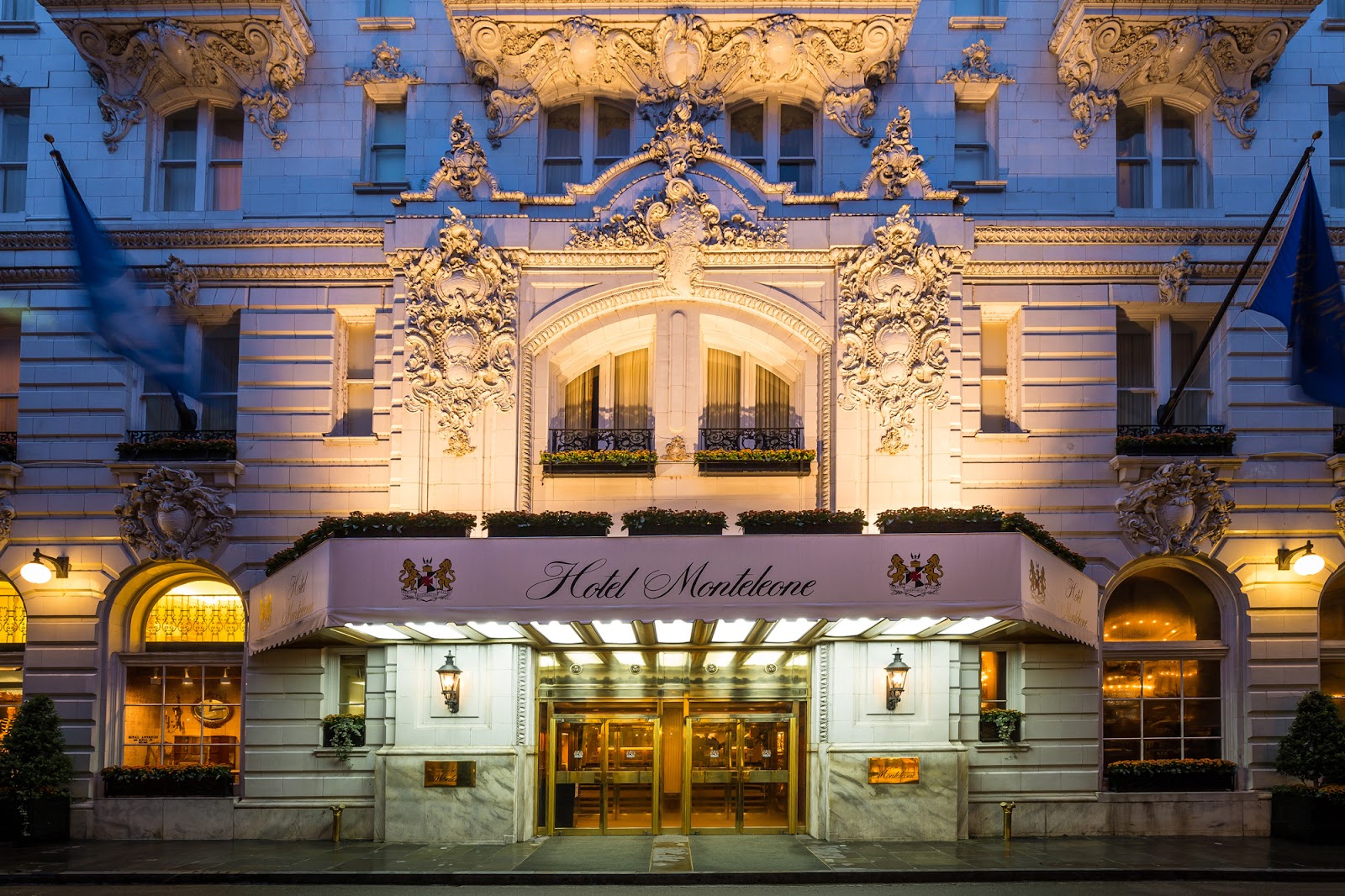
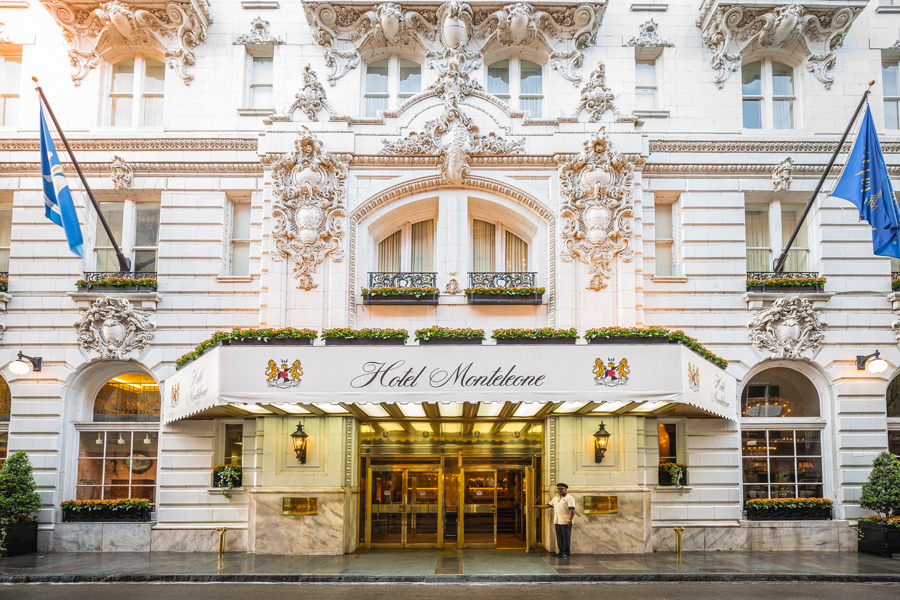
The Hotel Monteleone in the French Quarter combines the character of historic New Orleans with what its own description calls timeless elegance — a long-established grand hotel with ornate public rooms and a rooftop.
A hotel of this kind presents a stacked set of conditions rather than one problem, and they are worth taking one at a time. The public rooms below are ornate, tall and warm-lit, which means no usable bounce and ornament that disappears under even light. The guest floors are where the daylight is. And the rooftop is a completely different environment — open sky, wind, no ceiling, no ambient after dark, and a narrow window of good light.
These are field notes: what you will meet and what each one needs. We have not photographed a wedding at the Monteleone; Quarter grand hotels behave consistently. Which rooms are included, whether the rooftop is bookable and at what hour, and whether the ballroom lighting can be dimmed are the questions for their team.
The Hotel Monteleone at a glance
| Where | The French Quarter, New Orleans, Louisiana |
| Character | A historic grand hotel with ornate public rooms and a rooftop |
| Below | Tall ornate warm-lit rooms — no bounce, ornament needs raking light |
| Above | Open sky, wind, and forty good minutes |
| Ask first | Rooms included, rooftop access and hour, ballroom lighting control |
What you meet, and what each one needs
Tall ornate public rooms are the first condition and they remove the reflex indoor move. A grand hotel’s ground-floor ceiling is far enough away that a flash aimed upward returns almost nothing usable, so bounce barely functions. The substitutes are a pale wall at a sensible distance, a reflector, or direct modified light, and it is worth settling which with one test frame in the first minute.
Ornament is the second condition and it needs the opposite of what hotel lighting provides. Plasterwork, cornices, columns, coffers and carved joinery are three-dimensional, so they read only when light crosses them at an angle and casts small shadows. Under the even downward light a modern fit-out installs, the same ornament flattens into a pale field and the room photographs blander than it looks. One source placed to graze a surface rather than face it brings the detail back — a one-light problem, not a big-kit problem.
Mixed sources are the third. A long-established hotel will have several generations of light in one room: daylight through tall windows, warm decorative fittings, cooler recessed downlights, sometimes accent lighting on architecture. Three colour temperatures in one frame cannot be resolved afterwards, so pick the source that should be correct, set a manual white balance to it, and switch off or overpower whatever else lands on skin.
Warm bounce is the fourth and it is specific to this kind of interior. Timber, brass, patterned carpet and warm paint all reflect strongly warm, which means the shadow side of a face picks up an orange cast that white balance cannot fix because it is localised. Let your own gelled source own the faces and allow the room to be as warm as it is behind.
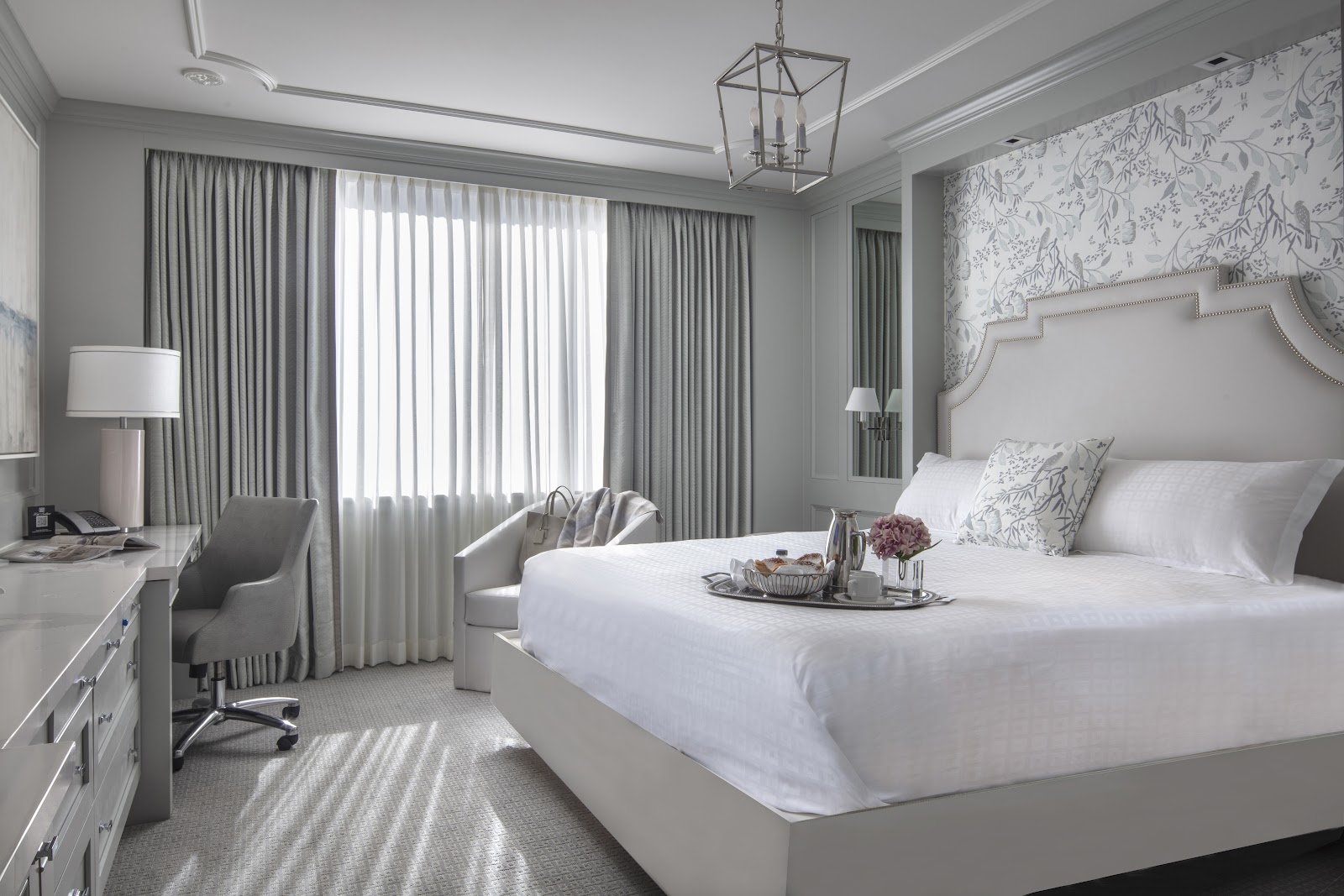
Guest floors are the fifth and they are where the best portrait light in the building lives. Domestic-sized windows with close walls that bounce give soft directional light with usable fill, and low enough ceilings that a flash aimed upward actually returns something. Ask for the largest window on the shaded side, switch off every overhead so the room has one colour of light, and move the lamps out of frame.
A grand stair, where there is one, is the sixth and it is the most useful single feature in a hotel of this class: elevation, a diagonal or curve, a handrail as a leading line, and rows for a group automatically, which a flat ballroom floor never provides.
The rooftop: a different set of rules
A rooftop is not an extension of the hotel; it is an outdoor venue that happens to be on top of one, and it follows outdoor rules exactly. There is no ceiling and no wall, so nothing bounces and every source must be direct. The ambient after dark is close to zero, because a roof has no reflecting surfaces and no spill from windows. And the good light is confined to a narrow window.
That window is the last forty minutes of daylight and again roughly twenty minutes after sunset. Before that, a rooftop in New Orleans is a hard-light environment with no shade whatever, which in this climate makes it genuinely unworkable in the middle of a summer day — heat, humidity, and a high sun with nothing to escape into.
In the last forty minutes the roof becomes the best position in the building, because it is above the Quarter’s two- and three-storey roofline and therefore receives low sun that street level does not. Long lenses matter here: compression brings the skyline, the river and the roofscape close behind a couple, while a wide lens reduces all of it to a strip under a large sky.
The twenty minutes after sunset are the frame the rooftop exists for. With the sky still holding colour and the city lights beginning to read, one exposure holds a couple, the roofline and a coloured sky — and it needs one light on the faces at about a stop under the sky, because otherwise they silhouette. That is a clock-time appointment: sunset plus fifteen, in position, couple already there.
Wind is the standing rooftop constraint and it is stronger and gustier than at street level. A veil becomes a held-or-removed decision, hair needs managing, and any light stand needs real weight — a sandbag rather than an intention. On a roof this is a safety matter as much as a photographic one.
After full dark the roof is a lighting exercise with a city background, and it works well: one source on the couple, the skyline behind, a long exposure if the lights should smear or a lit frame if they should read as points. Both are worth taking rather than choosing on the night.
- Test bounce once; a grand ceiling returns almost nothing
- Graze the ornament with one source or it disappears
- Guest room: biggest shaded window, overheads off, lamps out
- Rooftop is unusable at midday here — heat, humidity and no shade
- Sunset plus fifteen on the roof, one light on the faces, stands weighted
The Quarter, the ballroom evening, and the weather
The Quarter at street level is the other outdoor asset and it is exceptional material. The defining feature is the cast-iron galleries overhanging the pavements: they give continuous covered shade along entire streets, functioning as an architectural softbox at street scale with a roof blocking the sky and an open side giving horizontal directional light. In this climate that is the most useful architectural fact in the city — soft, directional, available all day, and working in rain.
Pastel stucco is the Quarter’s other specific condition. Walls painted pink, yellow, green or ochre bounce their own colour strongly onto anyone standing near them, and because the cast is localised white balance cannot correct it. Use it deliberately or step two metres away, and set white balance on a face in the position actually being used.
Quarter streets are narrow with low buildings, so direct low sun reaches street level only where a street runs towards it. Those streets give ninety minutes of raking light down a whole block; the others stay in shade, which is not a loss.
The ballroom evening is a known quantity: a large volume, high ceiling with no bounce, warm decorative fittings, overhead sources and a house scheme dimmed low. Expose for the room so it still reads as warm and dim, add one warm-gelled source at face height for anything that must be legible, set white balance to the gel and hold it, and use the steep fall-off as free separation. Ask whether the lighting can be dimmed to pools rather than set evenly — it usually can, and the difference is larger than any equipment choice.
New Orleans weather governs the outdoor half. Heat and humidity make long blocks genuinely difficult in formal clothes, so trips should be short and purposeful; afternoon thunderstorms are close to a daily feature of a Gulf Coast summer rather than an occasional event — which for a hotel is mostly an advantage, since the day continues indoors without a decision. The casualty is the rooftop, which needs a stated fallback and an agreed decision time.
Humidity produces the region’s equipment problem in its most severe form: a camera chilled by a strongly air-conditioned hotel fogs comprehensively and immediately on reaching the outside air, and can take a long time to clear. In practice that means letting the kit warm twenty or thirty minutes before the outdoor block, and planning one excursion rather than three — the rooftop and the street ideally in the same trip.
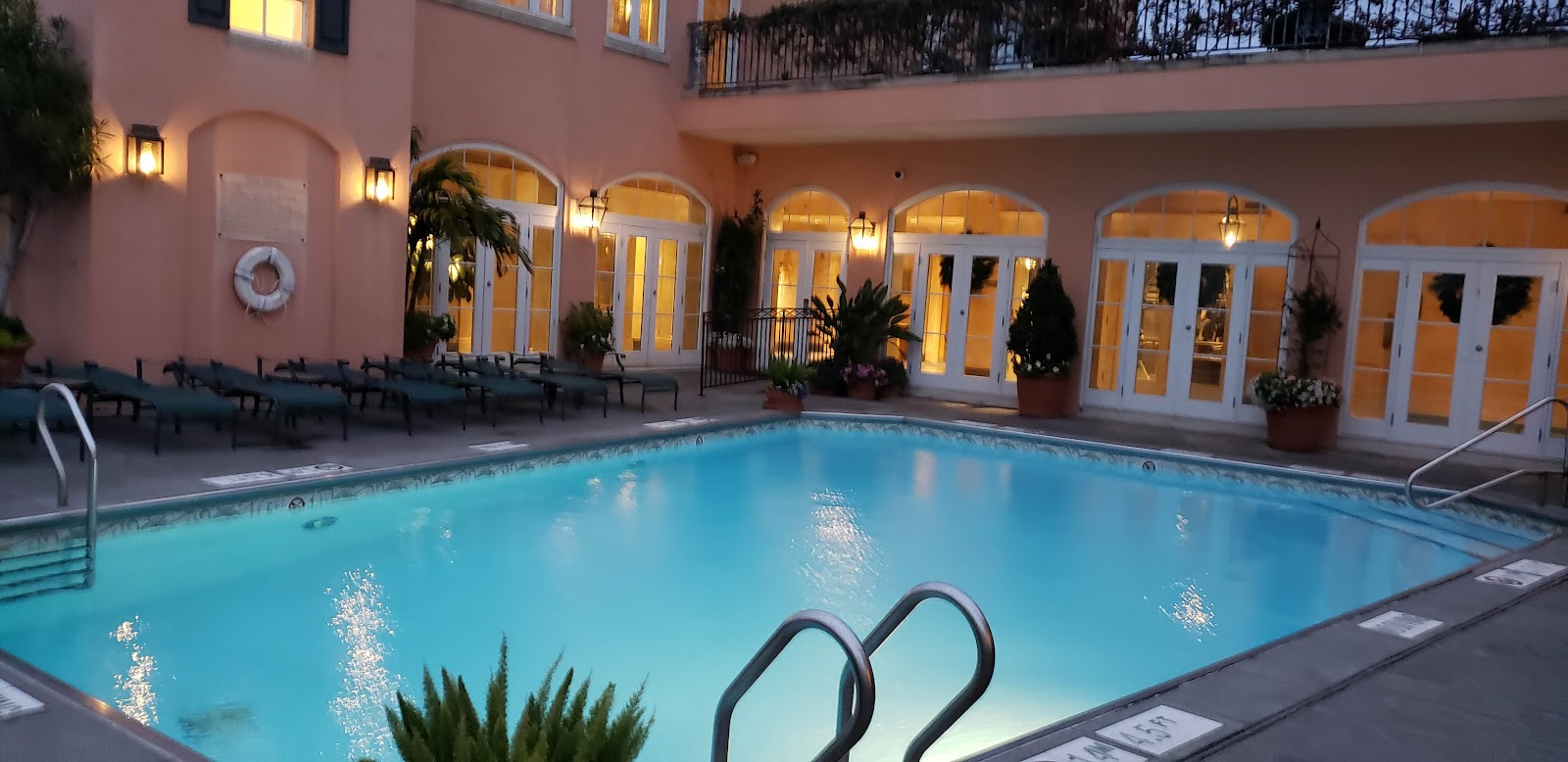
More frames from The Hotel Monteleone
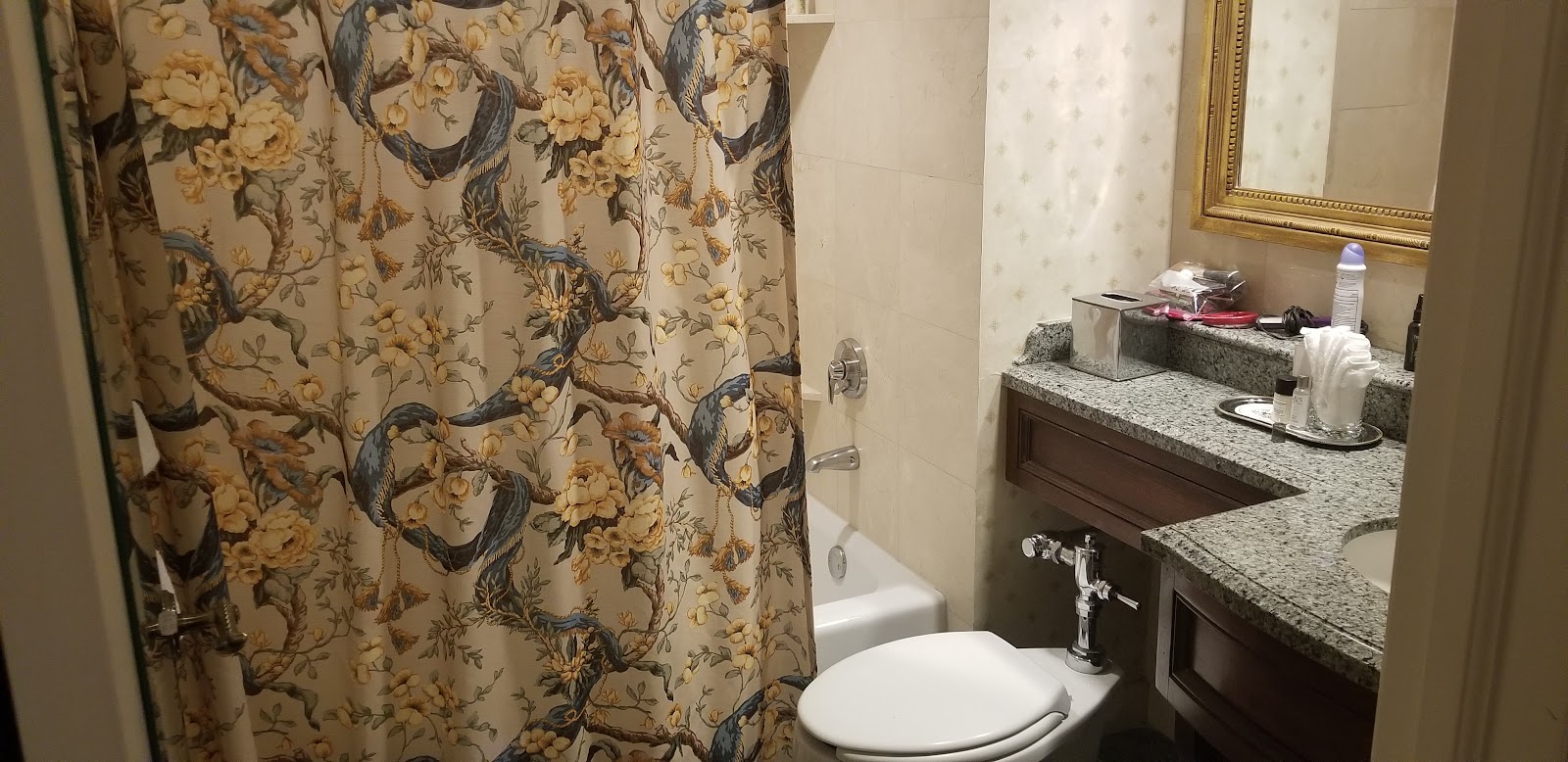
The Hotel Monteleone wedding photography: common questions
Why does bounce flash fail in the public rooms?
The ceilings are too high to return anything usable. Use a pale wall at a sensible distance, a reflector, or direct modified light, and settle which with one test frame in the first minute.
Why does the ornament look flat?
Because modern fit-out lighting is even and downward, and three-dimensional plasterwork only reads when light crosses it at an angle. One source placed to graze a surface brings the detail back.
Where is the best portrait light?
A guest room. Domestic-sized windows with close walls that bounce give soft directional light with usable fill, and low ceilings that actually return a flash.
When is the rooftop usable?
The last forty minutes of daylight and about twenty minutes after sunset. Before that it is a hard-light environment with no shade, which in this climate is unworkable in the middle of a summer day.
What does the rooftop need in equipment terms?
Direct light, because nothing bounces; one source on the faces at about a stop under the sky after sunset; and weighted stands, because rooftop wind is stronger and gustier than at street level.
What is the best street light in the Quarter?
Under the cast-iron galleries — continuous covered shade along whole streets, soft and directional, available all day and working in rain.
More Louisiana venue guides
We are writing a photographer’s guide to every venue we would happily shoot in Louisiana. Here are three more, plus the full index:
- Maison Dupuy, New Orleans: One Frame and How It Is Made
- The National WWII Museum, New Orleans: What It Suits and What It Does Not
- The New Orleans Museum of Art: How the Light Moves
Planning a wedding at The Hotel Monteleone?
One outdoor trip covering roof and street, timed to the minute. Tell us your date.