Indiana was shaped by ice and the photographic map of the state follows the ice exactly. The Pleistocene sheets flattened the north and centre into level, deep-soiled till plain — which means a low unbroken horizon, no elevation anywhere, and a great deal of sky in every wide frame. They stopped short of the south-central corner, which is why Brown County has ridges and hollows, thin rocky soil and mature hardwood forest, and why it is the state's landscape destination. In between, the Valparaiso Moraine gives the north-west rolling ground and sandy well-drained soil.
That matters more than it sounds, because relief is the most useful tool a photographer has: from below the subjects on any rise they stand against open sky with no horizon behind them — the cleanest background in any weather — and from above them the country fills the space instead. On the flat till plain neither is available, and camera height at close range becomes the only variable there is.
The state spans about thirty-eight to forty-two degrees north, giving a June noon sun of seventy-one to seventy-five degrees, a December noon sun of twenty-five to twenty-eight, days from nine hours to over fifteen, and a generous civil twilight of twenty-nine to thirty-one minutes.
Two things govern almost every venue on this page. The first is the winter cloud, and it is the single most important regional fact for a photographer working here. The Ohio valley and the southern Great Lakes have some of the cloudiest winters in the United States: from November through February persistent low overcast is the normal condition rather than an interruption, and in the north-west, lake-effect cloud and snow bands off Lake Michigan reach well inland.
That removes the raking light that stone, timber and mown turf need — so an Indiana winter wedding should plan for soft forgiving portrait light and treat the interiors as the primary venue rather than the fallback. The compensation is real: soft directionless overcast is excellent for faces, makes group photography easy everywhere, and on neutral surfaces like concrete or weathered timber it produces frames of genuine cleanliness. The second is Lake Michigan itself, which does something no other water in this guide does.
Its southern shore faces north, so at this latitude in summer the sun rises well north of east and sets well north of west — both out over the lake. The Indiana dune country is the one place in these guides where both sunrise and sunset are over water from the same beach, and the morning version is the better picture: clearest air, calmest surface, empty sand. The state's autumn runs southward, with the north turning in the first half of October and the Brown County hills in the second half, where sugar maple, tulip poplar and sassafras give the best colour Indiana produces.
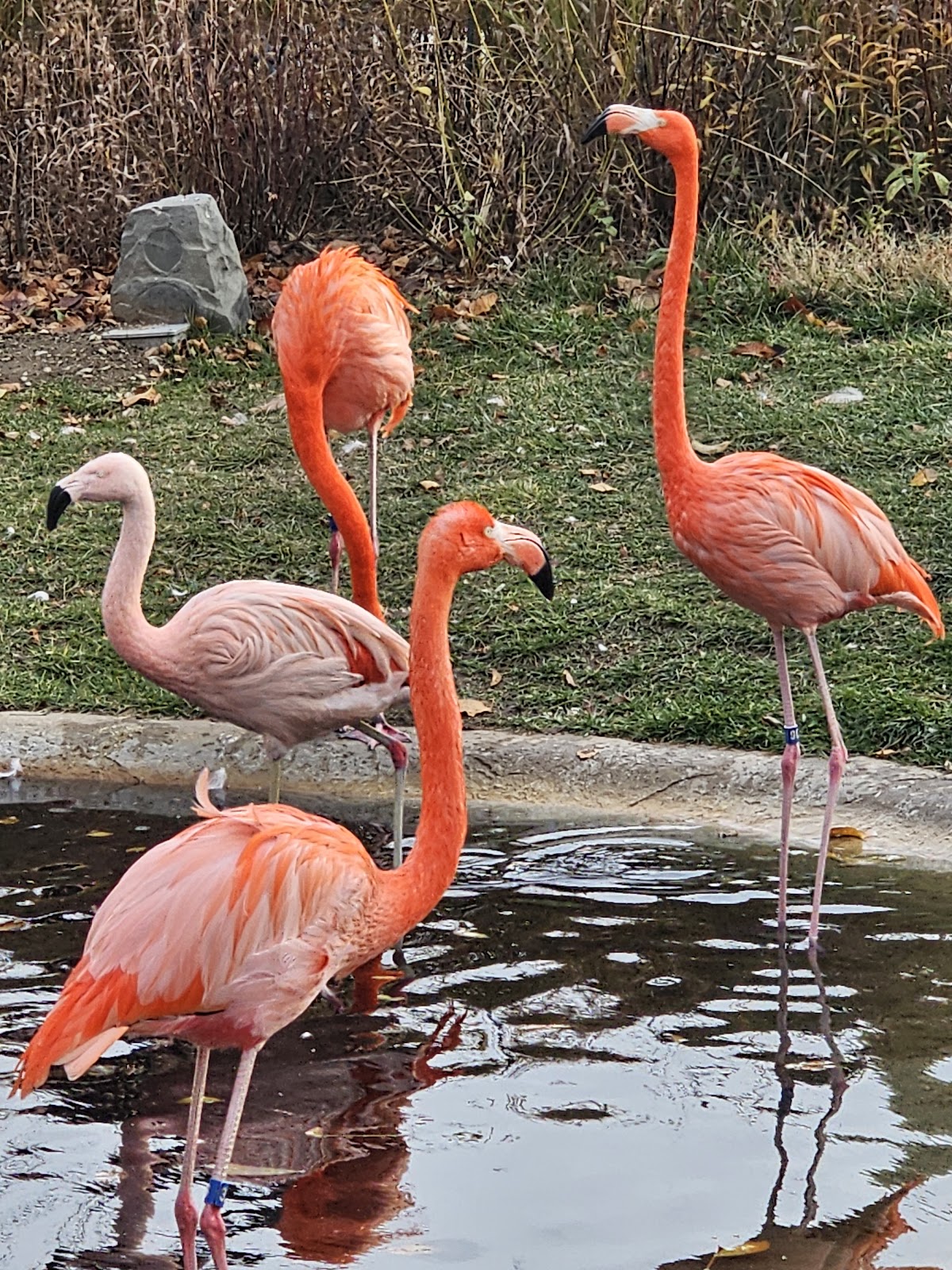
Indianapolis Zoo: Reading a Day From Open Grounds to Underwater Glass
A zoo within White River State Park in Indianapolis, with open grounds, planted areas and an underwater viewing gallery.
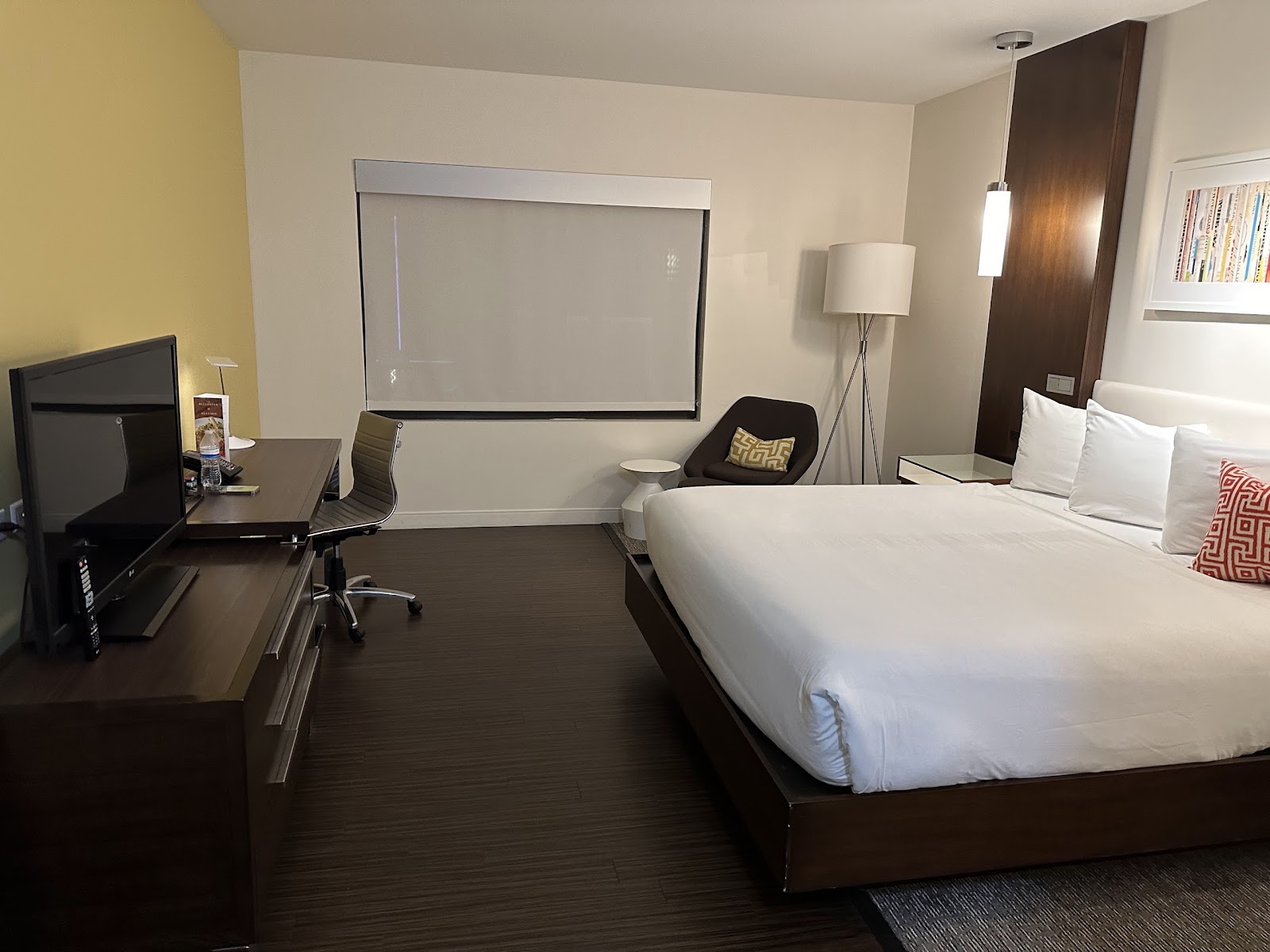
The Alexander: Photographing a Hotel That Is Also a Gallery
A contemporary hotel in downtown Indianapolis with commissioned artworks through its public spaces and event rooms.
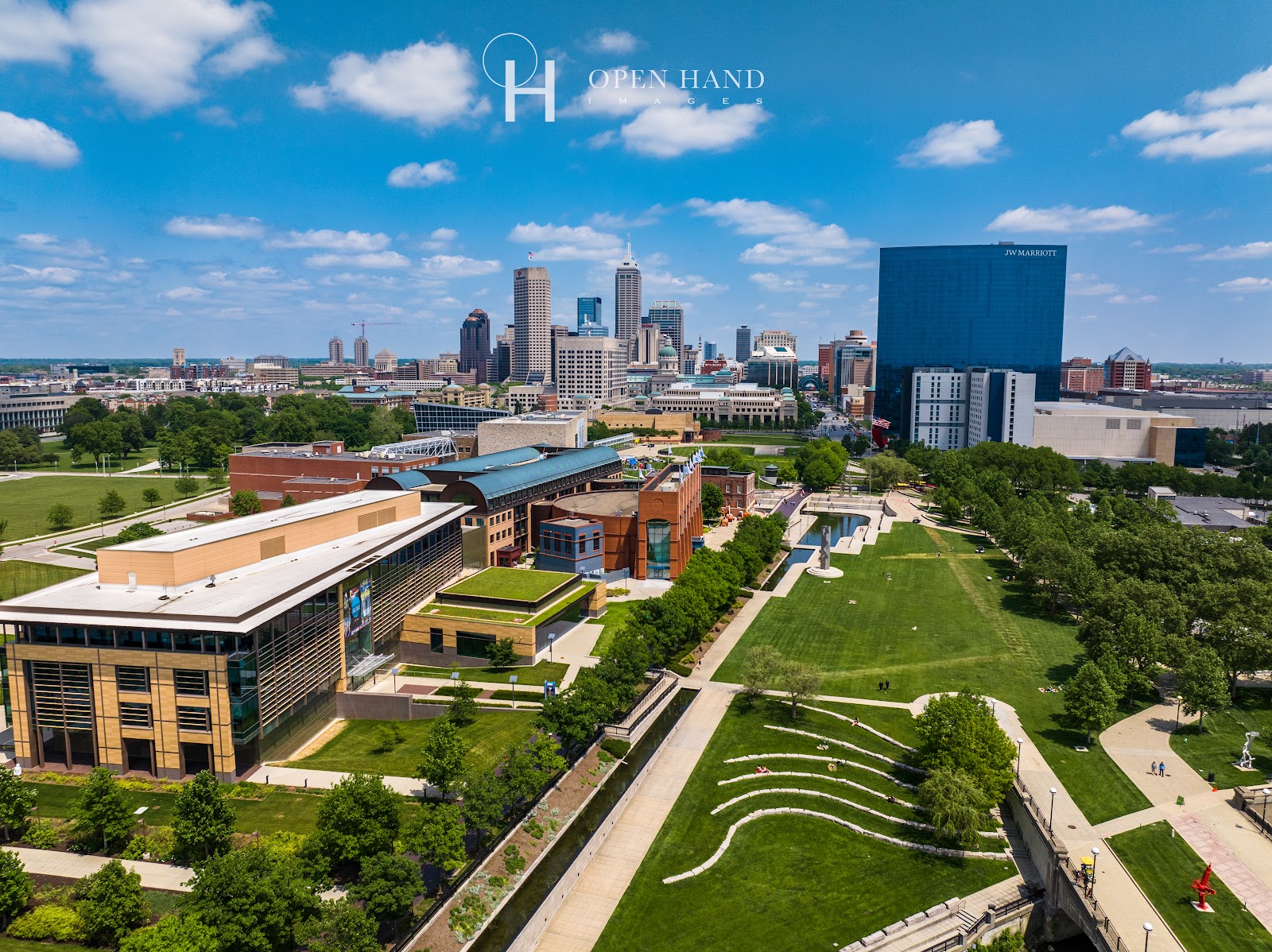
The NCAA Hall of Champions: Four Ways Out of the Screen Problem
A museum of college athletics in White River State Park, Indianapolis, with interactive displays, open interiors and skyline views.
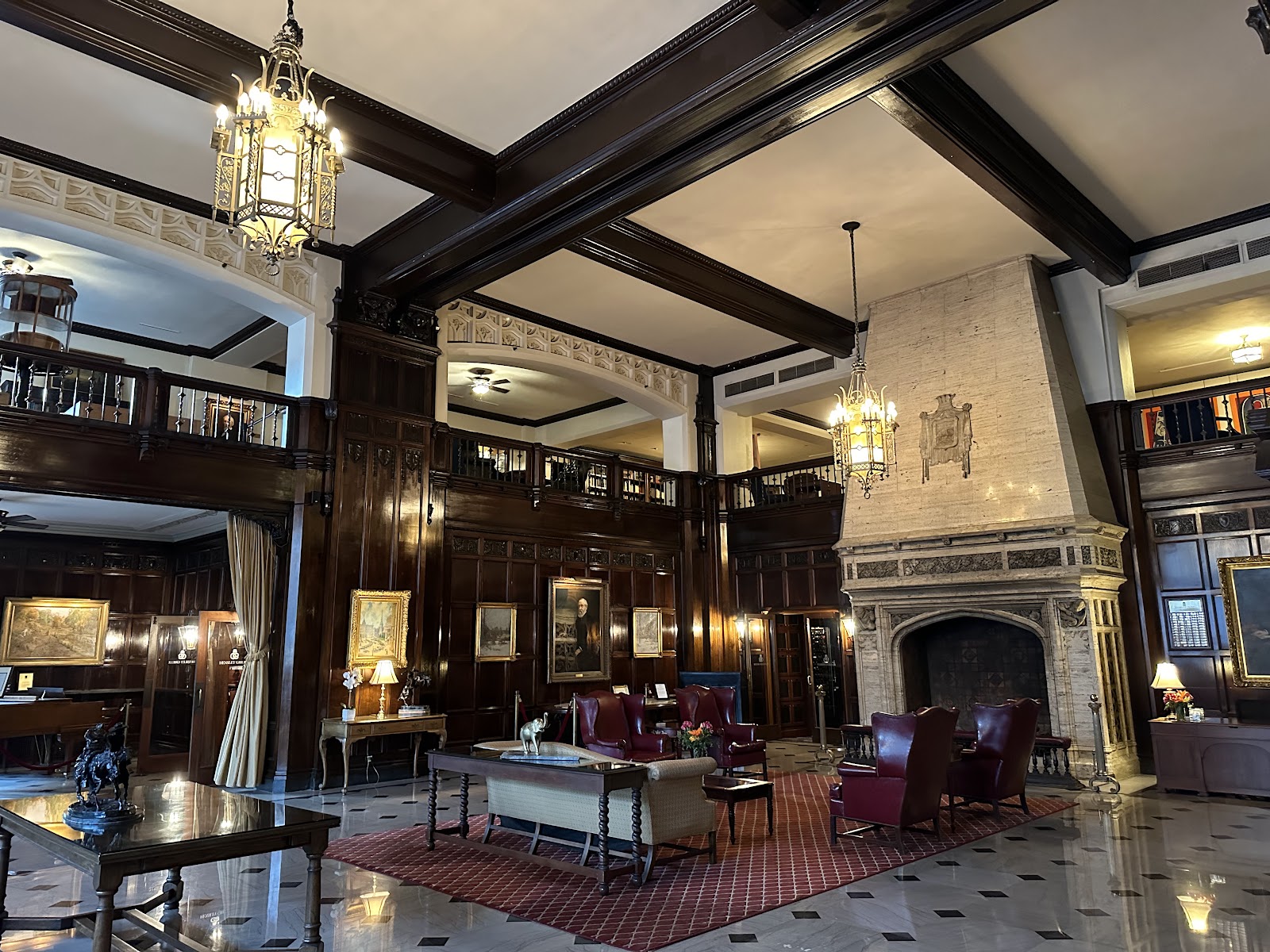
The Columbia Club: Field Notes on Photographing a Private Club
A private club in a tall early-twentieth-century building on Monument Circle, Indianapolis, with panelled rooms and a main ballroom.
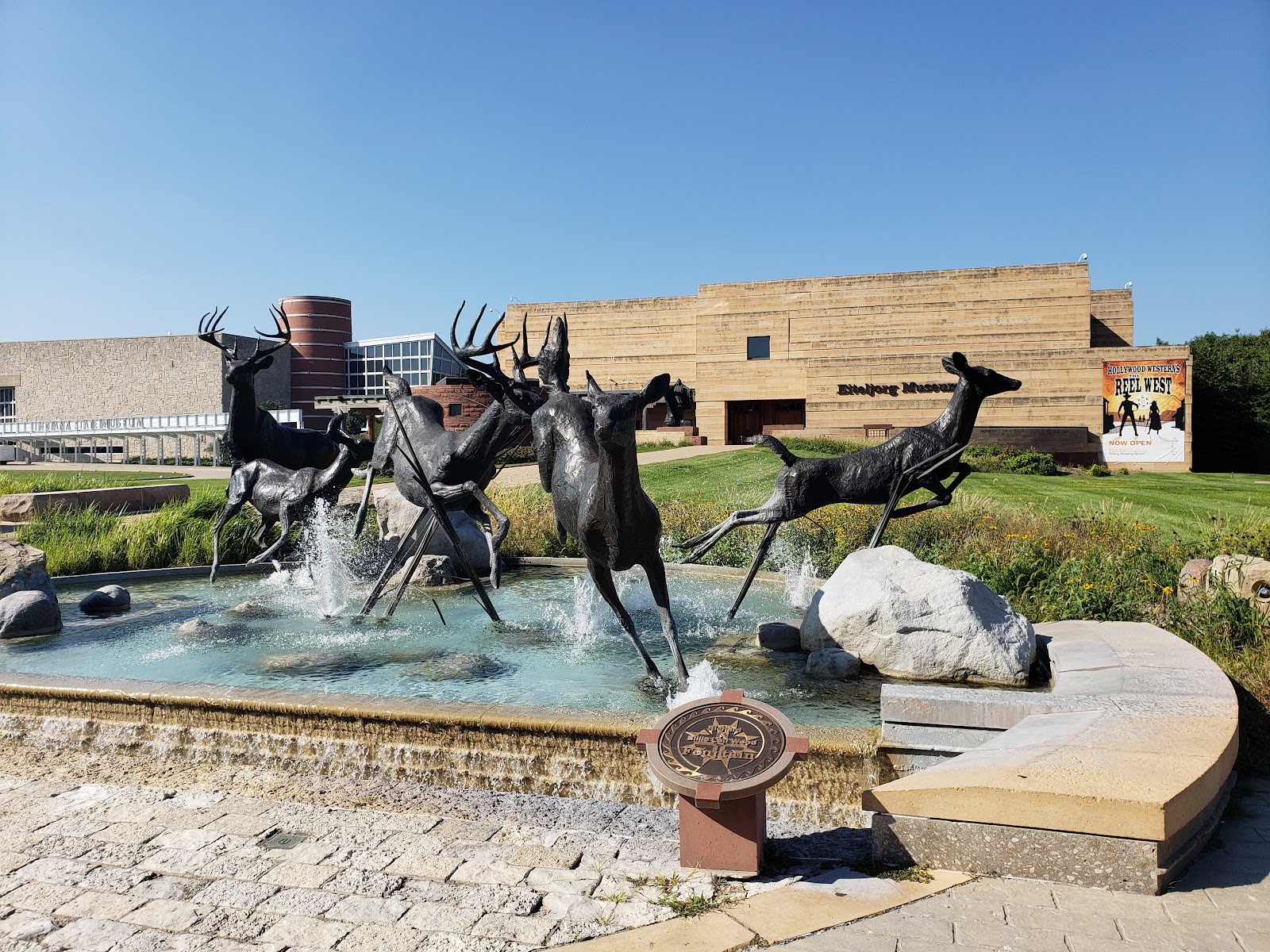
The Eiteljorg Museum: One Decision About Which Way You Face
A museum of Western and Native art in White River State Park, Indianapolis, with parkland on one side and the downtown skyline on the other.
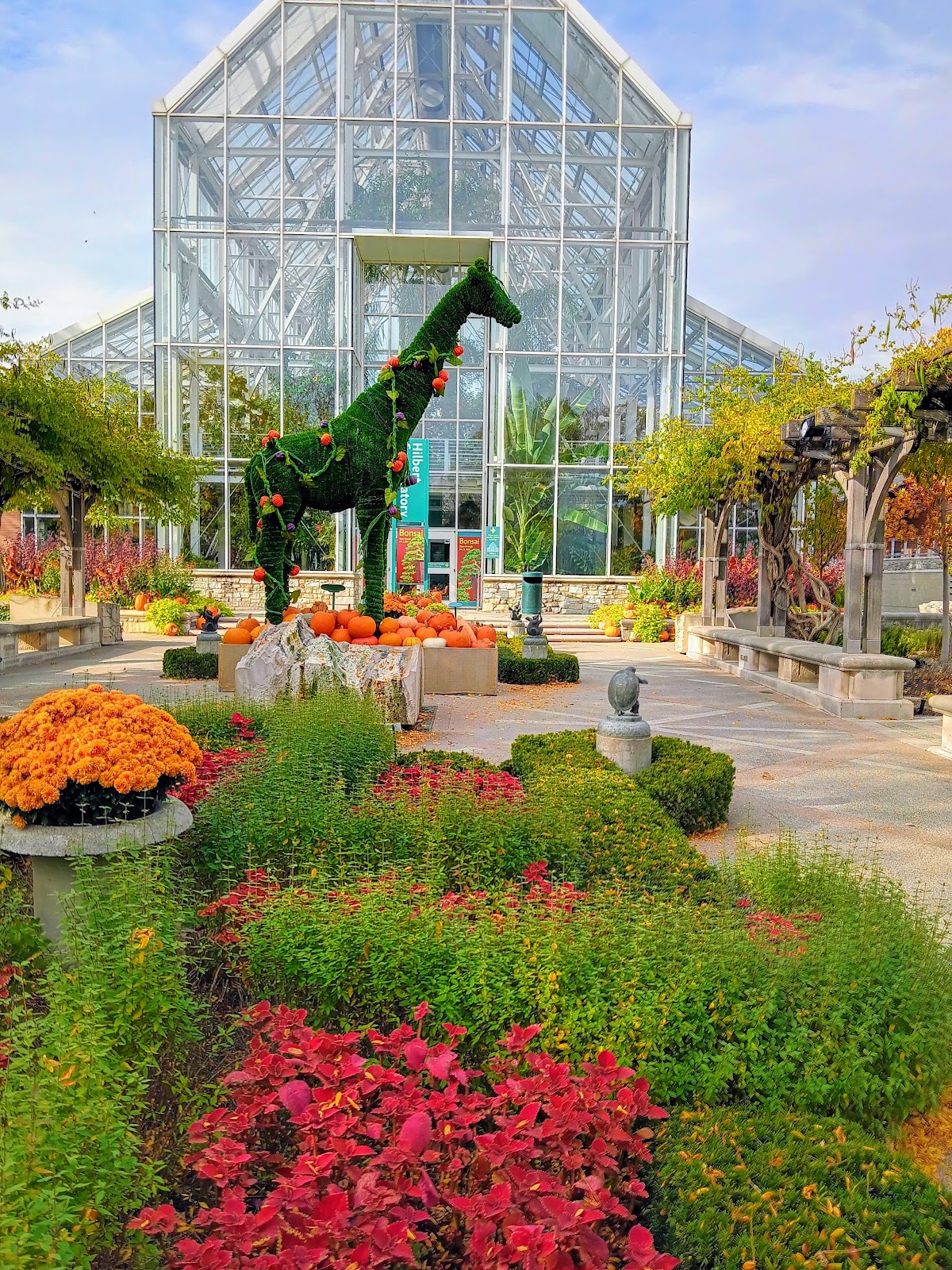
White River Gardens: A Conservatory and a Garden, Used Properly
Botanical gardens within White River State Park in downtown Indianapolis, with a glass conservatory and formal planted grounds.
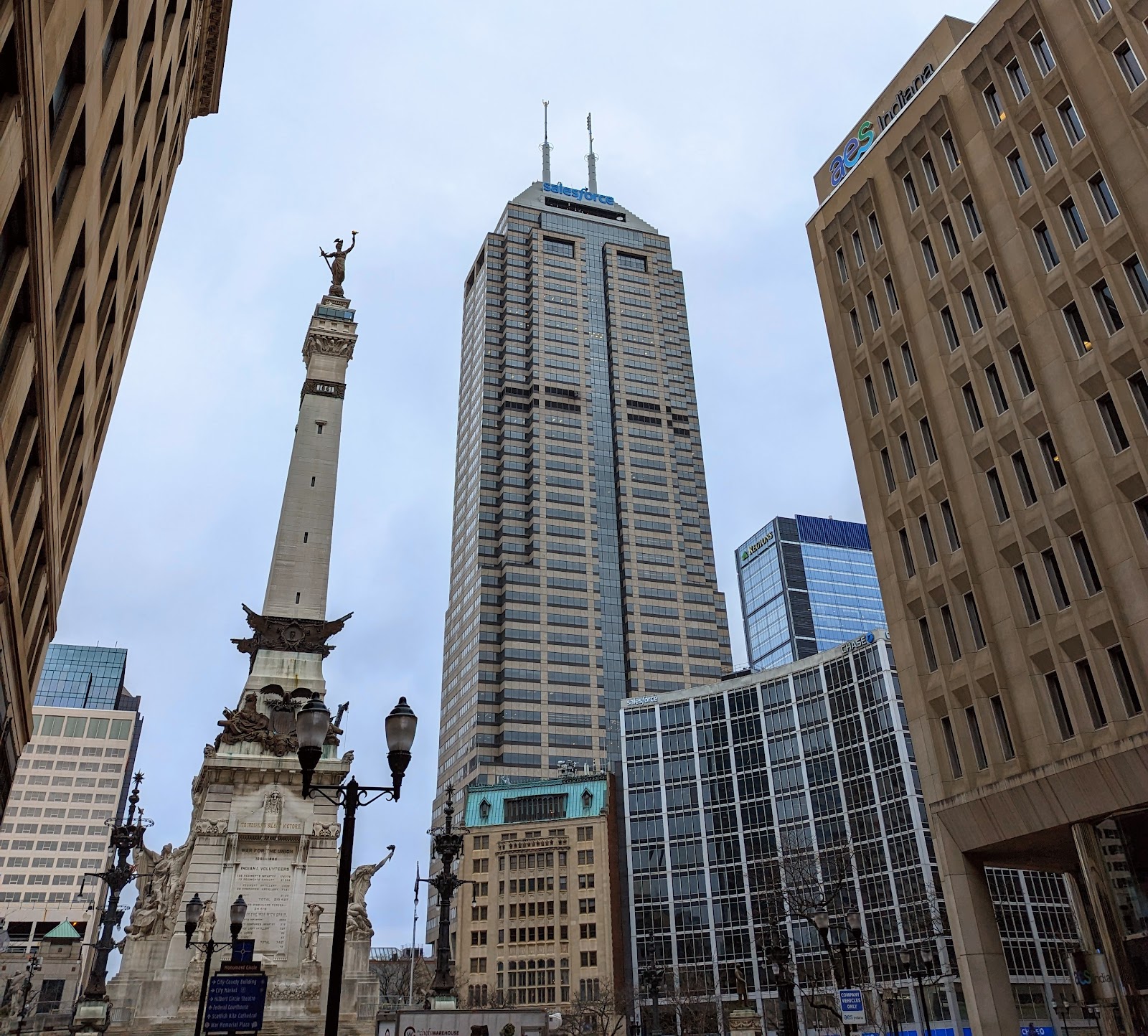
The Hilbert Circle Theatre: Photographing a 1916 Movie Palace
A 1916 movie palace on Monument Circle in Indianapolis, converted to a concert hall, with lobby, auditorium and stage.
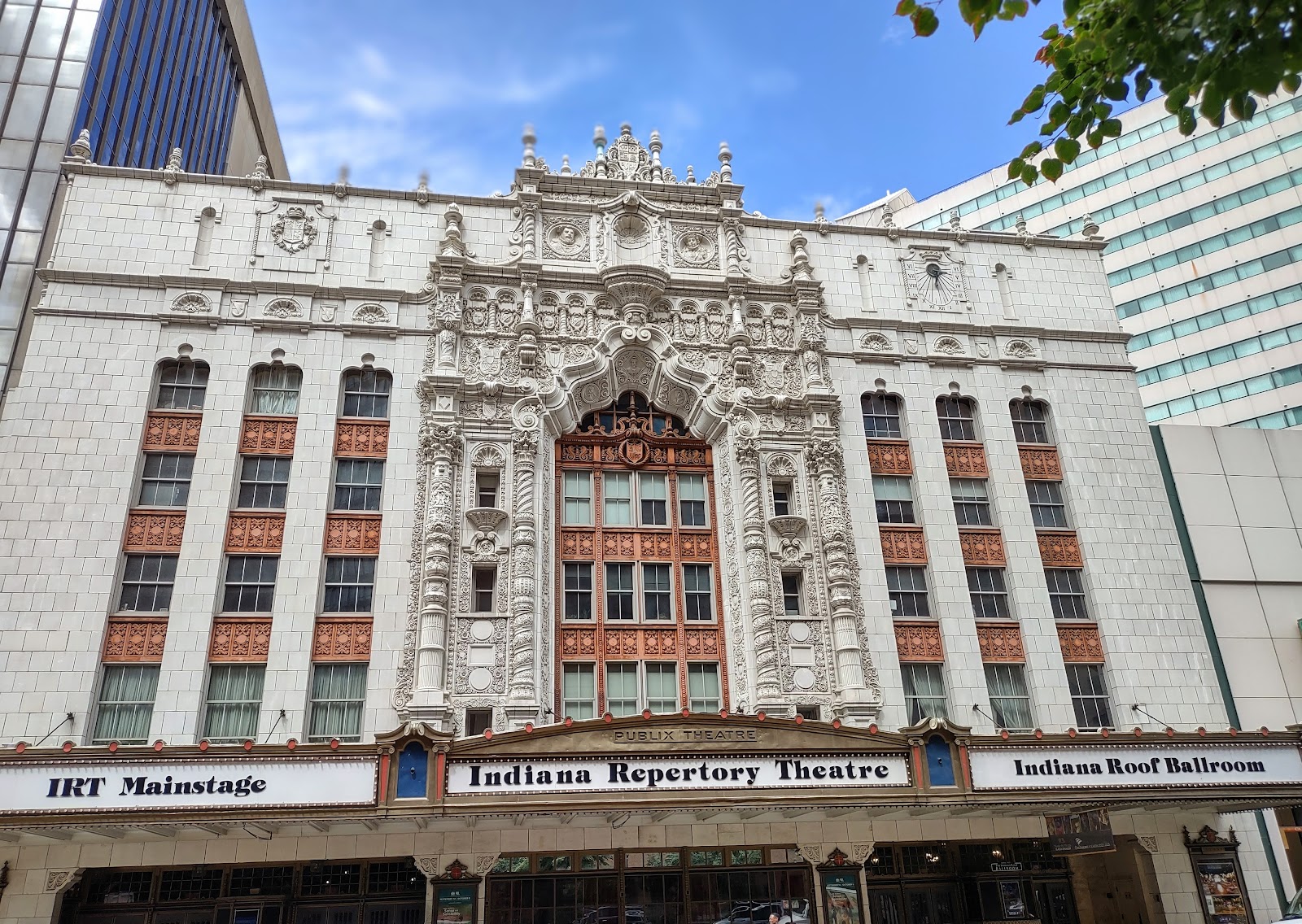
The Indiana Roof Ballroom: How to Photograph an Atmospheric Ceiling
A 1927 ballroom in downtown Indianapolis designed as a starlit European village, with a domed atmospheric ceiling.
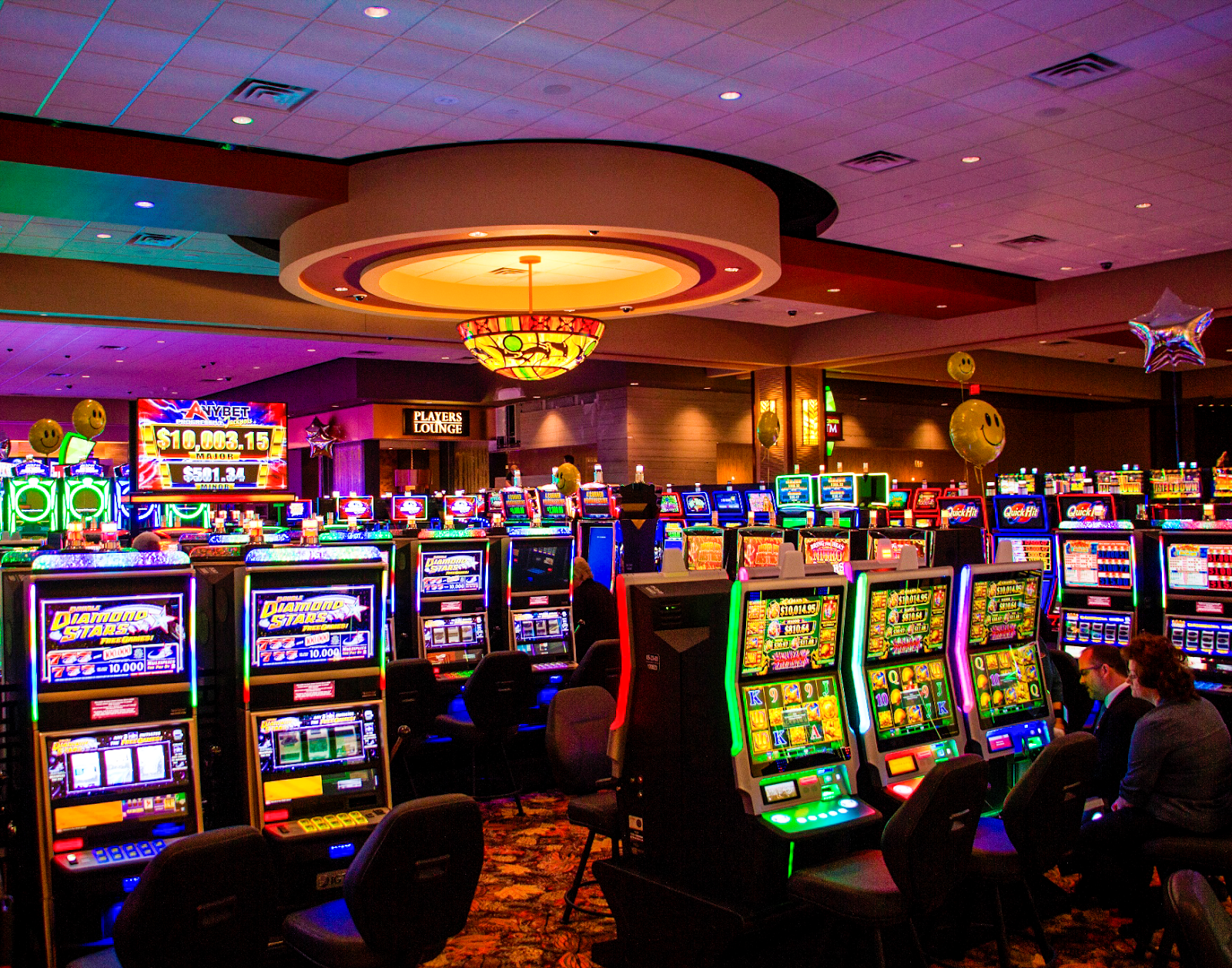
The Four Winds Casino, South Bend: The Problem, and Four Ways Out
A South Bend casino venue with no daylight in its public spaces — the problem that creates, and four ways out.
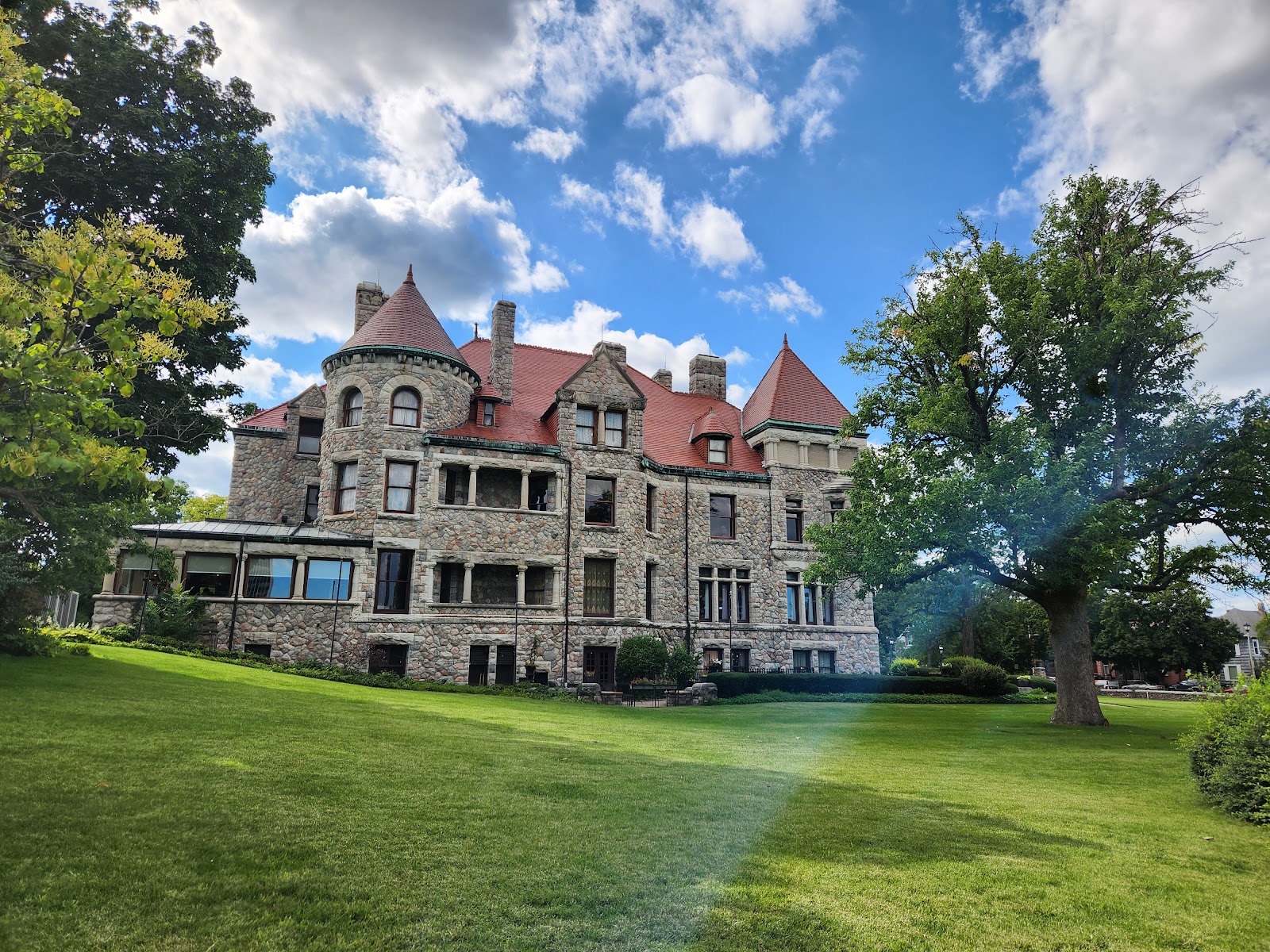
The Studebaker Mansion, South Bend: The Light Through a Day
A grand nineteenth-century South Bend house taken hour by hour through a wedding day.