 Indianapolis Zoo: Reading a Day From Open Grounds to Underwater Glass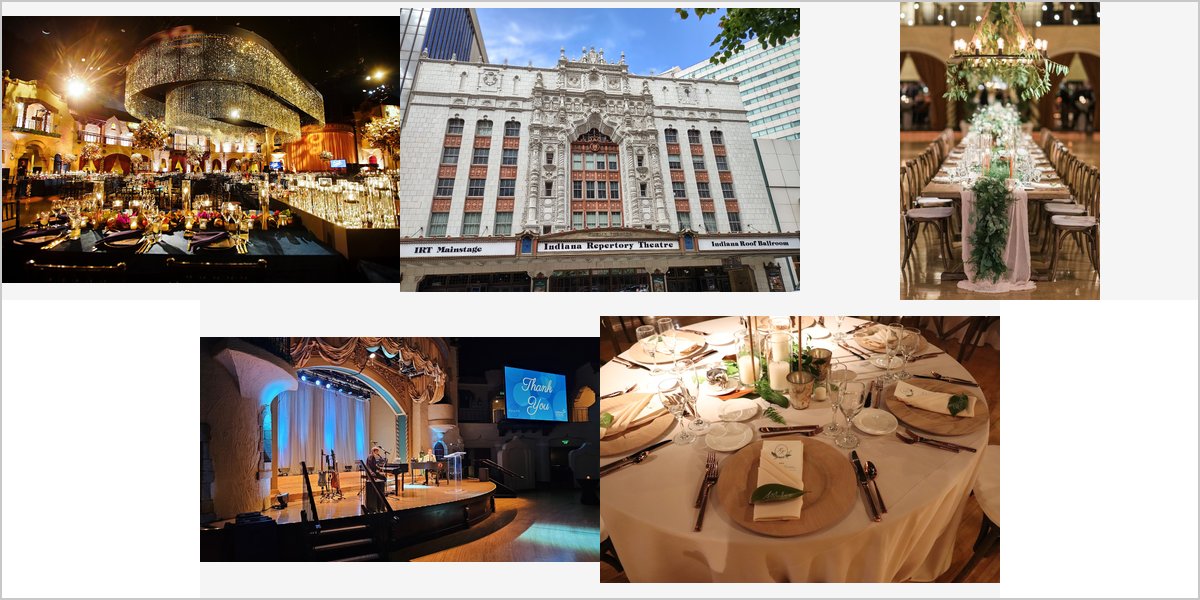
The Indiana Roof Ballroom: How to Photograph an Atmospheric Ceiling
The ceiling is the venue. It is a dark blue dome with pinpoint lights in it, and that is a harder exposure than it looks.
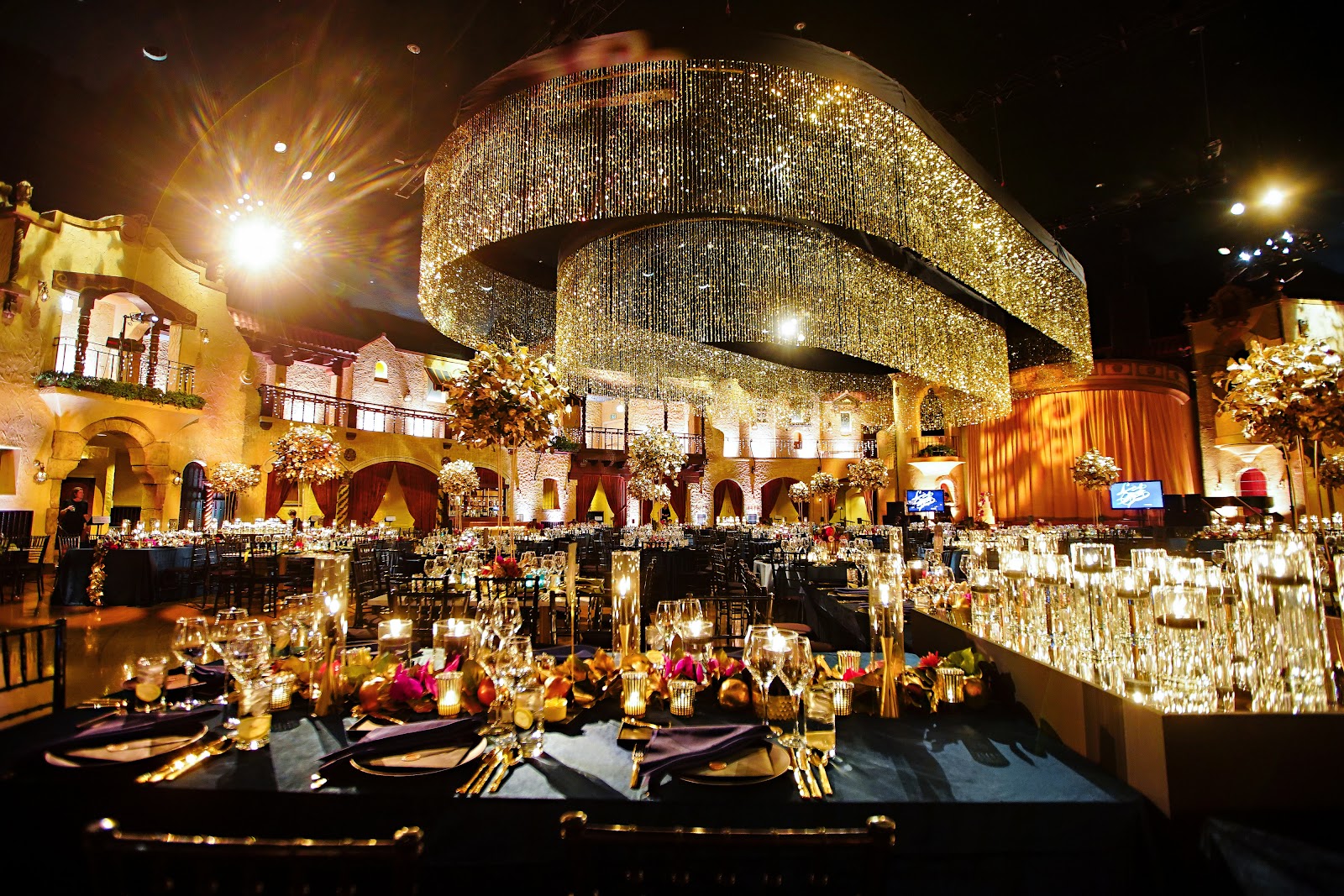
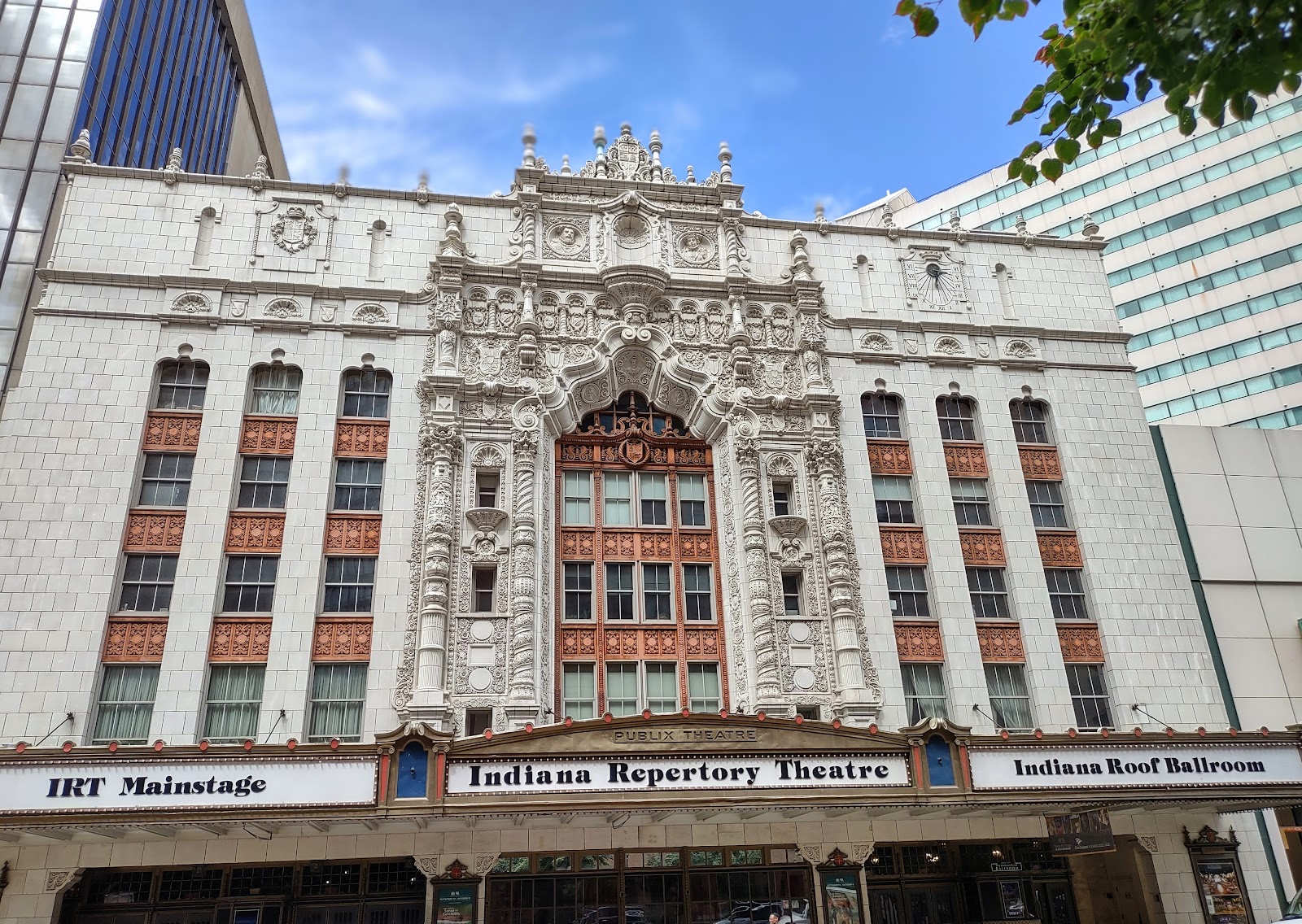
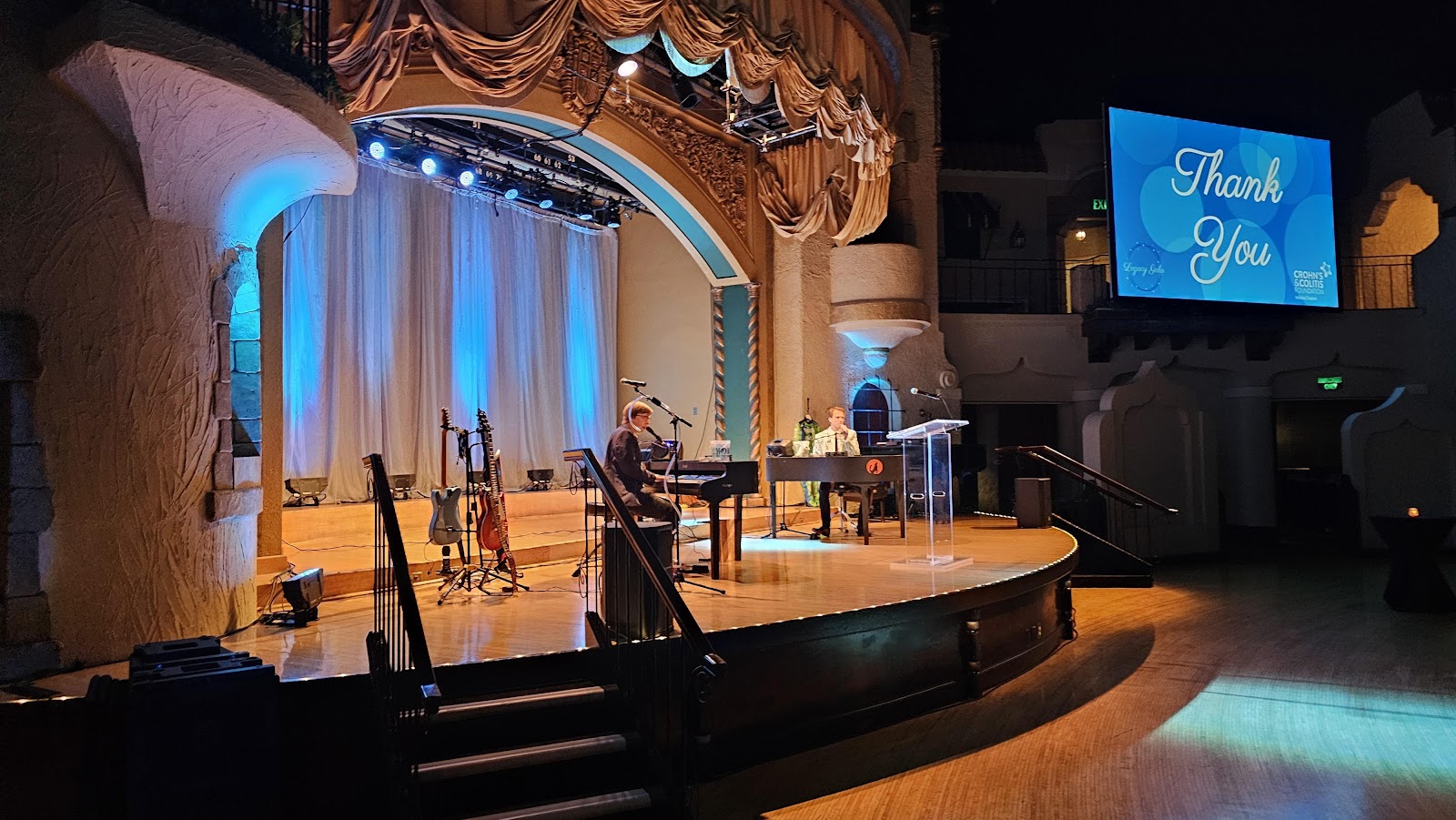
The Indiana Roof Ballroom occupies the upper floors of a 1927 building in downtown Indianapolis, built in the atmospheric style of that decade: a ballroom dressed as a European village square, with tiled roofs, balconies and shuttered windows around the walls and a domed ceiling painted as a night sky with small lights set into it as stars.
Atmospheric interiors are a specific genre of the 1920s and they present a photographic problem that no ordinary ballroom does. The room’s entire effect depends on a ceiling that is dark, and on tiny bright points within that darkness. Light the room the way you would light a normal ballroom and the ceiling lifts to a flat blue-grey, the star lights lose their contrast against it, and the illusion the building exists to create simply stops working.
So the frame worth building here is the one that keeps the sky as a sky, and that is what this is about. We have not photographed a wedding at the Indiana Roof; atmospheric ceilings and pinpoint star lighting behave the same in every venue of this type. Which rooms are available and what rigging is permitted are questions for their events team.
The Indiana Roof Ballroom at a glance
| Where | Downtown Indianapolis, Indiana |
| Character | A 1927 atmospheric ballroom built as a starlit village square |
| The frame | The couple lit, with the ceiling still reading as a night sky |
| Why it fails | Bounced light lifts the dome to grey and kills the star contrast |
| The method | Controlled, directional light and nothing aimed upward |
Step one: understand what the ceiling actually is
An atmospheric ceiling is a dark painted surface with small low-output lights set into it. Its effect depends entirely on contrast — the stars are not bright in absolute terms, they are bright relative to a ceiling that is very dark. That relationship is fragile, and it is the first thing a photographer destroys without noticing.
Bounce is the culprit. A flash aimed at the ceiling, or even a flash aimed forward with significant upward spill, puts light on the dome. Because the paint is dark it does not become bright, but it lifts from near-black to a dull grey — and the star lights, unchanged, are now only a stop or two above their background instead of several. The ceiling reads as a grey dome with dim dots in it, which is exactly what it does not look like to the eye.
So the rule is absolute and simple: nothing gets aimed at that ceiling. No bounce flash, no umbrella pointed upward, no bare speedlight with a wide spread. Every source in the room should be controlled — gridded, snooted, flagged, or a small softbox with the spill blocked on top.
The second half of the rule is exposure. To keep the ceiling dark in the photograph, the exposure has to be set for the lit subject rather than for the room, which means a shutter fast enough that the ambient contributes little — and then the star lights recorded as points, which they will be, because they are small and bright relative to their surround.
Step two: light the couple and nothing else
Once nothing is going upward, the technique is straightforward and produces very good results. One source at face height, gridded so its beam stops at the edge of the subject, gives clean directional light on the couple with the room falling away into darkness behind them — and darkness is what you want, because the darkness is where the ceiling lives.
A second source behind the couple as a rim separates them from the dark surround and prevents the frame reading as two lit faces floating in black. Set low, it also picks out the shoulders and hair without spilling upward. Two lights, both controlled, is the whole kit for this room.
Gel them warm. The room is a 1920s interior lit by warm fixtures and the painted architecture is in warm earth tones, so a neutral flash sits in it as a cold patch. A warm gel with white balance set to match keeps skin correct and lets your light belong to the room.
For the wide frame that shows the whole illusion — village walls, balconies, the domed sky above — the same logic applies at a different scale: light the couple small in the frame, keep the beam off the architecture and the ceiling, and expose for the room’s own warm fixtures on the walls. The village lighting is designed to read as evening in a courtyard, and if you leave it alone and simply add a controlled key on two people, it does exactly that.
- Nothing aimed at the ceiling — no bounce, no upward spill, ever
- One gridded source at face height, one low rim behind
- Gel warm and set white balance to it; the room is a warm interior
- Expose for your lit subject, not for the room, so the dome stays dark
- For wide frames, let the wall fixtures carry the architecture
Step three: the shutter, the stars and the one thing to check
Shutter speed is the control that decides how the ceiling records. Faster and the ambient contributes almost nothing, so the dome is very dark and the stars are small clean points — a cleaner, more graphic rendering. Slower and the ambient builds, so the warm wall fixtures glow and the room reads as a lit courtyard, at the cost of the ceiling lifting slightly. Both are legitimate and they are different photographs.
The useful approach is to take both deliberately, because they serve different purposes. The fast version is the one that shows the starlit sky properly and belongs as a wide establishing frame. The slower version, with the room’s own light doing more work, is better for atmosphere during the reception when people are moving and the room feels alive.
Drag with flash is particularly good in this room for that reason: the flash freezes the couple while a slow shutter lets the warm village lighting and any movement trail, which gives motion and sharpness in one frame. Because the ambient level here is low and constant, the results are predictable rather than a lottery.
The one thing to check every time is the ceiling in the corner of the frame. It is easy to watch the faces on the back of the camera and not notice that a light has clipped the dome — and a slightly lifted ceiling in one frame of a sequence is obvious when the set is seen together. Flag the top of every source and glance at the upper frame edge before committing to a position.
Beyond the ballroom, the practical notes are ordinary. It is a downtown Indianapolis address, so the city, the war memorial plaza, the canal walk and the circle are within a short walk for daylight frames; those are public spaces, so long lenses, tight framing and the hours at either end of the day. And the ballroom itself is windowless in effect, which means it is entirely weatherproof and entirely time-independent — the room looks identical at four in the afternoon and midnight, so nothing about the interior coverage has a clock attached to it.
What works in your favour
- An atmospheric ceiling and village architecture unlike any modern room
- Very low ambient means two controlled lights do everything
- Warm wall fixtures carry the architecture with no help
- Shutter drag is predictable because the ambient is low and constant
- Time-independent and weatherproof; the room never changes
What to plan around
- Any light on the ceiling destroys the star contrast and the illusion
- Bounce flash, the usual indoor default, is the worst possible choice
- Nothing in the room says what time or season it is
- A lifted ceiling in one frame is obvious across a sequence
- All the daylight frames depend on leaving the building
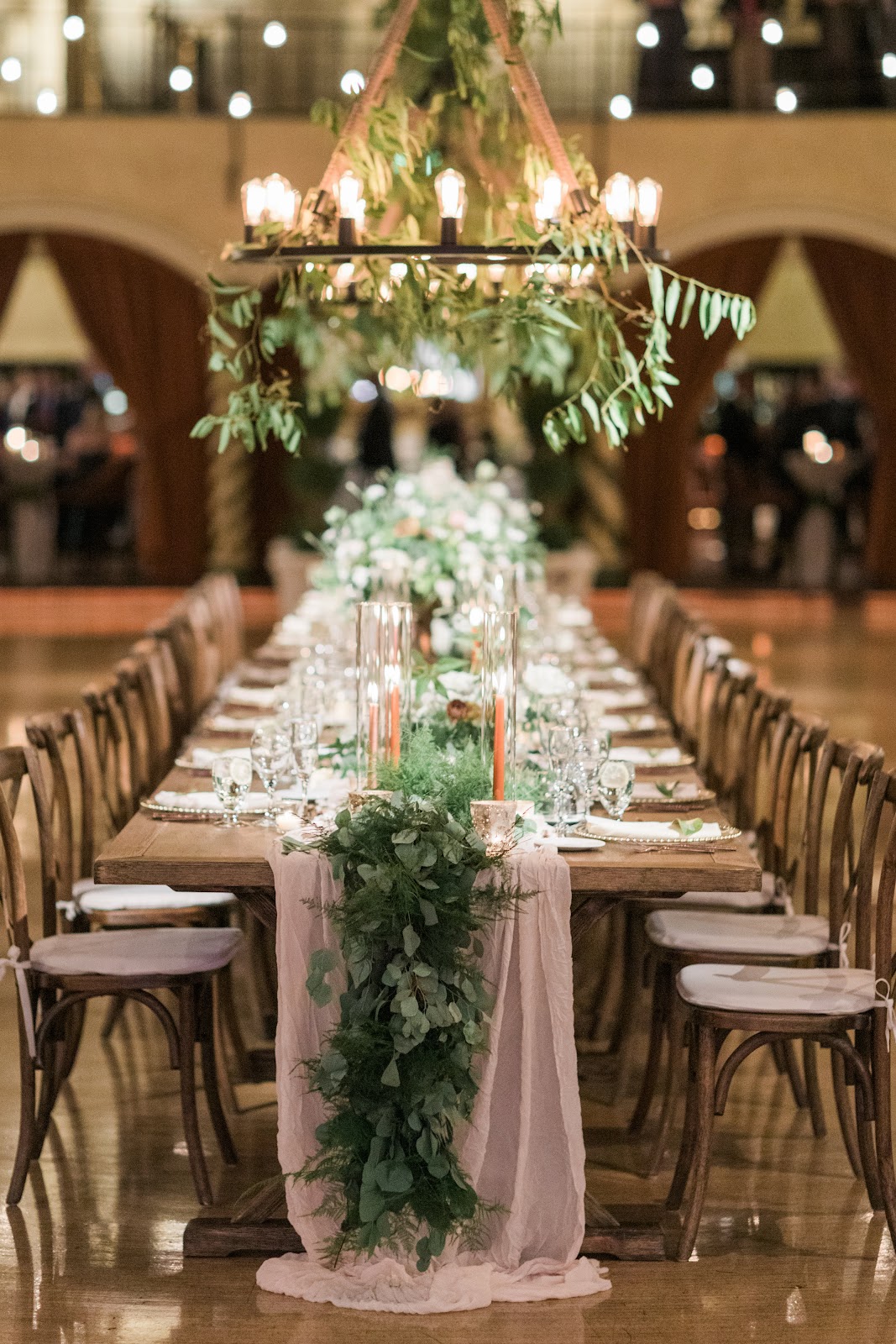
More frames from The Indiana Roof Ballroom
The Indiana Roof Ballroom wedding photography: common questions
Why does the starlit ceiling look grey in photographs?
Because light has reached it. The stars are not bright in absolute terms — they are bright relative to a near-black dome. Bounce flash or upward spill lifts the paint to dull grey, and the stars drop to a stop or two above their background instead of several.
So how do you light the room?
With nothing aimed upward. One gridded source at face height on the couple, one low rim behind them, both gelled warm, and the beams flagged so they stop at the subject. Two controlled lights are the whole kit for this room.
How does shutter speed change the result?
It decides how the ceiling records. Fast, and the dome stays very dark with the stars as clean points — the graphic version. Slower, and the warm wall fixtures glow and the room reads as a lit courtyard, at the cost of the ceiling lifting slightly. Take both.
Is flash drag worth using here?
Yes, and it is unusually predictable. The flash freezes the couple while a slow shutter lets the warm village lighting and any movement trail. Because the ambient is low and constant, the results repeat rather than being a lottery.
What should you check on every frame?
The upper frame edge. It is easy to watch faces on the screen and miss a light clipping the dome, and one lifted ceiling in a sequence is glaring when the set is seen together. Flag the top of each source and glance up before committing.
Does the timeline matter in this room?
Not at all, which is an advantage. It is effectively windowless, so it looks identical at four in the afternoon and at midnight. Nothing about the interior coverage has a clock attached — all the time-sensitive frames are outside.
More Indianapolis, IN venue guides
We are writing a photographer’s guide to every venue we would happily shoot in Indianapolis, IN. Here are three more, plus the full index:
- Indianapolis Zoo: Reading a Day From Open Grounds to Underwater Glass
- The NCAA Hall of Champions: Four Ways Out of the Screen Problem
- The Alexander: Photographing a Hotel That Is Also a Gallery
All Indianapolis, IN Wedding Venues →
Planning a wedding at The Indiana Roof Ballroom?
One rule here: nothing points at the ceiling. Tell us your date and we will bring the two lights this room actually needs.