 The Omaha Children’s Museum: A Photographer Answers Your Questions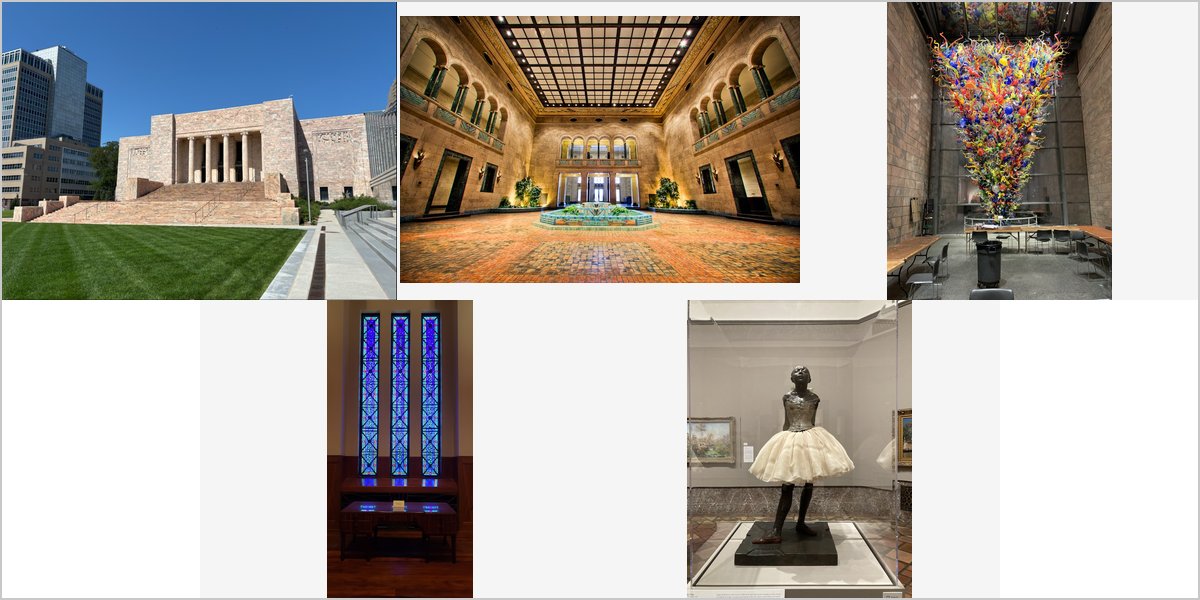
April 30, 2026
The Joslyn Art Museum: Photographing a Pink Marble Art Deco Court
Pink marble on every surface of a large interior court. It is beautiful, it is bright, and it will put a pink cast on every face in the room.
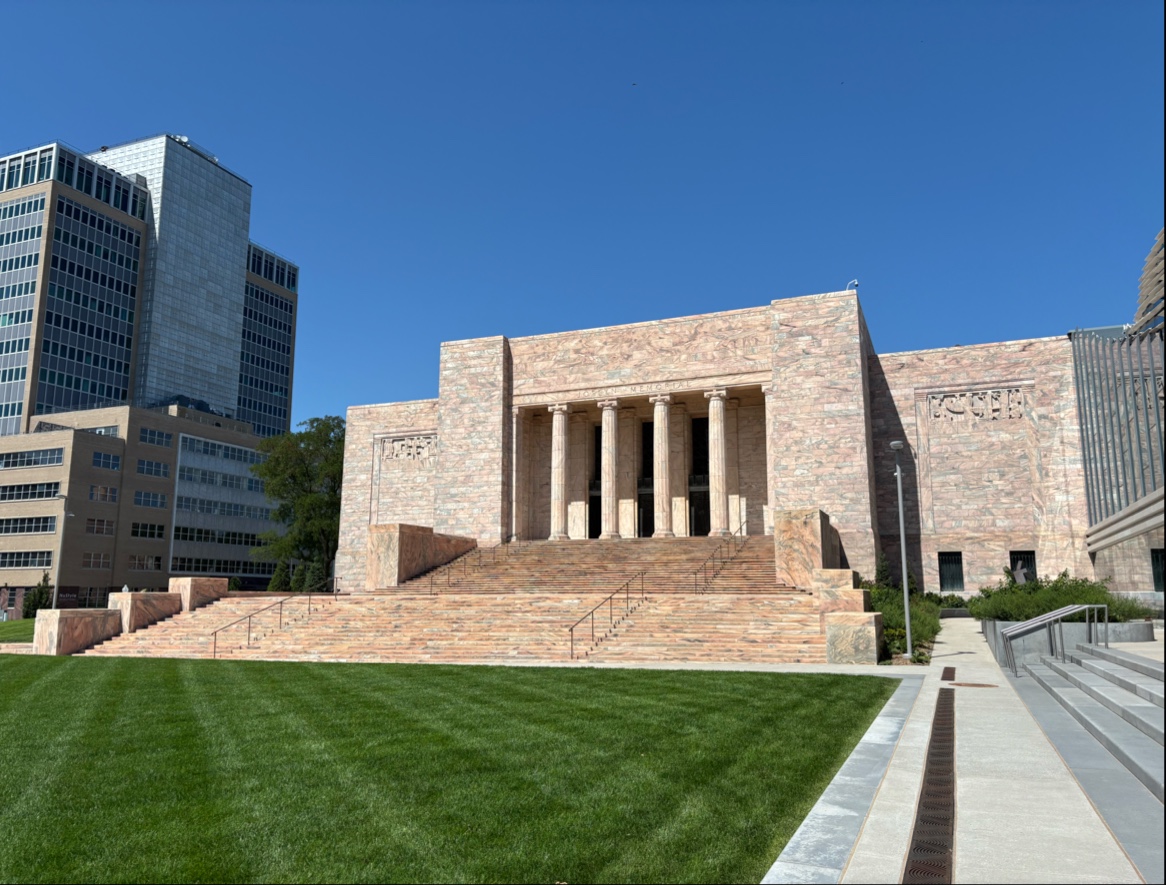
The Joslyn Art Museum opened in 1931 in Omaha, an Art Deco building faced inside and out in Georgia pink marble, with a central fountain court beneath a high ceiling. A pavilion designed by Norman Foster’s office was added in 1994, giving the site a second, contemporary architectural register.
Photographically the marble is the whole story. Marble is pale, hard and slightly reflective, which normally makes it a photographer’s friend — it bounces light around and brightens a space. Pink marble does all of that and adds colour to everything it returns. In a court where floor, walls and columns are all pink marble, every surface bouncing light onto a face is adding pink.
This is the technical guide. We have not photographed a wedding at the Joslyn; pink marble and Art Deco relief behave identically wherever they occur. Which spaces your booking includes, gallery access and flash policy are for their events team, and at an art museum assume flash is restricted near works.
Joslyn Art Museum at a glance
| Where | Dodge Street, Omaha, Nebraska |
| Opened | 1931, Art Deco; clad inside and out in Georgia pink marble |
| Centrepiece | A large central fountain court beneath a high ceiling |
| Also | A 1994 pavilion by Foster’s office — a contemporary contrast |
| Technical headline | Pink marble is bright and it tints everything it reflects |
Pink marble: bright, reflective and tinted
The good part first. A court lined in pale marble is one of the brightest interiors you will work in — far brighter than a timber-panelled or stone-lined room, because marble returns rather than absorbs. That means lower ISO, faster shutters and, often, no added light needed at all during the day.
The complication is the colour. Georgia pink marble returns a warm rose-tinted light, and in a space where floor, walls and columns are all the same material, that tint comes at faces from every direction. Skin picks it up and reads as flushed — and because the light is omnidirectional there is no position that escapes it.
The correction has to be global rather than positional, which is unusual. Set a custom white balance in the court itself rather than trusting auto, and check skin carefully — you are looking to neutralise the rose on faces while letting the marble itself stay recognisably pink, which is a narrow target. Shoot raw so there is room to move, and be consistent across the whole set, because half the frames corrected one way and half another will not sit together.
Art Deco relief needs raking light
As in every Deco interior, the ornament is relief work — stepped mouldings, fluting, geometric detail — and relief is only visible through the shadows it casts. Light it frontally and the whole scheme flattens into patterned stone. Light it from the side and it stands up.
In a marble court this has a useful side effect. Raking light across polished marble produces a soft sheen along the surface that reads as stone rather than as painted board, and it catches the edges of the Deco detailing at the same time. One light well off the camera axis does both jobs.
Deco symmetry also demands precision. A court built on an axis is unforgiving of an off-centre or tilted frame — nearly centred looks like a mistake, exactly centred looks powerful. Slow down for the architectural frames, find the axis, and put the couple on it rather than beside it.
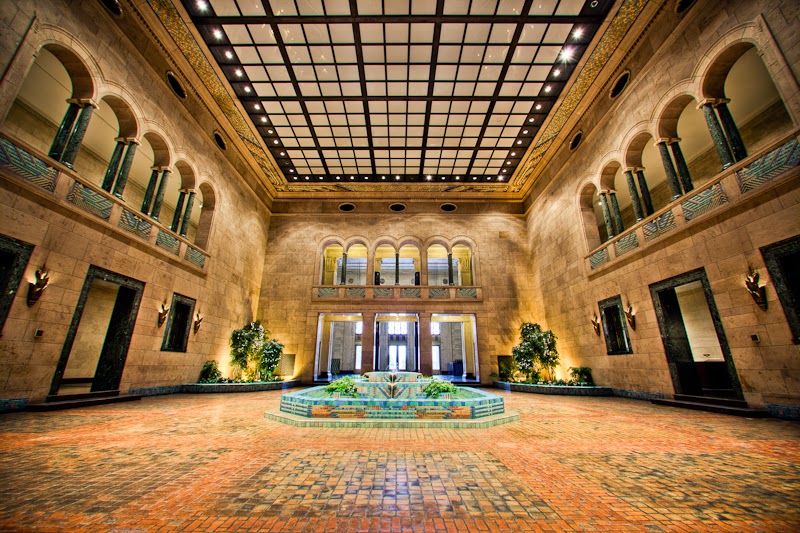
The fountain court and its high ceiling
A large court with a high ceiling means bounce flash is not available, so any added light comes from stands with modifiers. In practice you may need very little, because the marble is doing so much of the work — this is one of the few large museum interiors where the ambient is genuinely sufficient for portraits during the day.
The fountain is worth using deliberately. Moving water gives you a bright element, sound, and a compositional centre, and a fountain in a marble court reflects light upward as well, adding a small amount of uplight that softens shadows under chins. Keep the shutter above 1/250 if the water is prominent, or it smooths into a blur that reads as a mistake.
For a wide architectural frame, include the ceiling. The height and the axial symmetry are what make the court impressive, and a frame shot at eye level with the ceiling cropped off shows none of that.
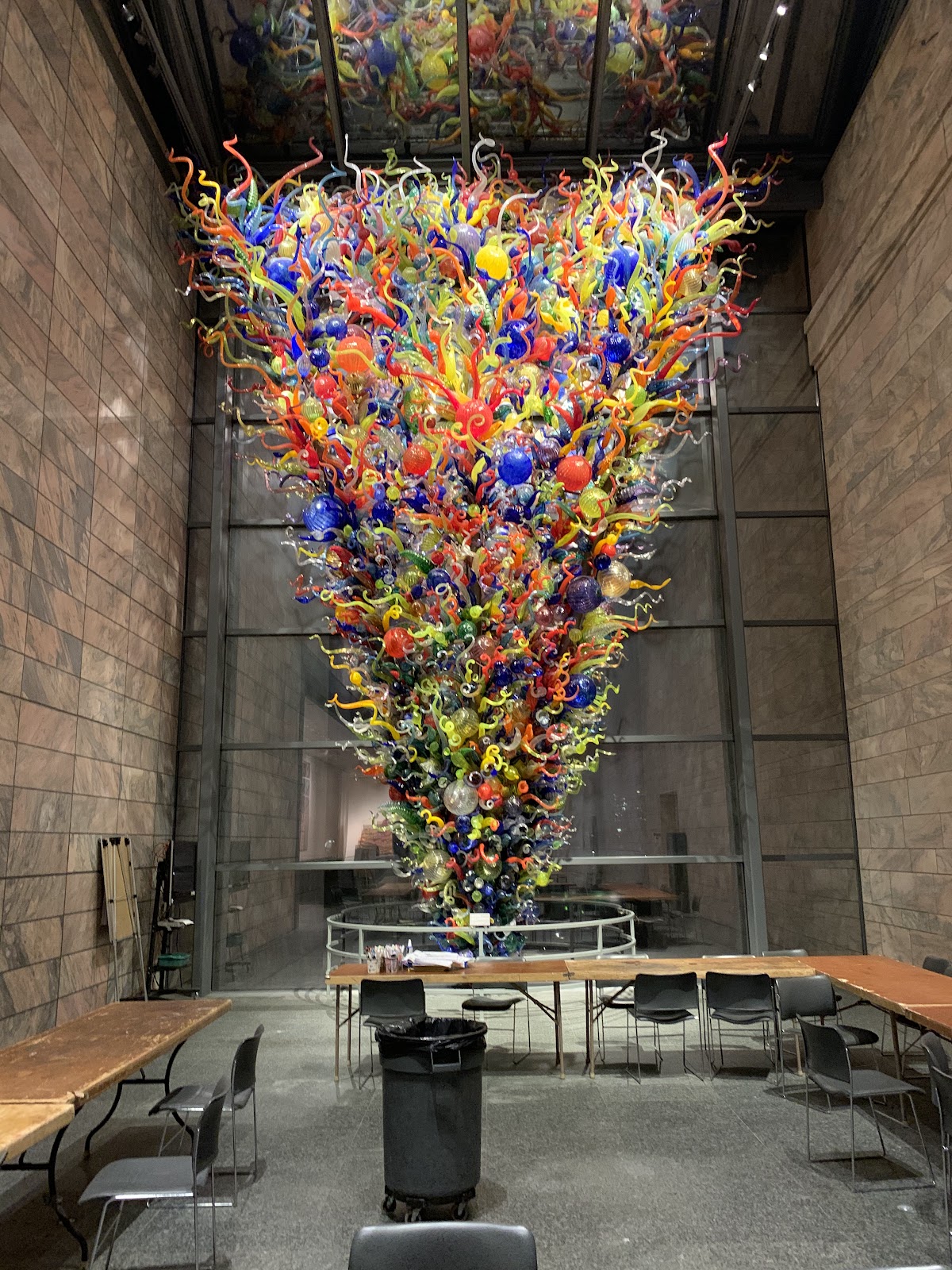
The Foster pavilion, the galleries and the timeline
The 1994 addition gives a contemporary contrast — cleaner lines, different materials, a different visual register. That is genuinely useful, because a gallery containing pink marble Deco and contemporary architecture has range that either alone does not. Ask whether it is included.
The galleries themselves follow the museum pattern: pooled warm track lighting aimed at objects, almost certainly flash-restricted, and hostile to faces without careful placement. Work at the edge of light pools rather than beneath fixtures, and plan one considered gallery frame rather than a series.
For the timeline: the empty court early, before guests arrive, because ornate spaces photograph far better empty; portraits in the court during daylight, when the marble ambient is at its best; one gallery frame if permitted; the Foster pavilion for contrast; and ten minutes outside in the twenty minutes after sunset, since the Deco exterior in pink marble is a strong establishing frame and low raking light is what it needs.
One Omaha-specific note: the continental climate means the exterior block is comfortable in spring and autumn, punishing in a humid July, and brief in a January that regularly sits below freezing. Plan its length accordingly.
What works in your favour
- Pink marble makes this one of the brightest museum interiors anywhere — often no added light needed
- A large axial fountain court with real height and symmetry
- Art Deco relief that is spectacular under raking light
- A fountain adding a bright element, a compositional centre and a little uplight
- A 1994 Foster pavilion giving contemporary contrast to the Deco
What to plan around
- Pink marble tints every face from every direction; the correction must be global and consistent
- Frontal flash flattens the Deco relief completely
- A high court ceiling makes bounce flash unavailable
- Galleries are pooled, warm and almost certainly flash-restricted
- Axial symmetry is unforgiving of off-centre or tilted framing
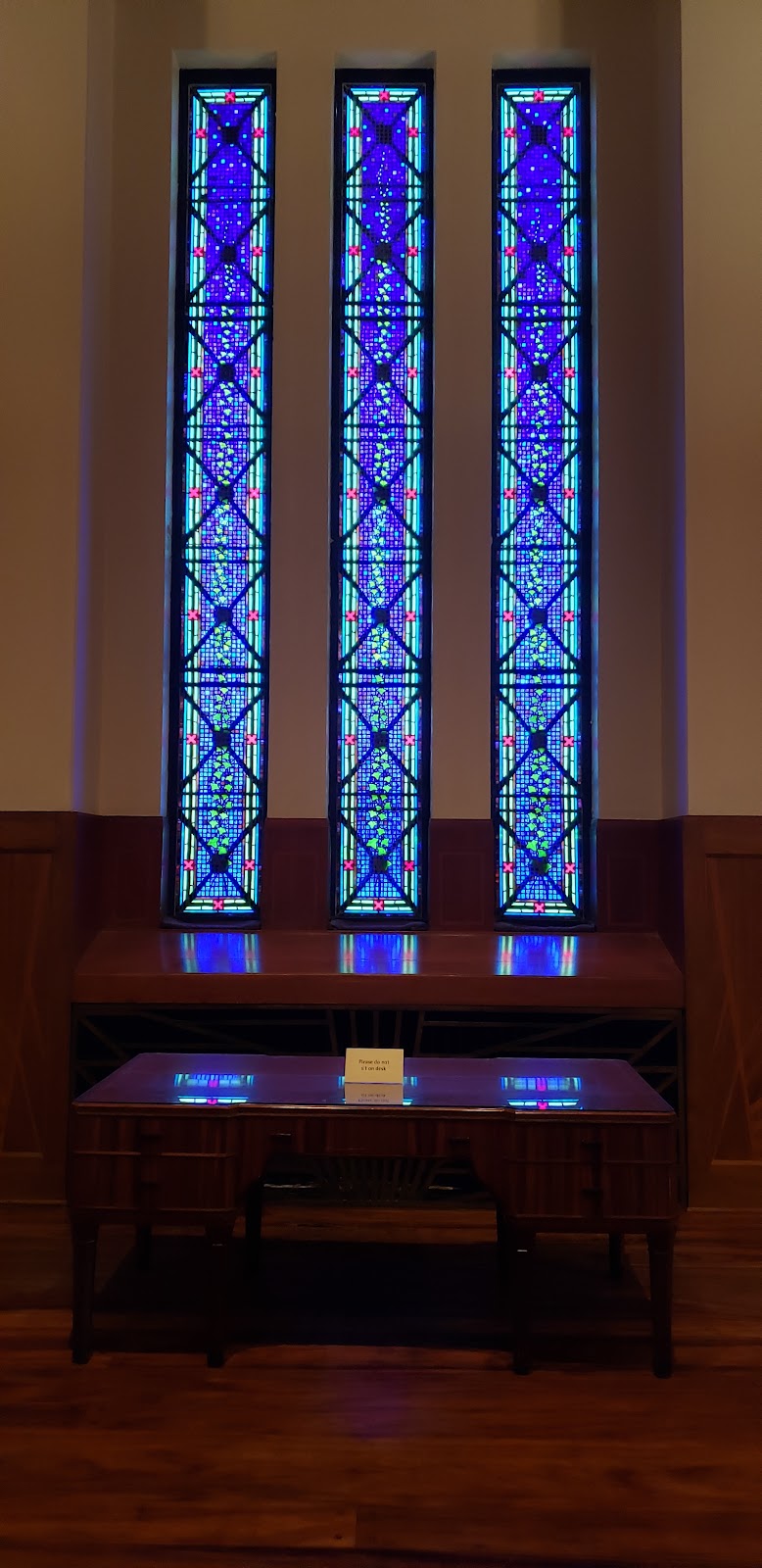
More frames from Joslyn Art Museum
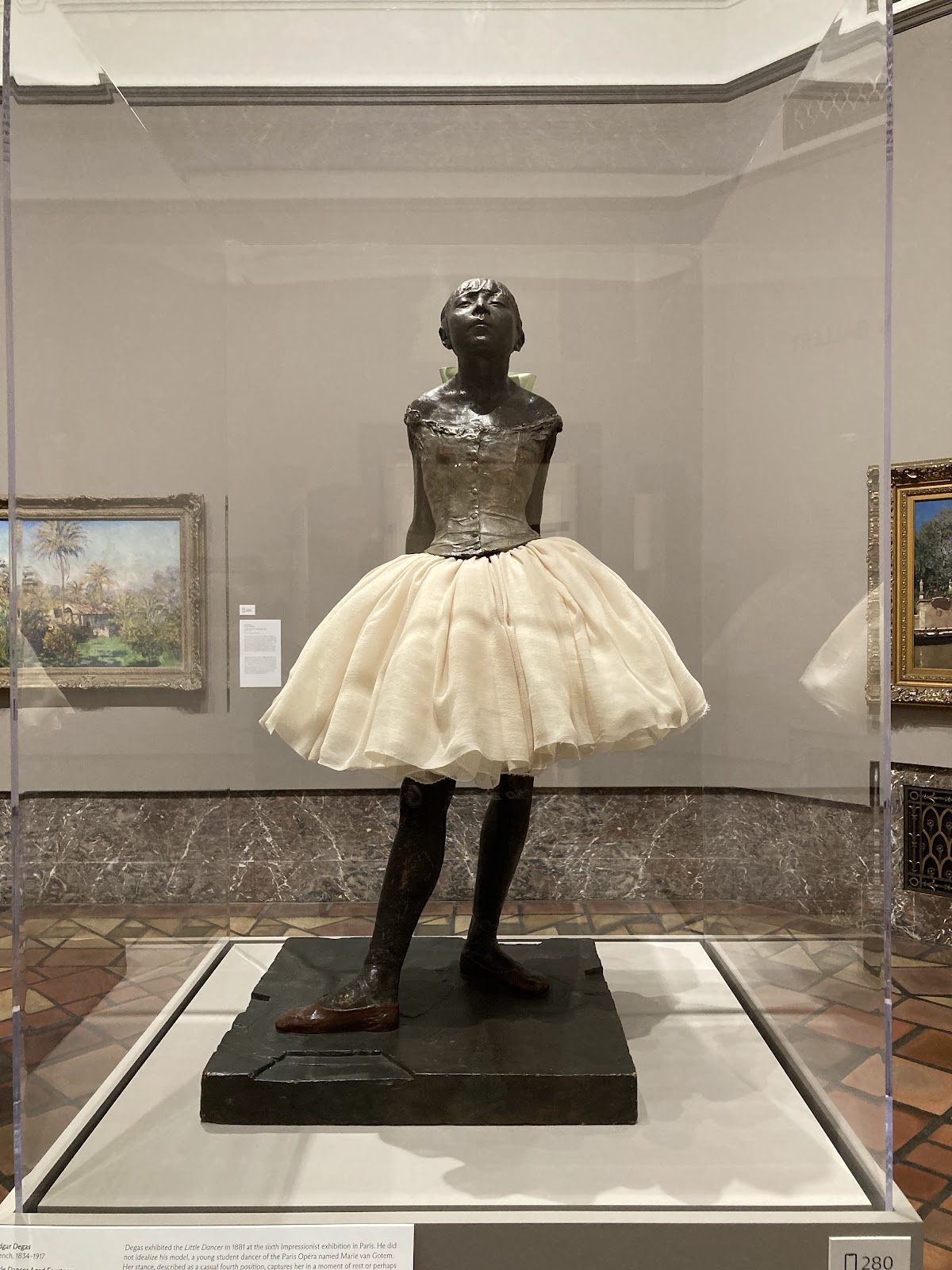
Joslyn Art Museum wedding photography: common questions
Does pink marble really affect skin tones?
Yes, and unusually. Marble is reflective, so a court lined in Georgia pink marble returns rose-tinted light onto faces from every direction at once — there is no position that escapes it. The correction has to be global: set a custom white balance in the court, check skin carefully, and stay consistent across the whole set.
Is the court bright enough to shoot without flash?
Often yes, during the day, which is rare for a museum interior. Marble returns light rather than absorbing it, so a marble-lined court is far brighter than a panelled or stone-lined room — lower ISO, faster shutters, and frequently no added light needed at all.
How should the Art Deco detail be lit?
From the side. Deco ornament is relief and only reads through the shadows it casts, so frontal light flattens it into patterned stone. Raking light also produces a soft sheen along polished marble that reads as stone rather than painted board — one light well off axis does both jobs.
How do you photograph the fountain?
Keep the shutter above 1/250 if the water is prominent, or it smooths into a blur that reads as a mistake. The fountain is worth using deliberately: it gives a bright element, a compositional centre, and reflects a little light upward which softens shadows under chins.
Is the Foster pavilion worth including?
Yes, for range. A gallery containing pink marble Art Deco and clean contemporary architecture has visual variety that neither produces alone, and the two read as a deliberate pairing rather than an accident. Ask whether it is included in your booking.
More Omaha venue guides
We are writing a photographer’s guide to every venue we would happily shoot in Omaha. Here are three more, plus the full index:
- The Kimpton Cottonwood: Lighting a Restored 1916 Grand Hotel
- Lauritzen Gardens: A Season-by-Season Photography Guide
- The Magnolia Hotel: Working an Italian Renaissance Revival Building
Planning a wedding at Joslyn Art Museum?
Pink marble is a colour problem and a lighting gift at the same time. Tell us your date and we will plan the white balance approach, the Deco lighting and the empty-court frame before guests arrive.