Coastal Georgia has a set of conditions that recur at every venue on it, and the most useful of them is a tree. Live oak is the region's signature and it behaves unlike any tree in the northern half of this library: evergreen, broad and low-crowned, with heavy limbs that run out horizontally and dip toward the ground. Three things follow.
It casts genuine solid shade with no dapple, and it does so in January exactly as in July, because the leaves never leave — which means one of these trees is a reliable midday position in any month, and a winter frame in coastal Georgia looks much like an autumn one. It is structure rather than background: a limb running out at head height, or dipping to the ground and rising again, is a line you can compose on, and an old live oak is a natural room that shades a group of forty and frames a ceremony with no arch, no arbour and no structure at all.
And its bark is deeply furrowed and full of small shadow, so at noon the tree is a dark mass with a bright edge and at six it is a structure with texture in it. Two canopy rules apply under any of them, without exception. Light that has passed through leaves is genuinely green, so a face lit only by filtered canopy light reads sickly and no white balance fixes it — position instead for open sky arriving from the side, which usually means a two-metre walk to the canopy edge rather than standing under the middle of the crown.
And avoid dappled shade entirely: broken light puts hard bright patches on a face several stops above the surrounding skin, and those cannot be recovered. Full shade or full sun, never the edge between them. That single piece of positioning — the canopy edge rather than the canopy centre — is the most useful thing in this collection for any hour between mid-morning and mid-afternoon in Georgia. Spanish moss is the region's other signature and it is not a moss but a bromeliad, an air plant, hanging in grey-green translucent streamers.
Backlit against a low sun it glows, and a curtain of it in the foreground gives depth to a frame that would otherwise be flat. Look for resurrection fern on the upper surfaces of the big limbs while you are there: it greens within hours of rain and curls brown crisp in a dry spell, so the same limb photographs completely differently depending on the week. After a shower the oaks look furnished; in a drought they look bare.
Cabbage palmetto is the third element, and it gives almost no useful shade because the crown is high and the fronds sparse — but it is a strong graphic vertical against open sky and it places a frame on this coast immediately.
On the coast itself, two physical facts govern more than the light does. The first is the tide. This shoreline has a range of something like two to two and a half metres, which is large for the region, and on a gently shelving barrier-island beach that means low water exposes a very wide plain of flat wet sand. Flat wet sand is a genuine mirror, and it is the single most useful photographic surface available — a couple reflected in it with a low sun behind them, camera at ground level, is the frame these beaches exist for.
At high tide the same beach is a narrow strip of dry sand with the water at the top of it. So the tide, not the hour, decides the beach frames: check the published table for the date, plan the session around low water, and work from the ground, because a mirror is only a mirror from close to its own level — from standing height wet sand is just a shiny grey surface. Dry sand at the ends of the day works differently: low raking light picks out every ripple and footprint, so the ground becomes textured rather than flat, which means footprints matter.
Walk in from the side and keep the foreground clean unless the tracks are deliberate. The second fact is orientation. Georgia's barrier-island beaches face east, which means sunrise is over open water and sunset is inland over salt marsh — and that is an asset rather than a disappointment. A Georgia salt marsh at sunset is a plain of cordgrass cut by tidal creeks, and those creeks catch the low sun as bright winding lines through dark grass, which from any slight elevation is a superb graphic subject.
The marsh changes colour completely with the season, green through summer and deep gold-brown through winter, so a February frame and a July frame of the same view look nothing alike — and the winter version, gold grass with silver creeks in it, is arguably the better one. The tide works there too: at high water the creeks are full and the marsh is a pattern of water, and at low water they are narrow channels in exposed mud.
Two cautions about any marsh: the mud is genuinely deep and sticky and nobody in formal clothing should be near the edge of a creek, so stay on boardwalks and hard ground and say so in advance; and biting midges and mosquitoes are serious at dusk in the warm half of the year, which will determine how long anybody is prepared to stand there. The coast is also flat and exposed.
There is no relief at all except dunes and the occasional tower or river bluff, which means no elevated viewpoints, no slopes to separate a subject from a background, and level horizons that make any camera tilt immediately obvious — use a level outdoors here. And there is nothing between these shores and the open Atlantic, so a sea breeze builds on most warm afternoons and an onshore wind arrives unimpeded: a veil on an open beach in fifteen knots is a two-person job and a lightstand needs sandbagging. The lee side of any building is the calm ground.
Salt air is the associated equipment cost, corrosive and carried as a fine mist on any breezy day, so wipe everything down the same evening rather than the next week, and change lenses with your back to the wind, low down, or not at all — sand in a zoom barrel is a repair rather than a clean. Two numbers set the schedule. At about thirty-two degrees north the midsummer noon sun reaches roughly eighty-one degrees, high enough to be difficult on open ground from about eleven to three, and the midwinter noon sun sits near thirty-four and a half, low enough to model properly all day.
Civil twilight runs about twenty-three to twenty-four minutes in midsummer with a usable balance point of ten to twelve — one frame made properly, or two if both positions are within thirty seconds of each other. Humidity is the atmospheric condition that defines the summer: dewpoints in the mid to high seventies fill shadows by something like two and a half stops against a dry climate, so shadow edges are soft, eye sockets hold detail, and open shade at midday is genuinely workable rather than hopeless.
The costs are a pale washed sky, haze on long lenses, and a lens that fogs within seconds moving from an air-conditioned building into this air, which on any day with repeated indoor-outdoor transitions is a recurring event. Keep the camera warm. December through April is the season and the reversal against most of this library is emphatic: mild, comparatively dry, sunny, with a February noon sun near forty-five degrees that models a face properly and rakes brick, painted weatherboard and ironwork rather than flattening them. Azaleas and camellias through late winter and early spring.
And because the live oaks are evergreen and the moss hangs year-round, the landscape does not look bare in the way a northern one would — so the off season costs almost nothing in appearance while gaining everything in comfort. At a beach destination it also gains something else worth naming: an empty beach. In the warm half of the year these shores are busy, which means strangers in every frame unless a booking closes an area, and in February they are yours.
The one cost is a shorter day, with sunset around half past five in February putting the dusk window before six — during cocktails rather than after dinner, and therefore a named item on the timeline. May through September is the constraint outdoors: nineties heat with high-seventies dewpoints, in formal clothing, on exposed ground with no shade, is a welfare matter before a photographic one.
Afternoon convection is near-daily in the wet season and this region receives a great deal of lightning, so any outdoor element in summer needs a covered alternative — and on a flat exposed barrier island, or at the foot of a tall metal tower, that is a safety matter rather than an inconvenience. Hurricane season runs June through November and peaks in August and September, and on the Georgia coast it is a genuine consideration rather than a remote one: a named storm offshore a week out disrupts travel, suppliers and accommodation whether or not it lands nearby, and a barrier island has one road on and off it.
A summer or early-autumn date deserves a real contingency. The compensation is the half hour after a cell clears, which on this coast is the best light of the year: washed air so river mouths and shipping channels resolve, wet sand at its most mirror-like regardless of the tide, painted timber and brick several tones darker and far more saturated, the marsh beaded and glowing, and a low sun under a broken ceiling. If a storm goes through at six, do not pack.
Fog is worth watching for in late winter and early spring, when warm moist air moves over cooler water — work immediately if it happens, because coastal fog lifts.
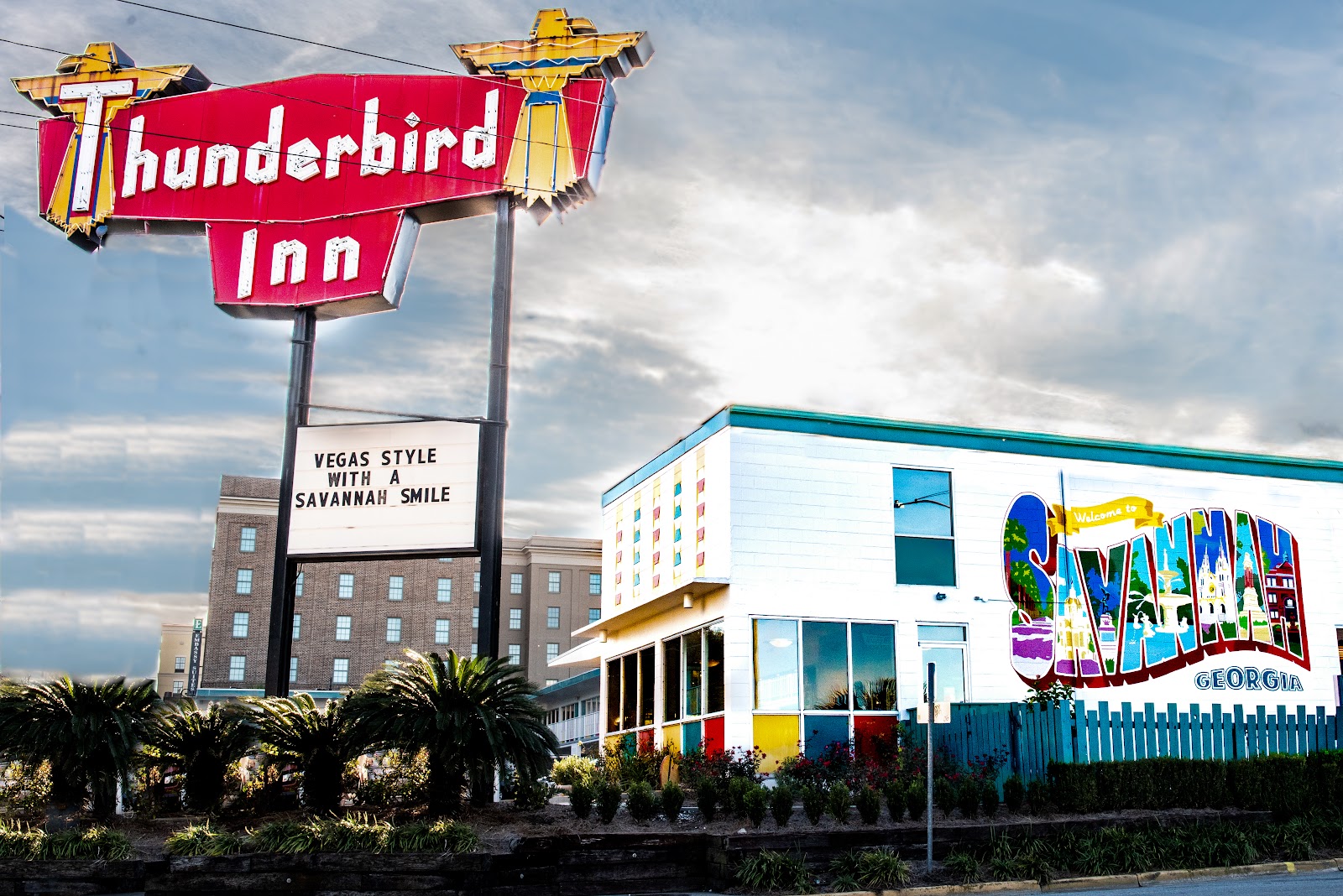
The Thunderbird Inn: Field Notes on a 1964 Motor Inn
A 1964 motor inn on West Oglethorpe, restored with its mid-century character and neon signage intact. Entirely unlike every other venue in Savannah.
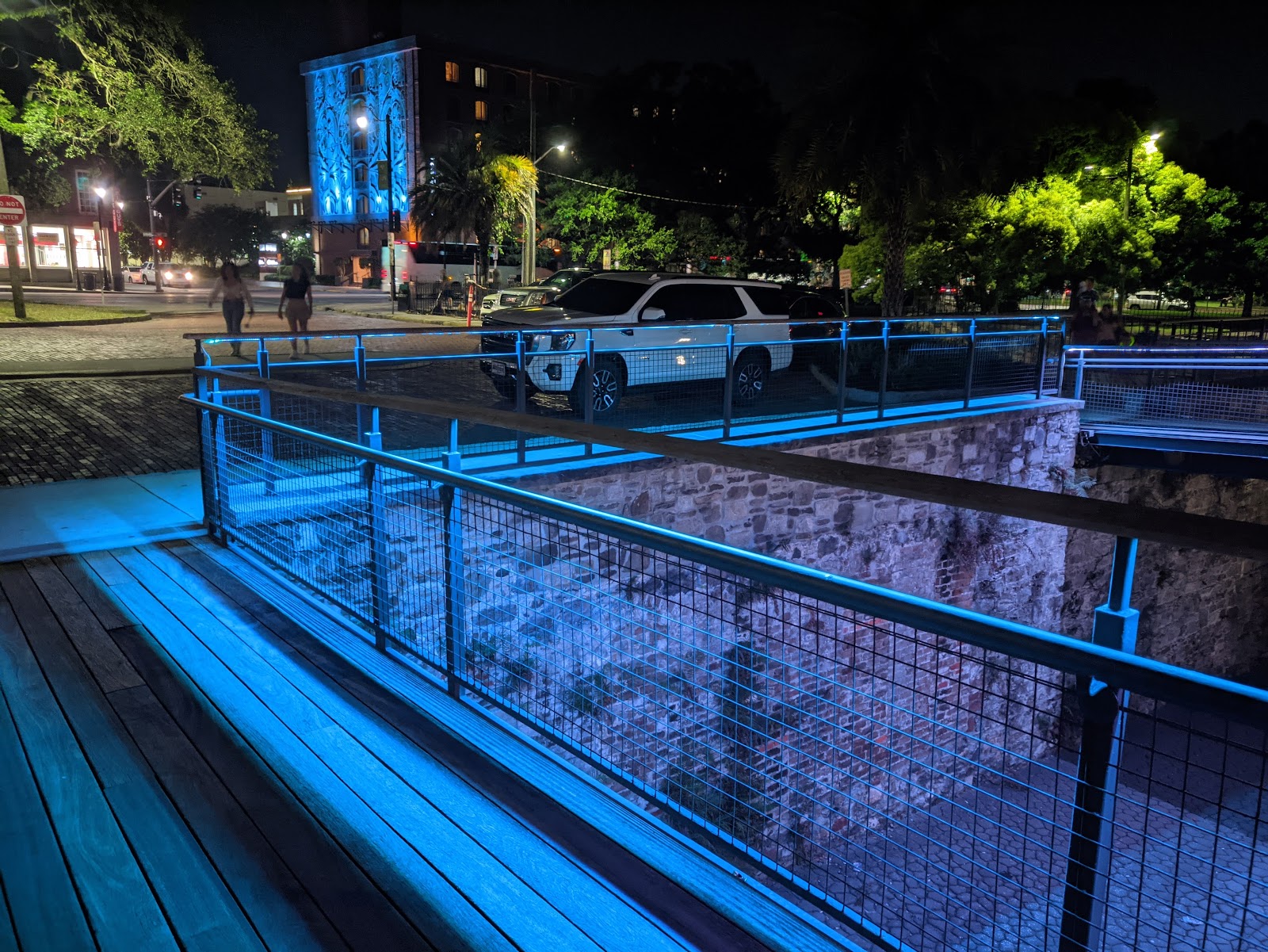
The Cotton Sail Hotel: Building the Shot List on River Street
A nineteenth-century cotton warehouse on River Street converted to a hotel, with exposed brick and timber and a rooftop terrace overlooking the Savannah River.
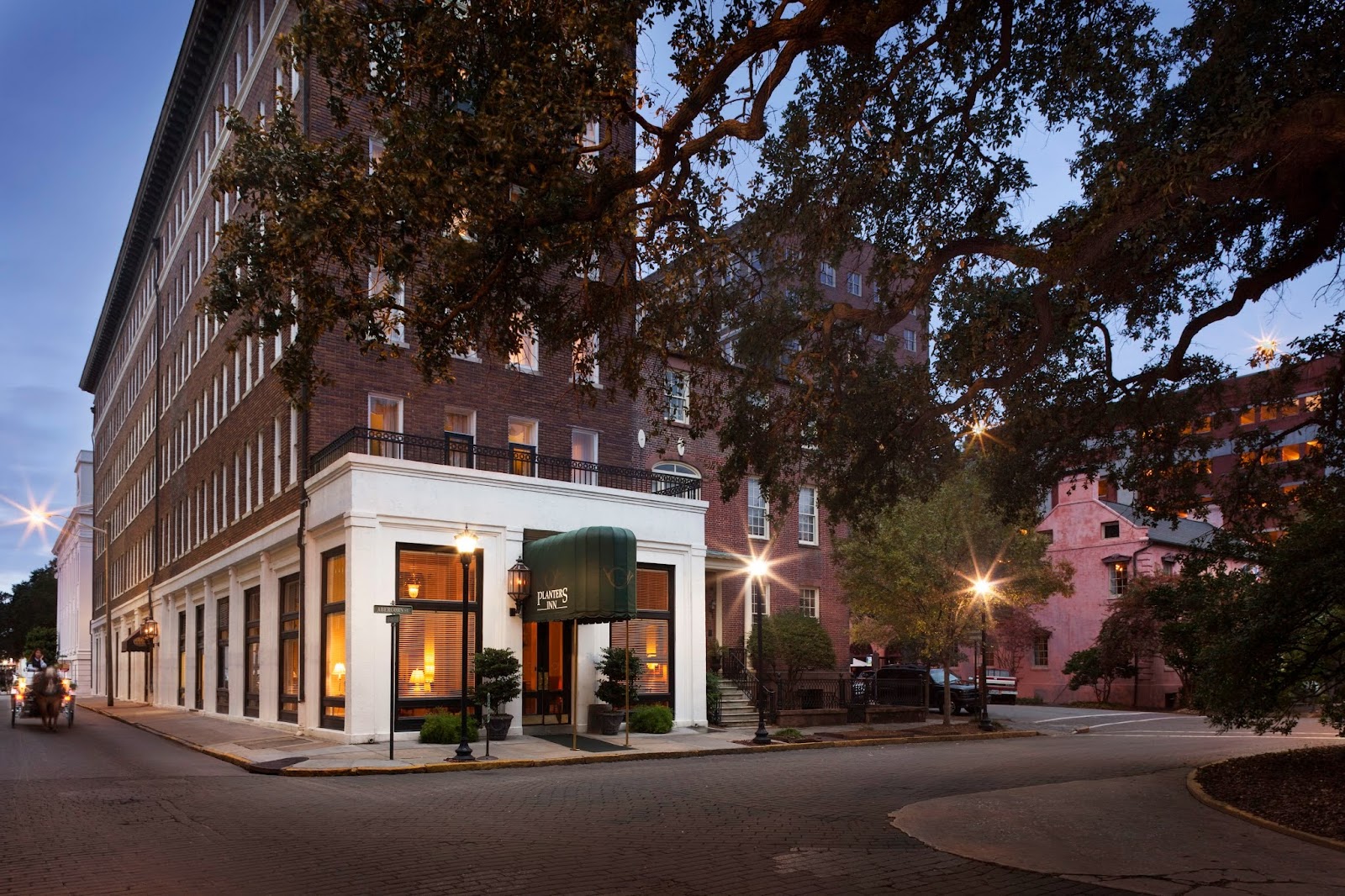
Planters Inn: A Photographer Answers Your Questions
A small historic inn directly on Reynolds Square in Savannah's historic district, with period rooms and one of the city's oldest squares at the door.
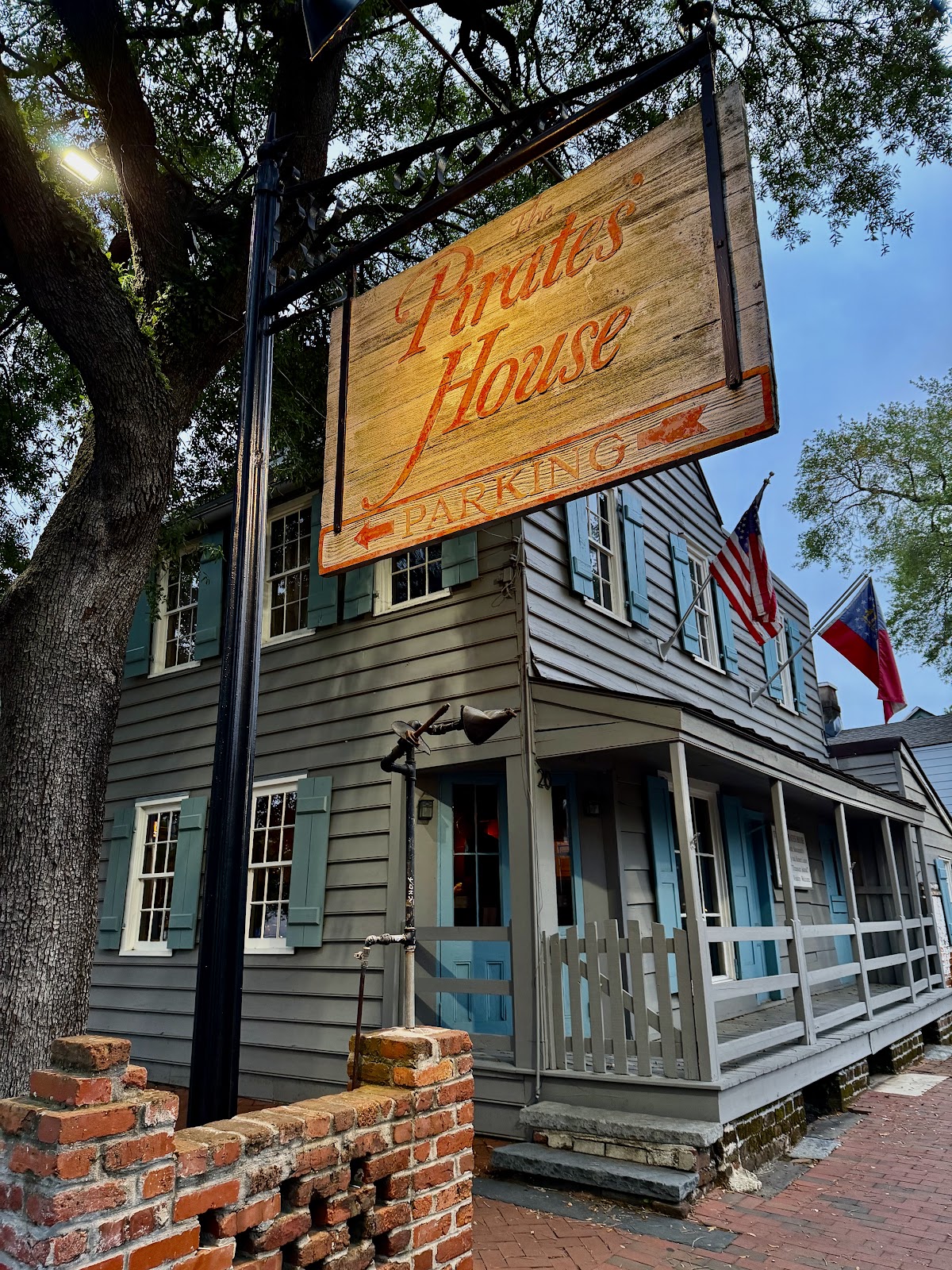
The Pirates’ House: Who This Venue Suits
One of the oldest buildings in Savannah, an eighteenth-century seamen's inn near the river, with a warren of small low-ceilinged dining rooms and a cellar.
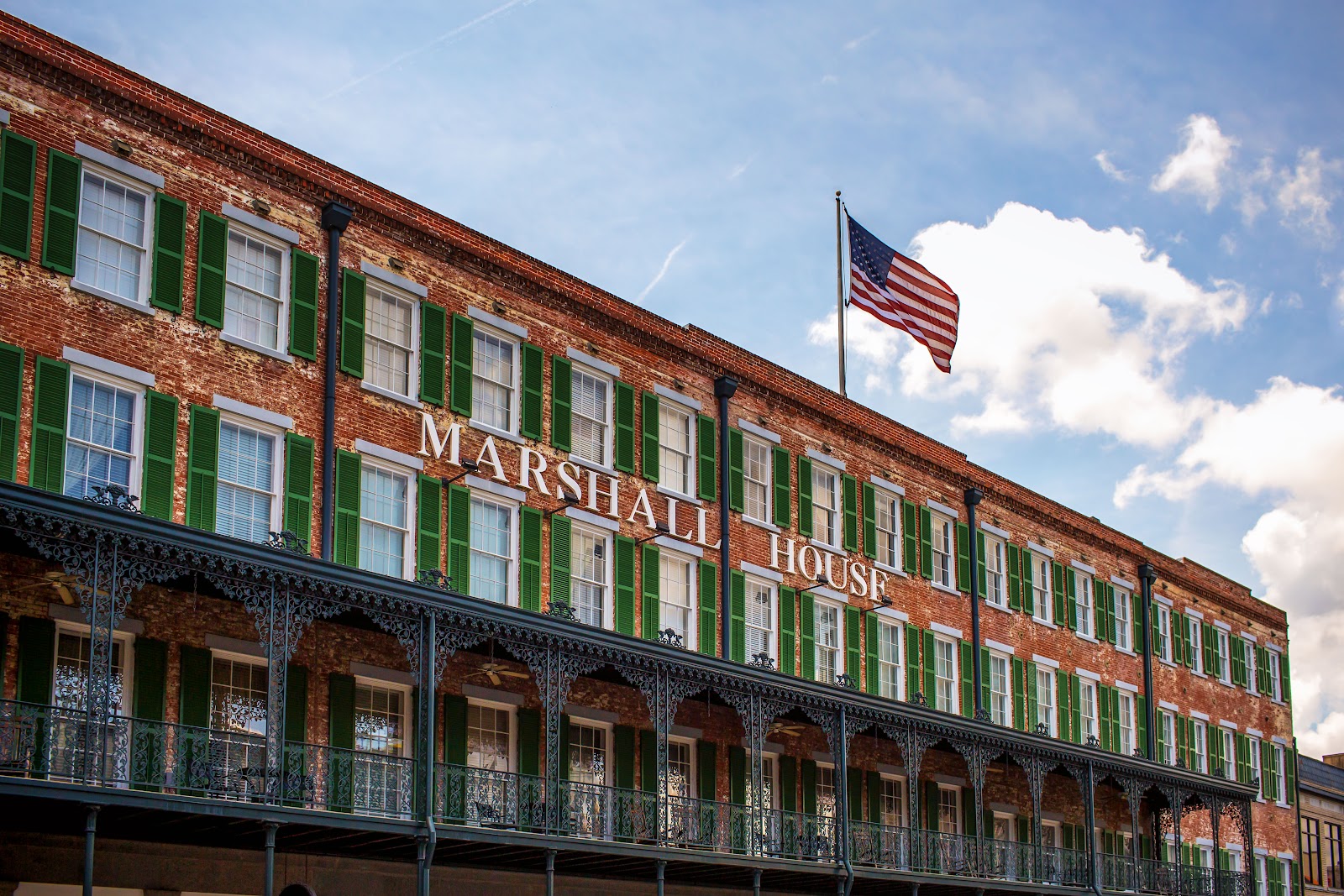
The Marshall House: Lighting Cast-Iron Verandahs and Heart Pine
Built 1851 on Broughton Street, Savannah's oldest hotel, with tiered cast-iron verandahs across the facade and original heart pine floors inside.
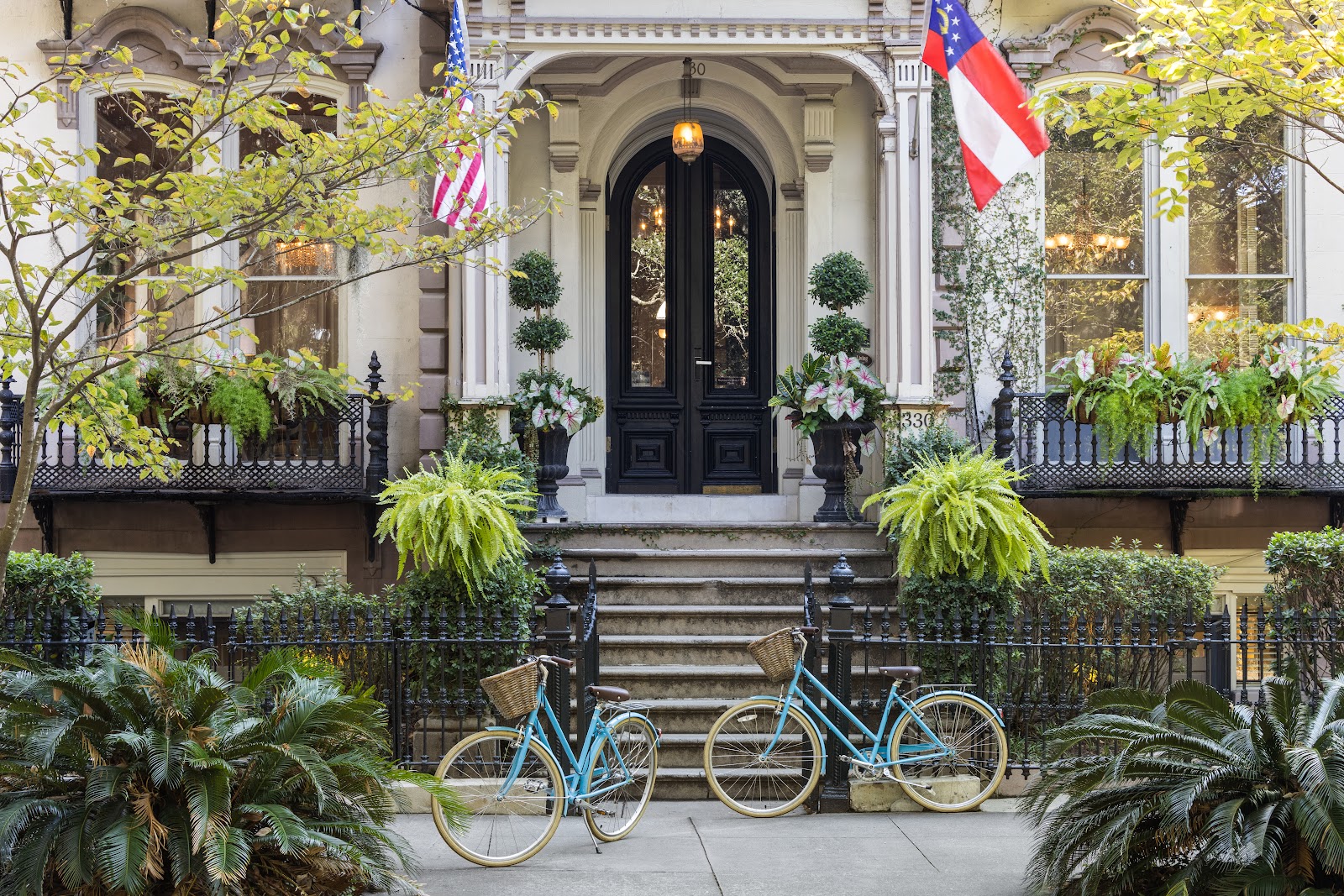
The Hamilton-Turner House: A Season-by-Season Guide
An 1873 Second Empire mansion with a mansard roof on Lafayette Square, run as an inn. Four storeys of period interior, and a square full of live oaks outside.
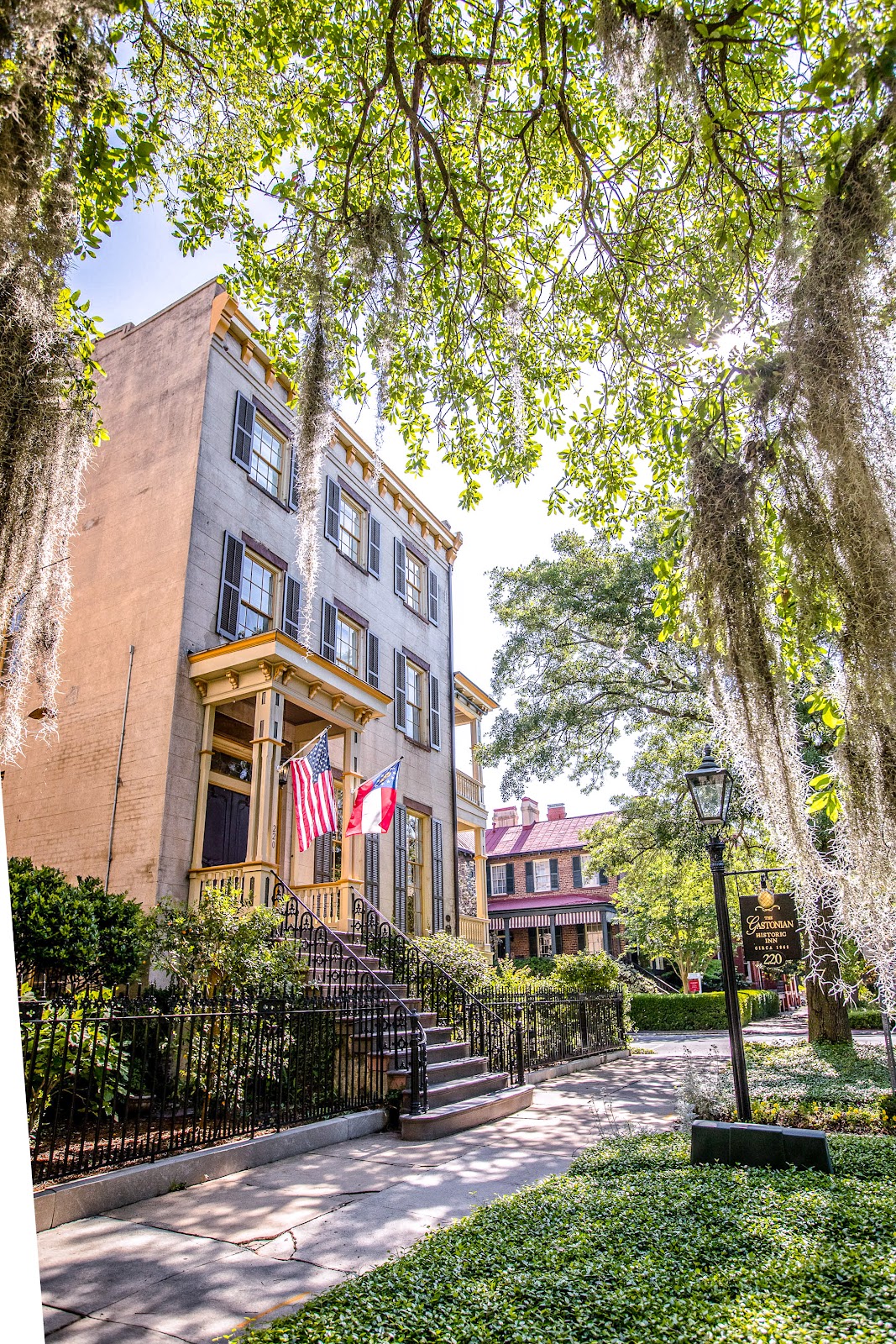
The Gastonian: A Walk-Through of Two Joined Townhouses
Two 1868 Italianate townhouses on Gaston Street, joined by a walled garden courtyard and run as an inn. Period interiors, and a sheltered outdoor room.
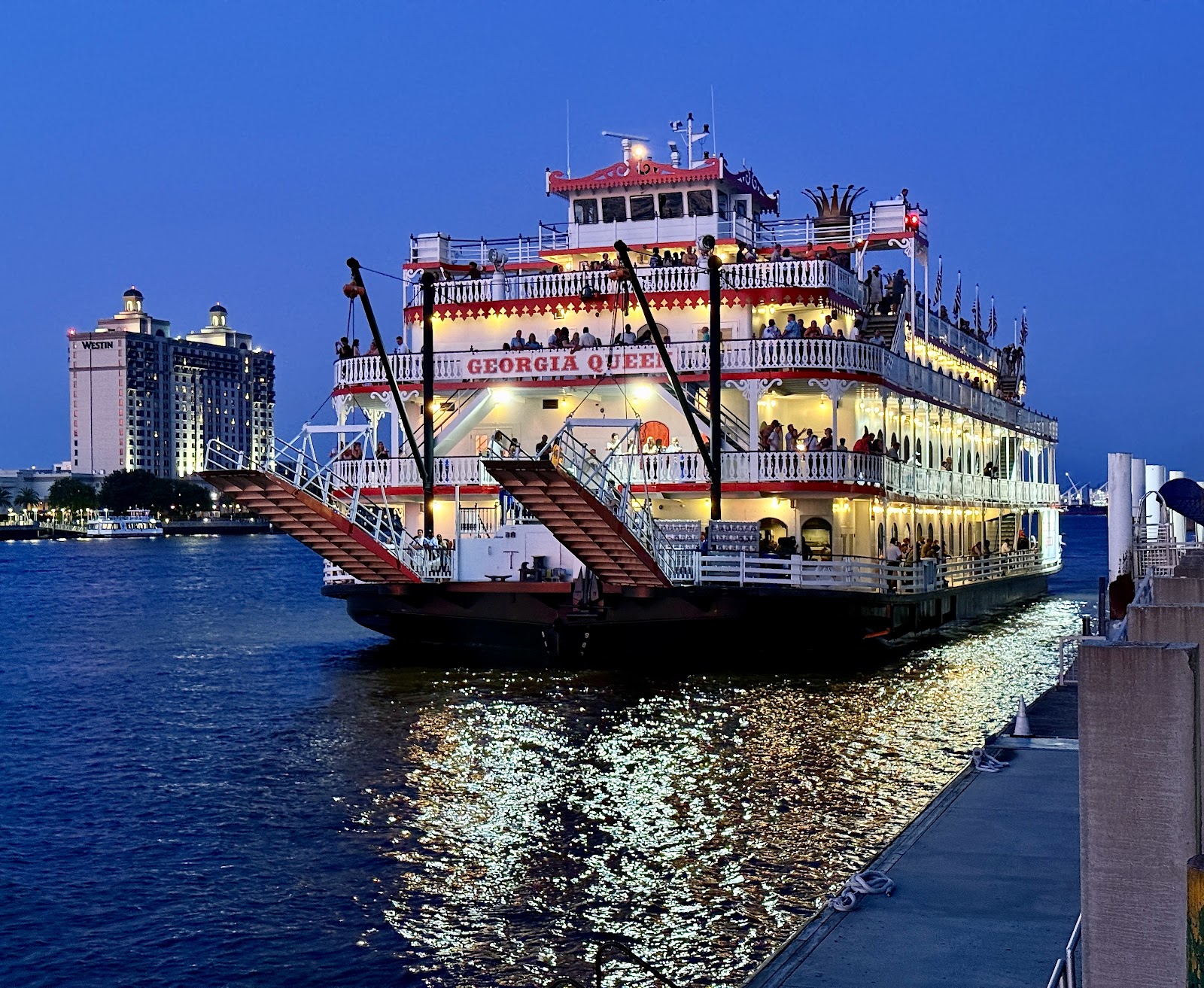
A Savannah Riverboat Wedding: Building the Shot List
A paddlewheel riverboat operating on the Savannah River past River Street, the historic waterfront and the port. A venue that moves, which changes everything.
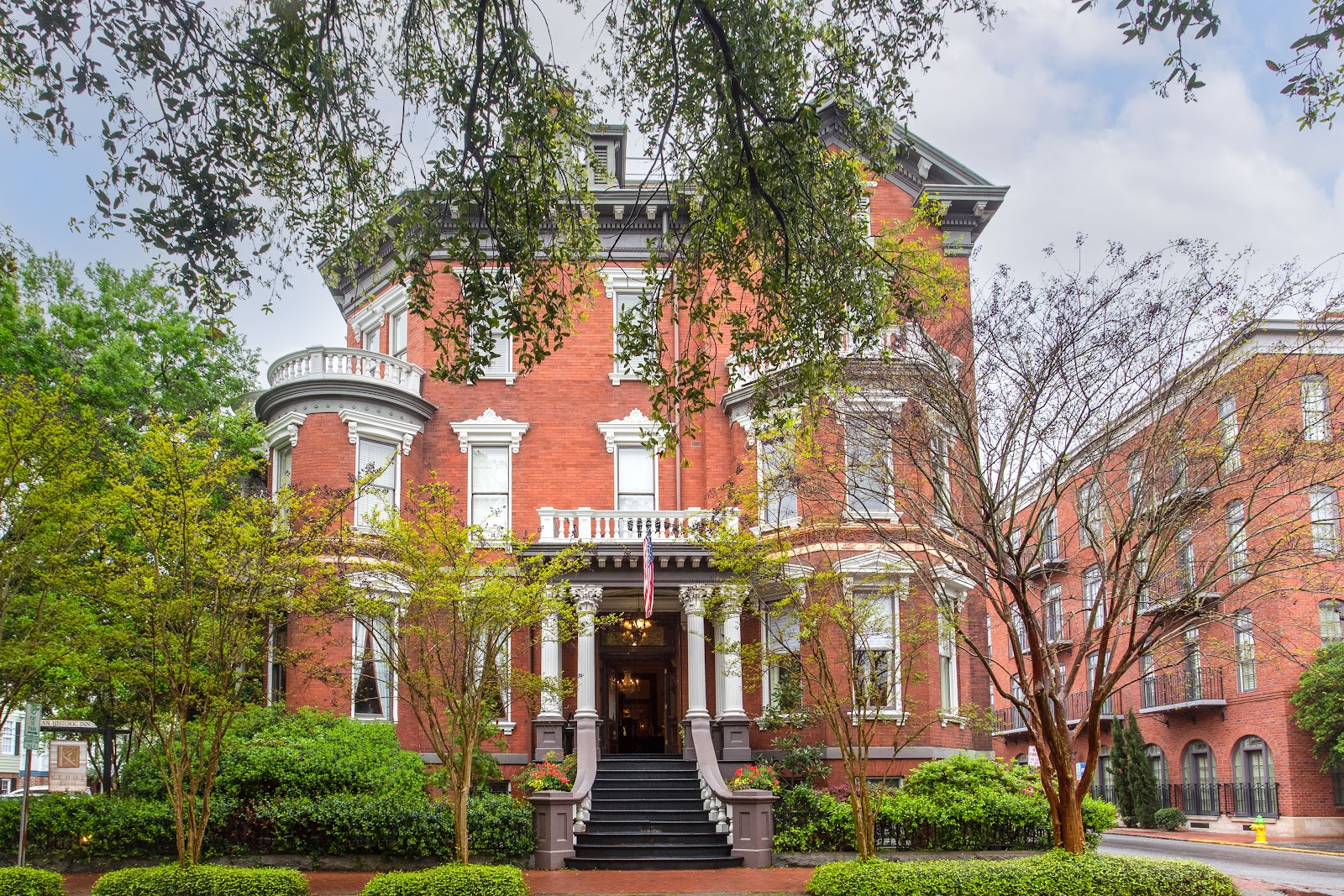
The Kehoe House: Who This Savannah Inn Suits
An 1892 Renaissance Revival mansion in red brick with cast-iron detailing, on Columbia Square, operating as a small luxury inn.
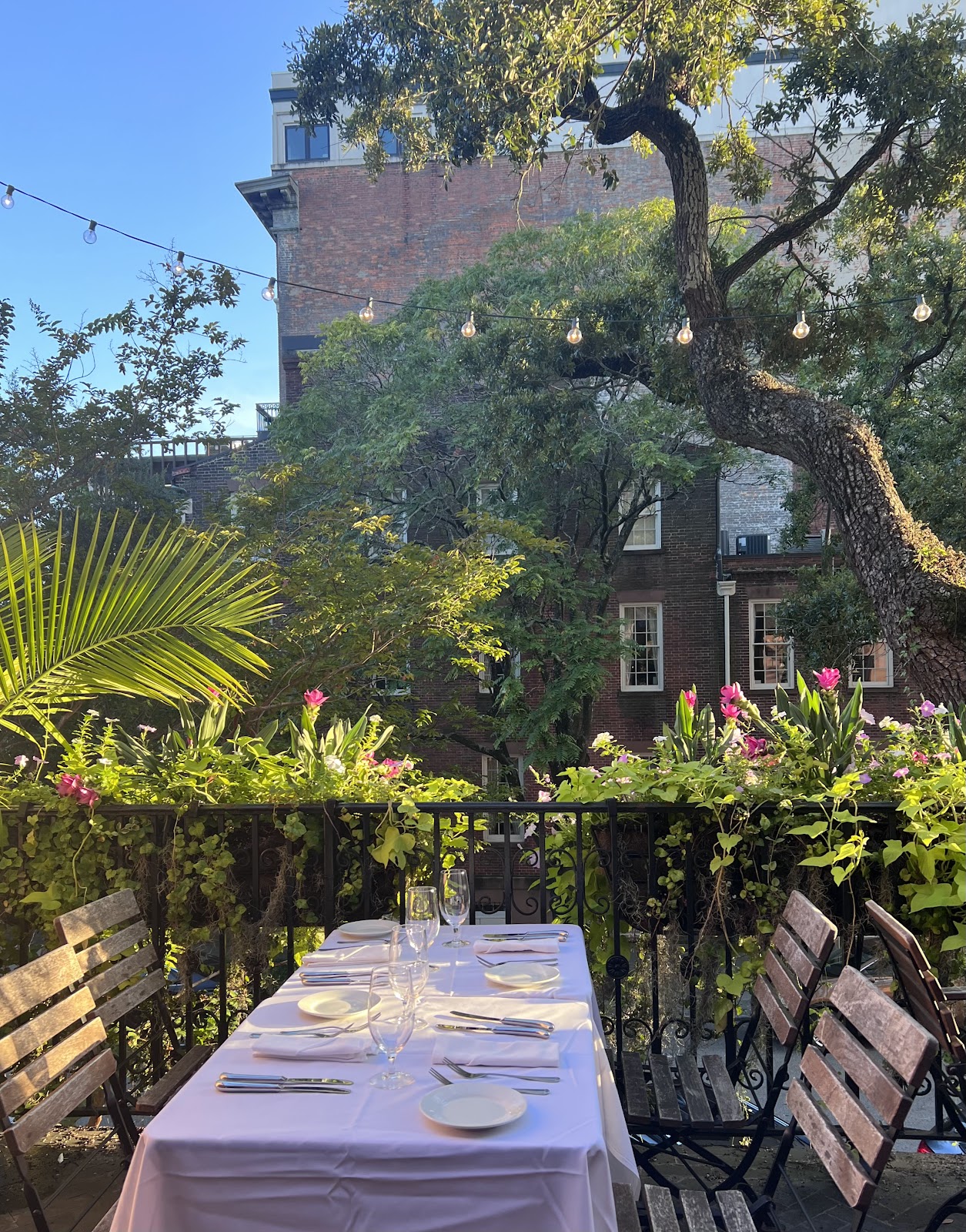
The Olde Pink House: Field Notes on a 1789 Georgian Mansion
Built 1789 on Reynolds Square, a Georgian mansion whose stucco has weathered pink from the brick beneath. Small candlelit rooms and a tavern basement.