Detroit gives a photographer one advantage that almost no other American city does, and it is worth planning around rather than noticing on the day: there is room to stand back. Substantial open ground and surface parking through the downtown mean a whole building can be photographed entire from across the street, in one frame, rather than in fragments. For a city with this much 1920s architecture — ornate theatre facades, monumental civic fronts, a tower with a marquee on it — that matters enormously, because those buildings were designed to be seen whole and in most cities they no longer can be.
It is the one circumstance where going wide is right: a couple small at the base of an entire elevation reads as a photograph about the building and the city. The same openness means low sun reaches street level across a wider area than in a canyon city, so the last ninety minutes deliver raking light on masonry from more positions than usual — and Detroit's radiating boulevards overlay the grid, so some streets take low sun at angles the grid streets never do, which is worth reading off a map before the day rather than discovering on foot.
The second thread through these guides is the theatre stock. Detroit was wealthy when its picture palaces and opera houses went up and it spent accordingly, which leaves an unusual concentration of dense, intact, three-dimensional ornament — and dense ornament has one rule that governs every frame near it. It reads as ornament only when light crosses it at an angle and casts a small shadow beside every element; under the flat, low, downward wash that house lighting provides, the most decorated ceiling in the state photographs as a dark field.
One source placed close to parallel with a surface brings all of it back, which makes it a one-light problem rather than an equipment problem. The corollary is the request worth making at every one of these venues and almost never made: whether the house lights can be brought up plain, white and undimmed, for a few minutes before guests arrive. That is the only chance to photograph a room as a room.
And Michigan's seasons are four real ones, with one winter fact that catches people out — snow turns a street into a very large reflector, so the tall windows at the base of a period building give softer, brighter and more even light in February than at any other time of year. Several of these venues are genuinely easier to photograph in winter than in summer, and the guides say so where that is true.
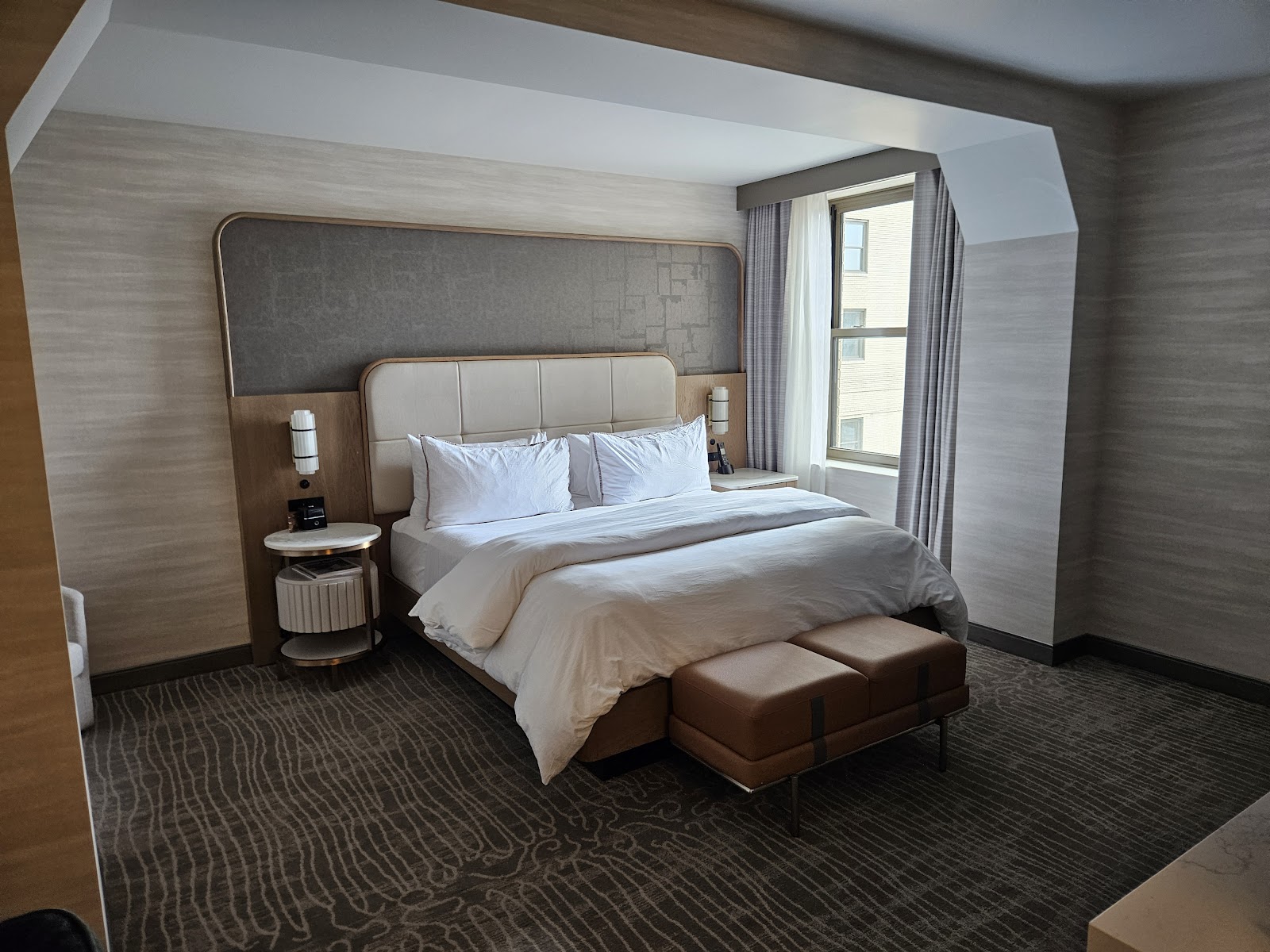
The Westin Book Cadillac, Detroit: A Walk Up Through a Restored 1924 Hotel
A 1924 Detroit hotel restored to its original grandeur, with period function rooms and a tower above them.
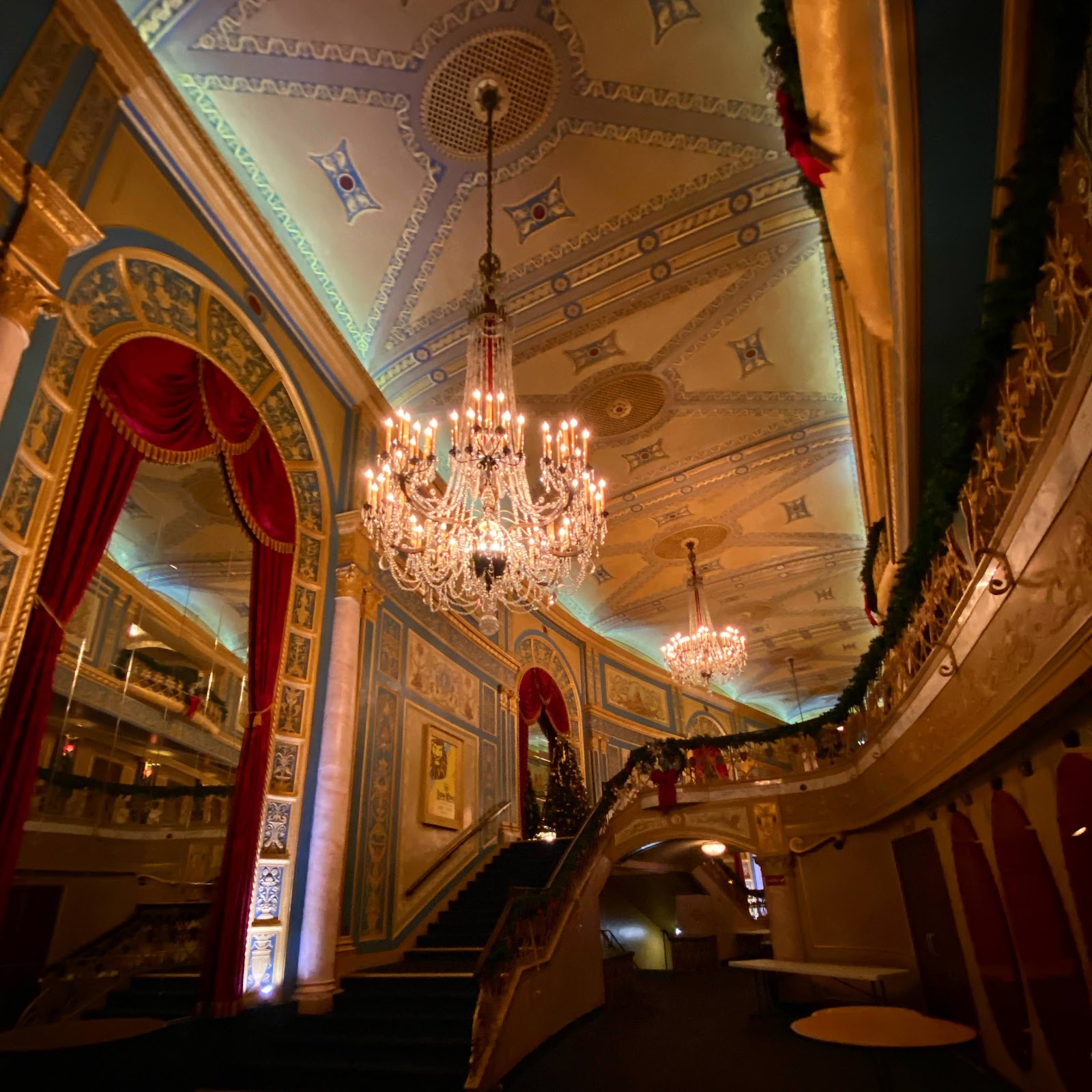
The Detroit Opera House: A Walk Through a Restored Opera House
A restored opera house in Detroit, with a grand lobby, tiered auditorium and stage.
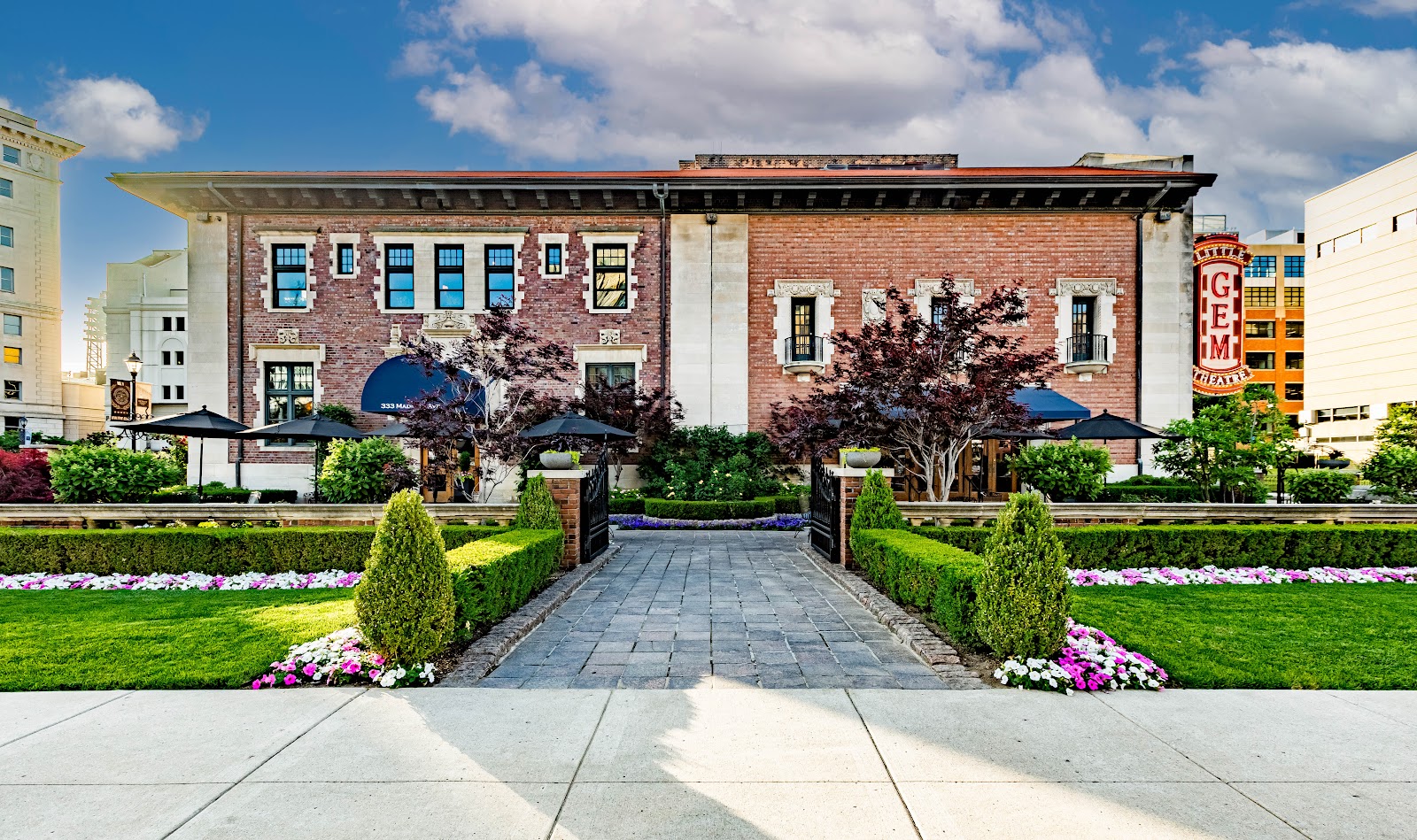
The Gem Theatre, Detroit: The One Decision That Governs Everything
A small historic theatre in downtown Detroit, dramatic and intimately nostalgic in character.
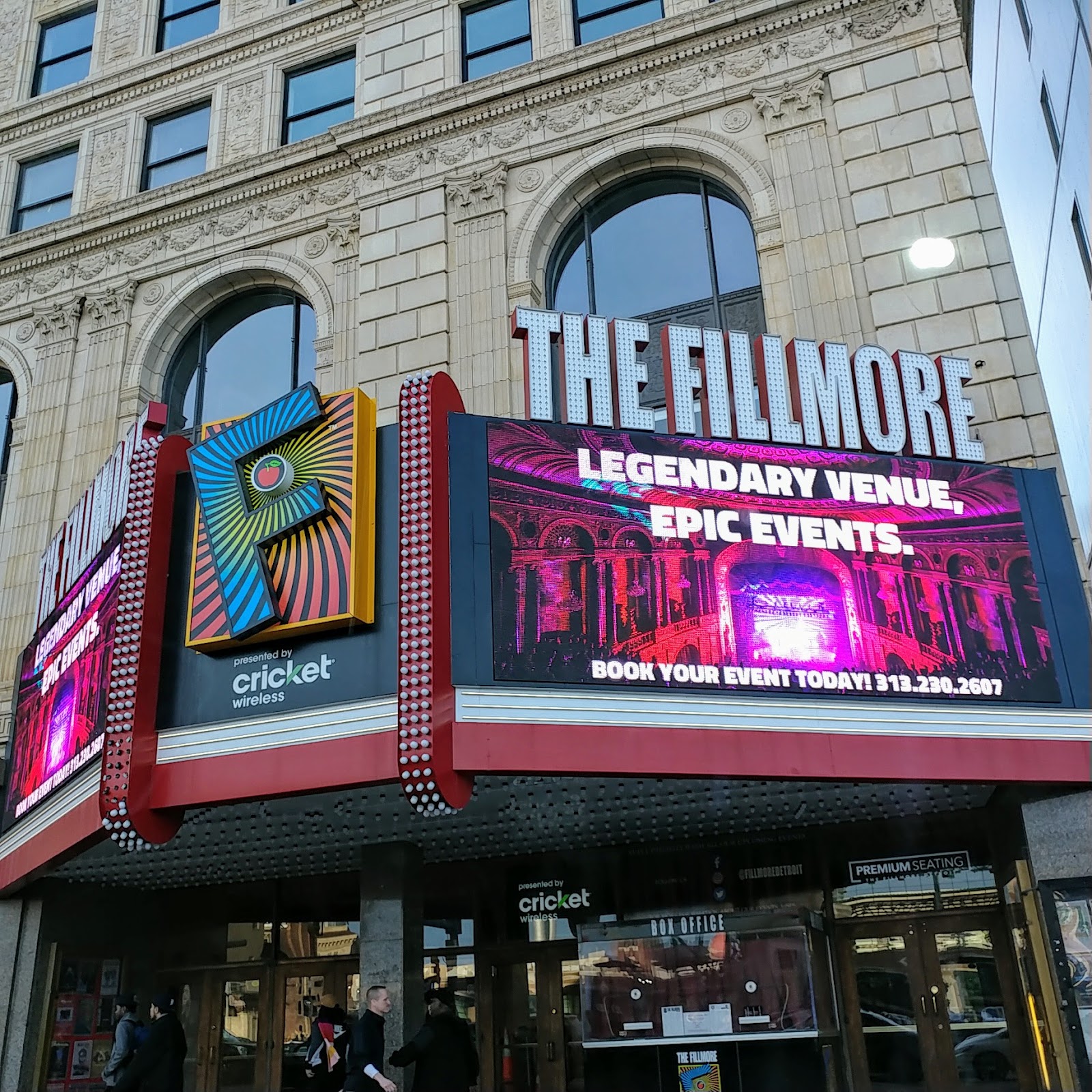
The Fillmore Detroit: The One Decision That Governs Everything
A historic Detroit theatre with a grand lobby of soaring ceilings and ornate chandeliers, now working as a music venue.
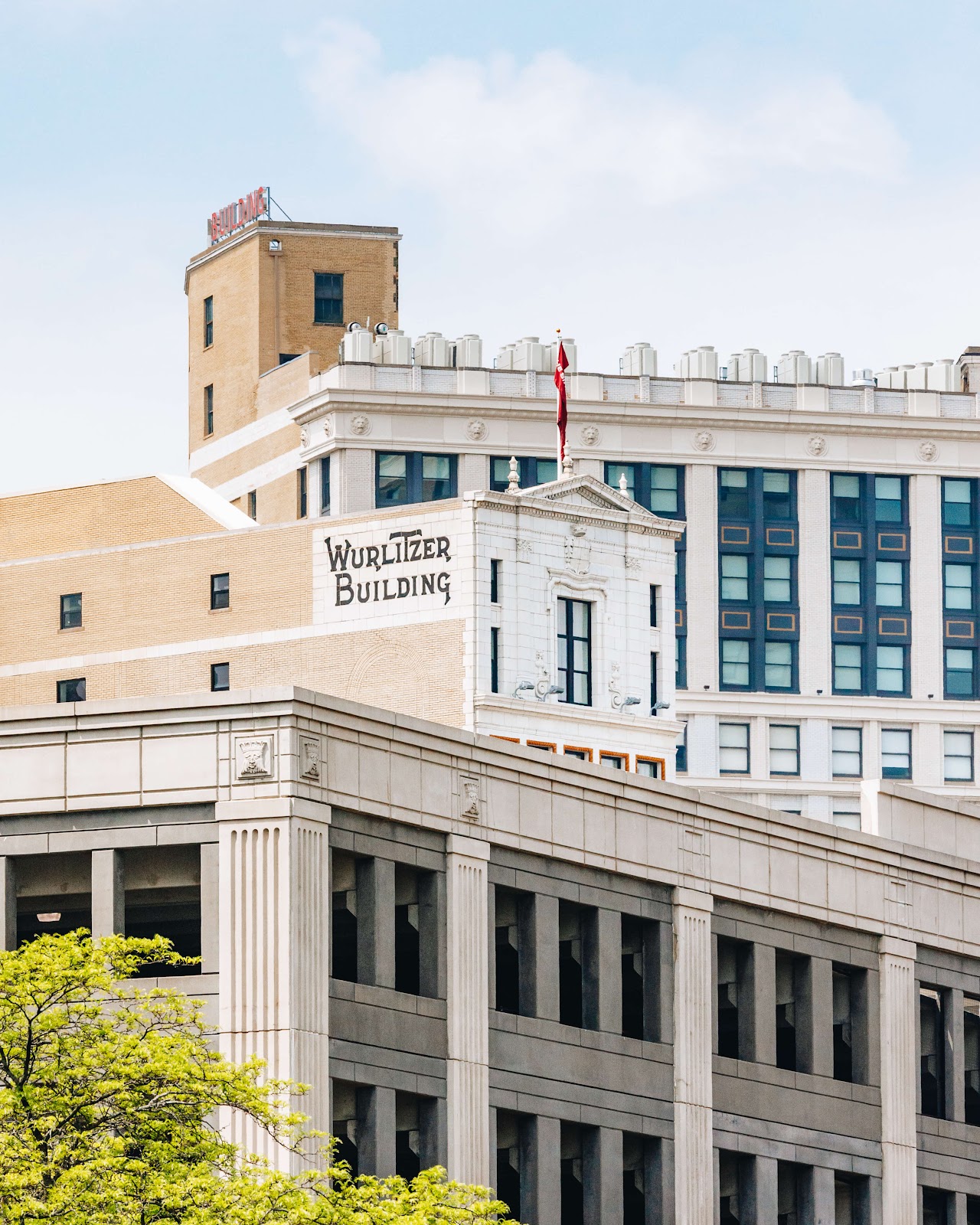
The Siren Hotel, Detroit: What It Suits and What It Does Not
A boutique hotel in downtown Detroit, with a character that is both vintage and refreshingly modern.
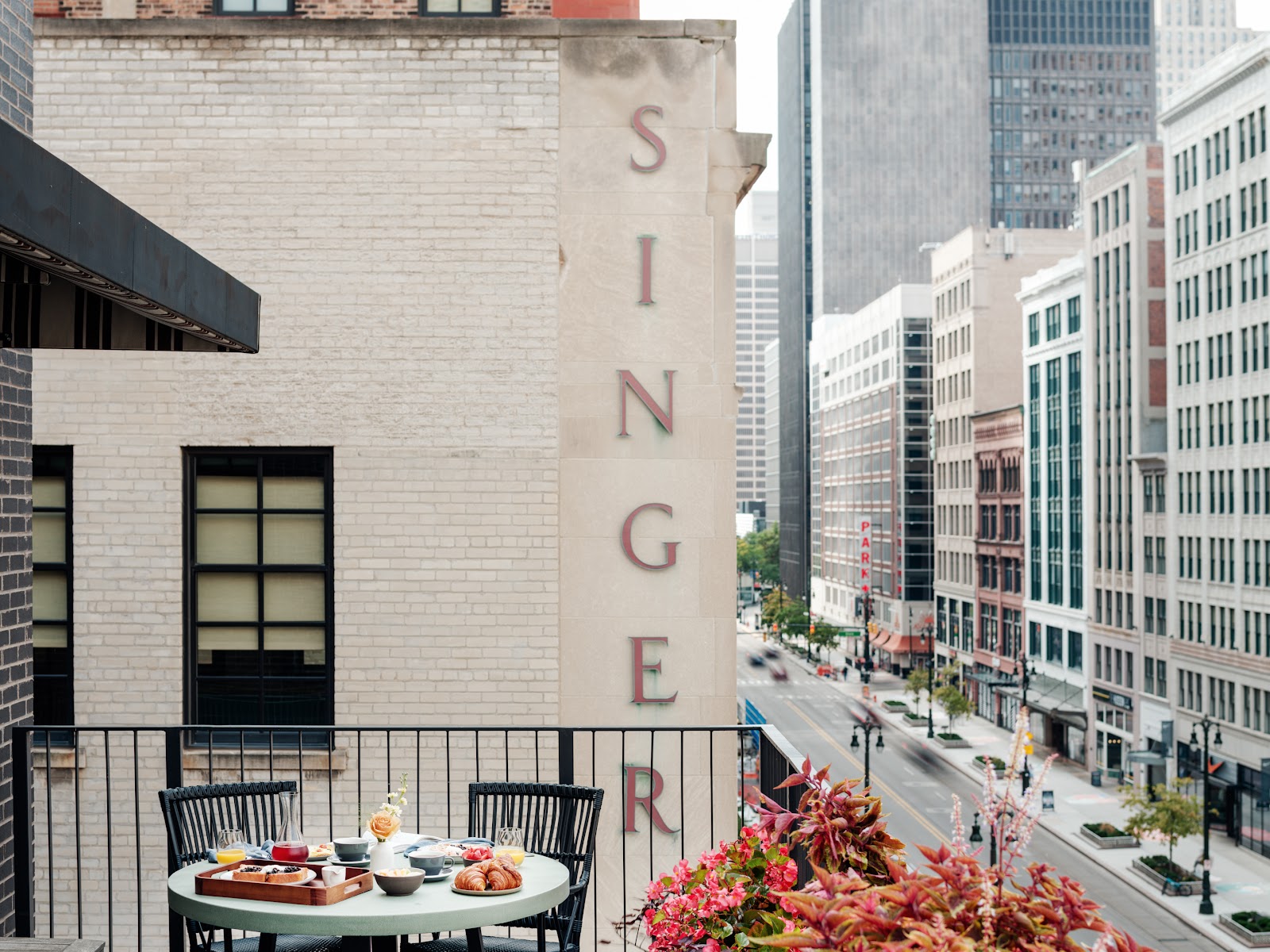
The Shinola Hotel, Detroit: What It Suits and What It Does Not
A design-led hotel in Detroit's historic Woodward shopping district, with considered interiors and period buildings around it.
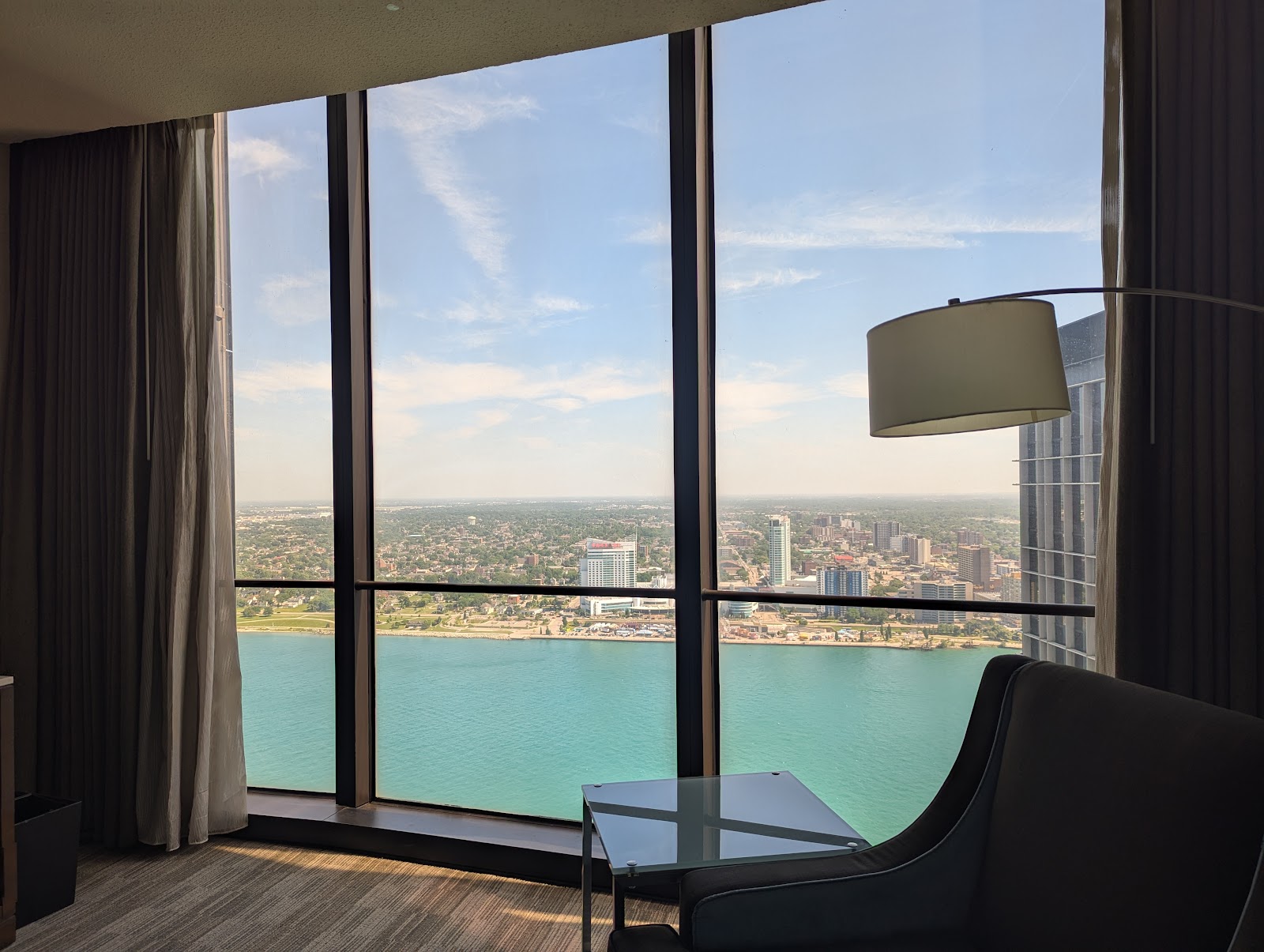
The Detroit Marriott at the Renaissance Center: What It Suits and What It Does Not
A hotel within a riverfront tower complex in Detroit, with modern architecture and a prominent place in the skyline.
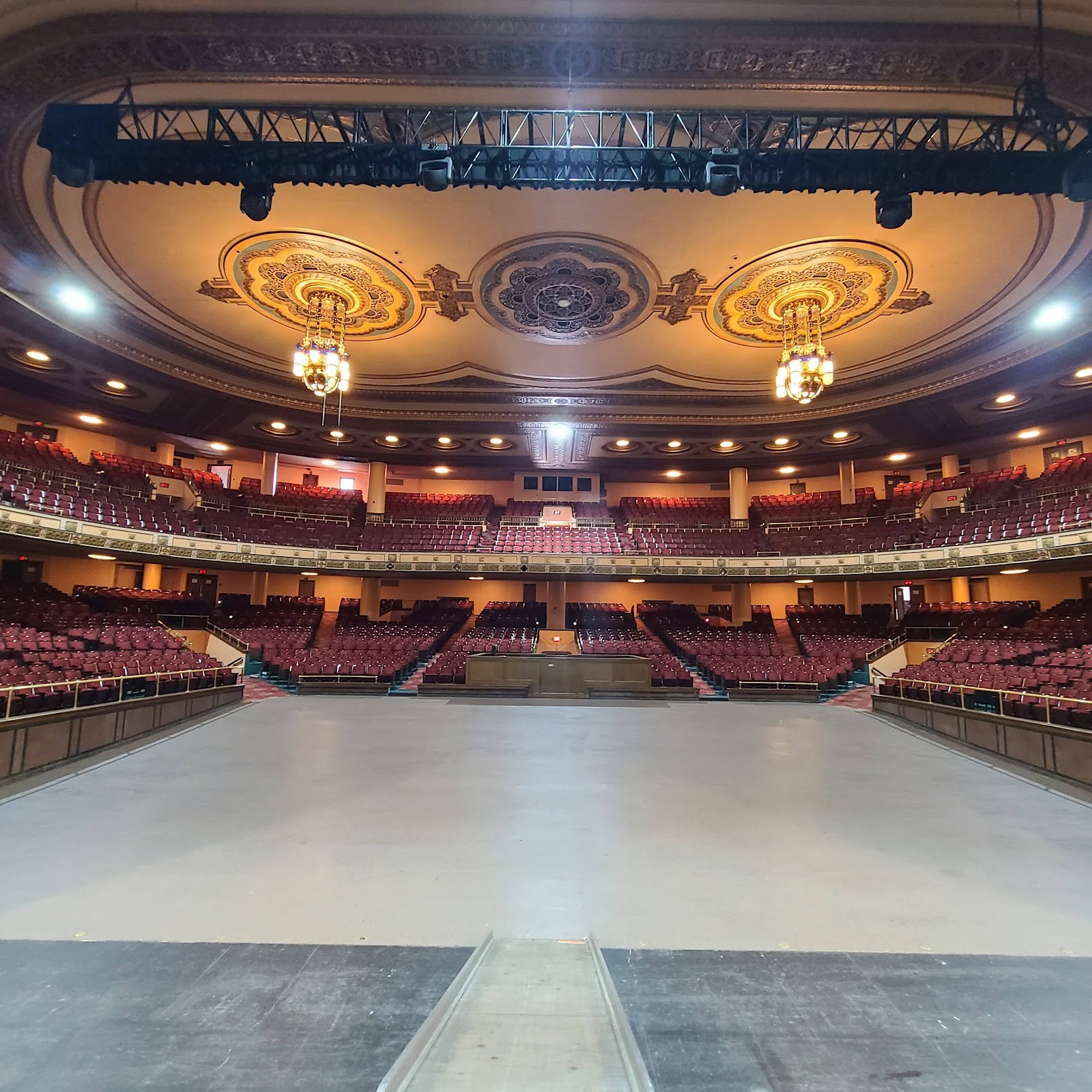
The Masonic Temple, Detroit: One Frame and How It Is Made
An enormous temple building in Detroit with many event spaces, including a chapel with old-world character.
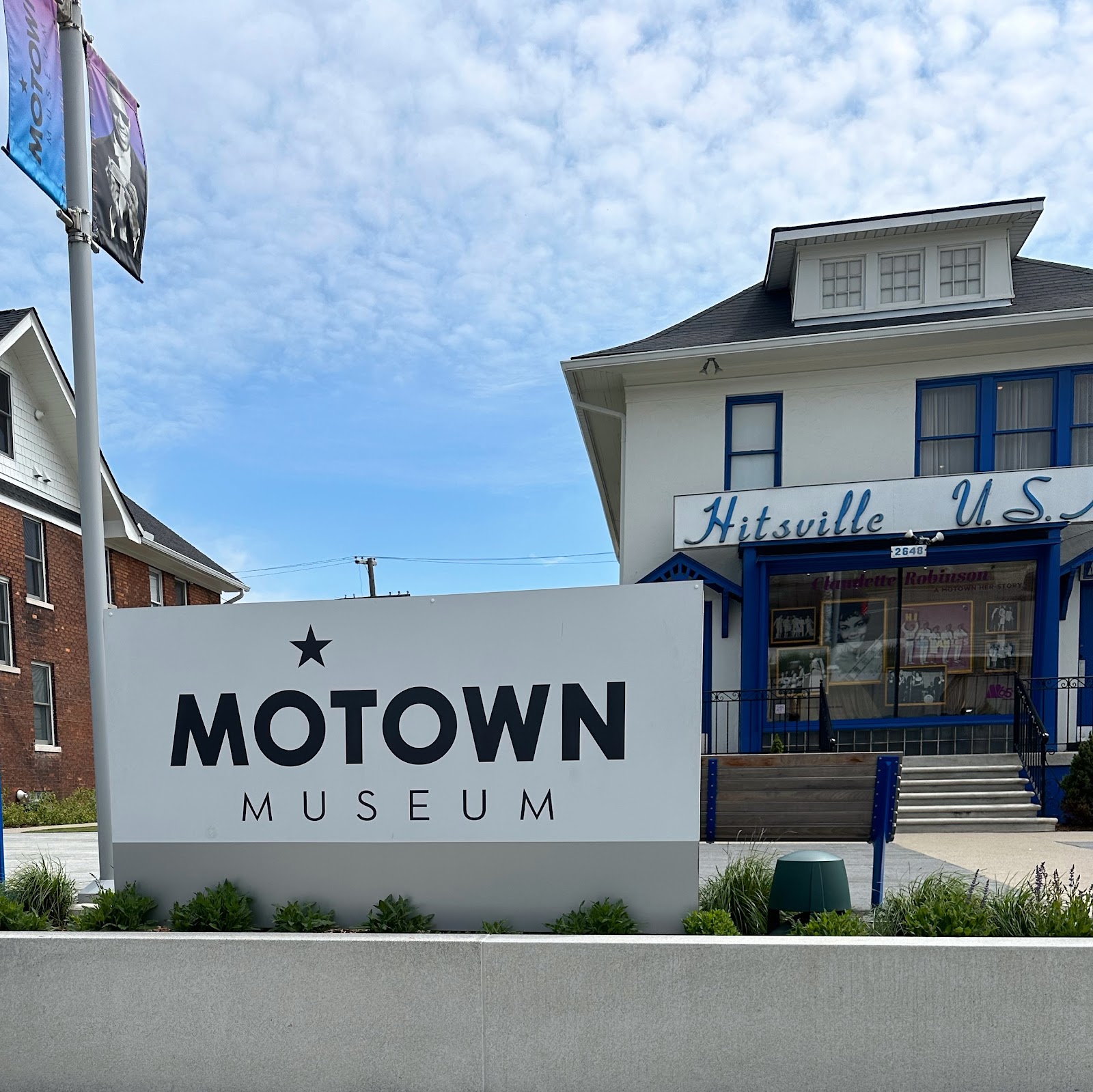
The Motown Museum, Detroit: One Frame and How It Is Made
A museum housed in a small Detroit residential building, where the atmosphere and the music are the attraction.
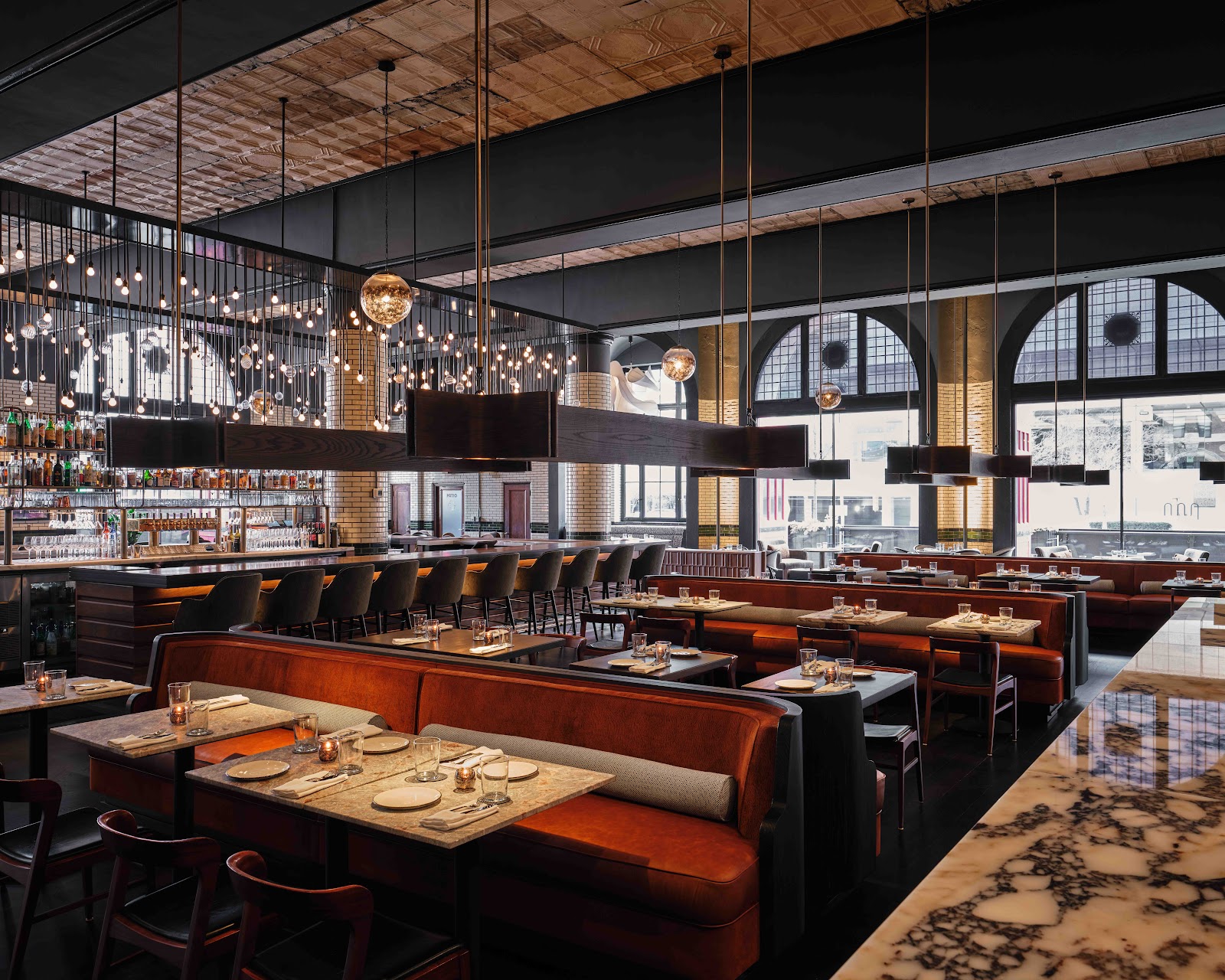
The Foundation Hotel, Detroit: Field Notes on a Civic Conversion
A hotel in a converted historic Detroit civic building, with stylish contemporary interiors inside a period shell.
- 1
- 2