Alabama runs from the Gulf of Mexico to the southern end of the Appalachians, which is further than it sounds photographically. On the coast, live oak is the best shade tree in this guide — dense, broad, low-spreading and evergreen, with Spanish moss hanging from it that transmits light and glows when backlit — and the beaches are nearly pure white quartz, as bright as snow and fooling every meter. In the Black Belt the soil is dark prairie clay, the ground is open grassland and the sightlines are long. In the northeast the Appalachian ridges give the state's highest ground and its best autumn.
And across most of the middle, it is pine country, which matters more than anything: southern pine filters rather than blocks, so a stand looks like woodland and behaves like a colonnade. Finding the magnolia and the hardwoods is the first job at almost every venue here.
Three things run through the guides below. Humidity is a working condition rather than weather: it softens contrast, reduces clarity at distance so a July ridge view is a grey wash where a January one is sharp, and warms and diffuses the light at the ends of the day into something long and gentle. The calendar runs late — hardwood colour arrives from the last week of October into mid-November, weeks after New England, which makes late October and early November the best dates at almost every venue in this state.
And severe weather is real rather than a footnote: Alabama sits in one of the most tornado-prone regions in the country, with a pronounced spring peak from March through May and a second in November, which makes a named covered alternative with real capacity a requirement rather than a courtesy. Each guide names the shade, the hour, the exposure decision and the covered alternative, and says plainly where the shade is not. We have not photographed at every venue here, and where we have not, we say so.
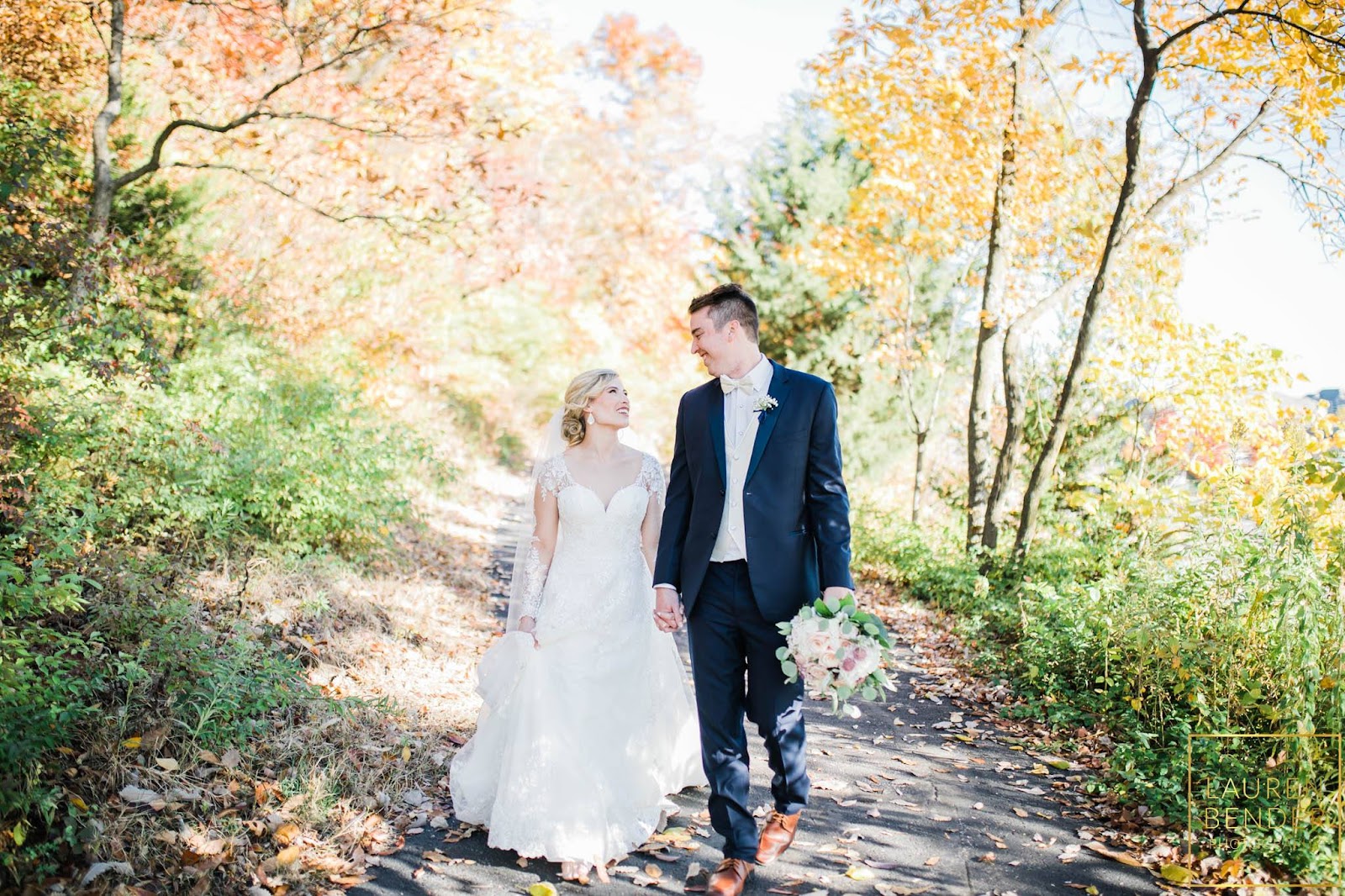
Venue at Willow Creek, Huntsville: The Problem, and Four Ways Out
A venue at the edge of a growing north Alabama city — rural in character, with development at the property line.
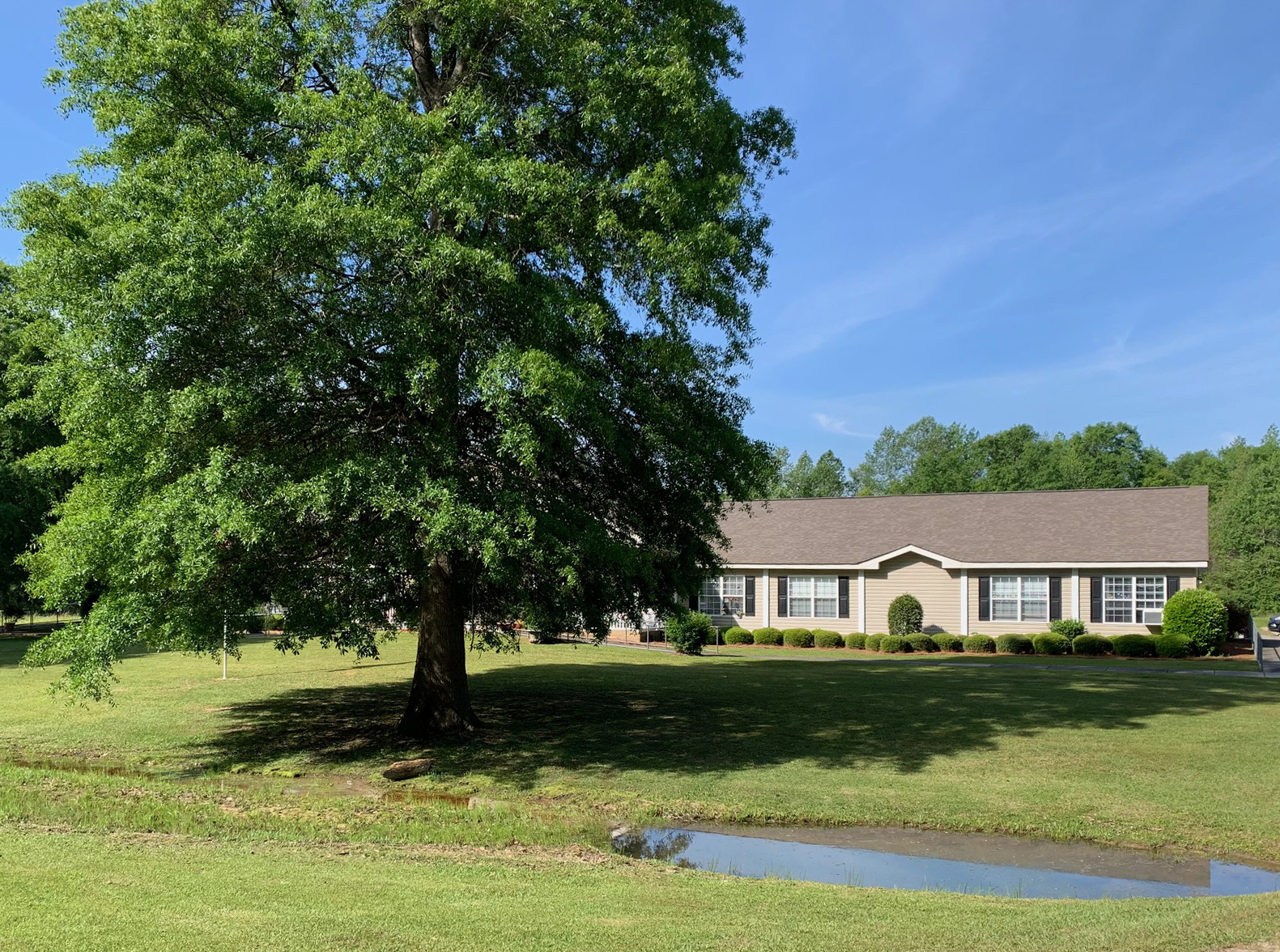
Springs at the 191, Clanton: Field Notes
A spring-fed site in central Alabama — where the water is clear rather than brown, which changes everything about how it photographs.
Retreat at Yellowhammer, Athens: What It Suits and What It Does Not
A purpose-built outdoor venue in the Tennessee valley — designed for weddings, which cuts both ways.
Estate at Shoal Creek, Stemley: What It Suits and What It Does Not
A private estate beside a creek in east Alabama — exclusive, wooded and watered, which suits some weddings much better than others.
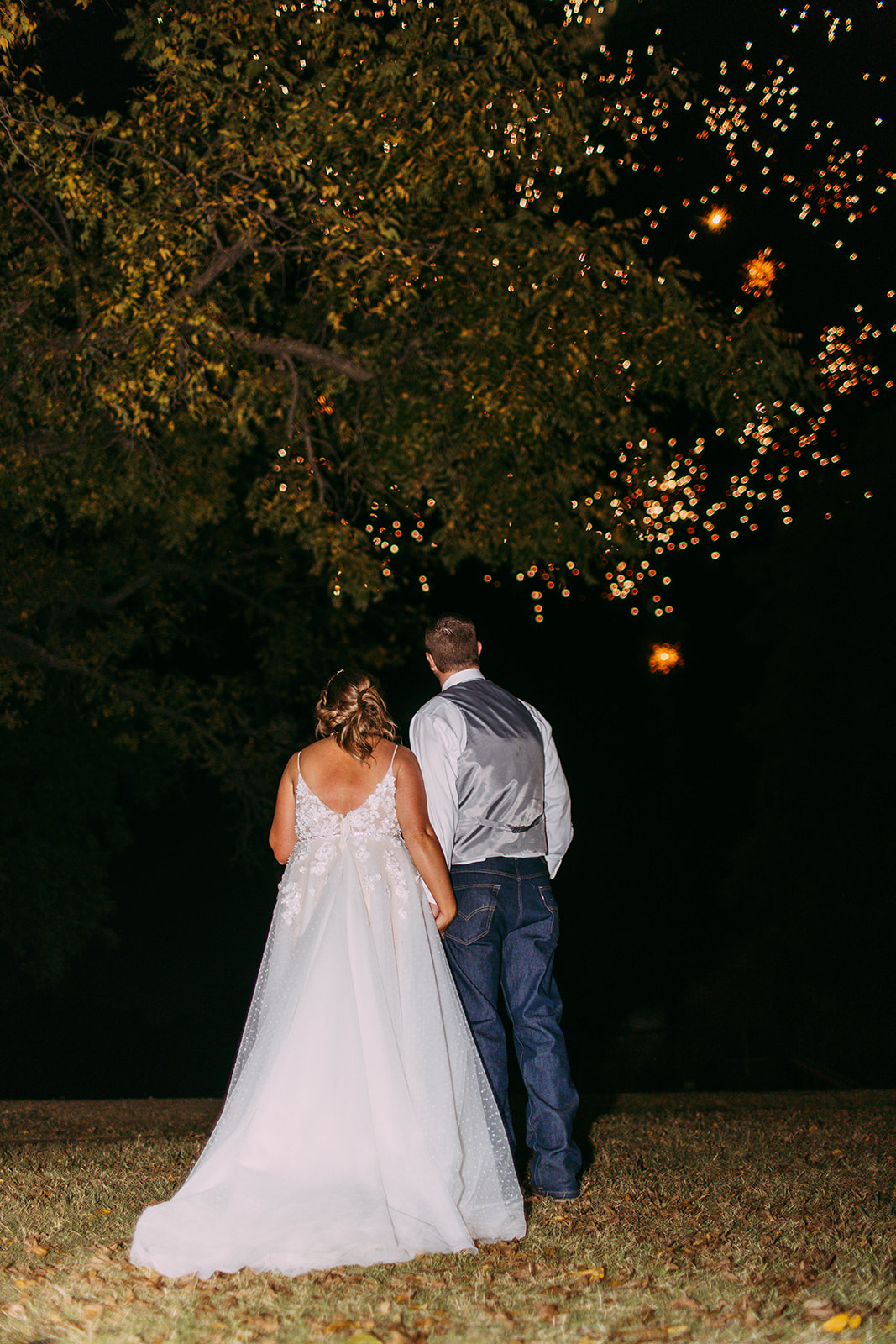
Barn at Woodland Trail, Cherokee: The One Decision That Governs Everything
A barn venue in northwest Alabama — and one decision, made months in advance, that shapes the whole set of photographs.
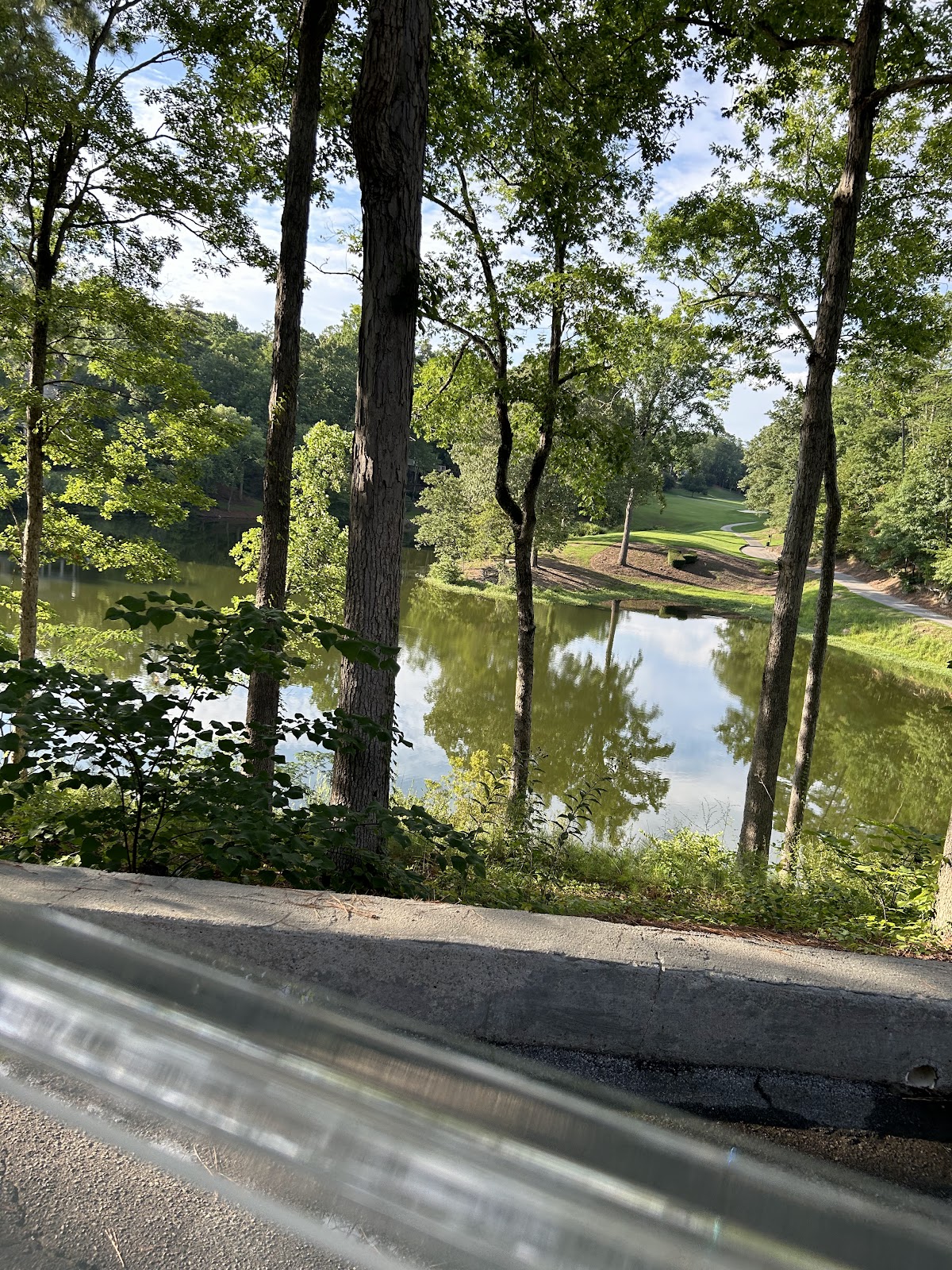
Riverchase Golf Club, Hoover: What It Suits and What It Does Not
A golf club outside Birmingham — a manicured landscape with genuine advantages and one persistent limitation.
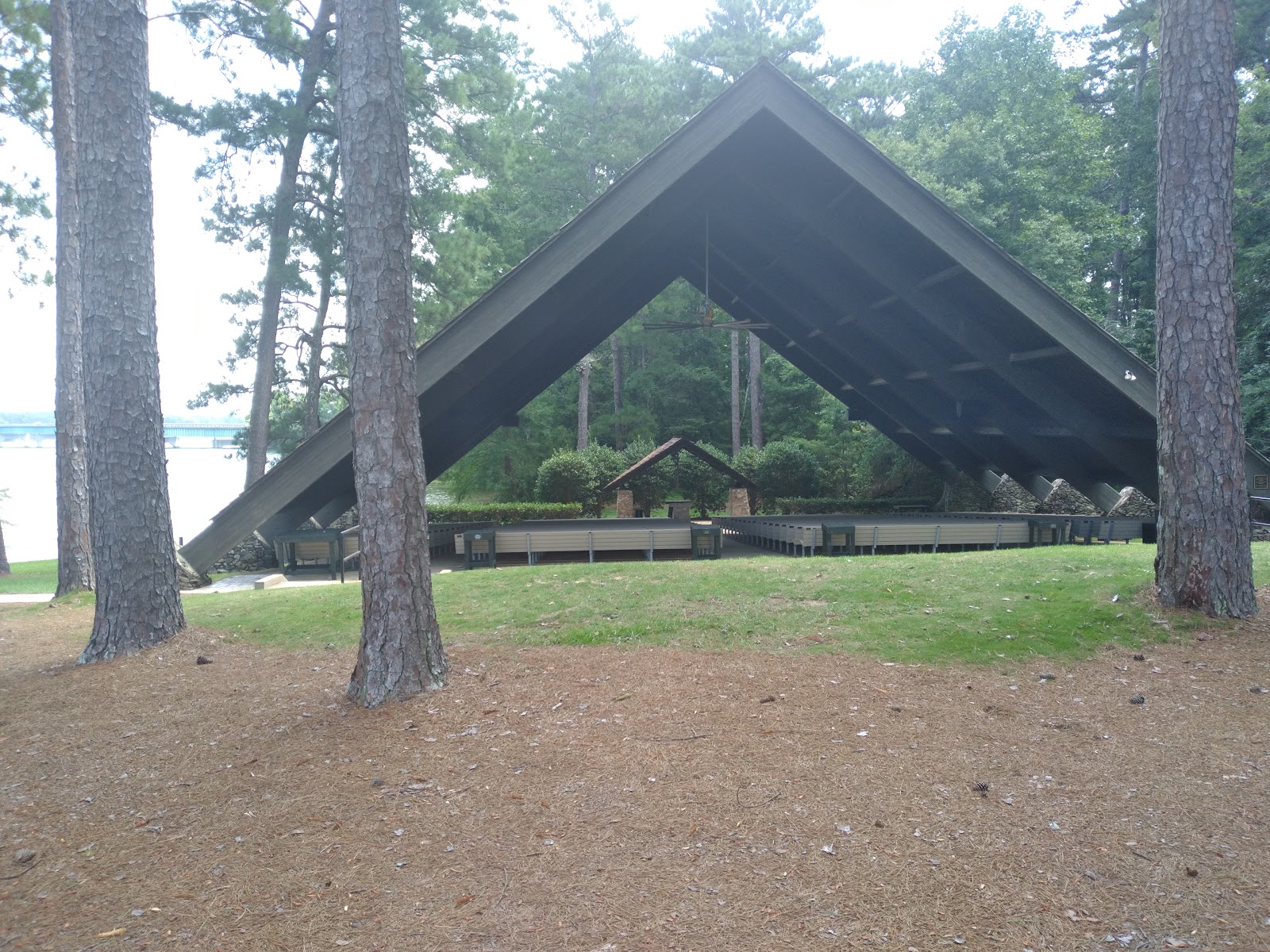
Pines at Lake Martin, Dadeville: The Problem, and Four Ways Out
A lakeside venue in Alabama pine country — where the trees look like shade and are not.
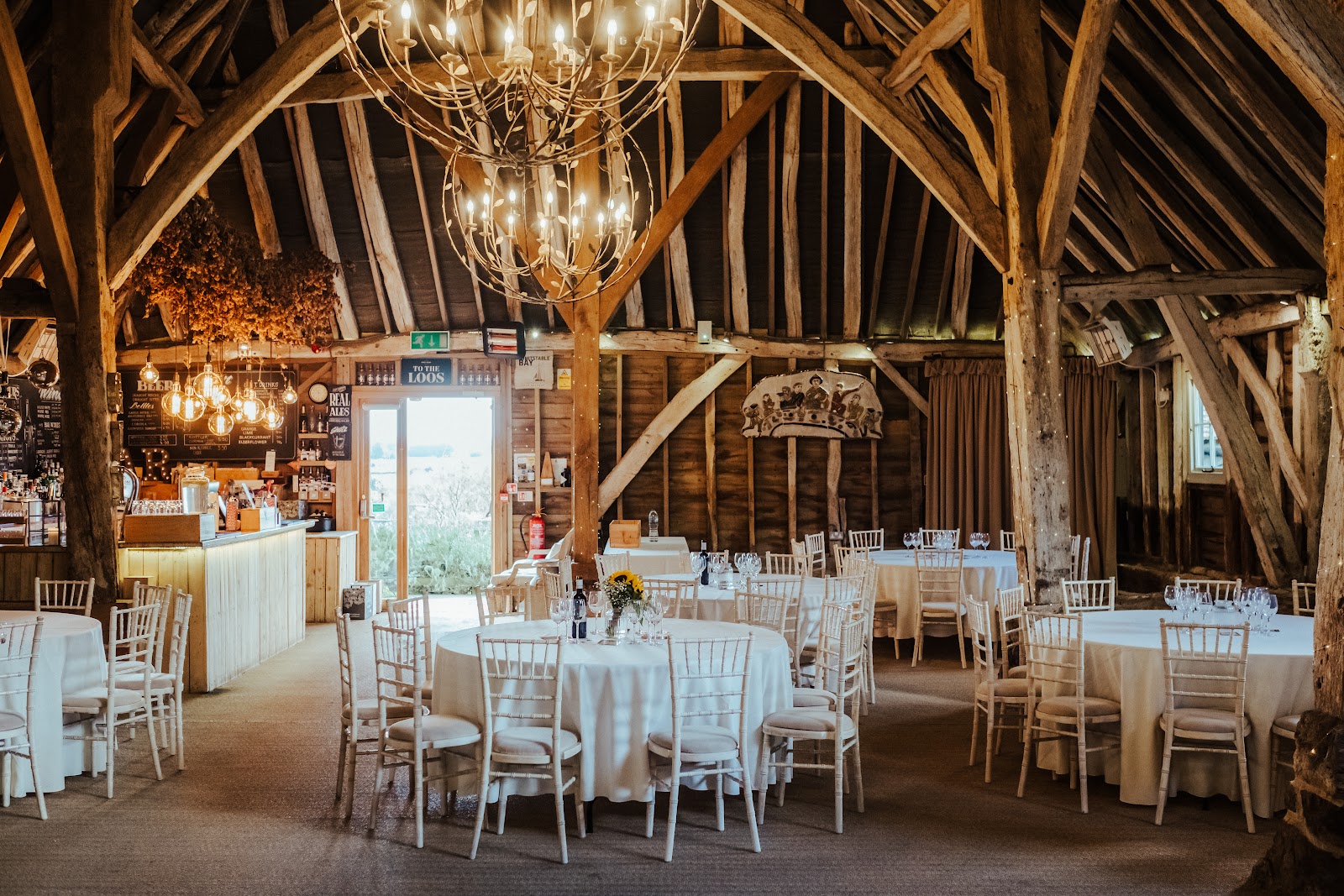
Barn at Harrison Farm, Ashford: The Site’s Own Logic
A farm venue in southeast Alabama — flat, sandy, pine country with an enormous sky and a working calendar.
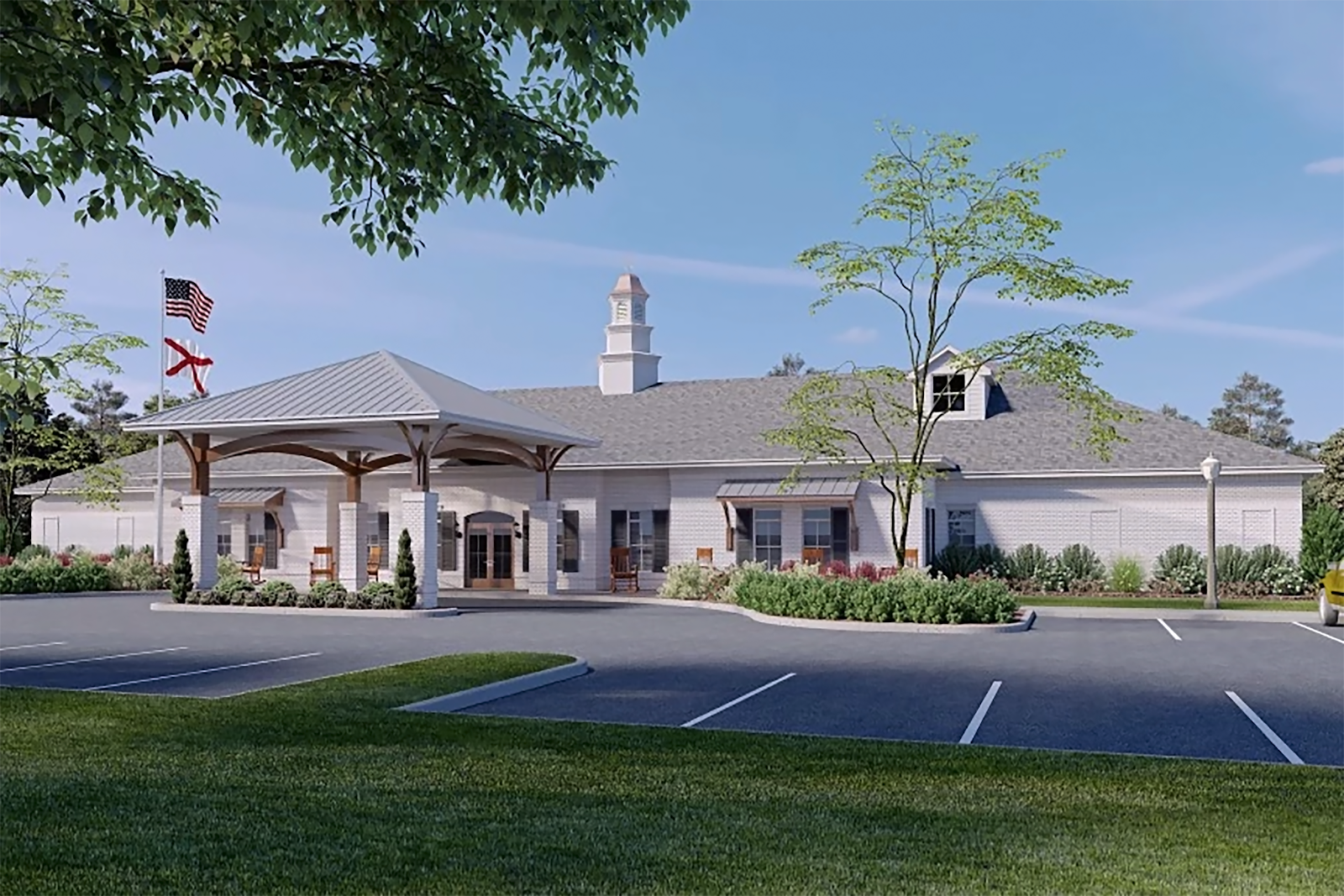
Carillon at Forte, Prattville: One Frame, and How It Is Made
A converted mill building in central Alabama, and the one frame a thick brick wall gives that nothing else can.
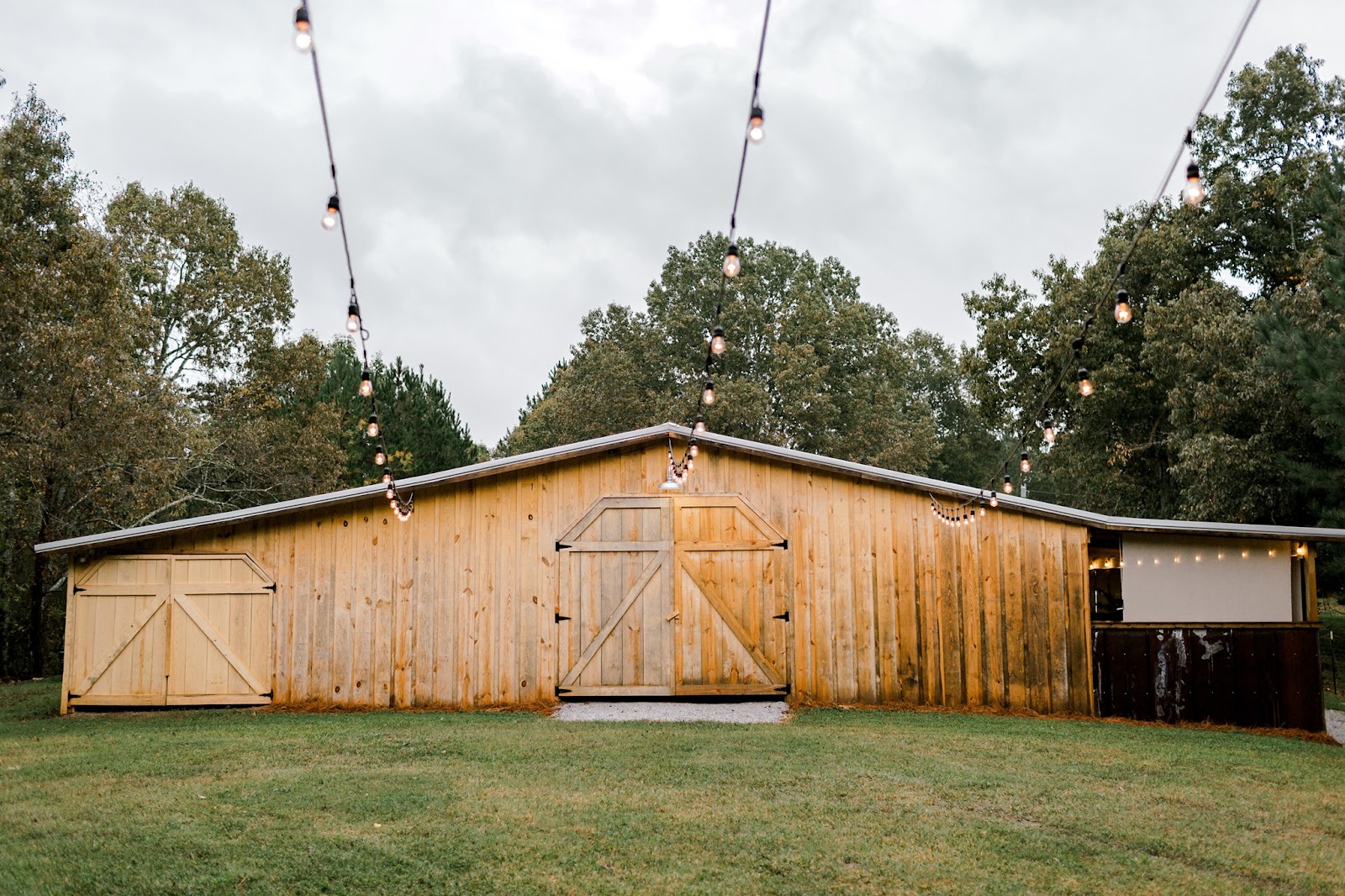
Stone Ridge Venue, Heflin: The Problem, and Four Ways Out
A ridge venue in the Alabama Appalachian foothills — where the view is real and the humidity decides whether it photographs.