 Venue at Willow Creek, Huntsville: The Problem, and Four Ways Out
Barn at Harrison Farm, Ashford: The Site’s Own Logic
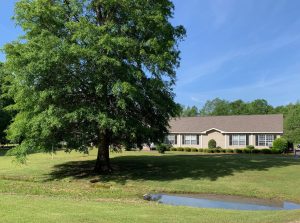
Flat ground, pale sandy soil and longleaf pine. The sky is most of the picture.
A farm in southeast Alabama’s Wiregrass region has a logic that comes from its geography, and it is unlike the hill-country farms further north in this state.
It is flat. This is coastal plain rather than foothill country — gently rolling at most — which means there are no ridges to block the sun, no valleys to shorten the day and no terrain to compress on a long lens. What there is instead is sky, and a great deal of it.
The ground is sandy and pale. Coastal plain soils here are light-coloured sandy loam rather than the strong red clay of north Alabama, which means the ground is an efficient reflector: it throws light upward into faces, fills the shadows a high sun carves, and misleads every meter in the direction of underexposure.
The trees are pine. This is longleaf and slash pine country — tall, straight, high-crowned trees with long needles and open canopies — which means the woodland filters rather than blocks and gives very little useful shade. A pine stand dapples, and the patches are fine-edged because the needles are.
And it is a working farm, which means the calendar is agricultural rather than decorative: peanuts and cotton are the region’s crops, which turn a field into a different landscape between June and November.
Those four facts produce a site whose character is space, sky and light rather than enclosure and shade — and whose best frames are wide and low rather than compressed and layered.
We have not photographed a wedding at the Barn at Harrison Farm; Wiregrass farm venues behave consistently. Which buildings and areas are included, whether the barn is cooled, the covered alternative, what power is available at the field positions, and what the farm will be doing on the date are questions for their team.
Barn at Harrison Farm at a glance
| Where | Flat sandy farmland in southeast Alabama’s Wiregrass region |
| The ground | Pale sandy soil — it bounces light upward and underexposes every meter |
| The trees | Longleaf and slash pine: high open canopies that dapple rather than shade |
| The sky | Flat land means the sky is most of the picture |
| Ask first | Buildings included, barn cooling, field power, farm work on the date |
The ground, the sky and the pines
The sandy ground is the first thing to handle and it does three things at once.
It underexposes every meter. A large area of pale soil or stubble in frame pulls the exposure down, which gives grey ground and dark faces — so metering on skin, working in manual, and exposing deliberately brighter than the camera suggests is the rule. The check is the highlights: the ground should read pale with texture in it, not grey and not blank.
It fills from below. Light bouncing off pale soil reaches into the eye sockets and under the brow, which reduces the contrast of a midday portrait considerably — genuinely useful in a region with a high summer sun — at the cost of lighting the underside of the chin. The diagnosis is to look at the chin in the first frame, and something solid on one side corrects it.
And it is near-neutral in colour, unlike the red clay of north Alabama, which means the fill it gives needs no white balance correction. That is a real advantage: a subject standing on pale sandy ground in open shade is lit from above by sky and from below by the ground in roughly the same colour.
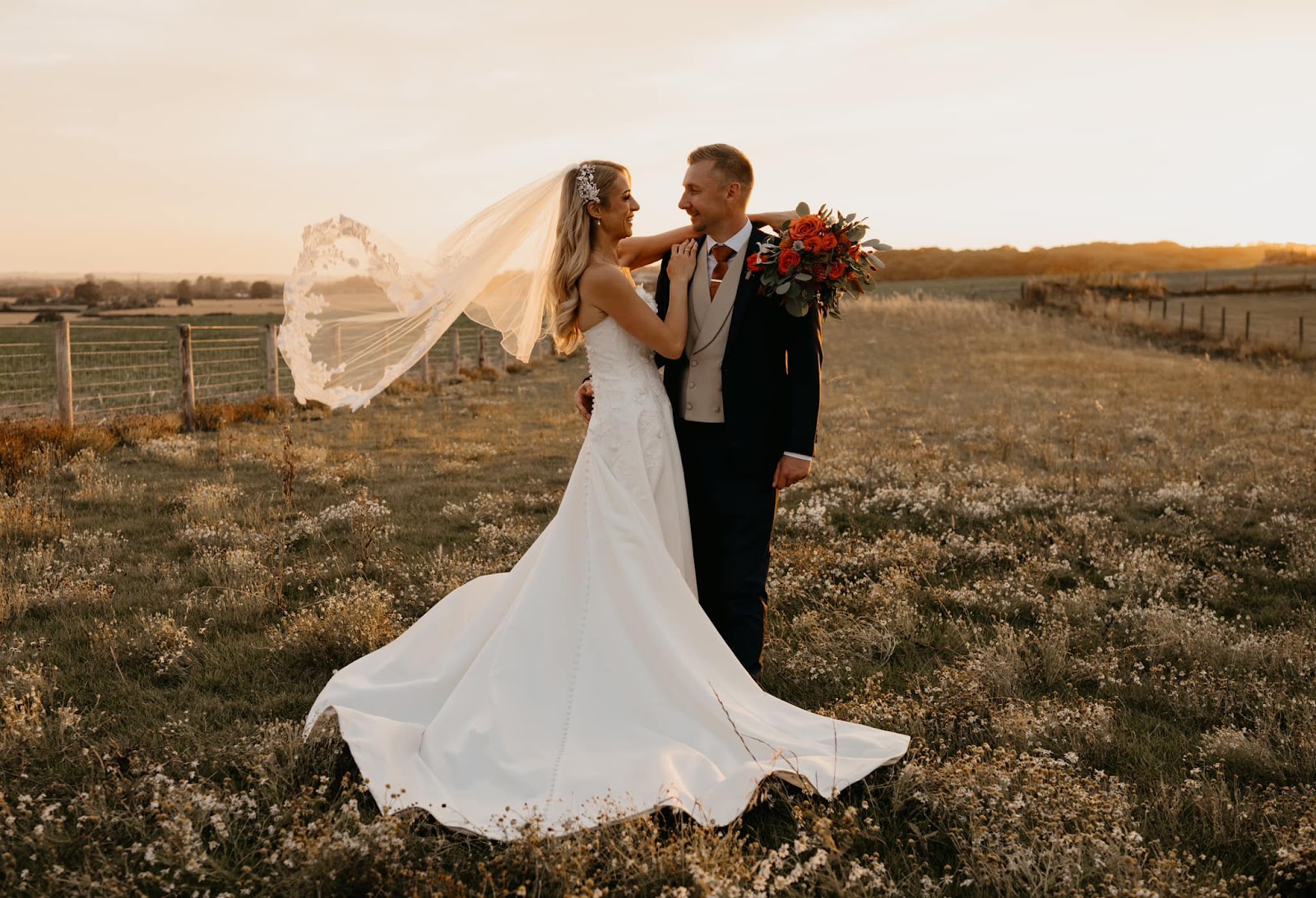
The sky is the second element and on flat land it is the compositional subject rather than a backdrop. A low camera with the ground across the bottom third of the frame and sky filling the rest gives a composition that hill country cannot — and in a region with dramatic convective cloud through much of the year, the sky is frequently the most interesting thing in the picture.
That means watching the sky rather than the ground when choosing where to stand, and making the frames when the cloud is good rather than waiting for a schedule. Flat land also means the sun sets at roughly the time a table predicts and the last hour lasts its full length, which is a genuine advantage over the ridge and valley venues elsewhere in this guide.
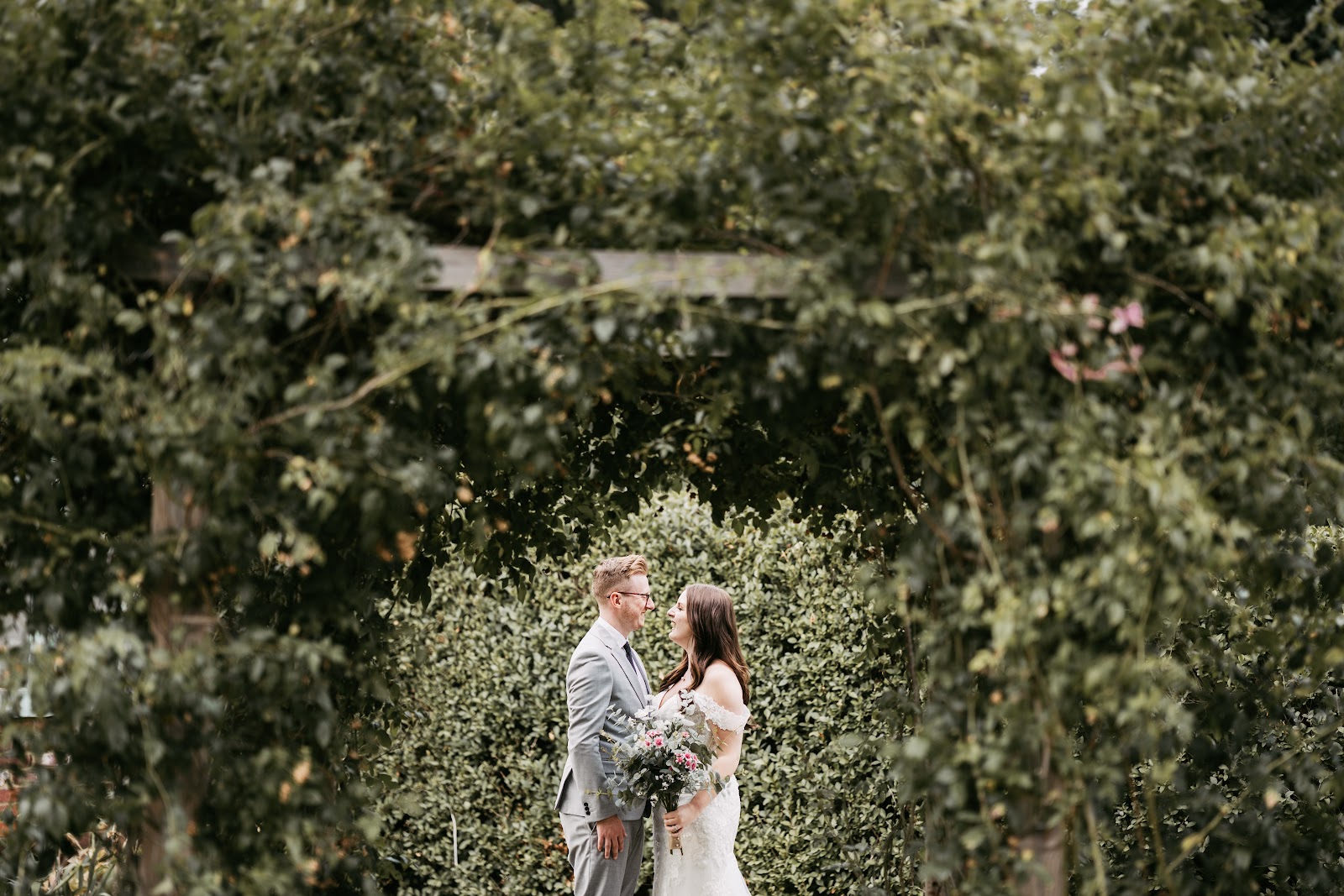
The pines are the third element and the honest note is that they are not shade. Longleaf pine grows tall and straight with the crown high on the trunk and long needles that filter rather than block — which means light comes through a pine stand almost unimpeded in fine hard patches, and a face under one on a clear day is dappled.
The test is universal and it fails often here: look at the face rather than the ground, and a bright patch on skin means move a metre, which in an open pine stand frequently does not help.
What pine gives instead is structure and a background. A stand of tall straight trunks receding into depth is a strong repeating vertical pattern, and the bark is dark enough to give two or three stops of separation behind a subject. Used as a background on a longer lens rather than as shade, it is genuinely useful — and longleaf pine in particular reads as this region rather than anywhere generically rural.
The wiregrass and groundcover beneath a pine stand is the region’s other characteristic: fine, pale, bunched grass that in low raking light glows and has texture in every blade. Composed low as a foreground layer it places a frame precisely here.
The metering trap is the standard one and it runs both ways on this site: dark pine bark and dark barn timber make a meter overexpose a face, and pale sandy ground and a bright sky make it underexpose. Manual, metered on skin, reset at every transition.
The barn, the crops and the humid evening
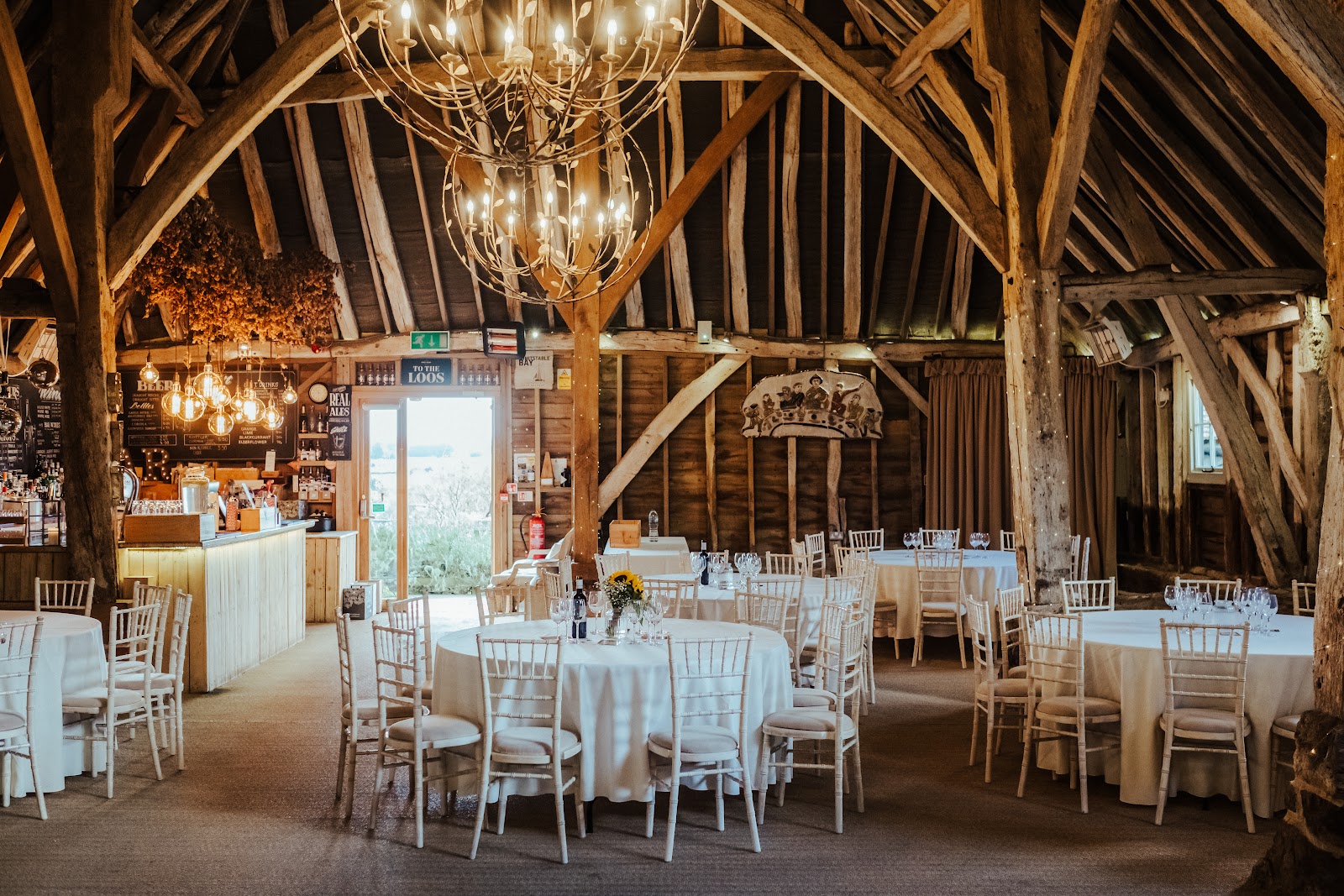
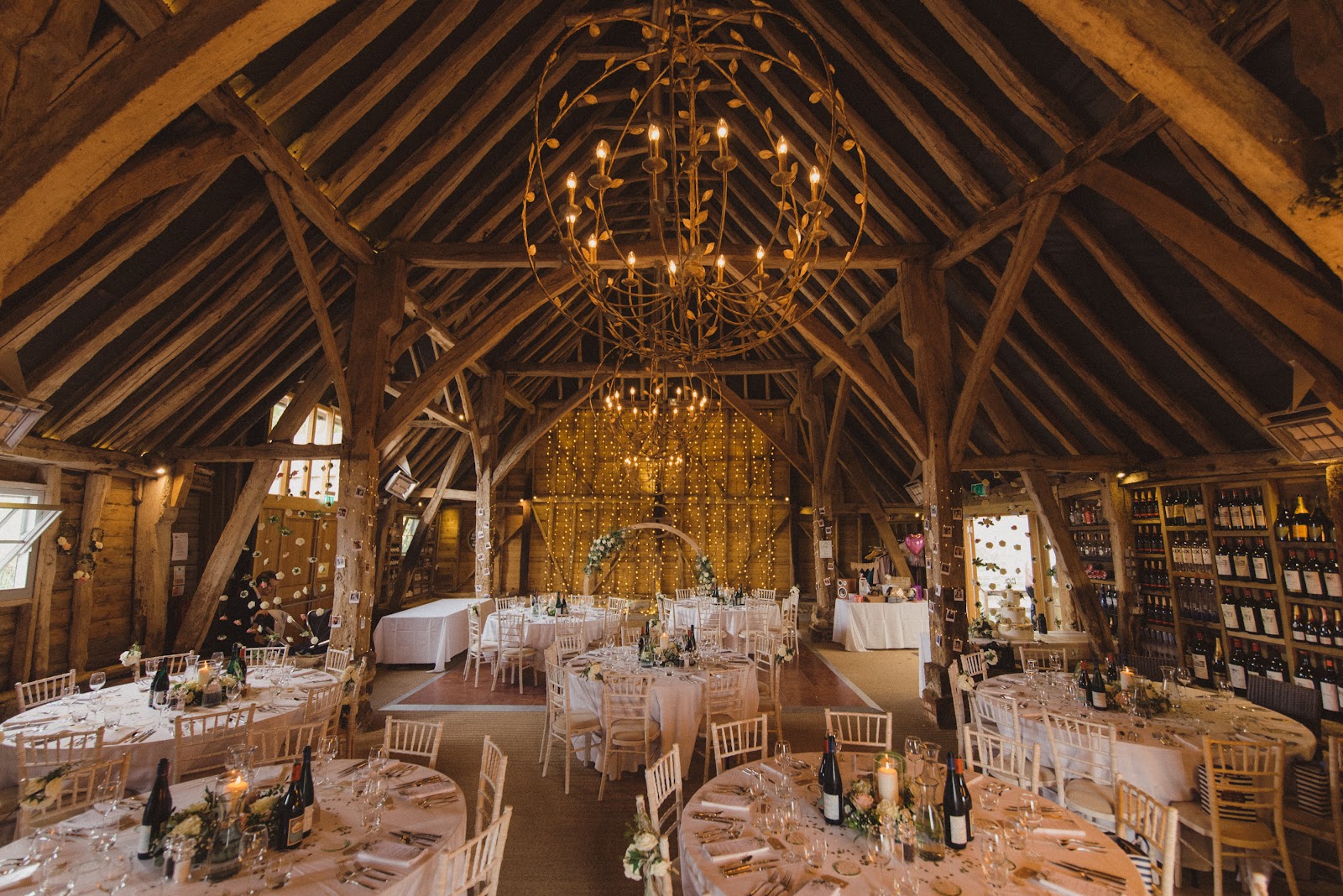
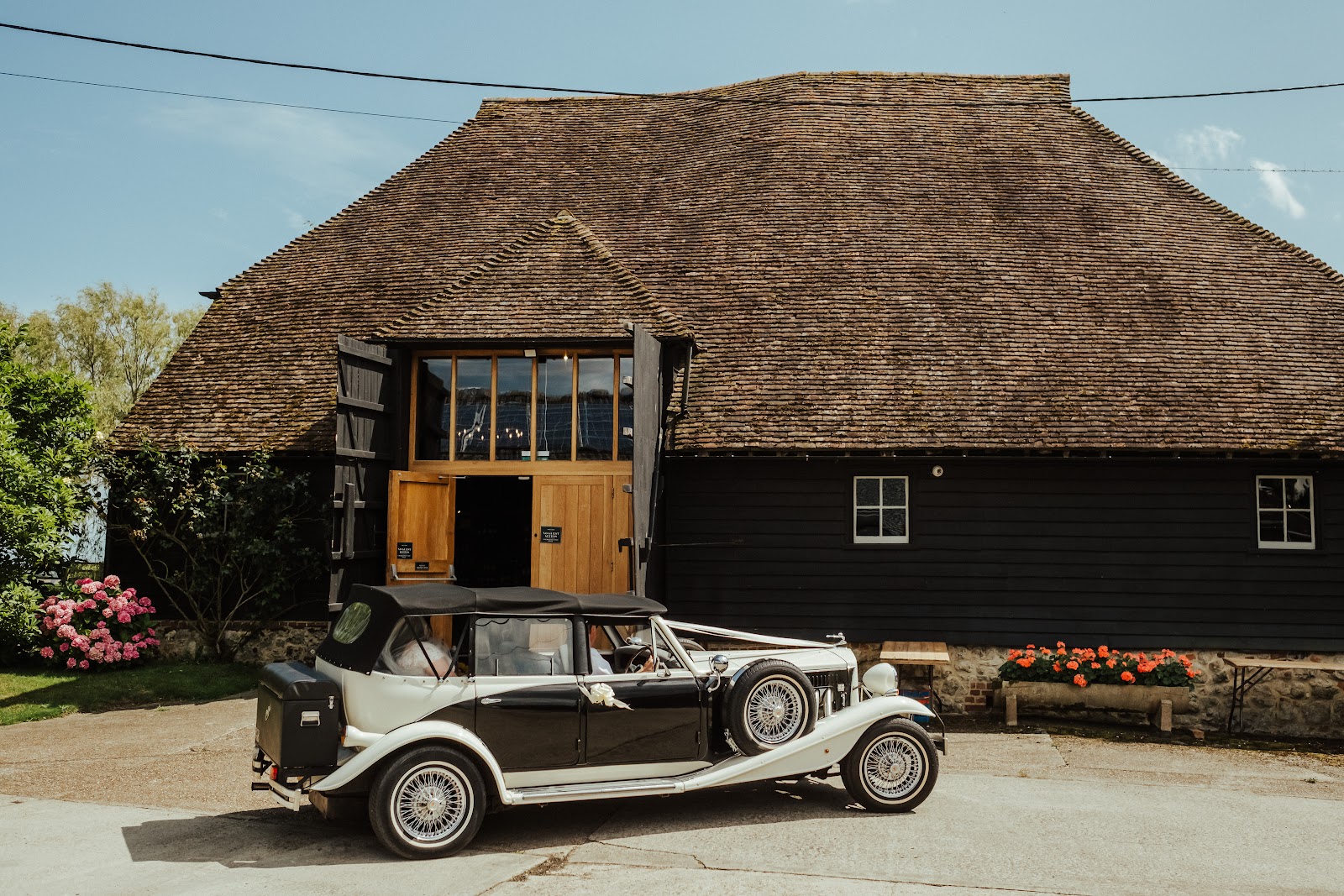
The barn is the shade and the weather answer, and a southern barn is built to shed heat rather than hold it — which means more openings than a northern one and therefore more positions with the same useful condition.
A large opening gives a dark interior with light entering horizontally from one side, which produces steep fall-off and free separation: two or three metres inside is the working position, turned about forty-five degrees to the opening. The catchlight settles the distance, and unpainted weathered timber absorbs almost everything, which means the interior is a stop or two darker than it looks and the background is free.
Where the barn has a central passage, that is the distinctive frame: light from two directions with darkness at the sides, giving a rim-lit result that a single-opening building cannot — and it is the coolest place on the property, which in a southeast Alabama July matters.
A porch, overhang or covered loading area is the other reliable position: a solid roof restricting light to a horizontal band, bouncing off pale ground to fill from below, and incapable of dappling. Two or three metres in from the open edge, at any hour in any weather.
Whether the barn is cooled is a question with a definite answer and it decides the reception’s comfort. A large timber building in an Alabama August is warm regardless of how many openings it has.
The crops are the site’s own seasonal subject and they are worth using deliberately rather than treating as background. Peanuts and cotton are the Wiregrass region’s crops, and each gives a completely different landscape.
A peanut field is low and green through the summer, which reads as a uniform green plane — useful as a clean foreground and not much else. Harvest, from roughly September into October, digs the plants and inverts them to dry in windrows, which turns a field into a landscape of long pale lines: a graphic subject, and one that only exists for a few weeks.
A cotton field is the more photogenic of the two. It is green through the summer, flowers, then opens white through late September and October — and a field of open cotton is a white plane at ground level which behaves like snow: it bounces a great deal of light upward and it underexposes every meter. A couple standing at the edge of an open cotton field in low sun is the strongest agricultural frame this region offers, and it exists for a few weeks before the picking.
Both are worth asking about directly, because what the farm will actually be doing on the date decides whether either frame exists.
The humidity is the condition running under everything. It softens contrast, which makes the pale-ground range slightly more manageable than it would be in dry air; it reduces clarity at distance, which on flat land with long sightlines means a hazy horizon rather than a sharp one; and it warms and diffuses the light at the ends of the day into something long and soft rather than brief and hard.
That humid evening is the site’s best condition and it is better here than in dry country: a broad slow golden transition across open ground and a very big sky, lasting well past the sun’s disappearance because moisture holds the colour.
It also produces heavy dew and morning fog, and on flat open farmland with a barn and a pine line beyond it, ground fog at first light is the most atmospheric frame the site produces.
And the practical notes are the region’s. Summer heat and humidity make an outdoor ceremony between June and September a welfare matter first; afternoon thunderstorms are near-daily in July and August and on flat land they are visible from a long way off; the Gulf hurricane season runs from roughly June through November with a peak from August into October, and the effects of a passing system reach this far inland; spring is the state’s severe-weather peak; and mosquitoes and fire ants on humid sandy ground are worth raising rather than discovering.
- Meter on skin and expose brighter — pale sandy ground underexposes every meter
- Check the chin: sandy soil fills faces from below
- Pine is a background, not a shade. The barn is the shade
- Get low and make the sky the subject; flat land gives nothing else that scale
- Ask what the crop is doing — open cotton and peanut windrows are short windows
The Wiregrass year
Southeast Alabama has a humid subtropical climate with mild winters and a long hot summer, and on a working farm the calendar is agricultural as much as meteorological.
Winter is mild and genuinely usable. Hard freezes are brief, the pines are evergreen so the structure is unchanged, and the fields are bare or in cover crop — which gives a spare, open, big-sky landscape rather than an empty one.
The December sun at this latitude reaches about thirty-eight degrees above the horizon, which is low enough that the whole short day rakes rather than floods. On flat open ground that is the best condition of the year: low light across a field puts texture in every furrow and every bunch of wiregrass, and the pine trunks are modelled rather than flat.
Winter is also when the humidity drops and the air is at its clearest, which on flat land with long sightlines matters — the horizon is sharp in January and a pale haze in July. And morning fog is at its most frequent, which on open farmland is the most atmospheric condition the site offers.
For the barn, winter is decisive: a low sun comes through the big openings almost horizontally and reaches much further into the building than a summer sun does, which widens the usable band inside considerably. A barn is better lit in January than in June.
Late winter into spring brings the flowering and the planting. Redbud and dogwood through March and April, azaleas in planted ground, and wisteria on anything it can reach — and the fields worked and planted, which gives bare pale ground and strong furrow lines at their most graphic.
The honest spring caveat is severe weather. Alabama sits in one of the most tornado-prone regions in the country with a pronounced peak from March through May, and on flat open ground a storm is visible from a long way off — useful warning, a genuinely dramatic subject, and a reason a named covered alternative with real capacity is a requirement.
Spring proper is the most comfortable season: warm, green, long-lit, the crops up and the pines flushing new growth.
Summer is hot and humid and it is the hardest season here. Low nineties Fahrenheit with high humidity pushes the heat index considerably higher, and open sandy ground with pine that gives no real shade is an uncomfortable place at three in the afternoon.
The answers are the barn, its openings and its covered spaces, and the early and late hours. Afternoon thunderstorms are near-daily in July and August and on flat land they build spectacular cloud — a dark base over a lit green field is the strongest weather frame the site produces.
The Gulf hurricane season runs from roughly June through November with a peak from August into October, and while this is inland, the effects of a passing system — heavy rain and strong wind — reach here. It cannot be planned for, only acknowledged.
Autumn is the best season overall and it is also the agricultural one. The heat breaks in October, the humidity drops, the air clears, and the crops come in: peanut harvest from roughly September into October with the windrows drying in long pale lines, and cotton opening white through late September and October before the picking.
An open cotton field in late October with low raking light across it, a barn and a pine line beyond, and a big clear sky above, is the single best frame this site produces — and it exists for a few weeks. Autumn colour is modest in pine country and arrives late where it exists at all, which makes the crop the season’s subject rather than the foliage.
Late October and early November are the easiest and most beautiful dates of the year here, with the caveat that November is the state’s second severe-weather peak.
More frames from Barn at Harrison Farm
Barn at Harrison Farm wedding photography: common questions
What does pale sandy ground do?
It fills faces from below, which softens midday contrast — and it underexposes every meter, so meter on skin and go brighter than the camera suggests.
Do the pines give shade?
Very little. Longleaf and slash pine have high open crowns and fine needles, so they dapple. They are an excellent background and a poor shade.
Where is the shade then?
The barn — its openings, its central passage and any covered area. A southern barn has more openings than a northern one, which helps.
What should I make of the sky?
Most of the picture. Flat land with dramatic convective cloud means a low camera with sky filling the frame is the composition this site gives.
Do the crops matter?
A great deal. Open cotton in late October behaves like snow and is the strongest frame here; peanut windrows are a graphic subject for a few weeks.
When is the site at its best?
Late October, with open cotton, clear air and low raking light — and January, when a low sun rakes the fields and reaches deep into the barn.
More Alabama venue guides
We are writing a photographer’s guide to every venue we would happily shoot in Alabama. Here are three more, plus the full index:
- Barn at Shady Lane, Cullman: Field Notes
- Barn at Woodland Trail, Cherokee: The One Decision That Governs Everything
- Bellingrath Gardens, Theodore: A Walk Through the Site
Planning a wedding at Barn at Harrison Farm?
Flat land, big sky and a working calendar. Tell us your date and we will ask about the crop.