One thing has to come before any technique at the venues in this collection, because it governs conduct rather than craft. Both stand on land belonging to a sovereign Pueblo, which is a nation with its own government, its own laws and its own rules about photography — and those rules are serious rather than nominal. Photography on pueblo land is frequently restricted: certain areas, certain buildings, ceremonial activity and people may not be photographed at all, and permits may be required for anything beyond ordinary guest use. So establish in writing and in advance exactly where photography is permitted, ask through the venue, and take the answer literally.
A resort's own grounds and event spaces are a commercial hospitality setting where wedding photography is entirely normal; the wider pueblo land is not a backdrop and should not be treated as one. Cultural material — architecture, art, objects, anything belonging to the community rather than to the business — is not decoration for a wedding portrait, and a photographer who treats it as such is doing something worse than making a bad frame. With that settled, the defining photographic fact of this valley is a mountain.
The range to the east presents a steep, largely bare, west-facing granite escarpment to the valley floor, which means that in the last minutes of the day the low sun strikes it directly and the whole face changes colour — through warm to orange and then, in the final minutes when the light has travelled furthest through the lower atmosphere, to a deep rose-pink. That is where the range's name comes from, it is unmistakable, and it is the single best thing about photographing here. The sequence takes about twenty minutes and the best of it lasts two or three.
Photograph it with the couple in the foreground and expose for the mountain rather than for them, because by the time the face is pink the valley floor is already in shadow and at any exposure holding the colour a face is unlit — so the couple must be lit by you, with one small warmed source at low power, feathered so no pool shows on the ground, and set up before the sequence rather than during it.
And compress hard: at twenty-four millimetres a range ten or fifteen kilometres away is a small band along the top of the frame, while at a hundred and thirty-five it fills the background as a wall of colour. The long lens is what makes the frame, which means the couple stand further from the camera than instinct suggests, and should be small anyway.
Altitude produces the rest of the conditions. At around fifteen hundred and seventy metres in very dry air there is almost no atmospheric scattering, which means four things. Shadows are hard and four or five stops below the lit subject with essentially no fill available — whatever you want, you bring. The sky is deeply saturated rather than pale, so it is worth composing into a wide frame. Distance resolves with extraordinary clarity, so a long lens at the mountains or at the volcanic country west of the valley is genuinely usable. And ultraviolet is strong enough that sunburn happens faster than anyone plans for.
The diurnal range is large, which is the dry-air signature: a June afternoon in the mid thirties can be near fifteen degrees by ten at night, so an outdoor reception needs heating and a bride in a summer dress will be cold. Altitude also affects guests before it affects photographs — breathlessness on slopes, faster dehydration, and alcohol with a markedly stronger effect than expected, which a couple can mention in an invitation. Two landscape elements do the daylight work.
The cottonwood gallery along the river is the only substantial shade for miles and the only real canopy: a desert river supports a narrow, dense, tall band of cottonwood and willow in otherwise open country, and the Rio Grande's is among the most extensive anywhere. It turns a brilliant uniform gold in late October and early November and then drops quickly, which is the best fortnight of the year in this valley — and establishing where in the bosque you may actually go matters, because river corridors on or adjacent to pueblo land may be restricted.
Under any canopy the two standard rules apply: position for open sky arriving from the side rather than light filtered through leaves, which is genuinely green, and avoid dappled shade entirely, because hard bright patches several stops above the surrounding skin cannot be recovered. The second element is the open desert — chamisa, sage, saltbush and grasses, low and silver-grey and finely textured, with a golden flush on the chamisa in late summer. That surface takes low raking light beautifully, with every bush throwing a shadow so the flat becomes textured with long blue shadows in it, and at noon it is a flat grey-green plane with nothing in it.
Same rule as everywhere here: early or late. The regional architecture is the third, and earth-toned stucco is a matte, warm, finely textured surface that reads as material in raking light and throws a strong warm bounce at close range — which also means a face within a metre or two of a sunlit stucco wall picks up a noticeable warm cast.
And covered outdoor space, where a venue has it, is the best portrait light at any hour: a roof removes the overhead portion of the sky, which at this latitude is exactly the part causing the trouble, leaving light to arrive horizontally with the paving bouncing a little back up. Work about a metre inside the covered edge, because falloff is roughly a stop per step. Season by season, the second half of October is the best fortnight of the year — cottonwoods turning, the monsoon over, the clearest air of the year, comfortable temperatures, and sunset around six thirty putting the mountain sequence at a civil hour.
One logistical caution attaches to early October: the region hosts a very large hot-air balloon event that fills accommodation across the area, and which also puts a great many balloons over the valley at first light, so check the dates and decide which side of them you want.
April into early June is the other good window for temperature and long evenings, and it carries the region's least-discussed hazard — spring wind, with sustained dry winds through March, April and May that lift dust and reduce visibility for hours or days, making a veil unmanageable, a lightstand a hazard and, most relevant here, removing the mountain's colour entirely, because a dusty sky kills the sunset. July through September is the monsoon, which brings the year's only real rain, the highest lightning density and the most dramatic skies: on open desert with no shelter that is a safety matter, and it needs a covered alternative with a known capacity.
It is also the most photogenic season, because the half hour after a cell passes gives washed air, standing water reflecting a coloured sky, sage beaded and glowing, and a low sun coming under a broken ceiling onto a pink escarpment — the best light this landscape produces. Winter is mild by day, cold by night and very clear, with a low midwinter sun near thirty-two degrees raking the landscape through the whole short day, the clearest air of the year, and snow on the mountains giving the pink sunset its most dramatic version.
Sunset before five puts the mountain sequence in the late afternoon, which is convenient rather than otherwise. Civil twilight at this latitude runs about twenty-five minutes, and at altitude in dry air the afterglow runs longer and more strongly coloured than that suggests — budget fifteen to eighteen usable minutes rather than ten, and remember that the mountain frame faces east while the balance point faces west, so both are achievable in one session only if the positions are within a minute of each other. Scout both.
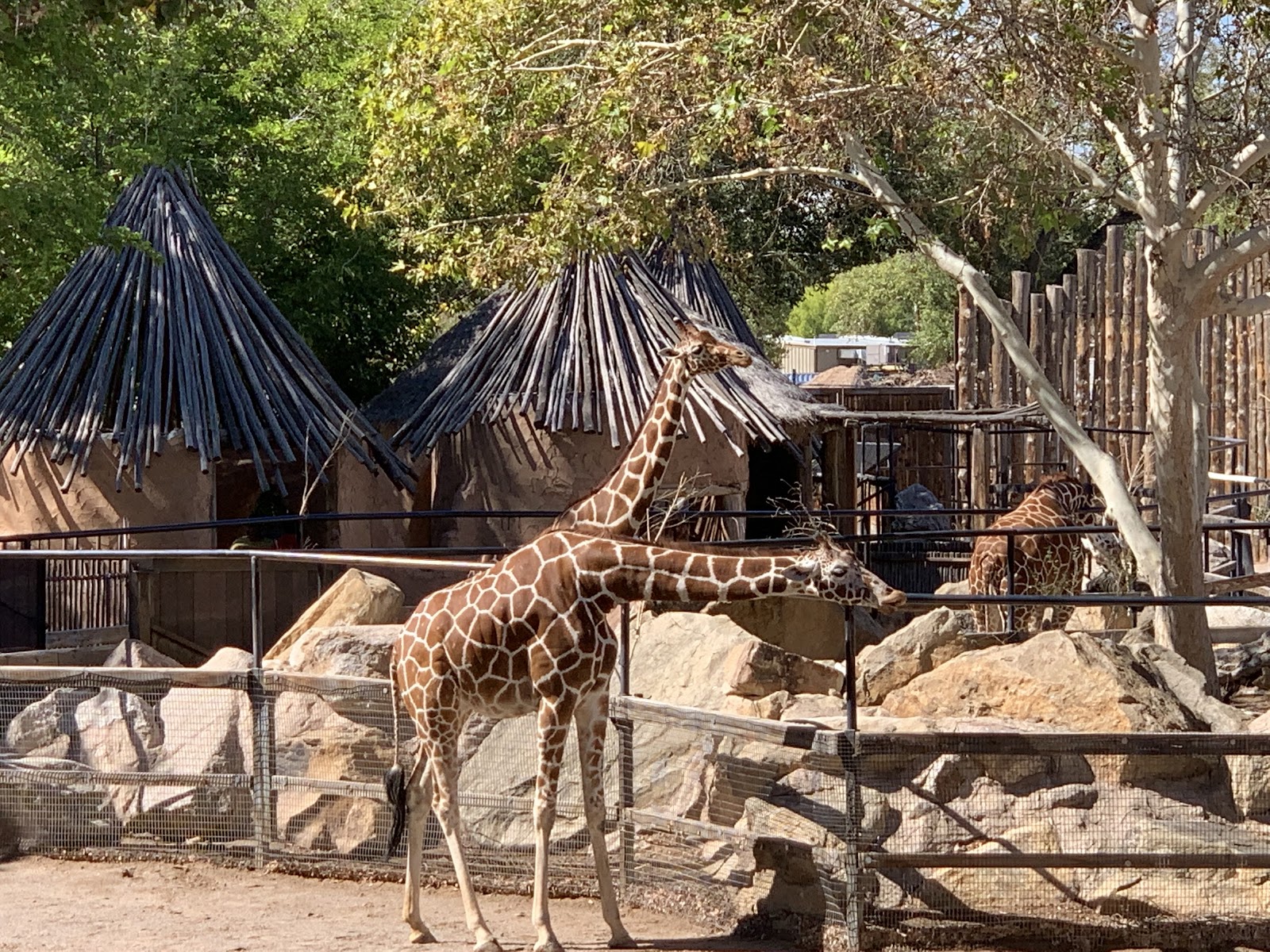
The Rio Grande Zoo: Cottonwood Shade and the Enclosure Problem
A zoo set among mature cottonwoods beside the Rio Grande in Albuquerque, with planted grounds and animal enclosures.
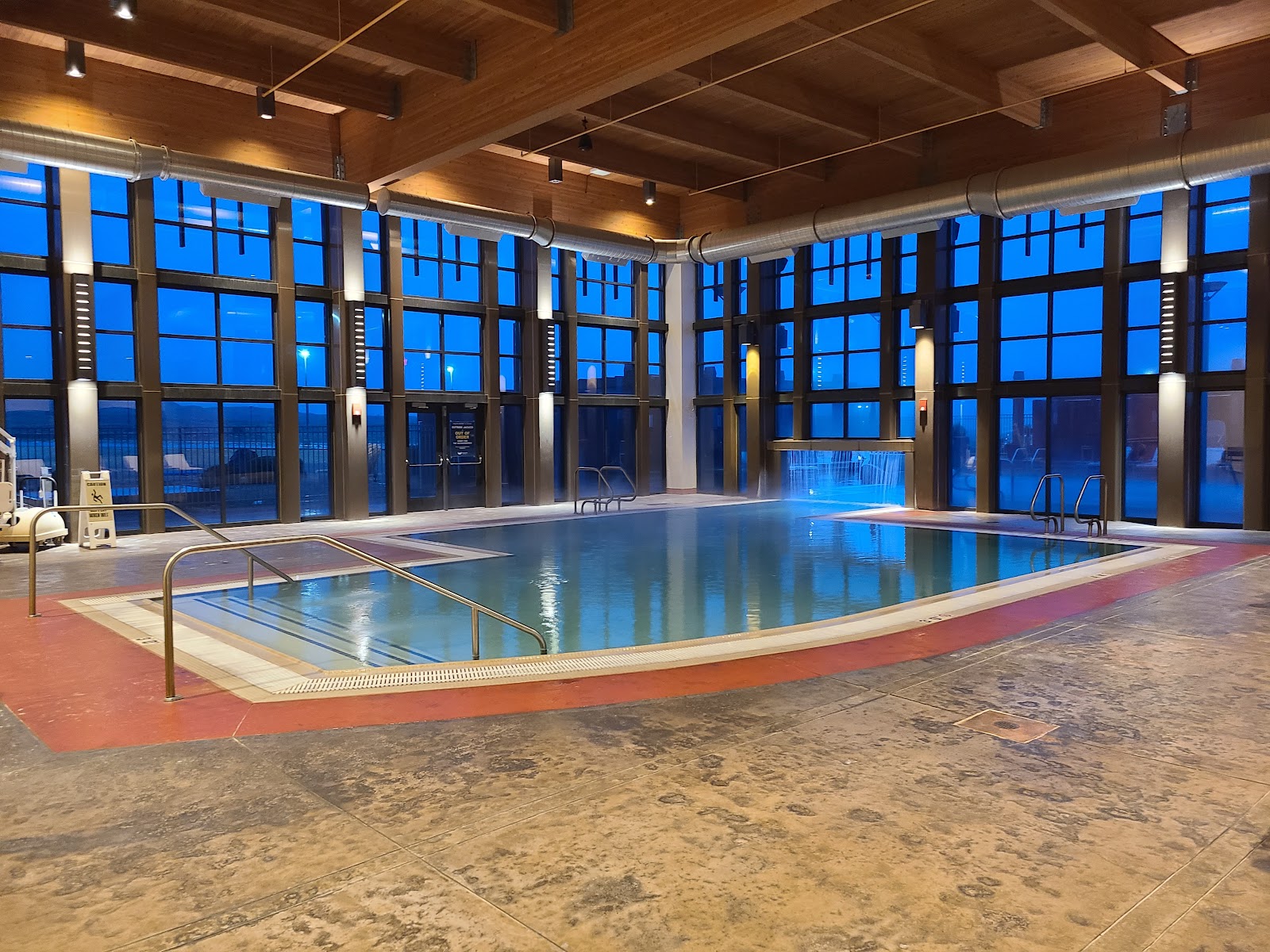
Isleta Resort: How the Lake and Mountain Frame Is Made
A resort with lakes and open grounds south of Albuquerque, with mountain views across the Rio Grande valley.
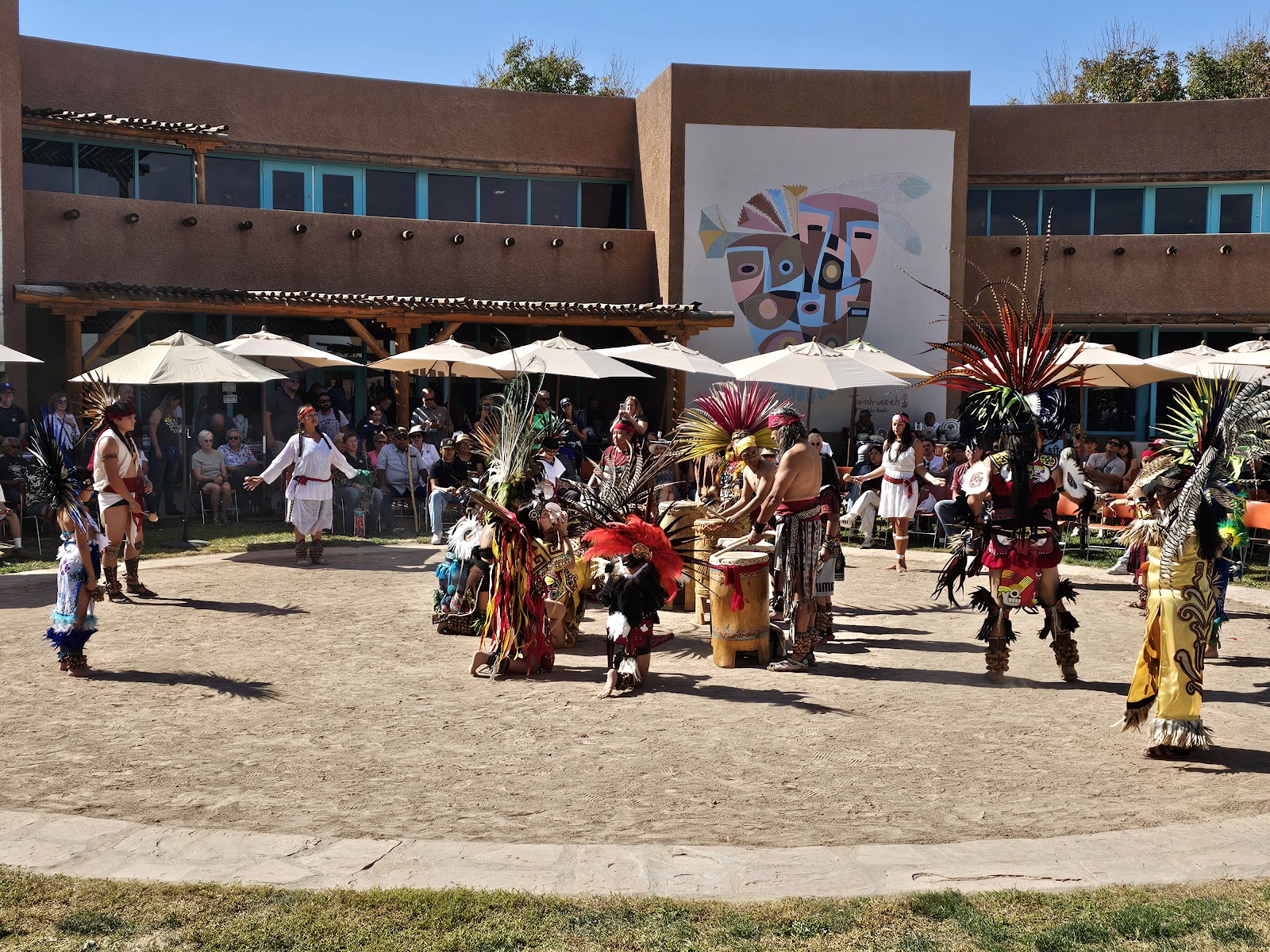
The Indian Pueblo Cultural Center: Working a Curved Plaza
A cultural centre in Albuquerque owned by the nineteen Pueblos of New Mexico, built around a large curved outdoor plaza.
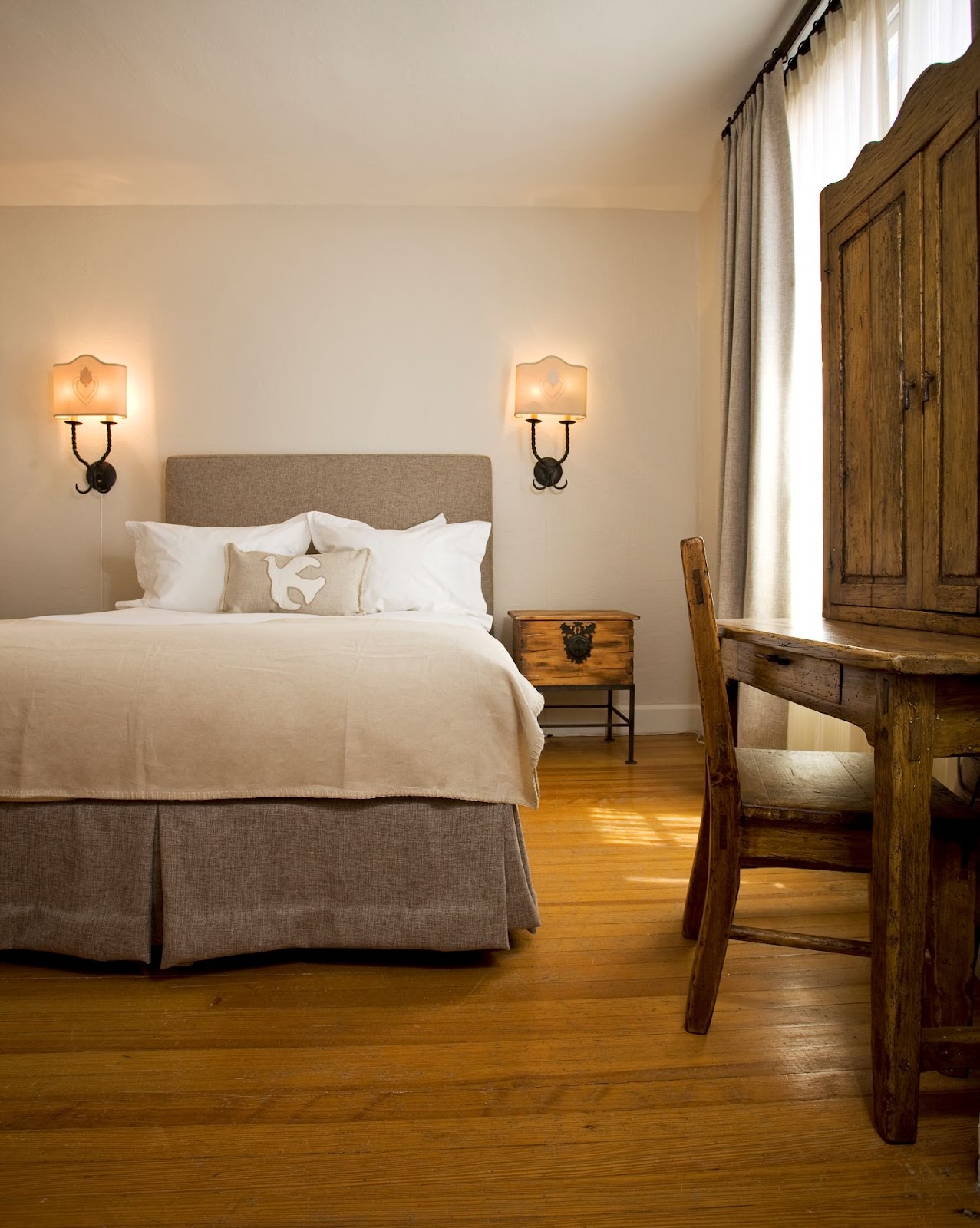
The Hotel St. Francis: A Walk-Through of Santa Fe’s Oldest Hotel
Santa Fe's oldest hotel, a block from the Plaza, rebuilt in 1923 after fire, with a high-ceilinged lobby, candlelit interiors and a street-side portal.
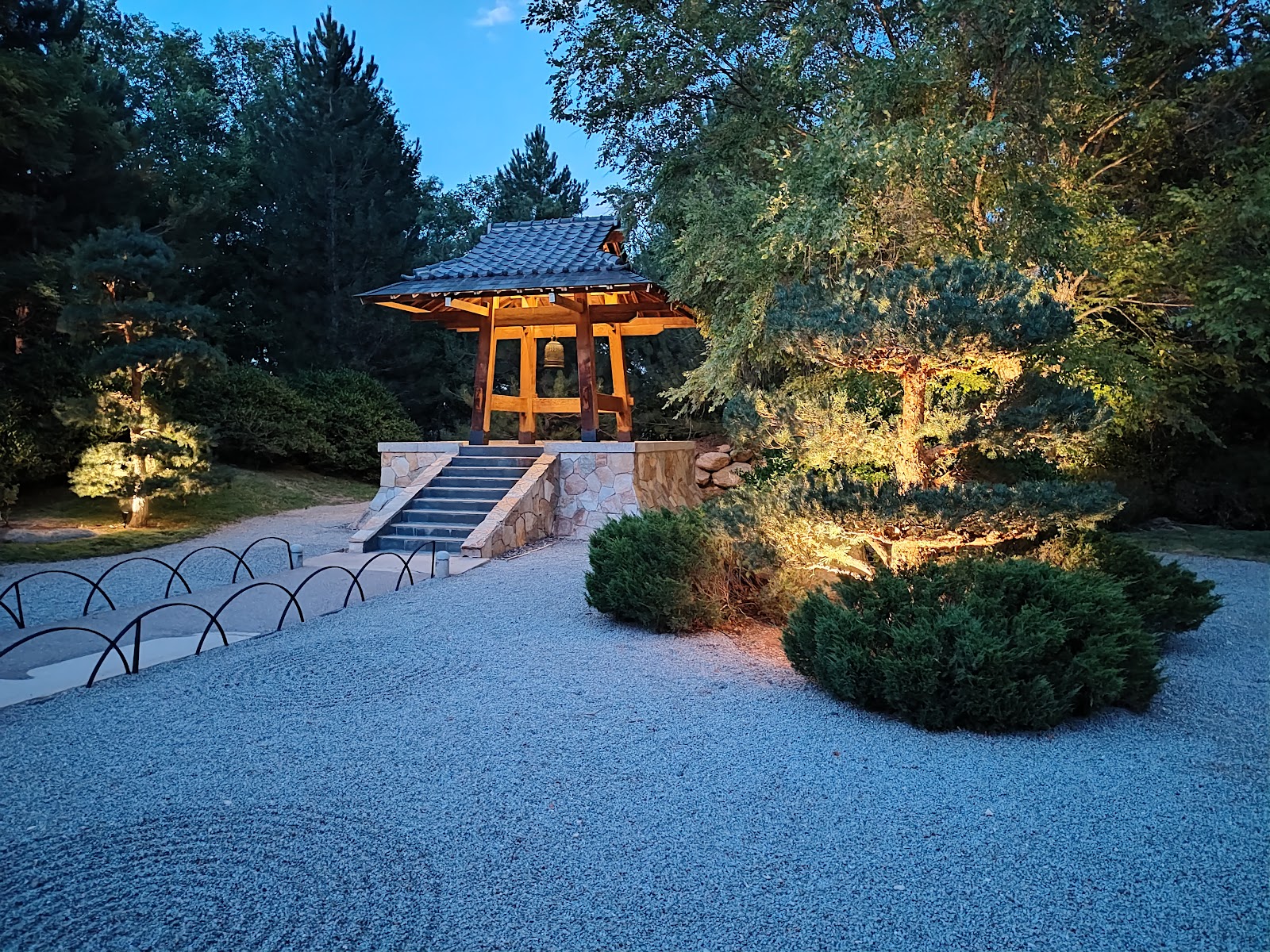
The ABQ BioPark Botanic Garden: Glasshouses in a Dry Climate
A botanic garden on the Rio Grande in Albuquerque, with glass conservatories, formal gardens and desert planting.
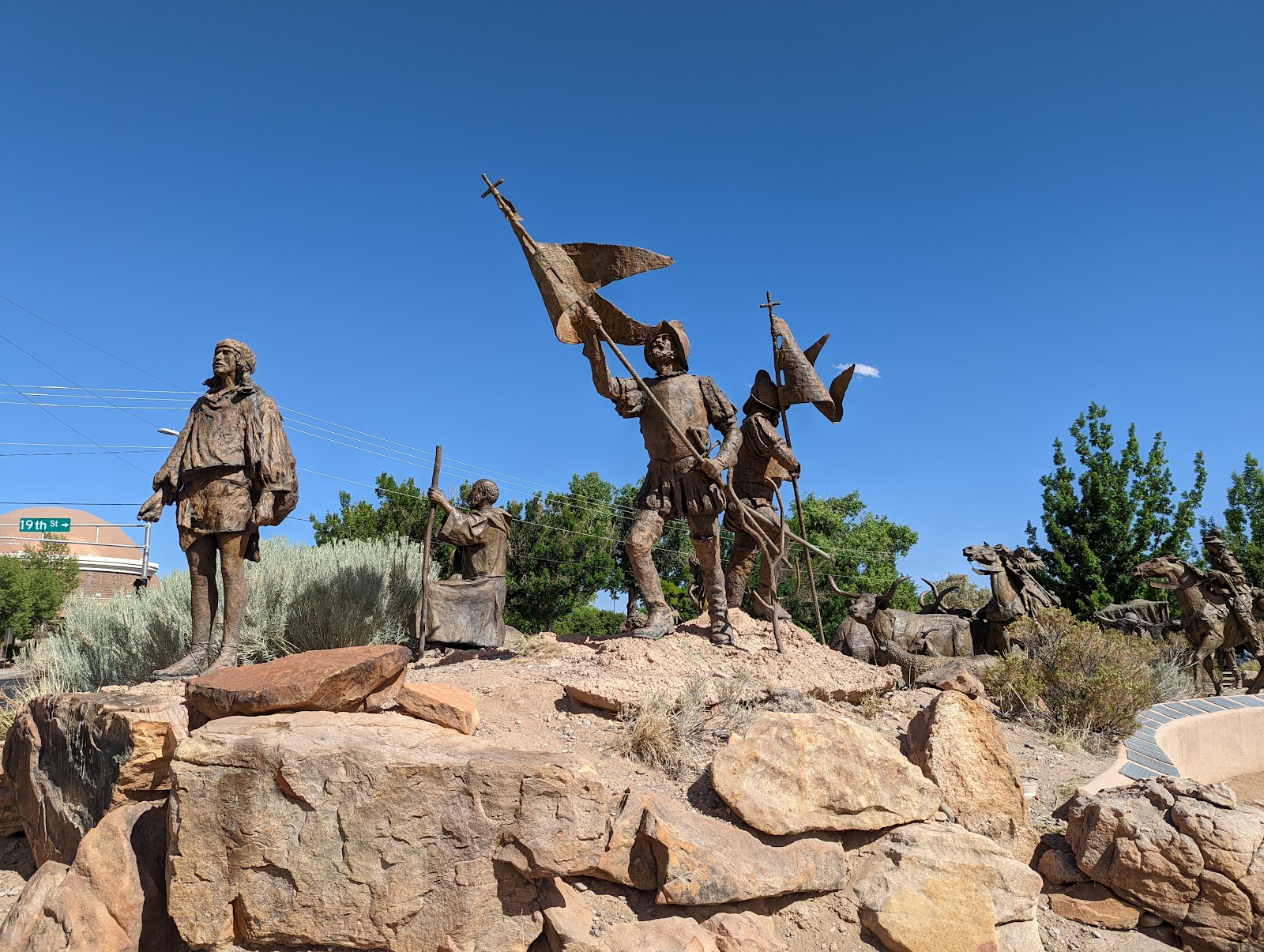
The Albuquerque Museum: From Modern Glass to Old Town Adobe
A contemporary museum of art and history on the edge of Old Town Albuquerque, with a sculpture garden and glazed public spaces.
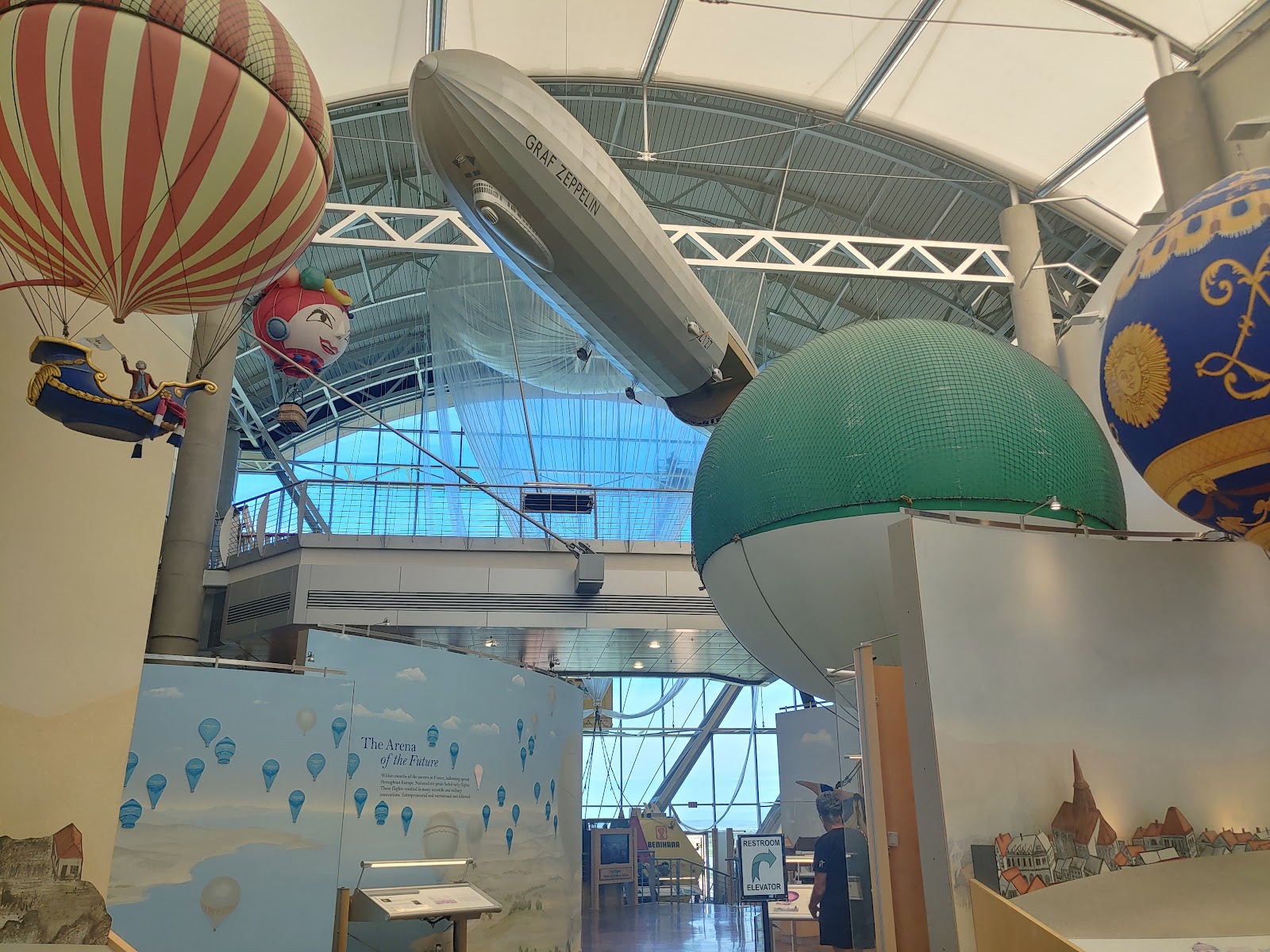
The Balloon Museum: Four Ways Out of the Hangar Problem
A museum of ballooning on Albuquerque's northern edge, with a hangar-scale hall, suspended balloon envelopes and mountain views through glazing.
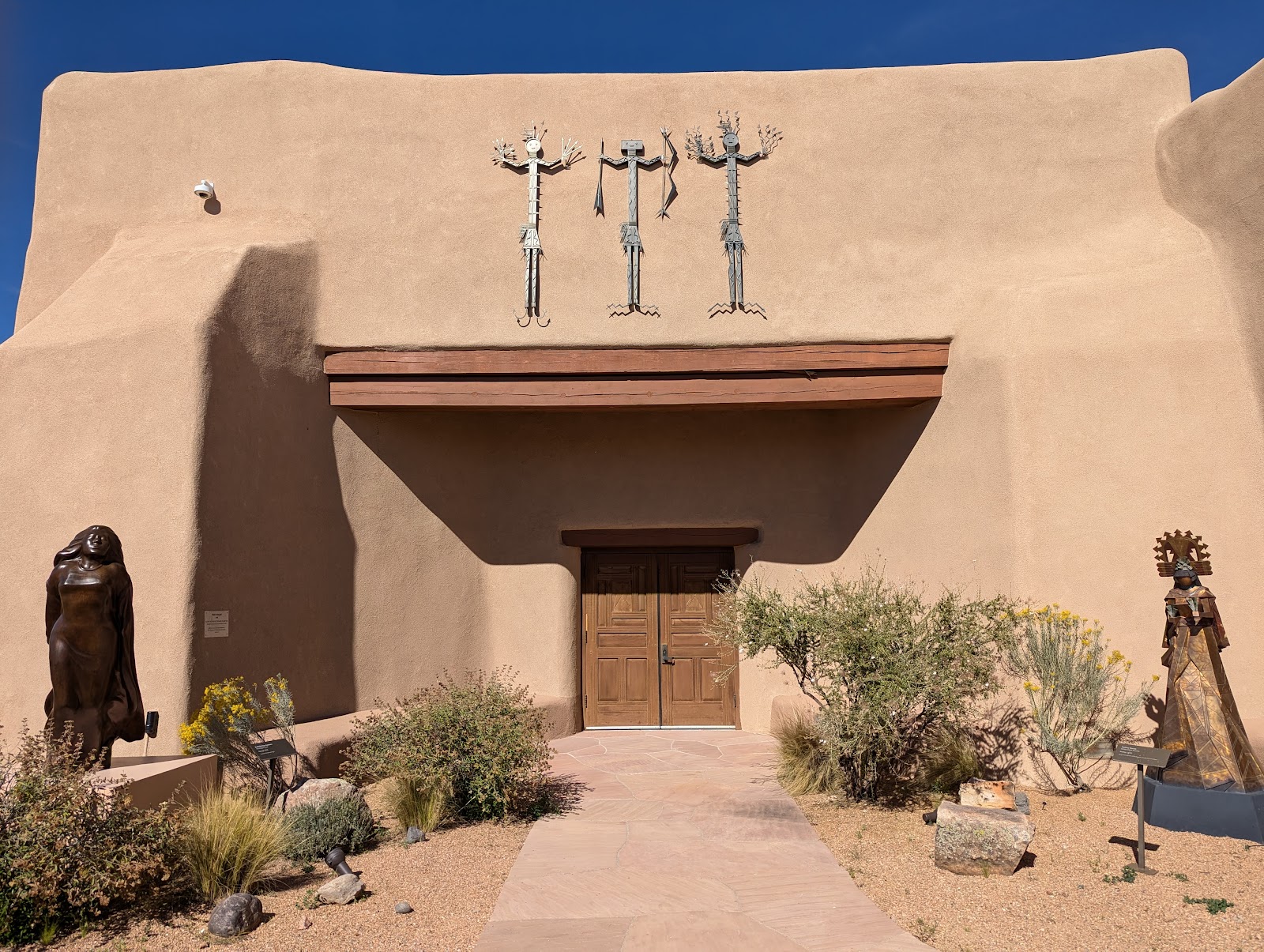
The Museum of Indian Arts and Culture: Building the Shot List
On Museum Hill southeast of central Santa Fe, devoted to the arts and cultures of Native peoples of the Southwest, with an outdoor amphitheatre and long views.
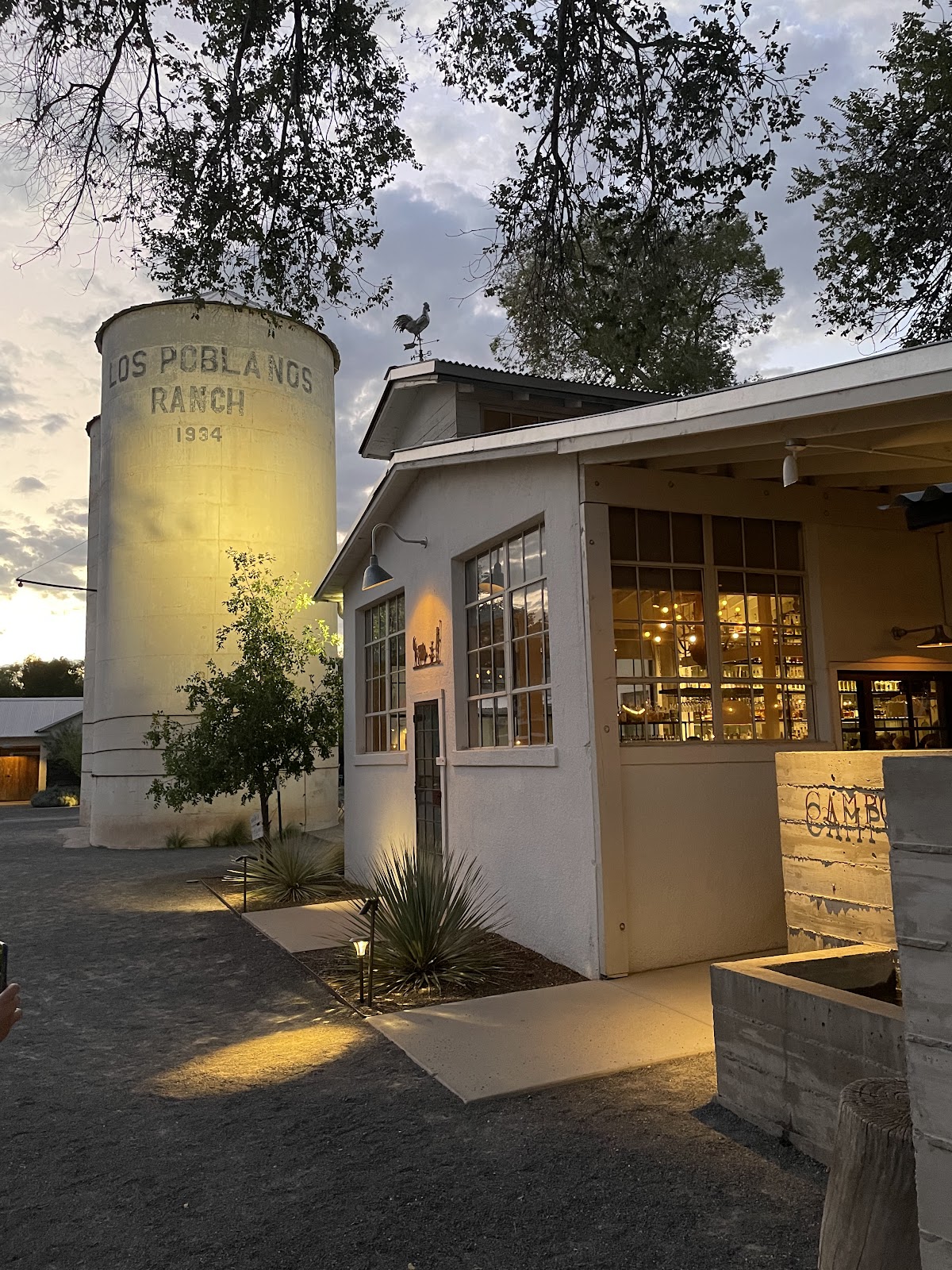
Los Poblanos: What Adobe and Lavender Do to a Photograph
A historic adobe inn and working lavender farm in Albuquerque's North Valley, in the Rio Grande cottonwood bosque.
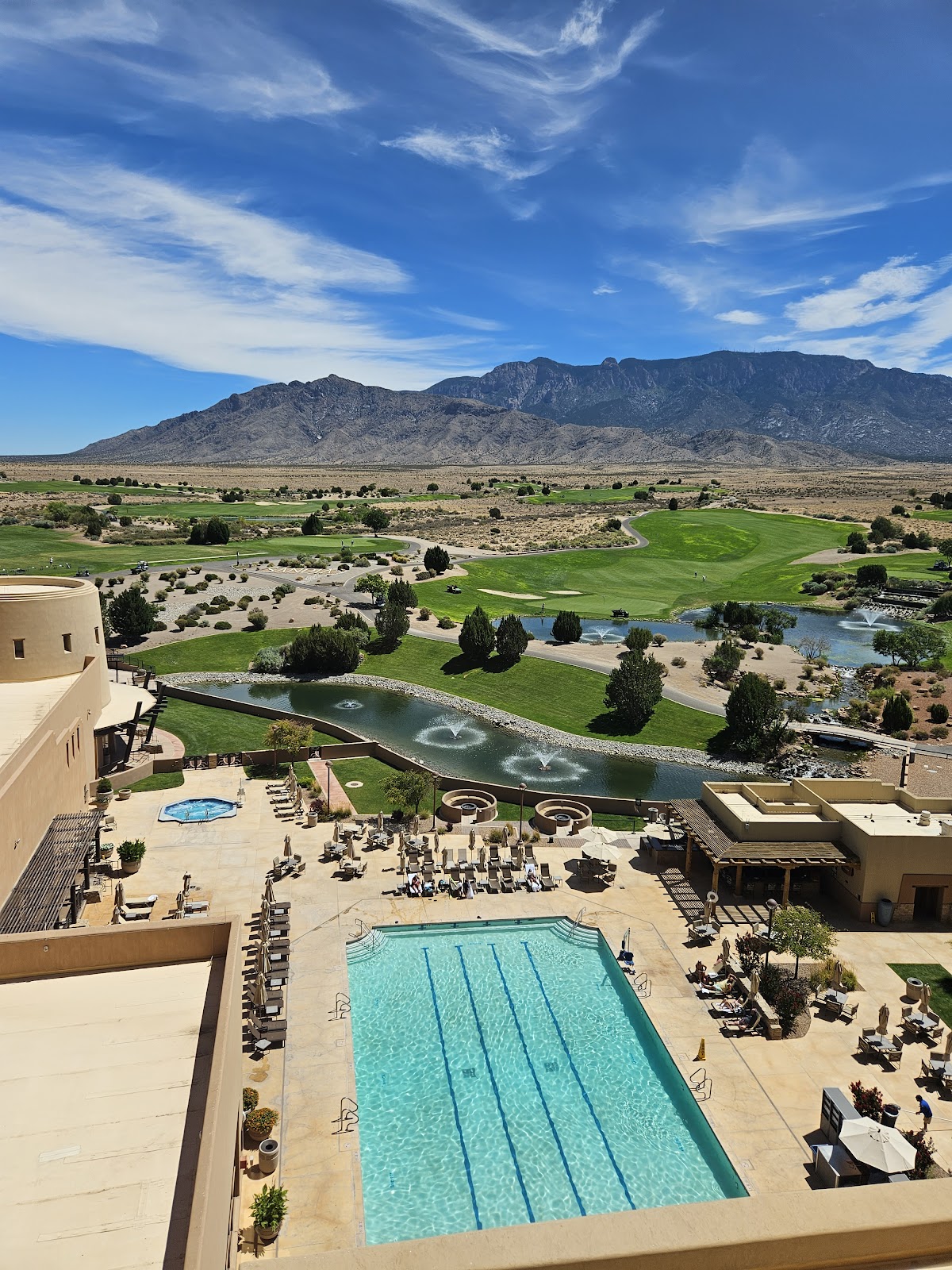
Sandia Resort: Reading High Desert Light Hour by Hour
A resort on the northern edge of Albuquerque with the Sandia Mountains rising directly to the east.