These guides cover houses along the River Road, the stretch of the lower Mississippi between New Orleans and Baton Rouge, and the first thing to say about them is what they are. Every one was a sugar plantation, and a sugar plantation was a forced-labour camp. Sugar was among the most lethal agricultural industries in North America — the work was brutal, the mortality was high, and the scale of the houses is a direct measure of how many enslaved people were worked to build and sustain them.
The architecture, the avenues of oaks, the galleries and the woodwork exist because of that labour, and no guide to photographing these places is honest if it leaves the fact out. The sites themselves handle this very differently and the difference is worth knowing before a booking. Some centre the enslaved community in their public interpretation, with documented names and circumstances rather than an anonymous mass, and are known for doing so. Others present primarily as house museums and gardens, with the history acknowledged but not foregrounded. Both approaches exist within a few miles of each other on the same road.
A couple considering one of these venues should decide about that deliberately rather than by default. A substantial number of people, including a substantial number of photographers, decline plantation weddings outright, and that is a coherent and respectable position. Others book them having thought it through and choose to acknowledge what the place is. Both of those are decisions. Booking without having thought about it is the option that tends to be regretted, sometimes publicly and sometimes years later. There is one working consequence for a photographer, and it is practical rather than abstract: keep surviving or reconstructed quarters out of the wedding coverage entirely.
Portraits belong at the house, the galleries, the oaks, the gardens and the levee. Using quarters as a picturesque backdrop is the specific failure that gets this genre of venue written about badly, and it happens by accident rather than intent, because weathered timber photographs well and nobody paused to ask what building it was. Settling it with the couple in advance takes one sentence and costs nothing.
Photographically, the River Road is governed by its latitude, which at about thirty degrees north is the lowest of any mainland venue in this library, and by a river that sits above the land rather than below it. Two numbers come from the latitude. The midsummer noon sun reaches about eighty-three and a half degrees — within seven degrees of straight overhead — which is genuinely extreme and dominates the middle of the day from May into September: no modelling, black eye sockets, and hard vertical light driving through every gap in a canopy.
And civil twilight runs about twenty-two minutes, among the shortest here, of which perhaps ten minutes is the usable balance point where the sky and a lit facade are within a stop of each other. The day therefore has a difficult middle and two short ends, and the ends are shorter than a northern photographer's instincts expect — the closing frame has to be decided in advance and walked to rather than discussed as the light goes. Humidity is the compensator and it is among the strongest in the collection.
Summer dewpoints in the mid to high seventies mean the air is saturated with water vapour, and vapour scatters light in every direction, so a sunlit lawn here in July carries something like two and a half stops less shadow contrast than the same sun angle in Arizona: soft shadow edges, eye sockets that hold detail, and midday open shade that is genuinely workable. The extreme sun angle and the generous fill partly cancel, and the desert rule about the middle of the day does not apply here with anything like the same force.
What it costs is a pale washed sky that adds nothing to a wide frame, visible haze on long lenses, and a front element that fogs within seconds moving from an air-conditioned interior into this air — a recurring problem on any day that alternates between the two, so keep the camera warm rather than cool. The river is the counter-intuitive part and it catches every photographer once. The Mississippi here runs between artificial levees at a level higher than the surrounding fields, so a grass embankment blocks it entirely and the strip between levee and water is wooded.
There is no frame of any of these houses with the river behind it, and nobody should be promised one. What the levee gives instead is the only high ground for miles: a clean, continuously graded grass ridge with unobstructed sky above, which from below is an excellent empty horizon that hides everything behind it, and from the top is the one position with a genuine long view and a low western sky. Ask about access, because levee land is generally controlled by a levee district rather than by the venue.
Everything else is dead level delta sediment, with the natural levee beside the channel as the highest natural ground — which is why the houses are strung along the river in the first place. There is no relief, no elevated viewpoint and no slope to separate a subject from a background, and the horizon is level in every direction, which makes any camera tilt immediately obvious. Use a level outdoors here, not only indoors. Three regional features recur across these guides.
The galleries are the best light on any of these properties at every hour: a roofed gallery is an outdoor room with a ceiling, and that ceiling removes the overhead portion of the sky, which at this latitude is exactly the part that drives shadows into eye sockets, leaving light to arrive horizontally from a large bright area with the floor bouncing a little back under the chin. Work about a metre inside the line of the columns facing out, and step the positions rather than guessing, because falloff is roughly a stop per step.
The live oaks are the other constant, and they behave unlike any tree in the northern half of this library: evergreen, broad and low-crowned, with heavy limbs that run out horizontally and dip toward the ground, casting solid shade with no dapple in January exactly as in July. That makes one of them a reliable midday position in every month, and it means a winter frame here looks much like an autumn one.
Spanish moss hanging from the limbs is not a moss but a bromeliad, an air plant, and backlit against a low sun it glows — one of the most distinctive details the region offers, and a curtain of it in the foreground gives depth to a frame that would otherwise be flat. Look for resurrection fern on the upper surfaces of the big limbs too: it greens within hours of rain and curls brown in a dry spell, so the same limb photographs completely differently depending on the week.
And sugarcane gives the year a shape found nowhere else in this collection — it grows through summer to two or three metres, walling the middle distance in completely, then grinding season runs from October into January and afterwards the same fields are flat stubble with an open horizon. The landscape context of a wedding here is genuinely different in September and in December. Season by season, and the reversal against most of this library is emphatic: January through April is the season.
Mild, comparatively dry and sunny, with a February noon sun near forty-five degrees that models a face properly rather than flattening it and rakes ornamental woodwork rather than striping it. Azaleas and camellias through late February and March. And because the oaks are evergreen and the moss hangs year-round, the off season costs almost nothing in appearance while gaining everything in comfort and sun angle.
May through September is the constraint and it is serious: afternoon temperatures in the nineties with dewpoints in the high seventies, in formal clothing, is a welfare matter before it is a photographic one, and mosquitoes on the River Road in summer will determine how long anybody stands anywhere. Louisiana receives among the highest lightning densities in the country with near-daily afternoon convection in the wet season, so a covered alternative must genuinely exist, be reachable in minutes, and have its capacity known as a number rather than assumed — which matters at houses whose interiors are domestic in scale.
Hurricane season runs June through November, peaking in August and September, and a named storm in the Gulf a week out disrupts travel and suppliers whether or not it lands nearby. The compensation is the half hour after a cell clears, which is the finest light of the year here: washed air, wet gravel and paving reflecting the sky, foliage at full saturation, resurrection fern greened up within hours, wet live oak bark at full contrast, and a low sun under a broken ceiling.
Wet painted timber in particular is glossy, and glossy picks up a specular sheen from the sky that dry matte paint never does, so a painted house is at its most saturated and most three-dimensional immediately after rain. If a storm goes through at six, do not pack. One closing note: these properties are rural and genuinely dark once the twenty-two minutes are gone, with no city glow and no usable ambient at all. Everything after that is lit entirely by the photographer, and it is better to arrive knowing it.
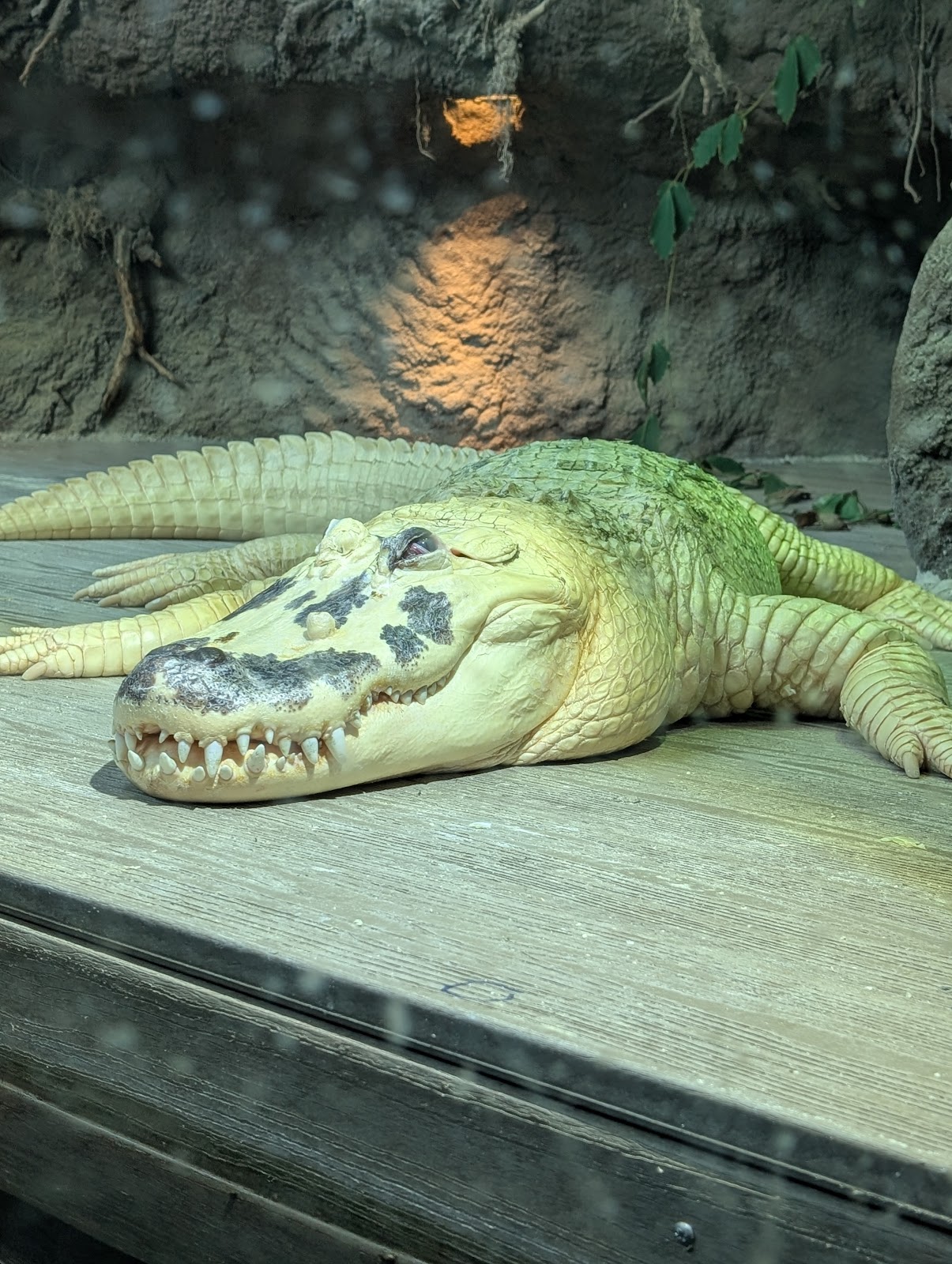
The Audubon Aquarium: Field Notes on Photographing Through Glass
On the Mississippi riverfront at the edge of the French Quarter, with a walk-through Gulf of Mexico tunnel and large viewing windows.
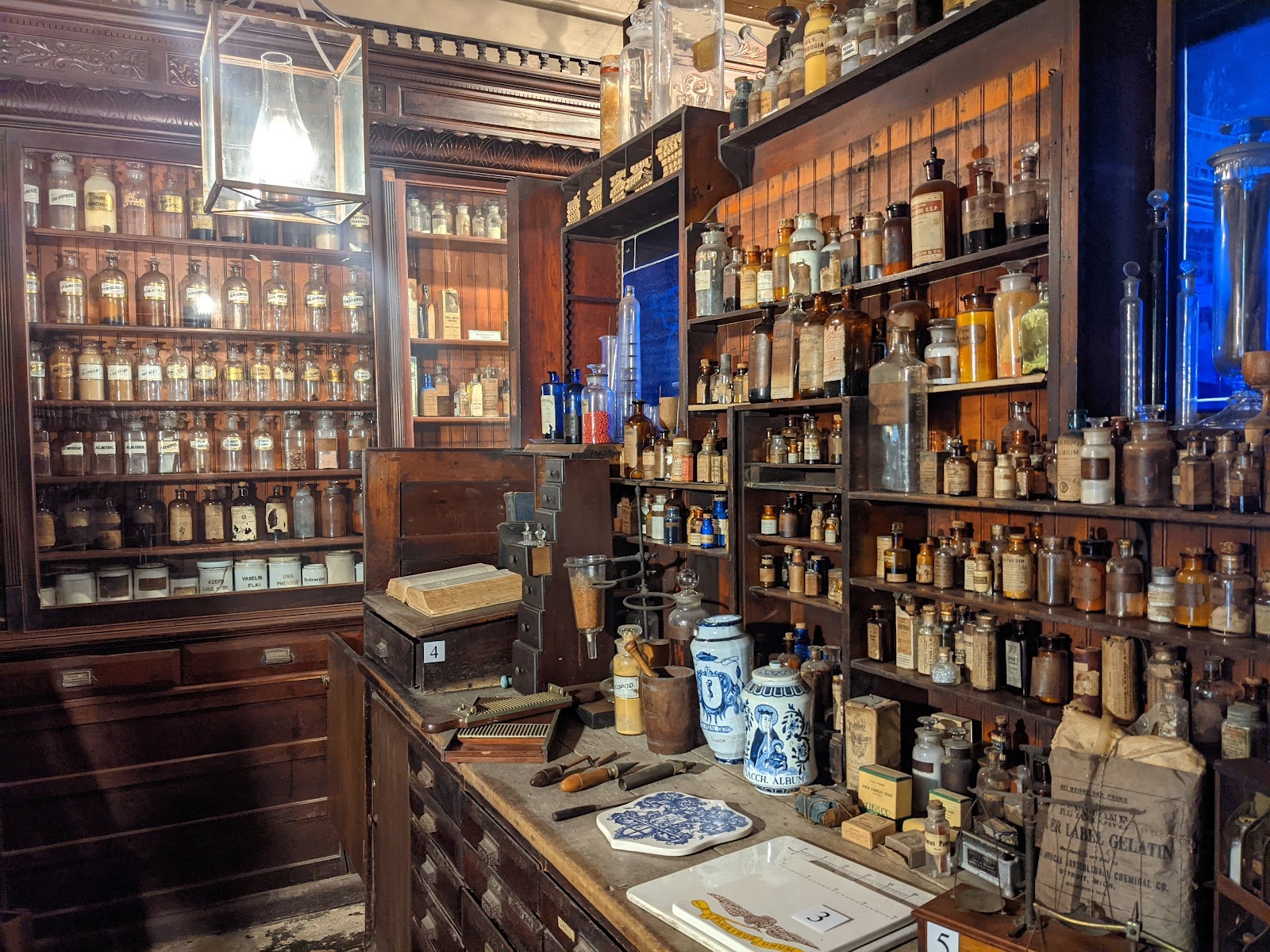
The New Orleans Pharmacy Museum: Who This Venue Suits
An 1823 building on Chartres Street housing America's first licensed pharmacy, with original mahogany cabinetry, apothecary jars and a walled courtyard.
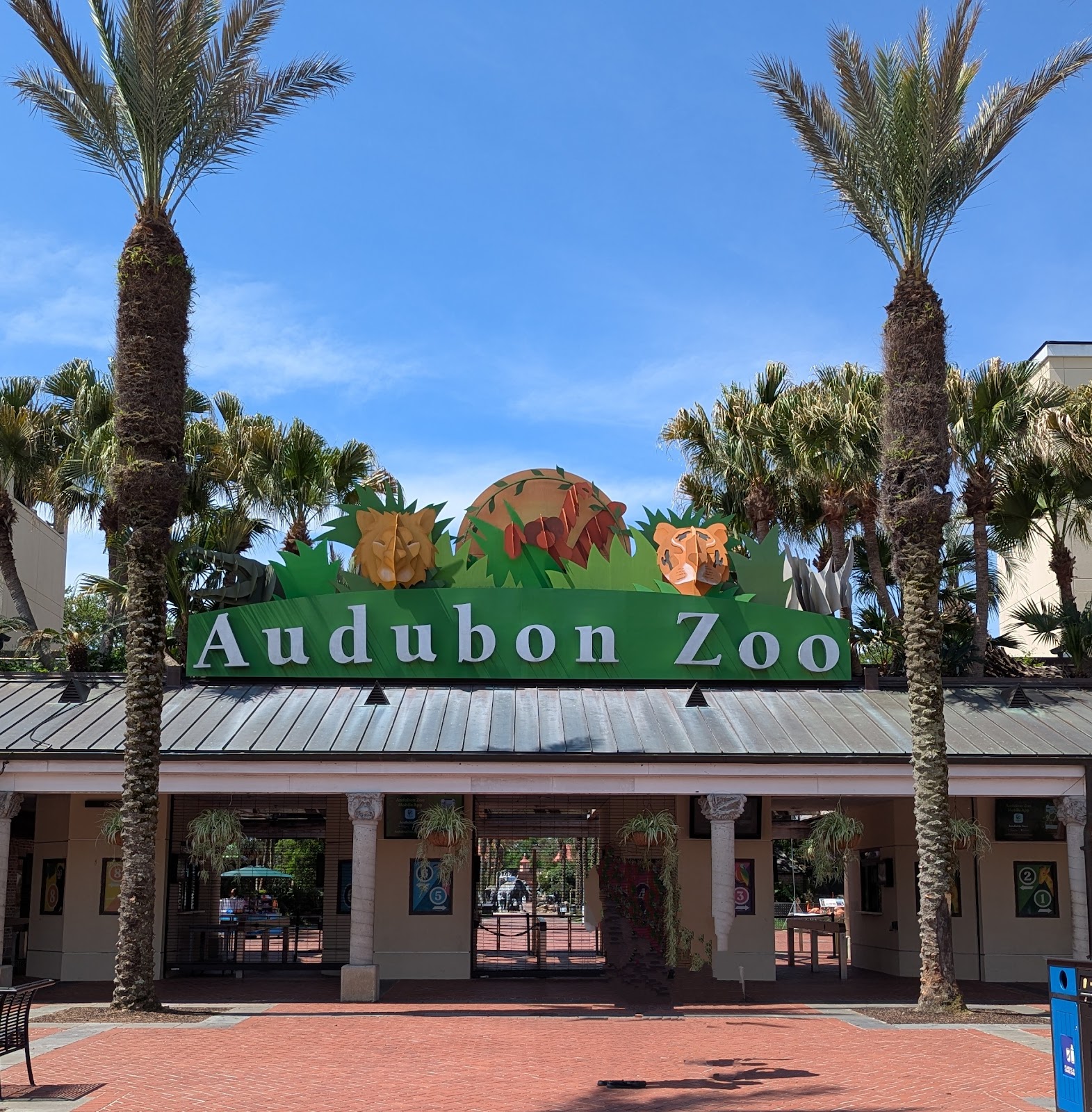
The Audubon Zoo: A Season-by-Season Photography Guide
In Audubon Park, Uptown New Orleans, with mature live oaks, a 1920s sea lion pool and grounds laid out among some of the city's oldest trees.
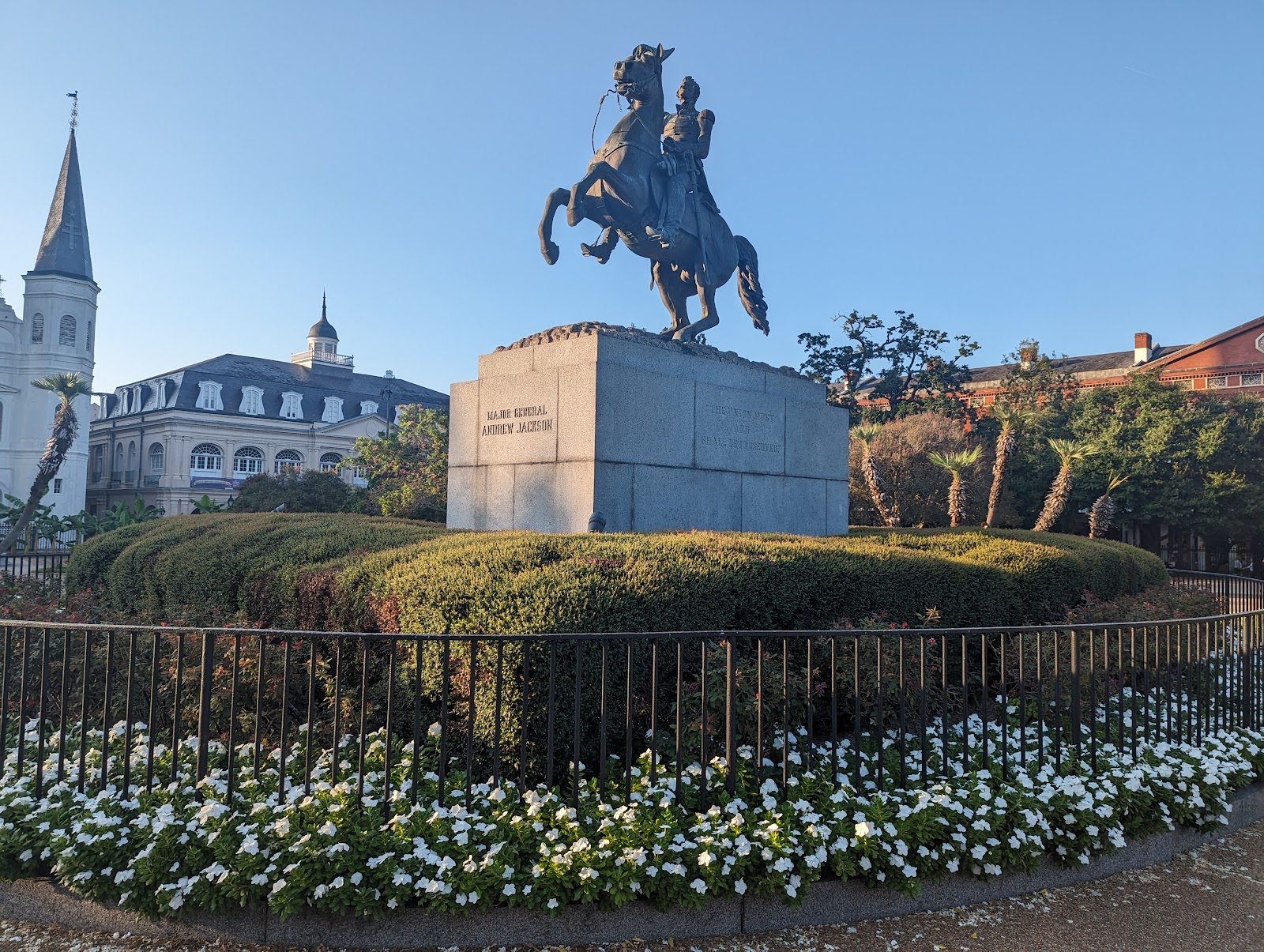
The Presbytère: A Photographer Answers Your Questions
Begun 1791 on Jackson Square as the twin of the Cabildo, completed in the 1810s, now part of the Louisiana State Museum with arcaded galleries facing the square.
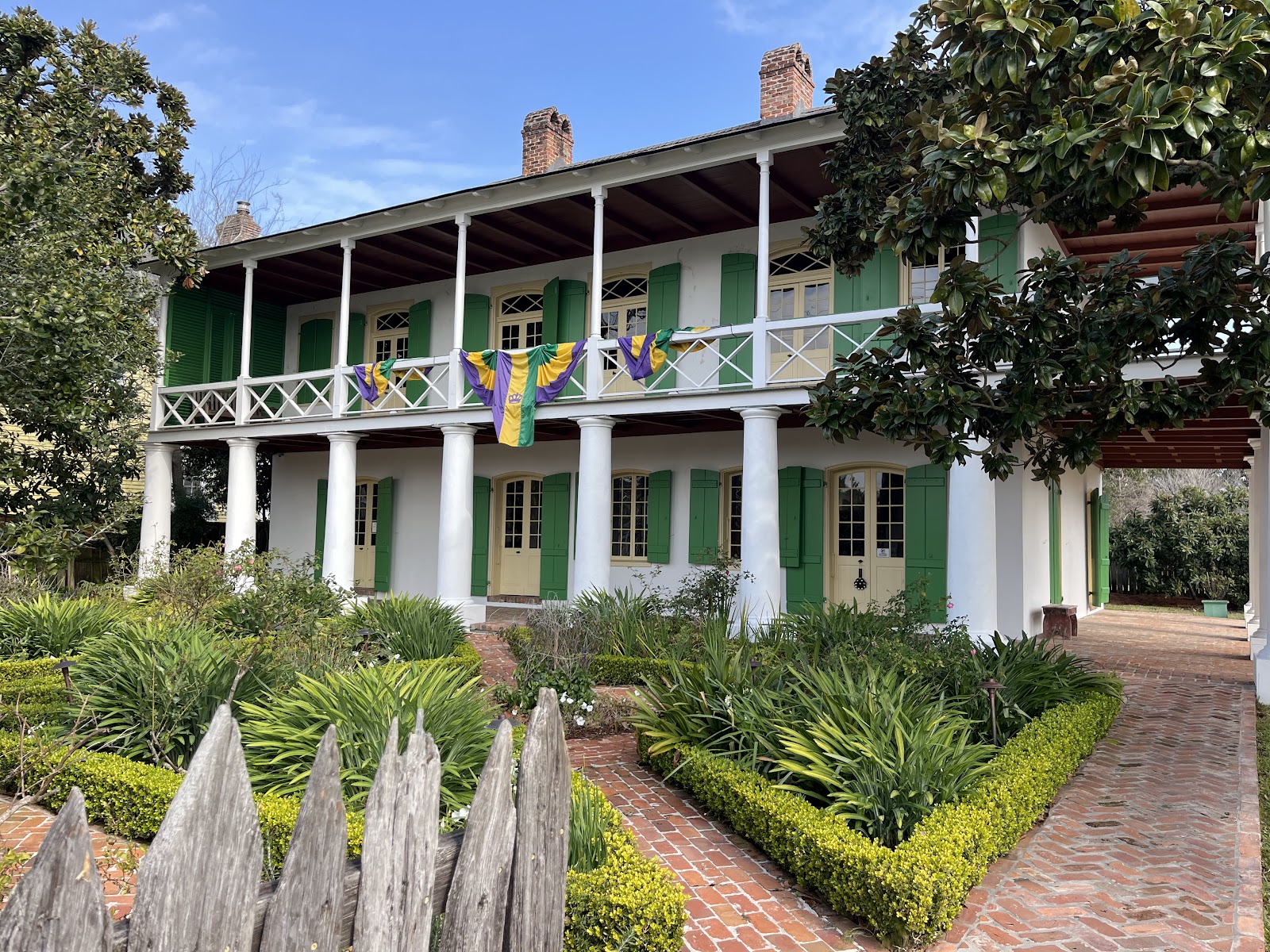
The Pitot House: A Walk-Through of a West Indies Colonial on Bayou St. John
A circa-1799 West Indies colonial plantation-style house on Bayou St. John, with wraparound galleries, raised construction and mature grounds.
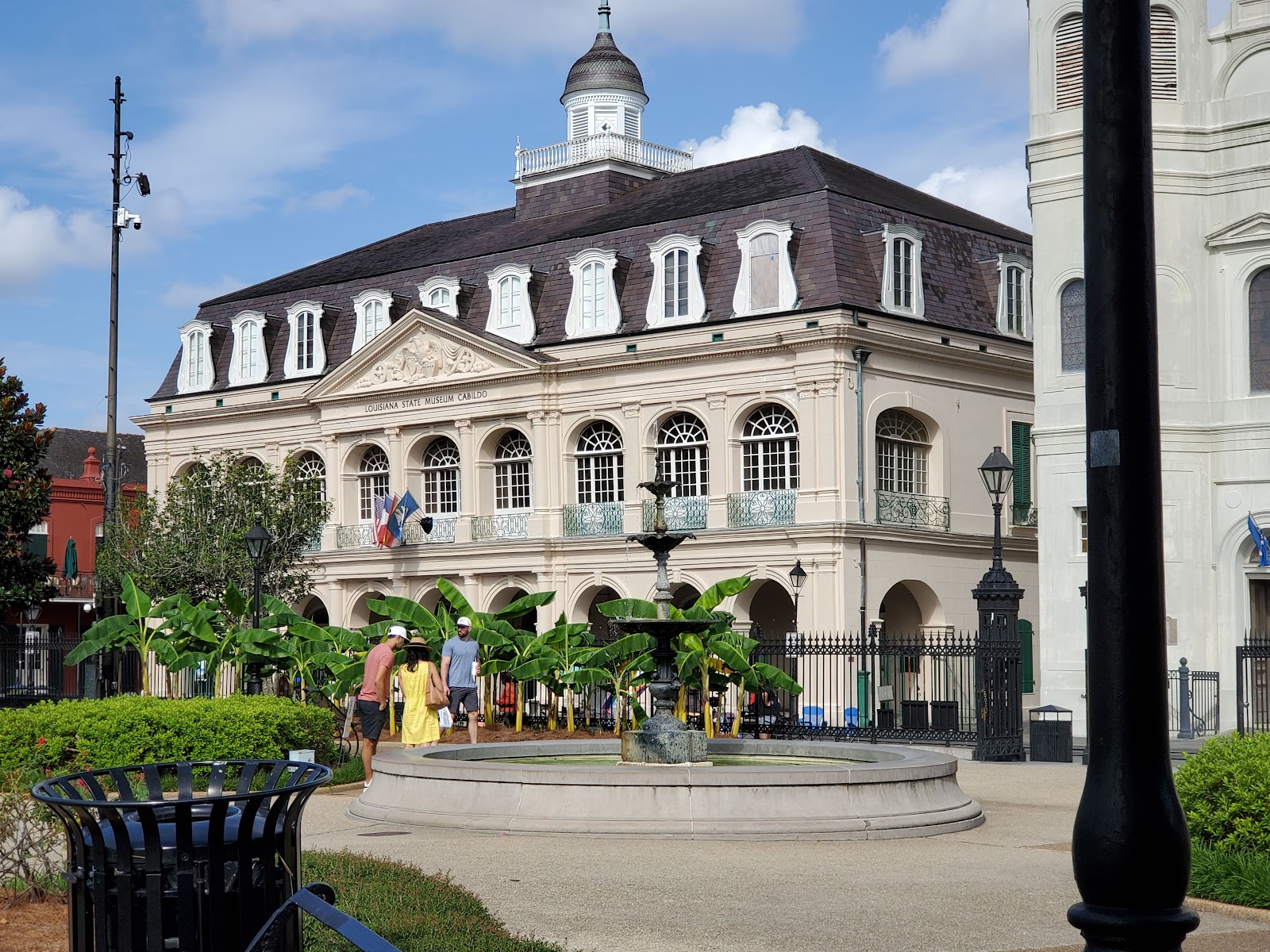
The Cabildo: Building the Shot List on Jackson Square
Completed 1799 on Jackson Square, the Spanish colonial seat of government where the Louisiana Purchase transfer was signed, now a Louisiana State Museum.
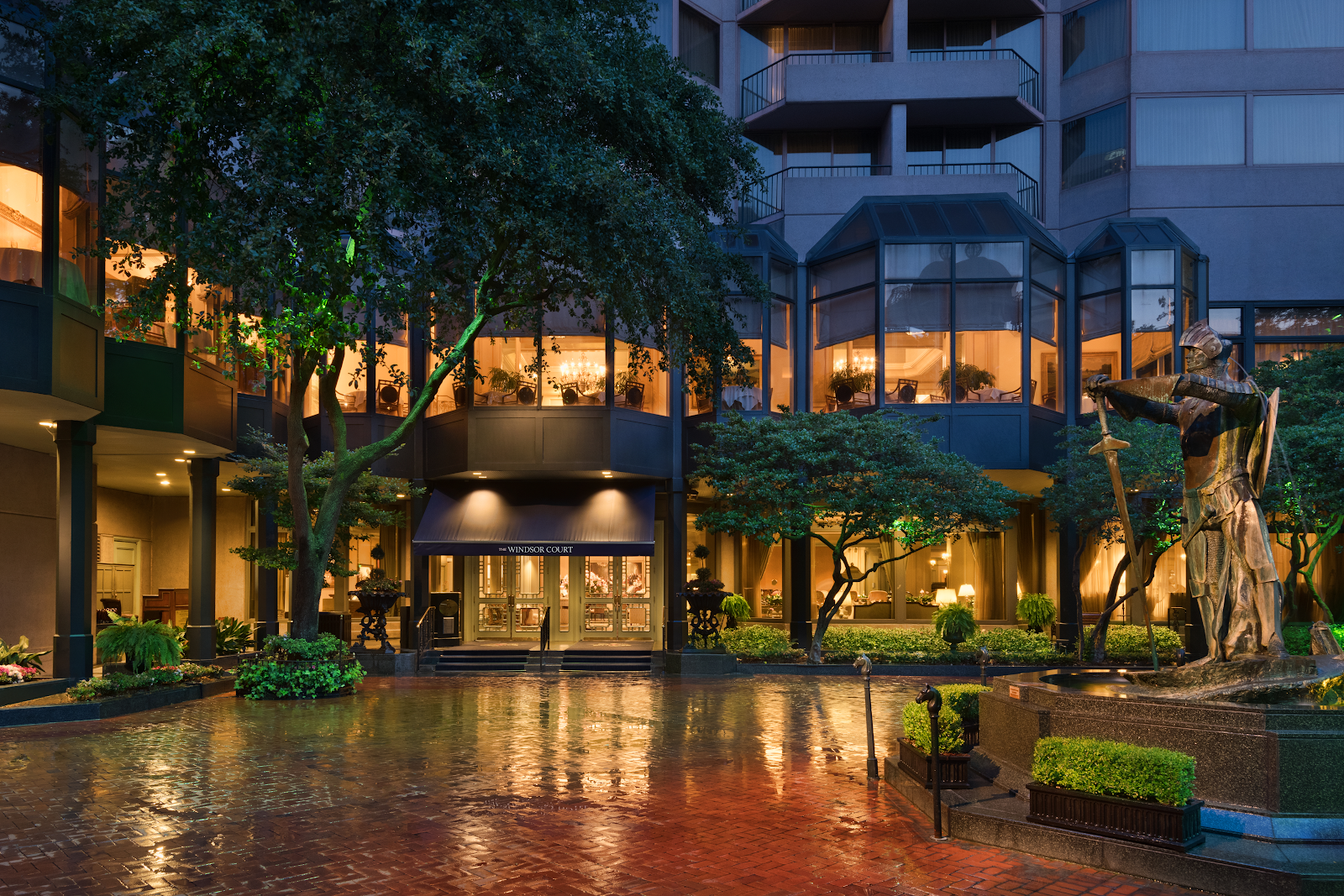
The Windsor Court: Lighting a Hotel Full of Art and Antiques
A luxury hotel in New Orleans's Central Business District, near the French Quarter, known for its substantial collection of art and antiques throughout the public rooms.
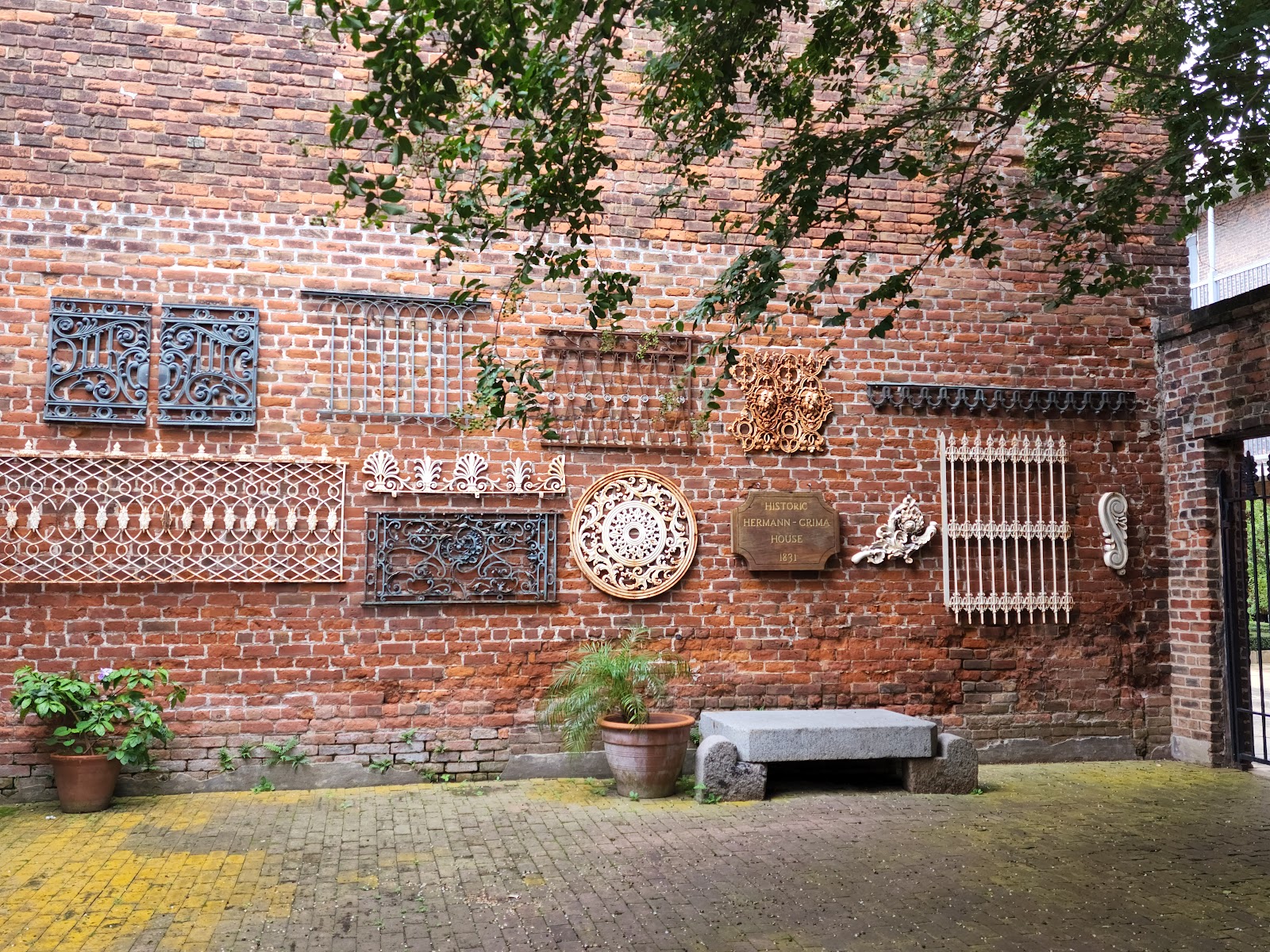
The Hermann-Grima House: Who This French Quarter Courtyard Suits
Built 1831 in the French Quarter, an American-style townhouse with a walled courtyard, original kitchen and stable buildings, run as a house museum.
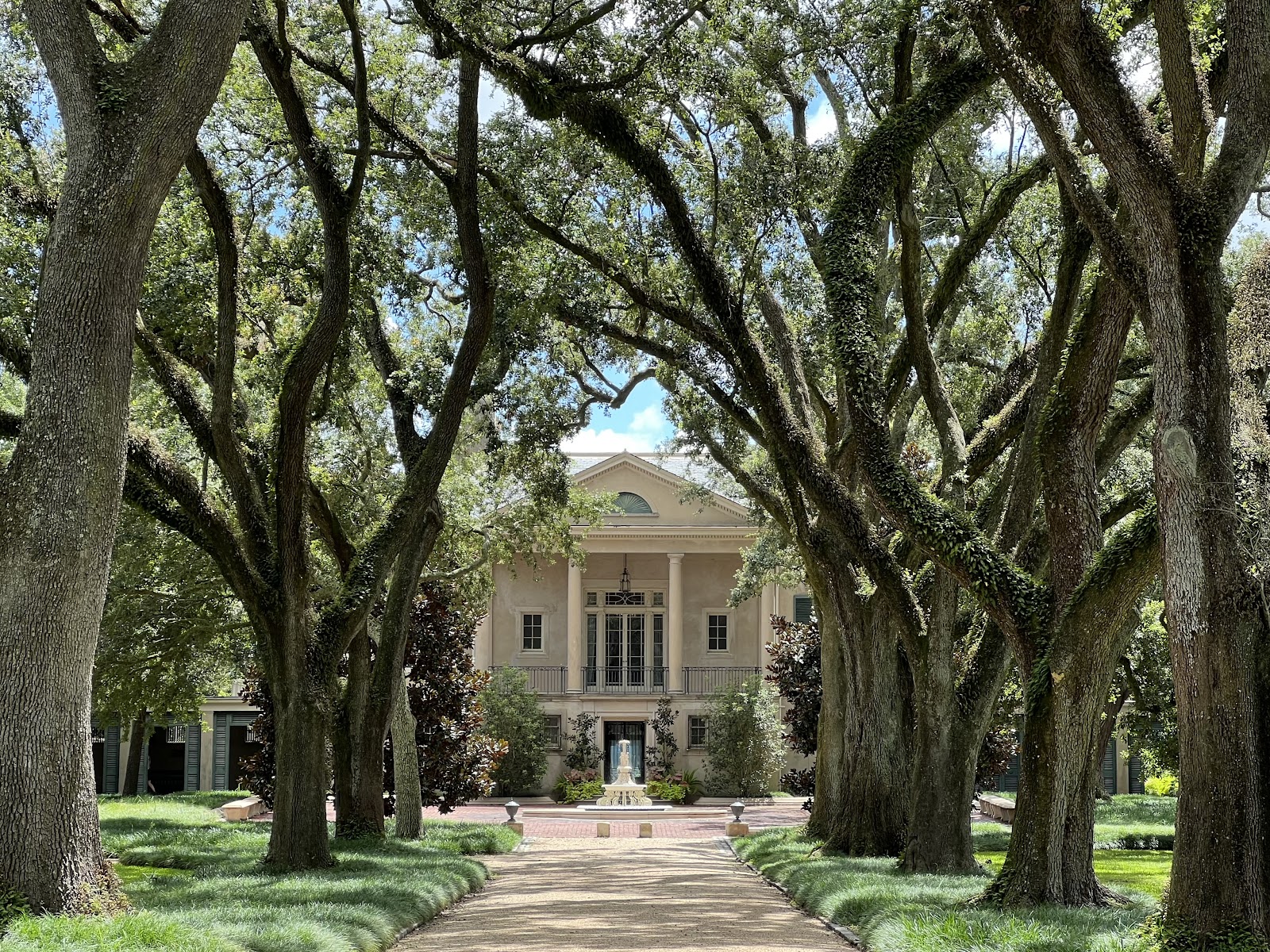
Longue Vue: Reading the Light Across Eight Acres of Gardens
A 1939–1942 Classical Revival house on around eight acres in New Orleans, with gardens designed by Ellen Biddle Shipman including the Spanish Court.
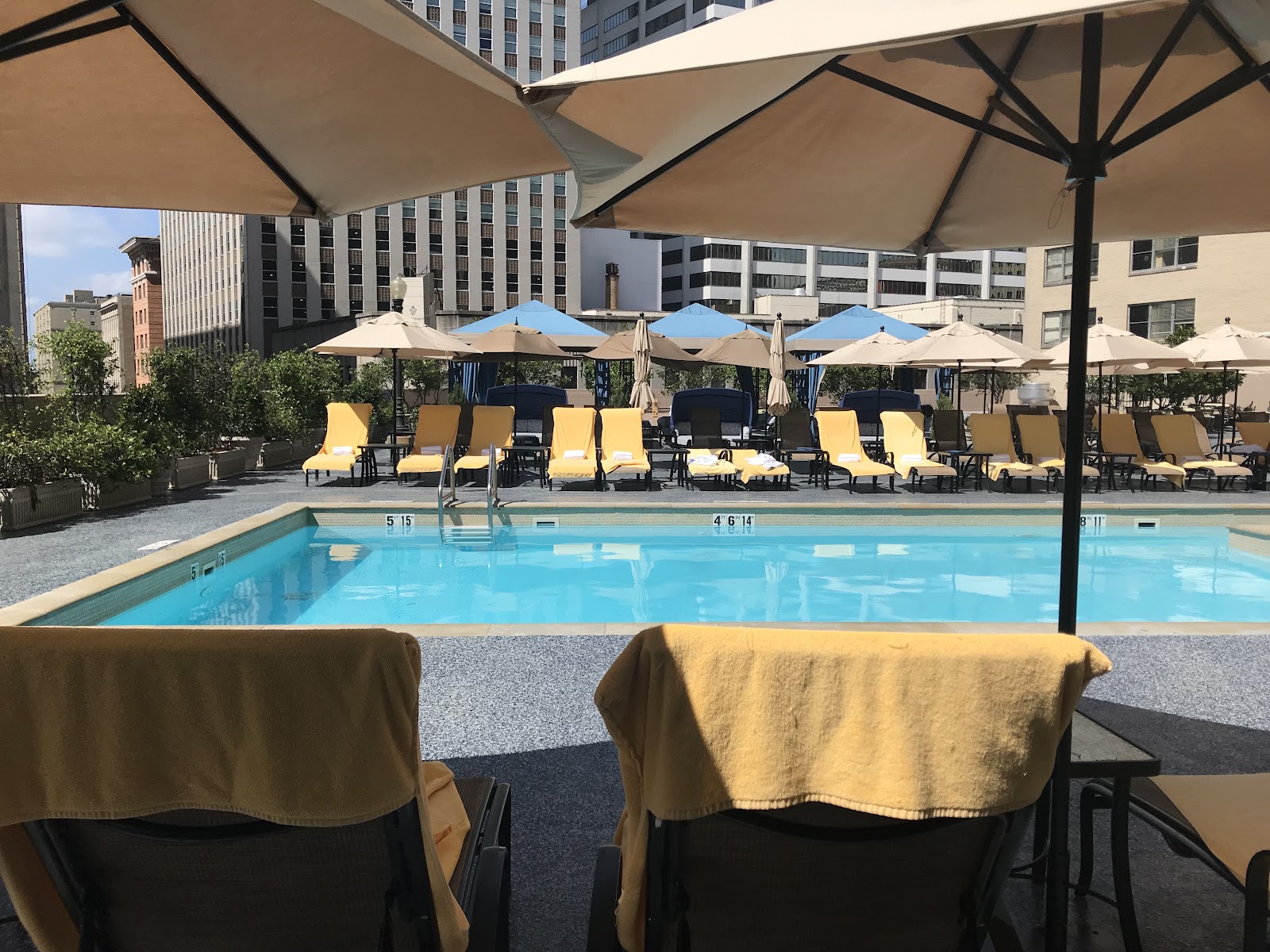
The Roosevelt New Orleans: The One Decision That Governs Everything
A grand hotel in New Orleans, open since 1893 and long established as a symbol of luxury in the city.