 The Audubon Aquarium: Field Notes on Photographing Through Glass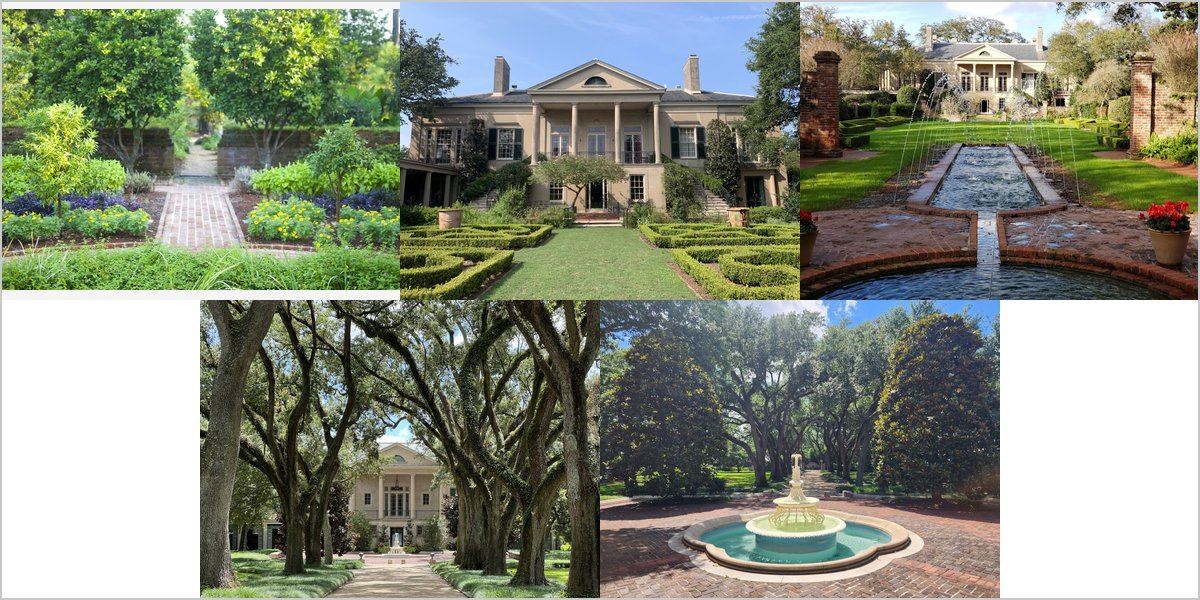
April 26, 2026
Longue Vue: Reading the Light Across Eight Acres of Gardens
Eight acres of designed gardens around a Classical Revival house. The Spanish Court is the frame, and New Orleans humidity is the constraint.
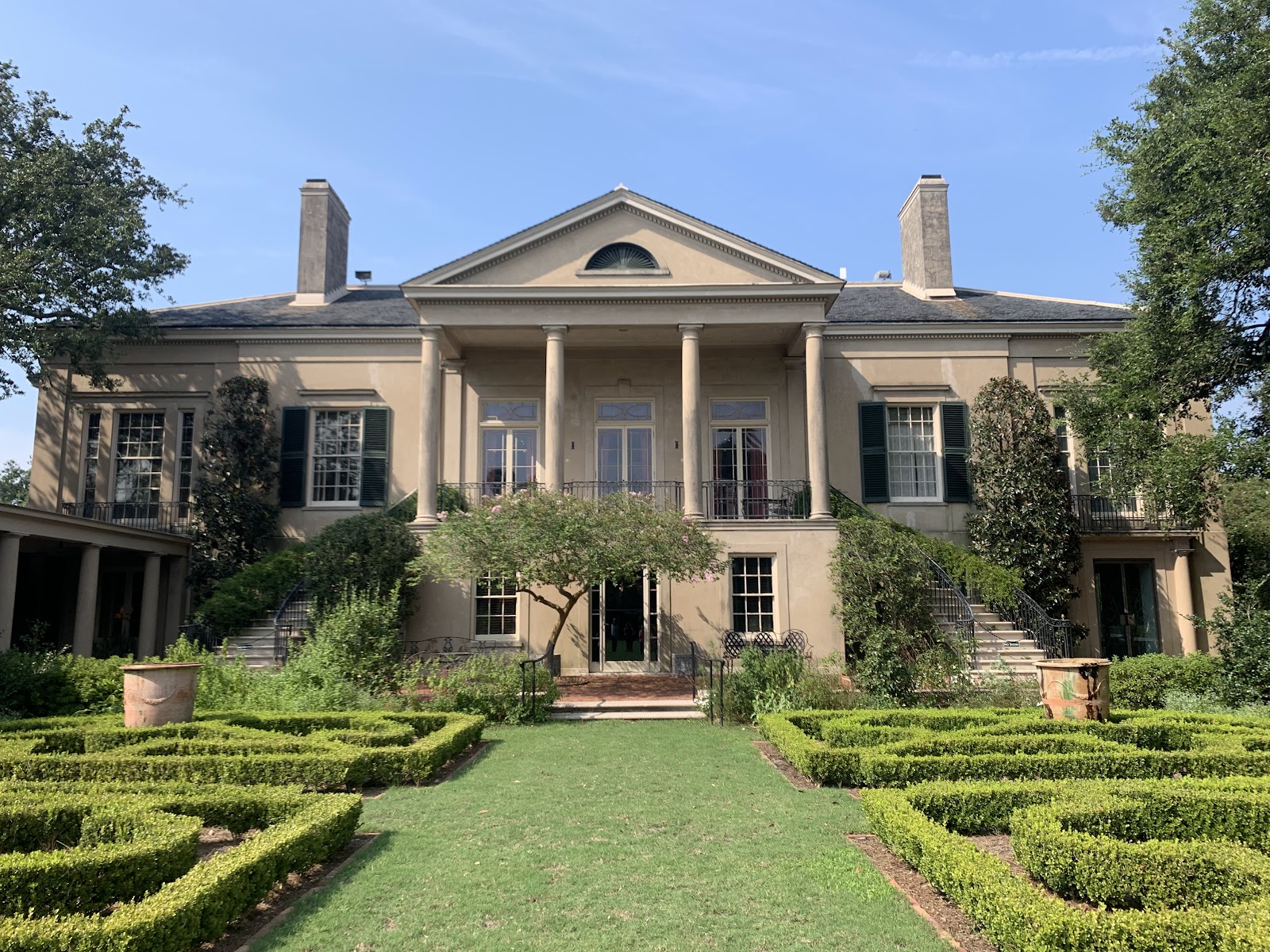
Longue Vue House and Gardens was built between 1939 and 1942 for Edgar and Edith Stern, a Classical Revival house on around eight acres in New Orleans, with gardens laid out by Ellen Biddle Shipman — one of the most significant American landscape designers of the period. The Spanish Court, with its fountains and geometric planting, is the best-known of them.
Photographically the gardens outweigh the house, and specifically because they are designed rather than merely planted. A Shipman garden is built on axes, enclosures and sightlines, which means the good compositions are designed into the place — stand where the designer intended and the frame organises itself. Fountains add moving water, a bright element and sound.
This is a light-and-timeline guide. We have not photographed a wedding at Longue Vue; formal garden geometry, fountain water and Gulf Coast humidity behave predictably. Which areas are bookable, house access and conservation rules are for their team.
Longue Vue House and Gardens at a glance
| Where | Bamboo Road, New Orleans, Louisiana — around eight acres |
| Built | 1939–1942, Classical Revival; gardens by Ellen Biddle Shipman |
| Centrepiece | The Spanish Court, with fountains and geometric planting |
| Light | Designed garden geometry; strong Gulf Coast sun and severe humidity |
| Plan around | Humidity, afternoon thunderstorms, and a fountain’s shutter speed |
Why a designed garden photographs differently
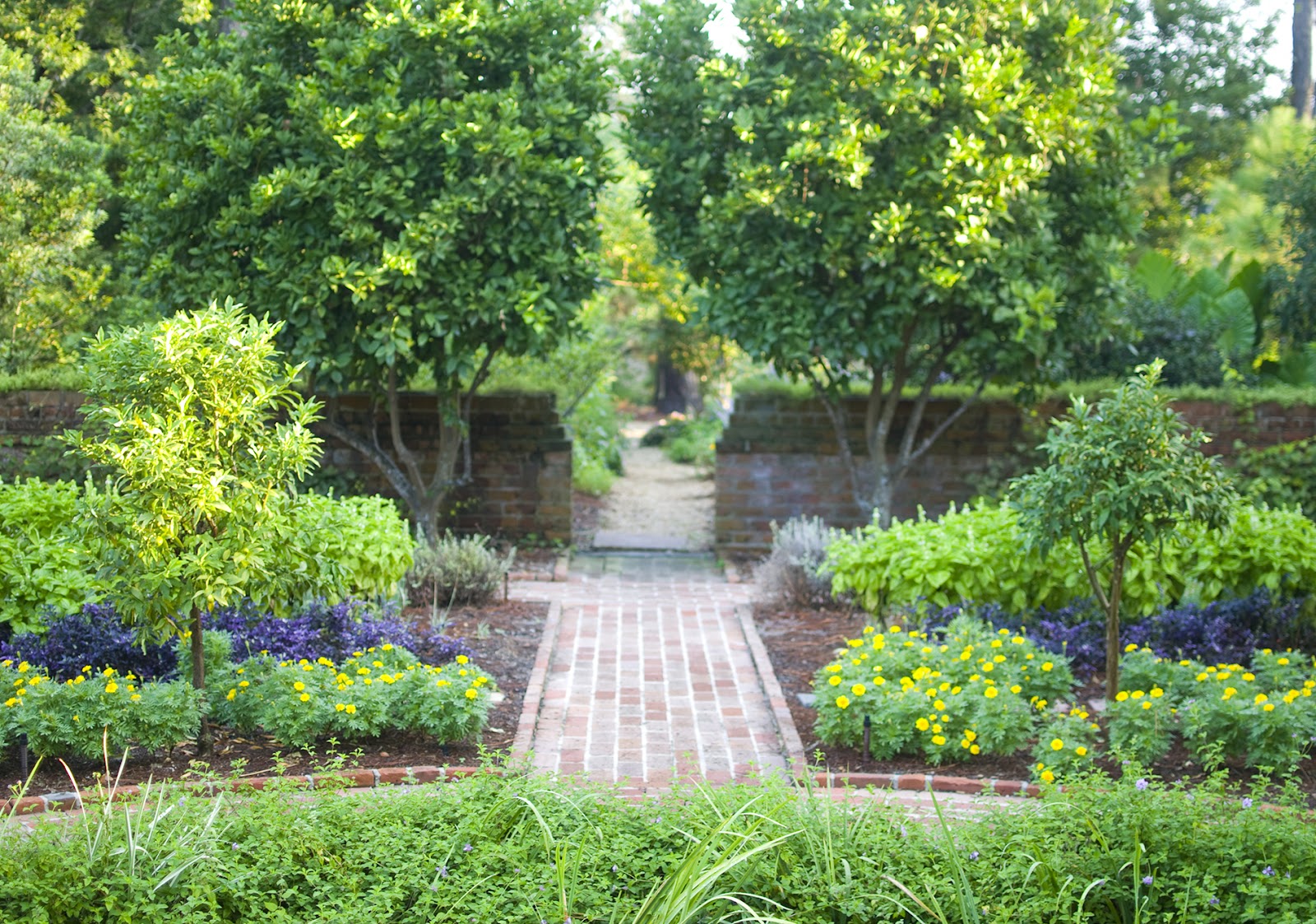
An informal garden gives you planting and you find your own compositions in it. A designed garden by a significant landscape architect gives you axes, framed views, enclosures and deliberate sightlines — the compositions already exist and your job is to recognise and occupy them.
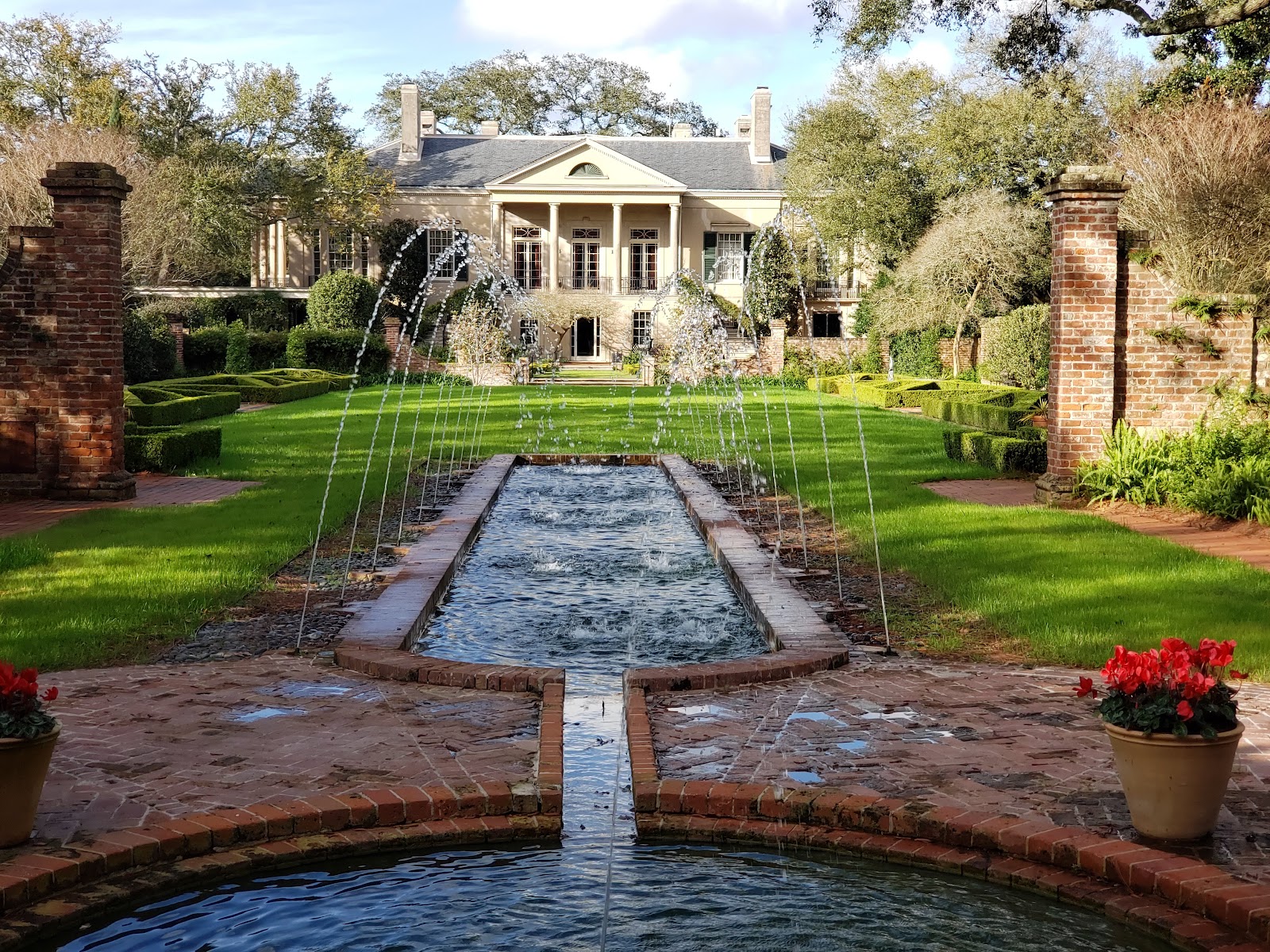
Practically that means slowing down and looking for the intended views rather than wandering. A Shipman garden will have a point from which a court reads symmetrically, an axis along which a fountain aligns, an arch or hedge opening that frames a view. Those are the frames, and standing two metres to the side of them produces a markedly weaker photograph.
Axial and symmetrical compositions are also unforgiving. The camera needs to be on the centre line and level — a few centimetres off and the symmetry collapses and the frame reads as a mistake rather than a composition. This is a venue that rewards care more than speed.
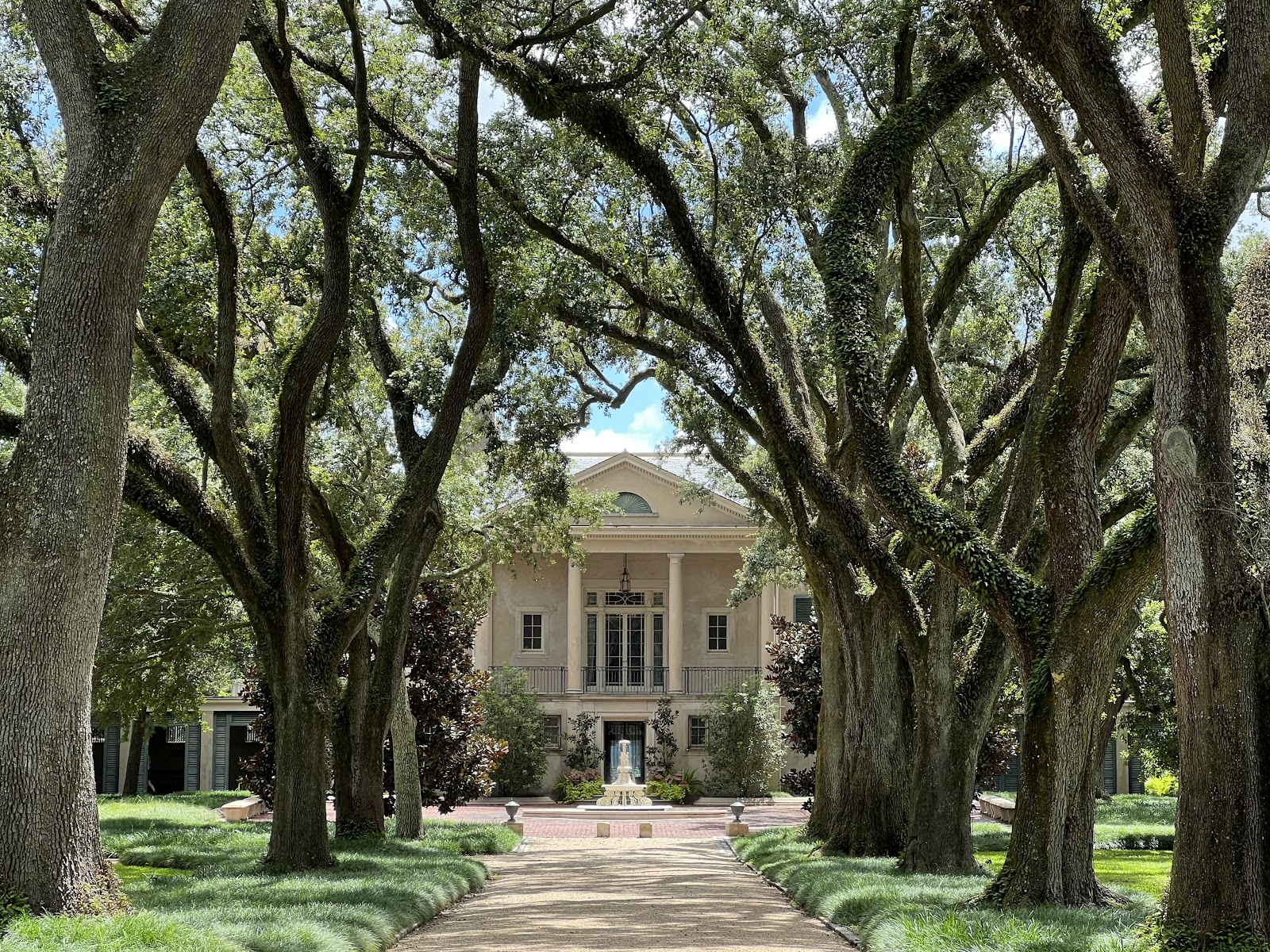
A Shipman garden has one further characteristic worth exploiting: it is designed as a sequence of enclosures rather than a single open space, so moving thirty metres changes the environment completely. That means a gallery from eight acres here can look as varied as one from a much larger estate, without the walking that a large estate demands. For a venue in a humid climate, where keeping outdoor sessions short genuinely matters, that compactness is a real advantage rather than a limitation.
Fountains, and the shutter speed decision
Moving water gives you three things: a bright element in the frame, sound that relaxes people, and reflections. It also forces a decision that should be deliberate rather than accidental.
Above about 1/500 falling water freezes into individual droplets, which reads as crisp and energetic and catches light beautifully when backlit. Around 1/60 to 1/125 it becomes streaks. Below about 1/15 it turns to smooth white cotton wool. For a wedding photograph, fast is usually better — frozen droplets have texture and sparkle, whereas long-exposure silk water tends to look like a landscape photograph that happens to contain a couple.
Keep the shutter at 1/500 or faster whenever fountain water is prominent in frame. The exception is a deliberate atmospheric image with the fountain as a soft white mass behind a still couple, which needs a tripod and should be a choice.
Gulf Coast humidity and the afternoon storm
New Orleans humidity is the most severe in this series and it needs planning for rather than enduring. Three consequences that affect photographs rather than only comfort.
Lens fogging: a lens brought from an air-conditioned house or car into that air fogs completely, inside and out, and takes fifteen to twenty minutes to clear with nothing to do but wait. Acclimatise equipment before you need it, and if you are moving repeatedly between the house and the gardens, dedicate one body to each rather than swapping. In a venue with both interiors and gardens this is the single most likely thing to cost you frames.
Heat in formalwear: a Louisiana summer afternoon in an unshaded formal garden is genuinely punishing, and it shows in faces. Keep outdoor blocks short and schedule them for the ends of the day.
Afternoon thunderstorms: routine through the summer, often heavy and often brief. A garden venue needs a real covered plan, so ask specifically where a ceremony and a group photograph happen in a downpour. The consolation is that these storms usually clear, and wet formal planting photographs beautifully — saturated foliage, darkened stone, even light.
The timeline, and the house
Working from the light and the climate rather than a generic template.
- Acclimatise equipment before the first garden session. Fifteen to twenty minutes, or lose the frames entirely.
- Nothing in open garden sun between mid-morning and late afternoon. The contrast is harsh and the heat is worse.
- Portraits in the last ninety minutes, when low sun rakes across the formal geometry and picks out hedges, paths and water.
- Take the axial frames deliberately, on the centre line and level. This is the venue’s signature and it needs care.
- Keep the shutter at 1/500 where fountains are prominent.
- Confirm the wet-weather plan for ceremony and groups specifically. Not rain generally — a Louisiana downpour.
What works in your favour
- Gardens by a major landscape designer, with compositions built into the design
- Fountains give a bright element, sound and reflections
- Eight acres with enclosures and courts giving several visually distinct locations
- Low raking light across formal geometry picks out hedges, paths and water
- Wet formal planting after a storm photographs beautifully
What to plan around
- Severe humidity fogs lenses for fifteen to twenty minutes moving between house and garden
- Open formal gardens are harsh and punishing in a Louisiana summer afternoon
- Routine afternoon thunderstorms require a specific covered plan
- Axial compositions are unforgiving of off-centre or tilted framing
- Assume conservation rules in a house museum of this period
More frames from Longue Vue House and Gardens
Longue Vue House and Gardens wedding photography: common questions
What makes a designed garden different to photograph?
The compositions already exist. A Shipman garden is built on axes, enclosures and framed views, so there is a point from which a court reads symmetrically and an axis along which a fountain aligns. Your job is to recognise and occupy those, and standing two metres off them produces a markedly weaker frame.
What shutter speed should fountains be shot at?
1/500 or faster whenever the water is prominent, so it freezes into individual droplets with texture and sparkle — especially backlit. Around 1/60 it becomes streaks and below 1/15 smooth cotton wool, which usually looks like a landscape photograph that happens to contain a couple.
How bad is the humidity for equipment?
It is the most severe in this series and the likeliest thing to cost you frames. A lens carried from an air-conditioned interior into that air fogs inside and out and takes fifteen to twenty minutes to clear. Acclimatise gear in advance, and dedicate one body to each environment rather than swapping.
What should the rain plan cover?
Specifically where a ceremony happens and where a thirty-person group photograph happens in a Louisiana downpour — not rain in general. Afternoon thunderstorms are routine through the summer and often heavy. The consolation is they usually clear, and wet formal planting photographs beautifully.
When should the portraits happen?
The last ninety minutes of daylight. Low sun rakes across the formal geometry and picks out hedges, paths and water, while open garden sun between mid-morning and late afternoon is both harsh and genuinely punishing in Louisiana heat.
Is eight acres enough for a varied gallery?
More than enough, because a Shipman garden is a sequence of enclosures rather than one open space — moving thirty metres changes the environment completely. A gallery from here can look as varied as one from a much larger estate without the walking, which in a humid climate is a real advantage.
More New Orleans venue guides
We are writing a photographer’s guide to every venue we would happily shoot in New Orleans. Here are three more, plus the full index:
- The New Orleans Pharmacy Museum: Who This Venue Suits
- The Pitot House: A Walk-Through of a West Indies Colonial on Bayou St. John
- The Cabildo: Building the Shot List on Jackson Square
All New Orleans Wedding Venues →
Planning a wedding at Longue Vue House and Gardens?
A designed garden rewards knowing where to stand, and Louisiana rewards knowing when. Tell us your date and we will plan the axial frames, the fountain settings and the acclimatisation.