 The Audubon Aquarium: Field Notes on Photographing Through Glass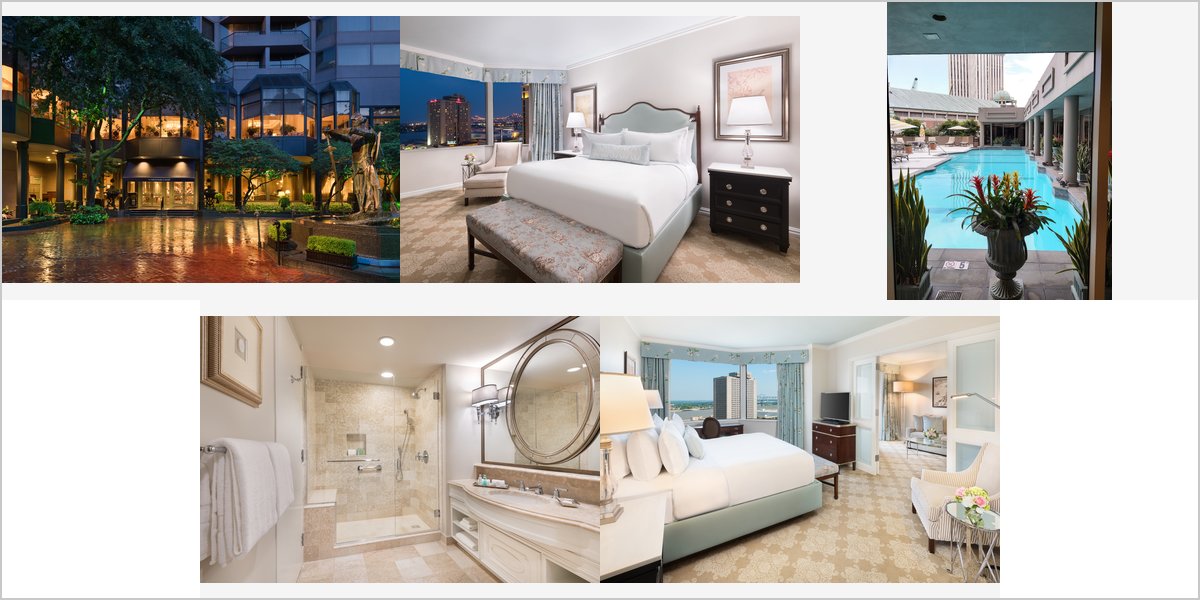
May 10, 2026
The Windsor Court: Lighting a Hotel Full of Art and Antiques
A hotel with a serious art collection on its walls. That changes the lighting decisions in ways a conventional hotel does not.
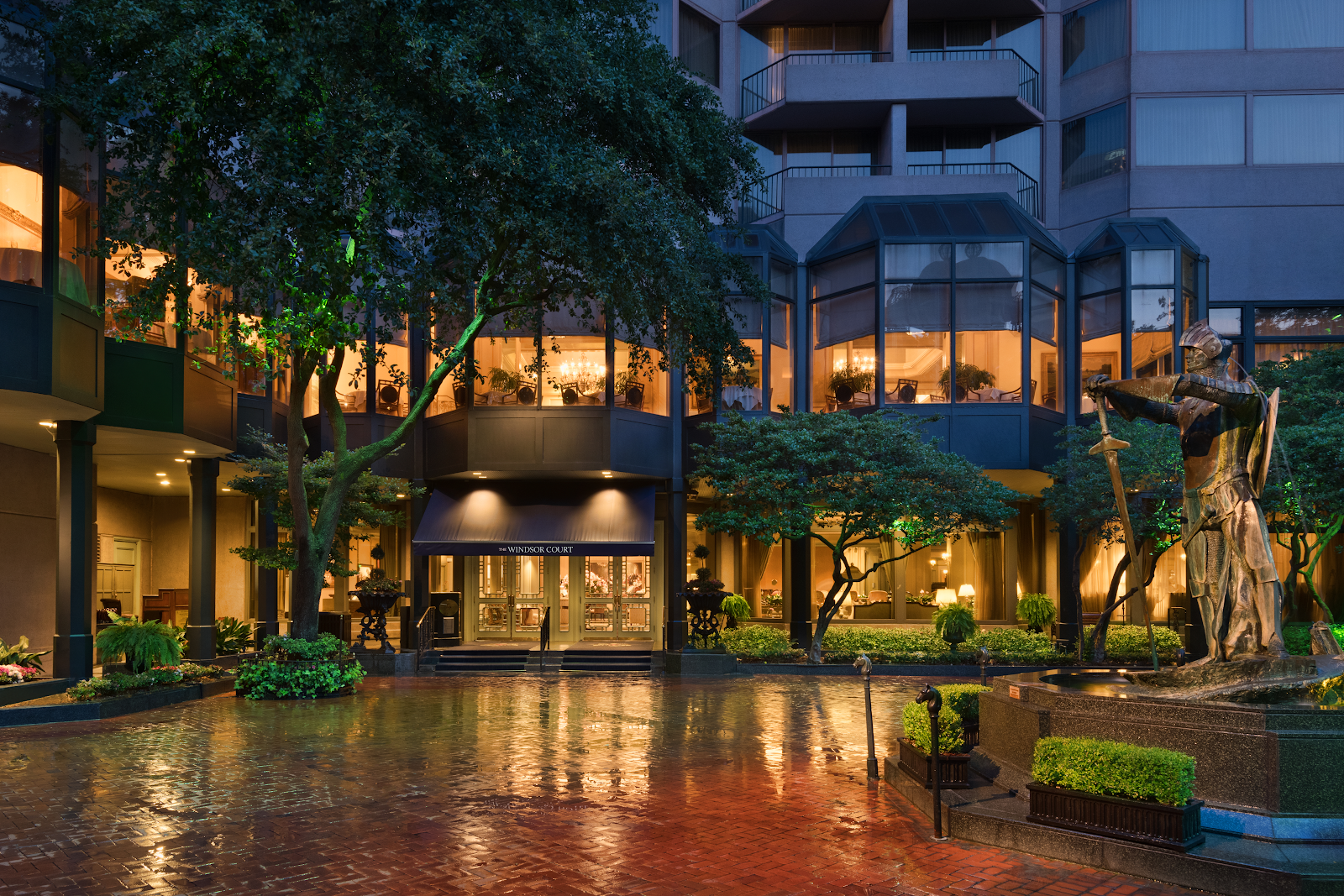
The Windsor Court is a luxury hotel in New Orleans’s Central Business District, a short walk from the French Quarter, distinguished by a substantial collection of art and antiques displayed throughout its public rooms and corridors — paintings, prints, furniture and objects rather than the generic decoration most hotels use.
Photographically that produces a specific and slightly unusual set of considerations. Artwork on walls means glazed and framed surfaces that reflect, it means backgrounds with real visual content competing for attention, and it may mean restrictions on how close people can stand or what light may be used near particular pieces. On the other hand it means backgrounds of genuine quality rather than hotel wallpaper.
This is the technical guide. We have not photographed a wedding at the Windsor Court; glazed artwork, antique furnishings and hotel ballrooms behave predictably. Which spaces your booking includes and any restrictions around the collection are for their events team, and the collection question is worth asking explicitly.
Windsor Court Hotel at a glance
| Where | Gravier Street, Central Business District, New Orleans, Louisiana |
| Character | Luxury hotel with a substantial collection of art and antiques throughout |
| Light | Warm artificial in the public rooms; guest rooms hold the daylight |
| The specific issue | Glazed framed artwork reflects, and competes for attention |
| Ask first | Restrictions around the collection, and which spaces are included |
Glazed artwork is a mirror at the wrong height
Framed pictures under glass sit at roughly eye level along corridors and in public rooms, and glass reflects. A flash fired anywhere near the axis of a glazed picture produces a hard bright rectangle in it, and because the pictures are at head height that reflection often lands directly behind or beside a subject’s face.
The control is angle. Shoot obliquely to any wall carrying glazed work rather than square-on, and keep your light well off the camera axis so its reflection bounces away from the lens rather than into it. Check the frame before committing, because a bright rectangle behind a couple’s head is very hard to remove and easy to miss on a small screen.
The same applies to polished antique furniture and any glass-fronted cabinets. Anything with a specular surface at head height in a hotel corridor is a potential reflection, and a hotel whose whole character is its collection has more of them than most.
Backgrounds with content compete for attention
A painting is a designed image, which means it is engineered to hold a viewer’s eye. Put a couple in front of one and the two compete — and in a photograph the painting often wins, because it is high contrast, carefully composed and rectangular in a way faces are not.
Three fixes. Separation: move people well clear of the wall so a wide aperture softens the work into tone rather than detail. Longer lenses: compression narrows how much of the background appears at all. And hierarchy: make the couple the brightest thing in frame, which means adding light to faces even in a well-lit corridor.
The alternative is to use a piece deliberately as context — one considered frame where the artwork is clearly part of the composition rather than accidentally behind someone. That works, and it suits a hotel whose identity is its collection. What does not work is a series of portraits with paintings randomly over people’s shoulders.
Ballrooms and the usual grand-hotel technique
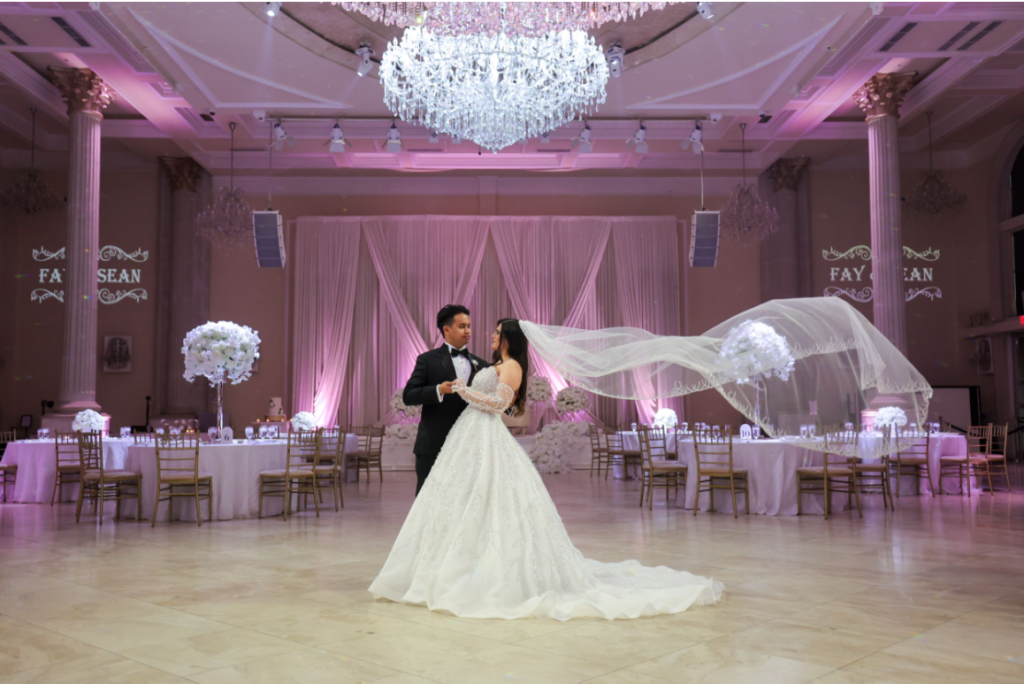
The event spaces will follow the luxury-hotel pattern: no daylight, warm fixtures, moderate to high ceilings, and finishes that are handsome rather than distinctive. Where the ceiling is moderate and pale, bounce flash works; where it is high or decorated, it does not, so establish which you are dealing with and plan accordingly.
Otherwise the standard approach: one modified key from the side, one behind the dancefloor as a rim light, ambient exposed so the fixtures read as glowing points rather than blown holes. Keep the room warm in white balance and light faces slightly cooler, because warm fixtures, antique timber and patterned carpet all add amber and nothing subtracts it.
Antiques are worth shooting on their own. A hotel with real furniture gives you detail frames with quality — a marquetry surface, a clock, a piece of porcelain — which are far better than the generic vignettes hotel weddings usually produce.
Daylight, the CBD and the French Quarter
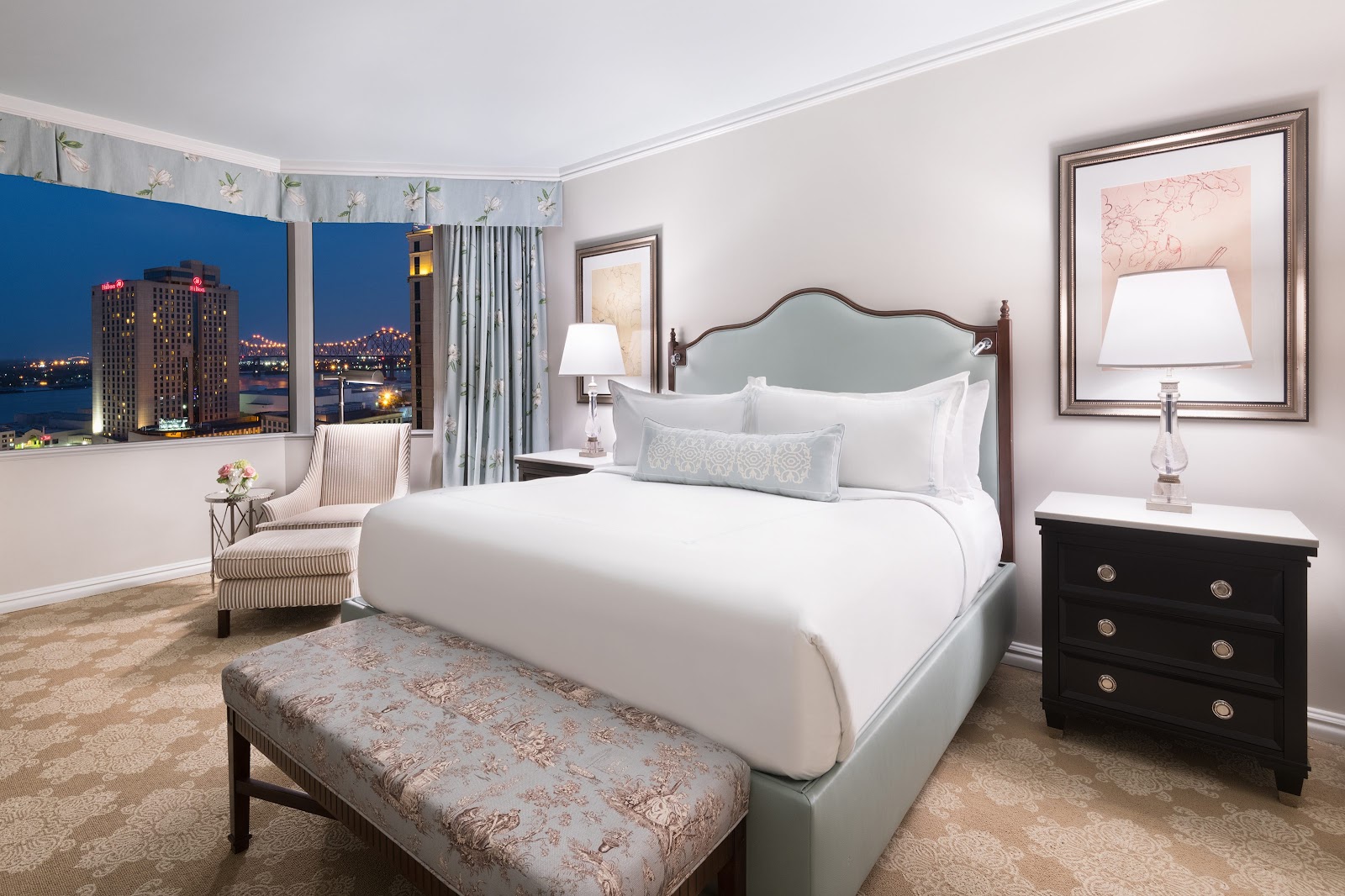
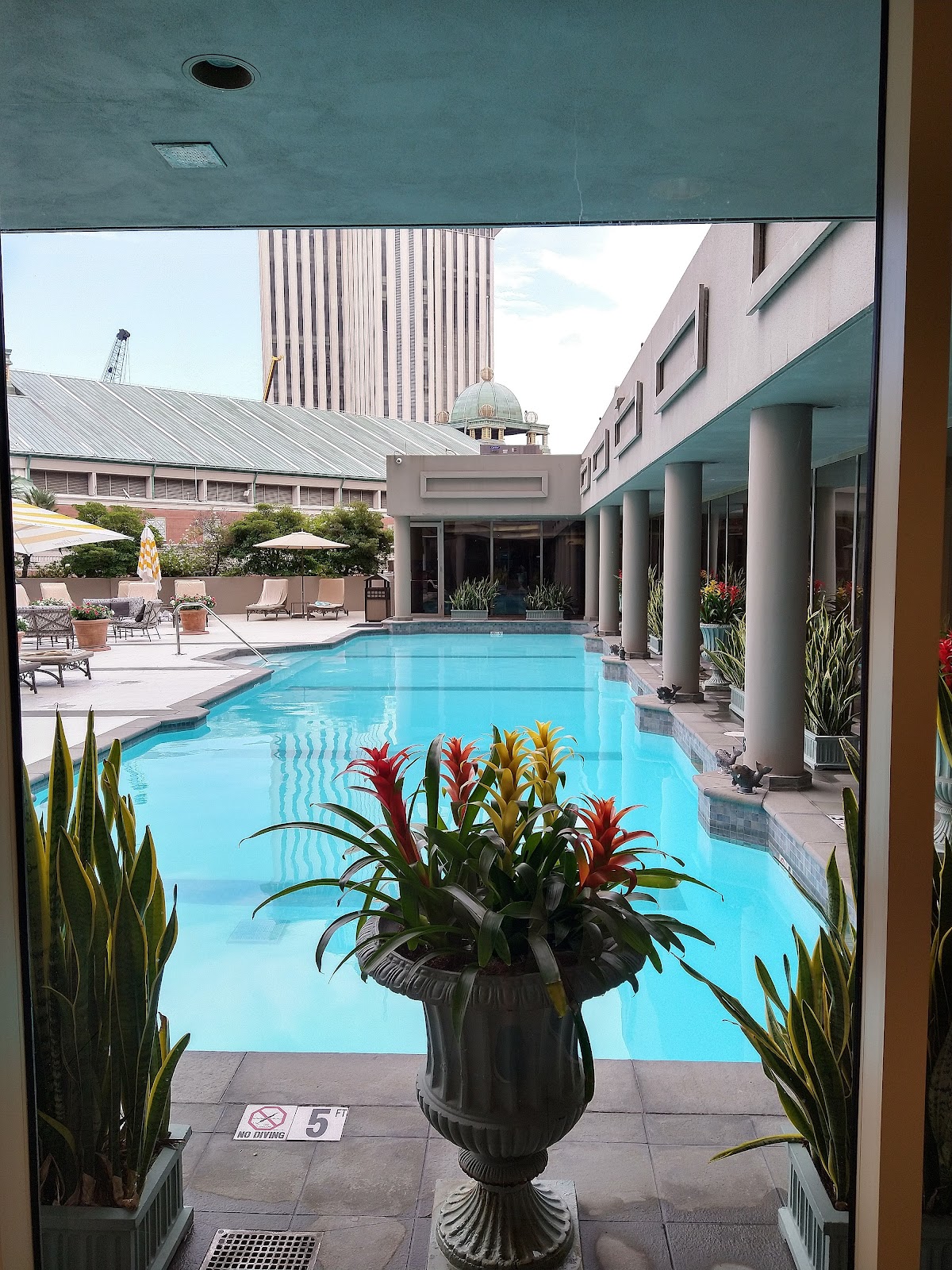
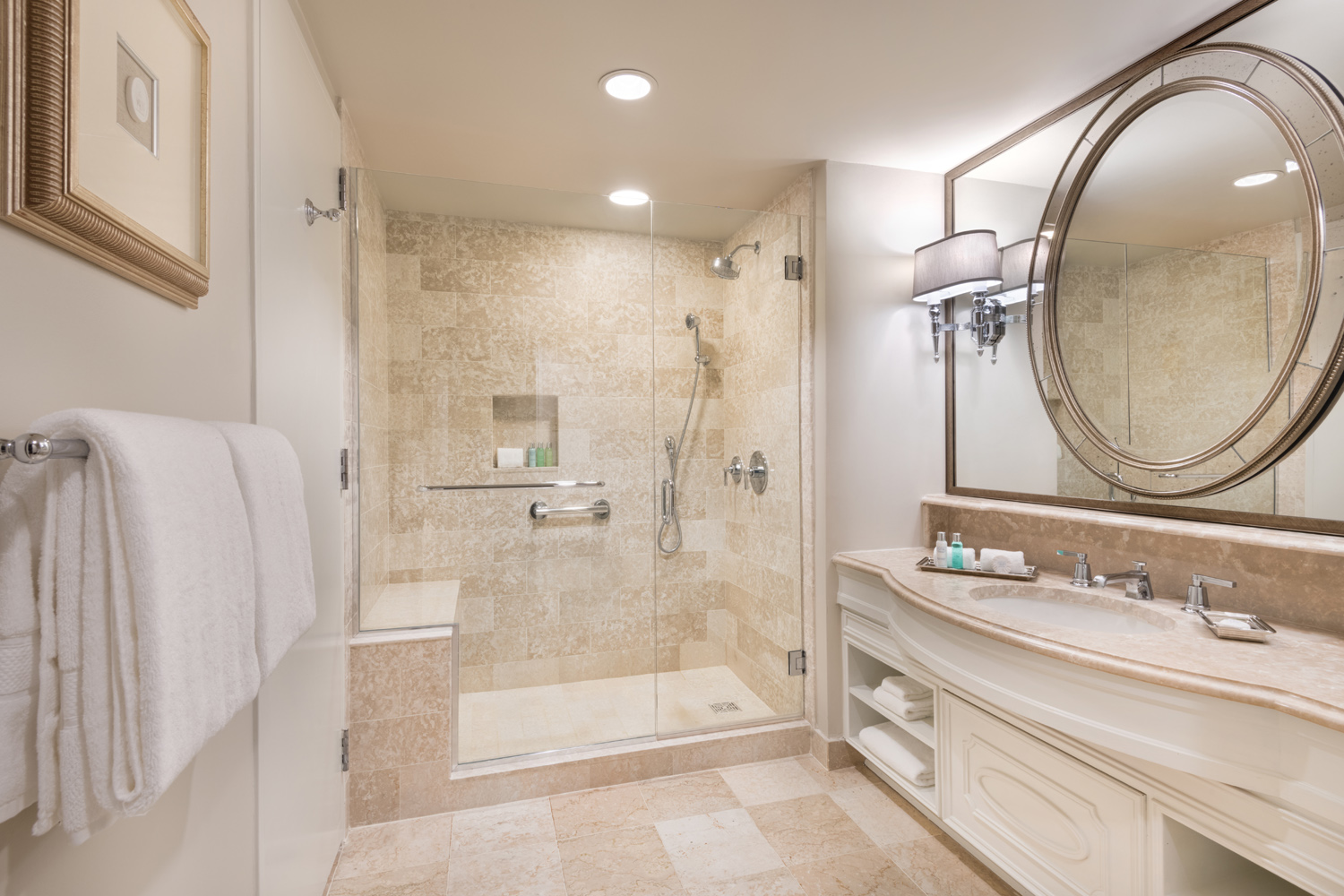
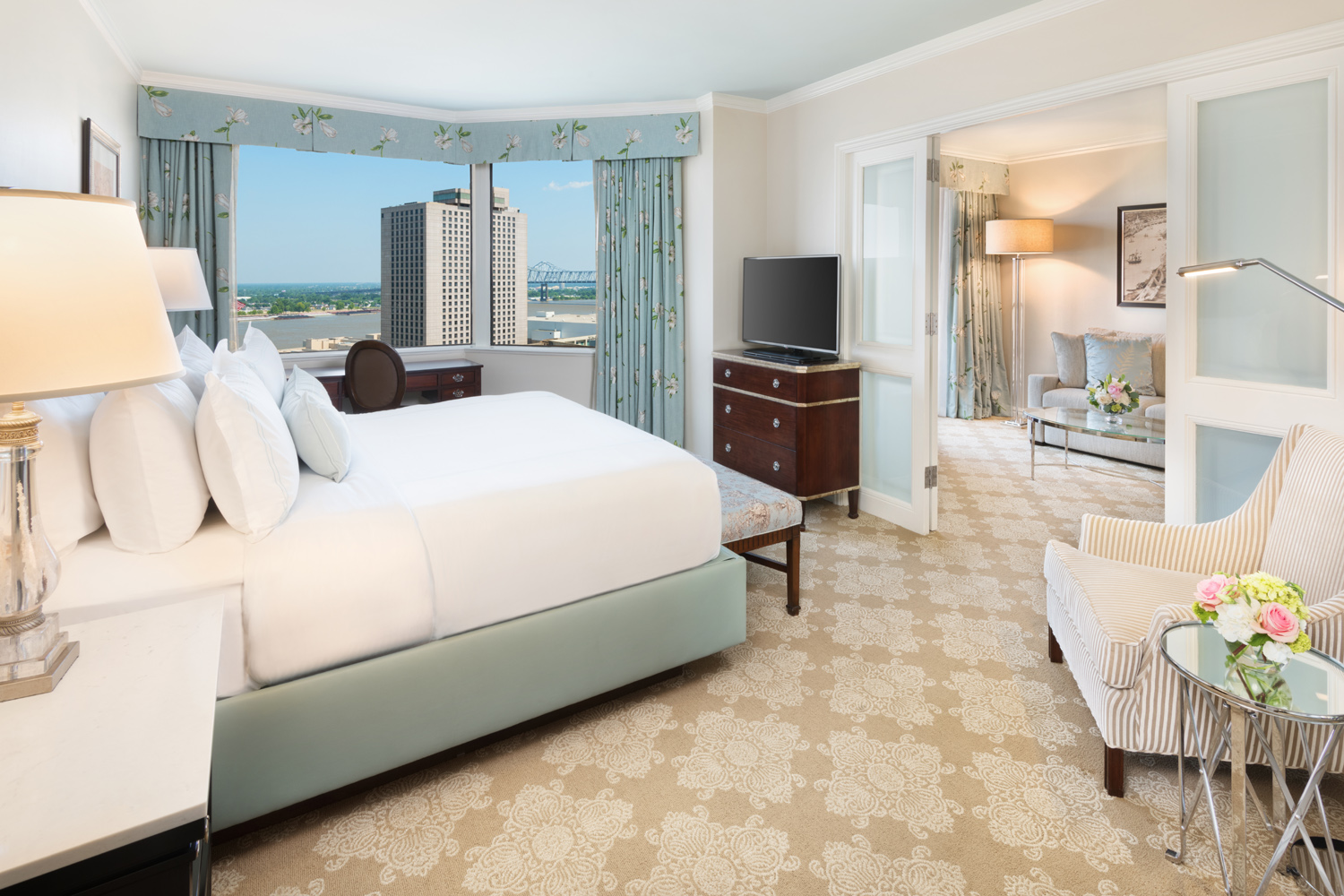
Guest rooms hold the daylight, so preparation belongs there: a higher floor, all artificial fixtures off, everything within a metre or two of the glass. At a luxury hotel the rooms themselves are usually worth including rather than framing out, which is not true at most hotels.
Outside, the Central Business District gives you early twentieth-century commercial architecture and the French Quarter is a short walk — ironwork balconies, stucco, courtyards visible through gates, and the streets that define the city. Both are best in the last hour of daylight and the twenty minutes after sunset.
New Orleans humidity is the practical hazard as everywhere in this city: a lens carried from a heavily air-conditioned hotel into that air fogs completely and takes fifteen to twenty minutes to clear. At a luxury hotel the air conditioning is more aggressive, which makes the differential larger and the problem worse. Acclimatise before the outdoor block rather than during it.
And keep the outdoor block short in summer. Louisiana heat in formalwear is punishing and it shows in faces within ten minutes.
What works in your favour
- Backgrounds of genuine quality — real art and antiques rather than hotel decoration
- Antiques give detail frames with substance, not generic vignettes
- Guest rooms at a luxury hotel are worth including rather than framing out
- Central Business District and the French Quarter both a short walk away
- Moderate pale ceilings in some event rooms mean bounce flash works
What to plan around
- Glazed framed artwork at head height reflects and is easy to miss on a small screen
- Paintings compete with faces and often win; separation and hierarchy are essential
- No daylight in the event spaces
- Aggressive air conditioning makes the humidity differential worse — fogging is severe
- Louisiana heat limits the outdoor block to about ten minutes in summer
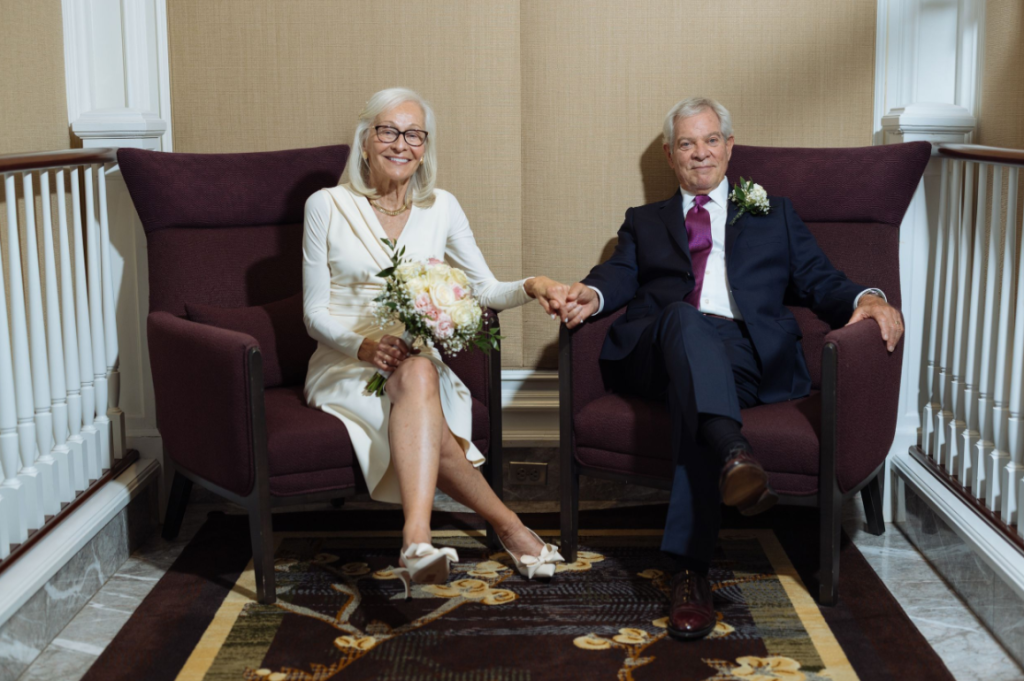
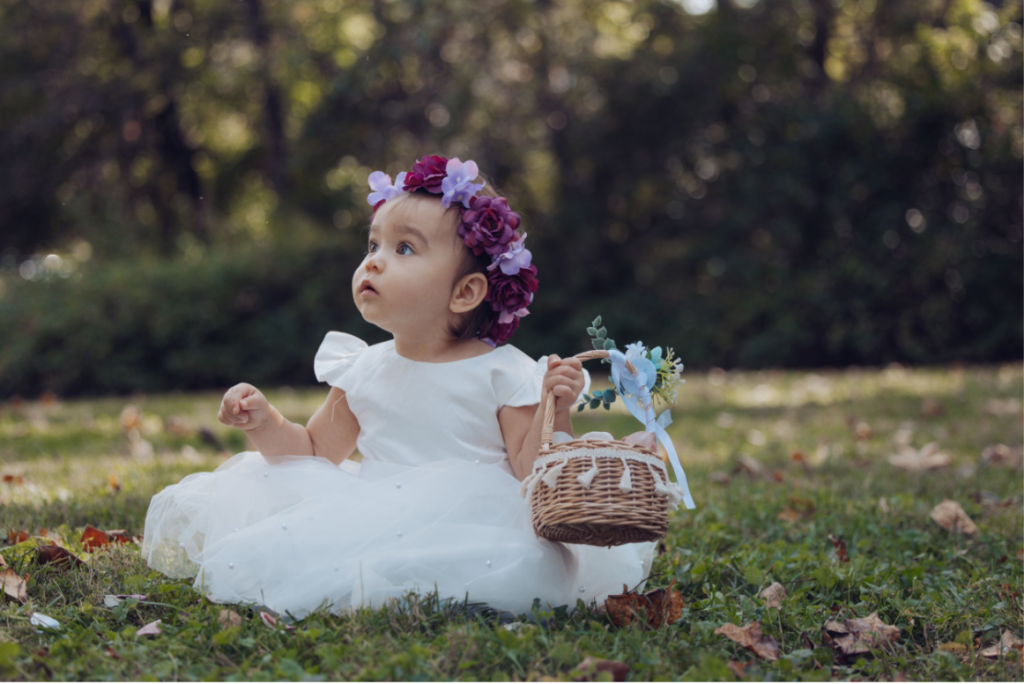
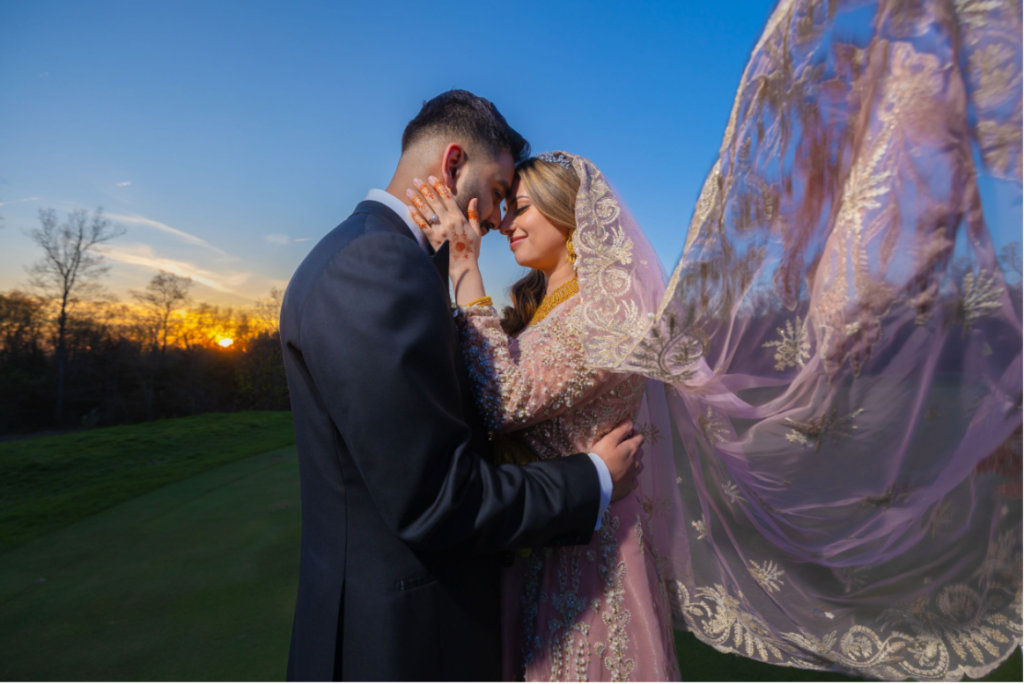
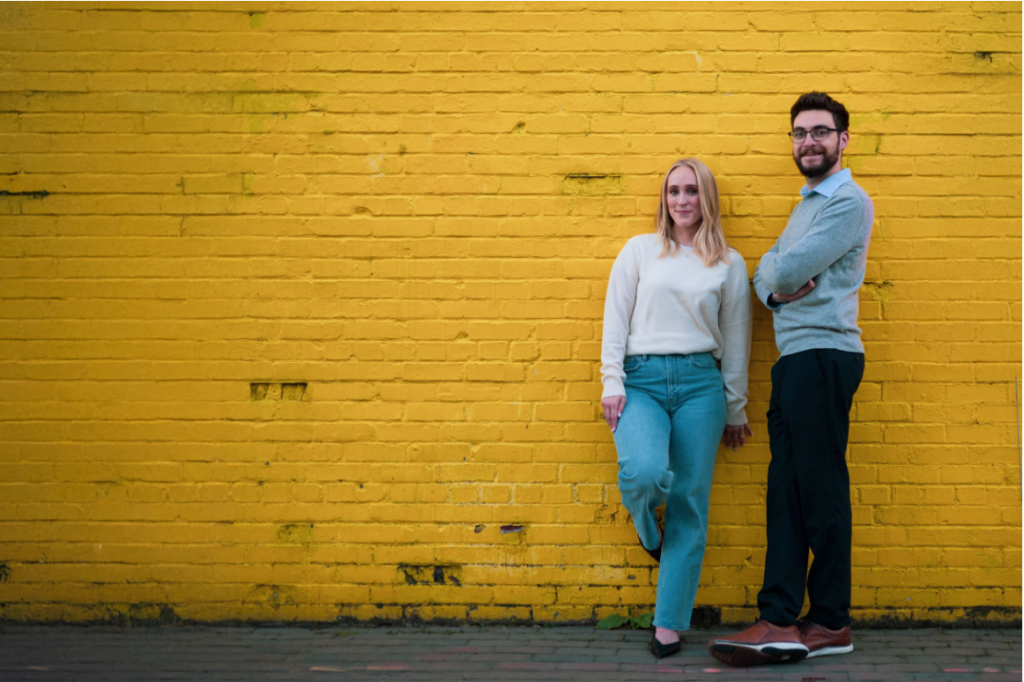
More frames from Windsor Court Hotel
Windsor Court Hotel wedding photography: common questions
What is the specific problem with an art-filled hotel?
Glazed framed pictures sit at roughly eye level and glass reflects, so a flash near the camera axis produces a hard bright rectangle that often lands right behind a subject’s face. Shoot obliquely to any wall carrying glazed work and keep your light well off axis — and check the frame, because it is easy to miss on a small screen.
Do paintings make good backgrounds?
They compete, and they often win, because a painting is a designed image engineered to hold the eye — high contrast, carefully composed and rectangular. Move people well clear of the wall, use a longer lens, and light faces so your subjects are the brightest thing in frame.
Can artwork be used deliberately?
Yes, and that is the better approach — one considered frame where a piece is clearly part of the composition rather than accidentally over someone’s shoulder. It suits a hotel whose identity is its collection. What fails is a series of portraits with art randomly behind people.
Does bounce flash work in the event rooms?
It depends on the ceiling, so establish which you have. Where it is moderate and pale, bounce returns useful light; where it is high or decorated, it does not and you need stands and modifiers. Either way, expose so the fixtures glow as points rather than blowing out.
Why is the humidity worse at a luxury hotel?
Because the air conditioning is more aggressive, which makes the temperature differential larger when you step outside. A lens carried from a heavily cooled interior into New Orleans air fogs completely and takes fifteen to twenty minutes to clear. Acclimatise before the outdoor block rather than during it.
More New Orleans venue guides
We are writing a photographer’s guide to every venue we would happily shoot in New Orleans. Here are three more, plus the full index:
- The Audubon Aquarium: Field Notes on Photographing Through Glass
- The Audubon Zoo: A Season-by-Season Photography Guide
- The Hermann-Grima House: Who This French Quarter Courtyard Suits
All New Orleans Wedding Venues →
Planning a wedding at Windsor Court Hotel?
An art collection is a better background than wallpaper and a harder one to light. Tell us your date and which spaces you have, and we will plan the angles so the glass does not fight us.