 The Audubon Aquarium: Field Notes on Photographing Through Glass
The Beauregard-Keyes House, New Orleans: A Walk Through the Site
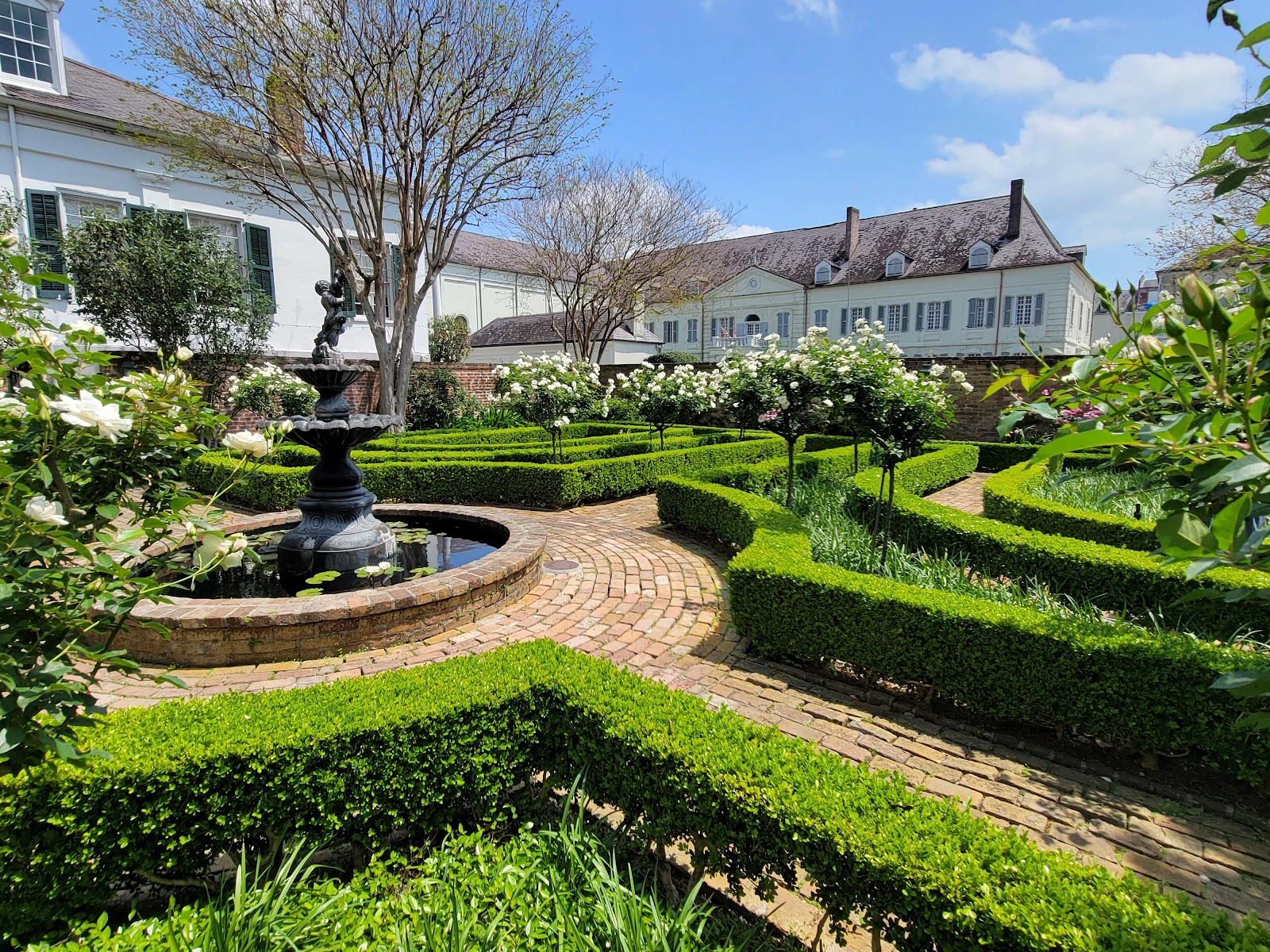
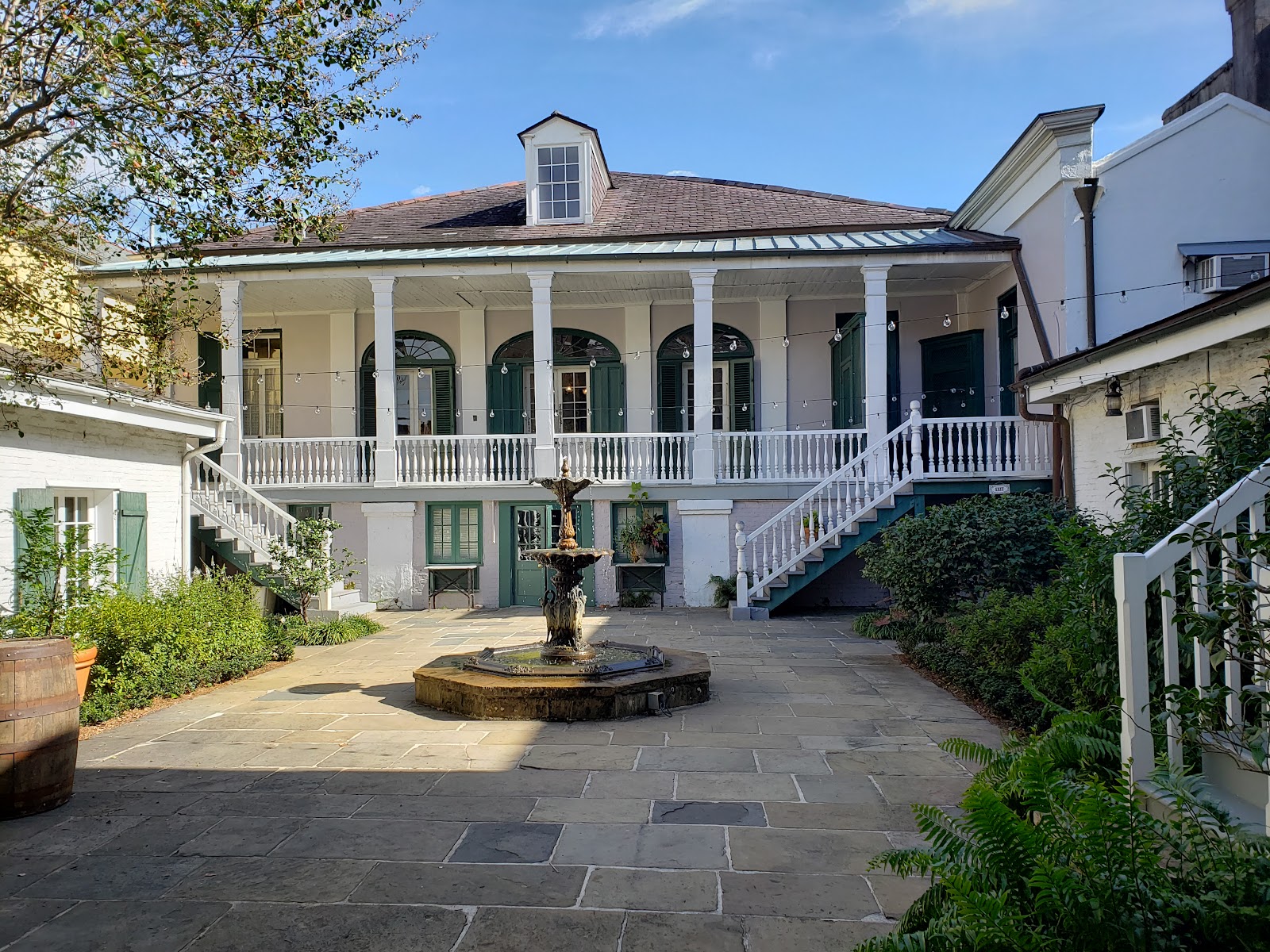
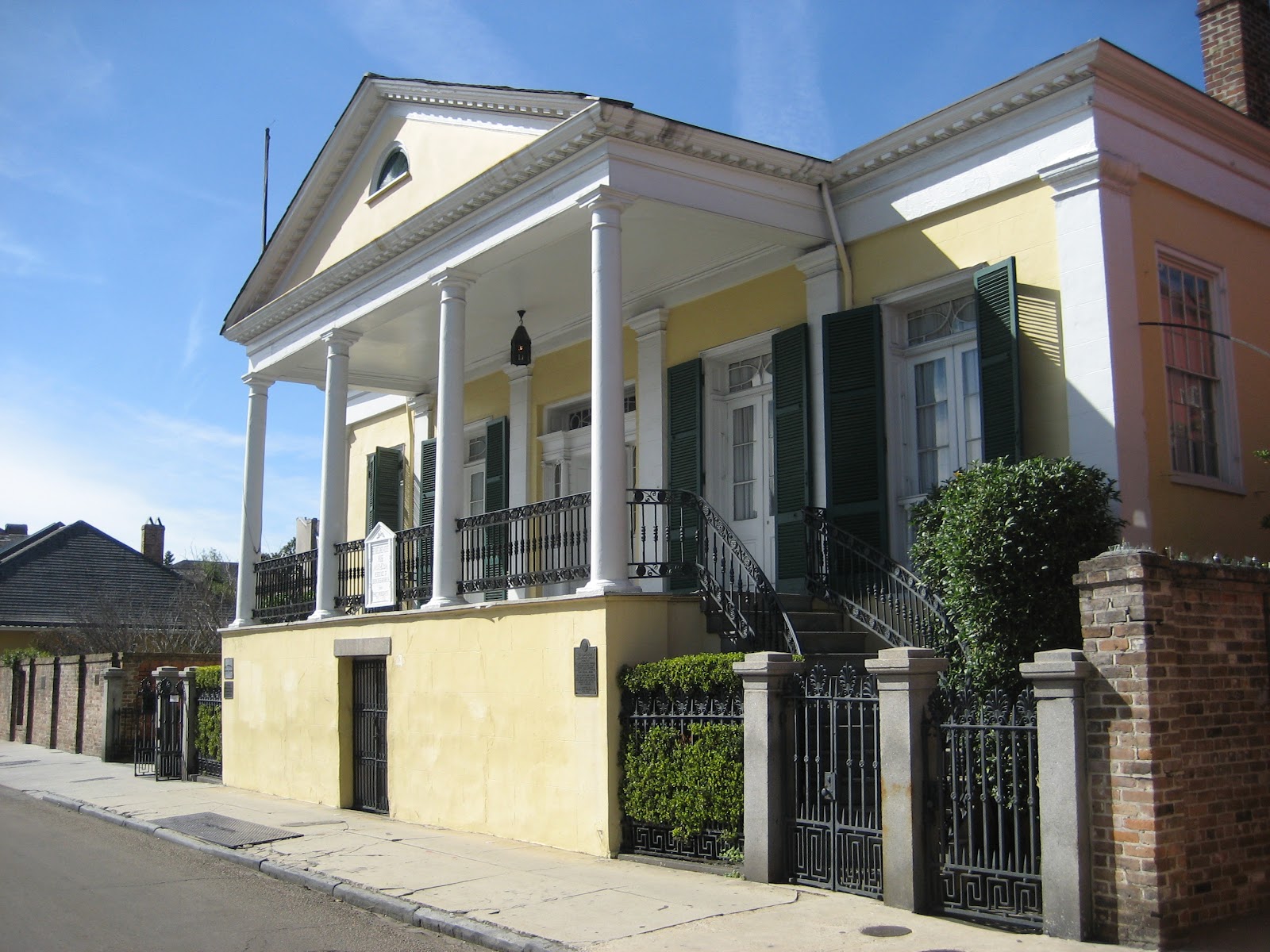
An 1826 Quarter house is raised, symmetrical and columned, with a walled garden behind it. Both halves matter.
The Beauregard-Keyes House was built in 1826 and stands, beautifully maintained, in the French Quarter — a testament, as its own description has it, to the layered history of New Orleans.
A house of this date and type has a consistent architecture and it is worth reading before planning. It is raised above ground level, because the ground here floods; it is approached by a flight of steps to a columned portico, which is both the formal front and the best-lit place on the property; it is symmetrical, with a central hall running through; and it has a walled garden or courtyard behind, which in this city is a photographic instrument rather than a lawn.
So this is a walk through the site, front to back. We have not photographed a wedding here; early Quarter house museums behave consistently. Interior access and photography rules, the guest limit and what may be touched are the questions to settle before anything else — in a house museum the furniture is typically in a documented position and nothing moves.
The Beauregard-Keyes House at a glance
| Where | The French Quarter, New Orleans, Louisiana |
| Character | An 1826 raised centre-hall house museum with a walled garden |
| The front | Steps and a columned portico — the best light on the property |
| The back | A walled garden, which works like a studio |
| Ask first | Interior access and photography rules, guest limit, what may be touched |
The front: steps, portico and symmetry
Start at the front, because the front of a raised house is the most useful architectural feature on the site and the one most often used badly.
The steps solve the group problem, which every small historic house otherwise handles poorly. Steps make rows automatically — a group of twenty arranges itself in tiers with everybody visible, which no flat lawn or period room will ever do. Almost every group photograph at a house like this belongs on its front steps, and knowing that in advance saves ten minutes of shuffling at the moment people are least patient.
The portico is the best light on the property and for the same reason a veranda is: a roof overhead blocks the sky, the wall behind bounces, and the open side becomes one large directional source. Anyone standing a metre inside the columns is being lit as well as a studio would light them, for nothing, and the columns themselves frame them. It also works in rain, which in this city is not a minor point.
Symmetry is the third front-elevation quality and it rewards precision while punishing near-misses. A frame centred on a symmetrical facade collapses if the camera is off centre or a degree out of level, because the columns stop being parallel and the composition reads as careless rather than as deliberate. Use the electronic level, and either centre exactly or step clearly to one side.
The last ninety minutes are when the elevation becomes worth photographing in its own right. Stucco, painted timber, columns and any ironwork all show their texture only when light runs along them, and a facade that looks flat and chalky at noon separates into planes and shadowed detail in raking light. Which elevation receives it depends on which way the street runs, so one walk noting where the evening light will land is worth more than any accessory.
The street in front is a Quarter street, which means narrow, busy, and lined with buildings two or three storeys high — so direct low sun reaches it only if it runs the right way. Crowds are constant and not avoidable at any hour a wedding happens; the tools are long lenses and tight framing rather than waiting for a gap.
Inside: the centre hall and the small rooms
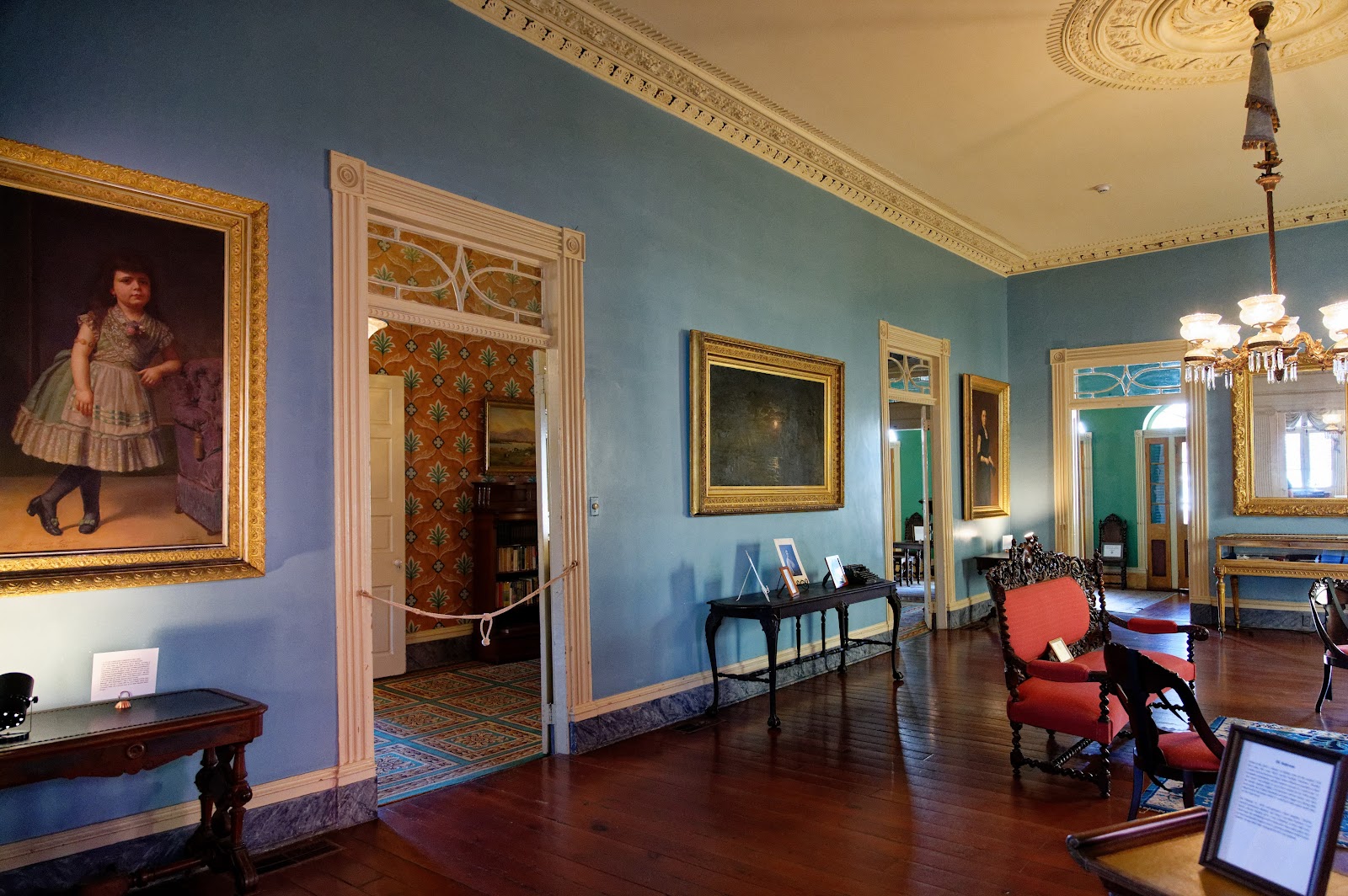
A centre-hall plan puts a corridor running the depth of the house with rooms opening off both sides, and that hall is the interior’s strongest frame. A long view down it, with doorways aligned and light entering from the far end, gives depth, repetition and a vanishing point — the interior equivalent of the enfilade, available in a house of very modest size.
It is unforgiving in the same way. A one-point perspective frame collapses if the camera is off the centre line or tilted, so it wants a level, a moment of care and, where permitted, a tripod. Two minutes is the whole difference.
The rooms themselves are small and that imposes three limits. There is no working distance, so the wide frame and the portrait frame are two different photographs and combining them is how small-room coverage fails. The windows are modest, giving one directional source per room with steep fall-off — good light in a narrow zone and almost nothing two metres further in. And in a house museum the contents do not move.
The compensation is real: small rooms with pale walls bounce properly. A flash aimed at a pale ceiling in a room four metres across is returned as soft fill from every direction, which makes bounce a genuine tool here where it fails in a tall hall or a panelled club. Test it in the first minute, because it determines what is possible indoors.
Doorways are the other answer to the space problem. Photographing from one room into the next buys back the working distance the walls took away, adds a natural frame and gives depth. In a house where rooms run one into another, this is frequently the best frame available.
Tall shuttered openings, where the house has them, are more useful than ordinary windows. A tall opening sends light further into a room and higher up a standing figure, and shutters partly closed turn a broad source into a narrow directional one with a defined edge — a lighting instrument rather than an obstruction. The position to find is two or three steps back from the opening rather than beside it.
- Put the group on the front steps; they make rows a lawn never will
- Stand a metre inside the portico columns — a free softbox that works in rain
- Level and centre the centre-hall frame; the near-miss is the only failure
- Photograph through doorways to buy back working distance
- Test ceiling bounce in the first minute; in small pale rooms it works
The walled garden, and New Orleans weather
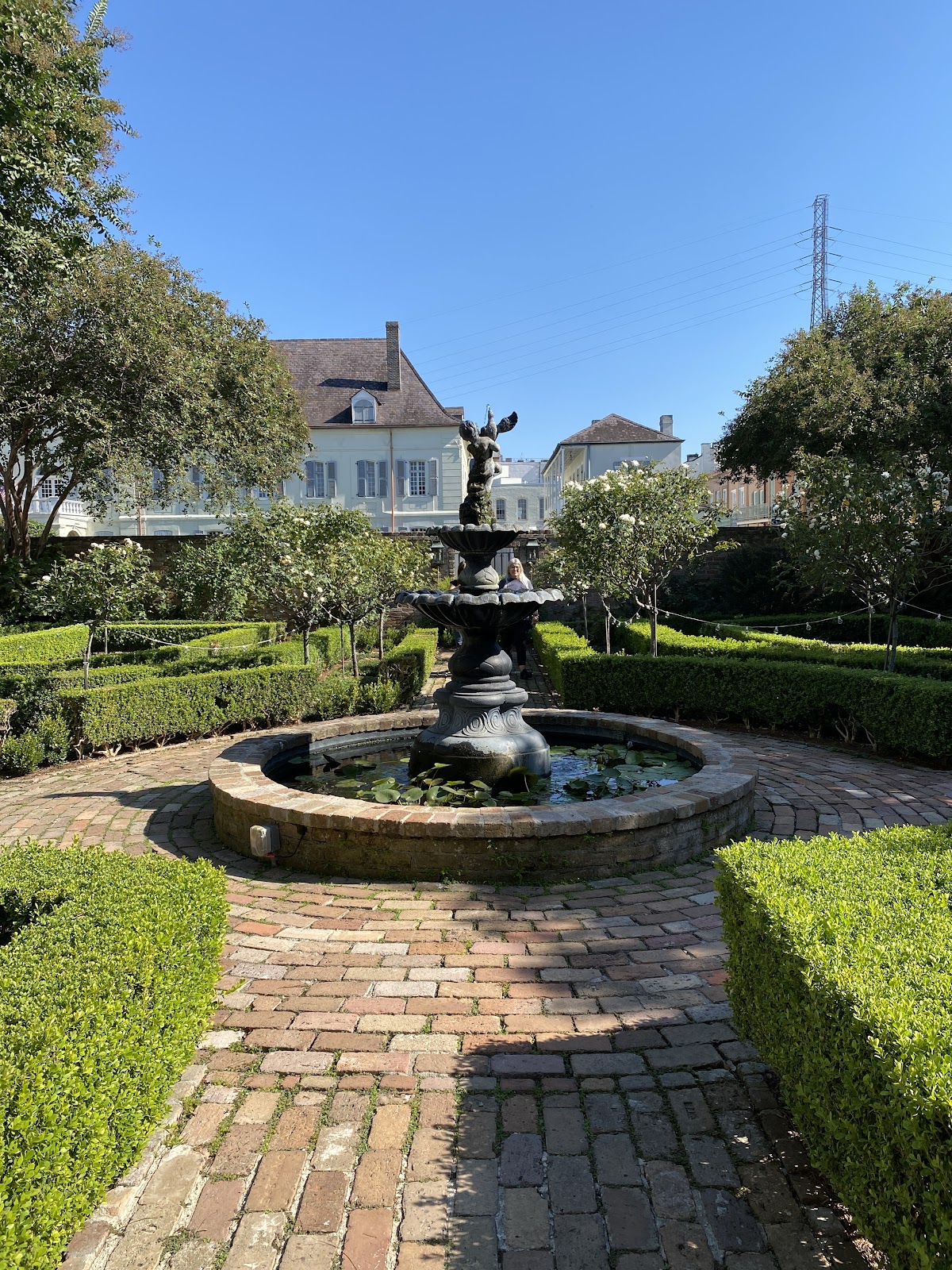
The garden behind a Quarter house is a walled courtyard rather than a lawn, and it behaves as a photographic instrument: walls on all sides bouncing light inward, an opening of sky above acting as the source, planting for texture, and no view out — which means no distant clutter, no passers-by, and no background to manage.
The position that works is against a wall rather than in the middle. The centre of a courtyard sits directly under the sky opening, which gives flat top-down light that darkens eye sockets; against a wall, light arrives from one side having bounced off the facing wall and from above at an angle. Walking the four sides and looking at a hand held out in each takes a minute and settles the day.
Even in the best position there is more light from above than from the front, so a fix should be ready: a reflector held low, a lifted chin, or a small source at face height. Having none of them is the commonest reason courtyard portraits look hollow around the eyes.
Colour is the New Orleans specific. Courtyard walls here are frequently stucco painted ochre, pink, yellow or green, and the walls are the bounce source — so the light filling a face is that colour, and because the cast is localised white balance cannot separate it from the subject. Either use it, with a custom white balance set on a face in position and held through the block; or neutralise it, filling from a white or silver reflector so the fill comes from a neutral surface while the wall stays as coloured as it is behind. Auto white balance drifting between frames is the failure.
Quarter courtyard planting is typically banana, palm and fern — dense, architectural and strongly green, which throws green onto nearby skin and gives an arching frond that works like the live oak’s low limb at the top of a frame. The same white balance discipline applies.
New Orleans weather governs the outdoor half of the day. Heat and humidity make long blocks genuinely difficult in formal clothes — though a shaded courtyard is markedly cooler than a street, and the portico is shelter as well as light. Afternoon thunderstorms are near-daily in a Gulf Coast summer rather than occasional, which at a small house museum means the fallback is a real question: the house is not a large room, and the portico and the Quarter’s covered galleries are the practical answers.
Humidity produces the region’s specific equipment problem in its most severe form. A camera chilled by a climate-controlled house museum interior fogs comprehensively and immediately on reaching the courtyard, and it can take a long time to clear — so the practical answer is to get a body out to ambient temperature early and keep it there rather than cycling it in and out. A courtyard after rain is worth the trouble: stucco darkens and shows texture, planting saturates, flagstones hold reflections, and the light goes soft and even.
More frames from The Beauregard-Keyes House
The Beauregard-Keyes House wedding photography: common questions
What is the most useful feature of a raised house?
Its front steps. Steps make rows automatically, so a group of twenty arranges itself with everybody visible — which no flat lawn or period room will ever do.
Why is the portico such good light?
Because a roof blocks the sky, the wall behind bounces, and the open side becomes one large directional source. A metre inside the columns is a properly lit position, for free, and it works in rain.
What is the strongest interior frame?
The centre hall, shot down its length with doorways aligned and light entering from the far end — depth, repetition and a vanishing point in a house of modest size. It needs the camera exactly on the centre line.
Does bounce flash work in the rooms?
Yes, if the ceilings are pale — that is the compensation for small rooms. Close walls return light from every direction, which is untrue in a tall hall. Test it in the first minute.
Where should you stand in the walled garden?
Against a wall, not in the middle. The centre sits directly under the sky opening and gives flat top-down light; against a wall, light arrives from one side after bouncing off the facing wall.
How do you handle coloured stucco?
Either set a custom white balance on a face in position and hold it, or fill from a white reflector so the fill comes from a neutral surface. Auto white balance drifting between frames is the failure.
More Louisiana venue guides
We are writing a photographer’s guide to every venue we would happily shoot in Louisiana. Here are three more, plus the full index:
- The Bourbon Orleans Hotel, New Orleans: One Frame and How It Is Made
- The Four Seasons New Orleans: What It Suits and What It Does Not
- The Gallier House, New Orleans: Field Notes on a Victorian House Museum
Planning a wedding at The Beauregard-Keyes House?
Steps, portico and courtyard are three good positions. Tell us your date and we will use all three.