Three Atlanta facts run through every guide in this cluster and none of them is obvious from a map. The first is the tree canopy. Atlanta is one of the most heavily wooded major cities in the country, which means mature shade is rarely far from any address — and in a climate where summer heat and humidity make a long outdoor block genuinely difficult in formal clothes, continuous deep canopy shade is not an aesthetic preference but the condition that makes an afternoon workable at all.
Dapple is its constant hazard: the same canopy with the sun above rather than beside it puts hot spots several stops above the surrounding shadow across a face, shifting with every breath of wind, so it can neither be corrected nor predicted. The second is the shape of the skyline. Atlanta's towers are clustered rather than spread across a continuous core, which produces two consequences at once — deep shaded canyons downtown where low sun rarely reaches street level, and a skyline that reads as a distinct mass when seen from a park at a distance.
That makes almost every skyline frame here a long-lens frame, and it makes the downtown question where rather than when.
The third is the weather, and it is more demanding than a mild-sounding southern city suggests. Afternoon thunderstorms in summer are close to a daily feature rather than an occasional event, which means every outdoor ceremony in this cluster needs a stated fallback with a capacity and an agreed decision time — and which is why the guides treat sealed venues like the theatre and the ballrooms differently from the park and the garden.
Humidity produces the region's specific equipment problem: a camera chilled by strongly air-conditioned interiors fogs comprehensively the moment it reaches the outside air and can take many minutes to clear, so almost every guide below recommends one planned outdoor excursion rather than several. And spring brings a local fact visitors never expect — pine pollen in late March and April, which coats pale surfaces in a visible yellow film, hangs in the air, and affects guests as much as equipment. April is also when azalea and dogwood bloom, which is the most photogenic fortnight in the southern year, so a spring date carries both facts at once.
Winters here are mild enough that outdoor coverage stays viable all year, and a clear winter afternoon gives low raking light for hours rather than for ninety minutes — which on brick, stone and weathered timber is the best condition any of those materials ever gets.
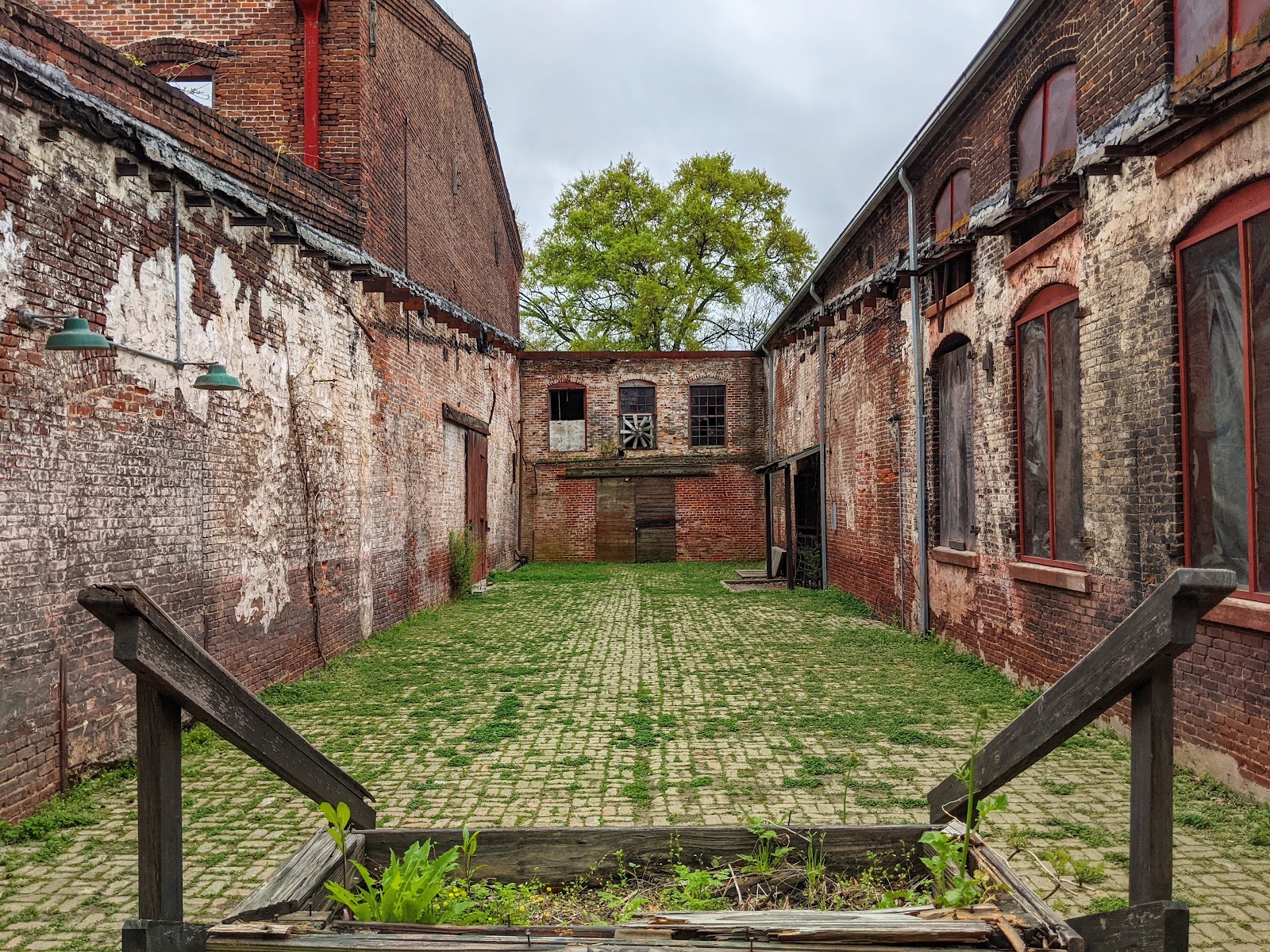
The Goat Farm Arts Center, Atlanta: A Walk Through an Industrial Site
A historic industrial arts site in Atlanta, with exposed brick, weathered timber beams and remnants of old machinery.
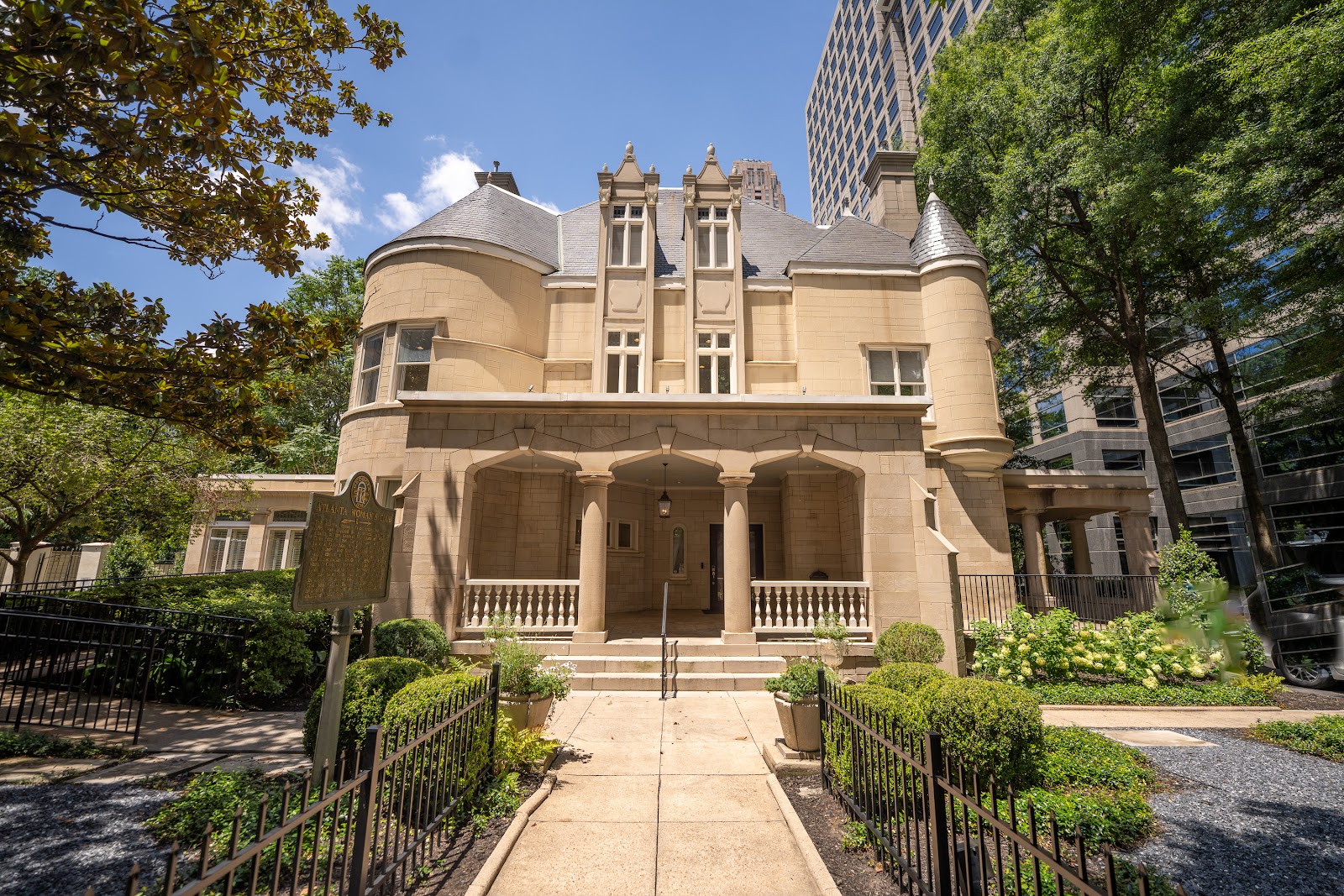
The Wimbish House, Atlanta: The One Decision That Governs Everything
A historic mansion in Atlanta whose rooms carry ornate woodwork, intricate stained glass and elegant chandeliers.
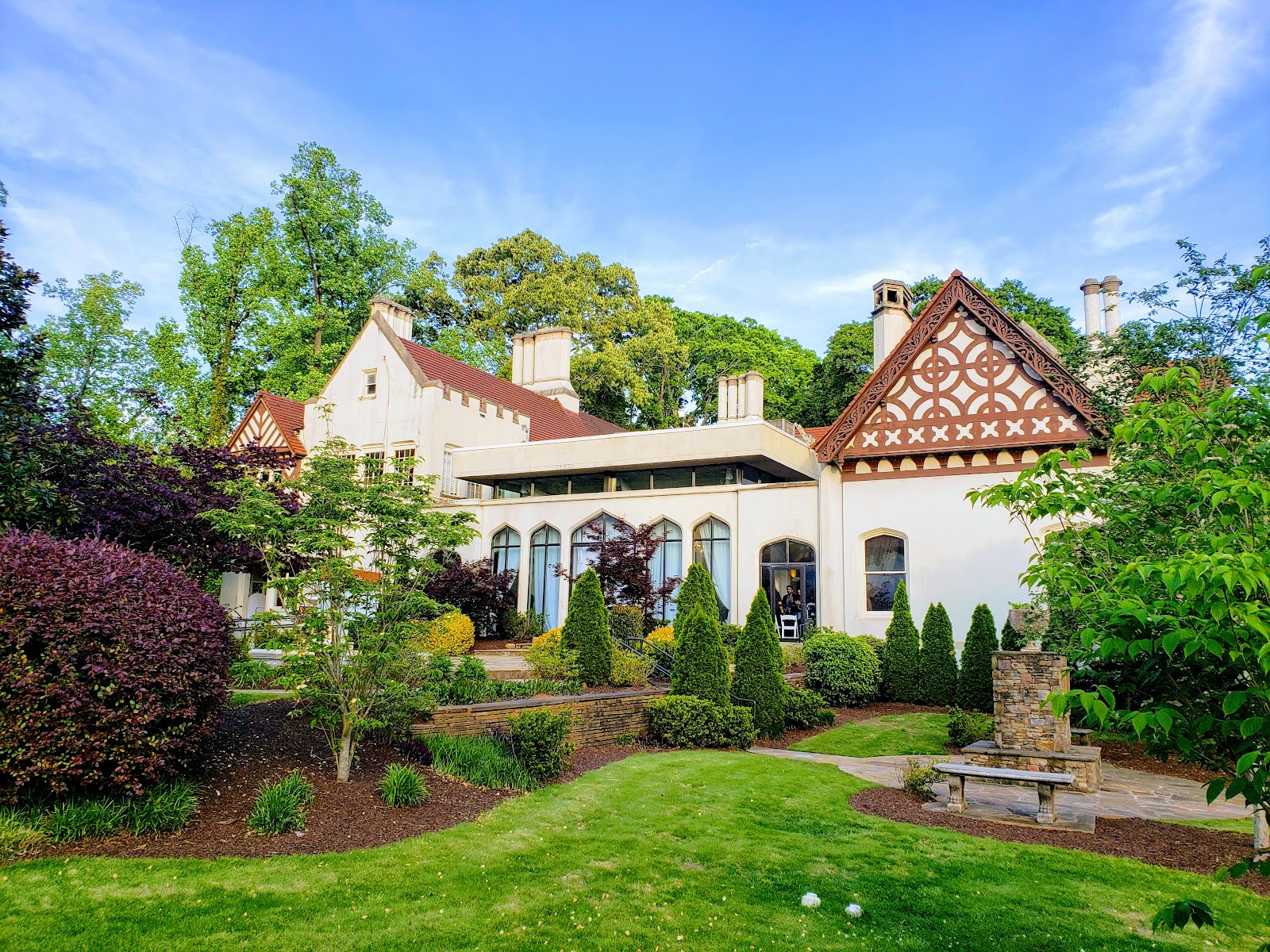
The Callanwolde Fine Arts Center, Atlanta: The One Decision That Governs Everything
A Tudor Revival mansion in Atlanta with grand staircases, intricate wood carving and stained glass windows.
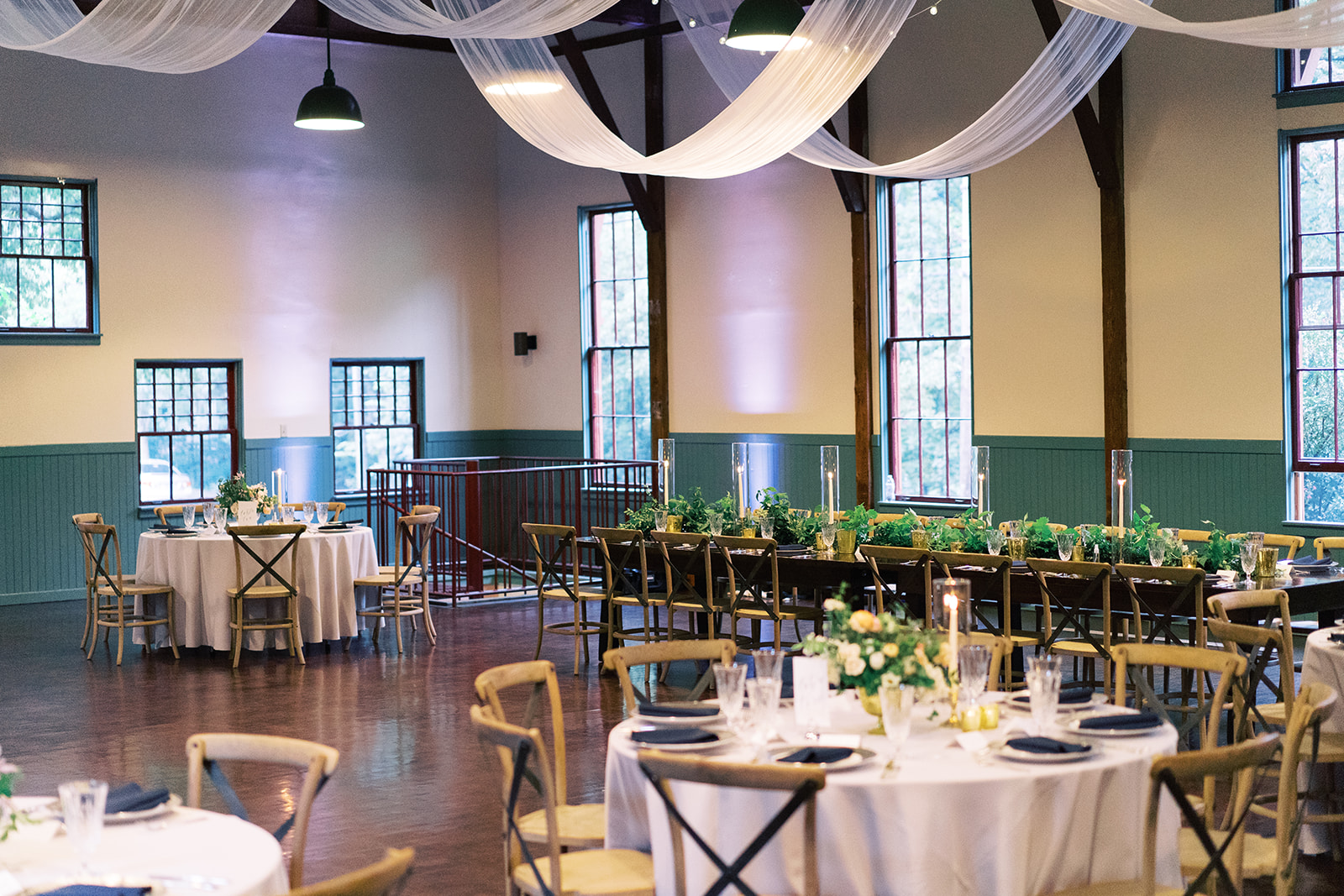
The Trolley Barn, Atlanta: What It Suits and What It Does Not
A converted trolley barn in the Inman Park neighbourhood of Atlanta, combining historical character with urban sophistication.
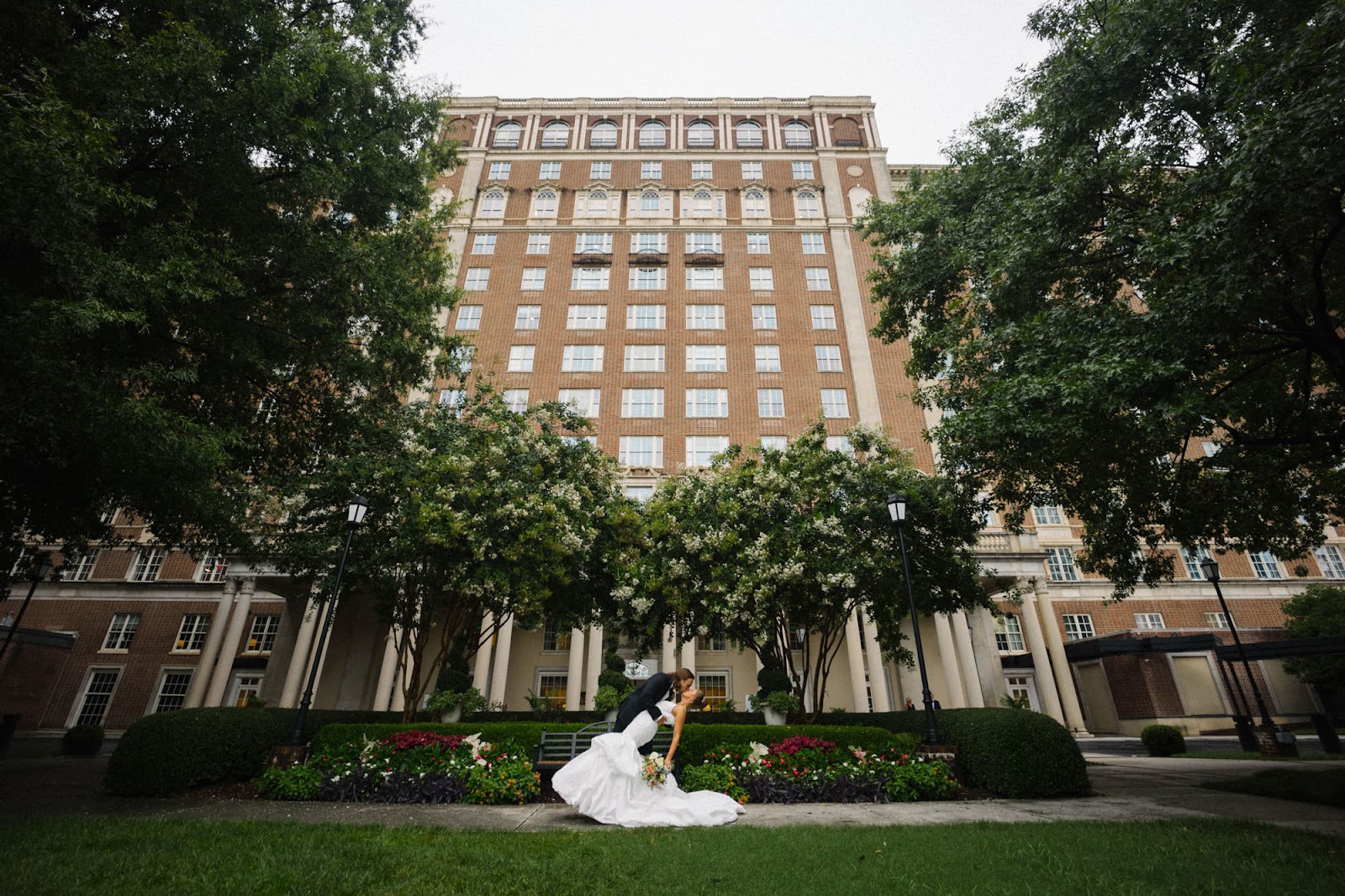
The Biltmore Ballrooms, Atlanta: What They Suit and What They Do Not
Historic ballrooms in Atlanta, with period ornament and the magnetic historic character of a grand interior.
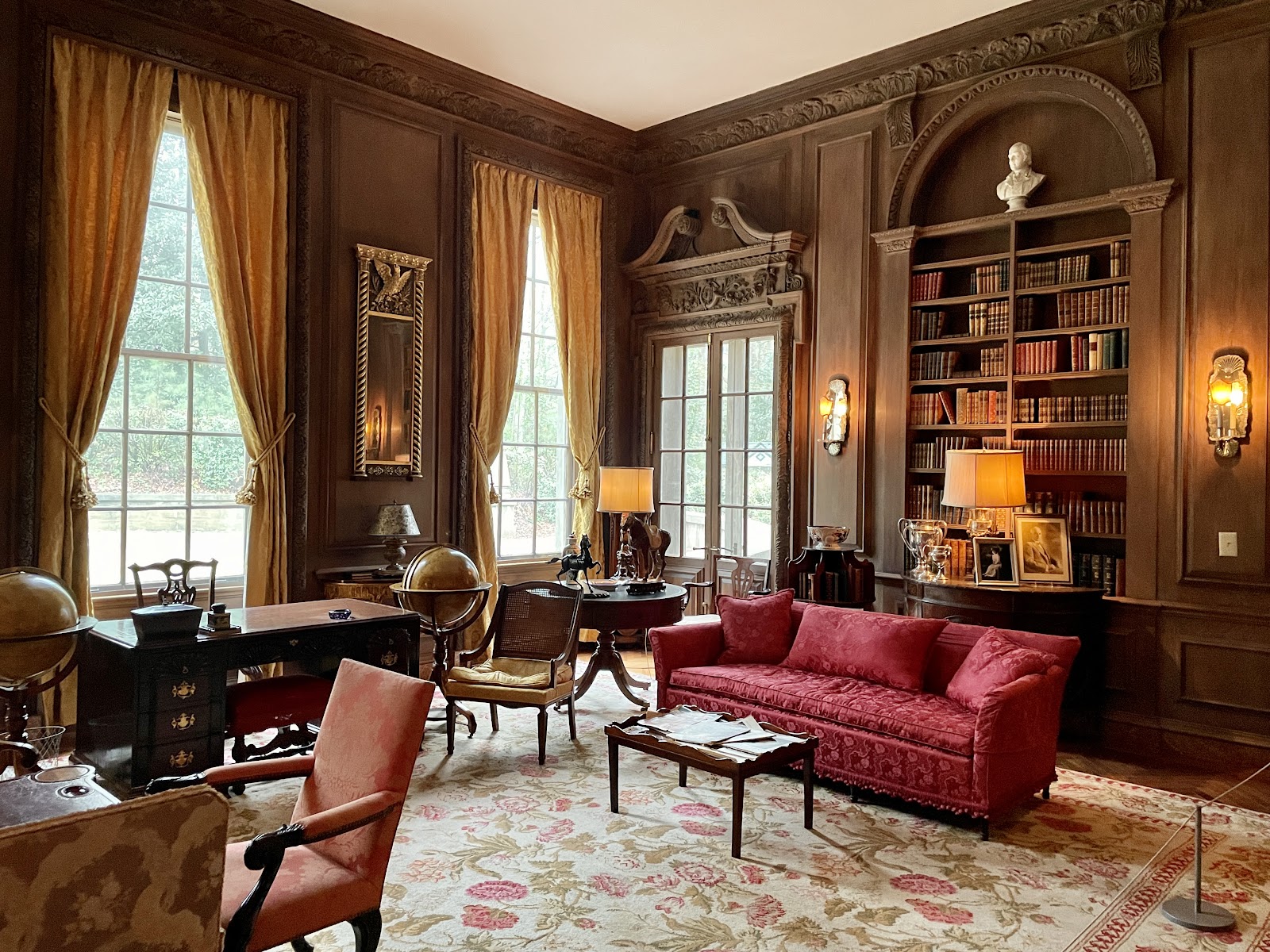
The Swan House, Atlanta: One Frame and How It Is Made
A classical mansion in Atlanta with formal grounds, a cascading approach and a spectacular grand staircase inside.
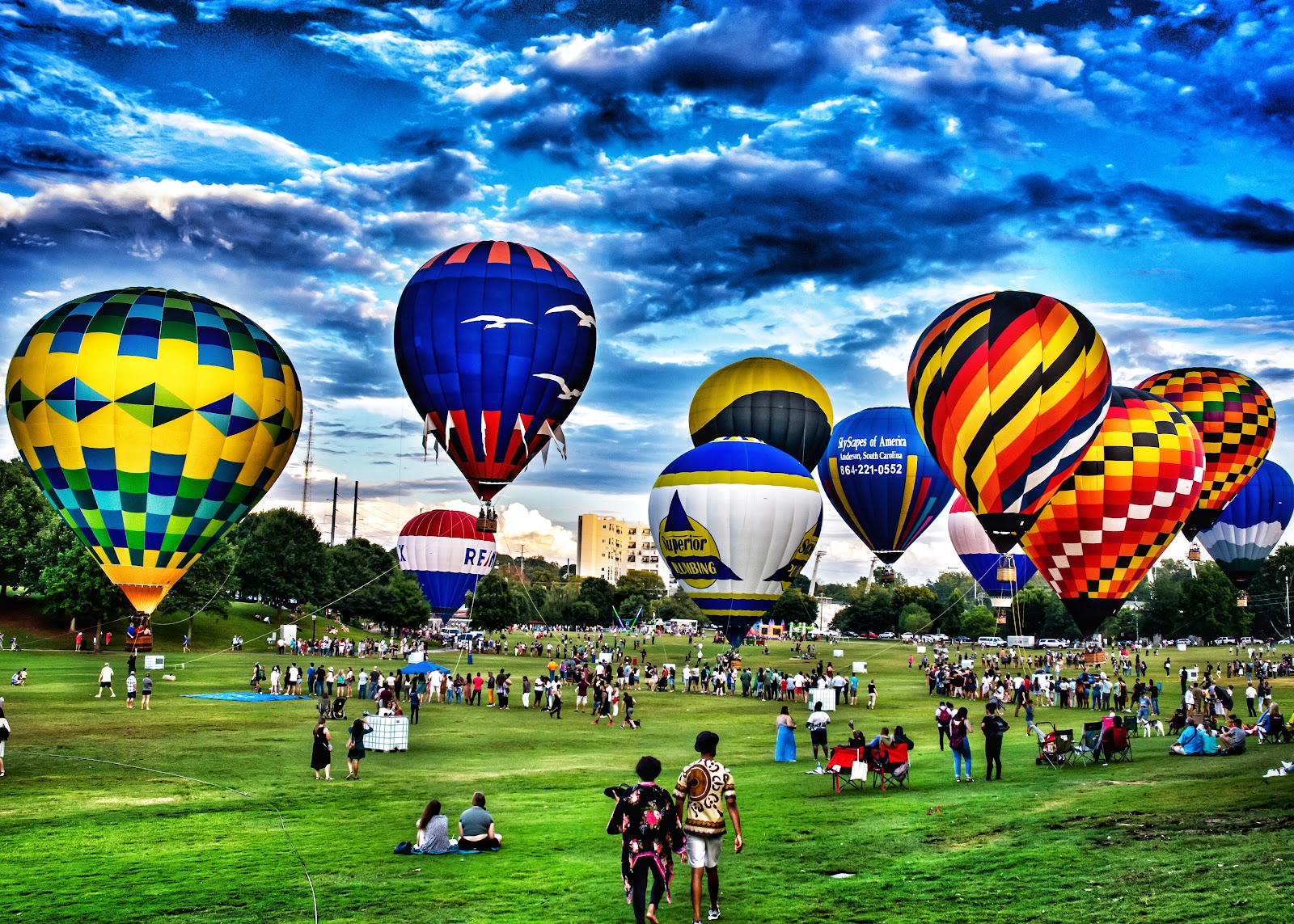
Piedmont Park, Atlanta: One Frame and How It Is Made
A large park in the heart of Atlanta, with open meadow, mature trees and sweeping views of the Midtown skyline.
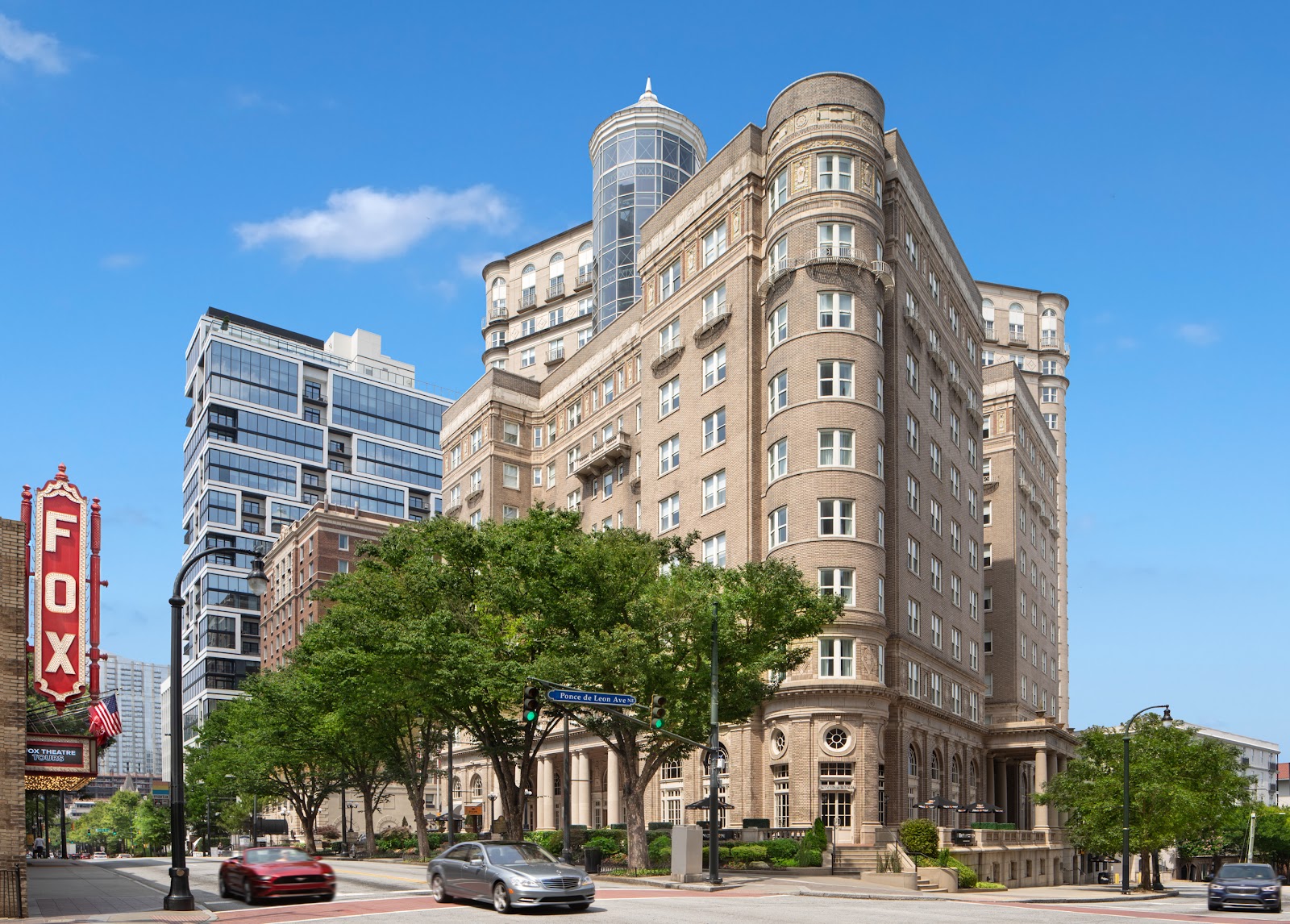
The Georgian Terrace, Atlanta: Field Notes on a Historic Hotel
A historic hotel in Atlanta, with period interiors, a street-facing terrace and rooftop space.
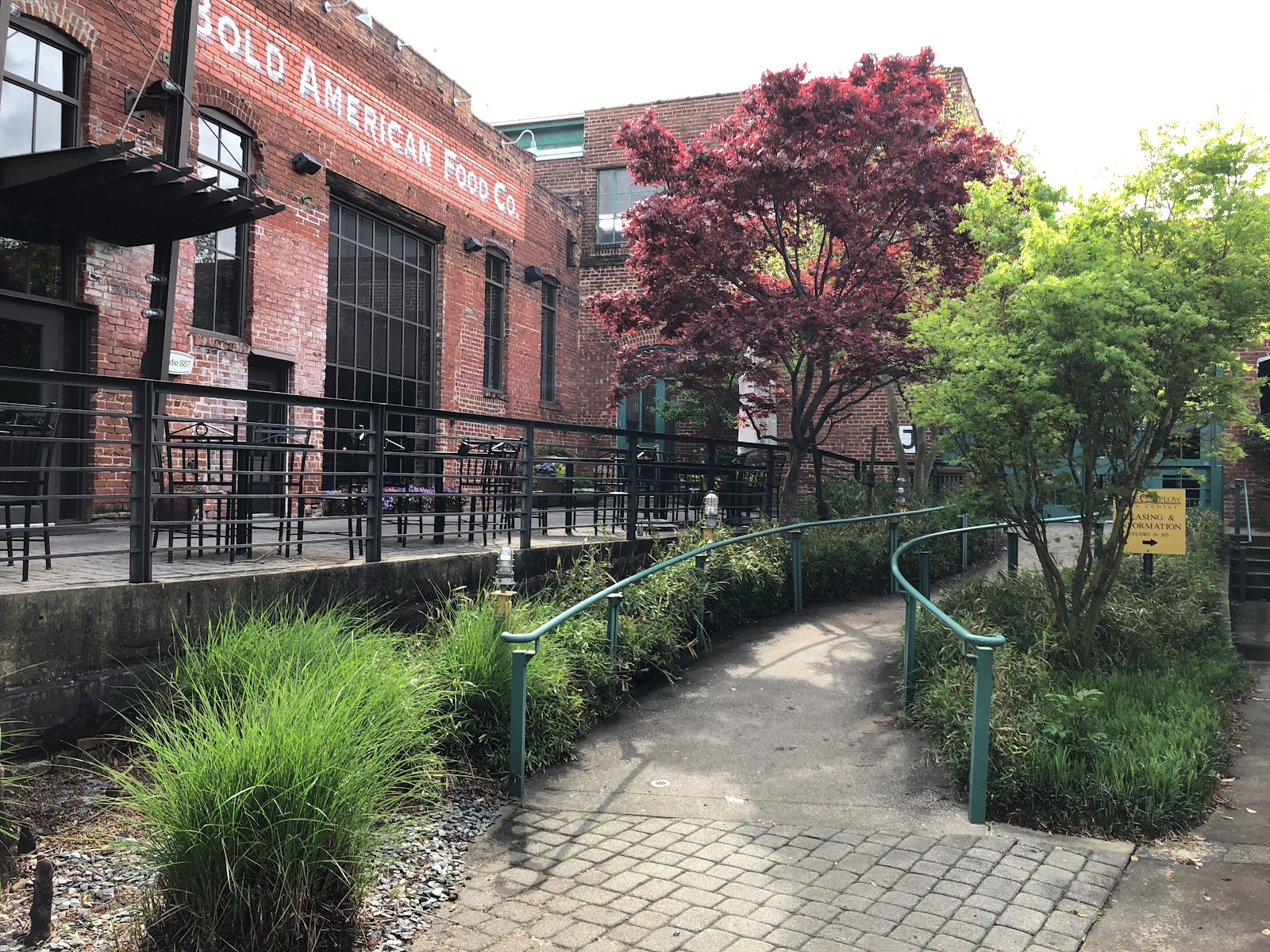
The King Plow Arts Center, Atlanta: Field Notes on a Converted Factory
A converted factory arts complex in Atlanta, with exposed brick walls, high ceilings and original steel beams.
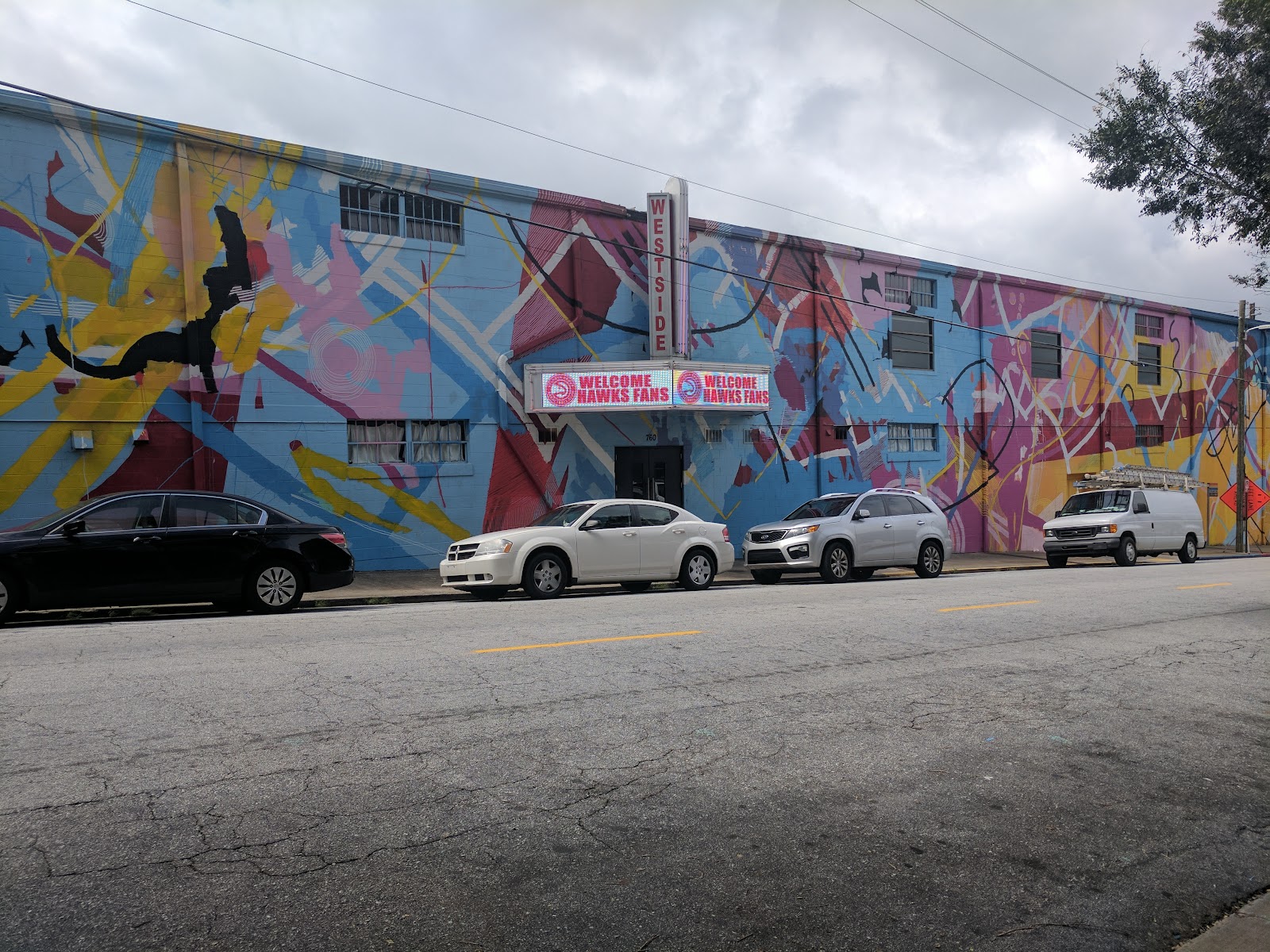
The Westside Cultural Arts Center, Atlanta: Four Ways Out of the Blank Box Problem
An arts and event venue on Atlanta's westside, surrounded by an eclectic mix of historic and modern architecture.
- 1
- 2