 The Tlaquepaque Arts Village, Sedona: Field Notes on Courtyards
The Vineyard at Florence: The Light Through the Day
Desert light on planted rows. Follow it hour by hour.
A vineyard in the Sonoran Desert is a slightly improbable thing and it produces a slightly improbable light problem: the orderly geometry of a European agricultural form under some of the hardest sun in North America.
Florence sits at about thirty-three degrees north at roughly fifteen hundred feet, in the low desert south-east of Phoenix. The June noon sun reaches around eighty degrees, the December noon sun about thirty-four, days run from about ten hours fifteen to fourteen hours twenty, and civil twilight is roughly twenty-five minutes.
What makes desert light different is not its angle but its purity. Low humidity and very little particulate scattering mean the direct beam arrives almost unmodified and the shadows receive almost no fill from the atmosphere — so a sunlit surface and a shaded one here differ by more stops than the same sun angle produces in a humid climate.
That single fact reorganises the day. On the Sonoran Desert floor the hours around noon are not merely difficult, they are effectively unusable for uncovered portraits, and the compensation is that the hours at each end are exceptionally good.
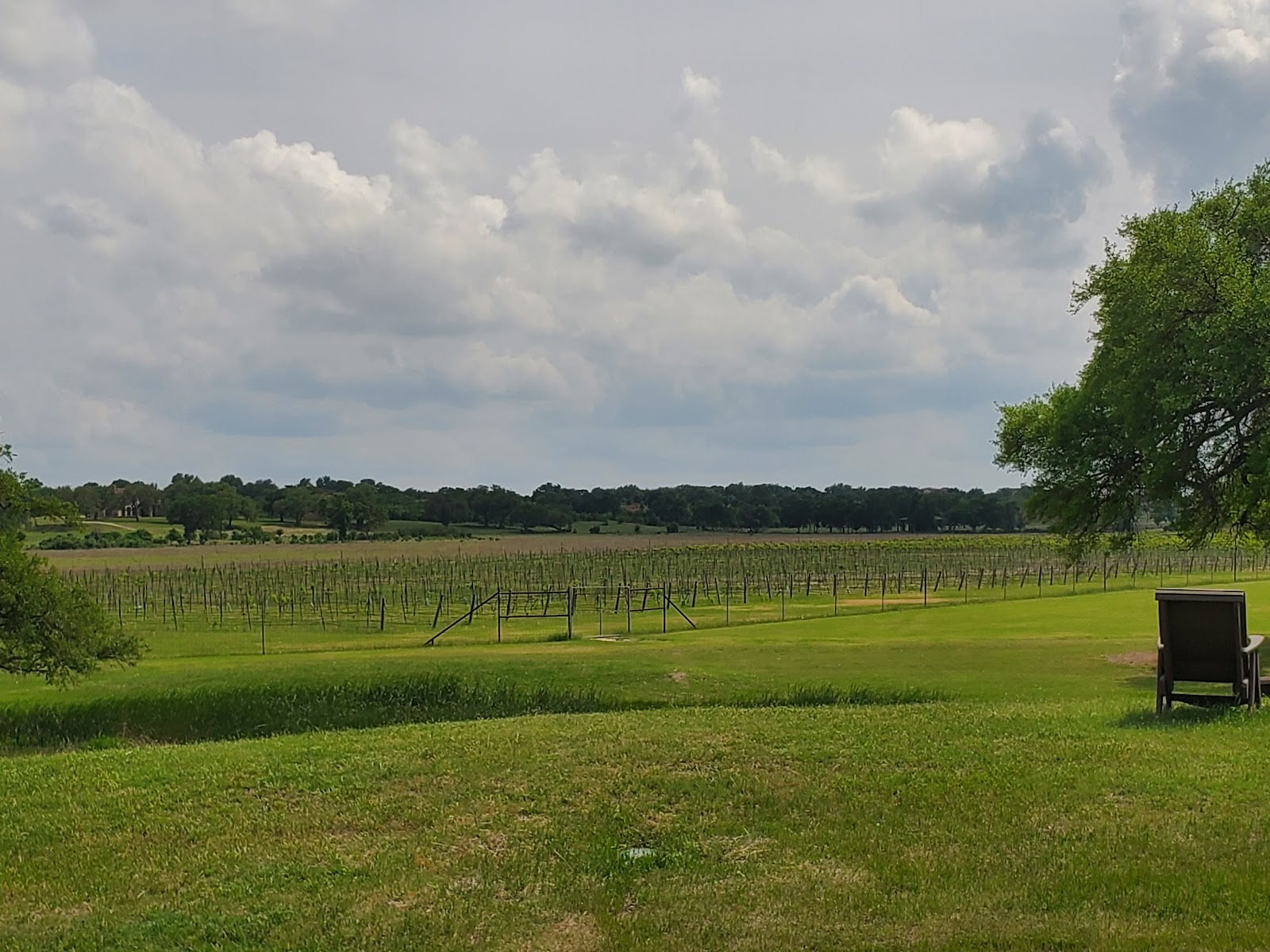
The rows are the structure and they are the only structure, because the low desert has no solid natural shade: palo verde and mesquite, the region’s trees, have millimetre-scale leaves and open branching that produce a fine moving dapple rather than cover. On a planted site the vine canopy, the trellis lines and whatever is built are the whole shade budget.
What follows is the day in order. We have not photographed a wedding here, so the row orientation, the covered spaces and the permitted hours are questions for the venue — and row orientation in particular is the one worth asking, because it decides everything below.
The Vineyard at Florence at a glance
| Where | A vineyard in the Sonoran Desert near Florence, south-east of Phoenix |
| The day | Excellent at both ends, effectively unusable uncovered at midday |
| Why | Desert air gives almost no shadow fill — the lit-to-shaded gap is extreme |
| The structure | The rows, the trellis and whatever is built. No natural shade exists |
| Ask first | Row orientation, covered spaces, permitted hours |
Morning to noon
Early morning in the desert is the calmest light of the day and it is quietly the best working light for anything unhurried.
In the first hour after sunrise the sun is below ten degrees, the beam is long and warm, and — crucially — the air has not yet begun to move. Desert mornings are still: the thermal circulation that produces afternoon wind has not started, which means the vine canopy is motionless and a long exposure or a slow shutter in shade is genuinely available.
On east-facing rows that hour is a gift: the sun rakes along the row, lighting one face of each vine and leaving the other dark, which turns a flat planting into a pattern of alternating light and shadow receding to the horizon. Shoot down the lit side of the row with a moderate telephoto and the compression stacks the pattern.
On rows running the other way the same sun crosses them rather than following them, which gives every row an edge light and a shadow behind it — a completely different frame from the same field. That is why row orientation is the question worth asking before the day.
Through mid-morning the sun climbs fast at this latitude. By nine in June it is already above forty-five degrees, and the character changes from raking to descending. The shadows shorten, the contrast rises, and the atmospheric warmth burns off to a neutral hard light.
This is the window for the getting-ready frames if they are anywhere with a window, because a desert window at mid-morning is a very large bright source with no competing artificial light worth fighting. Turn the tungsten off, position the subject at forty-five degrees to the glass, and the light does the rest.
By eleven the day has become the desert’s real problem. The sun is above sixty-five degrees in the warm half of the year, the beam is nearly vertical, and the absence of atmospheric fill means everything the sun touches is bright and everything it does not is very dark.
On a face that means eye sockets in shadow, a bright forehead, a hard line under the nose and a chin shadow on the neck — the classic overhead problem, but with roughly two stops more range between the lit and shaded parts than a humid climate produces at the same angle.
There are three answers and no fourth. Go under something built. Carry a diffuser and hold it overhead, which converts the sun into a large soft source directly above and is the most portable solution on an open planted site. Or turn the subject away from the sun entirely, expose for the shaded face, and let the background go bright — which in a vineyard is a legitimate and rather good frame, because the rows behind blow to a pale green-gold.
What does not work is finding a tree. It is worth being blunt about this because the instinct is so strong: standing a couple under a palo verde at noon produces a face covered in small hard patches, and no amount of care in post recovers it.
Noon has one genuine use and it is the overhead frame. The vine rows from above — a drone, a ladder, a raised deck — at noon read as pure geometry, and the vertical sun eliminates the shadows that would confuse the pattern. It is the one hour in which the field is best photographed as an abstraction rather than a place.
Afternoon to sunset
The afternoon has a different character from the morning and the reason is the wind.
By early afternoon the desert floor has heated and the thermal circulation is established, which means a breeze that builds through the afternoon and is often strongest in the two or three hours before sunset. On a planted site that shows in the canopy: the vines move, the leaves flicker, and the still frames the morning offered are no longer available.
It also shows in hair and fabric, and that is the practical planning point. If there is a choice about when the formal portraits happen, the morning is calmer. If they happen in the late afternoon — which the light argues for — then a shutter fast enough to freeze moving leaves and a plan for windblown hair are both required rather than optional.
Through mid-afternoon the sun descends and the light improves steadily. By the time it is below thirty degrees the rows have long shadows again, the modelling on faces is good, and the harshness has gone out of the beam because it is now travelling through much more atmosphere.
That last point is the mechanism behind the golden hour and it is stronger in the desert than elsewhere. A low sun passes through a long air path, which scatters out the short wavelengths and leaves the long ones — and in dry, dust-carrying desert air that scattering is very efficient, so the beam turns a deeper orange than a humid climate produces and it does so earlier in the descent.
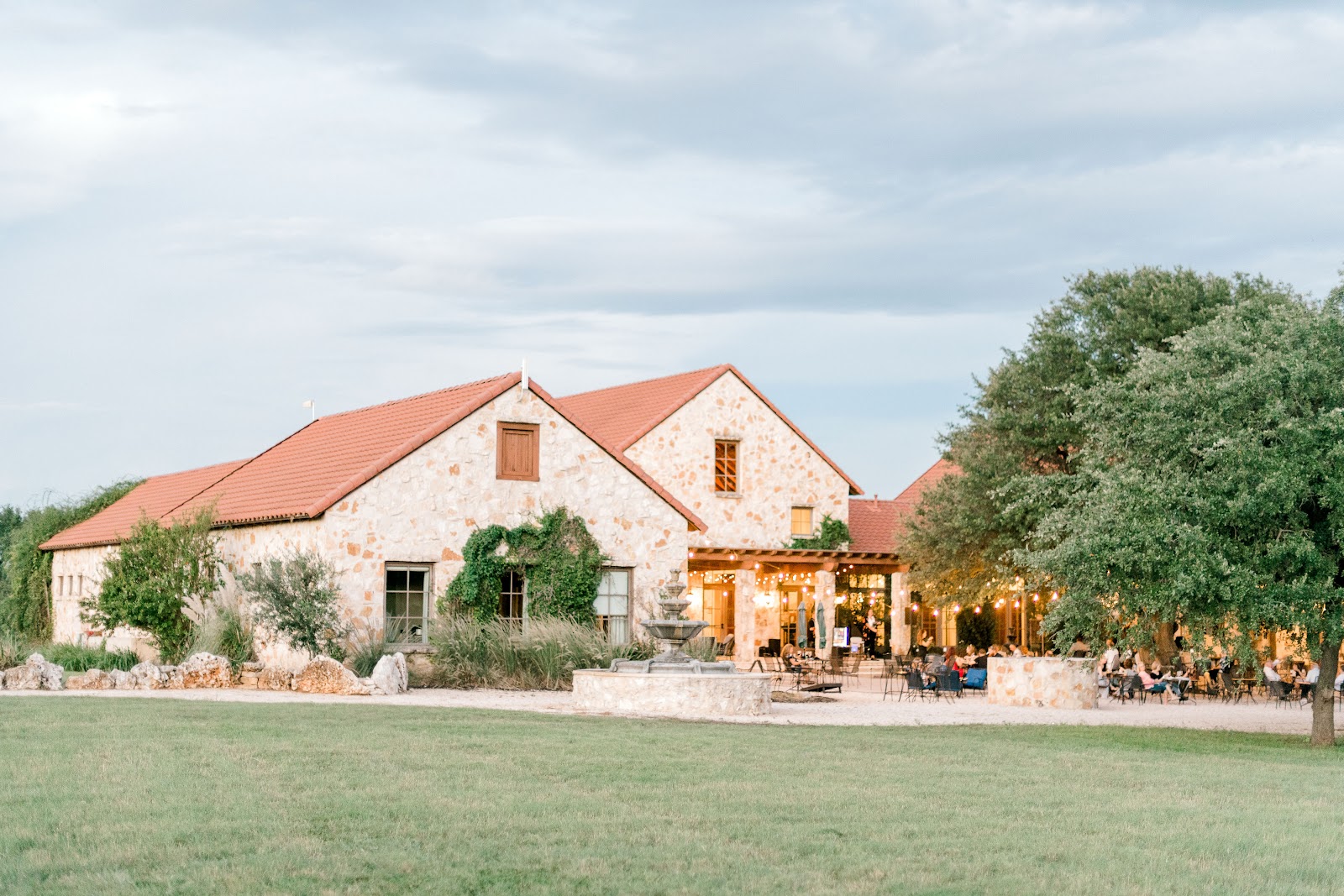
The half hour before sunset is the best light on the property and it has three distinct frames. Backlit down a row, with the sun low behind the vines: the canopy edges catch and glow, the ground goes into warm shadow, and a subject in it is rim-lit. Front-lit across the rows: warm, even, flattering light on faces with the vineyard as an orderly background. And the silhouette, against a sky that in the desert is genuinely spectacular.
Backlighting needs one decision made in advance: whether the sun is in the frame or just outside it. Inside the frame it flares and the contrast collapses, which can be beautiful and needs a clean front element and a tolerance for the look. Just outside, blocked by a vine or a post, it gives the rim without the flare and it is the safer frame.
Sunset itself is short here. Civil twilight runs about twenty-five minutes at this latitude — among the shortest in these guides — and in exceptionally clear air the fall-off is abrupt. The practical answer is to know the two or three frames in advance and to walk to the first one before the light arrives.
What follows is worth staying for. Desert dusk colour is stronger than coastal dusk colour, because the dry dust-laden air scatters long wavelengths efficiently and there is no marine haze to grey it down. Ten minutes after sunset a clear desert sky can be a saturated orange-to-violet gradient across the whole western half, and a row of vines silhouetted against it needs nothing else.
And then the dark is genuinely dark. The low desert away from the metropolitan core has little light pollution, which makes a night frame with a lit venue and a visible sky a real option — a thirty-second exposure on a tripod, the reception lit and warm, and stars above it.
- Ask the row orientation — it decides every frame in this guide
- Mornings are still; afternoons are windy. Plan the calm frames early
- Desert air gives almost no shadow fill: midday uncovered is unusable
- Do not put anyone under a palo verde — its dapple is unrecoverable
- Rehearse the last twenty-five minutes; the fall-off is abrupt
The season, and what grows
The vineyard’s own calendar and the desert’s calendar do not quite agree, and both matter to a frame.
In the low desert the vines break bud very early — February or even late January, well ahead of any temperate wine region — because the winter is mild and the growing degree days accumulate fast. That means bare wood for a January wedding, bright new growth in March, full canopy by May, and harvest in July or August rather than September.
A July harvest is worth knowing about because it is very unusual: in most of these guides harvest is autumn and the picture is autumn colour. Here the fruit comes in at the hottest point of the year and the leaves never turn properly at all, because a desert autumn has neither the cold nights nor the shortening that produce colour.
So a vineyard here in October looks like a vineyard in August: green, full and unseasonal. Nothing in the frame says autumn, and the photographer’s date cues have to come from the light rather than the planting.
The desert’s own calendar is the more photographically significant one and it runs the other way from most of this guide.
November to April is the season: mild, dry, calm, with a December noon sun at about thirty-four degrees that models rather than flattens, which means a midwinter wedding here has good light all day with no bad hour. The cost is bare or barely-leafed vines and cool evenings.
February to April is the best window in the state, and the reason is the bloom rather than the vineyard. The Sonoran Desert flowers in spring: brittlebush yellow across the slopes from February, Mexican gold poppies and lupine in March in a year with adequate winter rain, ocotillo putting red flowers on the ends of its whip-like stems, and palo verde flowering a mass of bright yellow through April into May.
That last one is the strongest colour the low desert produces and it coincides with new growth on the vines, which makes April the frame the site is best in — yellow palo verde, fresh green rows and a sun that has not yet become a problem.
The bloom depends entirely on the previous winter’s rainfall, which makes it knowable a month or two ahead rather than a year, and worth asking about close to a spring date.
May to September is the constraint and it is an honest one. Afternoon temperatures in the low desert regularly exceed a hundred and ten degrees, which for a party in formal clothes on an unshaded planted site is a welfare question rather than a comfort one. A summer date belongs at the ends of the day, with covered space that genuinely exists.
The monsoon is the compensation. From roughly July into September moisture moves north, and the daily pattern becomes clear mornings, towering convective cloud over the mountains through the afternoon, and thunderstorms late. That turns an empty blue desert sky into a structured one, and the light after a cell passes — washed air, saturated colour, wet ground — is the best of the year.
It also brings the haboob, a wall of dust advancing across the desert floor ahead of a collapsing storm, sometimes thousands of feet high. It is among the most dramatic things in these guides, it is entirely unplannable, and it is the clearest argument for a covered alternative in summer.
More frames from The Vineyard at Florence
The Vineyard at Florence wedding photography: common questions
What should I ask before the day?
Row orientation. Whether the rows run east-west or north-south decides whether the morning sun rakes along them or crosses them, and that changes every frame.
Why is desert midday worse than elsewhere?
Dry, clear air gives shadows almost no atmospheric fill, so the gap between lit and shaded surfaces is roughly two stops wider than a humid climate at the same sun angle.
Can we shelter under a tree?
No. Palo verde and mesquite have millimetre-scale leaves and open branching, so they cast a fine hard dapple rather than shade. Use built cover or a carried diffuser.
When is the vineyard at its best?
April — fresh growth on the vines and palo verde in mass yellow bloom, before the heat arrives.
Does the vineyard have autumn colour?
No. Harvest here is July or August and the leaves never turn, because a desert autumn lacks the cold nights that produce colour.
What does the monsoon give us?
Structure in the sky. Clear mornings, convective cloud building all afternoon, storms late, and the best evening light of the year after a cell passes.
More Arizona venue guides
We are writing a photographer’s guide to every venue we would happily shoot in Arizona. Here are three more, plus the full index:
- The Westin Kierland Resort, Scottsdale: What It Suits, and What It Does Not
- The Windmill Winery, Florence: A Walk Through the Site
- The Chapel of the Holy Cross, Sedona: One Frame, and How It Is Made
Planning a wedding at The Vineyard at Florence?
Desert light, planted in rows. Tell us your date.