 The Red Rock Country Club, Sedona: The Problem, and Four Ways Out
The Tlaquepaque Arts Village, Sedona: Field Notes on Courtyards
In a landscape with no shade, a courtyard is manufactured overcast. That is the whole point of one.
A village of courtyards in a high desert town is a solution to a problem, and the problem is worth naming first because it explains the architecture.
Sedona has no usable shade. The native trees are juniper and pinyon pine — small, sparse and open-crowned — which means they filter light rather than blocking it, so they dapple rather than shade. And the sun here is hard: at about four and a half thousand feet there is meaningfully less atmosphere overhead to scatter it, so shadows are deeper and edges sharper than at sea level.
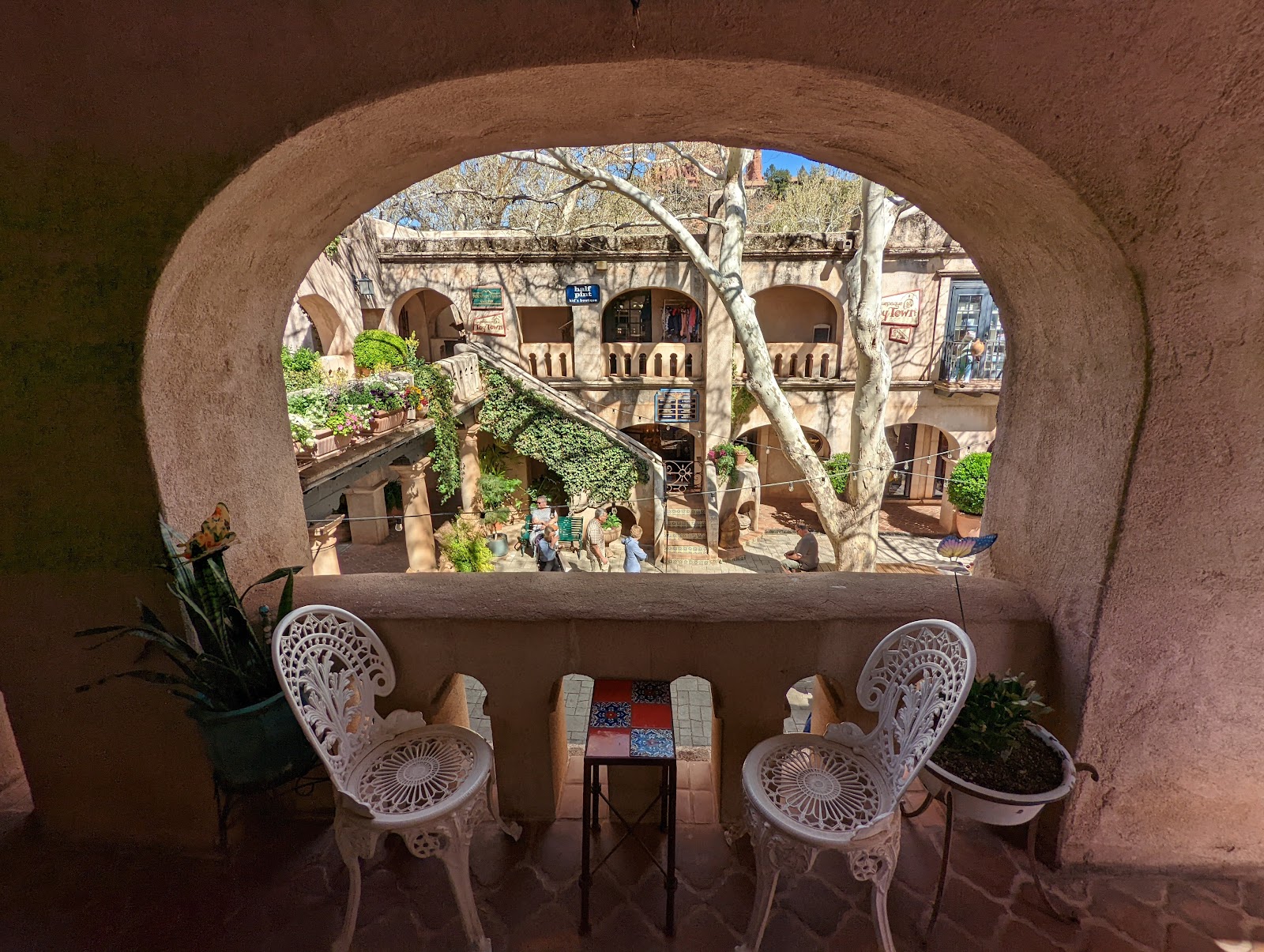
A courtyard is the answer that architecture has given to that for centuries. An enclosed outdoor space with walls on several sides is a softbox at architectural scale: sky above as the source, walls bouncing into the shadows, and the building itself blocking direct sun for most of the day. It is manufactured overcast, available on demand, in a climate that supplies almost none naturally.
That makes a courtyard village the easiest venue type in this region to photograph — with two conditions, both about colour.
These are field notes. We have not photographed a wedding at the Tlaquepaque Arts Village; courtyards and high desert light behave consistently. Which courtyards and spaces are included, the rules about the galleries and workshops on site, and whether the lighting is adjustable are questions for their team.
The Tlaquepaque Arts Village at a glance
| Where | Sedona, Arizona, at about 4,500 feet |
| The logic | Courtyards as manufactured shade in a landscape with none |
| The advantage | Sky above, walls bouncing, building blocking sun — a softbox at scale |
| The conditions | Wall colour transfers, and high sun clears the parapet in summer |
| Ask first | Courtyards included, gallery rules, lighting control, fixings |
What you meet, and what each one needs
The courtyard itself is the first condition and the geometry is worth understanding rather than merely enjoying. Sky above provides the source, which is large and therefore soft. The walls around bounce it back into the shadows, which fills under the chin. And the building blocks the direct sun for most of the day, which removes the hard component that ruins faces.
Three sources, balanced, with no equipment. The good position within a courtyard is near a wall rather than in the middle of it, because the middle receives light equally from all sides and is therefore flat — while three metres out from one wall gives a clear direction.
The first condition on that is the sun clearing the parapet. When the sun is high enough to come over the wall directly, a courtyard stops being a softbox and becomes a hard-edged trap with a brilliant patch of ground and deep shade a metre away. At this latitude that is an hour or two either side of solar noon in summer, and never in winter, when the sun does not get high enough to get in at all.
So the question worth asking is which courtyards are shaded at which hours, and the answer changes through the year. A venue with several courtyards of different sizes and orientations will always have one that works, which is the practical advantage of a village over a single building.
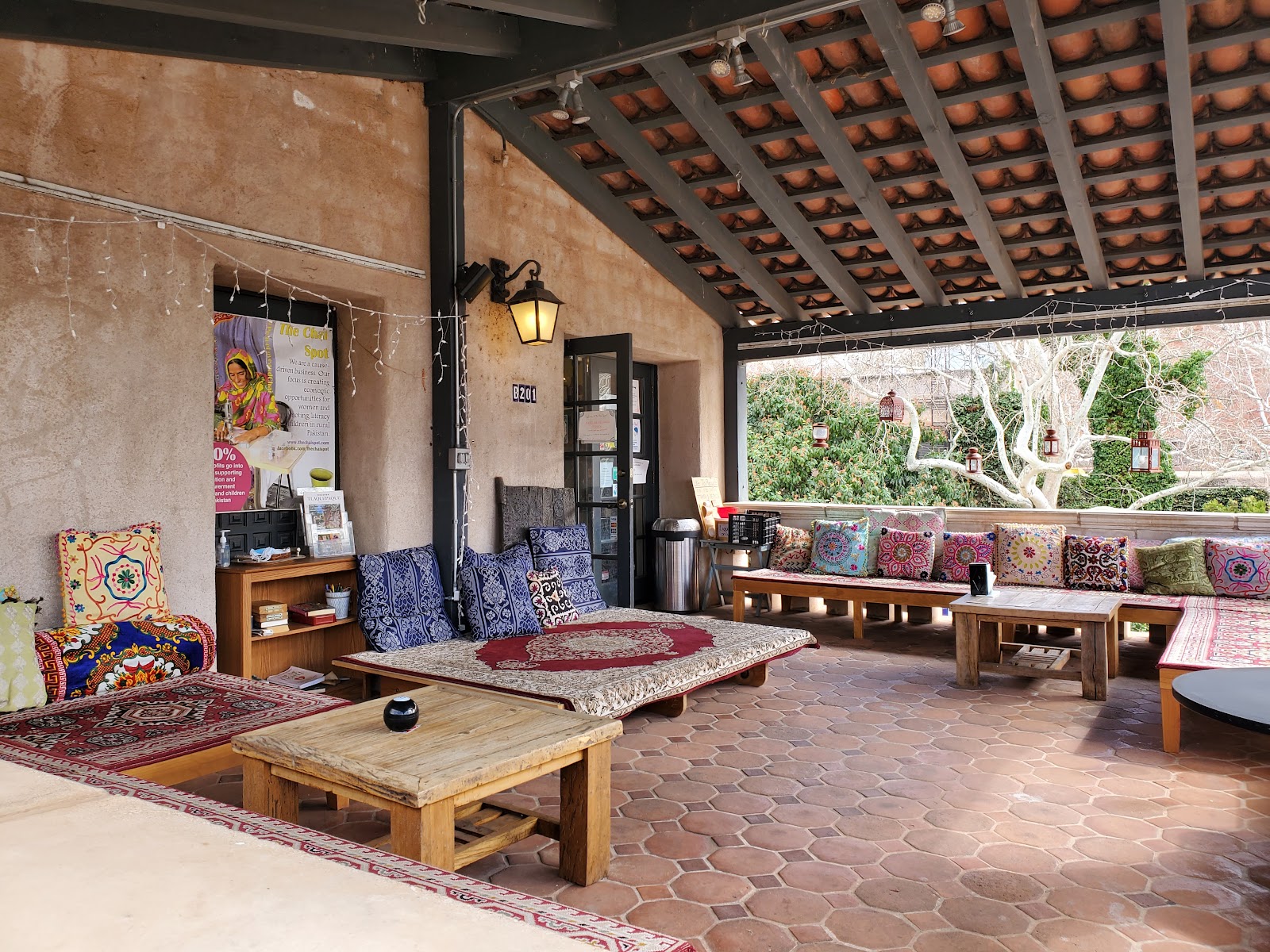
The second condition is the walls’ colour, and in this region it is the defining one. Walls in a Sedona courtyard are typically warm — stucco in earth tones, or stone, or brick — and a warm wall in sunlight throws that colour onto anything near it, localised and arriving from one side, which global white balance cannot separate from the subject.
A custom white balance set on a face in the actual position being used is the fix. And where there is red rock visible above or nearby, the cast compounds: iron-stained sandstone is far warmer than daylight and a lit cliff adds its own orange to whatever the walls are doing. That combination is the region’s signature and it needs measuring rather than guessing.
The third condition is the planting, which in a courtyard is usually deliberate and dense — and dense green foliage throws green onto skin from whichever side it sits. Green from one side and warm stucco from the other is a genuine split, and the answer is either to turn the couple so one dominates, or to let one gelled source own the faces with white balance set to that gel.
And the fourth is water, where there is any. A courtyard fountain or pool reflects, bounces light upward into facial shadows, and makes shutter speed a choice — and camera height decides whether it reads as a mirror or as a shallow basin, with low being the answer.
The passages, the interiors, and after dark
The passages between courtyards are the village’s second asset and they are frequently better than the courtyards themselves.
A covered or partly covered passage is a corridor with a roof and open ends, which makes it a tunnel with a large soft source at each end: the roof blocks the overhead component, the walls restrict the light to a horizontal band, and the floor bounces it back. A couple standing two or three metres inside the end of a passage is beautifully lit with nothing added, and the passage itself recedes into depth behind them — which is the cheapest separation available anywhere.
Arches, stairs and changes of level are the third asset. An arch frames; a stair gives elevation, so a camera above a group sees faces rather than the backs of heads, and it gives a line for a descent; and a change of level puts sky behind a subject rather than ground, which separates them completely at no cost.
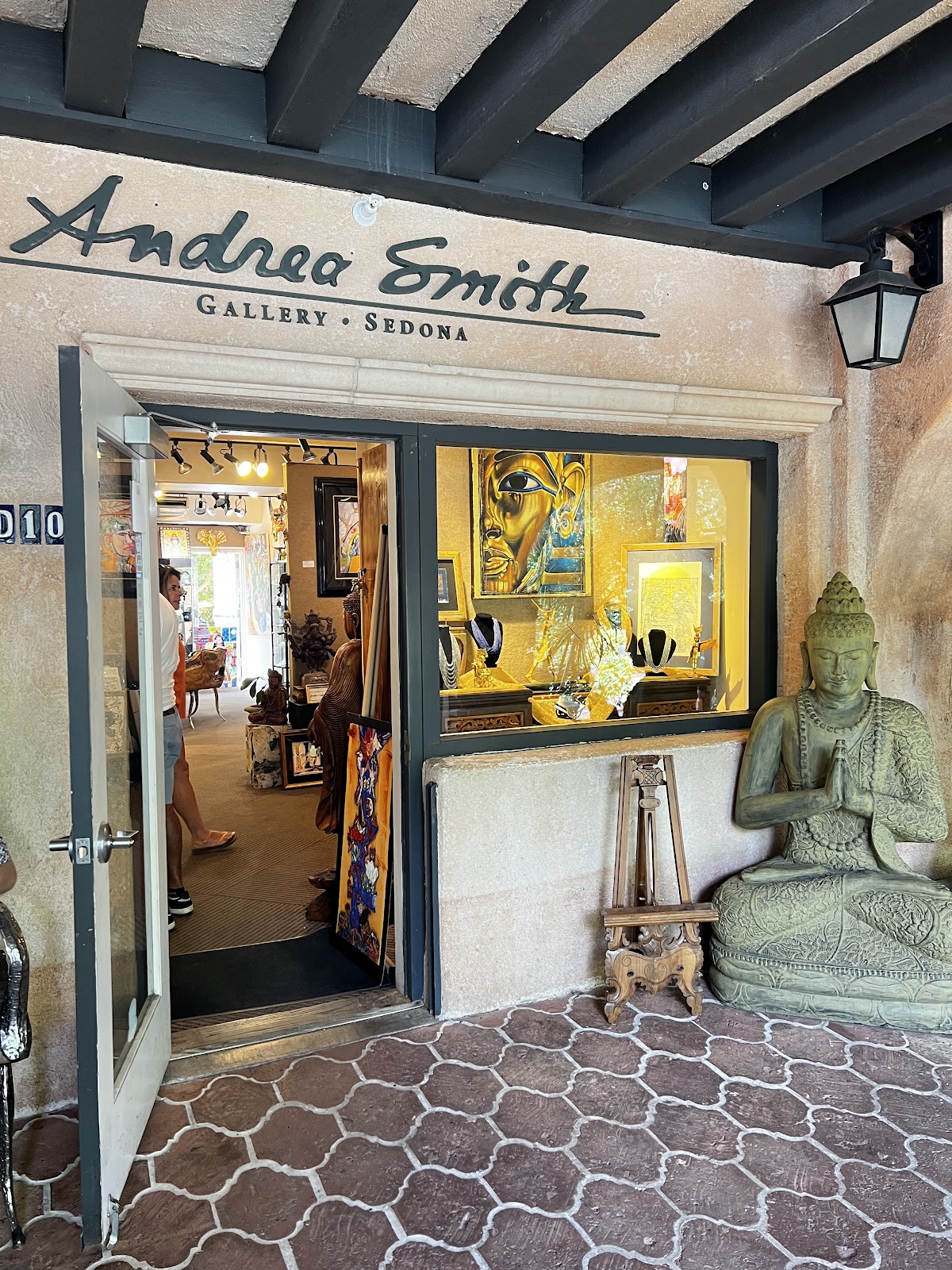
Interiors in a village of this kind are small workshops, galleries and shops rather than function rooms, and that has three consequences. They are domestically scaled, which means near walls that bounce and ceilings low enough that a flash aimed upward returns a great deal — one test frame confirms it.
They have windows and doors onto courtyards, which means the best interior light is a threshold: standing two or three metres inside a doorway facing out into a bright courtyard gives a very large soft source in front and darkness behind, needing nothing added. That is the best portrait position in almost any building of this type and it takes one test frame at two, three and four metres in to place precisely.
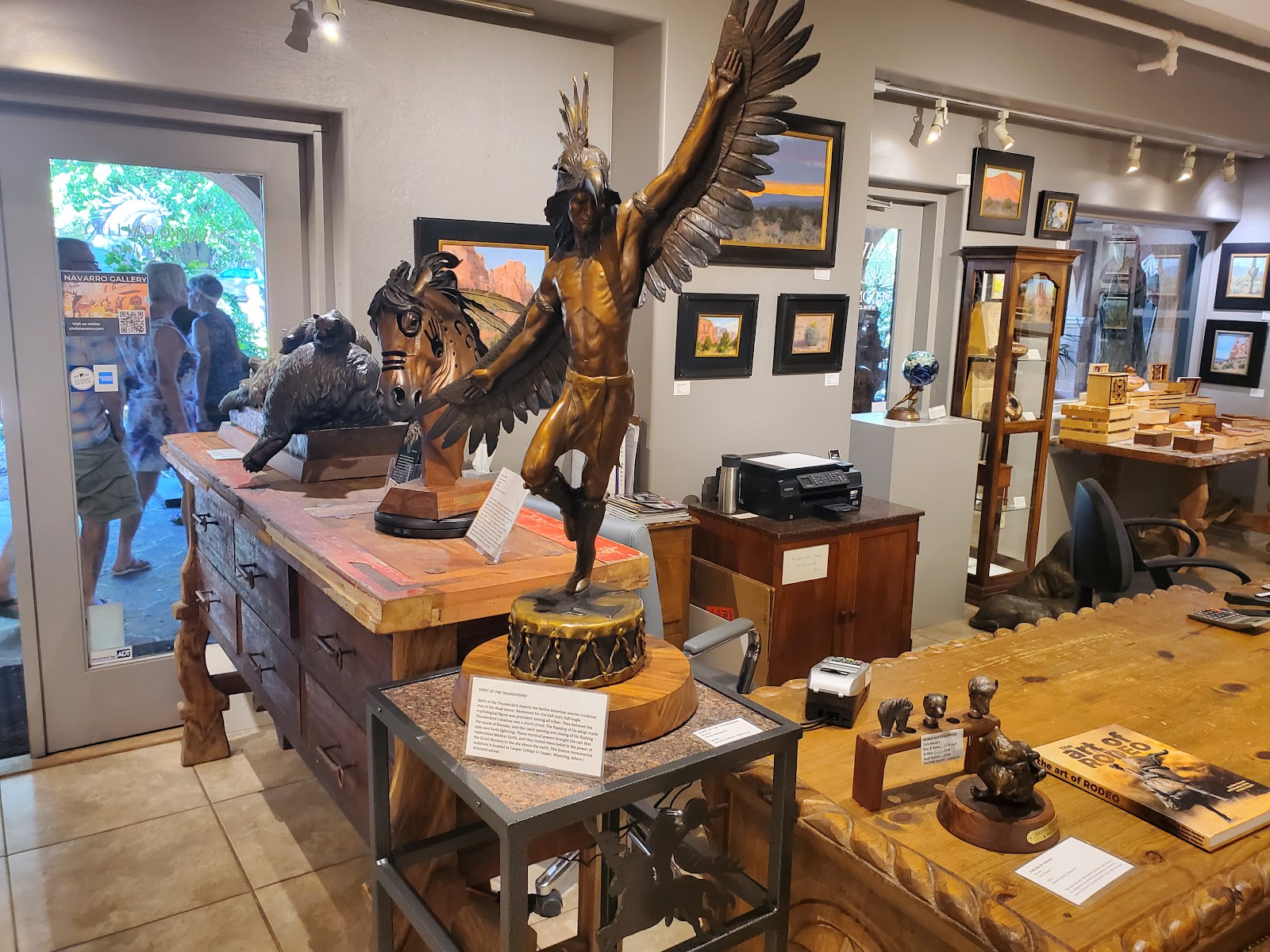
And where they are galleries, there will be rules — about flash near work, about proximity, about numbers in a space, and about whether pieces may appear in published photographs. Artists hold rights in their work, and a gallery will have a clear answer, which is usually simply which works may appear. Those belong in the booking conversation.
After dark a courtyard follows outdoor rules entirely: nothing bounces once the sky has gone, the ambient is near zero, and the frame is decorative lighting plus one source. Warm decorative fittings and string lighting are the usual register and they are background rather than key — small, dim, warm and high, which means a face lit by them is underexposed, top-lit and orange. One source gelled warm to match them, with white balance set to the gel, is the method, and an ungelled flash is the commonest failure.
The crossing is the one timed frame: twenty-five to forty minutes after sunset, when the sky still holds colour at about the brightness of the lit walls and the fittings. In dry desert air that window is shorter than in a humid climate, so it is a scheduled ten minutes rather than a wander.
And Sedona has lighting restrictions to protect the night sky, which means the darkness beyond the courtyards is genuine — so a frame of a couple under stars from an open position is achievable rather than theoretical.
- Stand three metres out from one wall, not in the middle of the courtyard
- Ask which courtyards are shaded at which hours; it changes by season
- Custom white balance on a face — warm walls and red rock compound
- Work the thresholds: two or three metres inside a doorway facing out
- String lighting is background, never key; gel your own source to match
The Arizona year
Winter is the courtyard’s own season and the reason is geometric. The December midday sun at this latitude reaches only about thirty-one degrees above the horizon, which means it never gets high enough to clear a courtyard parapet — so every courtyard on the property is usable from morning to evening rather than for part of the day.
That removes the one condition that limits a courtyard, and it makes winter the easiest season here by a clear margin. The low sun also rakes the stucco, the stone and the rock above all day rather than lighting them from overhead, which is what those surfaces need to read as material.
Snow on red rock above warm courtyard walls is occasional and it is the most striking frame the region offers, because white against saturated red is a contrast nothing else in American landscape provides. It rarely lasts a day.
The diurnal swing is the winter constraint and it is larger than people plan for: twenty degrees Celsius between afternoon and evening is normal at this altitude in dry air, and a courtyard with walls around it holds cold air. A party comfortable at four is genuinely cold by seven, and coats and whatever heating the venue has are the answer.
Summer is the season the courtyards were built for and it is when their limitation appears. From late May into June, before the monsoon, the sky is cloudless and the sun is at its highest — which means an hour or two either side of solar noon the sun clears the parapets and the courtyards become hard-light traps. A village with several courtyards is the answer, because one of them will be shaded.
The monsoon, from roughly July into September, is the region’s defining event and for a photographer it is a gift: afternoon cumulus towers build over the high country and they are the only reliable diffusion this climate offers. Under them the courtyards become soft and even all day, the warm walls glow rather than glare, and the reds saturate.
The hazard is real — lightning, and flash flooding from rain falling miles away — which means a named covered alternative is a requirement, and in a village of interiors that is easy to arrange.
Autumn after the monsoon, from late September into October, is the other strong window: the air is at its clearest of the year, the temperatures are comfortable, and sunset falls at a civilised hour. Any deciduous planting in the courtyards turns in late October into November, which against warm stucco is a good pairing.
Spring is windy, and in this landscape wind means dust — haze that flattens the long views and grit in everything. A courtyard is sheltered from it, which is another quiet advantage of the type, but the frames that include distant rock will be softer. April and May are otherwise excellent: mild, clear, and with new planting coming into leaf, which is thin and translucent and the best green of the year.
Two practicalities close it out. Ultraviolet is markedly higher at this altitude, so a party outdoors for an hour burns faster than expected. And the dry air means less fogging than a humid climate, though the large evening temperature drop still condenses on a cooling body — a bag opened early is the fix.
More frames from The Tlaquepaque Arts Village
The Tlaquepaque Arts Village wedding photography: common questions
Why is a courtyard the answer here?
Because it is manufactured overcast — sky above as the source, walls bouncing into the shadows, and the building blocking the direct sun this landscape otherwise supplies in full.
Where should the couple stand in one?
About three metres out from one wall, not in the middle. The middle receives light equally from all sides and is therefore flat.
What limits a courtyard?
The sun clearing the parapet, which happens an hour or two either side of noon in summer and never in winter.
What is the colour problem?
Warm walls throw their colour onto skin from one side, and nearby red rock compounds it. A custom white balance set on a face in position is the fix.
What are the passages good for?
They are tunnels with a soft source at each end — a couple two or three metres inside is beautifully lit, with the passage receding into depth behind them.
Which is the best season?
Winter. A low December sun never clears the parapets, so every courtyard works from morning to evening and the low light rakes every surface all day.
More Arizona venue guides
We are writing a photographer’s guide to every venue we would happily shoot in Arizona. Here are three more, plus the full index:
- The Boojum Tree, Phoenix: The Venue’s Own Logic
- The Cave at Lake Pleasant, Peoria: The One Decision That Governs Everything
- Copper Sky, Maricopa: The One Decision That Governs Everything
Planning a wedding at The Tlaquepaque Arts Village?
Courtyards solve the desert. Tell us your date and we will pick the right one.