 Tulsa Country Club: Field Notes on a 1908 Club
The Packard Building: Photographing a Converted Car Showroom
A car showroom was built around enormous windows, because the point was to be seen into. That is the whole advantage.
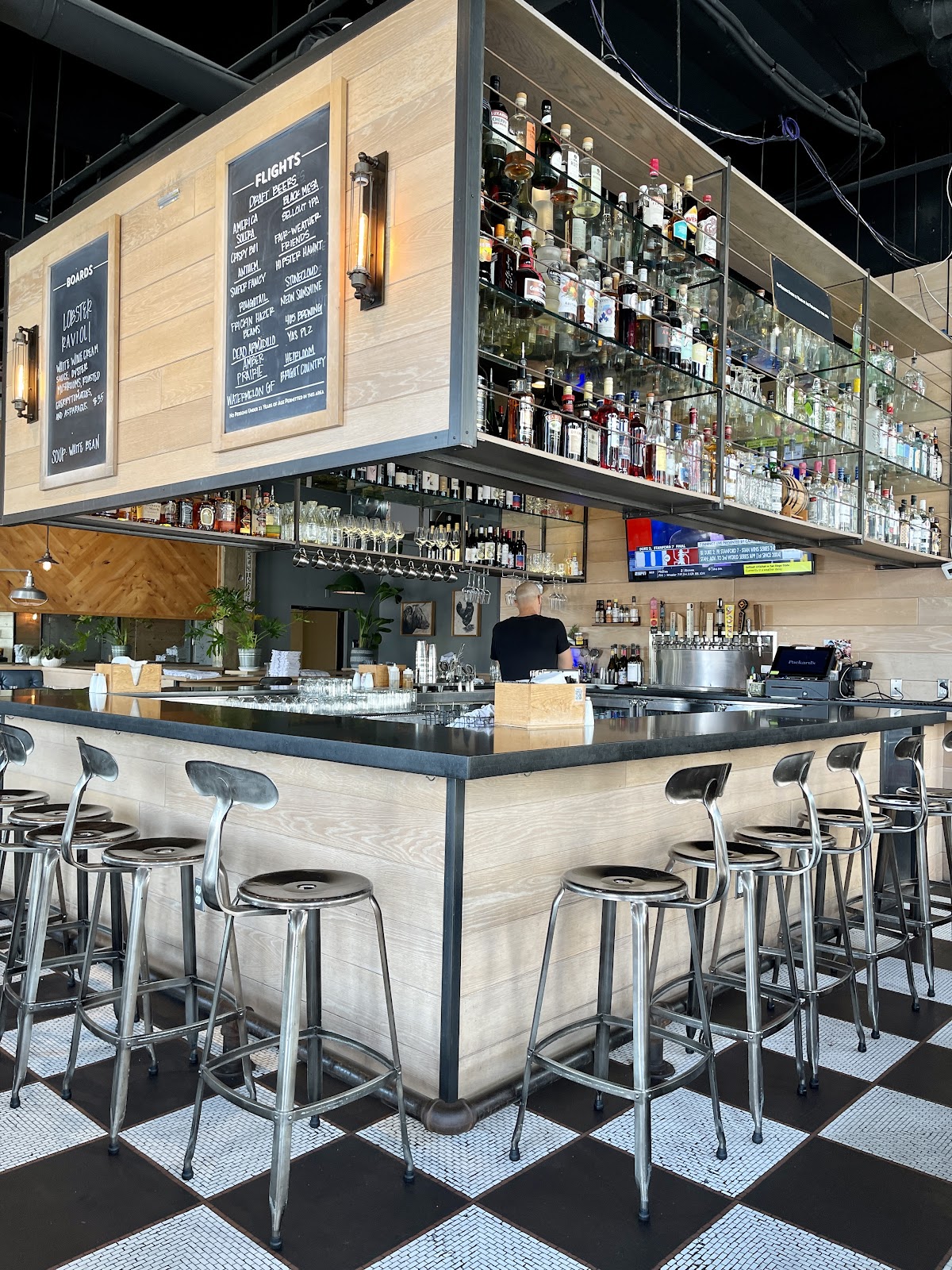
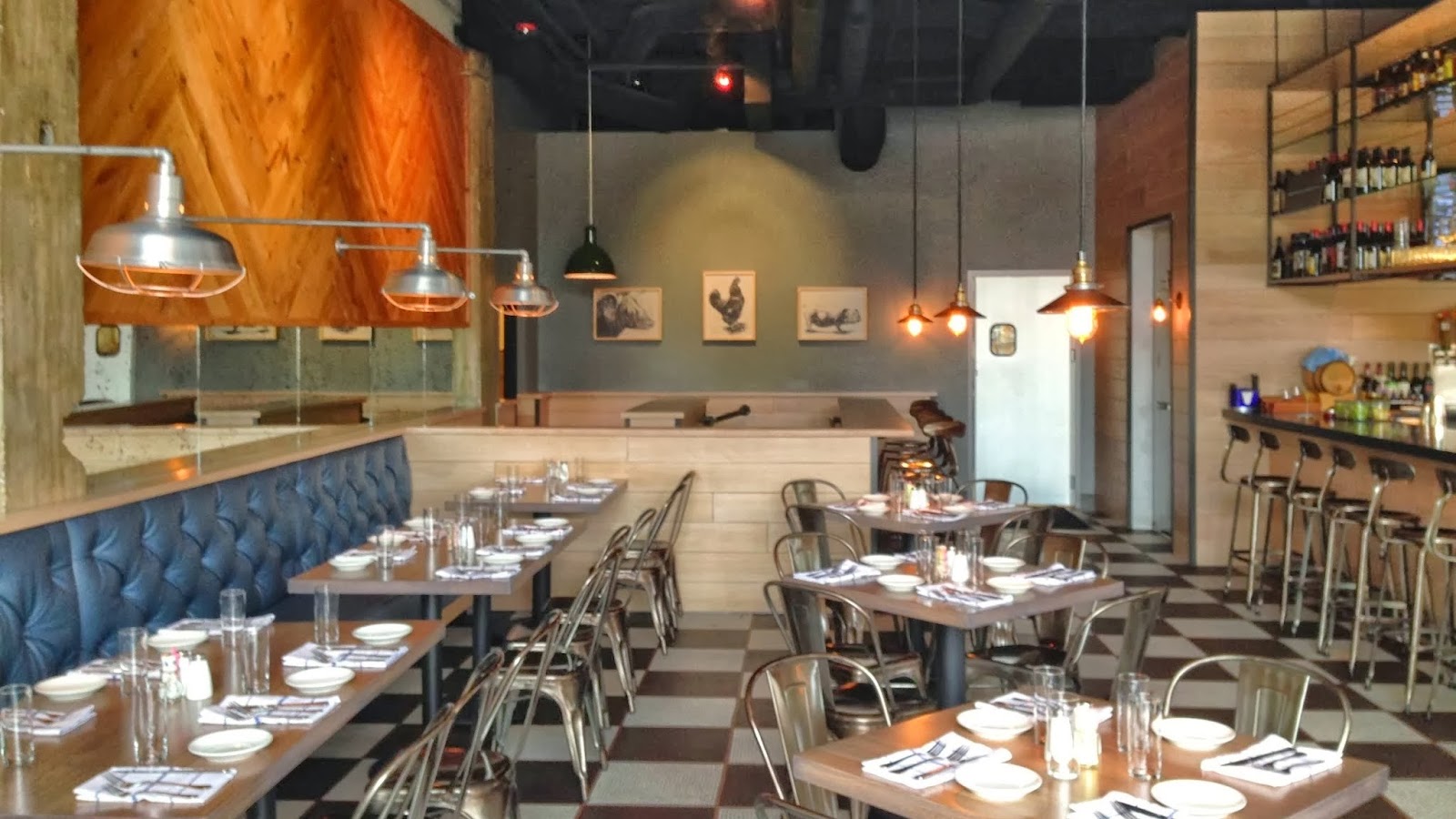
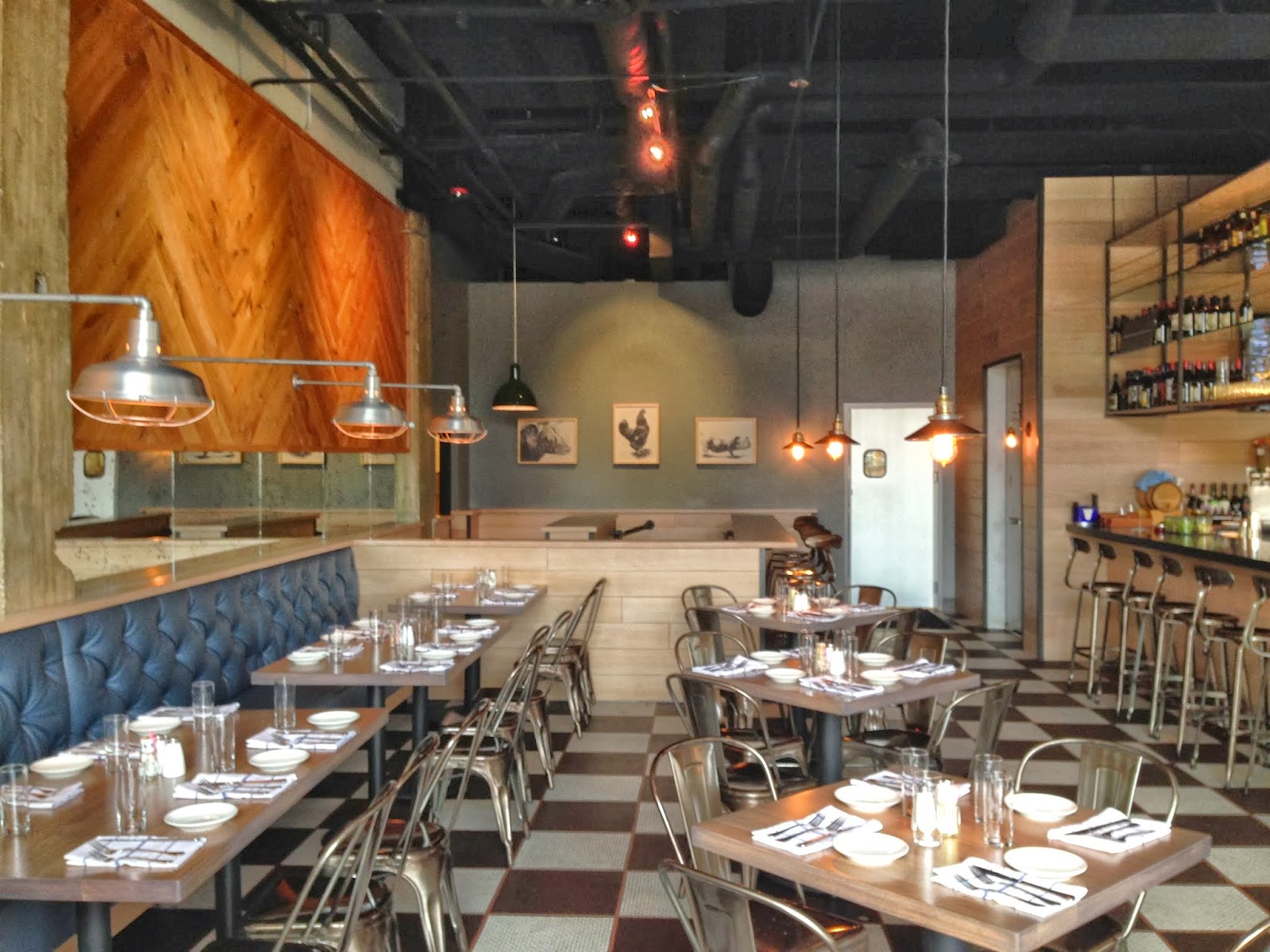
The Packard Building occupies a converted 1920s automobile showroom in Oklahoma City, retaining original brick, timber beams and the very large ground-floor display glazing the building type required.
Converted showrooms are the best of the industrial conversions for one structural reason: they were built to be seen into. A warehouse needed enough daylight for people to work; a showroom needed glass large enough to display a motor car to the street, which means the ground-floor glazing is far more generous than any other building of the period offers. That produces something rare — an industrial-register interior with genuinely abundant daylight at street level.
This is a walk through the building. We have not photographed a wedding at the Packard; converted showrooms behave the same wherever they survive. Which spaces host events and what may be attached to original fabric are questions for their team — restored brick and timber usually take no fixings.
The Packard Building at a glance
| Where | Oklahoma City, Oklahoma |
| Character | A converted 1920s car showroom with brick, beams and huge display glazing |
| Why it works | Built to be seen into, so the ground-floor glass is exceptional |
| The materials | Brick and timber — forgiving mid-tones that bounce warm |
| Ask first | What may be attached to restored fabric — usually nothing |
The display glazing: abundant daylight at street level
Showroom glazing is the largest of any building type of its era, because a car had to be visible from the pavement. On a converted ground floor that produces a wall of glass rather than a series of openings — and a wall of glass facing a street is a very large soft source, close to the subject, with a natural fall-off into the depth of the room behind.
That is unusual among industrial conversions, which are usually daylit adequately but not generously. Here a subject a metre or two back from the glass has a broad soft key with enough level that the room behind still reads rather than dropping to black, which makes the frames feel open rather than pooled.
One wall of glass gives three setups for a change of stance — facing it, side-on, back to it — so the preparation and portrait coverage needs nothing carried during daylight hours. And because the glazing runs along a street rather than facing a courtyard, there is usually a shaded side and a sunlit side depending on orientation: the shaded side gives soft directional light all day, while the sunlit side gives a hard patch and, through steel framing, a grid of hard shadow that cannot be corrected.
The street outside is part of the frame whether you want it or not, and that is worth deciding rather than accepting. A wall of glass means passers-by, parked cars and signage are all potentially in shot behind a subject — so either compose to exclude them, or use a long lens at a wide aperture so the street becomes an unreadable soft field.
Brick, beams and the ceiling question
Brick and timber are the surfaces and both are unusually forgiving: mid-tones with real texture, holding detail at almost any sensible exposure, and never leaving a frame feeling empty. Both reflect strongly warm, so set a custom white balance for the faces rather than the wall and keep it for the whole block — auto drift is the usual reason a sequence in a brick building fails to match itself.
Both need raking light to read as themselves. Light running along a brick wall lifts every mortar line; light running along timber lifts the grain. A source pointed at either flattens it into a brown field, so the position worth finding is where the window light runs along the surface rather than at it — and with a wall of glass on one side, that position is easy to find.
Exposed beams and posts are strong repetition and a compositional asset, rewarding precise framing because in a spare converted volume a crooked horizontal is obvious with nothing else to distract from it. Level deliberately.
The ceiling needs checking before relying on bounce. Converted showrooms often have high ceilings with exposed timber or services, which removes the advantage that makes bounce so useful in a small room. A pale wall is frequently the better surface, and an assistant with a reflector better than either — and worth establishing on arrival rather than discovering when a flash appears to do nothing.
Original fabric usually takes no fixings, so assume nothing can be taped or clamped and plan a free-standing weighted kit.
- Work the shaded side of the display glazing for soft light all day
- Steel framing prints a grid in sun — use it on brick, not on faces
- Decide about the street: exclude it, or blur it with a long lens
- Set white balance for faces, not brick; both materials bounce warm
- Check the ceiling before bouncing; a pale wall is often better

Evening, and the district outside
After dark the display glazing inverts, as all glass does: the lit interior becomes brighter than the street, so the windows reflect the room rather than showing the city. In a showroom that effect is larger than usual because the glazing is larger — a whole wall of mirror rather than a few panes — so wide frames that worked in daylight become cluttered at night.
There is a crossing point worth catching first. For roughly twenty minutes around sunset the street outside falls to the brightness of the interior lighting, and one exposure holds the lit room, the couple and the street beyond. Take the clock time from sunset and treat it as an appointment; after that, shoot obliquely to the glass, keep lights off the camera axis, and use the reflection deliberately rather than tolerating it.
Otherwise the evening is a warm low-light industrial interior: fast lenses wide open at a raised ISO give frames that look like the room looks, and the grain suits the venue. Split deliberately — ambient for candids and atmosphere, added light only where legibility is non-negotiable.
Outside, Oklahoma City’s low-rise districts give brick commercial frontages on a regular grid, so low evening sun reaches street level and runs the length of a street — the block that locates the gallery, and worth timing. Alleys are the most reliable positions: walls both sides give directional light, a contained background and shelter from the wind, which on the southern plains is a constant rather than an occasional event.
Oklahoma conditions apply: severe summer heat keeping outdoor blocks short, the building’s own shadow as the dependable midday shade, and fast-building convective storms in spring and early summer — where a converted showroom is a genuinely good fallback, because the wall of glass means the interior still has daylight and a view of the weather rather than being sealed off from it.
More frames from The Packard Building
The Packard Building wedding photography: common questions
Why do converted showrooms light so well?
Because they were built to be seen into. A showroom needed glass large enough to display a car to the street, so the ground-floor glazing is far more generous than any other building of the period — an industrial interior with abundant daylight.
What is the catch with a wall of glass?
The street is in the frame whether you want it or not — passers-by, parked cars, signage. Either compose to exclude them, or use a long lens wide open so the street becomes an unreadable soft field.
What about the steel framing?
In direct sun it prints a grid of hard shadow across faces that cannot be corrected. Work the shaded side of the building, wait for the sun to move, or use the pattern deliberately on brick rather than on skin.
Does ceiling bounce work?
Often not — converted showrooms usually have high ceilings with exposed timber or services. Check on arrival. A pale wall is frequently the better surface, and an assistant with a reflector better still.
What happens to the glass after dark?
It becomes a wall of mirror rather than a few reflective panes, because the glazing is so large. Catch the crossing first — twenty minutes around sunset when the street and interior balance — then shoot obliquely and use the reflection deliberately.
Why is this a good storm fallback?
Because the wall of glass means the interior still has daylight and a view of the weather rather than being sealed off from it — so a storm changes the frames rather than removing them.
More Oklahoma venue guides
We are writing a photographer’s guide to every venue we would happily shoot in Oklahoma. Here are three more, plus the full index:
- Paycom Center, Oklahoma City: What an Arena Suits and What It Does Not
- The Yale Theater, Oklahoma City: The One Decision That Governs Everything
- The BOK Center, Tulsa: A Building Wrapped in Curved Glass
Planning a wedding at The Packard Building?
A showroom gives industrial character with real daylight. Tell us your date and which side the sun will be on.