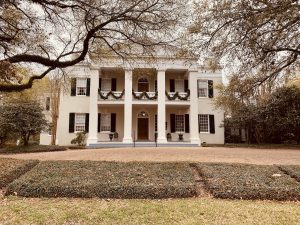
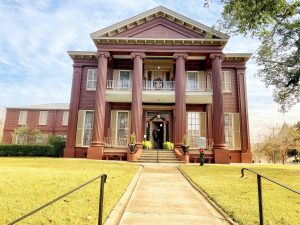
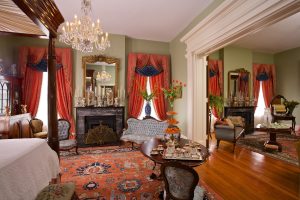
 Choctaw Hall: What a Gazebo Ceremony Does to the Photographs
The Mississippi Civil Rights Museum, Jackson: The One Decision That Governs Everything
One decision comes before any technical one: which parts of this building you work in, and which you leave alone.
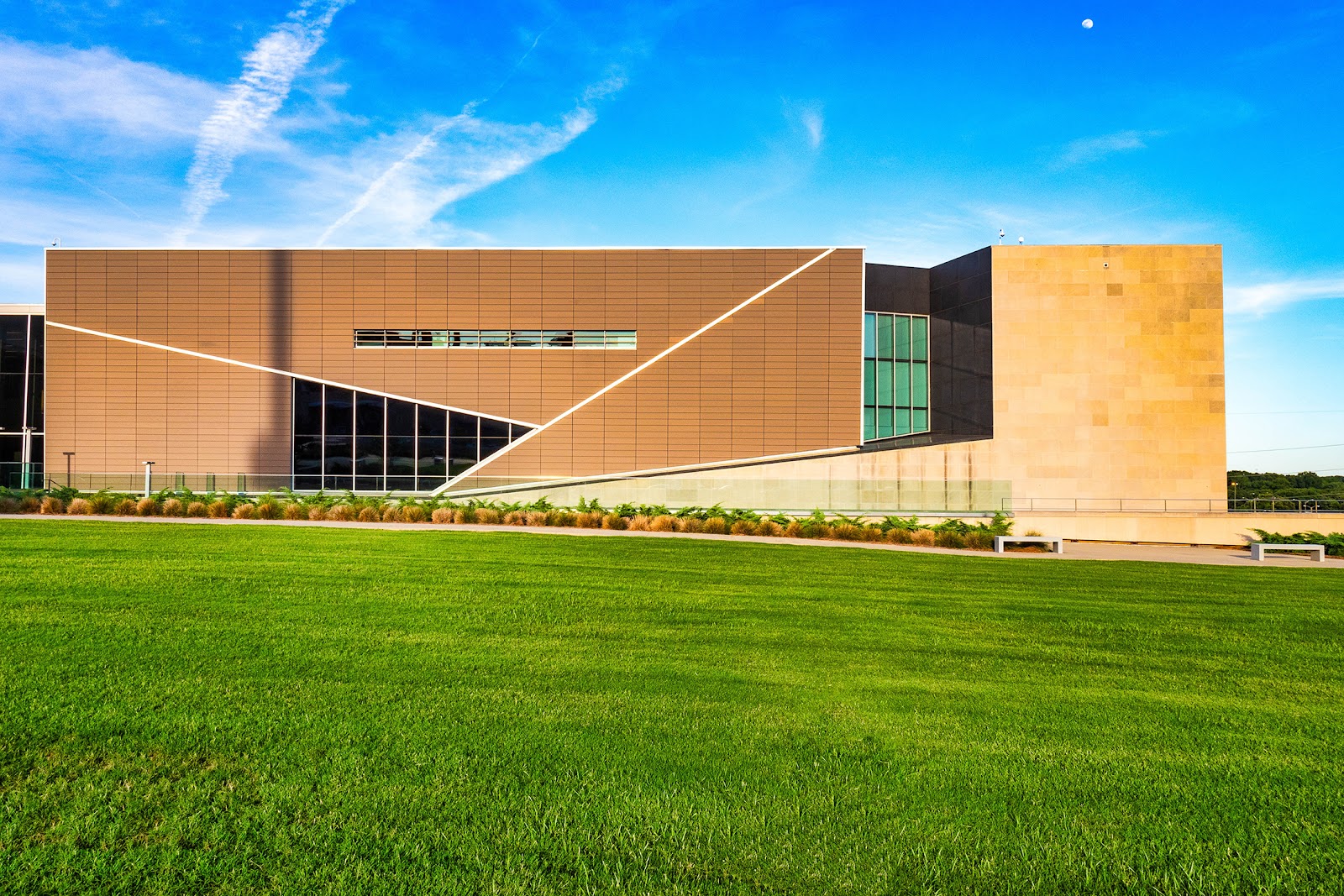
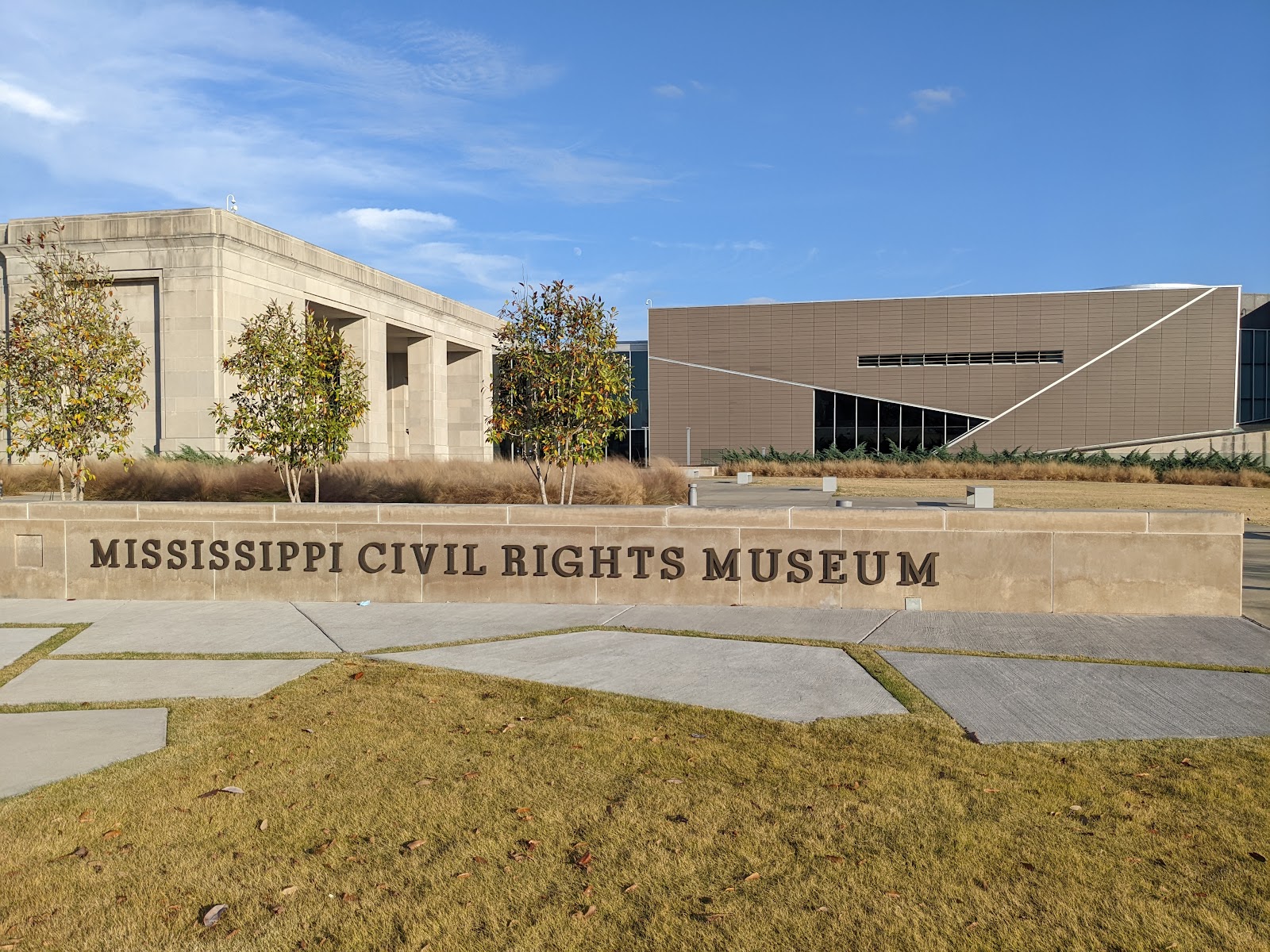
The Mississippi Civil Rights Museum has event space and outdoor areas that can serve for portraits or a small ceremony, alongside the galleries that are the museum’s actual purpose.
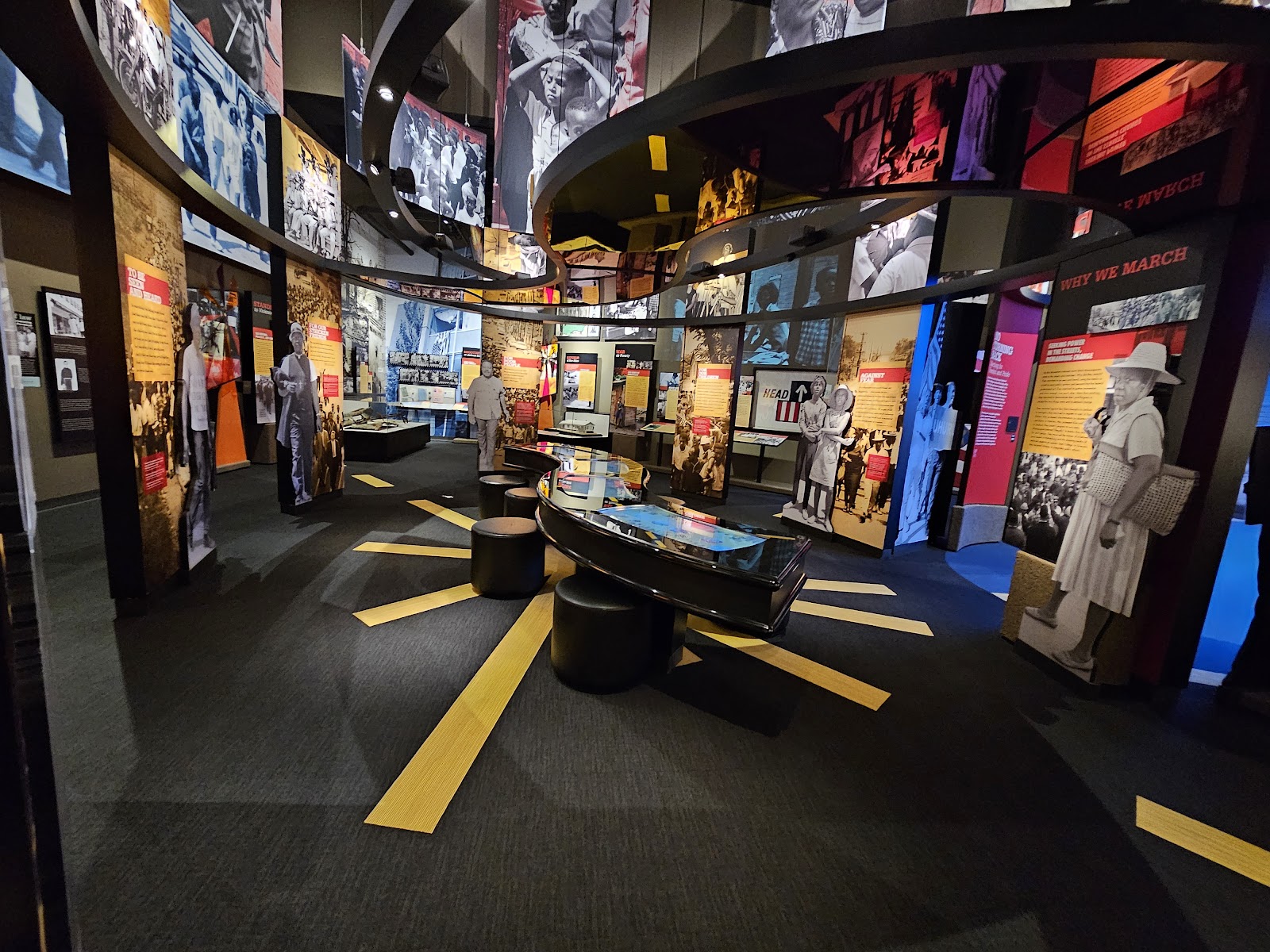
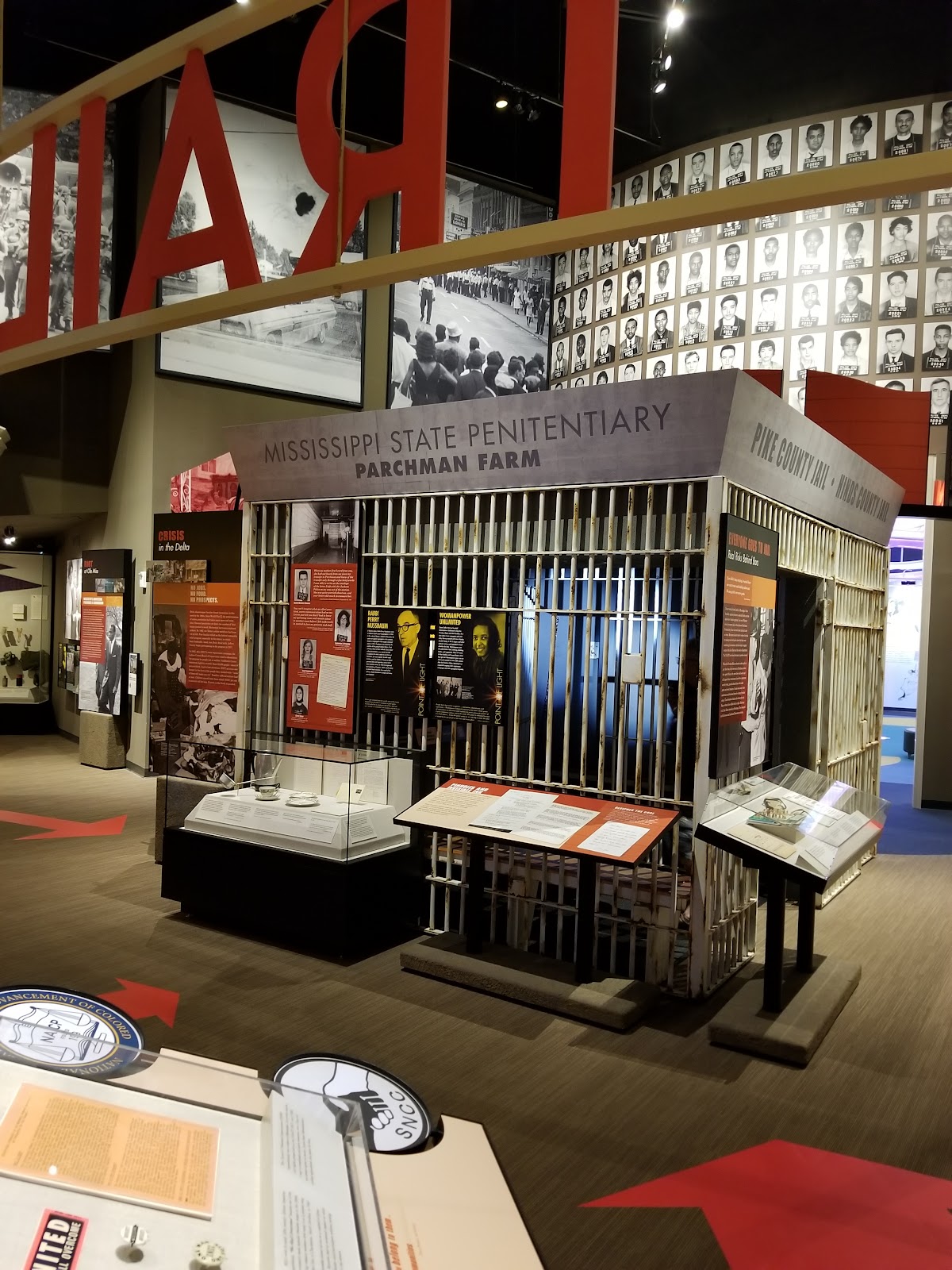
One decision governs everything here and it is not a technical one. It is where in the building you photograph a wedding, and the answer is: in the event and outdoor spaces, and not in the galleries. That is not a limitation imposed by lighting or by policy, though policy will very likely agree. It is because the galleries document the Civil Rights movement in Mississippi — including violence done to people, and people who were killed — and a couple smiling in front of that material produces a photograph that serves nobody, least of all the couple, who will have to live with it in an album.
Making that decision first simplifies everything after it, which is why it belongs at the front rather than in a footnote. We have not photographed a wedding at the museum; institutions of this kind have clear and thoughtful policies about what may happen where, and their events staff will be direct about it if asked. Ask early, follow what they say, and take their answer as settled.
The Mississippi Civil Rights Museum at a glance
| Where | Jackson, Mississippi |
| Character | A museum of the Civil Rights movement with event and outdoor space |
| The decision | Work in the event and outdoor spaces; leave the galleries alone |
| Why | The galleries document violence and loss; celebration frames there serve nobody |
| Ask first | What the museum’s policy is, and treat the answer as settled |
Why the decision comes first
A wedding photographer’s instinct at a museum is to look for the most visually striking room and work there, and that instinct is usually right. Here it is not, and it is worth understanding why rather than simply accepting a rule.
Photographs carry their background as content, not as decoration. A frame is read whole: the viewer takes in the couple and what is behind them at the same time, and the meaning of the picture comes from both together. That is why a couple in front of a brick wall reads as warm and a couple in front of a stadium reads as spectacular. It is also why a couple laughing in front of an exhibit about a murder reads as something nobody intended, and cannot be recovered by cropping or by good intentions.
The material in this museum is also not general history. It is recent, it is specific, it names people, and it concerns a state and a city where those events happened and where descendants live. Photographic tact here is not squeamishness — it is the same judgement any competent photographer applies when they decline to shoot a candid of someone crying at a funeral, extended to a place rather than a person.
There is a practical layer as well. Museums of this kind commonly restrict photography in galleries for reasons of copyright, loan conditions and respect for donors and families, and those restrictions are firm rather than negotiable. But the point stands even where photography is permitted: permission and appropriateness are different questions, and the second one is the photographer’s job rather than the institution’s.
Deciding this before the day removes it as a problem. A couple who has been told clearly where the photographs will happen, and why, is not disappointed on the day; a couple who is told at three o’clock that a room is off limits is. This is a conversation for the enquiry stage.
What follows: the event space and the grounds
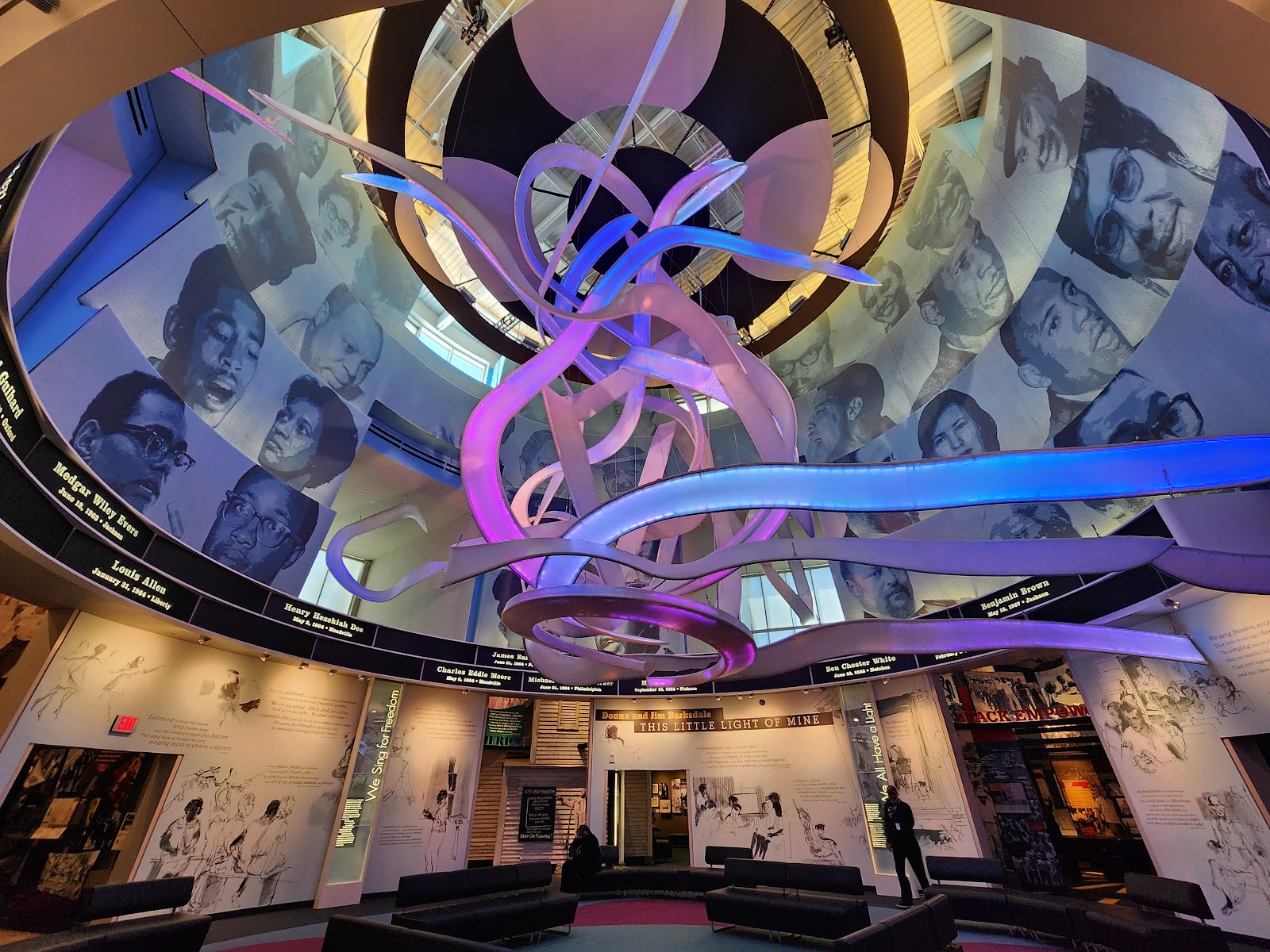
What remains is a genuinely good venue, and a modern museum’s non-gallery architecture is usually better lit than its galleries. Event spaces and public circulation hold nothing light-sensitive, so they are designed for people rather than for conservation — which frequently means generous glazing, higher light levels and better colour rendering than any exhibit room.
Find the glazing on arrival and treat it as the building’s best asset. A large window or a glazed wall is a very large soft source close to the subject, with natural fall-off into the room behind, and a person standing two metres back from it is better lit than any portable kit could manage at that scale. The shaded elevation gives that light all day with no hotspots; a sunlit one gives hard patches and, through structural framing, a grid of hard shadow that is attractive on a wall and unusable on a face.
Modern museum interiors tend towards spare surfaces — plain walls, sealed concrete or stone floors, minimal ornament — which means backgrounds have to be built rather than found. The tools are a long lens at a wide aperture for separation, one directional source to create a shadow side, and framing against a darker element so a subject is not pale against pale.
Contemporary architecture also usually has high ceilings, which removes bounce. Test it once on arrival; where it fails, a pale wall is the better surface and direct modified light better than either.
The outdoor areas are the strongest asset for anything that needs to be flattering, and the reason is simple: outdoors there is no conservation constraint, no spectrum problem, and after the sun drops, no direction problem either. The last ninety minutes on open ground with a modern building behind is better light than anything indoors, and a small ceremony outside is straightforwardly well served.
- Settle the gallery question at enquiry stage, not on the day
- Find the glazing on arrival; the shaded side gives soft light all day
- Structural framing prints a hard grid — fine on a wall, not on a face
- Build backgrounds from depth and light; spare modern surfaces give none
- Put the last ninety minutes outside, and plan the rest around protecting it
Downtown, and a Mississippi summer
Downtown Jackson gives the located frames a modern museum interior cannot. Early twentieth-century commercial architecture in brick and stone on a regular grid, largely low-rise, which means low evening sun reaches street level and runs the length of a street rather than being cut off by towers — ninety minutes of raking light down whole blocks at no equipment cost.
Brick and stone are forgiving mid-tones that hold detail across a wide exposure range and show their texture only when light runs along them, so a short walk to find which side is being raked is worth more than any accessory. Alleys and side streets are the most dependable positions, giving directional light from walls on both sides and a contained background.
A Mississippi summer sets the limits. Heat and humidity make long outdoor blocks genuinely difficult in formal clothes, so trips should be short and purposeful, and a building’s own shadow is the reliable midday shade.
Fogging is the climate’s specific equipment risk and it catches people out because it is the reverse of the cold-weather problem. A camera and lens chilled inside a strongly air-conditioned museum will fog comprehensively the moment it reaches warm damp air outside, and can take many minutes to clear — long enough to lose an arrival. Warm the kit towards outside temperature before it is needed outdoors, which means planning twenty minutes ahead rather than reacting at the door.
Afternoon thunderstorms are routine rather than exceptional in the season, which is the practical argument for a large institutional building: the day continues indoors without a decision being needed. And the light once a cell has passed — a dark sky with low sun underneath, wet paving returning reflections of the building — is frequently the best of the day and worth stepping back out for.
More frames from The Mississippi Civil Rights Museum
The Mississippi Civil Rights Museum wedding photography: common questions
What is the one decision here?
Where in the building you photograph. The answer is the event and outdoor spaces, not the galleries — because the galleries document violence and loss, and a celebration frame in front of that material serves nobody.
Isn't that the museum's rule to make?
The museum will very likely have one, and it should be followed. But permission and appropriateness are different questions, and the second is the photographer’s job. Decide it first, then ask.
Why does a background matter that much?
Because a frame is read whole — the viewer takes in the couple and what is behind them together, and the meaning comes from both. That cannot be fixed by cropping or by good intentions.
When should this be discussed?
At enquiry stage. A couple told clearly in advance where the photographs will happen is not disappointed; a couple told at three o’clock that a room is off limits is.
Where is the good light in a modern museum?
The non-gallery spaces. Event rooms and public circulation hold nothing light-sensitive, so they have generous glazing and better light levels and colour than any exhibit room.
What should the last ninety minutes be used for?
Outdoors. There is no conservation constraint, no spectrum problem and — once the sun is low — no direction problem, which makes open ground with the building behind the best light available.
More Jackson, MS venue guides
We are writing a photographer’s guide to every venue we would happily shoot in Jackson, MS. Here are three more, plus the full index:
- The Mississippi Governor’s Mansion, Jackson: Photographing State Rooms
- The Mississippi Museum of Art, Jackson: How the Light Moves
- The Oaks House, Jackson: One Frame and How It Is Made
All Jackson, MS Wedding Venues →
Planning a wedding at The Mississippi Civil Rights Museum?
This venue needs one conversation before any planning. Tell us your date and we will have it.