 The Somerset Club on Beacon Street: Is It Right for You?
April 14, 2026
The Isabella Stewart Gardner Museum: Light, Timing and the Courtyard
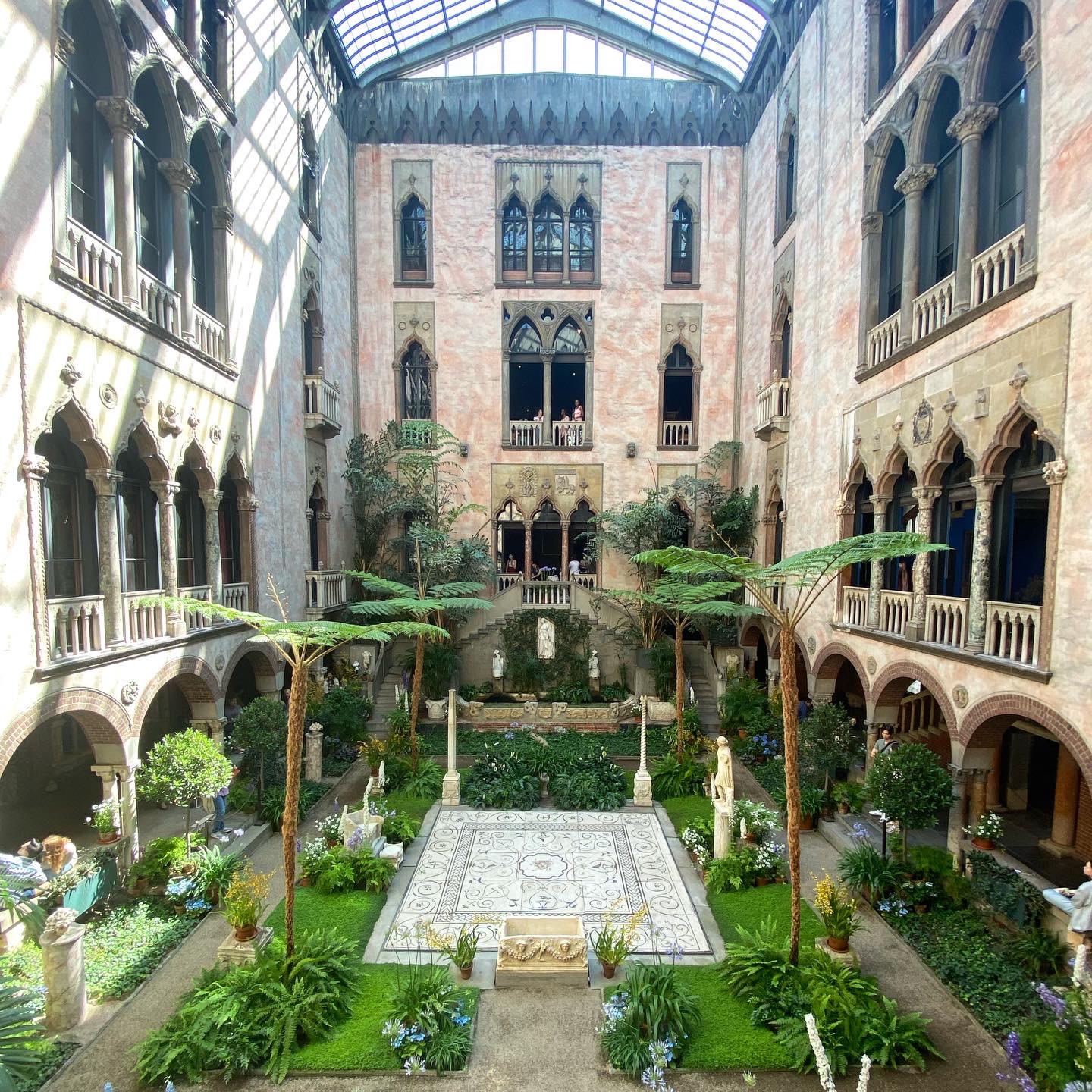
The courtyard is one of the great interior spaces in America and it is lit entirely from above through glass. Everything about the timeline follows from that.
The Isabella Stewart Gardner Museum opened in 1903 in the Fenway, built to Gardner’s own design as a Venetian-style palace wrapped around a central courtyard roofed in glass. The galleries are arranged as she left them, and her will famously fixed the arrangement in place. A 2012 wing by Renzo Piano added modern space alongside the historic building.
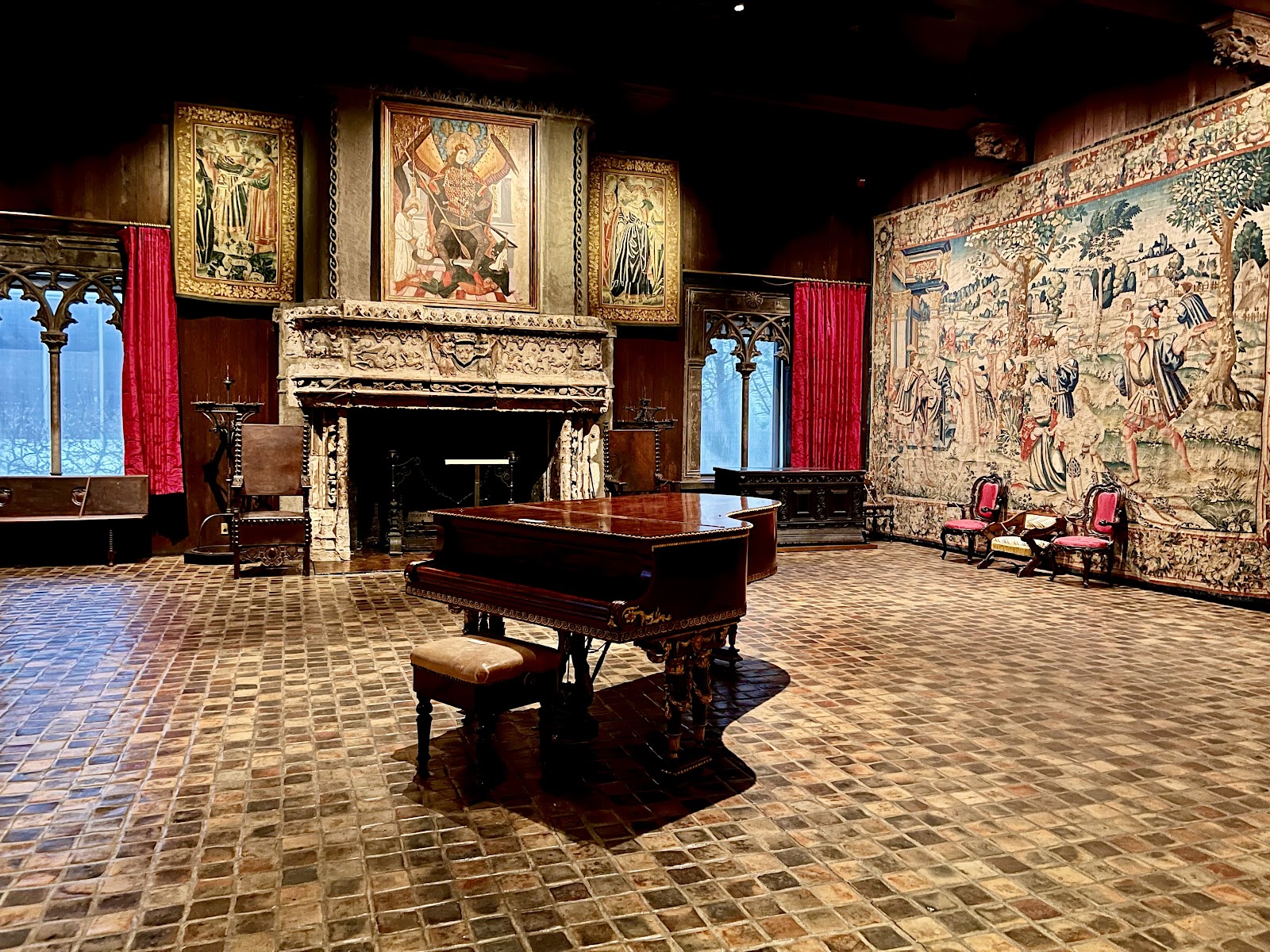
Photographically this is two completely different venues sharing an address. The courtyard is a top-lit garden room of extraordinary quality — four storeys of arcaded stonework, mosaics, planting that changes through the year, and soft daylight falling straight down through the roof. The historic galleries are dark, dense, hung floor to ceiling, and about as constrained an environment as a photographer can work in.
We have not photographed a wedding here. What follows predicts the light from the architecture, which for a glass-roofed courtyard is entirely predictable, and treats the gallery constraints as the serious planning matter they are. Which spaces are available, what is permitted and when are questions only the museum can answer, and at an institution with a collection like this the answers will be firm.
Isabella Stewart Gardner Museum at a glance
| Where | The Fenway, Boston, Massachusetts |
| Opened | 1903, built to Isabella Stewart Gardner’s design as a Venetian-style palace |
| Centrepiece | A four-storey courtyard roofed in glass, planted and lit from directly above |
| Light | Courtyard: soft, top-down, weather-dependent. Galleries: very dark, dense, restricted |
| Plan around | Firm institutional rules, and top light that needs correcting for faces |
The courtyard: how top light behaves through the day
Light entering through a horizontal glass roof does not change direction much as the sun moves; it changes intensity and contrast. That makes the courtyard unusually consistent compared with a window-lit room, and it means the weather matters far more than the hour.
On an overcast Boston day — and Boston supplies many — the glass roof becomes an enormous diffuser and the courtyard fills with soft, even, shadowless light. This is the best condition for photographing it. On a bright day, direct sun comes through and throws the pattern of the roof structure onto the stonework and planting as hard-edged shapes. Beautiful on a wall, unusable across a face.
The one directional variation worth knowing: early and late in the day the sun is low enough that it strikes the upper arcades rather than the floor, so the top storeys glow while the courtyard floor stays in soft shade. That is the most attractive light the space offers, and it is a reason to schedule portraits early or late rather than midday.
Correcting top light on faces
The universal problem with overhead light is that it lands on foreheads and leaves eyes in shadow, producing portraits that look sunken. In a courtyard four storeys deep, that effect is pronounced because there is a great deal of light coming straight down and comparatively little bouncing back up.
Three corrections, all simple. Ask people to lift their chins slightly, which raises the eyes into the light. Position them close to a pale stone surface so it bounces light back as a side source — arcaded stonework is excellent for this. Or use a low reflector to throw light upward, which is the most controllable option if it is permitted.
The planting helps too. Standing beside greenery rather than in the open floor gives you a visual anchor and slightly warmer bounce, and it places the couple within the courtyard’s character rather than against a bare stone floor.
The galleries: assume the strictest rules you have encountered
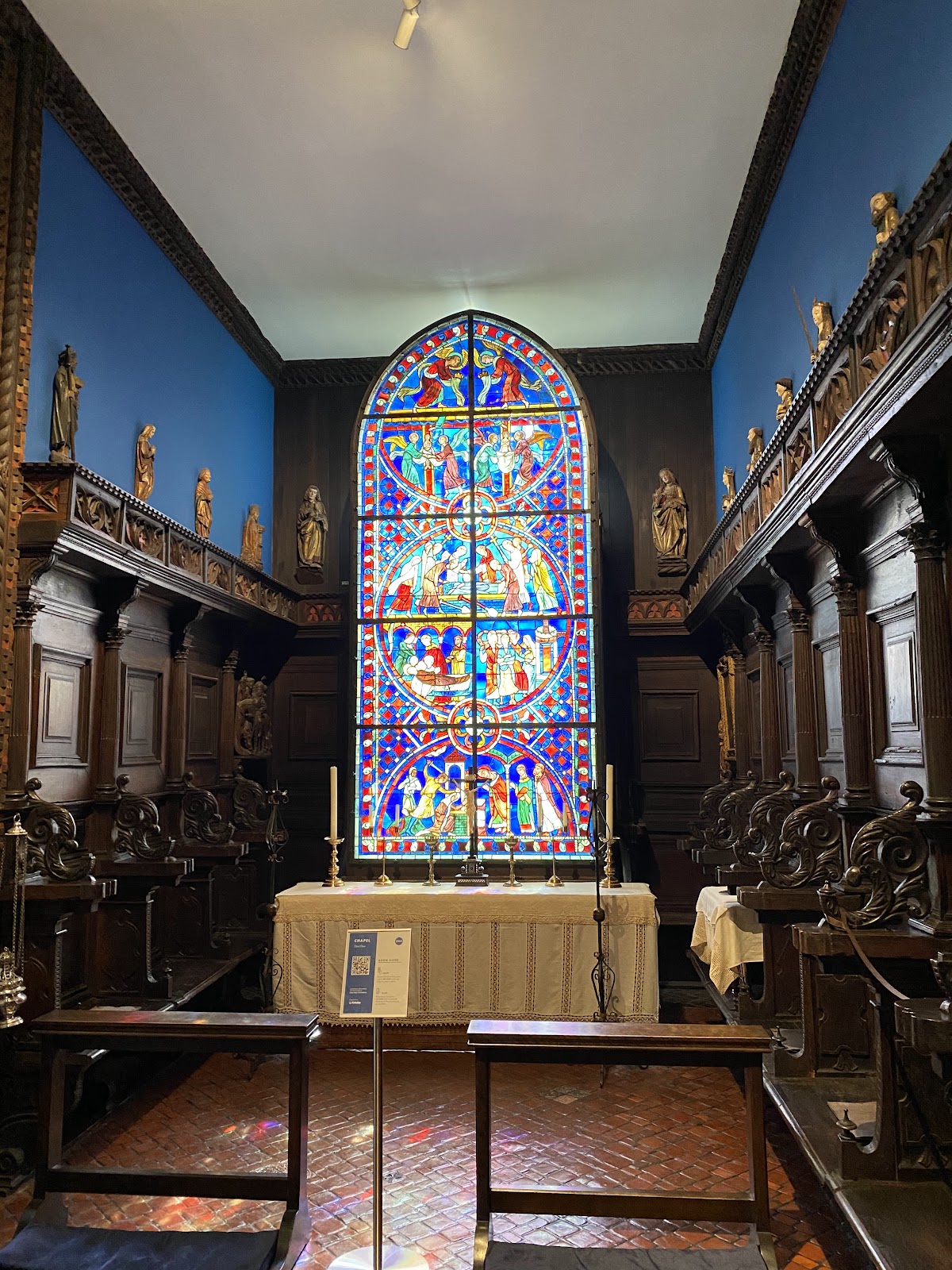
This is a museum whose collection arrangement is legally fixed and which suffered one of the most notorious art thefts in history. The security posture and conservation requirements follow from that, and it would be a mistake to assume anything about gallery access, flash, tripods or how close people may stand to objects.
Practically, plan your photography around the courtyard and any modern wing spaces, and treat the historic galleries as a bonus you may not get. If gallery frames are permitted, they will be natural light only, in rooms that are deliberately kept dim for conservation — which means very fast lenses, very high ISO, and a willingness to accept that noise is the price of a photograph in that room.
Do not plan a lit setup anywhere in the historic building until the museum has confirmed it in writing. This is the single most important sentence in this guide.
The timeline, working backwards from the courtyard
Because the courtyard’s light depends on weather and on the sun striking the upper arcades, the timeline should be built around it rather than around sunset.
- Preparation off site, in a hotel room with a large window. There is no getting-ready space in a museum of this kind.
- Couple’s portraits in the courtyard early or late, when the sun catches the upper arcades and the floor sits in soft shade. Midday is the flattest hour.
- Family groups in the modern wing or an architectural space, where there is room to stand back — not in the historic galleries.
- Keep a shot list short and specific. Museum access windows are firm and escorted movement between spaces is slow. Three excellent locations beat eight rushed ones.
- Budget ten minutes for the Fenway outside. Mature planting and the Emerald Necklace parkland nearby give free open shade and seasonal colour.
What works in your favour
- The courtyard is one of the finest interior spaces in the United States and photographs magnificently
- Top light is consistent through the day, so the hour matters less than at window-lit venues
- Overcast Boston weather, common for much of the year, is the ideal condition here
- Planting changes seasonally, so the same space looks different across the year
- Fenway parkland outside supplies free open shade within a short walk
What to plan around
- Overhead light produces sunken eye sockets unless actively corrected
- Bright sun throws hard roof-structure patterns that cannot cross a face
- Historic galleries are extremely dim and subject to the strictest conservation rules — assume no flash and no tripods
- Access windows are set by the institution and escorted movement is slow
- No getting-ready space; preparation happens elsewhere
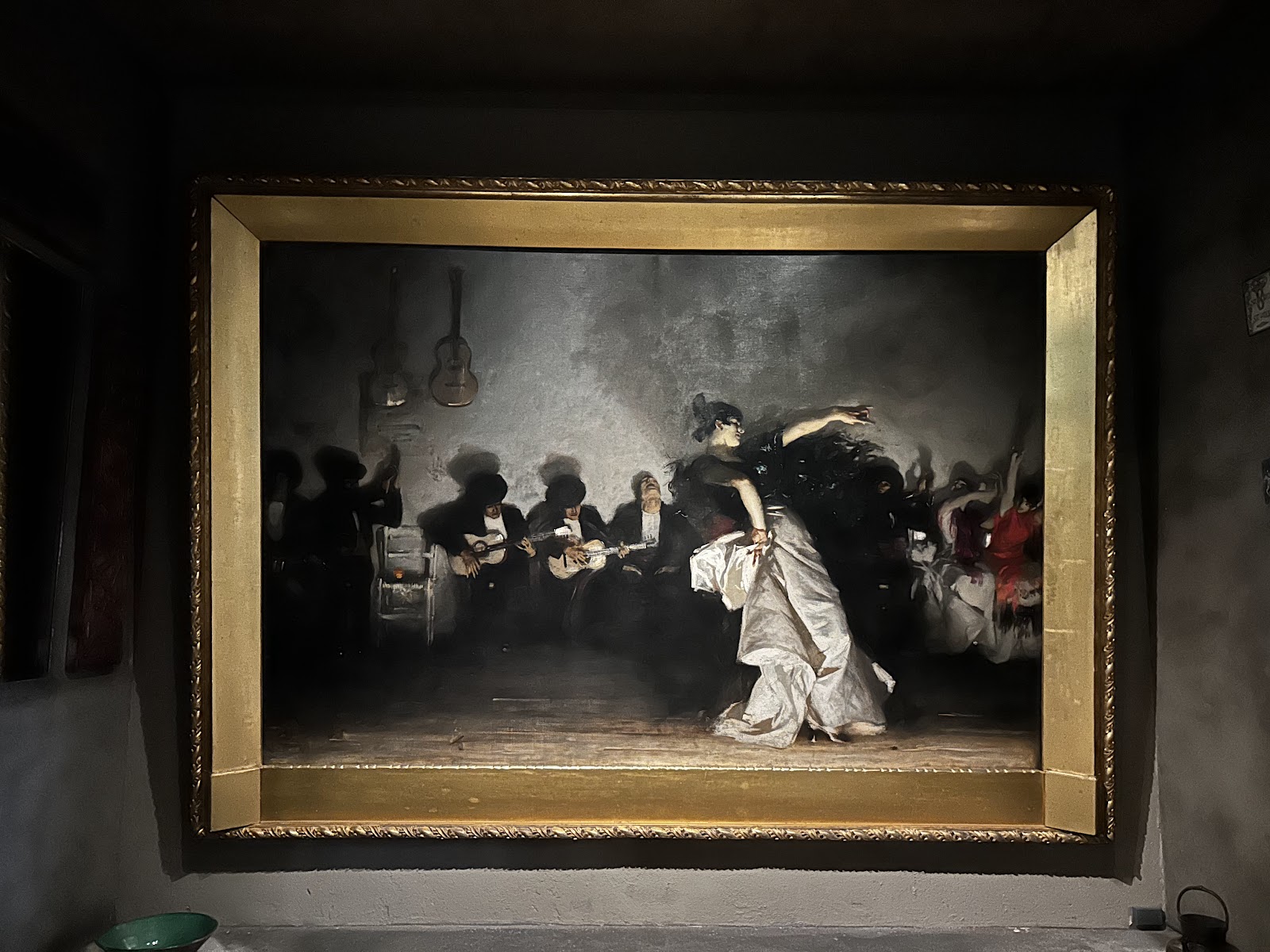
More frames from Isabella Stewart Gardner Museum
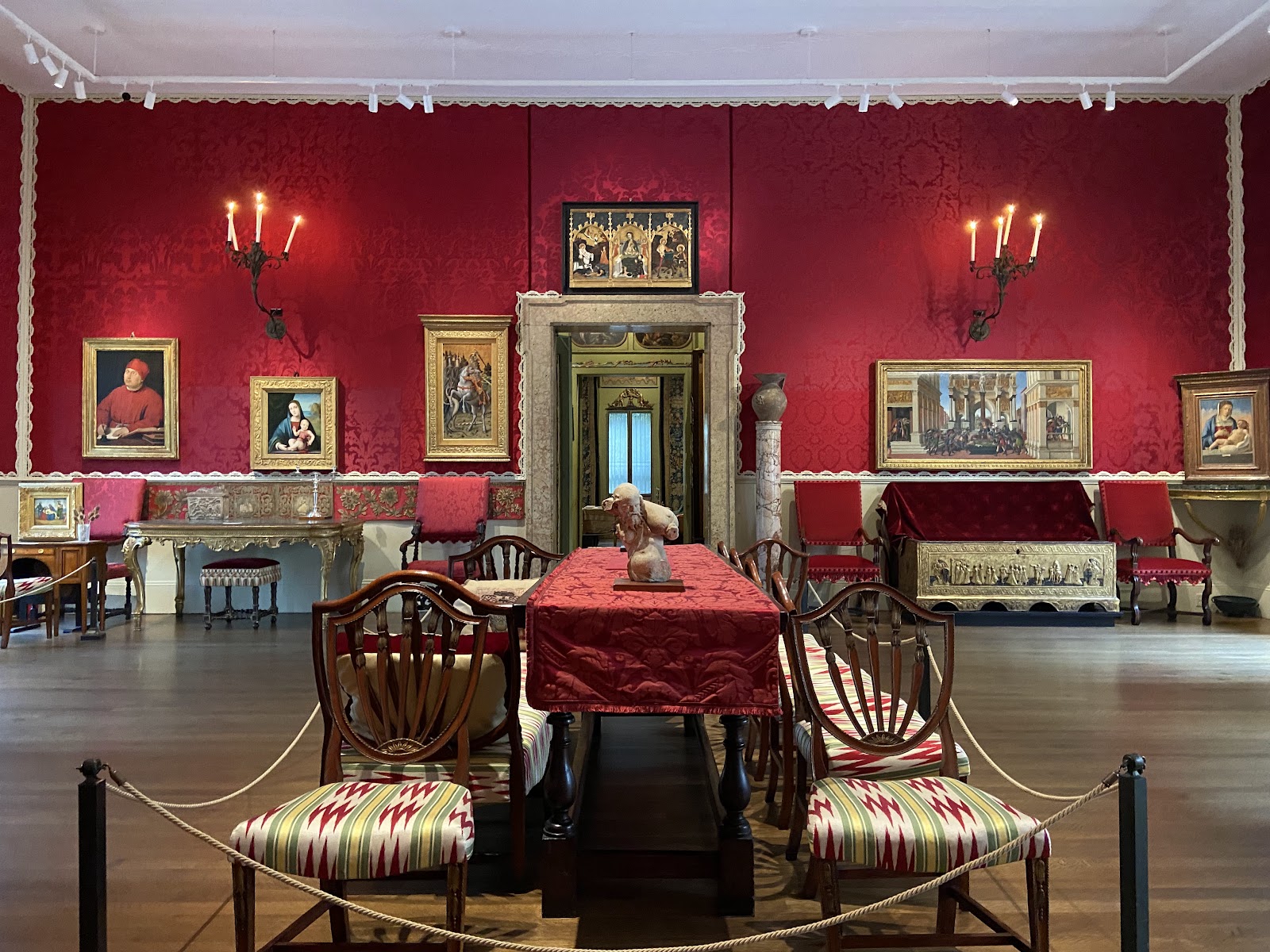
Isabella Stewart Gardner Museum wedding photography: common questions
Is the Gardner Museum courtyard good for wedding photographs?
Exceptionally, with one correction. It is a four-storey glass-roofed courtyard with soft top light, which is beautiful but lands on foreheads and leaves eyes shadowed. Lift chins slightly, stand people near pale stonework so it bounces light back as a side source, or use a low reflector if permitted.
What weather is best there?
Overcast — which is convenient, because Boston provides plenty. Cloud turns the glass roof into an enormous diffuser and fills the courtyard with even, shadowless light. Bright sun casts the pattern of the roof structure onto surfaces as hard shapes, which look striking on a wall and unusable across a face.
Can you photograph in the historic galleries?
Do not assume so. The collection arrangement is fixed by Isabella Stewart Gardner’s will and the conservation and security requirements are correspondingly strict. If gallery frames are allowed at all, expect natural light only in deliberately dim rooms. Never plan a lit setup in the historic building without written confirmation.
What time of day should we schedule portraits?
Early or late rather than midday. When the sun is low it strikes the upper arcades while the courtyard floor stays in soft shade, and that contrast between glowing stonework above and gentle light below is the most attractive light the space offers.
Where do family group photos work?
In the modern wing or another architectural space with room to stand back — not in the historic galleries, which are dense, hung floor to ceiling and not built for groups. Confirm with the museum which spaces your event includes before planning the group list.
More Boston venue guides
We are writing a photographer’s guide to every venue we would happily shoot in Boston. Here are three more, plus the full index:
- The Liberty Hotel: Who This Venue Suits
- The Somerset Club on Beacon Street: Is It Right for You?
- The Cyclorama: Field Notes on a Domed Room
Planning a wedding at Isabella Stewart Gardner Museum?
The Gardner is a venue where the museum’s rules shape the photographs as much as the light does. Tell us your date and we will help you ask the right questions, and plan a short, specific shot list that fits inside your access window.