 The Somerset Club on Beacon Street: Is It Right for You?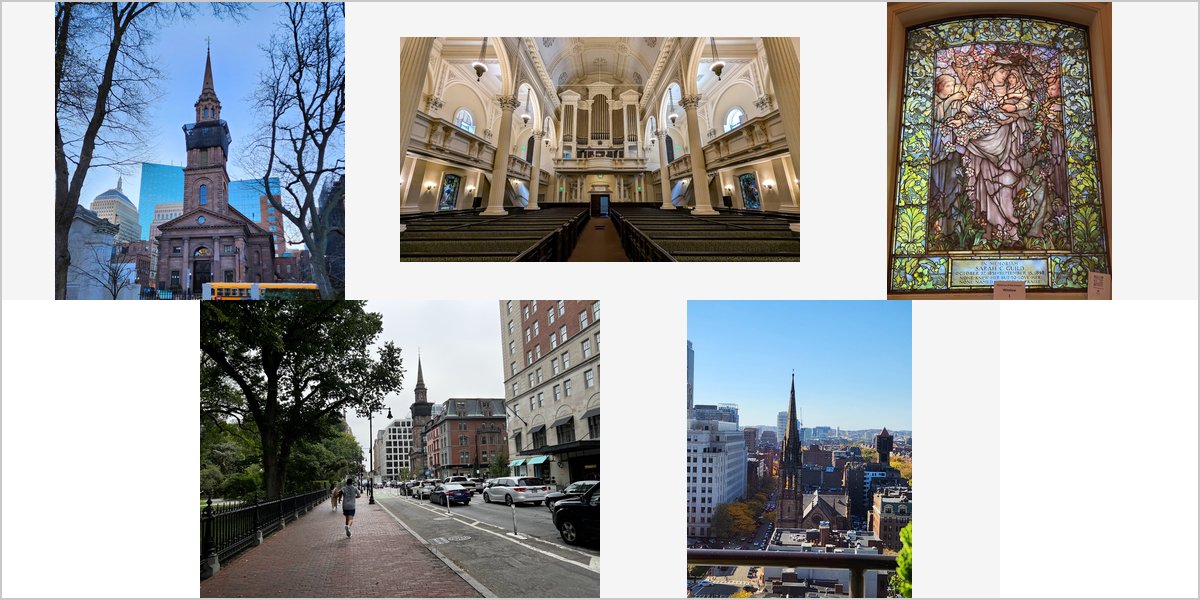
April 28, 2026
Arlington Street Church: Field Notes for Wedding Photographs
The Public Garden across the road is the reason this church works so well for photographs. The interior is the ceremony; the garden is the gallery.
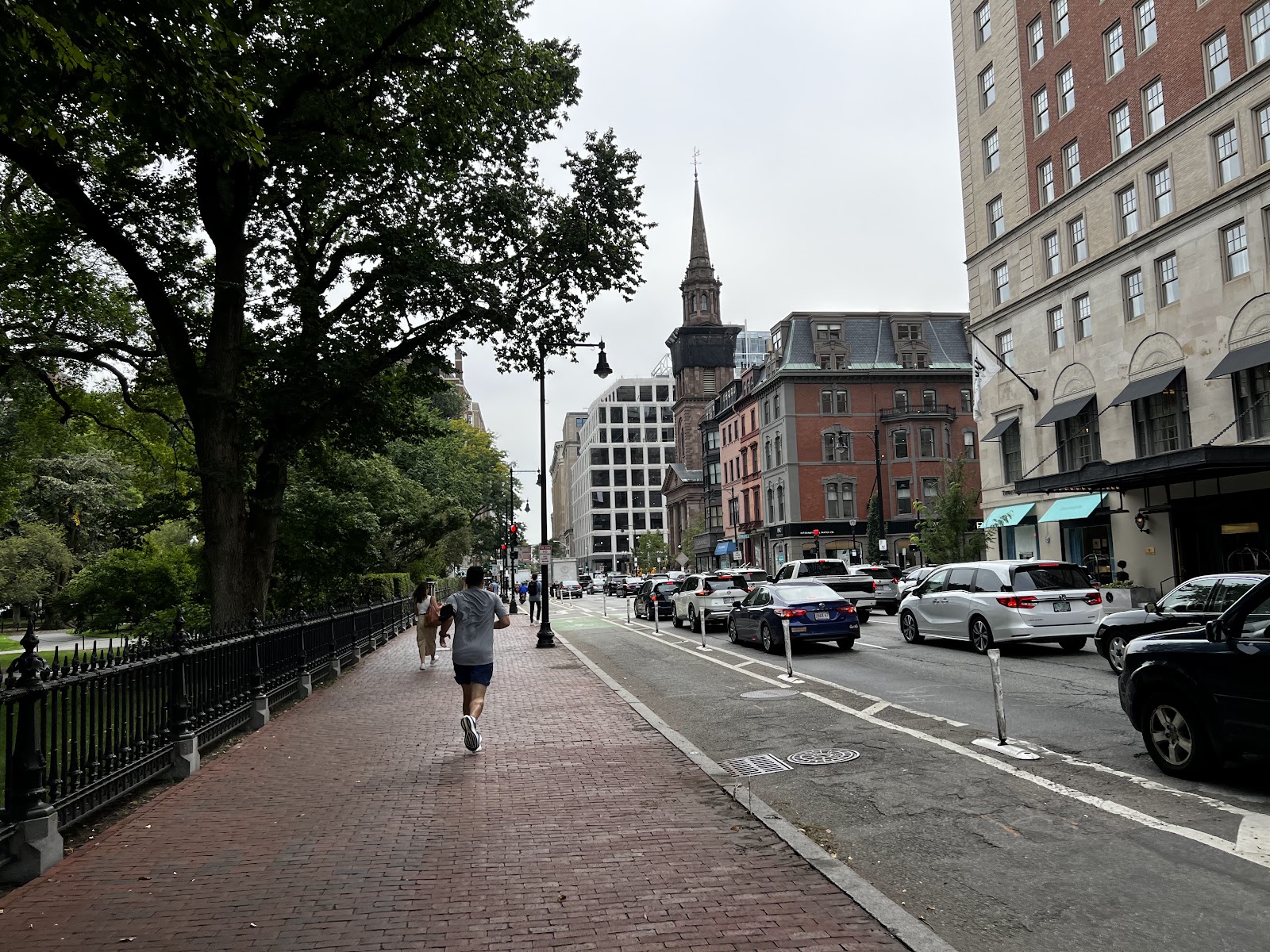
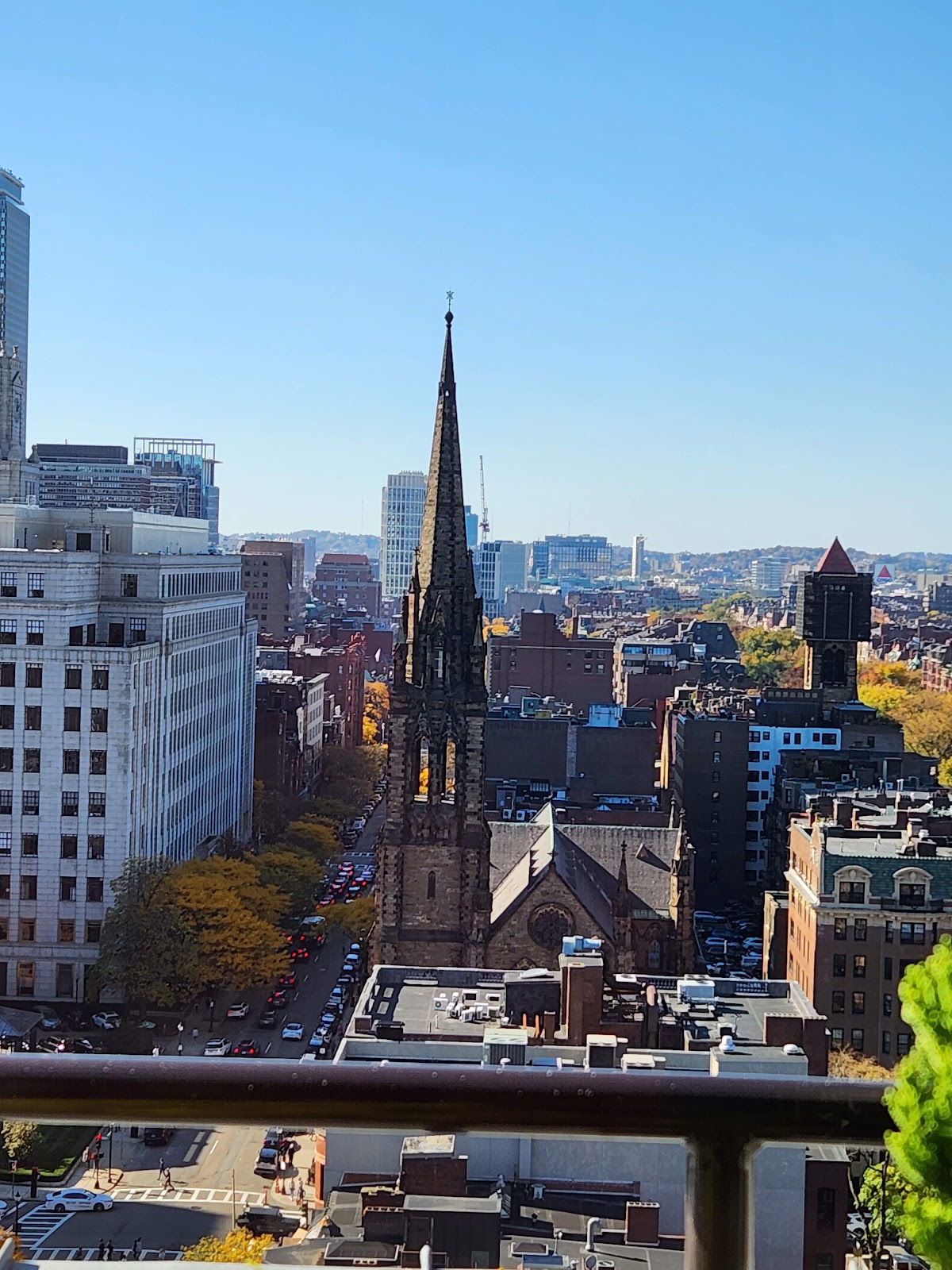
Arlington Street Church was completed in 1861 and was the first building erected in Boston’s newly filled Back Bay. It is brownstone, with a tall spire, and its interior holds a significant collection of Tiffany stained glass. It stands at the corner of Arlington and Boylston, which puts the Boston Public Garden directly across the street.
That location is the single most useful fact about it. Many beautiful churches leave a photographer with a dark interior and a pavement outside. This one opens onto the oldest public botanical garden in the United States, with mature trees, a lagoon, the swan boats and the footbridge, all within a two-minute walk of the church door.
These are field notes on four problems and their solutions. We have not photographed a wedding here, and the church’s own rules on flash, movement and photographer position are for the parish to state — ask early, because at any active congregation those rules shape the ceremony coverage completely.
Arlington Street Church at a glance
| Where | Arlington and Boylston, Back Bay, Boston, Massachusetts |
| Completed | 1861 — the first building constructed in the filled Back Bay |
| Interior | Brownstone church with a notable collection of Tiffany stained glass |
| The great advantage | The Boston Public Garden is directly across the street |
| Assume | Parish rules on flash and photographer movement; confirm before planning |
Problem one: Tiffany glass is gorgeous and it dyes your subjects
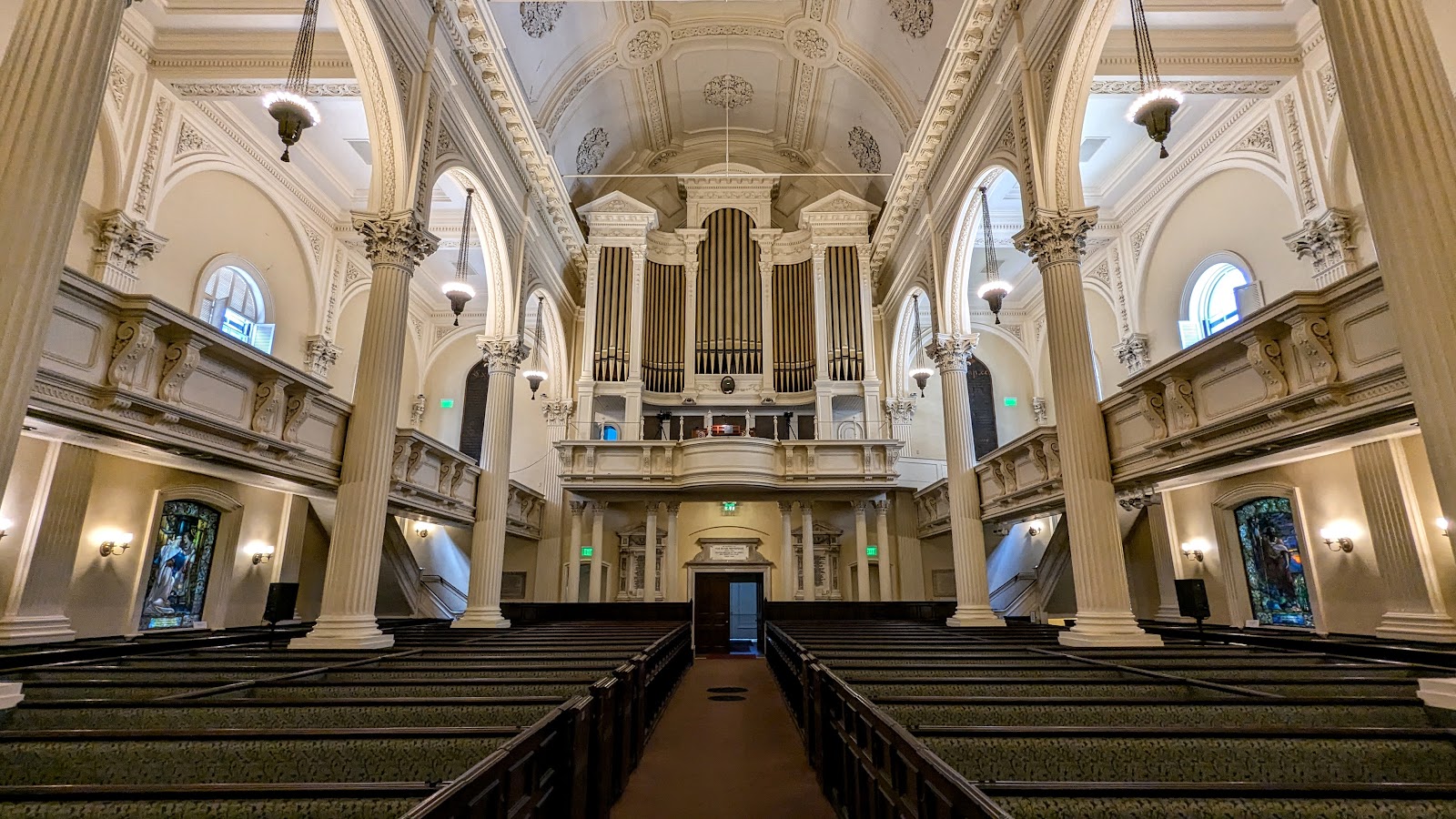
Tiffany windows are made from opalescent glass, which is denser and more saturated than ordinary cathedral glass. They are magnificent, and they cast strongly coloured light into the room — deeper and more localised than you get from thinner glass.
The consequence is that skin tone varies dramatically by position. Someone standing where a green window falls looks ill; a metre away in neutral light they look fine. Since no single white balance corrects a frame containing several colours, the answer is placement, not correction.
Set white balance from the church’s ambient artificial light, keep faces out of the strongest coloured pools, and let the colour land on stone, woodwork and the aisle. Then shoot the windows themselves as separate frames — they deserve it, and photographed alone they need no colour compromise at all.
Problem two: a tall narrow nave is a hard shape
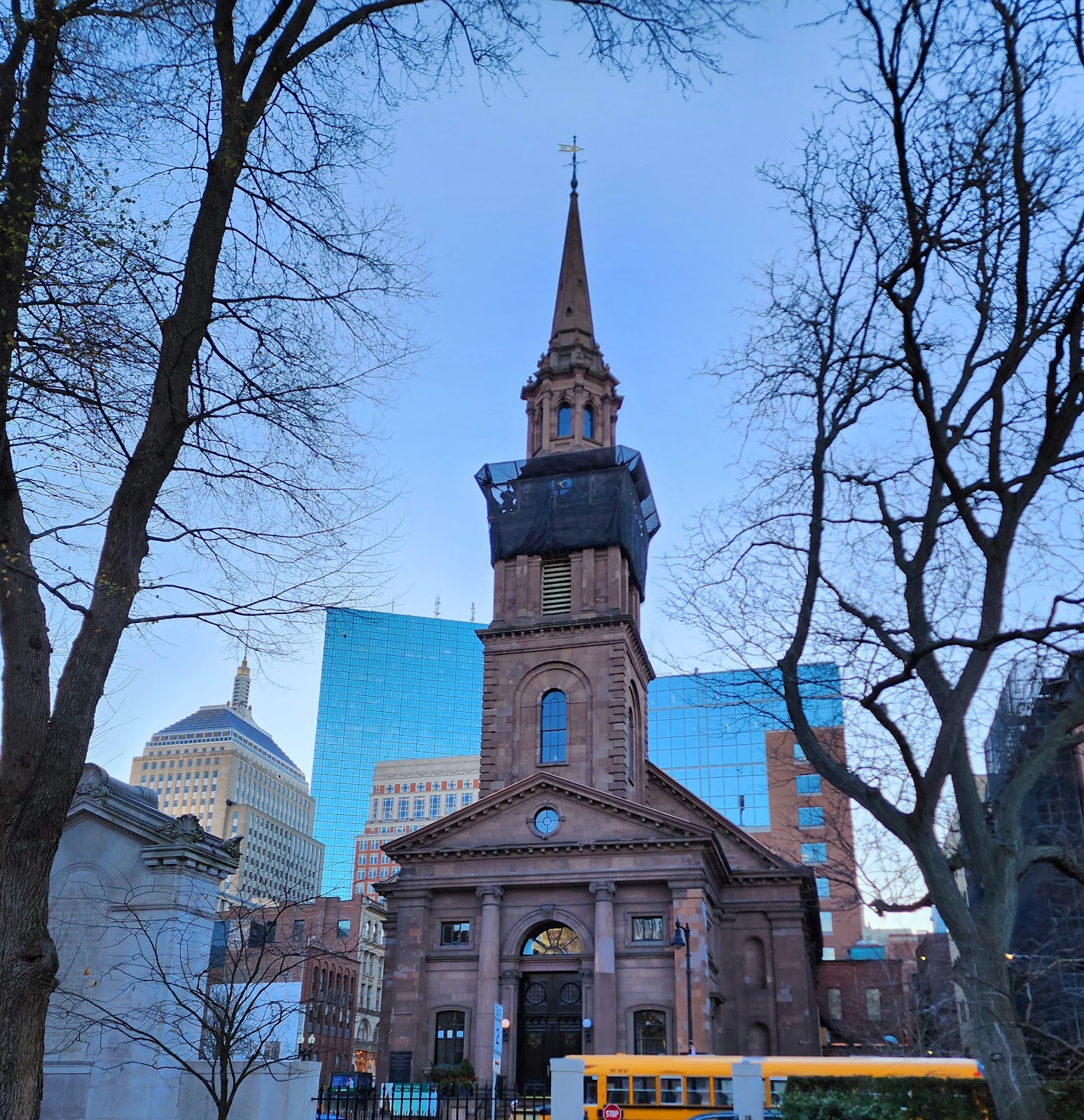
Nineteenth-century urban churches are tall relative to their width, which produces an interior that is easy to photograph vertically and awkward horizontally. A wide shot from the back gives you a lot of empty pew and a small distant couple; a wide lens used close distorts the architecture’s verticals.
The solutions are compositional. Shoot vertically and use the height — the spire, the ceiling, the window above the altar — because that is what the building is. From the back of the nave use a long lens to compress the aisle and bring the couple forward in the frame. And look for the balcony, if access is permitted, because an elevated frame straight down the nave is the one shot that explains the whole space.
For groups, the chancel steps are the natural stage, but they are shallow. A group of thirty will be wide and flat. It is usually better to do large groups outside, which at this venue is an easy answer rather than a compromise.
Problem three: the ceremony light is fixed and low
Assume you cannot use flash and cannot move much during the service. That combination, in a dark stone interior, sets the technical requirements: a fast lens in the 85–135mm range for the ceremony itself, a second body with something wider for context, and an ISO you have decided in advance to accept.
The frames worth securing before the service starts are the ones you will not be able to get during it — the empty nave, the decoration, the windows, the view down the aisle. Ten minutes of access before guests are seated is worth more than any amount of improvisation later.
One practical detail specific to tall churches: the altar area is often lit differently from the nave, sometimes with brighter or cooler fixtures. Meter for where the couple will actually stand during the vows, not for the room average, or the most important frames of the day will be the worst exposed.
Problem four: everything good is outside, and that needs scheduling
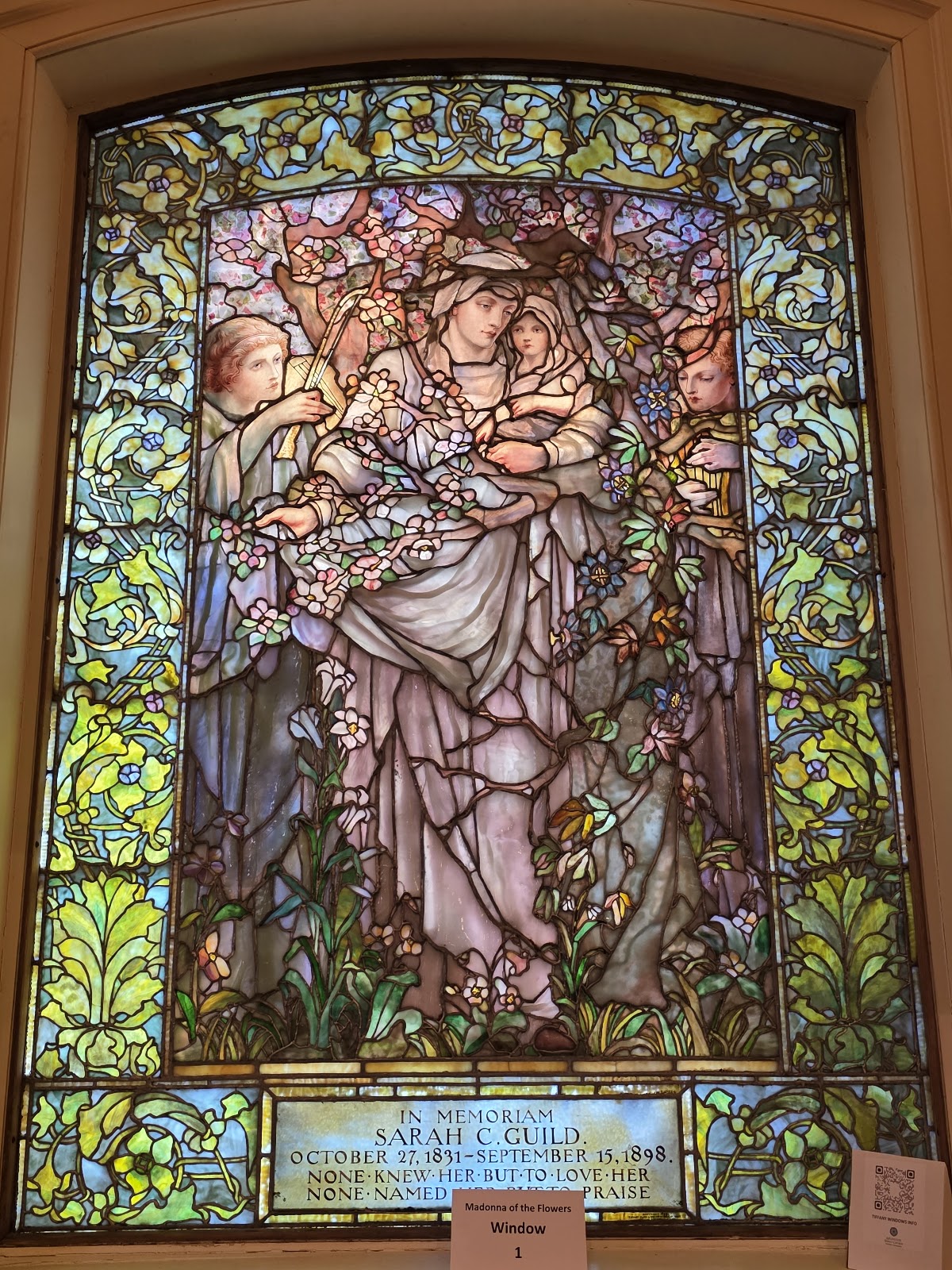
The Public Garden is where this wedding’s portraits belong. It dates to 1837, it holds mature specimen trees, a lagoon with a footbridge, formal planting and long open lawns, and it gives you every kind of light a portrait needs — high open shade under the big trees, backlight through foliage, and clean sky over the water.
The two best conditions are late afternoon in spring, when the planting is at its peak and the light comes in low across the lagoon, and mid-to-late October, when New England colour arrives and the trees turn. In high summer, midday over open lawn is harsh and the garden is busy; work the shade and go later.
The scheduling point is simple and it gets missed. Crossing Arlington Street, walking into the garden, working three locations and returning takes thirty to forty minutes, not ten. If that block is not in the timeline, it gets compressed into a rushed five minutes and the best photographs of the day do not happen.
It is also worth knowing that the garden is public and popular. Expect other people, including other wedding parties on a Saturday in June. A longer lens and a wide aperture solve most of it; patience solves the rest.
What works in your favour
- The Boston Public Garden directly across the street — one of the finest portrait locations in the country
- A significant Tiffany stained glass collection that photographs beautifully as its own subject
- Brownstone exterior and spire give a strong architectural establishing frame
- Back Bay location puts Newbury Street and Commonwealth Avenue within a short walk
- Every kind of portrait light available within two minutes of the ceremony
What to plan around
- Tiffany opalescent glass casts strong localised colour onto skin — placement is critical
- A tall narrow nave is awkward for wide frames and shallow for large groups
- Assume no flash and restricted movement during the ceremony
- The Public Garden is public and busy, especially summer weekends
- The garden block needs a genuine 30–40 minutes in the timeline, not ten
More frames from Arlington Street Church
Arlington Street Church wedding photography: common questions
Does the Tiffany glass cause colour problems?
Yes, more than ordinary stained glass. Opalescent Tiffany glass is dense and saturated, so it throws strong, localised colour that changes skin tone dramatically over a metre or two. Set white balance from the ambient artificial light, keep faces out of the strongest pools, and let the colour fall on stone and woodwork instead.
Where should the portraits be taken?
The Boston Public Garden, directly across Arlington Street. It dates to 1837 and offers high open shade under mature trees, backlight through foliage, a lagoon with a footbridge and open lawns — every kind of portrait light within a two-minute walk of the church door.
How much time should we allow for the Public Garden?
Thirty to forty minutes, not ten. Crossing the street, walking in, working three locations and coming back genuinely takes that long. If the block is not written into the timeline it gets squeezed into five rushed minutes, and these are the best photographs of the day.
Can we do large family groups inside the church?
Not comfortably. The chancel steps are the natural stage but they are shallow, so a group of thirty ends up wide and flat. Large groups are better done outside, which here is genuinely the better option rather than a fallback.
What is the best season?
Late afternoon in spring, when the garden’s planting peaks and low light comes across the lagoon, or mid-to-late October for New England colour. High summer midday is harsh over the open lawns and the garden is at its busiest, so work the shade and schedule later in the day.
More Boston venue guides
We are writing a photographer’s guide to every venue we would happily shoot in Boston. Here are three more, plus the full index:
- The Boston Athenaeum: Planning the Shot List
- The ICA Boston: Harbour Light and How to Time It
- The Castle at Park Plaza: Lighting a Brick Armory
Planning a wedding at Arlington Street Church?
This is a venue where the timeline matters more than the kit: the Public Garden needs a proper block, not a leftover five minutes. Tell us your date and we will build a schedule that protects it.