 The Please Touch Museum, Philadelphia: What It Suits and What It Does Not
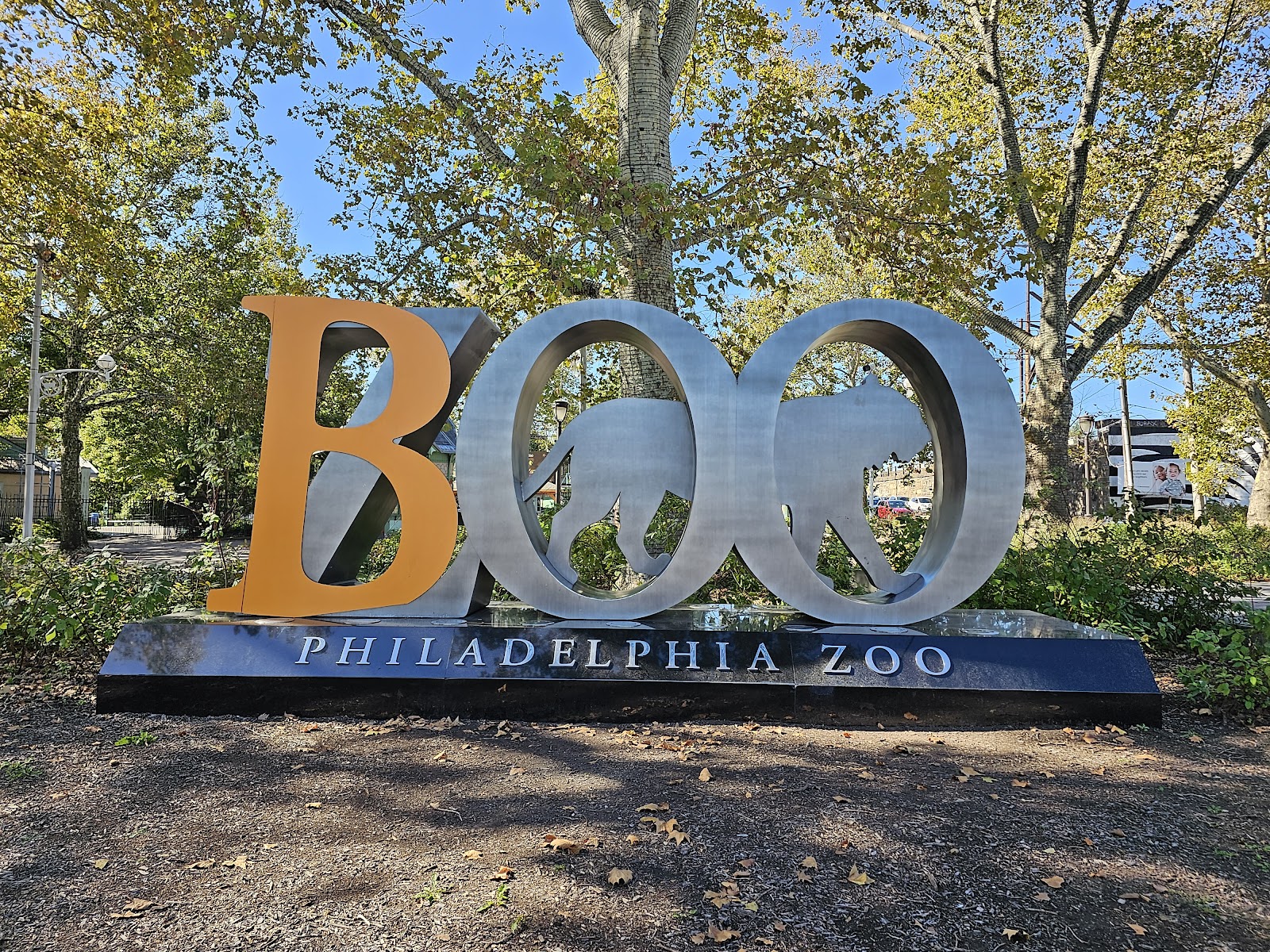
The Philadelphia Zoo: Four Ways Out of the Fencing Problem
Fencing is the standing zoo problem. At an old zoo the buildings are the way around it.
The Philadelphia Zoo promises a setting that will wow guests whether the affair is large and lavish or more intimate, as its own description has it.
A zoo has one structural photographic problem and it does not go away: mesh, bars, railings and safety barriers exist in every direction and cannot be removed. What distinguishes an old zoo from a modern one is what else is on the site — a long-established zoo has mature trees that a new one cannot manufacture, and it has architecture, because nineteenth-century zoos built substantial animal houses, gates and pavilions that survive as buildings in their own right.
Those two things are the way out of the fencing problem, and they are more reliable than any technique. This is written as the problem and four ways out of it. We have not photographed a wedding at the Philadelphia Zoo; zoos behave consistently. Which locations a booking includes, whether the grounds can be private, and what the indoor fallback actually holds are the questions for their team.
The Philadelphia Zoo at a glance
| Where | Philadelphia, Pennsylvania |
| Character | A historic zoo with mature grounds, Victorian buildings and event spaces |
| The problem | Fencing, mesh and railings in every direction |
| The way out | Focal length, mature canopy, and the historic architecture |
| Ask first | Locations included, private grounds, and what the fallback holds |
The problem, precisely
The difficulty with fencing is not that it is ugly but that a wide lens keeps it sharp and legible. At 35mm a barrier five metres behind a couple reads clearly as a fence, complete with the sign, the bin and the service door beside it — and those incidental objects do more damage to a frame than the mesh itself.
Animals are the second condition and they behave as content rather than background, because human vision prioritises movement and faces. An animal visible behind a couple takes the eye every time, which is either the point of the frame or a distraction, and there is no middle position.
Glass viewing panels are the third. They reflect whatever is bright behind the camera, they are usually scratched, and they tint slightly — and in an old zoo the glass may be older and more scratched than in a new one.
Other visitors are the fourth, and at a zoo they are not avoidable at any hour a wedding happens unless the grounds are private. That is a question worth asking directly rather than assuming.
And the fifth condition is that zoo grounds are open by design, because habitats need light and visitors need sight lines — which means shade is scattered rather than continuous, and in a humid Philadelphia July the middle of the day on open zoo paths is genuinely uncomfortable in formal clothes.
Four ways out
The first way out is optical and it solves the fencing almost entirely. A long lens at a wide aperture, with the couple several metres in front of any barrier, turns mesh into an unreadable soft band — present in the frame but not legible as fencing. At 135mm or 200mm wide open, a barrier five metres back becomes texture rather than structure, and the sign and the bin go with it. Almost the whole zoo problem is a focal length problem.
The corollary is that a wide lens near an enclosure is a mistake rather than a preference. If a frame seems to require a wide lens near a barrier, it needs a different position instead.
The second way out is the architecture, and at a historic zoo it is the strongest answer. Nineteenth-century animal houses, gatehouses and pavilions were built as architecture — brick, stone dressings, ironwork, arched openings, sometimes glazed roofs — and they photograph like any building of their period: brick bounces warm and flatters skin, texture reads only when light runs along it, and an arched opening or a colonnade is a large directional source with a frame built in.
A historic gatehouse or pavilion is also a background with no fencing in it at all, which is the point. Locating the two or three buildings on the site that can be used as architecture rather than as animal housing is the single most useful piece of preparation at an old zoo.
The third way out is the mature canopy. A long-established zoo has trees that took a century to grow, and continuous deep shade under them is soft, cool, directional towards any opening and available for hours — which in a humid Philadelphia summer is the only condition where formal clothes and a long outdoor block are compatible. Dapple is its hazard: hot spots several stops above the surrounding shadow, shifting with every breeze, so full shade, open light, or wait for the sun to drop below the canopy.
Green bounce from dense foliage throws green onto nearby skin and is localised, so a custom white balance set on a face in position is the answer, with any pale path used as a neutral bounce.
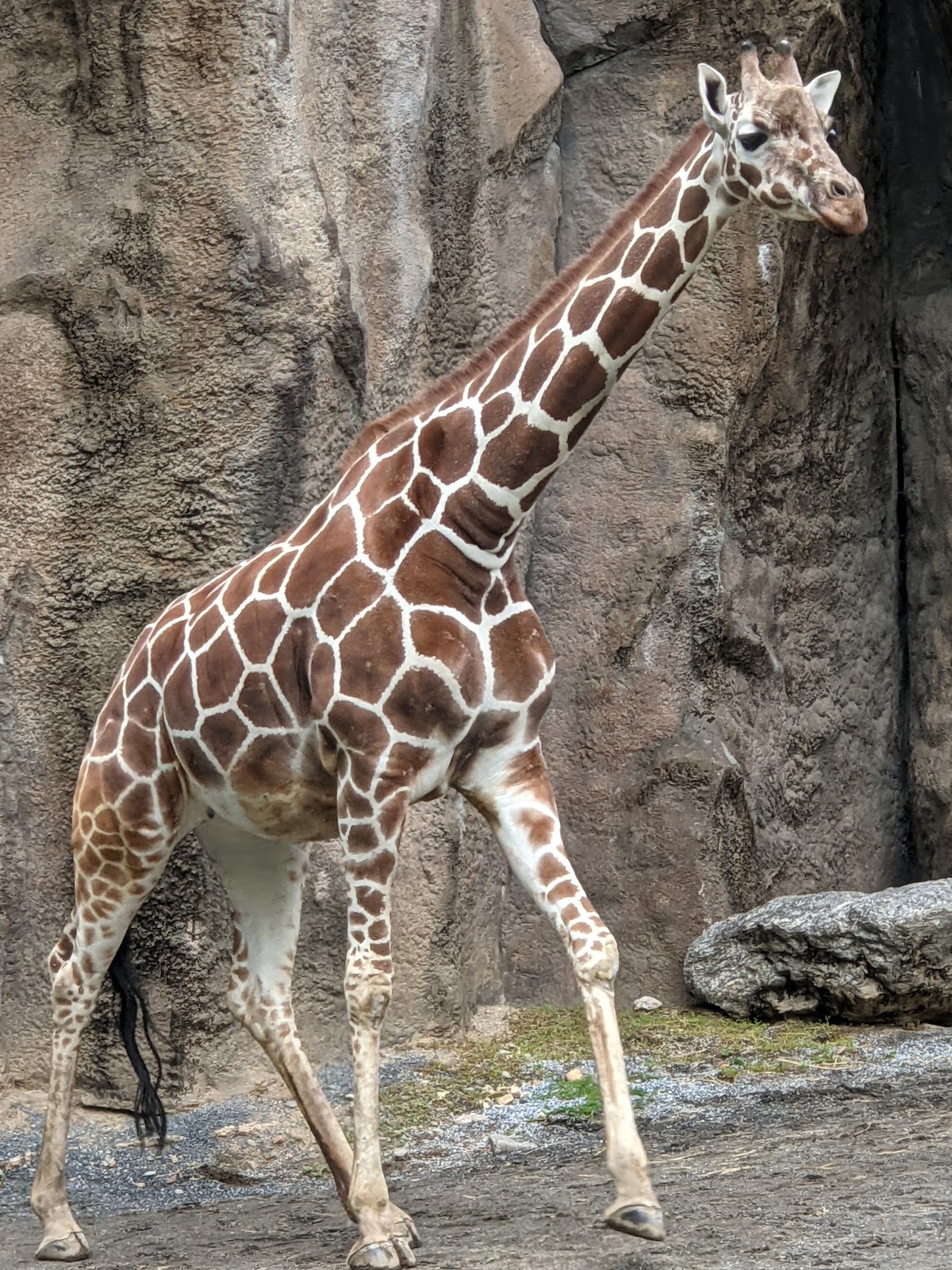
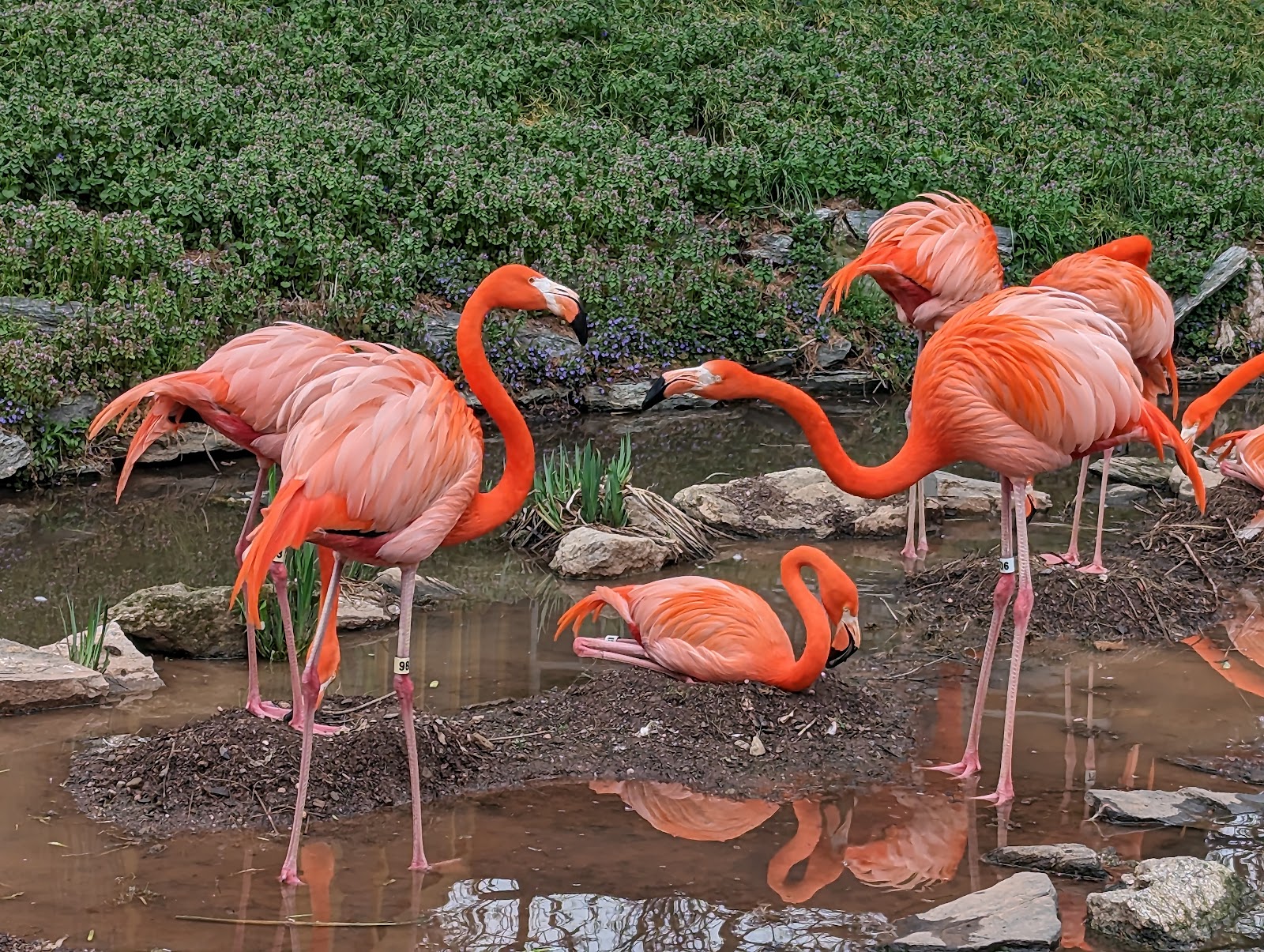
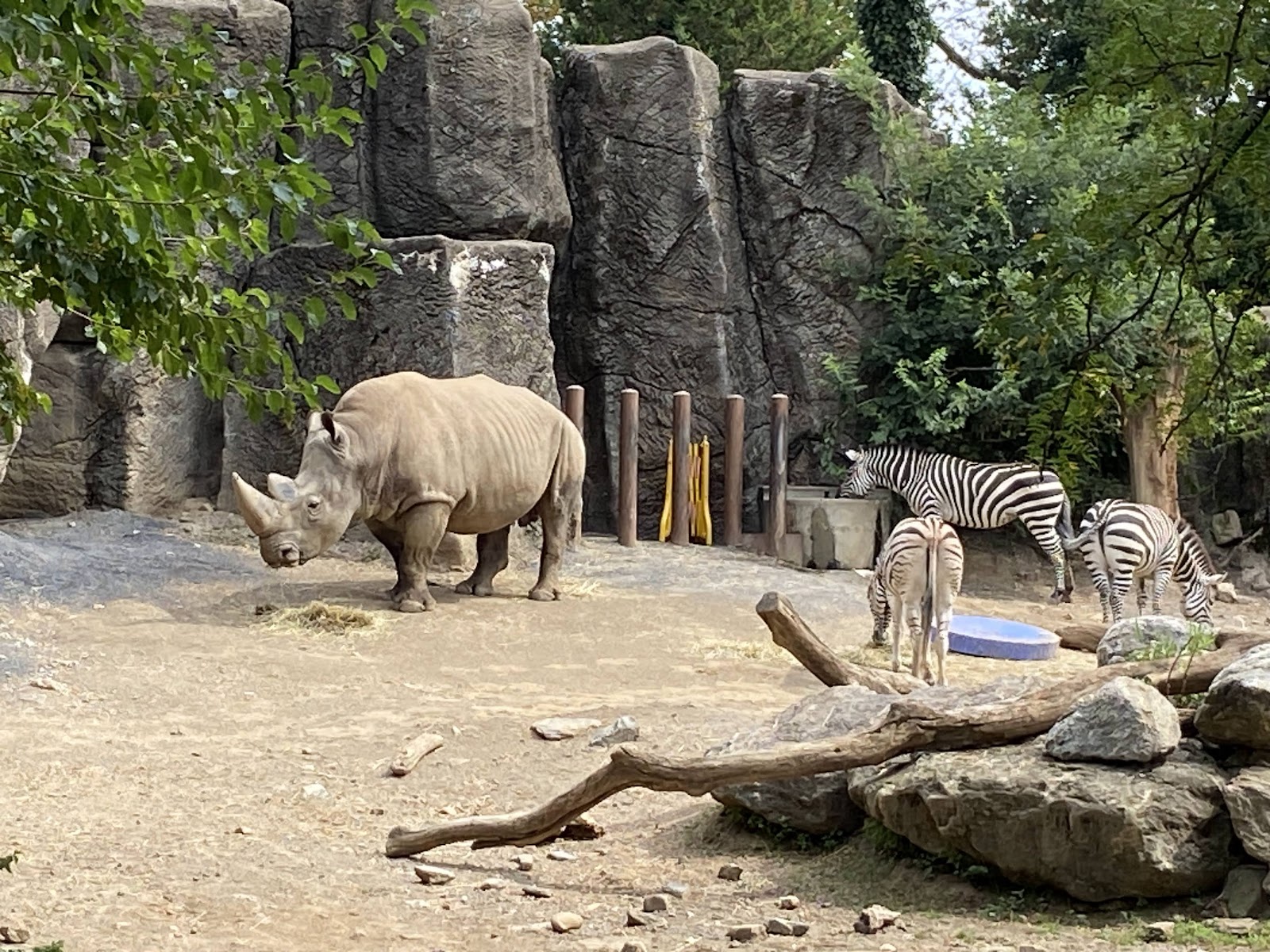
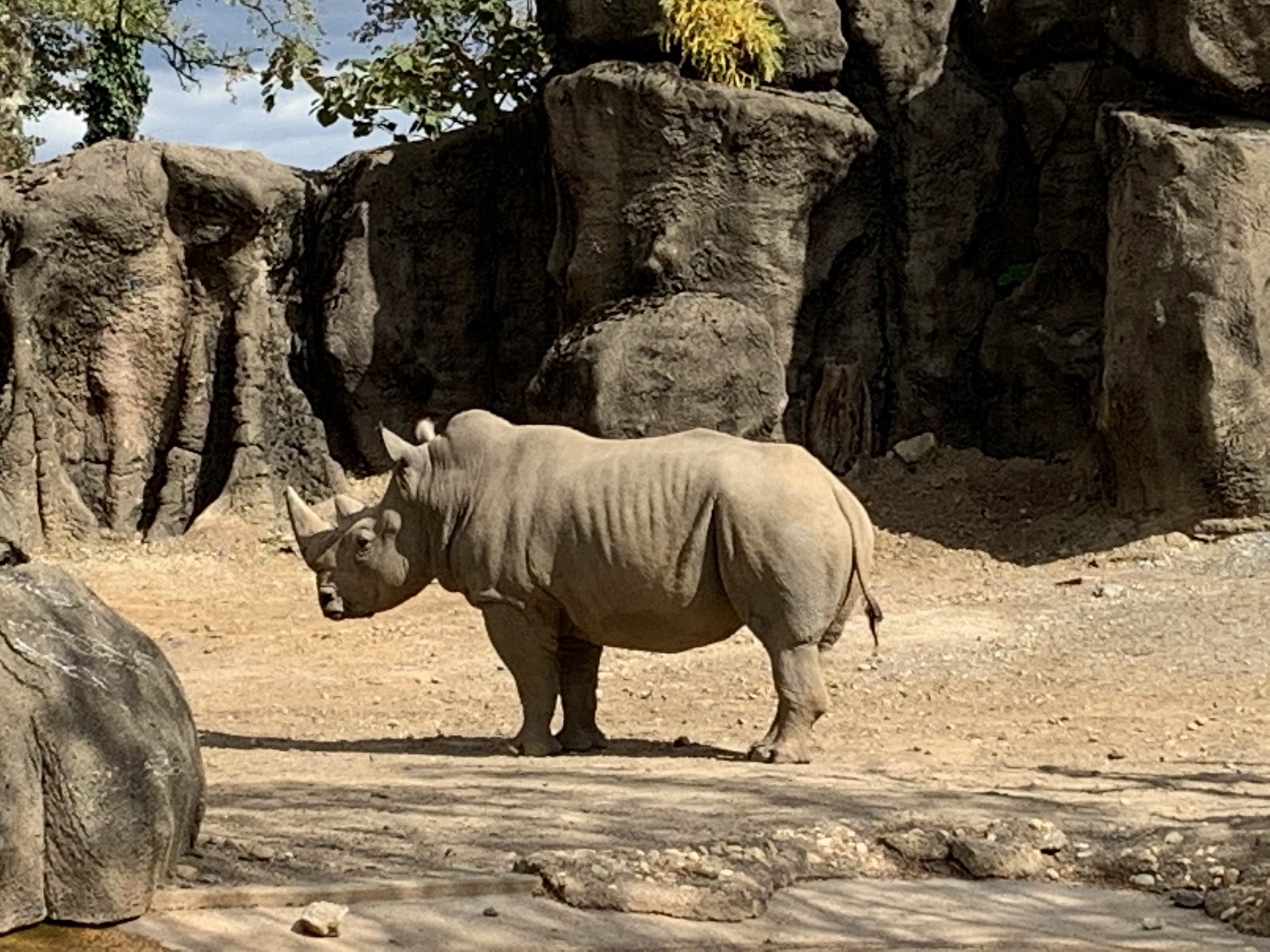
The fourth way out is the animals, used deliberately rather than avoided. If an animal is going to take the eye anyway, commit: place the couple to one side, let it be a co-subject, and make a photograph that is about both. That is the frame a zoo exists to give and the reason a couple chose it. Half-in — an animal partly visible, partly cropped — fails.
For glass, a rubber hood pressed flat to the panel and shot perpendicular eliminates reflections for a view-only frame; for frames including people, keep every source well off the camera axis and shoot obliquely.
- Long lens, wide aperture, couple several metres clear of any barrier
- Never a wide lens near an enclosure; find a different position
- Use the historic buildings as architecture — no fencing in those frames
- Find the largest continuous canopy shade before the middle of the day
- Commit to an animal as a co-subject, or leave it out entirely
The grounds, the fallback, and Philadelphia's year
The last ninety minutes do two things at once at a zoo. Low raking light lights the couple while putting mesh and railings into shadow, which physically reduces how much the fencing matters; and it backlights foliage so the grounds read as planted rather than merely green. It is the window the whole schedule should protect.
Group photographs need a decided position rather than an improvised one, because zoo paths are narrow and enclosures interrupt rows. The candidates are usually a lawn, a set of steps at a historic building, or the front of a gatehouse — find the one that works and know it before it is needed.
The indoor fallback is the question to settle honestly. Afternoon thunderstorms are common rather than rare in a Philadelphia summer, and a zoo’s indoor spaces may be animal houses with their own constraints rather than function rooms. Ask what it is, how many it holds, and by what time the call gets made.
Animal houses as fallbacks deserve a note of their own: they are frequently warm, humid and dim, with glazed panels and strong colour — which is close to the aquarium problem. One gelled source at face height, exposed a stop under the room, and frames shot obliquely to any glass, is the whole answer.
Philadelphia’s four seasons change a zoo more than they change a building. Summer is humid, which makes the canopy essential and the open paths difficult. Autumn is the best season: mature trees at a historic zoo give genuine late-October colour, and animals are often more active in cool weather than in heat.
Winter days are short, with sunset in the middle of the afternoon in December, which compresses the whole outdoor window into a couple of hours — and much of a zoo’s planting is bare, which opens sight lines and makes fencing more visible rather than less. That is worth saying plainly to a couple considering a winter date at a zoo.
Snow is the compensation and it is the best natural fill there is, lifting exactly the shadows a low sun carves while fooling a meter by about two stops. Snow also covers paths and railings, which genuinely reduces the fencing problem for as long as it lasts.
Humidity and cold both fog a lens, in opposite directions — and at a zoo where the route alternates between humid animal houses and outside air repeatedly, that is a recurring cost. Plan the route to minimise crossings rather than accepting several.
More frames from The Philadelphia Zoo
The Philadelphia Zoo wedding photography: common questions
How do you deal with fencing?
Optically. A long lens at a wide aperture with the couple several metres clear of any barrier turns mesh into an unreadable soft band — and takes the sign and the bin with it.
What makes an old zoo better than a new one?
Mature trees a new zoo cannot manufacture, and architecture — nineteenth-century animal houses, gatehouses and pavilions that photograph as buildings, with no fencing in the frame.
What should a site visit produce?
The two or three buildings usable as architecture, the largest area of continuous canopy shade, and the one position that will take the biggest group.
What do you do about animals in frame?
Commit or exclude. Place the couple to one side and let an animal be a co-subject, or leave it out. Half-in — partly visible, partly cropped — fails.
What should the fallback question cover?
What it is, how many it holds, and when the call is made. A zoo’s indoor spaces may be animal houses rather than function rooms — warm, humid, dim and glazed.
Is winter good at a zoo?
Mixed. Days are short and bare planting opens sight lines, which makes fencing more visible. But snow covers paths and railings, and it is the best natural fill there is.
More Pennsylvania venue guides
We are writing a photographer’s guide to every venue we would happily shoot in Pennsylvania. Here are three more, plus the full index:
- The Please Touch Museum, Philadelphia: What It Suits and What It Does Not
- The Ritz-Carlton Philadelphia: The One Decision That Governs Everything
- The Simeone Museum, Philadelphia: A Walk Through a Vehicle Collection
Planning a wedding at The Philadelphia Zoo?
A long lens, the old buildings, and a real fallback. Tell us your date.