 The Iowa Events Center: Four Ways Out of the Blank-Hall Problem
The Grout Museum District, Waterloo: A Venue Built to Preserve
A museum is lit to protect things, not to flatter faces. Everything else follows from that.
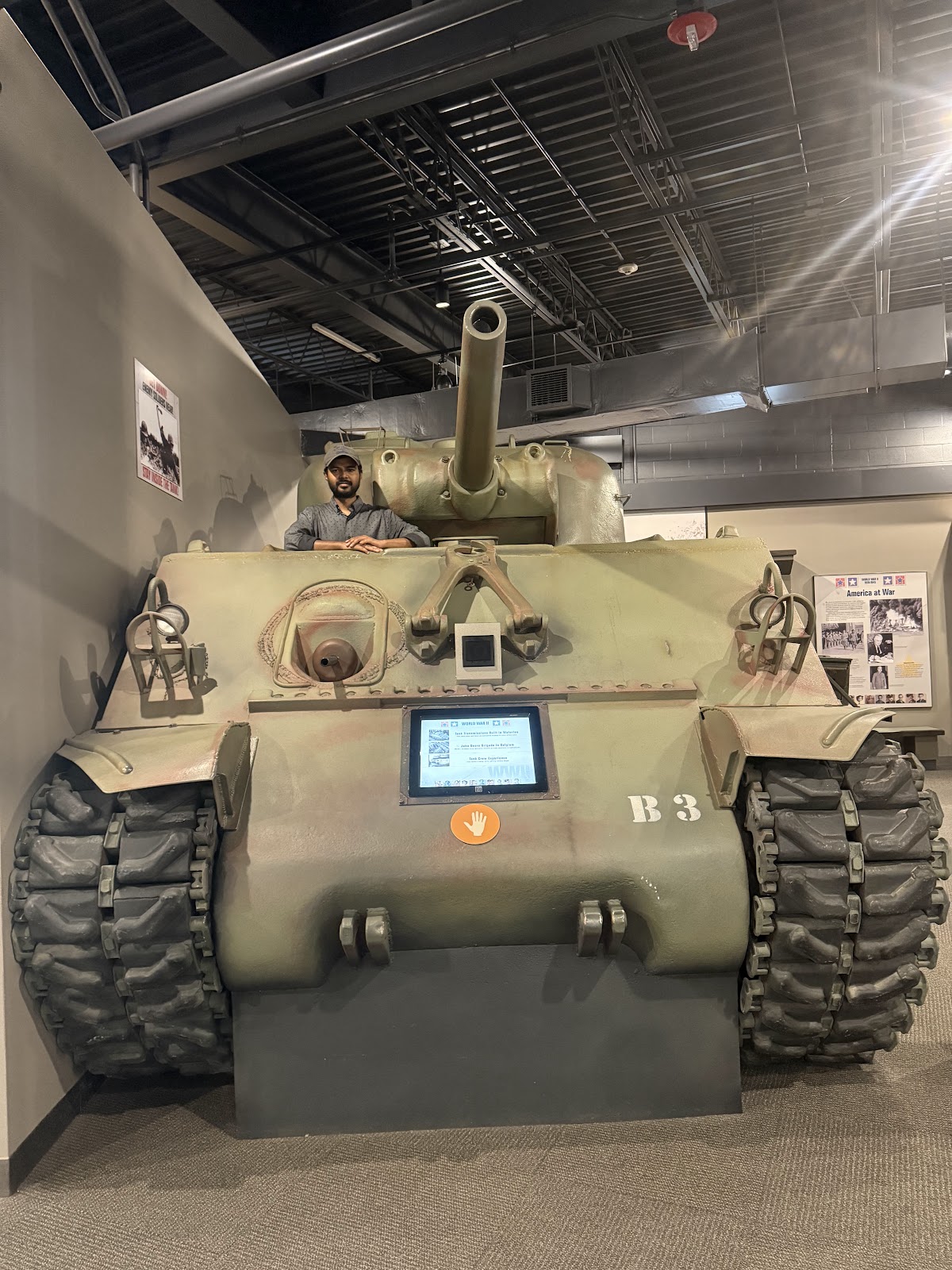
A museum is the only kind of wedding venue whose lighting was designed with an objective that has nothing to do with people. Everything in it is arranged to protect objects, and once that is understood the rest of the building becomes predictable.
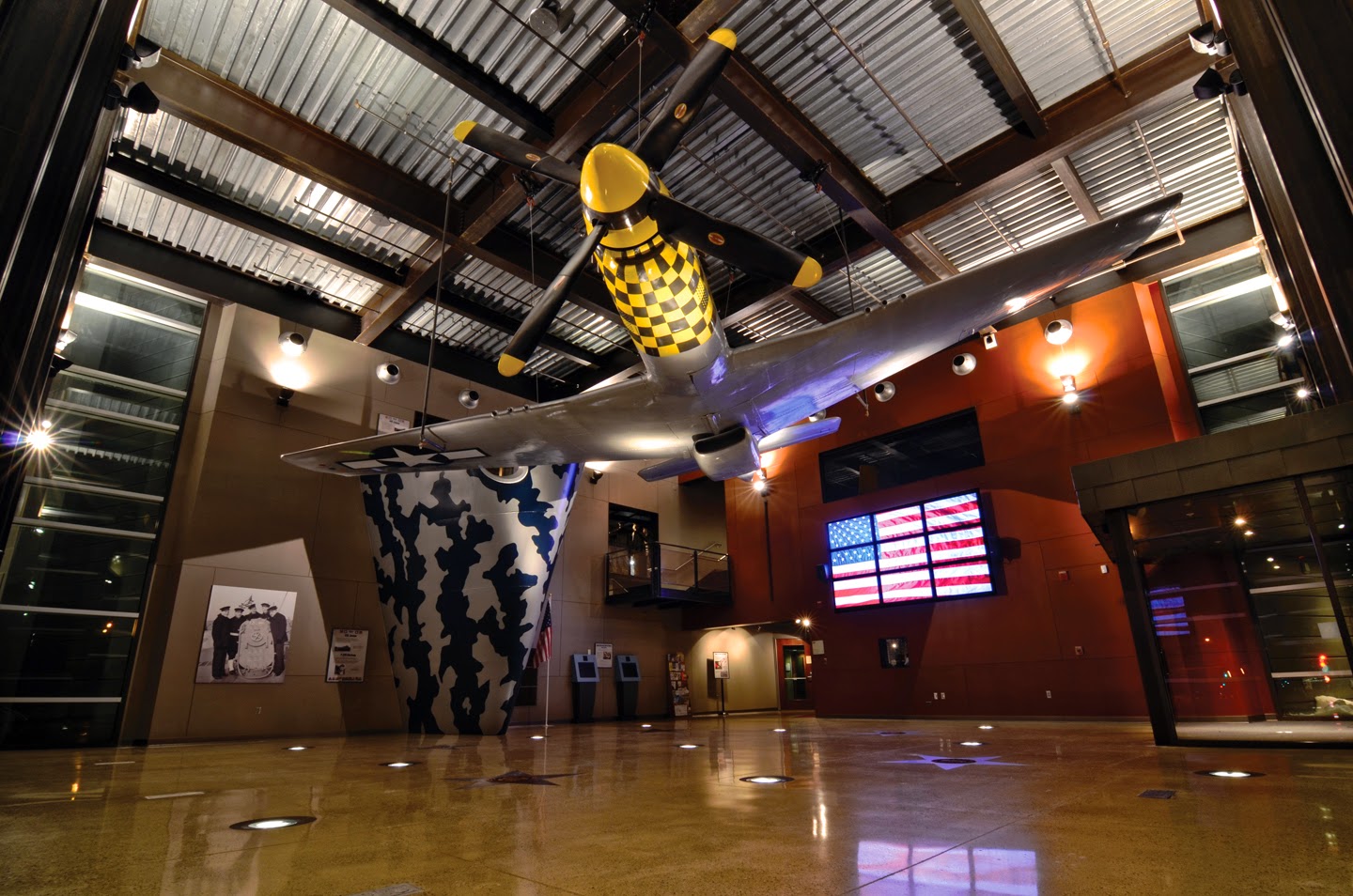
Light damages things. Paper, textile, photographs, painted surfaces and dyes all fade under it cumulatively and irreversibly, which is why museum galleries are dim, why the fittings are low-output and highly directional, and why daylight is either excluded or filtered.
That produces a specific set of conditions: low ambient, spotlights aimed at cases rather than at floors, strong pools of light with darkness between them, mixed colour temperatures across a building refitted in stages, and glass everywhere.
We have not photographed a wedding at the Grout Museum District; museums and historic house museums behave consistently in these respects. Which buildings and spaces are included, what the rules are about equipment and proximity to objects, and whether the lighting is adjustable are questions for their team.
The Grout Museum District at a glance
| Where | Waterloo, Iowa |
| The logic | Everything is arranged to protect objects from light and handling |
| The conditions | Low ambient, spotlit pools, mixed colour, glass cases |
| The advantage | Steep fall-off gives free separation with no equipment |
| Ask first | Spaces included, equipment rules, distance-to-object rules, lighting control |
What the preservation logic does to the light
Low ambient is the first consequence and it is lower than it feels. Gallery lighting is deliberately restrained and the surfaces are frequently dark, so a room that reads as pleasantly atmospheric can be two or three stops below a normal interior. Eyes adapt and meters do not, which means the first frame on arrival should be a measurement rather than an impression.
Spotlighting is the second and it is the one that catches people out. Museum fittings are aimed at objects, which means the light in a gallery is a set of bright pools with darkness between them — and a subject standing between two pools is unlit while the case beside them is correctly exposed. Walking a gallery and noting where the pools fall takes two minutes and it determines every position worth using.
Used deliberately, that is an asset rather than a problem. A subject standing in a pool of directed light, with an unlit gallery behind them, is separated from the background completely and with no equipment at all. Fall-off in a dark museum is the steepest of any venue type, and it is free.
Used accidentally, it produces faces half in a beam and half out — which is the same problem as dappled sunlight and has the same answer: move, rather than try to fix it.
Mixed colour is the third consequence and museums are worse for it than almost any building type, because galleries are refitted in stages over decades. Original tungsten-register fittings, later fluorescents, recent LEDs of varying quality, case lighting chosen for the objects rather than the room, and any filtered daylight all coexist. Three temperatures on one face cannot be resolved afterwards.
The method is to pick the temperature that should be correct — usually whatever dominates the position being used — set white balance to it, and then let one gelled source own the faces so that skin is lit by something known. A custom white balance set on a face in the actual position is the no-flash version and it works, though it does not fix the one-sidedness.
The fourth consequence is a rules consequence rather than an optical one, and it is the one that needs settling in advance: museums generally restrict what may be brought into galleries and how close anything may come to an object. Tripods, stands, flash, bags and drinks are all commonly limited, and the limits exist to protect things that cannot be replaced. A photographer who assumes a light stand beside a display case will be asked to move it, so the working plan should assume a source in a hand or on a bracket.
Glass, historic interiors, and where the daylight is
Glass is the standing technical problem in any museum and it behaves like a mirror pointed wherever the camera is. A display case will show the photographer, the camera, any light and the room behind — at full brightness, and unremovable afterwards.
The discipline is fifteen seconds long: stand where the camera will stand, look at every glazed surface in the frame, and place the source where none of them shows it. In practice that means the light sits forward of the glass plane and outside the frame edge on the side away from the reflection. A polariser helps with glass at an angle and does nothing at all straight on, which is worth knowing before relying on it.
A historic house or building within a district changes the conditions again, and usually for the better. Domestic-scale rooms have lower ceilings, which means bounce flash returns something usable — the opposite of a gallery with a high ceiling and dark surfaces. Near walls fill shadows. And there are windows, which a gallery may not have.
In a historic interior the surfaces are warm and absorbent — timber, deep paint, patterned textile — which puts the room two or three stops below a pale one and reflects warm light onto the shadow side of a face from several directions. One warm-gelled source with white balance set to the gel handles both; correcting globally for the warmth turns skin grey and the timber the colour of ash.
Texture is the reward and all of it needs raking light. Panelling, plaster moulding, brick and patterned textile read only when light runs along them; the same light pointed at panelling makes a flat brown field. The positions worth finding on arrival are those where the available light grazes a surface rather than facing it.
The windows in any historic building on the site are the best natural light available and worth locating first. Largest window on the shaded side, every overhead fitting switched off so the room has one colour of light, lamps moved out of frame, two to three metres back from the glass so the fall-off is even across two faces.
At Waterloo’s latitude — about forty-two and a half degrees north — the sun reaches roughly seventy-one degrees above the horizon at midday in June, high enough that a north-facing window is in shade all day and a south-facing one carries direct sun for much of it. In December the same sun barely clears twenty-four degrees, which means a south-facing window is a low directional source all day in winter and the most useful glass in the building.
And the one timed frame: where a window looks out on anything lit, the twenty-five to forty minutes after sunset brings inside and outside to the same brightness so one exposure holds both. At this latitude that window is generously long in summer and short in the cold clear air of January.
- Measure the ambient; galleries are two or three stops below normal
- Walk the gallery and note where the light pools fall
- Check every glazed surface from the camera position before the light goes on
- Assume a source in a hand or on a bracket, not on a stand
- Find the historic building’s windows first; they are the best light on site
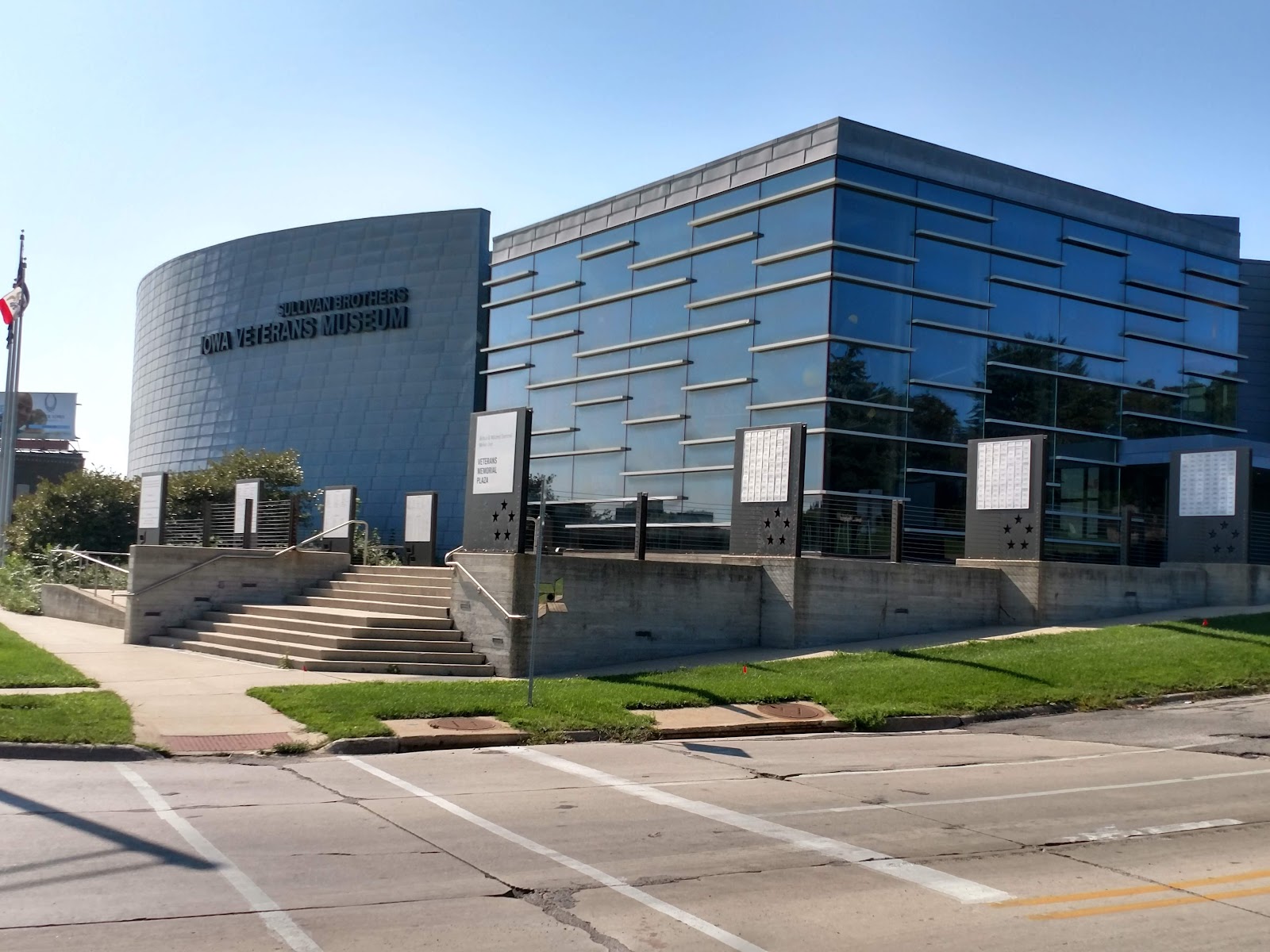
Outside, and Iowa's year
Outside, Waterloo sits on the Cedar River in a landscape with very little relief, which has two photographic consequences. The horizon is genuinely low and open, so sky occupies more of any wide frame than it does in a hilly place — which makes the sky the main variable rather than a backdrop. And the river is the one piece of topography, which makes any riverside position the strongest exterior option: water reflects, doubles whatever is lit, and gives a background that is not simply more town.
The seasons here are four emphatic ones, with one of the larger annual temperature ranges in the country.
Summer is hot and genuinely humid, and the humidity is the photographic fact rather than the heat. Moist air scatters light, which softens shadows and slightly flattens distance — which is a gift for faces and a nuisance for long views. It also means severe afternoon thunderstorms are a real possibility from late spring through summer, so any outdoor element needs a named alternative rather than an assumption.
The humid version of the fogging problem is the serious one here. A body brought from an air-conditioned interior into July air fogs on every surface immediately, and in high humidity it does not clear quickly — the fix is to let equipment come towards the outside temperature before going out, which means opening a bag twenty minutes early rather than at the door.
The agricultural landscape changes through the season in a way that matters if any frame includes it. From July into September the fields are tall and dense green, which reads as a wall rather than a field; after the October harvest the same ground is open stubble, which gives long sightlines, warm colour and texture that low sun rakes beautifully. Those are two entirely different backgrounds from the same position.
Autumn is the best light of the year: the air clears as the humidity drops, the deciduous cover along the river turns, and low sun at this latitude arrives at a civilised hour. Mid-to-late October is the usual window.
Winter is cold and frequently overcast, which is not the disadvantage it sounds. Overcast is the best soft light there is, and a grey January day gives even, shadowless light that flatters faces and saturates colour. Snow is the compensation twice over: outdoors it is the best natural fill available, lifting exactly the shadows a low sun carves while fooling a meter by about two stops; indoors it turns the ground into an enormous reflector, so the windows of any historic building on the site give softer and brighter light in February than at any other time of year.
The short December day is the real constraint: sunset in the middle of the afternoon at this latitude compresses everything outdoor into a couple of hours, so the exterior positions need deciding in advance rather than exploring.
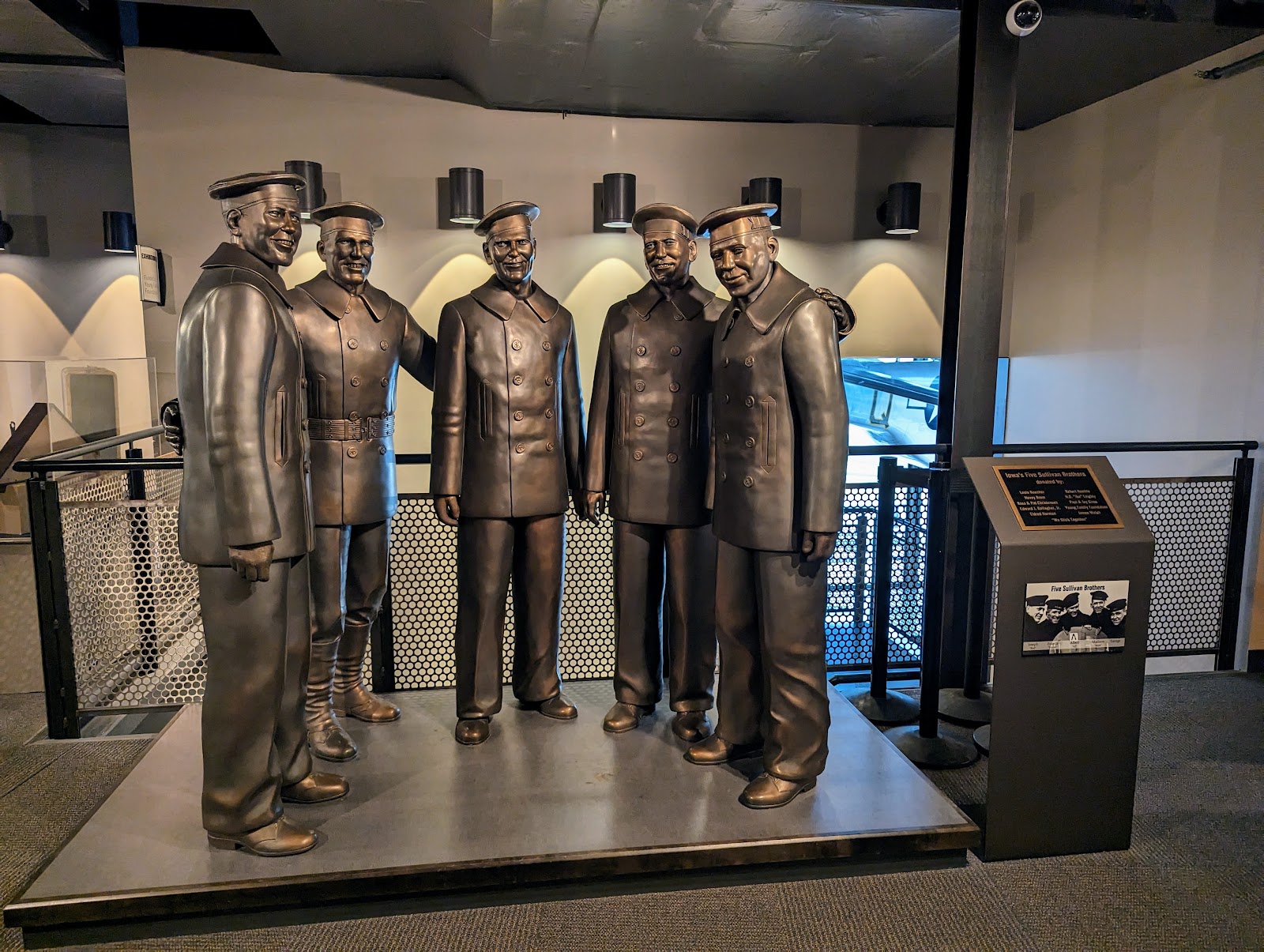
More frames from The Grout Museum District

The Grout Museum District wedding photography: common questions
Why is museum lighting so dim?
Because light damages objects cumulatively and irreversibly. Galleries are lit to protect paper, textile and dyes, not to flatter faces.
What is the main positioning problem?
Spotlights are aimed at objects, so a gallery is bright pools with darkness between. A subject between two pools is unlit while the case beside them is correct.
Is that ever an advantage?
Yes — used deliberately it is the steepest fall-off of any venue type. A subject in a pool of light with an unlit gallery behind is separated completely, for free.
What should be established in advance?
Equipment rules and how close anything may come to an object. Assume a source in a hand or on a bracket rather than a stand beside a case.
How do you handle display glass?
Stand where the camera will stand, look at every glazed surface, and place the light where none of them shows it. A polariser helps at an angle and not at all straight on.
Where is the best natural light?
The windows of any historic building in the district. At this latitude a south-facing window is a low directional source all day in winter.
More Iowa venue guides
We are writing a photographer’s guide to every venue we would happily shoot in Iowa. Here are three more, plus the full index:
- The Isle Casino Hotel, Waterloo: Field Notes on a Windowless Venue
- The Lost Island Waterpark, Waterloo: What It Suits, and What It Does Not
- The Byrnes Park, Raymond: The Light Through the Day
Planning a wedding at The Grout Museum District?
A building with its own priorities. Tell us your date and we will work within them.