 The Iowa Events Center: Four Ways Out of the Blank-Hall Problem
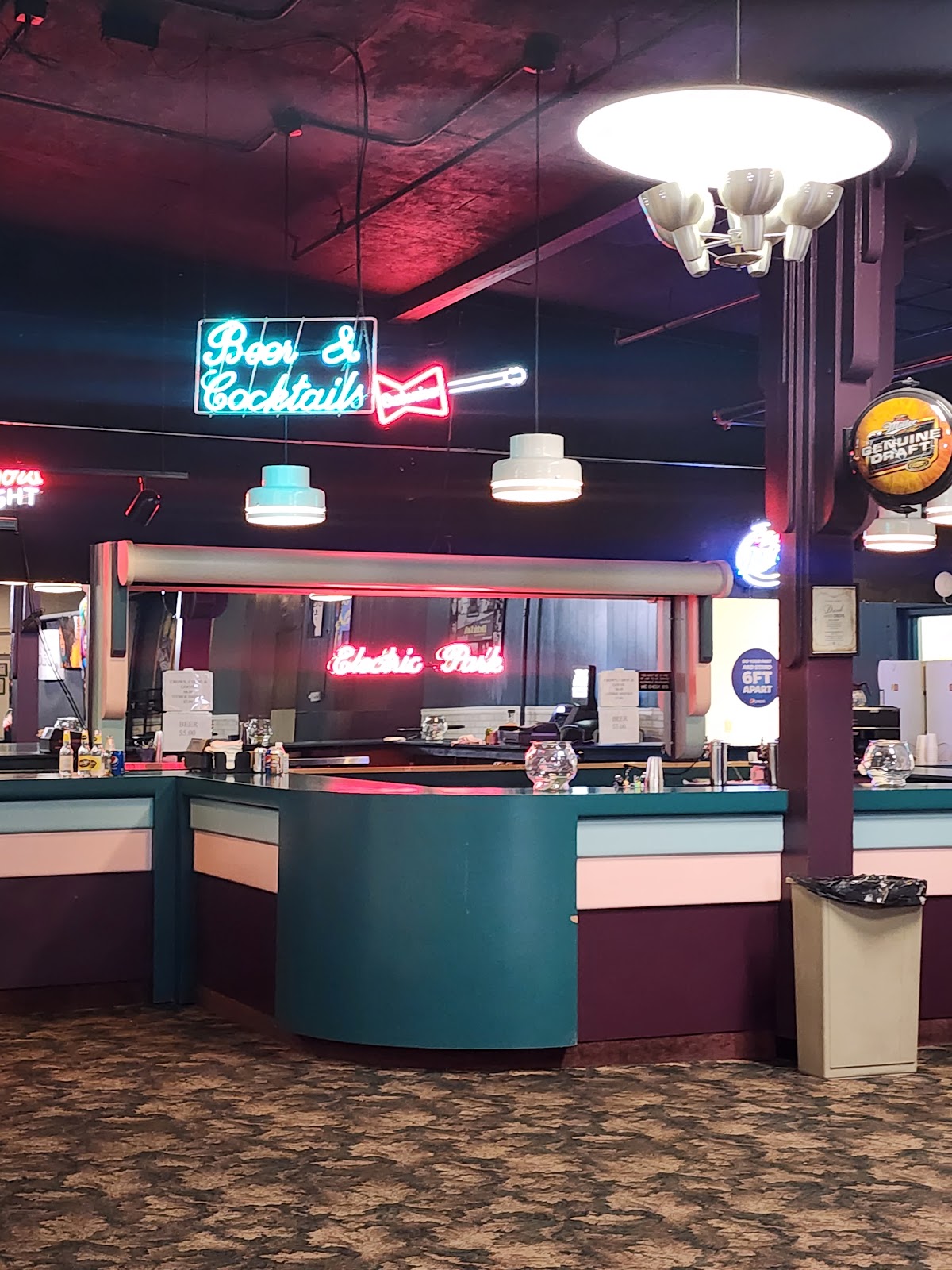
The Electric Park Ballroom, Waterloo: The Light Through a Day
A room built for dancing in the evening has no daytime. Plan the day around that, not against it.
A historic dance hall was built for one purpose and one time of day: a crowd, in the evening, under electric light. Everything about the room follows from that — the floor is the important surface, the ceiling carries the fittings, and daylight was never part of the design.
Which means the building has no daytime in any photographic sense. The room at eleven in the morning is the same room as at eleven at night, only emptier, and a photographer who arrives expecting the light to develop through the day will find that it does not.
That is a freedom rather than a limitation, and it changes the shape of the schedule: everything indoors is movable, and the only fixed points are outdoors.
This is the day in order. We have not photographed a wedding at the Electric Park Ballroom; historic dance halls behave consistently. Which spaces are included, whether the lighting is adjustable and what may be attached are questions for their team.
The Electric Park Ballroom at a glance
| Where | Waterloo, Iowa |
| Morning | No daylight indoors; the exterior and any annexe carry it |
| Afternoon | The room is unchanged, so this is the flexible block |
| Evening | What the building was built for; the floor and the ceiling do the work |
| Ask first | Spaces included, lighting control, fixings, floor condition |
Morning and afternoon: the room that does not change
The morning question at a venue like this is where the daylight is, and the honest answer is usually outside it. A hall built as a hall has few windows and they are high, which means the getting-ready coverage happens elsewhere — an adjoining room, an office, a house, a hotel — and that should be established in advance rather than discovered.
Where the hall does have high windows, they are worth understanding rather than dismissing. A high window is a soft source from above, which is the least flattering direction there is; but a subject standing several metres away from directly beneath it gets the light at an angle rather than overhead, and that position is worth finding. The rule is simple: with a high window, distance from the wall improves the direction.
Through the afternoon the room is unchanged, and the useful consequence is that every interior frame is movable. That means the portraits, the formals, the details and the first look can all be scheduled around the couple’s preference rather than around the sun — and it means that when the outdoor window comes, nothing indoors is lost by stepping out for fifteen minutes.
It also means the afternoon is the time to do the technical work. Three measurements, taken once, govern the whole evening.
The first is the ambient. A hall lit by its own fittings is usually two or three stops below a normal interior, because the surfaces are dark timber and the volume is large — so measure rather than estimate, since eyes adapt and meters do not.
The second is the bounce test. A dance hall ceiling is typically well above four metres, which means a flash aimed at it returns very little and whatever comes back is coloured by whatever the ceiling is painted. One test frame settles it, and in most halls the answer is no — direct into a modifier is the method.
The third is the colour survey. A historic hall that has been in continuous use has fittings from several eras: original tungsten-register lamps, later fluorescents, recent LEDs, stage lighting, and any coloured uplighting installed for the event. Pick the temperature that should be correct, set white balance to it, and switch off or overpower whatever else lands on skin. Coloured uplighting is usually the worst offender and frequently the easiest thing to have turned off for ten minutes.
And one observation that is specific to a dance hall: the floor is the room’s best feature and it is almost always excluded from frames. A sprung timber dance floor is a large, warm, reflective surface with genuine character, and a low camera position uses it — as a reflector for the lights above, as a texture, and as a graphic element receding into depth. Most photographers frame it out by standing up.
Evening: what the building was built for
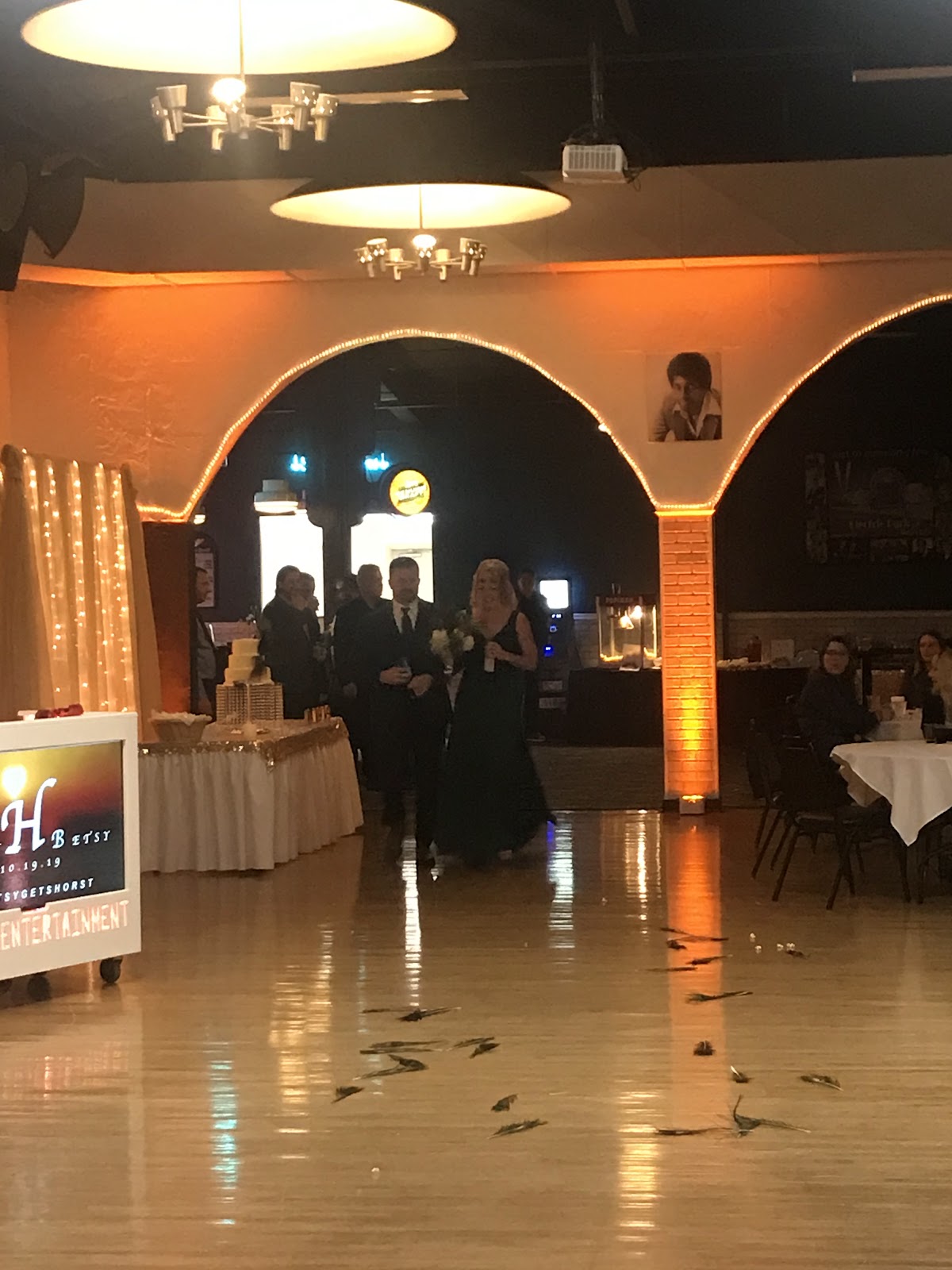
In the evening the hall does what it was designed to do, and the photography becomes a matter of using its own light rather than replacing it.
The ceiling fittings are the room’s signature. Whatever they are — pendants, festoons, a mirror ball, spotlights on a rig — they are the visual identity of the space and they photograph well at a wide aperture, becoming warm points of light in the depth behind a subject. That is the frame the building gives, and it needs distance: a fitting immediately beside a head pulls the eye off the face every time, and moving the couple a step solves it.
The added light should be modest and warm. One source, off the camera axis, at face height, in a modifier large enough to be soft at working distance, gelled warm to match the room’s own fittings with white balance set to the gel, and exposed half a stop to a stop above the ambient. That reads as light belonging to the room.
Over-lighting is the error to avoid and it is the commonest one in a large dark hall. A face two stops above its surroundings floats in blackness, and a hall photographed that way loses the one thing it had — a sense of a crowd in a big warm room. A stop is a lot.
The fall-off in a large dark hall is free separation and worth exploiting: a subject three metres in front of anything else sits against natural darkness with no equipment at all. That is the opposite of the pale-modern-venue problem and it is why positions with depth behind them beat positions against a wall.
Dancing is the coverage this room exists for and it needs a decision rather than a default. A slow shutter with a modest flash records both the room’s own light and a sharp subject, with motion showing as trails — which reads as movement and looks like the place. A fast shutter with a stronger flash freezes everything and loses the room. Both are legitimate; choosing in advance and staying with it produces a consistent set rather than a mixed one.
Texture is the last of it. Historic halls are timber, plaster, paint and metalwork, and all of it reads only under raking light — a source pointed at a boarded wall makes a flat brown field, while the same source placed to skim it lifts every joint. The positions where the existing light grazes are worth noting during the afternoon survey.
- With a high window, distance from the wall improves the direction
- Measure the ambient, test the bounce, survey the colour — once, in the afternoon
- Use the floor: a low camera turns it into a reflector and a texture
- One warm-gelled source, a stop above the room; never two stops
- Decide slow-shutter or frozen for the dancing, and hold to it
Outside, and Iowa's year
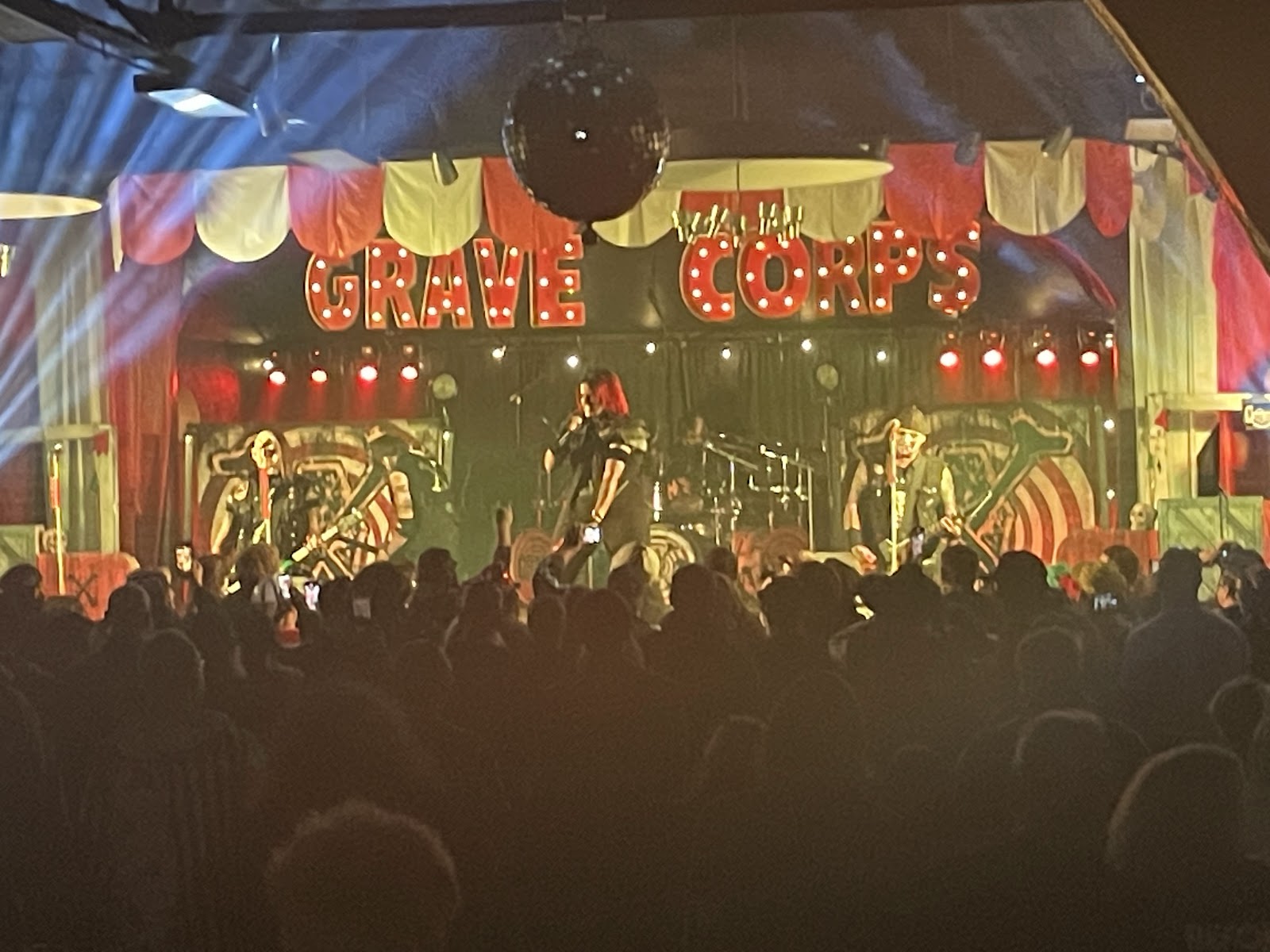
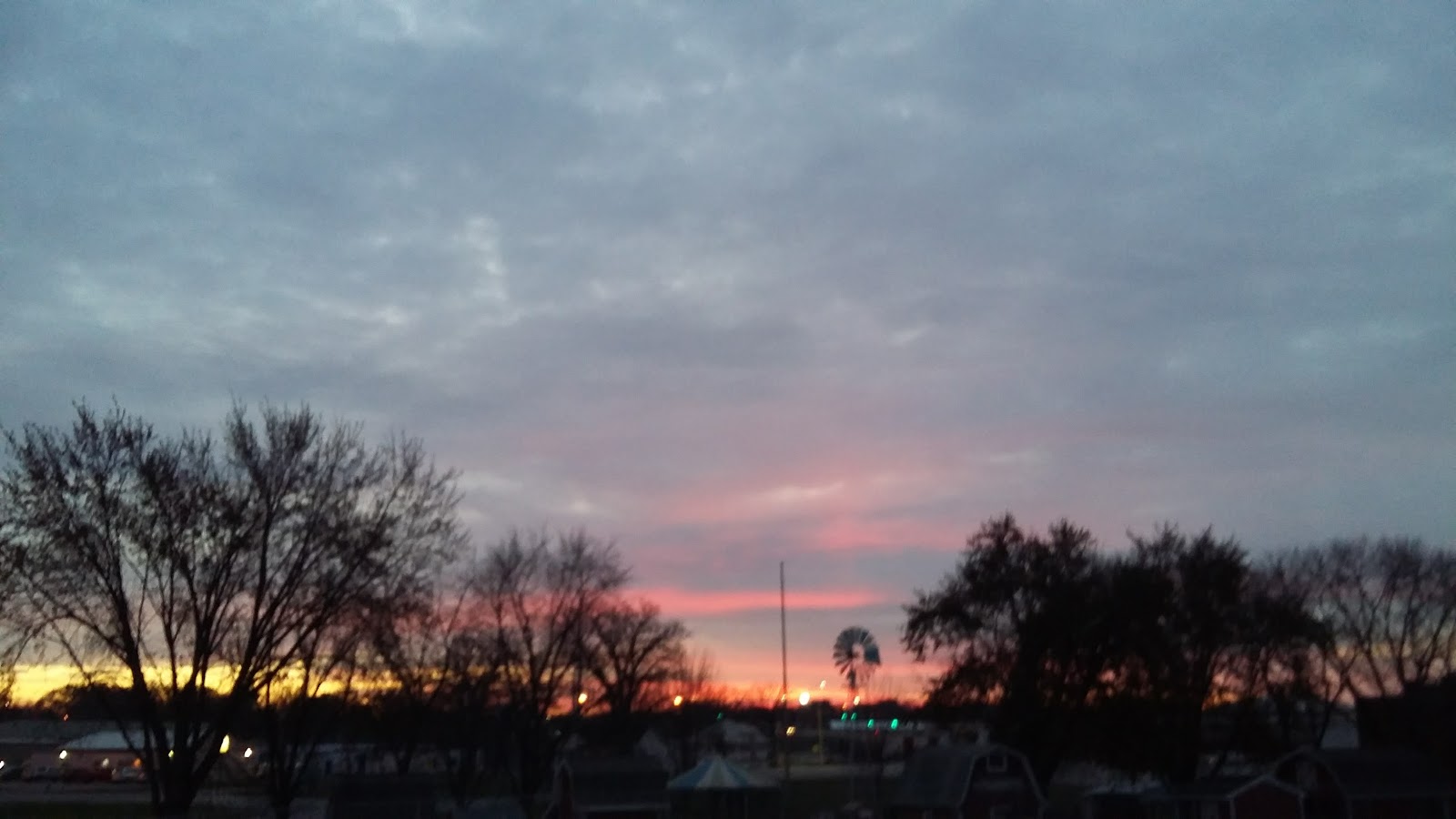
The outdoor frames are the only ones tied to a clock, which makes them the fixed points the day is built around. The two that matter are the last hour of daylight, when low sun rakes the building’s own facade and makes its material read, and the twenty-five to forty minutes after sunset, when the sky still holds colour while the building’s lights come up — so one exposure holds couple, building and sky.
At Waterloo’s latitude, about forty-two and a half degrees north, that after-sunset window is generously long in summer, because the sun sets at a shallow angle and twilight lasts. In the cold clear air of January it is shorter and sharper. In either case it is a scheduled ten minutes rather than something drifted into — and since the hall does not change, nothing indoors is lost by taking it.
The city sits on the Cedar River in a landscape with very little relief, which gives two useful things. An open low horizon, so the sky occupies more of any wide frame than it would in hilly country — which makes the sky the main variable rather than a backdrop, and makes a dramatic sky worth going outside for. And the river, which is the one piece of topography: water reflects, doubles anything lit, and gives a background that is not simply more town.
The seasons are four emphatic ones with one of the larger annual temperature ranges in the country.
Summer is hot and genuinely humid, and the humidity is the photographic fact rather than the heat. Moist air scatters light, which softens shadows and slightly flattens distance — good for faces, less good for long views. Severe afternoon thunderstorms are a real possibility from late spring onward, so any outdoor element needs a named alternative; at a venue that is entirely indoors, that costs a decision rather than a picture.
The humid fogging problem is the serious equipment issue here. A body brought from air conditioning into July air fogs on every surface at once and does not clear quickly, so a bag should be opened twenty minutes before going out rather than at the door.
Autumn is the best light of the year: humidity drops, the air clears, the cover along the river turns, and low sun arrives at a civilised hour. Mid-to-late October is the usual window. The surrounding farmland changes too — dense green through September, open stubble with warm colour and raking texture after the October harvest, which are two entirely different backgrounds from the same position.
Winter is cold and frequently overcast, which is less of a disadvantage than it sounds: overcast is the best soft light there is, and a grey January day gives even shadowless light that flatters faces and saturates colour. Snow is the compensation, both as the best natural fill available outdoors — lifting exactly the shadows a low sun carves while fooling a meter by about two stops — and as a reflector that brightens any high window the hall has.
The short December day is the real constraint: sunset in the middle of the afternoon compresses the outdoor block into a couple of hours, which at a venue whose indoor frames are all movable is easy to accommodate as long as it is planned.
More frames from The Electric Park Ballroom
The Electric Park Ballroom wedding photography: common questions
Does the light change through the day here?
No. A hall built for evening use has few windows and they are high, so the room is the same at eleven in the morning as at eleven at night.
Is that a problem?
It is a freedom. Every interior frame is movable, so the schedule can follow the couple — and nothing indoors is lost by stepping outside for the one timed window.
Where does the getting-ready coverage happen?
Usually not in the hall. An adjoining room, an office or somewhere off site — worth establishing in advance rather than discovering.
Can you bounce flash off the ceiling?
Usually not. A dance hall ceiling is well above four metres and returns very little, coloured by whatever it is painted. One test frame settles it.
What is the most overlooked feature?
The floor. A sprung timber dance floor is a large warm reflective surface, and most photographers frame it out simply by standing up.
How should the dancing be covered?
Decide in advance: a slow shutter with modest flash records the room and shows movement as trails, or a fast shutter freezes everything and loses the room.
More Iowa venue guides
We are writing a photographer’s guide to every venue we would happily shoot in Iowa. Here are three more, plus the full index:
- The Five Sullivan Brothers Convention Center, Waterloo: The Problem, and Four Ways Out
- The Grout Museum District, Waterloo: A Venue Built to Preserve
- The Isle Casino Hotel, Waterloo: Field Notes on a Windowless Venue
Planning a wedding at The Electric Park Ballroom?
A room with one job. Tell us your date and we will plan around the light it has.