 Roots Run Deep, Fruita: The Site’s Own Logic
The Garden of the Gods Club: The One Decision That Governs Everything
Red rock or the mountain. Two subjects, and they fight.
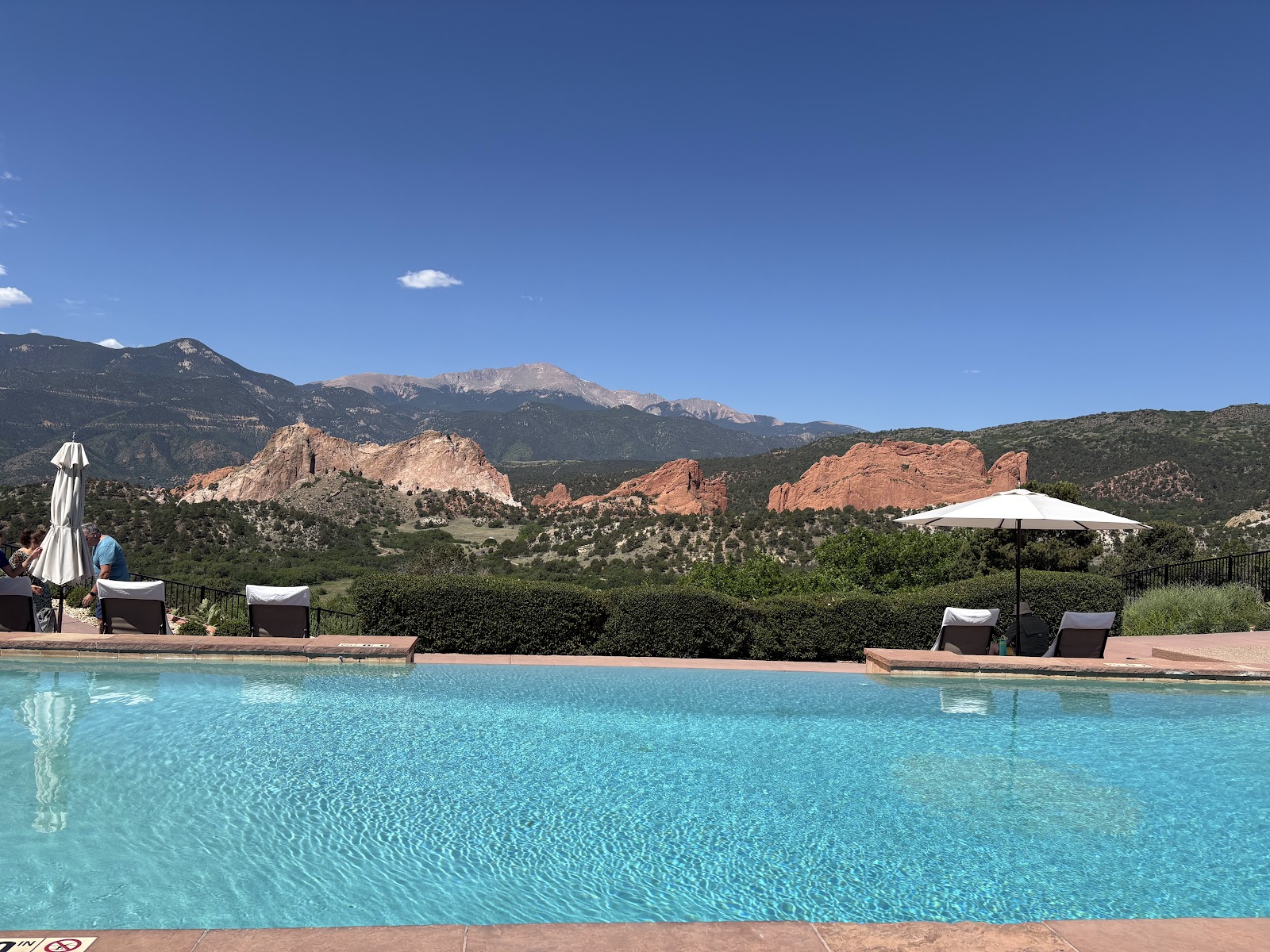
This site has two spectacular subjects in different directions and they do not combine, which makes the decision unavoidable: red rock or Pikes Peak.
The Garden of the Gods is a set of red sandstone fins standing nearly vertical — the Fountain Formation, laid down some three hundred million years ago and then tilted on end when the Front Range rose. What that produces is a landscape of thin upright slabs and towers in a genuinely saturated brick red, at close range, with the plains behind them.
Pikes Peak is the other direction: a granite summit at over fourteen thousand feet, rising roughly eight thousand feet above the city, and one of the most prominent mountains in the United States. It is pale pink granite, snow-capped for much of the year, and it dominates every westward view.
The two subjects are incompatible in a single frame for a simple reason. The rock is close and vertical; the mountain is distant and horizontal. A lens that renders the fins at a useful scale excludes the peak; a lens that gives the peak any mass reduces the fins to a foreground detail.
And they are lit differently. The red fins are at their most saturated in low frontal light, which means the ends of the day. The peak reads best when its relief shows, which is also the ends of the day — but from a site east of it, the mountain is back-lit in the evening and front-lit in the morning.
So the decision resolves into a schedule: the peak is a morning subject and the rock is an evening one. Choosing both means an early start and a late finish; choosing one simplifies the day considerably.
The second thing that governs everything here is altitude. Colorado Springs sits at about six thousand feet, which means roughly twenty percent less atmosphere above the camera than at sea level — and that changes the light in four measurable ways that this guide comes back to repeatedly.
Colorado Springs sits at about thirty-eight and three-quarter degrees north. The June noon sun reaches around seventy-four and a half degrees, the December noon sun about twenty-seven and a half, days run from about nine hours twenty-five to fourteen hours fifty-five, and civil twilight is roughly twenty-seven minutes — short, and made shorter by the mountain.
We have not photographed a wedding here. Which spaces are bookable, what each faces and the permitted hours are questions for the club.
The Garden of the Gods Club at a glance
| Where | A club beside the Garden of the Gods, Colorado Springs, Colorado |
| The decision | Red rock or Pikes Peak. They do not combine in one frame |
| The schedule | The peak is a morning subject; the red fins are an evening one |
| The altitude | About 6,000 feet — roughly twenty percent less atmosphere |
| Ask first | Which spaces are bookable and what each one faces |
What altitude does to the light
Before either subject, the altitude needs understanding, because it governs every exposure decision on this site.
Twenty percent less atmosphere means twenty percent less scattering, and that has four consequences.
The direct beam is more intense. Less air between the sun and the subject means less is absorbed or scattered away, so sunlit surfaces are brighter than they would be at sea level for the same sun angle.
The shadows receive almost no fill. Scattered light is what illuminates shadows, and with less atmosphere to scatter it there is less of it — so the gap between a lit surface and a shaded one at six thousand feet is measurably wider than at sea level. That is the single most important practical fact here: contrast is higher than the light meter’s history suggests.
The sky is a deeper blue, because Rayleigh scattering is reduced and the shorter wavelengths dominate more cleanly. That looks magnificent and it creates a colour problem: open shade is lit almost entirely by that deep blue sky, which means shade reads distinctly cool while sunlit rock reads warm.
An ungelled flash in open shade at altitude puts a slightly green face into a frame that is warm above and cold below. Warm-gelling every source by about a quarter to a half is the single most reliable correction in Colorado, and it should be the default rather than a remedy.
And the air is exceptionally clear, which means distant subjects hold detail and contrast in a way they never do in humid country. Pikes Peak eight thousand feet up and several miles off reads sharply on a long lens, where the same distance in the Gulf South would dissolve into haze.
There is also more ultraviolet — roughly a quarter more than at sea level — which matters for people rather than cameras. A wedding party outdoors for three hours at six thousand feet will burn faster than they expect on a mild day, and the temperature gives no warning.
One further altitude effect worth knowing. Thin air holds less heat, which means the daily temperature swing is large and the shade is genuinely cold relative to the sun. A subject standing in the shade of a rock fin in October is meaningfully colder than one standing three metres away in the sun, and a party will feel it.
The practical summary is that Colorado light is harder, cleaner, bluer in shade and warmer in sun than the same sun angle at sea level, and that every decision below assumes it.
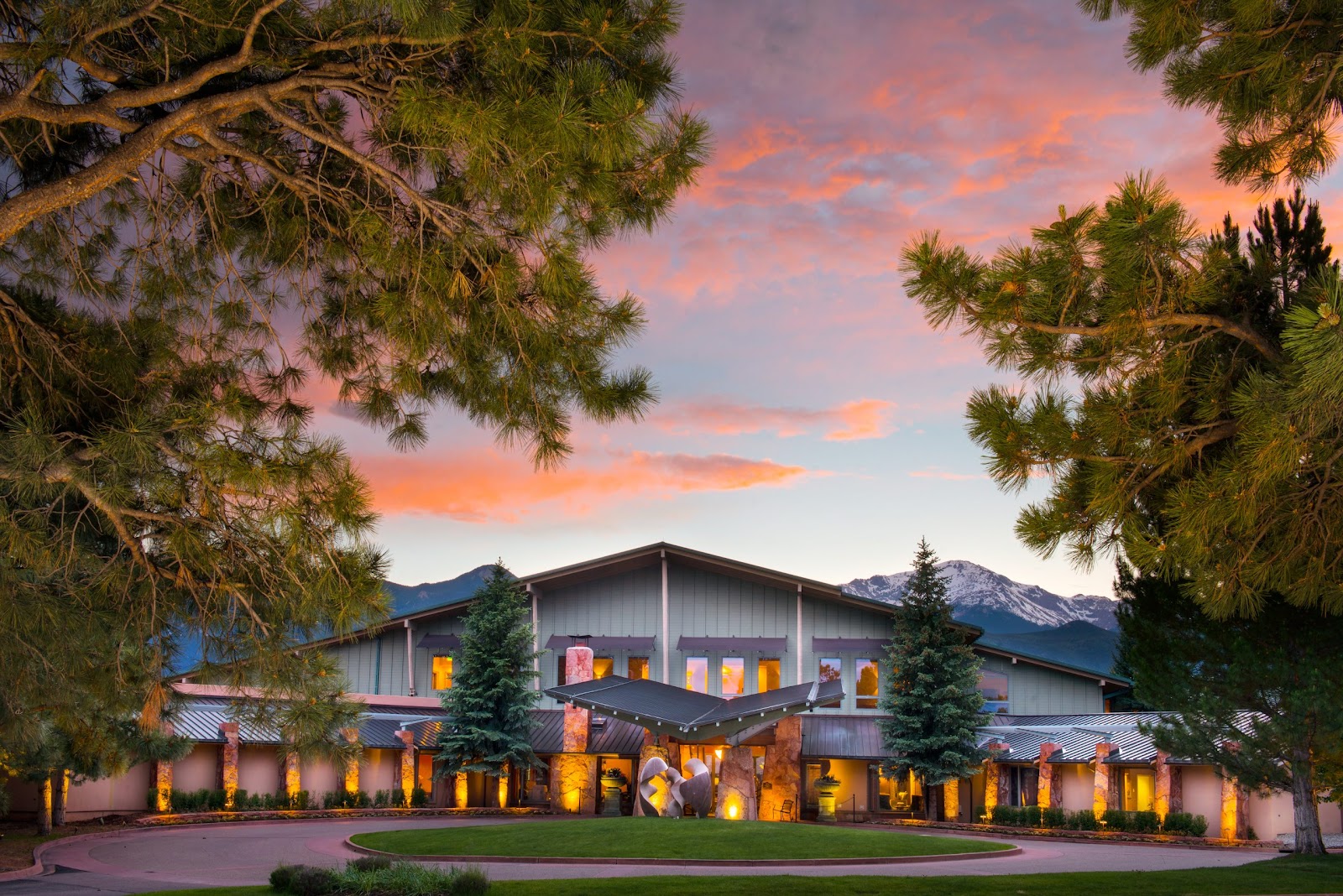
Facing the red rock
The fins are the closer subject and the more unusual one, and they want low frontal light.
Red sandstone is a mid-toned warm surface, and its colour is a function of iron oxide in the rock. Under a high sun it washes toward orange-grey and loses saturation; under a low frontal sun it goes to a genuine deep brick red, and in the last half hour it can look almost implausible.
That saturation is the reason to shoot the rock in the evening, and the altitude amplifies it — clear thin air scatters less of the long wavelengths away, so the red arrives more intact than it would at sea level.
The verticality is the compositional gift. Because the Fountain Formation was tilted on end, the fins stand as thin upright slabs rather than lying in horizontal beds — which means they read as towers and walls rather than as layers. That gives a landscape of strong verticals, which is unusual; most rock landscapes are horizontal.
Use them as verticals. A couple placed beside or between fins has architecture-scale forms either side of them, and a moderate telephoto compressing two or three fins into overlapping planes gives depth that a wide lens flattens.
The gaps between fins are the other resource and they are where the light does something specific. A narrow gap between two tall slabs is a slot, and at the right hour the sun aligns with it and throws a defined beam through — which, in air carrying any dust, reads as a visible shaft.
That alignment is predictable from the geometry and impossible to guess, so it is worth asking anyone who works the site which gaps do it and when.
Scale needs a reference and people supply it. A frame with a couple small at the base of a fin communicates the size of the formation in a way no empty landscape does — so small on purpose is the right choice for the wide frames, not a compromise.
The shade problem is real here. Vertical rock casts hard-edged shadows, and at six thousand feet those shadows get almost no fill — so a subject half in and half out of a fin’s shadow is a five-stop problem. Put them entirely in one or the other.
Entirely in shade is the better option for faces, with the sunlit rock behind them. That gives soft even light on skin and a saturated warm background, and the ratio is bridgeable with a modest warm-gelled source.
The vegetation is sparse and specific. Scrub oak — Gambel oak — grows in dense thickets on these slopes and turns a genuine russet-bronze in October, which against red rock is a strong combination. Piñon and juniper are the evergreens, dark and low. And the grasses are short-grass prairie, going straw-gold in autumn and holding it.
One safety note. The Garden of the Gods proper is a public park with defined trails, and the rock is soft sandstone which is both fragile and slippery on a smooth face. Where a party may and may not go is a park matter rather than a club one, and worth establishing separately.
Facing Pikes Peak, and the year
The mountain is the other direction and it is a morning subject, which is the reverse of most mountain venues in this library.
The reason is geometry. Pikes Peak lies west of the city, so its eastern face — the side a Colorado Springs venue sees — is front-lit in the morning and falls into its own shadow through the afternoon. By evening the peak is a silhouette against a bright sky, which is a graphic frame rather than a modelled one.
In the morning the relief shows: the granite reads pink, the couloirs and ridges separate, and any snow on the summit is brilliantly lit. That is the frame worth an early start.
It wants a long lens. The peak is several miles off and rises eight thousand feet, but at that distance it subtends a modest angle — so a wide lens renders it as a low pale ridge across the top of the frame while filling the rest with city and sky. A moderate to long telephoto compresses it forward into something with the mass the eye perceives.
Expose for the mountain, because it is the subject and the element that cannot be recovered. A snow-capped summit at altitude in clear air is a bright, narrow-range subject that blows easily, and a blown summit has no relief in it at all.
Then lift the subjects with a warm-gelled source at about a stop over whatever ambient is on them. Ungelled is the standard error: blue-sky shade against warm pink granite reads as two different colour worlds.
The snow line is worth knowing as a seasonal fact. Pikes Peak carries snow on its summit from roughly October into June, and in winter it is white well down its flanks. A snow-capped peak against a deep blue Colorado sky is the state’s signature frame and it is available for two-thirds of the year.
The year ranks clearly for this site.
Late September into early October is the best window. The aspen at altitude turn gold — and because aspen grows in clonal stands, genetically a single organism spreading by root suckers, a whole grove turns at once rather than tree by tree, which produces blocks of uniform gold rather than a mixture. The scrub oak on the lower slopes goes russet-bronze against the red rock. The air is at its clearest. The heat has broken. And the peak has taken its first snow.
That combination — gold aspen, russet oak, red rock and a white summit under a deep blue sky — is the strongest thing Colorado produces, and it lasts about two weeks.
Summer’s defining feature is the afternoon thunderstorm, and on the Front Range it is close to daily from July into August. Moisture moves north, the terrain forces it up, and convection builds through the late morning to produce storms in the early afternoon — which is genuinely dramatic and genuinely dangerous.
Two specific hazards go with it. This region is among the most hail-prone in North America, and Front Range hail can be large enough to cause real damage — which is a reason a covered alternative must genuinely exist rather than be listed. And lightning above six thousand feet on exposed rock is not a photographic consideration but a reason to go indoors immediately.
The compensation is that the half hour after a cell passes is the best light of the year: washed air, wet red rock gone deep and saturated, a low sun under a broken ceiling, and often a rainbow over the plains.
Winter is milder than the latitude suggests, because the altitude sun is intense and the Chinook winds — warm downslope flows off the mountains — can raise temperatures thirty or forty degrees in hours. Snow falls and melts quickly on south-facing ground.
That makes a winter date more workable here than in most northern venues, with the caveats that the day is nine and a half hours, civil twilight is only twenty-seven minutes, and the mountain to the west takes the sun early — so the usable light is short and the end of it needs its frames known in advance.
- Warm-gel every source; at altitude, shade is blue and sun is warm
- Put subjects entirely in shade or entirely in sun — half and half is five stops
- Pikes Peak is a morning subject; by evening it is a silhouette
- Compress the peak with a long lens and expose for the summit, not the sky
- Front Range hail is a real risk July to August; the covered plan must be real
The club, and working at six thousand feet
The building is the practical working space and a club of this type has a predictable set of conditions.
Clubhouse architecture in the mountain west is usually generous in scale, finished in warm stone and timber, and heavily glazed on the view side — because the view is the reason the building faces the way it does.
The glazing is the best light in it. A large glass wall is a single very big side source, and a subject three or four metres in from it has clear modelling with a soft shadow edge and no top light. Arrange groups parallel to that glazing rather than across the room, because perpendicular puts one end of a row three stops below the other.
The exposure trap is the view, and at altitude it is worse than usual. A camera metering an interior against sunlit red rock or a snow-capped peak faces a range wider than at sea level, because the exterior is brighter and the interior has no more light. Holding both means adding light inside to within about a stop and a half of the exterior, or letting the glazing blow and composing so it reads as a clean shape.
The dark finishes decide the flash technique. Warm stone and stained timber return very little, so bounce is limited and the answer is direct sources through modifiers with the room left dark. Where there is pale plaster, bounce off that.
Gel everything to match the ambient rather than correcting it. Clubhouse fixtures are almost always warm, and a daylight-balanced flash against them puts a blue-white face in a golden room.
Two practical matters specific to altitude affect the day rather than the photographs.
People arriving from sea level will feel six thousand feet. Shortness of breath on stairs, faster fatigue, and a lower alcohol tolerance are all real, and a wedding party who flew in the day before will tire sooner than they expect. A photographer who paces the formal photographs accordingly gets better expressions.
And the UV is roughly a quarter higher than at sea level, so a party outdoors for a long ceremony will burn faster than the temperature suggests. Neither is a photographic problem and both change how the day goes.
The wind is the last constant. The Front Range generates strong downslope winds, particularly in winter and spring, and gusts can be genuinely severe — which means no modifier on an unweighted stand at any point outdoors, and a five-hundredth of a second for anything with hair or fabric.
A veil at six thousand feet in a Front Range wind will be moving substantially. Read the direction and rotate the couple so it carries across or away from the camera rather than into their faces.
One closing note about the twilight, because it is shorter here than the latitude implies. Civil twilight runs about twenty-seven minutes, and with a fourteen-thousand-foot mountain to the west the sun leaves the site earlier than a flat horizon would give — sometimes substantially earlier.
That means the end of the day is genuinely brief and the last frames must be known in advance and walked to rather than discussed. The compensation is that clear thin air produces an exceptionally saturated afterglow, and red rock holding the last light against a deep blue sky is worth having the position chosen for.
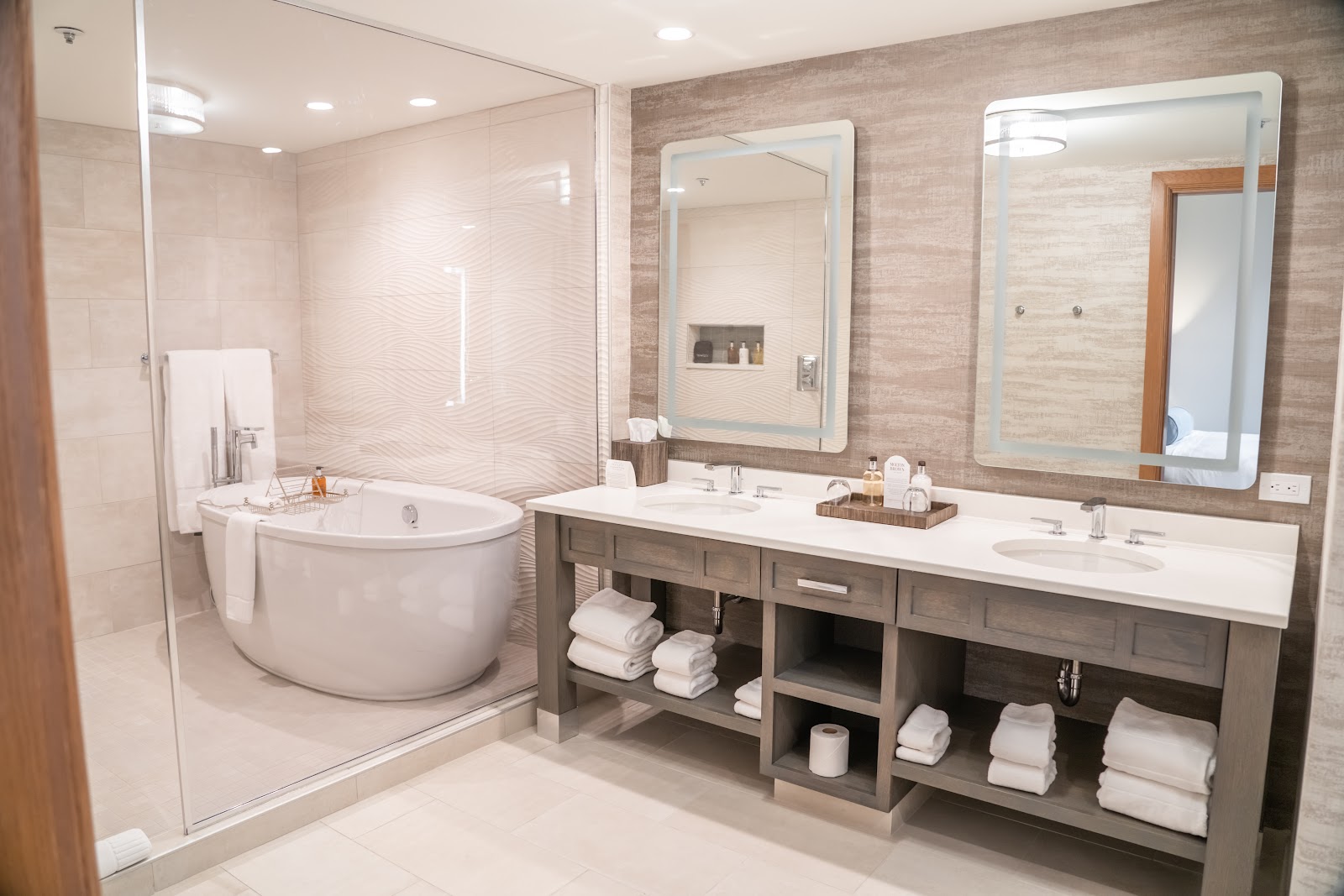
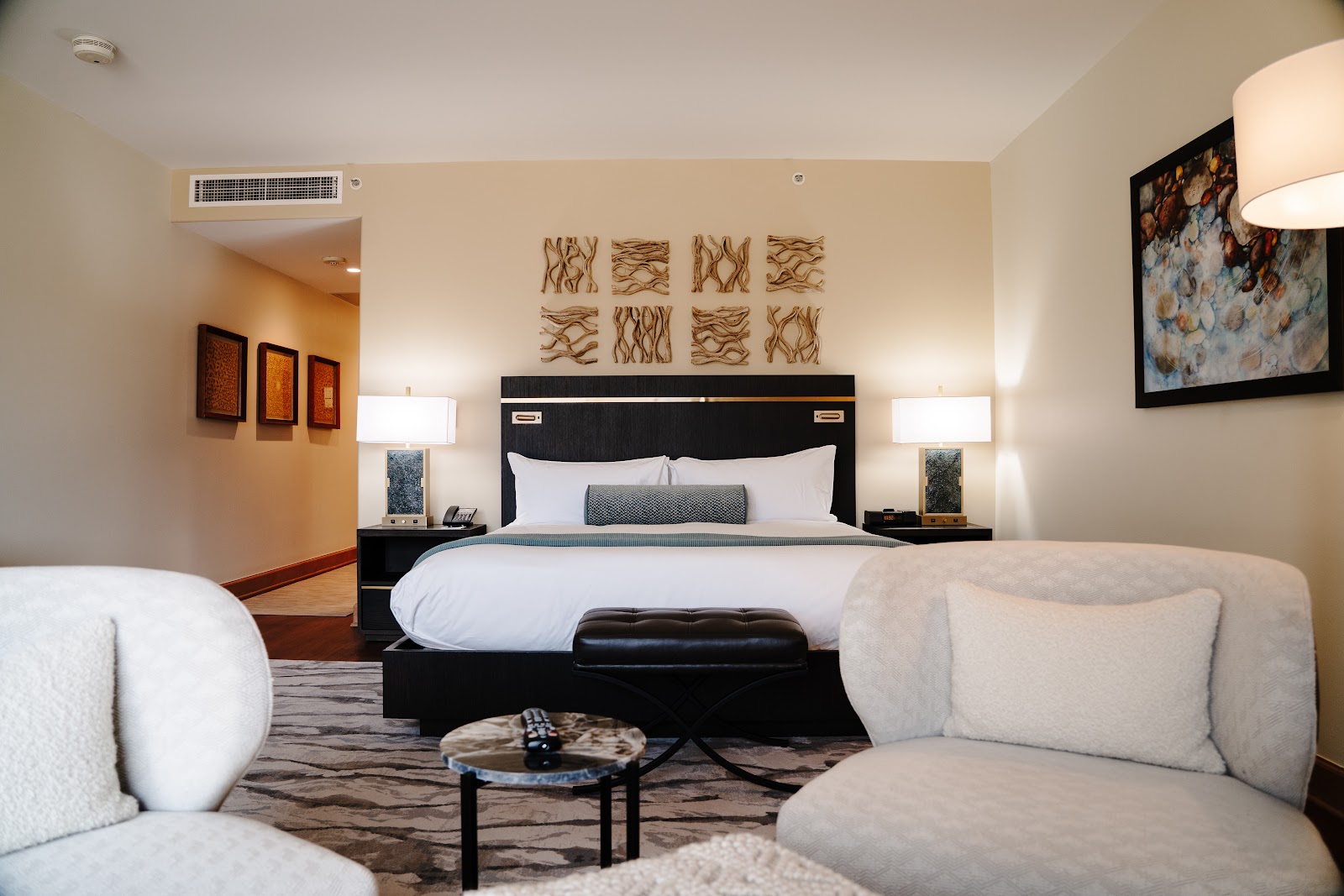
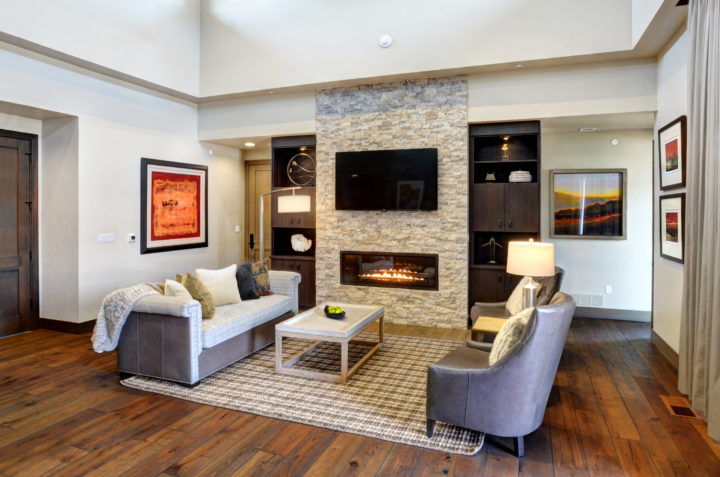
More frames from The Garden of the Gods Club
The Garden of the Gods Club wedding photography: common questions
Why can't I get the rock and the peak together?
The fins are close and vertical, the mountain distant and horizontal. A lens that serves one excludes or flattens the other.
So how do I schedule it?
Pikes Peak in the morning, when its eastern face is front-lit; the red fins in the evening, when low frontal light saturates the sandstone.
What does six thousand feet do to the light?
Twenty percent less atmosphere: a harder beam, almost no shadow fill, a deeper blue sky and exceptional clarity. Contrast is higher than a meter’s history suggests.
Why gel everything warm?
Open shade at altitude is lit almost entirely by a deep blue sky, so it reads distinctly cool while sunlit rock reads warm. Ungelled flash looks green.
What is the summer risk?
Near-daily afternoon thunderstorms from July into August, and this is among the most hail-prone regions in North America. The covered plan must be real.
How long is the dusk?
About twenty-seven minutes, and shorter in practice because a fourteen-thousand-foot mountain to the west takes the sun early.
More Colorado venue guides
We are writing a photographer’s guide to every venue we would happily shoot in Colorado. Here are three more, plus the full index:
- The Pikes Peak Center: The Problem, and Four Ways Out of It
- The Pinery at the Hill, Colorado Springs: One Frame, and How It Is Made
- The Vail Mountain Club, Vail: Field Notes
Planning a wedding at The Garden of the Gods Club?
Red rock one way, fourteen thousand feet the other. Tell us your date.