 Choctaw Hall: What a Gazebo Ceremony Does to the Photographs
The Fairview Inn, Jackson: How the Light Moves
When a venue gives you both indoors and out at every hour, the schedule becomes the main instrument.
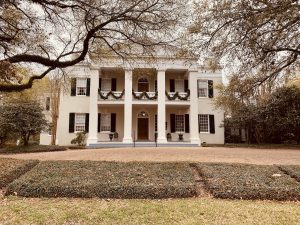
The Fairview Inn in Jackson offers grounds suited to an outdoor ceremony and a grand hall for an indoor one — which means, unusually, that almost every hour of the day has two viable options rather than one.
That changes what planning is for. At a venue with a single space, the job is to make the best of a fixed condition. At a venue with a good interior and good grounds, the job is to put each part of the day where it belongs, because the two move in opposite directions: the interior is roughly constant from morning to midnight while the outside swings through four or five stops and changes character completely. Getting the order right is worth more here than any equipment decision.
So this is written as a day. We have not photographed a wedding at the Fairview; historic inns of this kind behave consistently. Which rooms and which parts of the grounds a wedding includes, and what the indoor fallback for an outdoor ceremony actually is, are the questions for their team.
The Fairview Inn at a glance
| Where | Jackson, Mississippi |
| Character | A historic inn with established grounds and a grand hall |
| The advantage | Two viable options at almost every hour |
| The instrument | The running order — put each part of the day where it belongs |
| Ask first | Which rooms and grounds are included; the real rain fallback |
Morning and midday: guest rooms, shade, and the hall
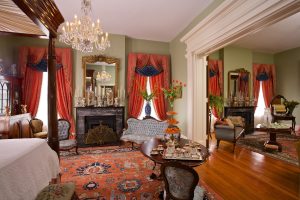
Morning belongs indoors, and at an inn that means the guest rooms, which are frequently the best-lit spaces on the property. A room in a historic house has windows sized for a domestic room and walls close enough to bounce, which gives soft directional light with usable fill — better portrait light than most purpose-built bridal suites achieve with far more glass.
The preparation is worth setting up rather than documenting as found. Ask for the largest window on the shaded side of the building, turn the overhead fittings off so there is one colour of light in the room rather than three, and move lamps out of the frame. Mixed sources are the single most common reason preparation coverage looks worse than the room did.
Midday outdoors in a Mississippi summer is the hard part of the day, and it is governed by shade rather than by composition. High sun gives hard downward light, heat and humidity make formal clothes genuinely uncomfortable, and open lawn offers no relief at all. So the midday resources are, in order: continuous shade under any mature trees, the building’s own shadow, and any covered porch or veranda.
A veranda deserves special mention because a historic Southern house often has one and it is the best-designed light on the property. A roof overhead blocks the sky, walls behind bounce, and the open side becomes a single large directional source — which is exactly what a softbox does, at architectural scale, for free. Anyone standing a metre inside the edge of a covered porch is being lit properly.
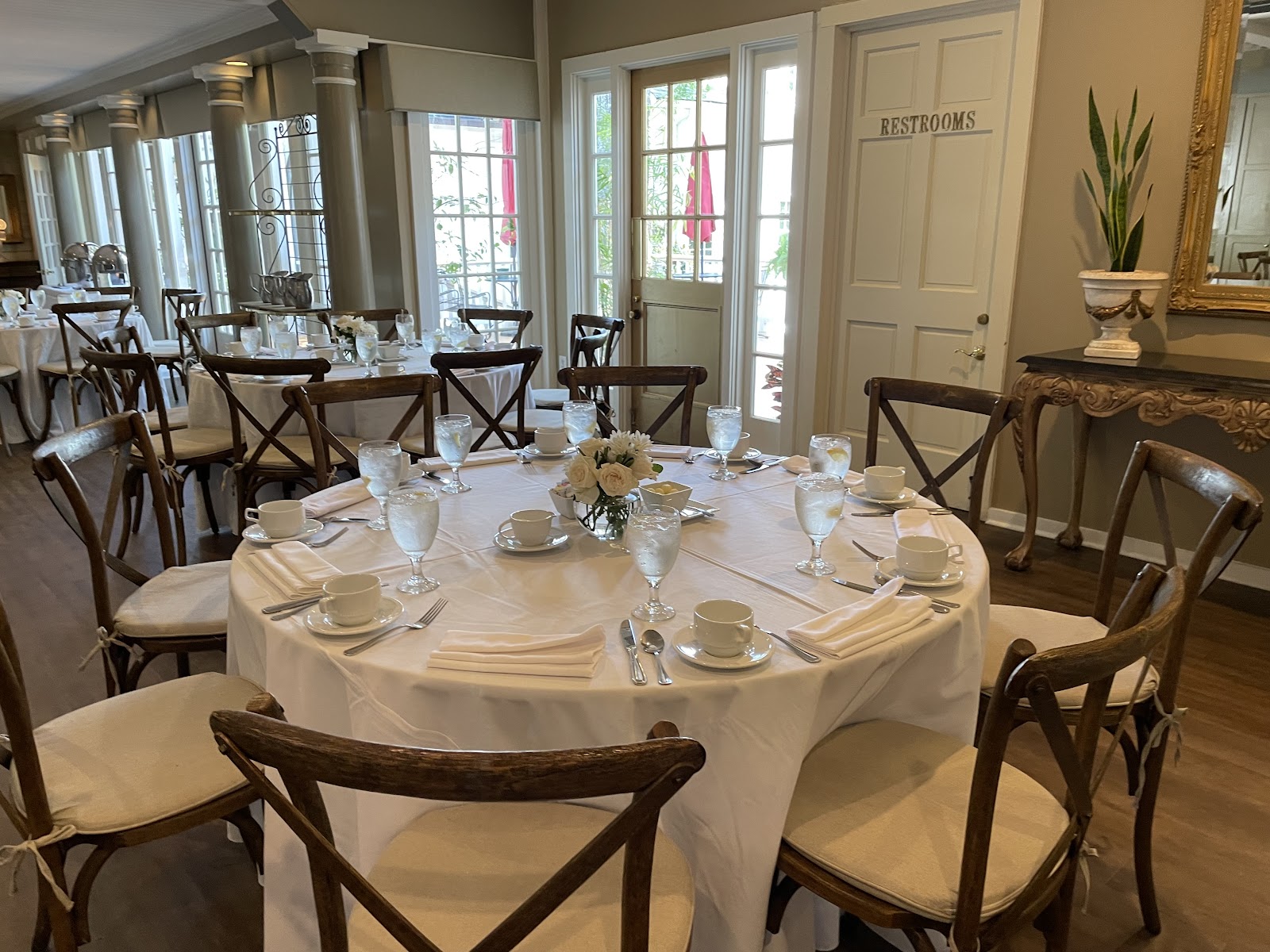
The grand hall is the other midday option and it is worth walking early with a light. Historic function rooms usually have decent window area and a high ceiling, which means reasonable ambient but poor bounce; the ceiling is too far away to return usable flash, so a pale wall is often the better surface and direct modified light better than either. Establish which on arrival.
Late afternoon and the last ninety minutes
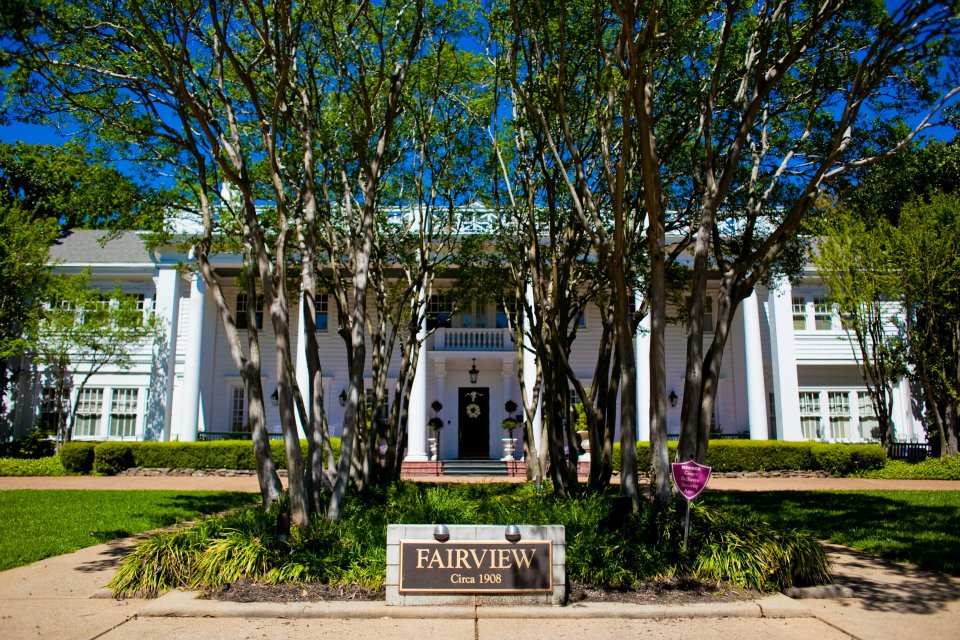
From about two hours before sunset the grounds stop being a problem and start being the reason to be here. The sun drops below the worst of its angle, the heat begins to break, and light starts raking across lawn and along the front of the building instead of falling straight down.
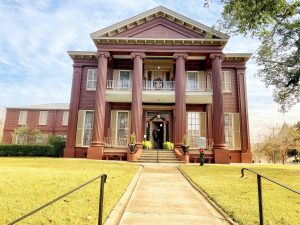
This is when a historic facade is worth photographing. Brick, painted timber and stone all show their texture only when light runs along them; the same elevation that looked flat and chalky at noon separates into planes and detail in low sun. Which elevation gets it depends on the orientation, so the useful preparation is a single walk around the building noting which face the evening light will reach.
Mature trees change character too. Low sun comes in underneath a canopy rather than through it, which backlights foliage so leaves glow rather than sitting as a flat dark mass, and gives shafts and pools on the ground rather than a flood. A couple placed in one of those pools with the darker garden behind them is lit and separated at once, with nothing carried.
Lawn behaves like any mown surface: it is a predictable mid-tone that meters well, it shows mowing pattern only in raking light, and it gives an unobstructed foreground that rewards a low camera. Dropping close to the grass pushes the horizon down and lets the building or the trees occupy the upper frame, which is a stronger composition than standing at eye height on a flat lawn.
The final twenty minutes after sunset are a separate opportunity and they belong to the building rather than the garden. Once the sky has fallen to about the brightness of the inn’s own lighting, one exposure holds a lit facade, warm windows and a sky that still has colour in it. That is the establishing frame of the whole gallery and it exists for twenty minutes — sunset plus fifteen, in position, and the sequence bracketed as the sky drops.
- Preparation: biggest window on the shaded side, overheads off, lamps out
- A covered veranda is a free softbox — stand a metre inside its edge
- Walk the building once to learn which elevation gets the evening light
- Drop the camera low on lawn; eye height wastes an open foreground
- Sunset plus fifteen for the lit facade against a coloured sky
After dark, and a Mississippi summer
After the crossing the grounds go black, because a garden has no ambient of its own. Anything outdoors after dark is entirely a lighting exercise: one source on the couple, and if the building is lit, the facade as background. A long exposure with the couple still and warm windows behind them is the frame most often missed, because by then everyone has gone inside.
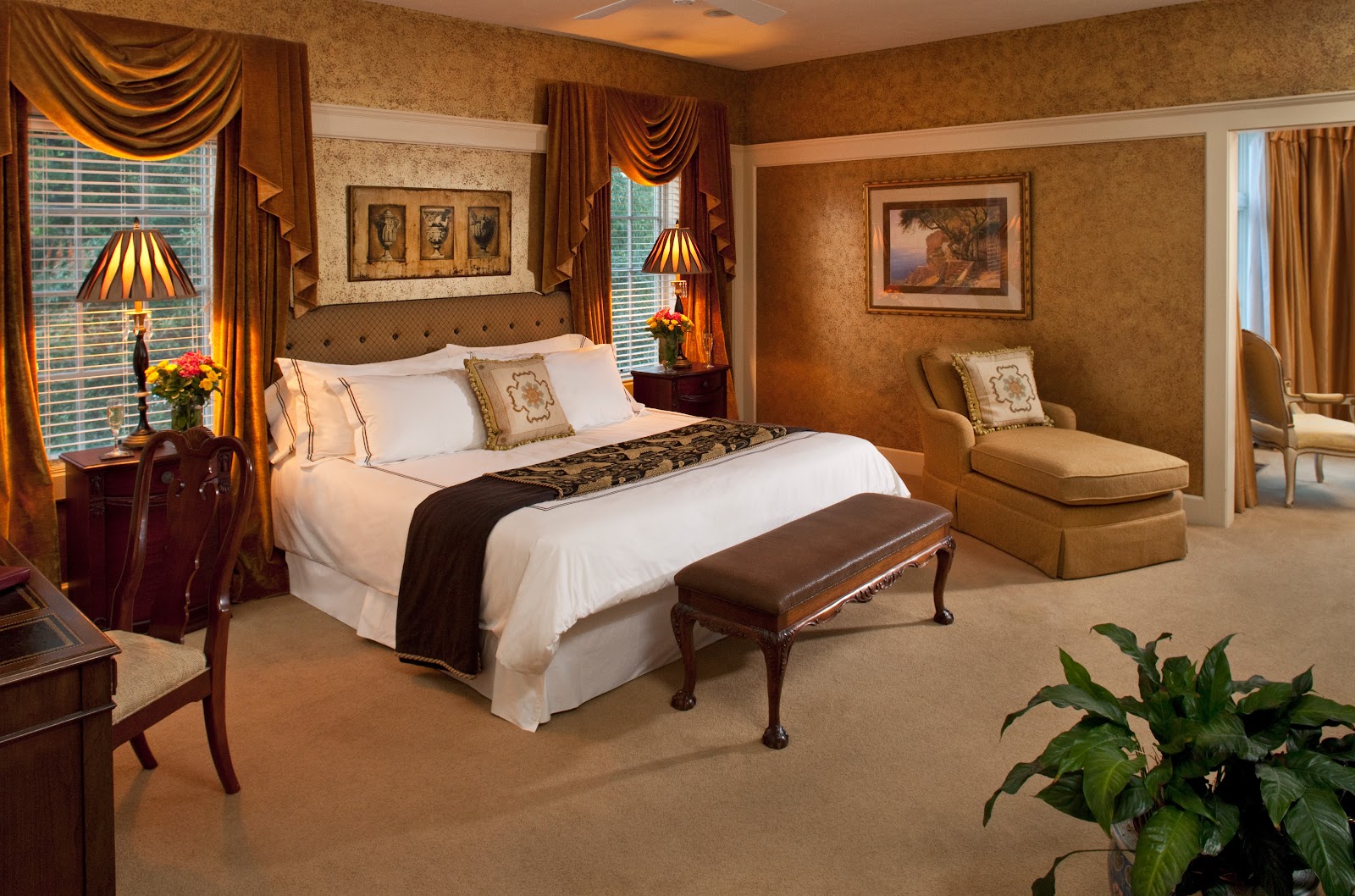
Indoors, a historic inn is a warm low-light interior and should be allowed to look like one. Fast lenses at a raised ISO give frames that match the room; one small warm-gelled source at face height fixes the overhead-lighting problem where legibility matters. Set white balance for the faces and hold it through the block, because everything in a warm interior bounces warm and auto white balance drifting between frames is the usual reason a sequence fails to match itself.
Mississippi conditions govern the outdoor half of the day. Heat and humidity make long blocks unworkable in formal clothes, so trips should be short and purposeful. Insects arrive at dusk, which is exactly when the light is best, and it is better to warn a couple than to discover it with them.
Fogging is the specific equipment risk and it is the reverse of the cold-climate one. A camera and lens chilled by a heavily air-conditioned interior will fog comprehensively on reaching warm damp air and can take many minutes to clear — long enough to lose an arrival or a first look. The handling is to let the kit warm towards outside temperature before it goes out, which means thinking about it twenty minutes ahead rather than at the door.
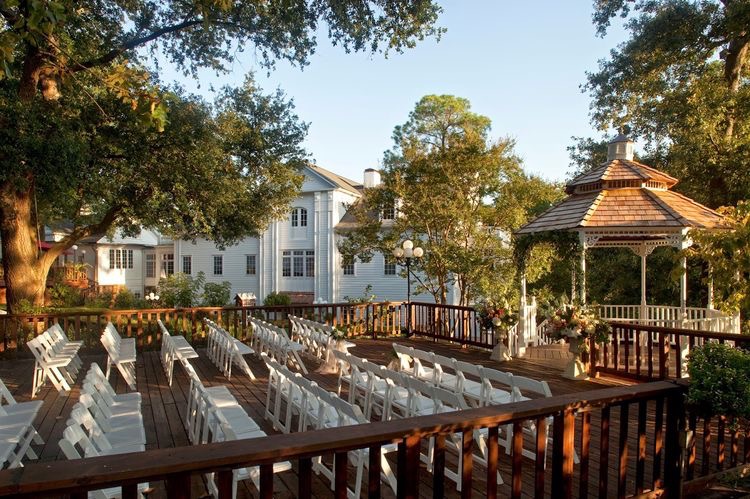
Afternoon thunderstorms are routine rather than exceptional in a Mississippi summer, which makes the indoor fallback a live question at any venue with an outdoor ceremony. An inn with a grand hall answers it properly, and that is the practical argument for this kind of venue here. It is also worth remembering that the light after a cell passes — dark sky, saturated planting, wet paths returning reflections, low sun underneath — is frequently the best of the day, and worth going back out for.
More frames from The Fairview Inn
The Fairview Inn wedding photography: common questions
What is the main advantage of an inn like this?
Two viable options at almost every hour. The interior is roughly constant all day while the outside swings four or five stops, so the running order becomes the most useful instrument you have.
Where is the best light for preparation?
A guest room. Domestic-sized windows with close walls that bounce give soft directional light with usable fill — often better than a purpose-built suite with far more glass. Biggest window on the shaded side, overheads off, lamps out of frame.
How do you handle midday in a Mississippi summer?
With shade, in order of preference: continuous tree canopy, the building’s own shadow, and any covered veranda. Open lawn at noon gives hard light and real discomfort in formal clothes.
Why is a veranda so good?
Because it is a softbox at architectural scale. A roof blocks the sky, walls behind bounce, and the open side becomes one large directional source. A metre inside its edge is a properly lit position, for free.
When should the facade be photographed?
Twice. In the last ninety minutes, when raking light separates brick or painted timber into planes; and at sunset plus fifteen, when a lit facade, warm windows and a coloured sky all sit in one exposure.
What is the equipment risk here?
Fogging. Kit chilled by air conditioning fogs comprehensively in warm damp air and takes many minutes to clear. Let it warm towards outside temperature twenty minutes before it is needed outdoors.
More Jackson, MS venue guides
We are writing a photographer’s guide to every venue we would happily shoot in Jackson, MS. Here are three more, plus the full index:
- The Iron Horse Grill, Jackson: Field Notes on a 1906 Warehouse
- Jackson Zoological Park: What It Suits and What It Does Not
- The King Edward Hotel, Jackson: Field Notes on a Restored Grand Hotel
All Jackson, MS Wedding Venues →
Planning a wedding at The Fairview Inn?
At this venue the running order is the whole job. Tell us your date and we will build it.