 Choctaw Hall: What a Gazebo Ceremony Does to the Photographs

The Eudora Welty House, Jackson: A Walk Through House and Garden
A small house in an old garden is not a small mansion. It is a different kind of venue entirely.
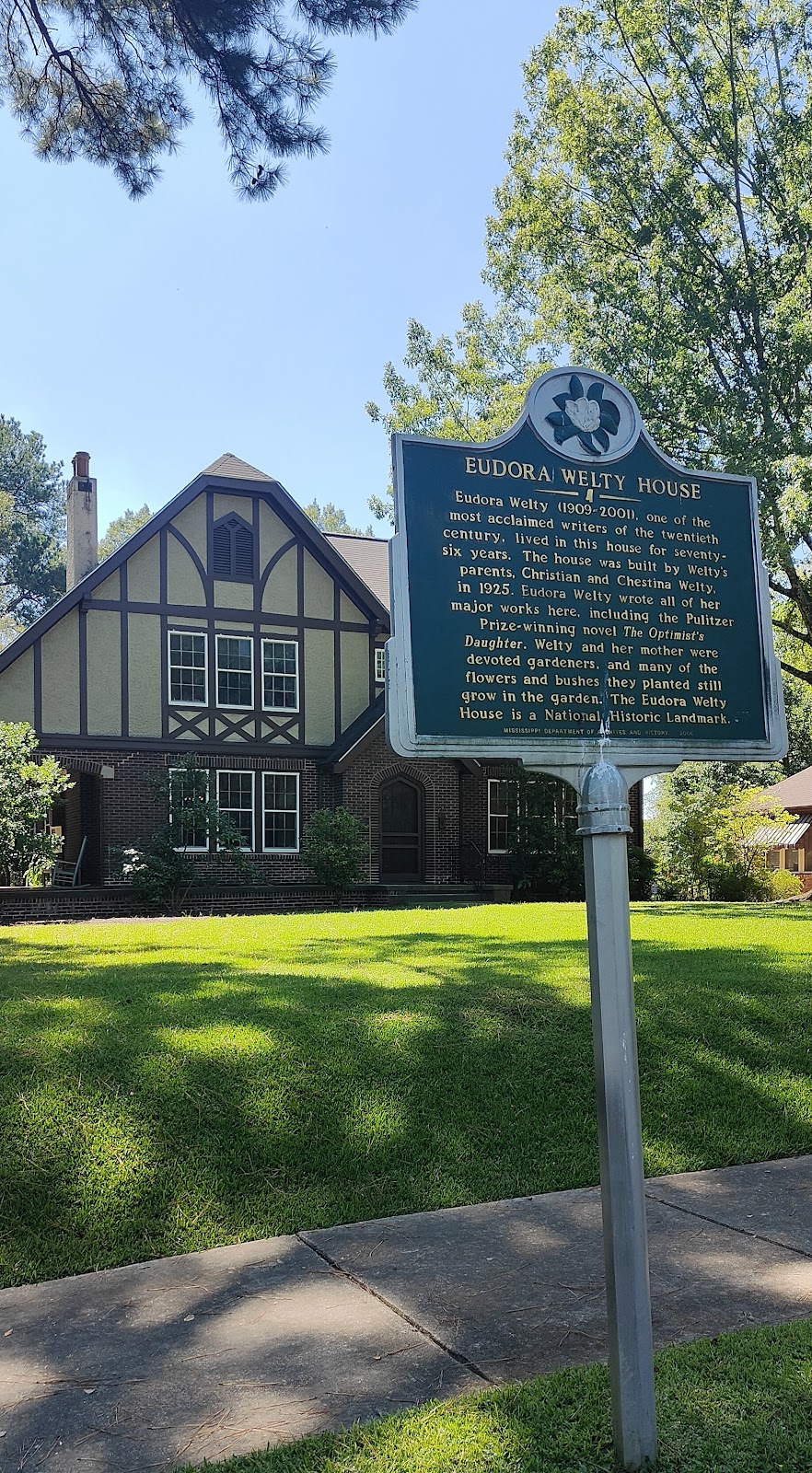
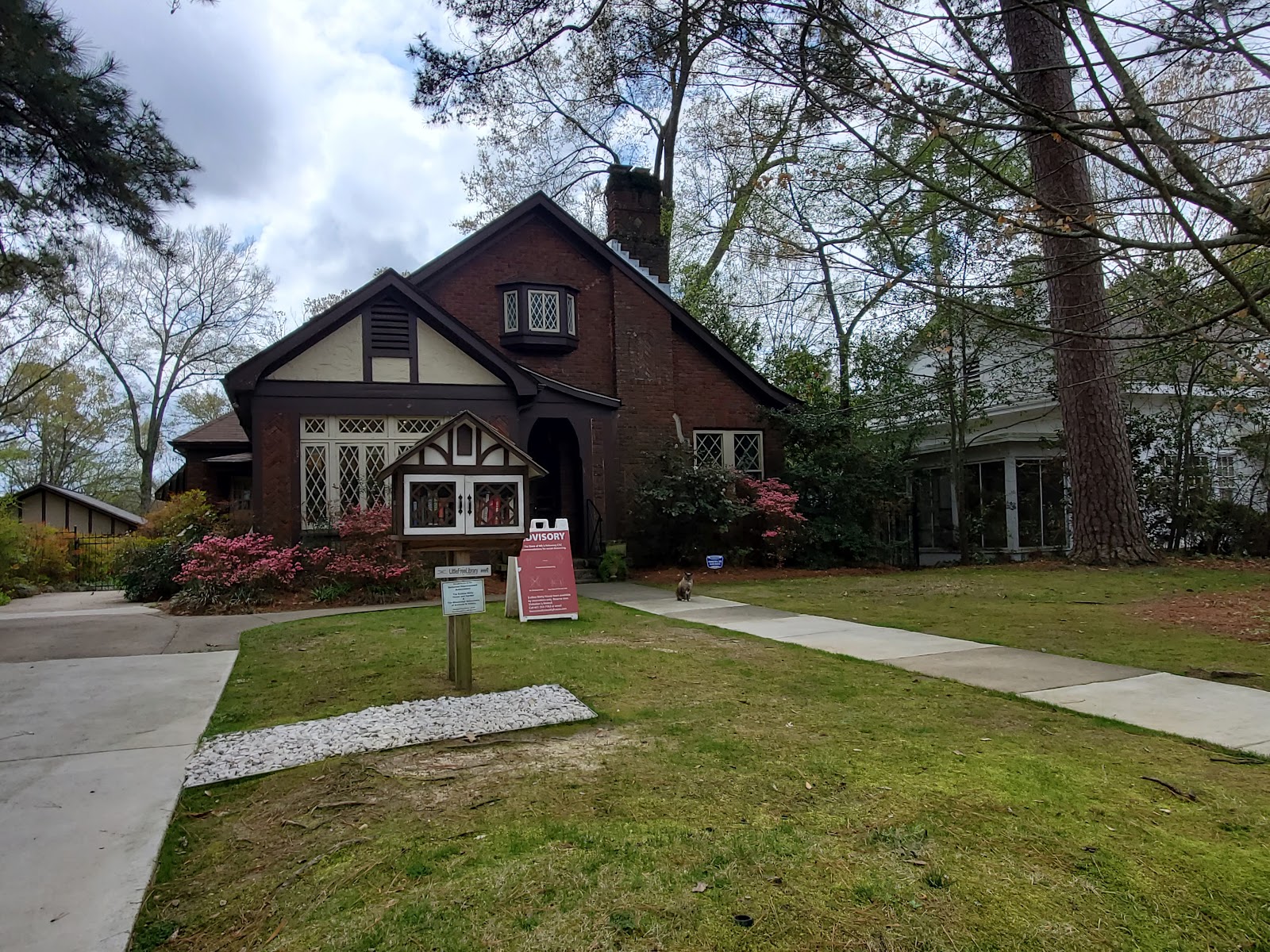
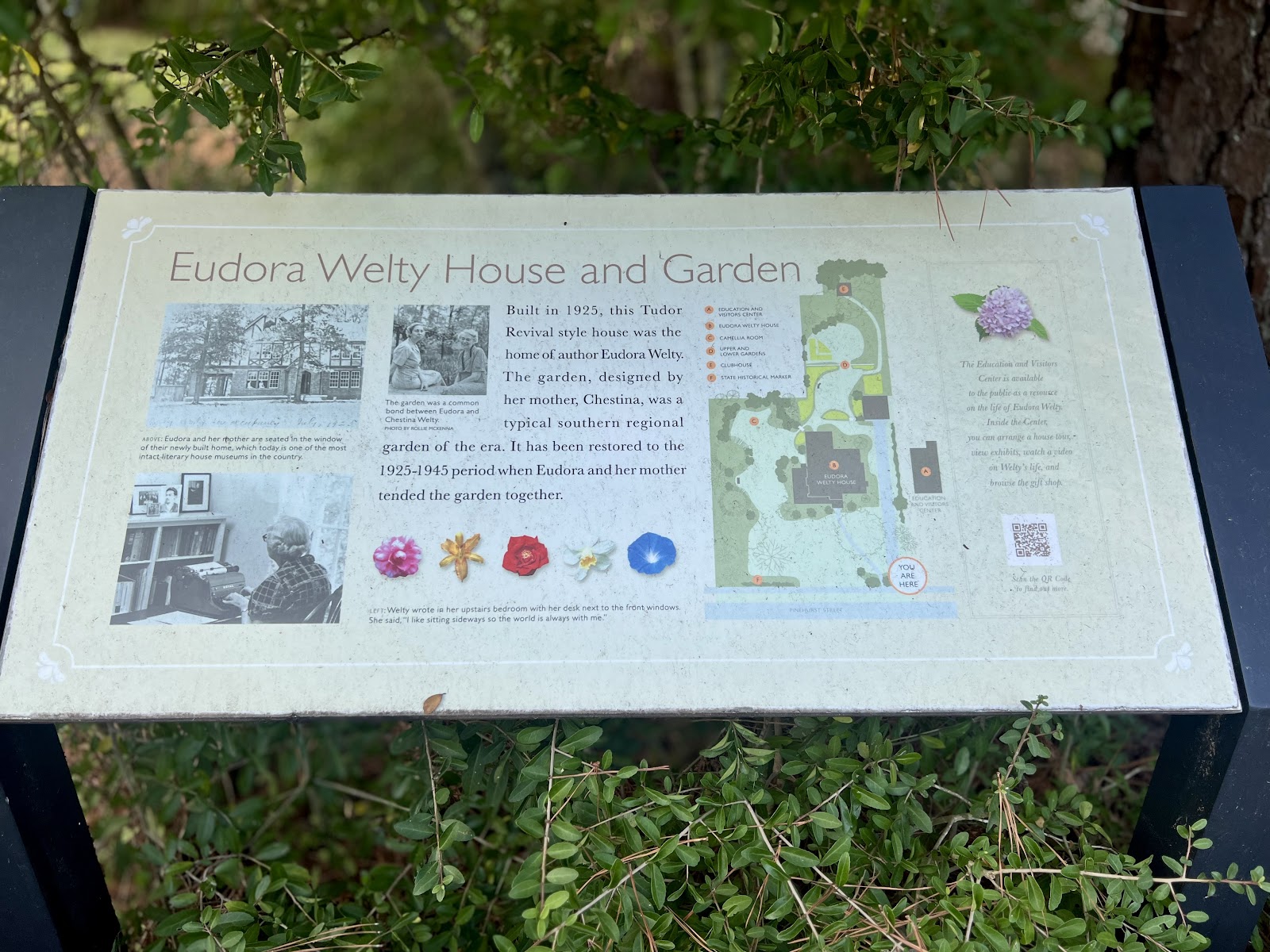
The Eudora Welty House in Jackson is the writer’s own home, a domestic house set in an established garden that offers a genuinely quiet setting a short distance from the city around it.
The important thing about a house museum of this kind is its scale, and it is worth being clear-eyed about it because the word house does a lot of work. This is a home rather than a mansion: rooms sized for a family, doorways sized for one person at a time, furniture in the positions it was actually used in, and a garden made by a person rather than by a landscape practice. That produces a venue with real intimacy and real intimacy’s constraints — no room takes a large group, and almost nothing can be moved.
So this is a walk through the site, house first and garden second, because the garden is where most of the photography will happen. We have not photographed a wedding here; small house museums behave consistently. What may be touched, what may be leaned on, whether interior photography is permitted at all and what the guest limit is are the questions that shape the day, and they should be asked before anything else.
The Eudora Welty House at a glance
| Where | Jackson, Mississippi |
| Character | A writer’s domestic house in an established garden |
| Scale | Domestic — rooms for a family, not for a hundred guests |
| Where the work happens | The garden, almost certainly |
| Ask first | Interior access and photography rules, guest limit, what may be touched |
The house: small rooms, and what that actually means
Small domestic rooms have one large photographic advantage and one large limitation, and both come from the same fact: the walls are close.
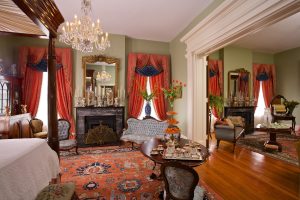
The advantage is that light bounces. In a room four or five metres across with pale walls and a normal ceiling, light entering a window is reflected off the walls and ceiling back into the space, which fills shadows, softens contrast and raises ambient well beyond what the window area alone would suggest. That is why a modest bedroom often gives better portrait light than a large grand room with the same window — and it is also why bounce flash works properly here, which it does not in a panelled club or a high-ceilinged hall. A single flash pointed at a pale ceiling is a genuinely good light source in a small domestic room.
The limitation is working distance. In a small room you cannot get far enough back for a wide shot without a very wide lens, and a very wide lens close to a face distorts it. So the practical approach is to shoot the room and the people separately: a wide frame that is about the room with people incidental in it, and tighter frames on a normal or short telephoto lens that are about the people with the room as tone and texture behind them. Trying to do both in one frame is how small-room photography fails.
A house museum’s contents are the other constraint and it is a real one. Furniture in a writer’s house is often in its documented position, textiles are fragile, and books and papers are collection items. So the assumption should be that nothing moves, nothing gets leaned on, nothing gets sat on unless explicitly offered, and no stand goes down without asking. That is not restrictive so much as clarifying: it means you plan around a fixed set, which is easier than it sounds once accepted.
Window light in a house of this period is likely to come through openings of modest size, possibly with shutters or blinds, which gives directional light with a defined edge — close to ideal for a portrait. The position to find is two or three steps back from the window rather than beside it, where the light is soft and still clearly coming from one direction.
The garden: where the day happens
An established private garden is a different proposition from a public botanical one, and better for photographs in several specific ways. It is enclosed, so it has no distant views to lose and no visitors to exclude; it is layered, because a garden made over decades has canopy, shrub and ground planting rather than a single storey; and it has paths and openings sized for people rather than for crowds, which means natural framing at natural scale.
Mature canopy is the most valuable thing in it, and in a Mississippi summer it is not an aesthetic preference but the reason the middle of the day is workable at all. Deep continuous shade under trees is soft, cool, directional towards any opening, and available for hours. It is worth locating the largest area of continuous shade on the first walk and treating it as the default portrait position.
The caution is dapple, which is the same canopy in its bad mood. Broken light through leaves puts hot spots several stops brighter than the shadows across a face, and the pattern moves with every breath of wind, so it cannot be corrected and cannot be predicted. Move into full shade, or out into open light, or wait for the sun to drop below the canopy — but do not try to photograph a face in dapple.
Green is the other thing to handle deliberately. Dense foliage bounces green onto any nearby skin, which is unflattering in a way that warm bounce from brick never is. Set a custom white balance on a face in the position you are actually using rather than trusting auto, and if there is a pale path, wall or gravel area nearby, use it as a bounce surface to put a neutral tone back.
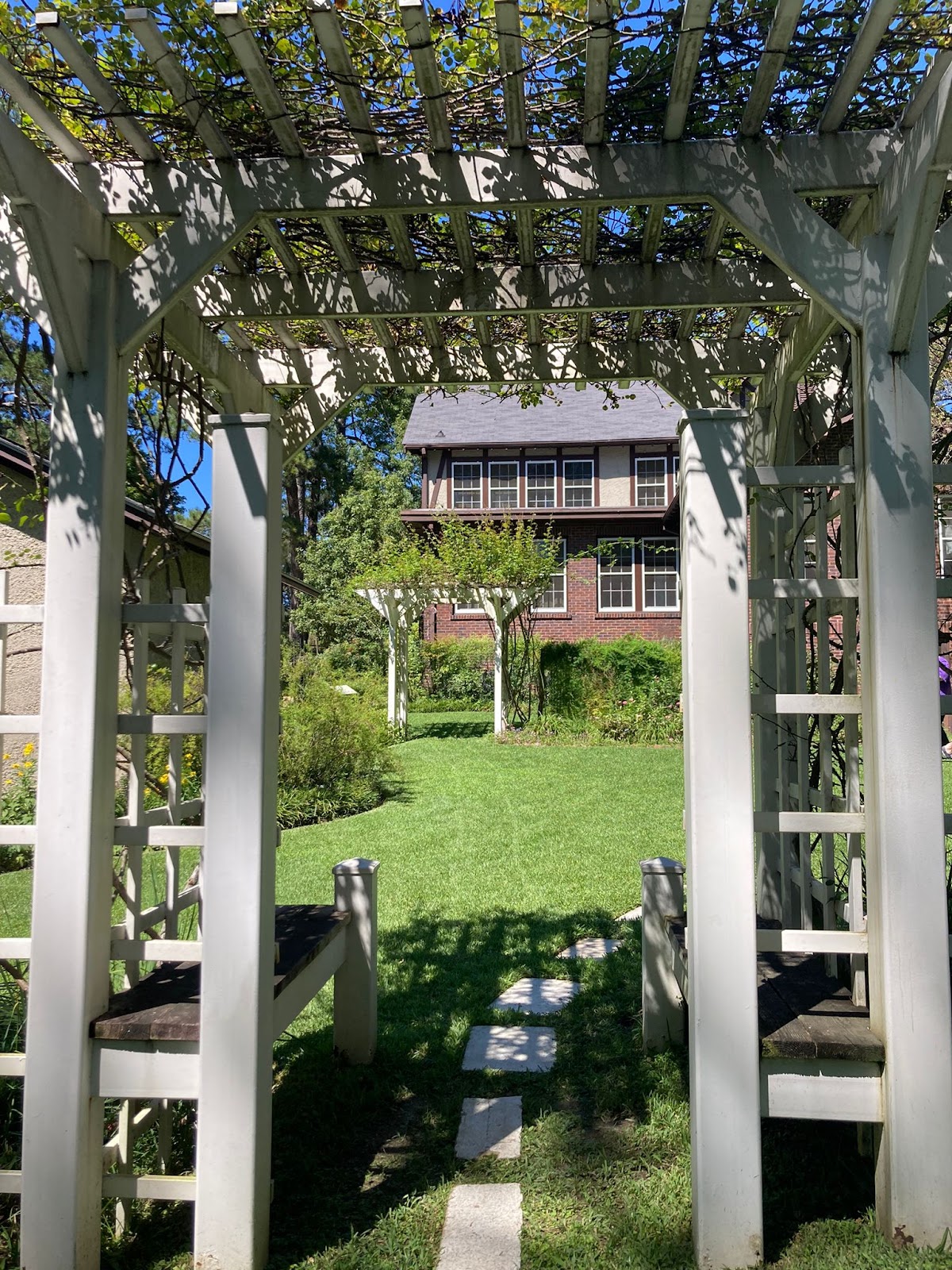
Old gardens usually have at least one built feature — a wall, steps, a gate, a bench, a path with a sight line down it — and those are the compositional anchors. A path running away from the camera with planting closing in on both sides is the reliable frame in any established garden, because it gives depth and framing in one move.
The last ninety minutes are when the garden becomes itself. Low sun coming in under the canopy backlights foliage so leaves glow rather than sit flat, rakes along walls and paths, and puts warm light on faces from the side — and because the canopy blocks the sky overhead, that light arrives as shafts and pools rather than as a flood, which is the most attractive condition a garden ever offers.
- Find the largest area of continuous shade first; it is the default position
- Never photograph a face in dapple — full shade, open light, or wait
- Set white balance on a face among planting; green bounce is unflattering
- A path with planting closing in on both sides is the reliable garden frame
- Bounce flash works properly in small pale domestic rooms, unusually
The practicalities, and a Mississippi summer
The guest limit is the question that shapes everything, because a domestic house and a private garden have real capacities and those capacities are small. A wedding that fits is intimate and lovely; a wedding that is slightly too large spends the whole day in a queue. Establish the number early and let it inform the coverage plan rather than discovering it on the day.
Group photographs need thinking about in advance here, because there may be no room indoors that takes more than a handful of people and no lawn large enough to arrange a crowd. Find the one position that will take the largest group — often a set of steps, a path or the front of the house — and know it before it is needed.
Heat and humidity are the Mississippi constraints and they bear on a garden venue more than on a hotel. Formal clothes in July in full sun are genuinely difficult, which is another argument for the canopy; insects arrive at dusk, which is exactly when the best light does; and a camera chilled by air conditioning fogs comprehensively on being carried out into warm damp air, taking many minutes to clear. Let the kit warm before it goes outside rather than stepping straight out with it.
Afternoon thunderstorms in summer are routine rather than exceptional, and at a venue whose main space is a garden that is a real planning question rather than a footnote. A small house is not a large fallback, so the honest approach is to know exactly what happens if it rains — a marquee, a covered porch, a relocation — and to have the decision time agreed in advance.
The compensation is that a garden after rain is transformed. Foliage is saturated and dark, paths hold reflections, the air is clear, and low sun coming in under a departing cloud bank gives light that no clear afternoon produces. It is worth going back out, and at a venue like this it is worth planning for the possibility rather than treating it as luck.
More frames from The Eudora Welty House
The Eudora Welty House wedding photography: common questions
What is the main thing to understand about the scale?
It is a home, not a mansion. Rooms are sized for a family, doorways for one person, and the garden was made by a person rather than a practice. That gives real intimacy and real constraints — no room takes a large group.
Does bounce flash work here?
Yes, unusually well. In a small room with pale walls and a normal ceiling, a flash aimed at the ceiling becomes a genuinely good source — which is not true in a panelled club or a high-ceilinged hall.
How do you photograph a small room?
Separately from the people. One wide frame that is about the room with people incidental, then tighter frames on a normal or short telephoto that are about the people with the room as texture. Trying to do both at once is how it fails.
What is the canopy worth in a Mississippi summer?
It is the reason the middle of the day works at all. Continuous deep shade under mature trees is soft, cool and directional — worth locating on the first walk and treating as the default portrait position.
Why avoid dappled light?
Because it puts hot spots several stops above the shadows across a face, and the pattern moves with every breath of wind, so it cannot be corrected or predicted. Full shade, open light, or wait for the sun to drop.
What should be settled before the day?
The guest limit, whether interior photography is allowed, what may be touched, and the exact rain fallback. A small house is not a large fallback, so the storm decision needs a plan and an agreed decision time.
More Jackson, MS venue guides
We are writing a photographer’s guide to every venue we would happily shoot in Jackson, MS. Here are three more, plus the full index:
- The Fairview Inn, Jackson: How the Light Moves
- The Iron Horse Grill, Jackson: Field Notes on a 1906 Warehouse
- Jackson Zoological Park: What It Suits and What It Does Not
All Jackson, MS Wedding Venues →
Planning a wedding at The Eudora Welty House?
A garden venue needs its canopy found and its rain plan agreed. Tell us your date.