 Leftbank Annex: Field Notes on an Industrial Venue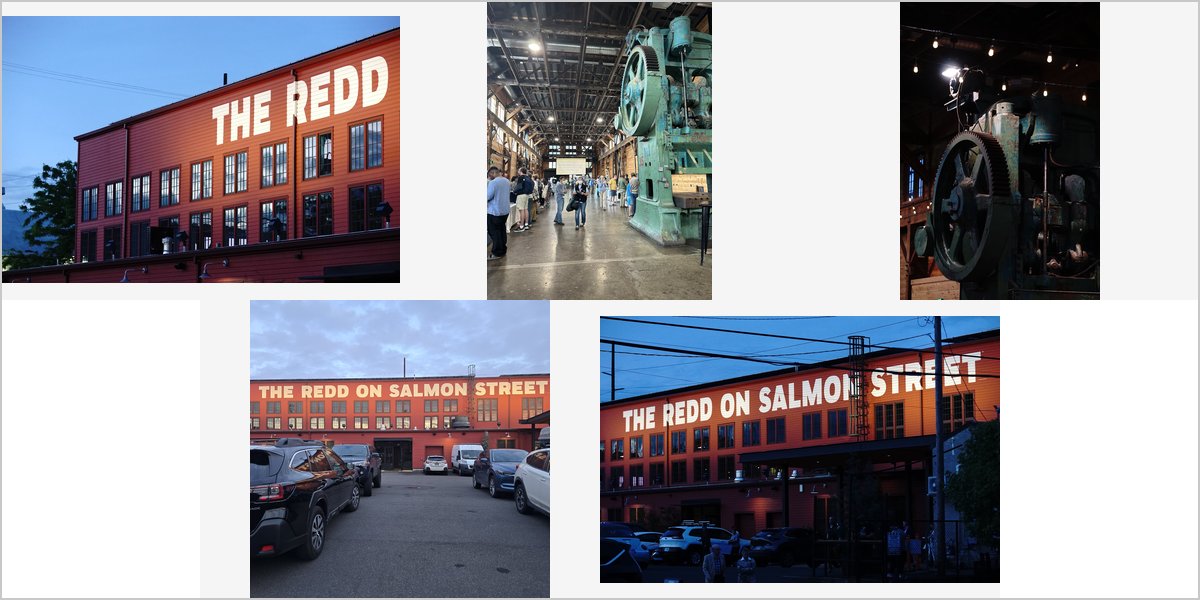
July 5, 2026
The Redd on Salmon Street: Building the Shot List
The asset here is the roll-up doors. They turn a warehouse into a room with one enormous soft light source, and the shot list should be built around them.
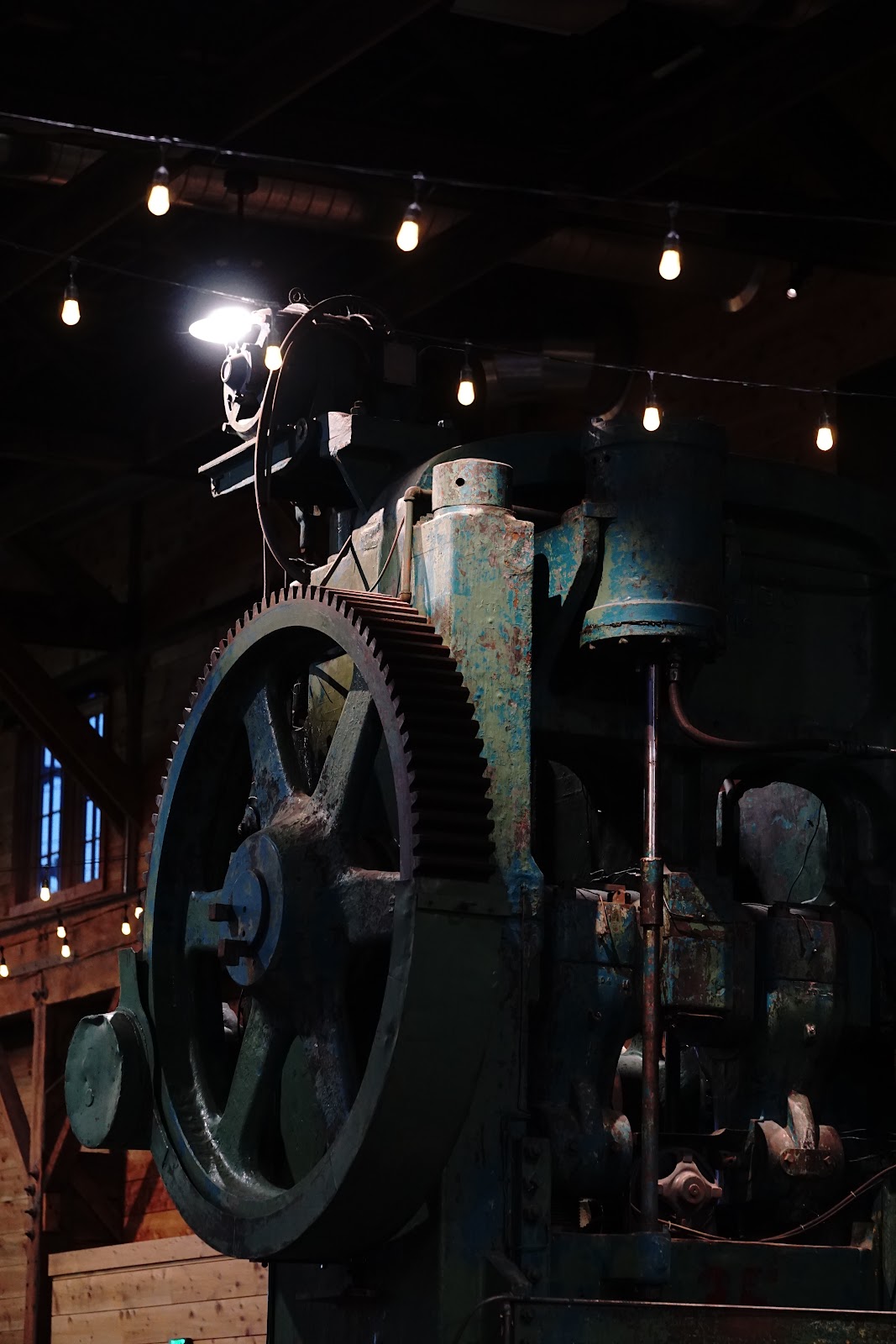
The Redd on Salmon Street occupies a pair of linked warehouse buildings on Portland’s central east side, developed by Ecotrust as a hub for regional food and farm businesses. It operates as a working building with event space inside it, which gives it a texture that purpose-built venues struggle to fake — timber structure, steel, concrete, and the general air of a place where things are actually made.
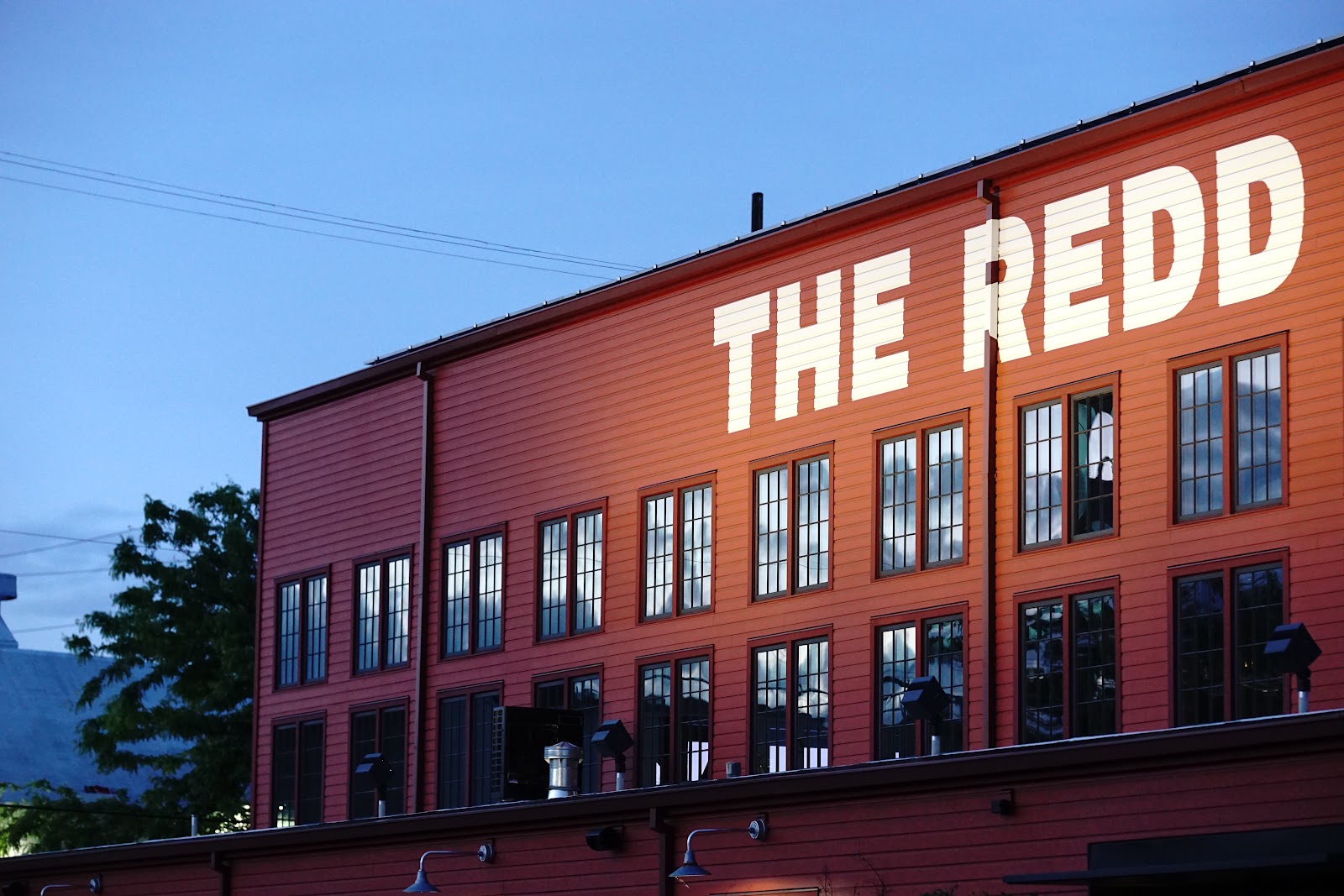
The photographic character comes from three features: heavy timber and steel structure overhead, large roll-up industrial doors, and an interior deep enough that the middle of the room gets very little daylight. Those three facts determine where every good frame in the building is.
This guide is organised as a shot list, because in a large open venue the useful planning question is not what the room looks like but where specifically you stand. We have not photographed a wedding here, and the room’s configuration, capacity and what the venue permits are for their team — particularly rigging and power, which matter in any converted warehouse.
The Redd on Salmon Street at a glance
| Where | SE Salmon Street, central east side, Portland, Oregon |
| Character | Two linked converted warehouses; a working food and farms hub with event space |
| Structure | Heavy timber and steel, concrete floors, large roll-up industrial doors |
| Light | Excellent near the open doors, very little in the centre of the room |
| Ask first | Whether the roll-up doors can be open on your date, plus rigging and power |
Why the roll-up doors decide everything
An open roll-up door is, optically, a softbox several metres across. Light comes through it broad, directional and already diffused by the sky, and it falls off quickly as you move deeper into the building. That falloff is the useful part: it means you can stand a couple three metres inside the door, have beautifully lit faces, and have the background go dark without doing anything at all.
That is the highest-value frame in the building and it costs nothing. It is also the frame that disappears if the doors are closed, which is why whether they can be open on your date is the first question to ask. In Portland’s wet months the answer may be no, and the whole lighting plan changes accordingly.
The second thing the doors give you is a frame within a frame. Shooting from outside in, or from deep inside out, uses the door opening as a hard graphic border around the subject — the kind of compositional edge that raw warehouse interiors otherwise lack entirely.
The shot list, location by location
Six frames, ordered the way we would shoot them rather than by importance.
- Three metres inside an open roll-up door. Couple turned toward the opening, background falling into darkness. The single best light in the building.
- The door as a frame. Shot from outside looking in, or inside looking out, using the opening as a graphic border. Works in both directions and at any time of day.
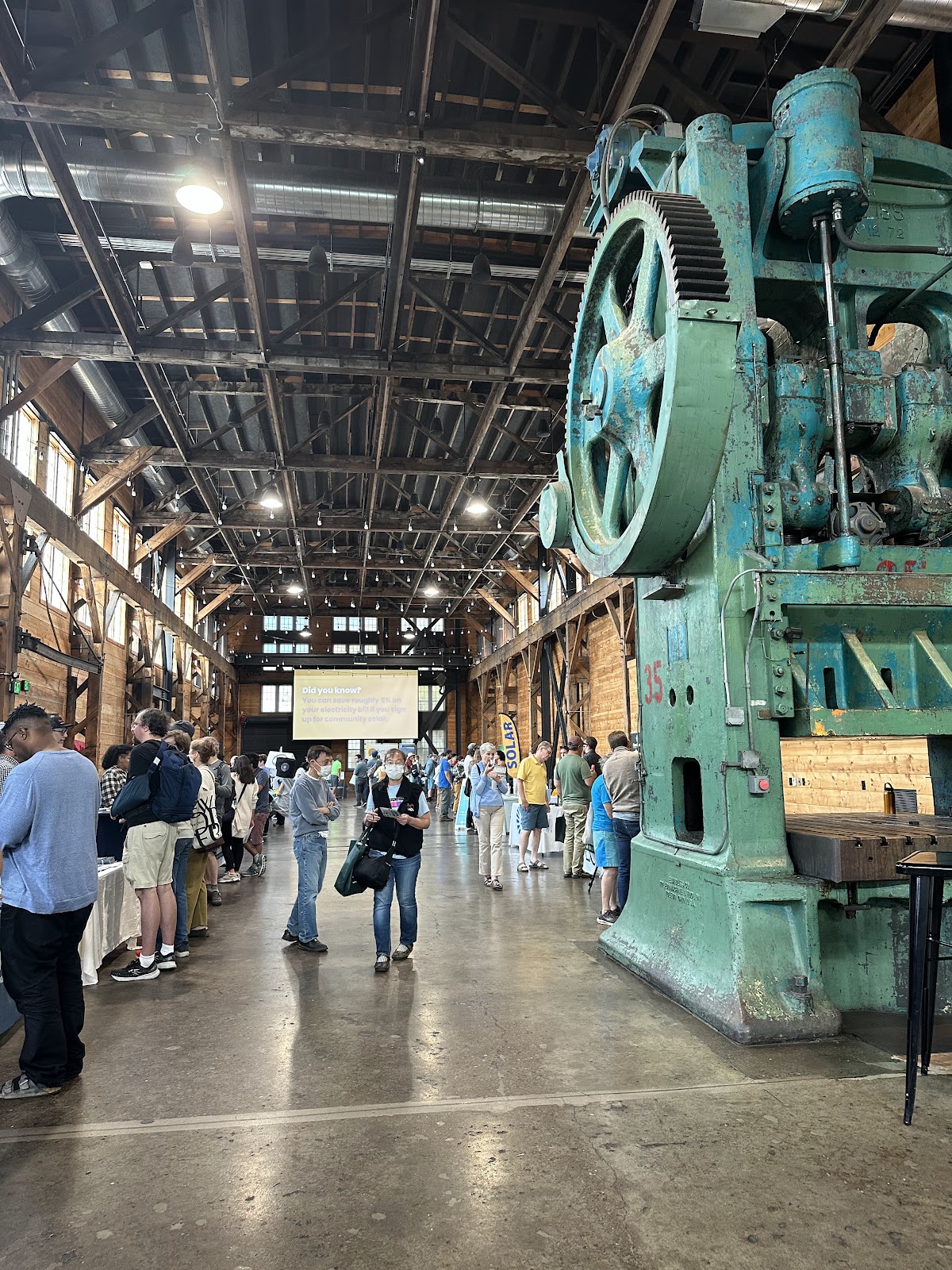
- Looking up at the structure. Heavy timber and steel overhead is what distinguishes this from a function room. Include it deliberately in at least one wide frame with the couple small below.
- The long interior perspective. Warehouses are deep. Shoot down the length of the room with a longer lens to compress the structure into repeating layers.
- Concrete floor reflections. Polished or sealed concrete returns light and colour from festoons and windows. Shoot low and use the floor as a second image.
- The industrial street outside. Central east side means brick, loading bays, rail and bridges within a short walk, all permission-free. Twenty minutes buys real gallery variety.
Lighting the middle of the room after dark
The centre of a deep warehouse is the hardest place to photograph in any venue of this type, and it is exactly where the tables and dancefloor go. Away from the doors there is little daylight, and after dark there is essentially none beyond whatever has been installed.
So the evening look is a planning decision, not a camera decision. Festoon strings under a timber ceiling are the standard answer and they work extremely well — warm, even, and physically visible in frame as points of light, which gives a photograph depth. Uplighting on the timber columns emphasises structure. Candles on tables give the close-range warmth that big rooms otherwise lack.
From the camera side, plan for two off-camera flashes, gelled warm to sit inside the festoon colour, with one behind the dancefloor as a rim light. High ceilings mean bounce is not available, so light is direct and modified. And set white balance manually — mixing warm festoons with daylight from a still-open door is a two-temperature problem that auto white balance handles badly.
Timeline notes specific to this building
Two things about a working building are worth planning around. First, it is a working building: other tenants, deliveries and daytime activity are part of the environment, and access to particular spaces may be time-bound. Confirm when the event space is genuinely yours.
Second, the good daylight is directional and therefore time-bound. Which doors face which way determines whether your best light is at eleven in the morning or six in the evening, and that is worth establishing on a site visit rather than guessing. If the main opening faces west, late afternoon is transformative; if it faces north, the light is beautifully consistent all day but never dramatic.
Either way, put the couple’s portraits near an open door while there is still daylight, and do not save them for after the meal. Once the doors are closed and the sun is down, the building becomes an entirely artificial environment, and the best thing about it is no longer available.
What works in your favour
- Open roll-up doors act as enormous soft light sources with natural falloff — outstanding portrait light
- Genuine industrial texture: heavy timber, steel and concrete that purpose-built venues cannot fake
- Door openings supply the hard compositional edges raw interiors otherwise lack
- Central east side location with brick, bridges and loading bays a short walk away
- Concrete floors reflect installed lighting and give frames a second layer
What to plan around
- The centre of a deep warehouse has very little daylight and none after dark
- The best light depends entirely on whether the roll-up doors can be open — confirm for your date
- High ceilings rule out bounce flash; lighting is equipment-heavy and direct
- The evening look must be installed in advance; the room supplies no atmosphere itself
- A working building with other tenants — confirm exclusive access windows
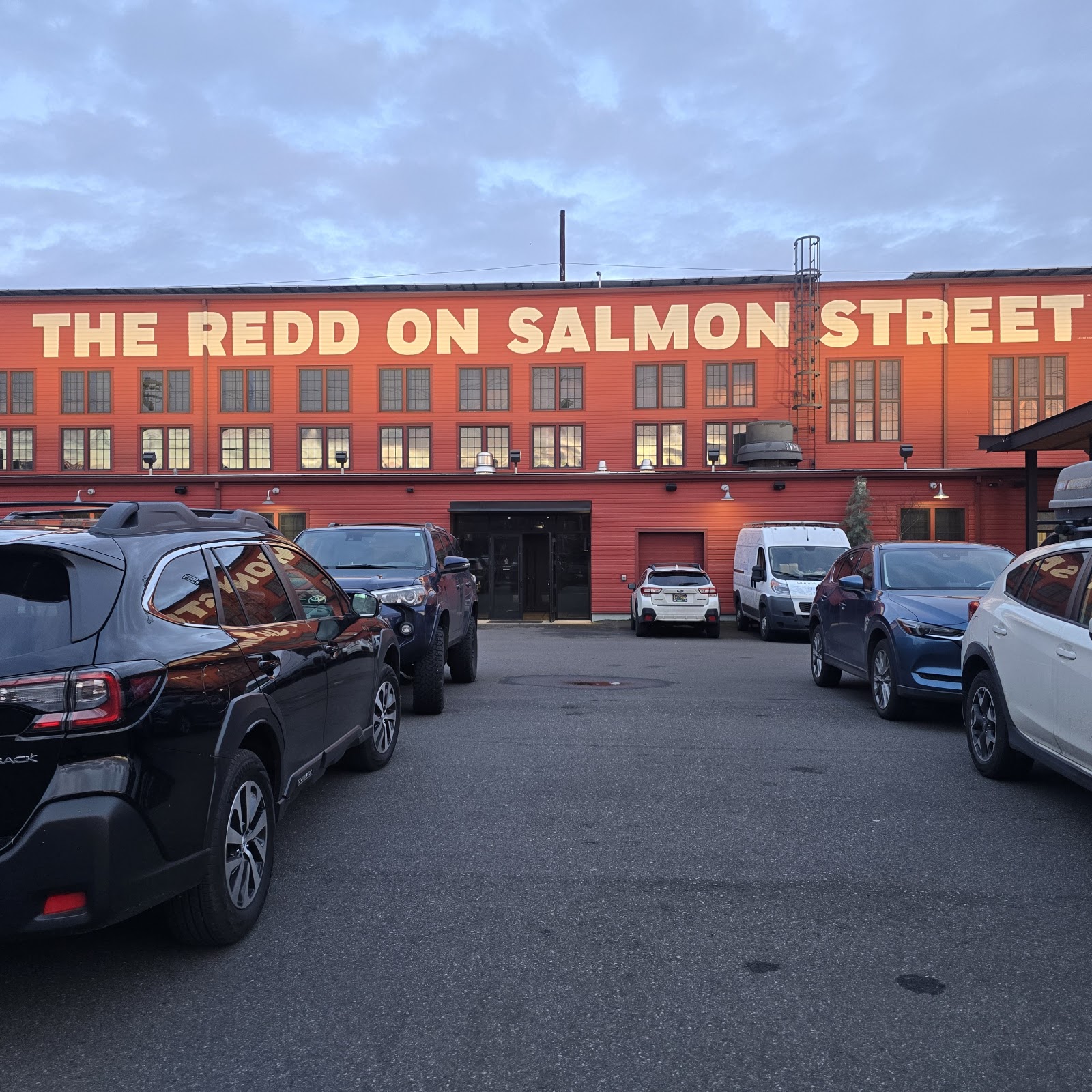
More frames from The Redd on Salmon Street
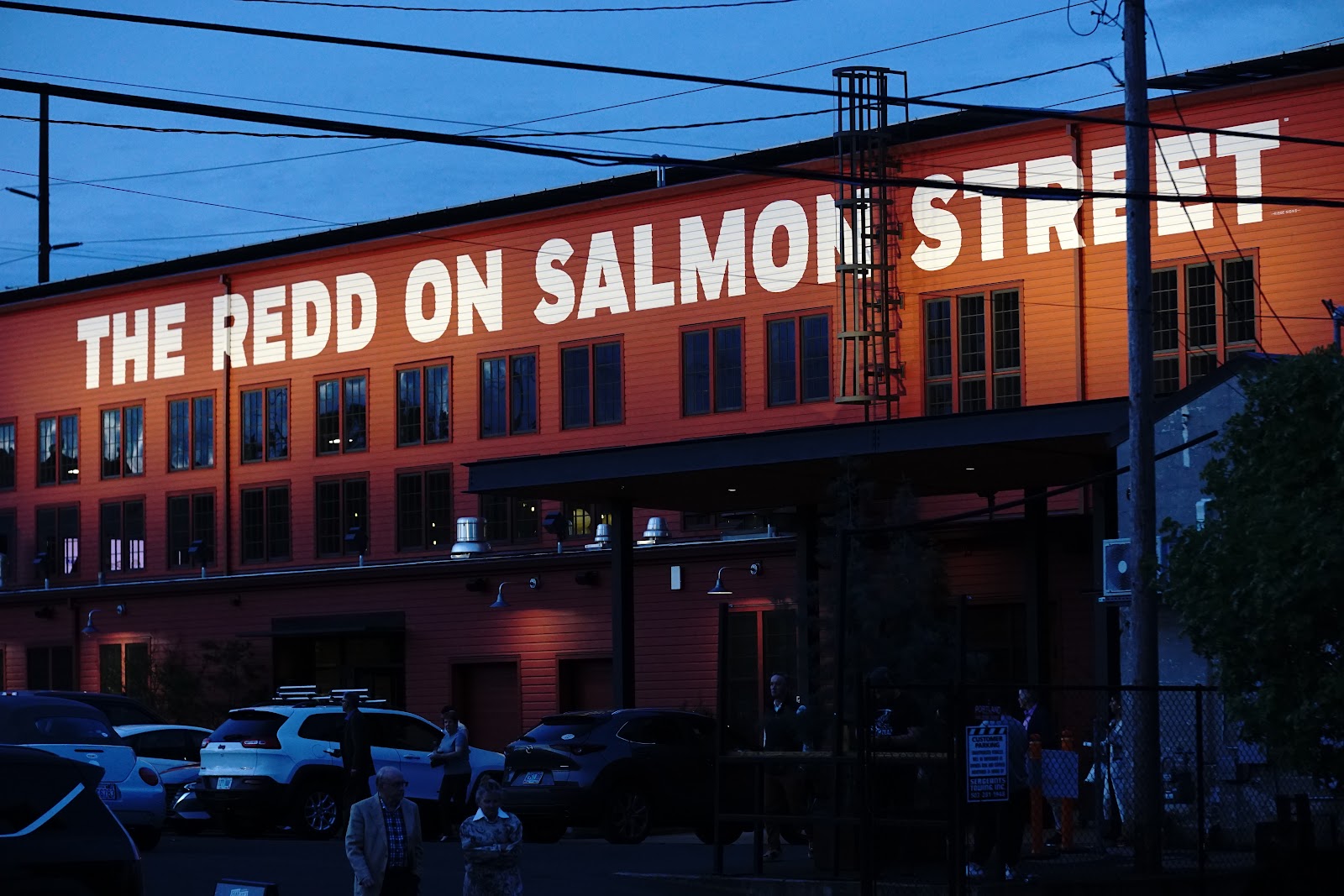
The Redd on Salmon Street wedding photography: common questions
What is the best light at The Redd?
About three metres inside an open roll-up door, with the couple turned toward the opening. The door works like a softbox several metres across, and the light falls off fast as you move deeper, so faces are beautifully lit while the background goes dark on its own. It is the best frame in the building and it costs nothing.
What should we ask the venue first?
Whether the roll-up doors can be open on your date, and where the rigging points and power circuits are. The doors are the entire natural-light plan, and in the wet months the answer may be no — which changes the lighting approach completely.
How do you photograph the middle of the room?
With installed ambient light plus your own. The centre of a deep warehouse has little daylight and none once the doors close, so festoon strings, column uplighting and table candles are what make the evening photograph well. Add two gelled off-camera flashes, one of them behind the dancefloor as a rim light.
When should the couple's portraits happen?
While there is still daylight and the doors are open. Once the sun is down and the doors are closed, the best thing about the building is no longer available and you are working in a fully artificial room. Do not save the portraits for after the meal here.
Is there variety for a full gallery?
From the building alone it is limited — structure, doors, concrete and long perspectives. The fix is twenty minutes outside: the central east side has brick walls, loading bays, rail lines and bridges within a short walk, none of which needs permission.
More Portland, OR venue guides
We are writing a photographer’s guide to every venue we would happily shoot in Portland, OR. Here are three more, plus the full index:
- Rose Test Garden Weddings: A Photographer Answers the Real Questions
- Sentinel Hotel: Reading the Light, Building the Timeline
- Ainsworth House: Who This Venue Suits, and Who It Doesn’t
All Portland, OR Wedding Venues →
Planning a wedding at The Redd on Salmon Street?
At The Redd the whole plan hinges on one answer: can the roll-up doors be open on your date? Tell us your date and we will help you find out, then build the timeline around whichever light you actually get.