 The Iowa Events Center: Four Ways Out of the Blank-Hall Problem
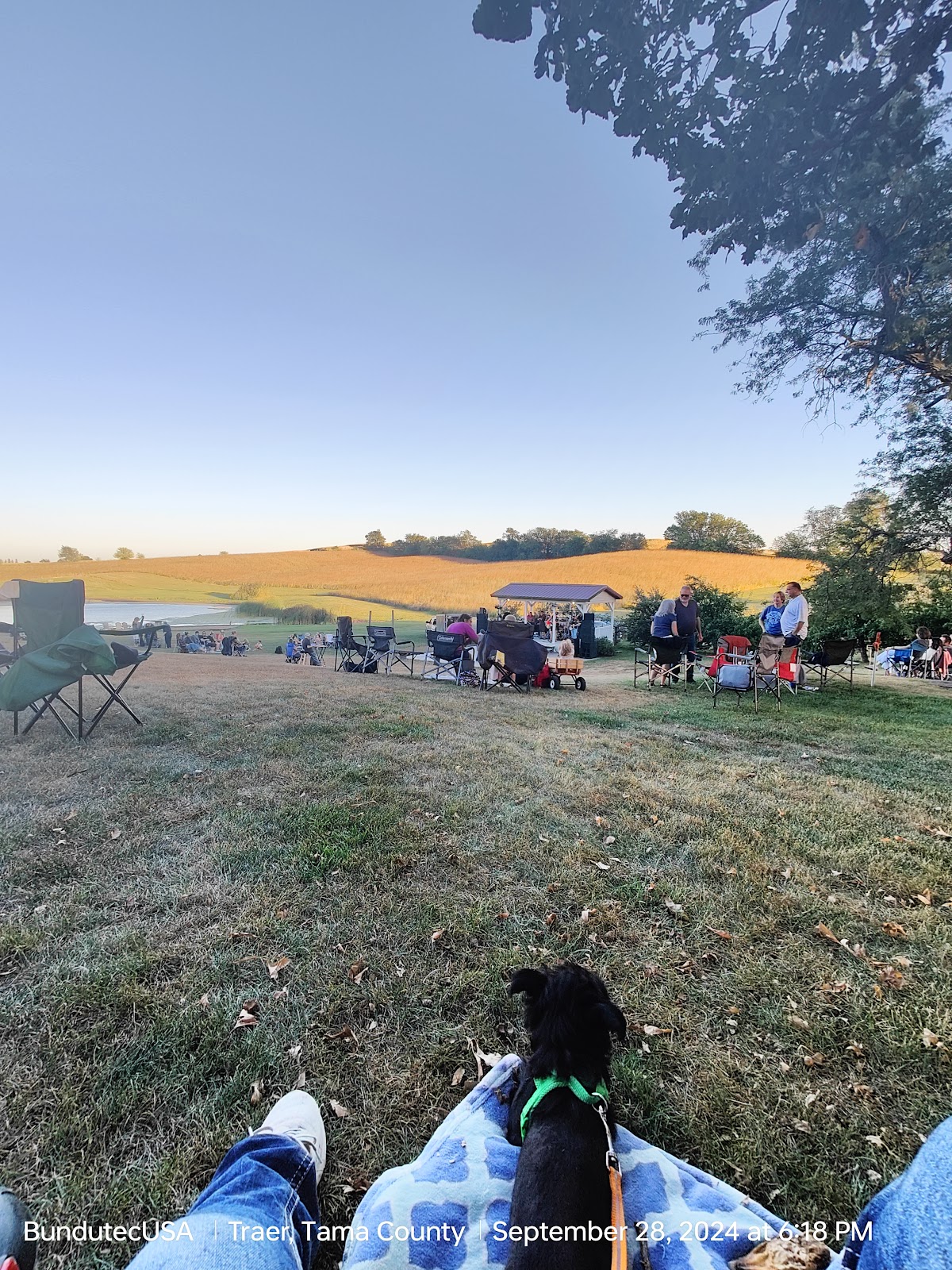
The Fox Ridge Winery, Raymond: The Problem, and Four Ways Out of It
Not a Napa vineyard. Knowing why is the whole problem.
The problem here is one of expectation, and stating it precisely solves most of it: an Iowa vineyard does not look like a Californian one, and a photographer who arrives expecting Napa will be disappointed by something that is merely different.
The difference is the grapes. Iowa winters reach temperatures that kill European wine grapes outright, so cold-climate viticulture here uses hybrid varieties — Marquette, Frontenac, La Crescent, Brianna and their relatives — bred specifically to survive hard freezes.
Those vines are trained differently and they look different. Many cold-climate hybrids have a naturally trailing rather than upright growth habit, which means they are often trained high on a single wire with the canopy falling downward — the opposite of the upright vertical shoot positioning that produces the neat waist-high hedgerows of a warm-climate vineyard.
So the rows are frequently taller, looser and more irregular, with foliage hanging rather than standing. That is a genuinely different photographic surface: less orderly, more textural, and taller relative to the people standing in it.
The second difference is the season. Iowa’s growing season is short, which compresses everything: bud break in May rather than March, flowering in June, and harvest in September rather than October. The vines are bare from November through April, which is six months of the year.
That is the honest constraint. Half the calendar has no vineyard in it at all — just rows of bare wire and trunks on open ground — and a wedding in that window needs to be planned around the buildings rather than the planting.
The third is scale. A cold-climate winery in the Midwest is typically a small operation: a few acres of vines, a production building, a tasting room and an event space, rather than an estate. That suits a small or medium wedding and it means the venue is a building with a vineyard rather than a vineyard with a building.
Raymond sits at about forty-two and a half degrees north at roughly nine hundred feet, near Waterloo in the Cedar Valley. The June noon sun reaches around seventy-one degrees, the December noon sun about twenty-four, days run from about nine hours to fifteen hours twenty-five, and civil twilight is roughly thirty-three minutes — generous.
What follows is four ways out of it. We have not photographed a wedding here; what is bookable, what the vines will look like on your date and the permitted hours are questions for the winery.
The Fox Ridge Winery at a glance
| Where | A cold-climate winery near Waterloo, in the Cedar Valley, Iowa |
| The problem | Hybrid vines trained high with trailing canopy — not a Napa hedgerow |
| The constraint | Bare from November through April. Six months with no vineyard in frame |
| The scale | A building with a vineyard, not a vineyard with a building |
| Ask first | What the vines will look like on your date |
Way one: photograph the vineyard for what it is
The first answer is to stop looking for a hedgerow and to use what a high-trained trailing canopy actually gives, which is height and texture.
A vineyard trained high on a single wire with the foliage falling downward produces something closer to a low green corridor than a waist-high hedge. That is genuinely useful: a couple walking a row is partly enclosed by foliage at shoulder height rather than standing above a knee-high crop, which solves the compositional emptiness that a short vineyard creates.
From a low camera, with hanging foliage at the lens and the couple beyond it, the frame has foreground, middle and distance rather than flat bands. That is the frame to build the day around in the leafed season.
Backlighting is the technique, as it is in any vineyard. Grape leaves are broad and translucent, and a low sun behind them lights the canopy from within — turning green to a glowing yellow-green and showing the venation. Front-lit, the same canopy is a flat green wall.
A trailing canopy backlights better than an upright one, because the hanging leaves present their faces to a low sun rather than their edges. That is a small advantage of the training system and it is worth knowing.
The rows are the compositional structure and they give the usual three frames. Down a row with a moderate telephoto, which compresses the posts and canopy into a corridor. Across the rows at an angle, which reads as rhythm and is wider and airier. And from a corner diagonally, which shows both grids and works as a wide establishing frame rather than a portrait.
The posts are worth noticing. A cold-climate vineyard on a small operation often uses timber posts rather than steel, weathered grey, and a row of those in raking light is a rhythm of verticals with real texture.
The fruit is a September subject and it is a specific one. Cold-climate hybrids include several with strikingly dark, almost black fruit — Marquette and Frontenac among them — which against yellow-green autumn foliage is a strong colour contrast that a pale-fruited variety would not give. A close frame of dark clusters on a backlit leaf is one of the better details available.
And the autumn foliage is the vineyard’s best fortnight. Grape leaves turn yellow and gold before they drop, usually in October here, and a vineyard in full autumn colour with the rows receding is the single strongest vineyard frame the site produces — better than the green season, because the colour gives the rows tonal separation that uniform green does not.
Ways two and three: the buildings, and the six bare months
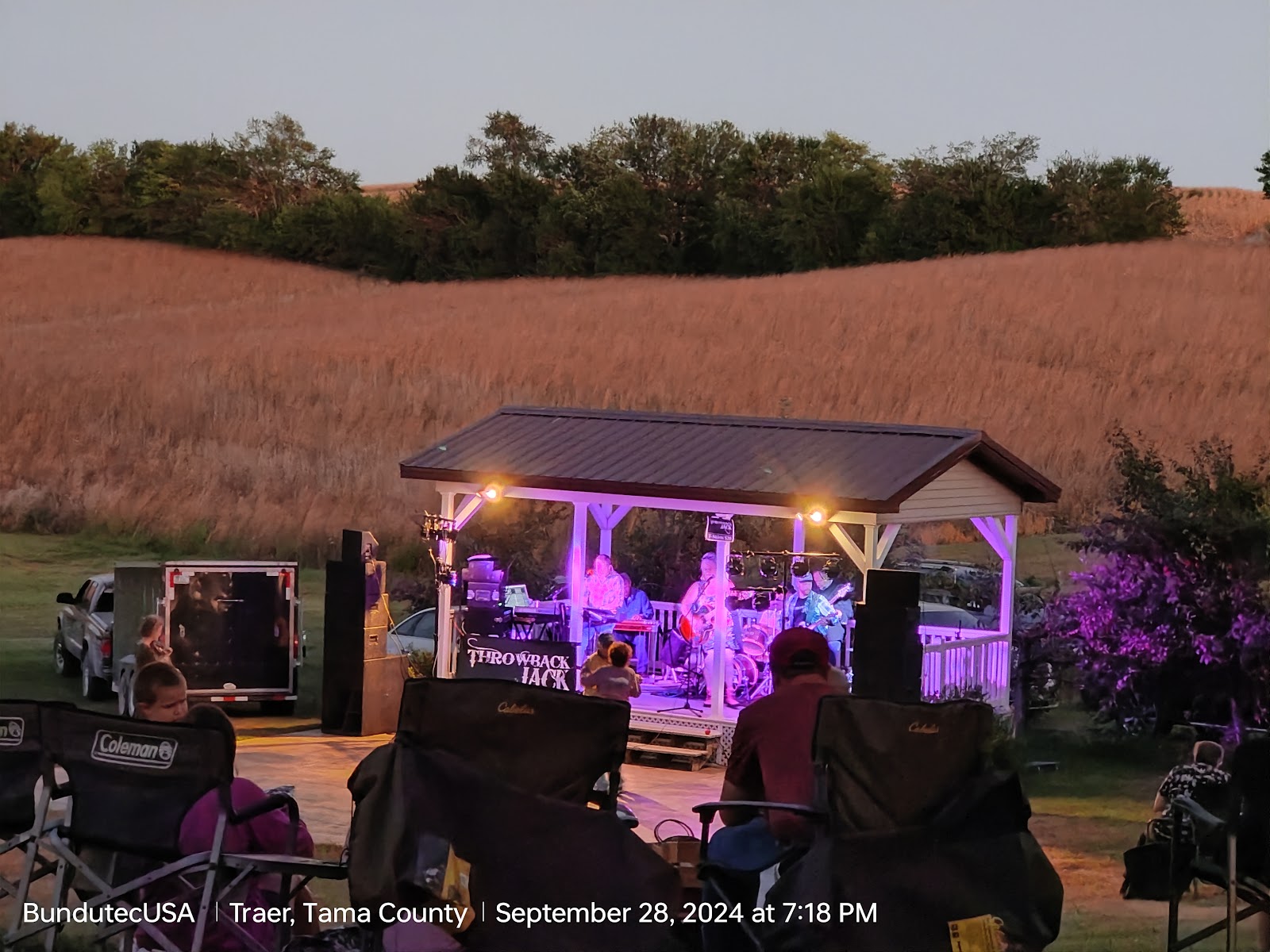
The second answer is the buildings, and at a small winery they matter more than the vines because they are available all year.
A production building is an industrial interior: tanks, barrels, concrete floors, and usually large doors for equipment access. That gives two things a photographer can use.
The large door is the first and it is the best portrait position in any agricultural building. A wide opening is optically a very large soft source with a hard mask — light enters from the open side, bounces off the floor, wraps around a subject and falls off with depth. A metre inside it the light has direction and an ideal ratio; four metres in the ratio is dramatic and the exterior has fallen four stops.
The stainless tanks are the second and they are worth thinking about rather than avoiding. Polished steel is a mirror: it will reflect the photographer, the lighting stand and the windows, and at some angles the reflection is more legible than the tank. Used deliberately, a curved tank reflecting a couple as a distorted band is a strong frame; used carelessly it shows the whole crew.
Barrels, where there are any, are the warm counterpoint — oak staves, iron hoops, and a texture that photographs well in raking light. A barrel room is usually dim and often cool in temperature, and the light is artificial and warm, which means gel to match rather than correct.
The tasting room is the domestic-scale space and it is usually the best-lit: glazing to bring people in, pale finishes, and a bar. Three or four metres in from the glass is the best unassisted light in the building, and groups arrange parallel to it rather than across the room.
The third answer is to deal with the six bare months honestly rather than pretending they are not there.
From November through April there is no canopy. The vineyard is rows of trunks and wire on open ground, and that is not a background — it is a set of horizontal lines with nothing in them.
Except that it can be. Bare vine trunks are gnarled and individual, and a row of them in raking light against snow reads as a rhythm of dark sculptural forms on white. That is a genuinely good graphic frame and it exists only in winter, and it is the opposite of what the venue markets.
Snow makes it. A vineyard under snow reduces to tone and line — dark trunks, dark wire, white ground, and the rows receding — which is a stronger composition than the same rows against brown earth. An Iowa winter provides it reasonably often.
Hoar frost is the rarer version and it is spectacular: a still, damp, freezing morning coats every wire and cane in white crystal, and a vineyard in hoar frost with a low sun behind it is as good as that landscape ever looks. It is entirely unplannable and it is worth knowing to look for.
Outside winter, a bare-vine date in spring or late autumn has neither snow nor canopy, and that is the weakest hand the venue offers. The honest answer then is that the pictures are about the buildings and whatever mature trees the property has, and the vineyard is a location to walk through rather than photograph.
- Get low and shoot through the hanging canopy — height is what this training gives
- Backlight the leaves; a trailing canopy presents its faces to a low sun
- A metre inside the production building’s large door is the best portrait there
- Stainless tanks are mirrors — use them deliberately or check them first
- Bare vines against snow are a real frame; bare vines against brown earth are not
Way four: the season, and what Iowa does
The fourth answer is the calendar, and here it matters more than at a warm-climate vineyard because the swing is so much larger.
Late September into mid-October is the best window and it is not close. Three things coincide: the fruit is on the vines and the dark hybrids are at their most striking, the foliage turns yellow and gold giving the rows tonal separation, and the wider Iowa hardwood landscape turns at the same time.
That third element is worth emphasising, because the vineyard is not the only thing in frame. Eastern Iowa is dissected till plain with real relief along its rivers, and the hardwoods in the valleys turn properly — sugar maple to scarlet and orange, oak to russet, hackberry and basswood to yellow. A vineyard with a coloured woodland behind it is a considerably better frame than a vineyard with a green one.
Iowa hardwoods also cast solid shade with no dapple, unlike the filigree canopies of drier regions, so any mature tree on the property is a workable midday position — which an open vineyard is not.
The timing shifts with the year: a warm dry autumn delays and dulls the colour while a cool wet one brings it forward and intensifies it. And harvest date moves too, since the fruit comes off when the sugars are right rather than on a calendar. Plan a fortnight either side of the first week of October and ask the winery closer to the date.
Harvest itself is worth knowing about as a scheduling matter. A small winery in September is a working operation at its busiest, and a wedding during picking may find the production building in use and the staff occupied. That is worth asking about rather than discovering.
Summer is green and long-lit, with fifteen hours twenty-five of daylight at the solstice — the most schedule room of any season. The canopy is full from July, which gives the enclosed-row frames described above.
Iowa summer humidity fills shadows: water vapour scatters light, so a sunlit row in July carries perhaps a stop and a half less contrast than the same sun angle in a dry climate. Softer shadow edges, more detail in eye sockets, a paler sky, and hazier long lenses.
It also brings thunderstorms, which for an outdoor venue means the covered alternative matters. A production building with large doors is a genuinely good rain plan — better than a marquee, because it has character — and establishing that it is available is worth doing.
Spring is the weakest season and it deserves saying so. Bud break here is not until May, so April is bare wire on wet ground, and the frost risk runs late — a hard May frost can damage a vineyard and the rows will show it. The one asset is the two weeks before the woodland canopy closes, when spring ephemerals appear on any wooded part of the property.
Winter is short on light — about nine hours in December — and frequently flat grey, which is soft on faces and gives the landscape nothing. Its assets are the snow frames above, the hoar frost if it happens, and the buildings, which do not care.
Civil twilight here runs about thirty-three minutes, among the longer figures in this library, which makes the blue hour a genuine working session rather than a scramble. The frame worth scheduling is the production building or tasting room lit from within with bare or leafed rows in front of it, fifteen to twenty minutes after sunset — and in December that lands around five, comfortably before the reception.
More frames from The Fox Ridge Winery
The Fox Ridge Winery wedding photography: common questions
Why doesn't this look like a Californian vineyard?
Iowa winters kill European wine grapes, so the vines are cold-hardy hybrids — often trained high with trailing canopy rather than as upright waist-high hedgerows.
What does that give a photographer?
Height. A high-trained trailing canopy is closer to a low green corridor, so a couple in a row is partly enclosed rather than standing above a knee-high crop.
When is the vineyard bare?
November through April — six months. A date in that window is about the buildings, unless there is snow.
Are bare vines usable at all?
Against snow, yes. Dark gnarled trunks and wire on white ground reduce to tone and line, which is a stronger composition than the same rows on brown earth.
When is the best window?
Late September into mid-October. The dark hybrid fruit, the yellow-gold vine foliage and the Iowa hardwood colour all coincide.
Is harvest a scheduling issue?
It can be. A small winery in September is at its busiest, and a wedding during picking may find the production building in use and staff occupied.
More Iowa venue guides
We are writing a photographer’s guide to every venue we would happily shoot in Iowa. Here are three more, plus the full index:
- The University of Iowa Memorial Union: The One Decision That Governs Everything
- The Quad Cities Waterfront Convention Center: The One Decision That Governs Everything
- The Cedar Valley Sportsplex, Waterloo: One Frame, and How It Is Made
Planning a wedding at The Fox Ridge Winery?
A vineyard that knows what winter is. Tell us your date.