 The Tlaquepaque Arts Village, Sedona: Field Notes on Courtyards
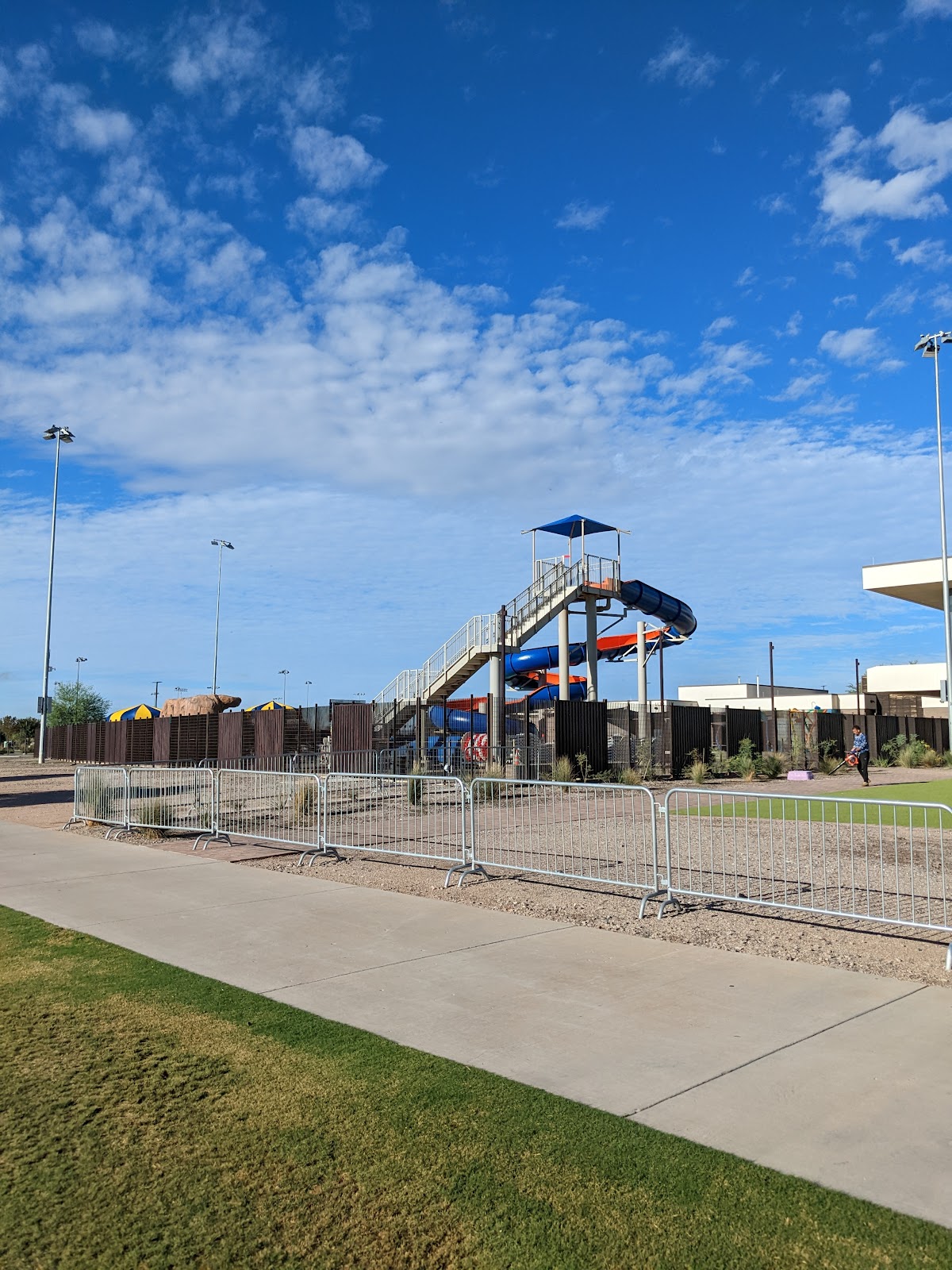
Copper Sky, Maricopa: The One Decision That Governs Everything
One decision: the hour. Everything else follows from it.
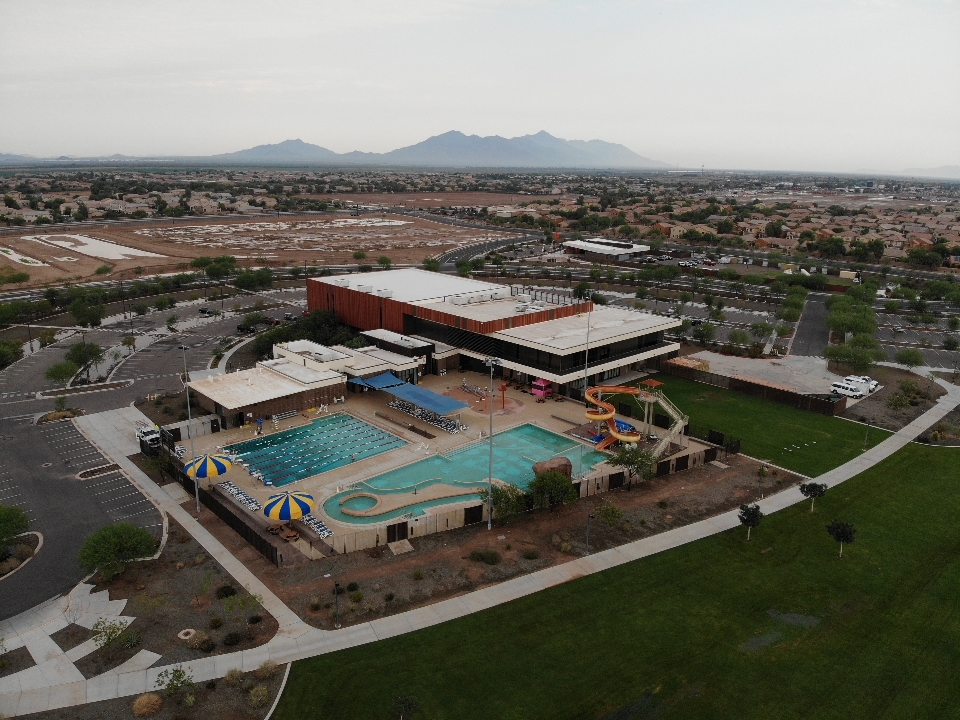
Some venues offer a choice of rooms, a choice of gardens, a choice of backgrounds. A modern municipal complex on open desert ground offers something simpler and harder: a choice of hour.
The decision is the schedule, and on a site like this it is not one factor among several — it is the factor that determines whether the pictures work at all. Every other variable is downstream of it.
The reason is the combination of two things. A contemporary municipal building is clean, geometric, hard-surfaced and largely unshaded — plazas, lawns, paving, glass, metal — which means it has no soft middle ground to retreat into. And the Sonoran Desert has no natural shade to supply one, because palo verde and mesquite have millimetre-scale leaves and open branching that produce a fine hard dapple rather than cover.
Put those together and you get a site where the sun’s angle is the entire lighting condition. There is nowhere to hide from a bad hour and nothing to soften a good one.
Maricopa sits at about thirty-three degrees north at roughly twelve hundred feet, on the open desert floor south of Phoenix. The June noon sun reaches around eighty degrees, the December noon sun about thirty-four, days run from about ten hours fifteen to fourteen hours twenty, and civil twilight is roughly twenty-five minutes.
The desert air compounds it. Low humidity and minimal particulate scattering mean the direct beam arrives almost unmodified and shadows receive almost no atmospheric fill, so the difference between a lit surface and a shaded one here is wider than the same sun angle gives in a humid climate — roughly two stops wider.
We have not photographed a wedding at this venue. What is bookable, what covered space exists and what the permitted hours are, are questions for their team — and the hours question is the one that matters most.
The Copper Sky at a glance
| Where | A contemporary municipal event complex on open desert ground, Maricopa |
| The decision | Which hour. On an unshaded hard-surfaced site, nothing else compares |
| Why it dominates | No built retreat and no natural shade — the sun angle is the whole condition |
| The good hours | The first and last ninety minutes, and all day in December |
| Ask first | Bookable spaces, covered alternatives, permitted hours |
What the hour decides
Take the same plaza and the same couple and change only the time, and almost every photographic parameter changes with it.
At noon in June, with the sun at eighty degrees, the light is descending almost vertically. On a face that produces shadowed eye sockets, a bright forehead, a hard line beneath the nose and a shadow on the neck. On the paving it produces a bright even field with no shape at all, because a vertical sun casts no useful shadow and therefore reveals no texture. And on the architecture it flattens every horizontal surface and blackens every recess.
The frame at that hour is not merely difficult, it is characterless: the building’s geometry, which is its whole photographic proposition, disappears, because geometry is read through shadow and there is no shadow to read.
At six in the evening in June, with the sun at about twenty degrees, every one of those reverses. The face is modelled from the side with an open shadow and a bright catchlight. The paving has raking light across it that reveals every joint and texture. And the architecture casts long shadows that describe its own form — a colonnade becomes a rhythm of light and dark, a parapet draws a line across a wall, a stair reads as steps rather than a ramp.
That is the same place, photographed two ways, and only the hour changed. On a site with deep porches or heavy tree cover the difference would be smaller, because those provide their own condition regardless of the sun. Here there is no buffer.
The second thing the hour decides is where people can physically be. On an unshaded desert plaza in June, standing in direct sun at three in the afternoon is not just unflattering, it is untenable — and a wedding party in formal clothing will not do it for long no matter what the photographer asks.
So the hour decides the geography of the day as well as the light. A late-afternoon schedule means the whole property is available; a midday schedule means only the interior and whatever built cover exists, which on a modern municipal complex is usually a lobby, a covered entrance and a hall.
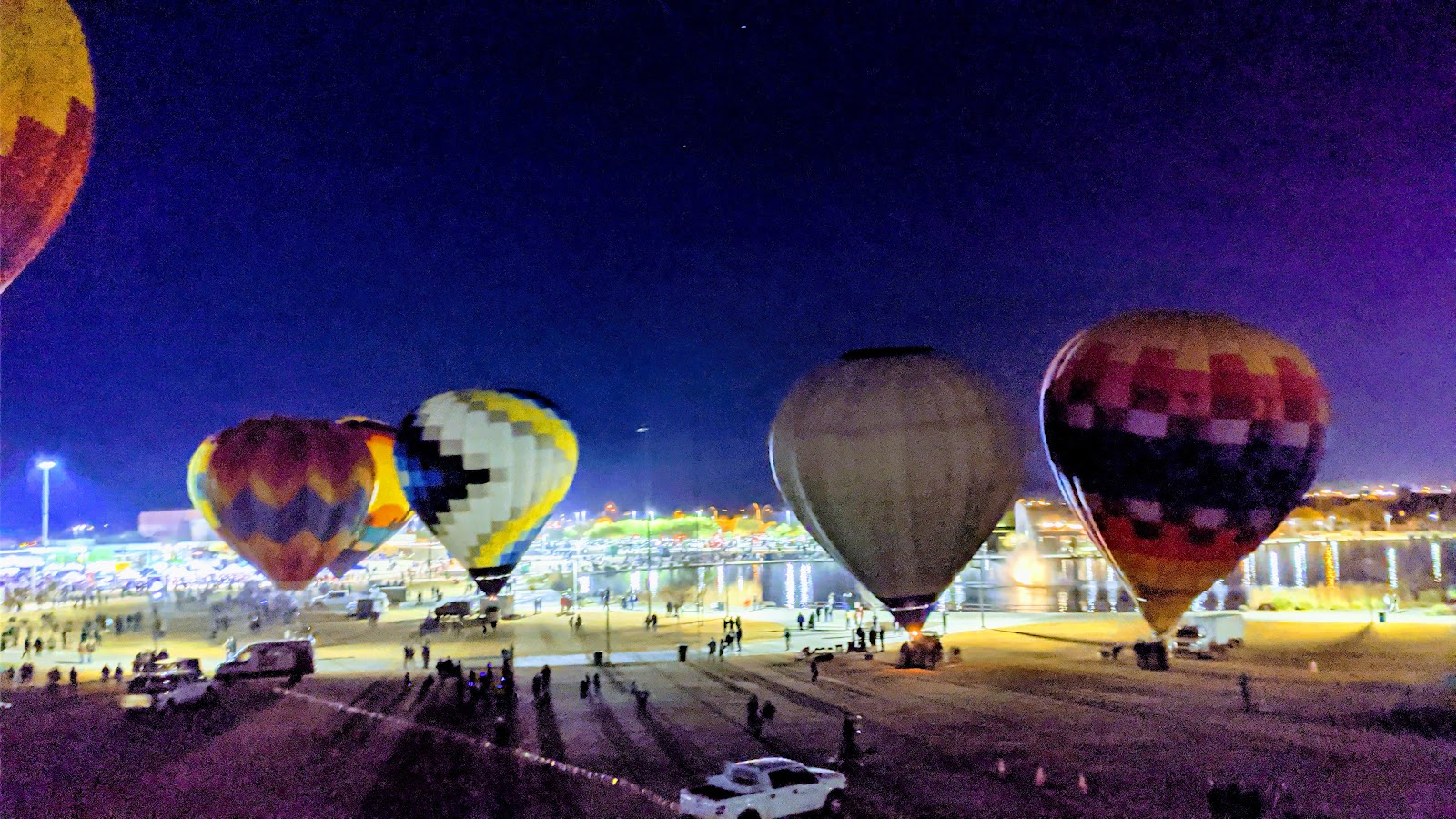
And the third thing it decides is the sky. A clear desert sky at noon is a pale washed blue near the horizon and a deep blue overhead, and photographed at a normal exposure it renders as a flat field. The same sky at twenty degrees of sun elevation has gradient, colour and structure — and after sunset, in dry dust-carrying desert air that scatters long wavelengths efficiently, it can go a saturated orange through violet across the entire western half.
On a low, horizontal, modern building the sky is a large proportion of every wide frame. Which means the hour decides not only the light on the subject but the quality of the biggest single element in the picture.
Making the decision, and living with it
The decision is easier than it sounds because the low desert’s calendar does much of the work.
From roughly November to April the question largely dissolves. The December noon sun at this latitude reaches only about thirty-four degrees, which means the sun never gets high enough to produce the overhead problem at all — the whole short winter day has directional light, the geometry reads from morning to dusk, and there is no bad hour on the property.
That is the strongest argument for a cool-season date at any open desert venue, and it is worth stating as a positive rather than as heat avoidance. A midwinter wedding here has good light continuously for ten hours, which almost no venue anywhere in these guides can offer.
The cost is that the day is short and the evenings are cool. Ten hours fifteen at the solstice, with civil twilight ending about twenty-five minutes after sunset, means the whole event compresses — and a party in light formal clothes will feel a desert night, which drops fast because dry air holds no heat.
From roughly May to September the decision becomes a hard constraint rather than a preference. Afternoon temperatures in the low desert regularly exceed a hundred and ten degrees, which for people in formal clothing outdoors is a welfare question and not a comfort one — and the honest advice is that a summer schedule on an unshaded site belongs entirely at the ends of the day.
That means a first hour and a last ninety minutes, with the middle indoors. It works, and it requires accepting that the outdoor property is unavailable for most of the event.
Within a summer schedule the monsoon is the compensation and it is substantial. From roughly July into September moisture moves north into Arizona and the daily pattern becomes clear mornings, towering convective cloud building through the afternoon, and thunderstorms in the late afternoon or evening.
That transforms the sky, which on a low modern building is most of the frame — an empty blue field becomes a structured one with genuine drama. And the half hour after a cell passes is the best light of the year anywhere in the state: washed air, wet paving reflecting the sky, saturated colour and a low sun under a broken ceiling.
It also brings the haboob, a wall of dust advancing across the desert floor ahead of a collapsing storm, sometimes thousands of feet high and visible for many miles. On open ground with a long horizon it is one of the most dramatic things in these guides. It is also entirely unplannable and it is the clearest argument for a covered alternative that genuinely exists.
February to April is the best window in the state for reasons beyond temperature. The Sonoran Desert flowers in spring: brittlebush yellow across the ground from February, Mexican gold poppy and lupine in March in a year with adequate winter rain, ocotillo putting red on the tips of its whip-like stems, and palo verde flowering a mass of bright yellow through April into May. On a modern site with desert landscaping that colour is the only organic element in an otherwise geometric frame, which makes it disproportionately valuable.
And October is underrated: the heat breaks, the monsoon has usually ended, the air is at its clearest of the year and the season has not started. There is no autumn colour in the low desert, so nothing in an October frame says October except the quality of the light — which on a clean geometric building is the whole picture anyway.
- The hour is the decision; everything else is downstream of it
- December’s noon sun is only about thirty-four degrees — the whole winter day works
- May to September belongs at the ends of the day, with the middle indoors
- Warm-gel every source: desert shade is blue, desert sun is warm
- The monsoon gives the sky, which on a low building is most of the frame
Technique on an unshaded modern site
Once the hour is chosen, the rest is straightforward and there are five things worth knowing.
Carry shade. On a site with no trees and no deep porches, a large collapsible diffuser held overhead by one person converts the sun into a big soft source and is the difference between a workable midday portrait and none. It needs a second pair of hands and it is worth arranging.
Warm-gel every artificial source. At this latitude in this dry air the sky is a deep saturated blue, which means open shade is lit by a blue source and reads distinctly cool, while direct sun reads warm. An ungelled flash on a shaded plaza puts a neutral or yellow-green face into a frame that is warm above and cold below, and it is the most common desert colour error. A warm gel of about a quarter to a half resolves it.
Use the building’s shadow rather than looking for a tree. A modern building on open ground casts a long hard-edged shadow in the afternoon, and the line where that shadow meets sunlit paving is both a practical shade and a strong compositional element. Place the subject a metre inside the line, expose for them, and the sunlit ground beyond goes bright and clean.
Watch the hard surfaces for reflected colour. Modern municipal architecture uses a lot of coloured concrete, metal panel and glass, and in strong desert sun a large coloured surface throws its colour onto anything near it. A subject standing two metres from a rust-coloured wall in full sun is being lit by a rust-coloured bounce, which can be beautiful or can look like a mistake. Look at the face rather than the wall.
And glass sets its own problem. A glass façade photographed from outside shows what is behind the camera rather than the room behind it, and at some angles the reflection is more legible than the interior. Move sideways — reflections are weakest near perpendicular — before reaching for a polariser, which helps at intermediate angles and does little at forty-five degrees.
The compositional resource on a site like this is geometry, and it rewards discipline rather than invention. Clean lines demand a level horizon: a modern building’s horizontals are the reference the eye uses, and half a degree of tilt that would go unnoticed on a rustic site is glaring here.
Symmetry is available and it is worth using once. A colonnade, a stair, a glazed entrance photographed exactly on axis with the subjects centred is a formal frame that suits the architecture, and one of them per wedding is enough.
The low horizon is the site’s unexpected gift. On open desert ground with a single low building, the camera has an unobstructed sky in almost every direction and a mountain range on the horizon in most of them — which means a frame with the subjects small, the building low, and an enormous sky above is always available and needs nothing but a wide lens and the right hour.
The dark is worth staying for. The low desert outside the metropolitan core has relatively little light pollution, and the sky on a moonless night is genuinely dark. A lit modern building against it — thirty seconds on a tripod, the interior warm, stars above — is the frame the site closes on.
More frames from The Copper Sky
The Copper Sky wedding photography: common questions
What is the one decision?
The hour. On an unshaded hard-surfaced desert site there is no built retreat and no natural shade, so the sun’s angle is the entire lighting condition.
Why does the winter work so well?
The December noon sun here reaches only about thirty-four degrees, so it never gets high enough to flatten faces or erase the building’s geometry. The whole short day is usable.
What about a summer date?
Plan it for the ends of the day with the middle indoors. Low-desert afternoons regularly exceed a hundred and ten degrees, which is a welfare matter for a party in formal clothes.
Can we shelter under a tree?
Not usefully. Palo verde and mesquite have millimetre-scale leaves and open branching, so they cast a hard dapple rather than shade. Use the building’s shadow or carry a diffuser.
Why warm-gel the flash?
The desert sky is a deep saturated blue, so open shade reads distinctly cool. An ungelled source puts a yellow-green face into a frame that is warm above and cold below.
What does the monsoon add?
Sky. On a low horizontal building the sky is most of a wide frame, and July-to-September convective cloud turns an empty blue field into a structured one.
More Arizona venue guides
We are writing a photographer’s guide to every venue we would happily shoot in Arizona. Here are three more, plus the full index:
- Desert Botanical Garden, Phoenix: What It Suits, and What It Does Not
- El Chorro, Paradise Valley: The Venue’s Own Logic
- The Farm at South Mountain, Phoenix: The Light Through the Day
Planning a wedding at The Copper Sky?
Choose the hour and the rest follows. Tell us your date.