 The Henry Clay: Lighting a 1920s Lodge Building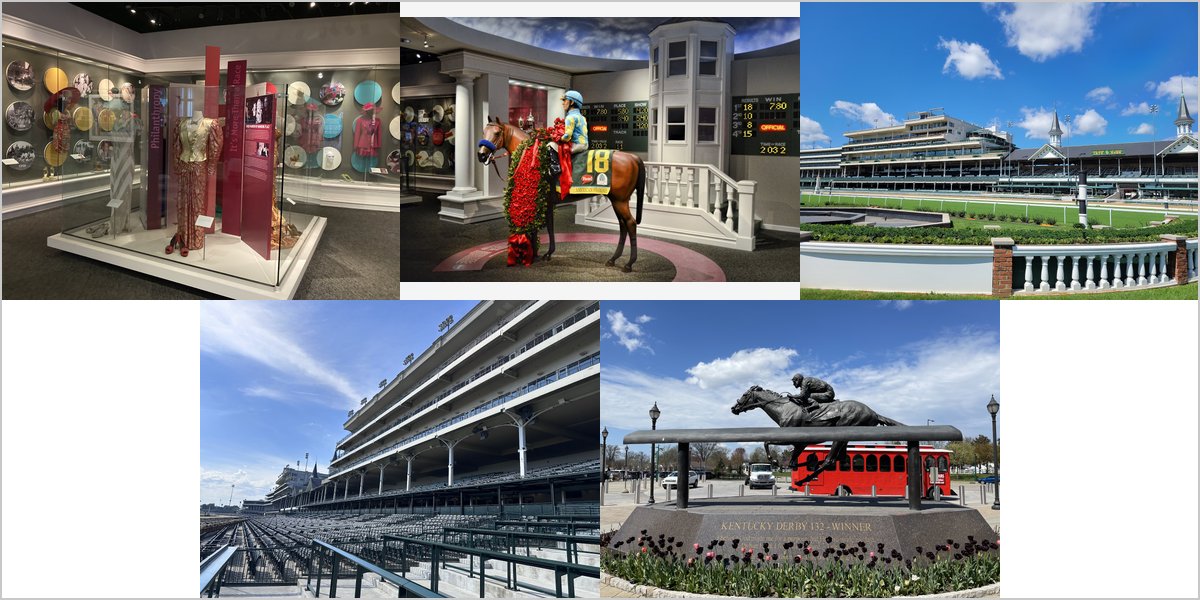
May 29, 2026
The Kentucky Derby Museum: Building the Shot List
The museum’s real asset is not inside it — it is the track access and the spires. Build the shot list outward from those and the galleries become a bonus.
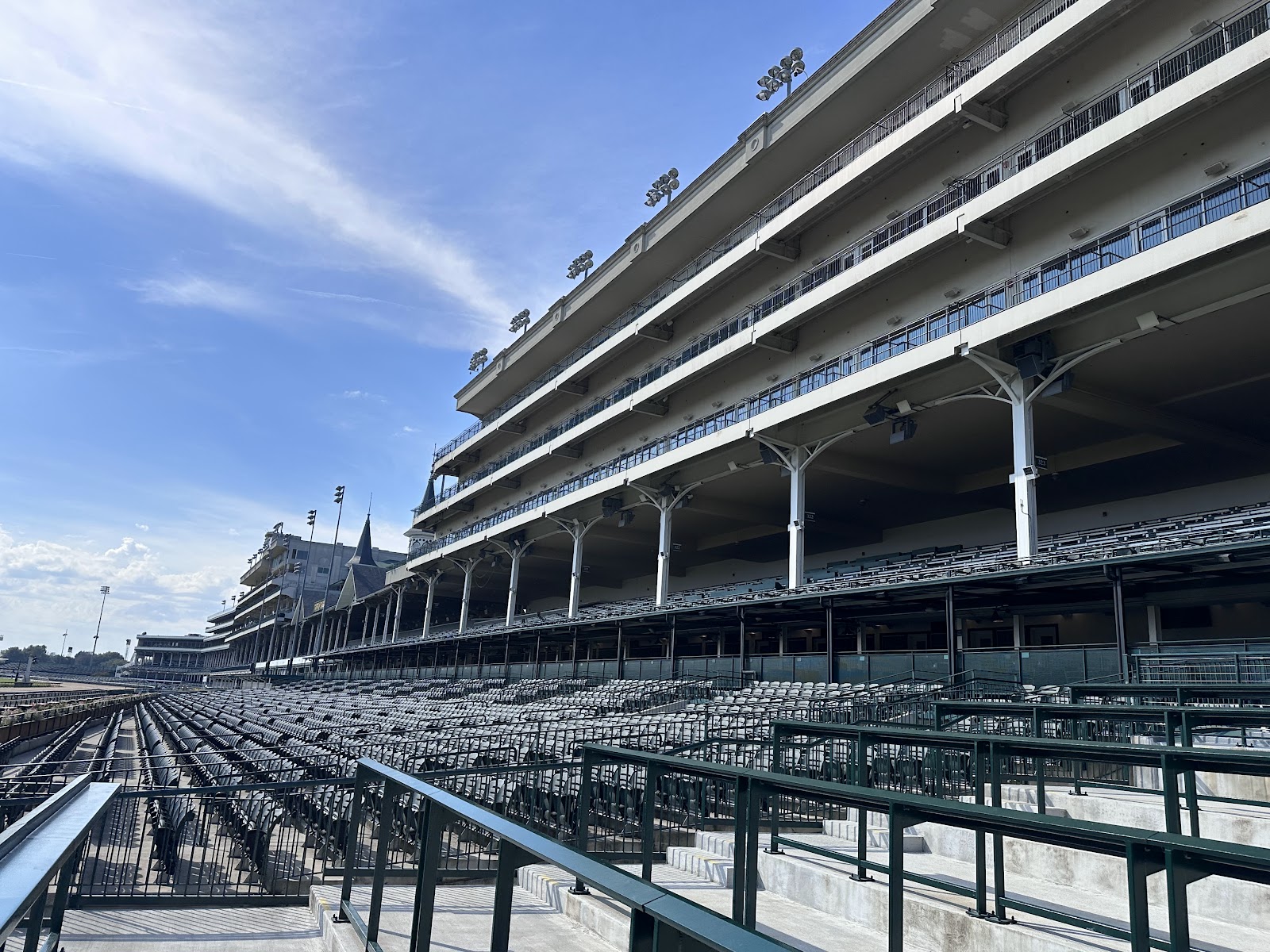
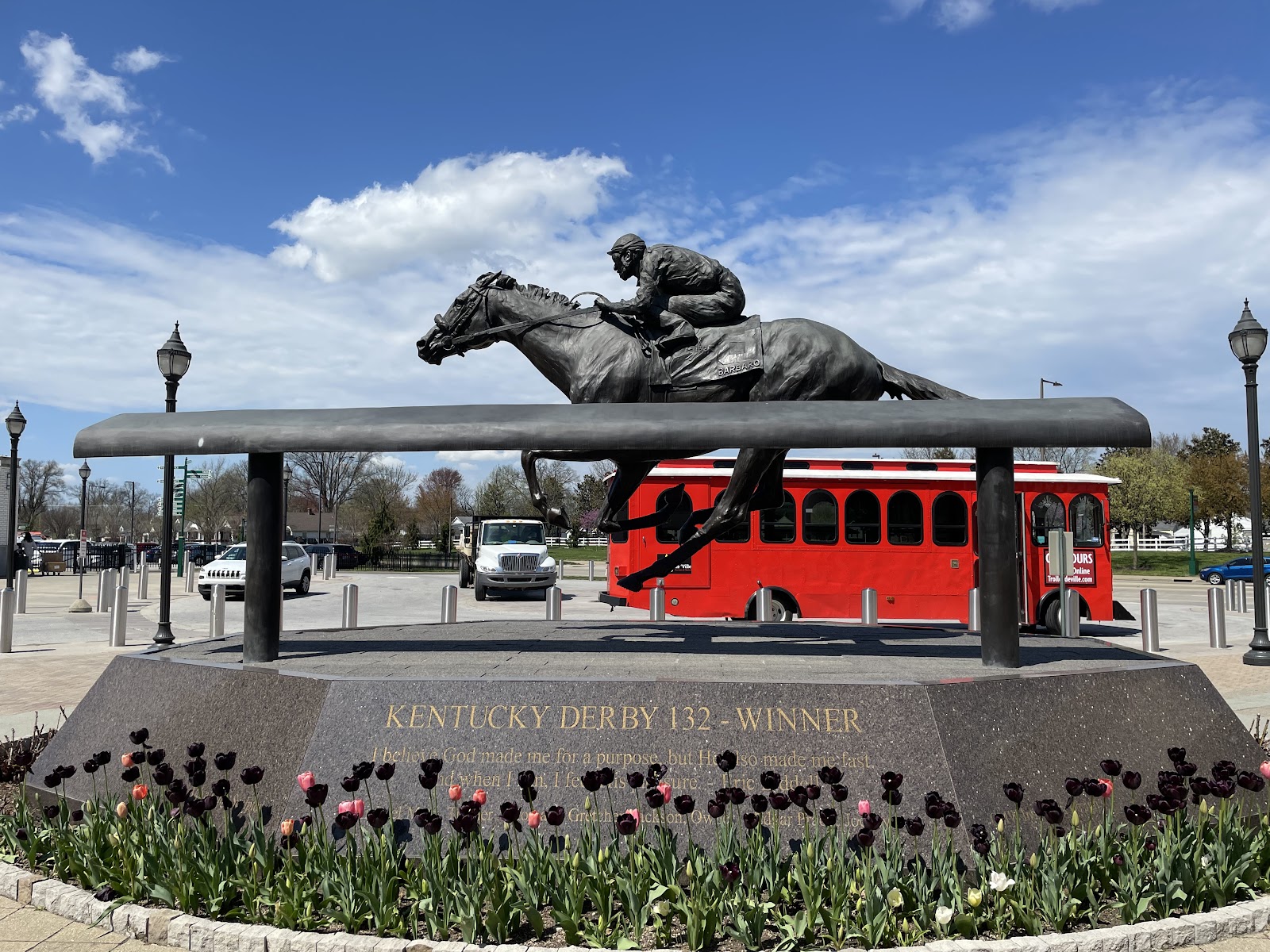
The Kentucky Derby Museum sits on the Churchill Downs grounds in Louisville, with exhibition galleries devoted to the Derby, a 360-degree theatre, and — crucially for a wedding — access to the track apron and views of the twin spires. It hosts events in its own right rather than being purely an add-on to the racetrack.
That combination is the interesting part. A museum gives you weather-proof indoor space with reliable artificial light, which solves the biggest risk at any outdoor venue. Track access and the spires give you the landmark frames that make photographs identifiable. Having both on one site, without needing to move between venues, is genuinely useful.
This guide is organised as a shot list because that is the practical planning tool here — knowing which specific frames you want makes it far easier to negotiate the access you need. We have not photographed a wedding here. Which spaces your booking includes, what track access is granted and what the racing calendar allows are for their events team, and those answers should come before the timeline is fixed.
Kentucky Derby Museum at a glance
| Where | Central Avenue, Louisville — on the Churchill Downs grounds |
| Character | Derby exhibition galleries, a 360-degree theatre, and access to the track apron |
| Light | Gallery lighting inside; wide open with no shade on the track side |
| The real asset | Track access and the twin spires, not the galleries |
| Ask first | What track access is included, and what the racing calendar permits |
Establish the access before planning anything else
The single question that determines the quality of the gallery is what track access you get and when. With apron access and a clear view of the spires, you have landmark frames that nothing else in Louisville can match. Without it, you have a museum with exhibition lighting — perfectly workable, but not distinctive.
So ask specifically: can the wedding party go onto the apron, at what time, and for how long. An operating racetrack has a calendar and safety requirements, and access on a race day is a different proposition from access in the off-season. Get it in writing rather than assuming it is implied by the booking.
Then build the timeline around whatever window you are given, rather than around the ceremony. If track access is only available at four o’clock, that is when the couple’s portraits happen, and everything else arranges itself around it.
The shot list, in priority order
Six frames. The first two are the reason to be here; the rest fill out a gallery.
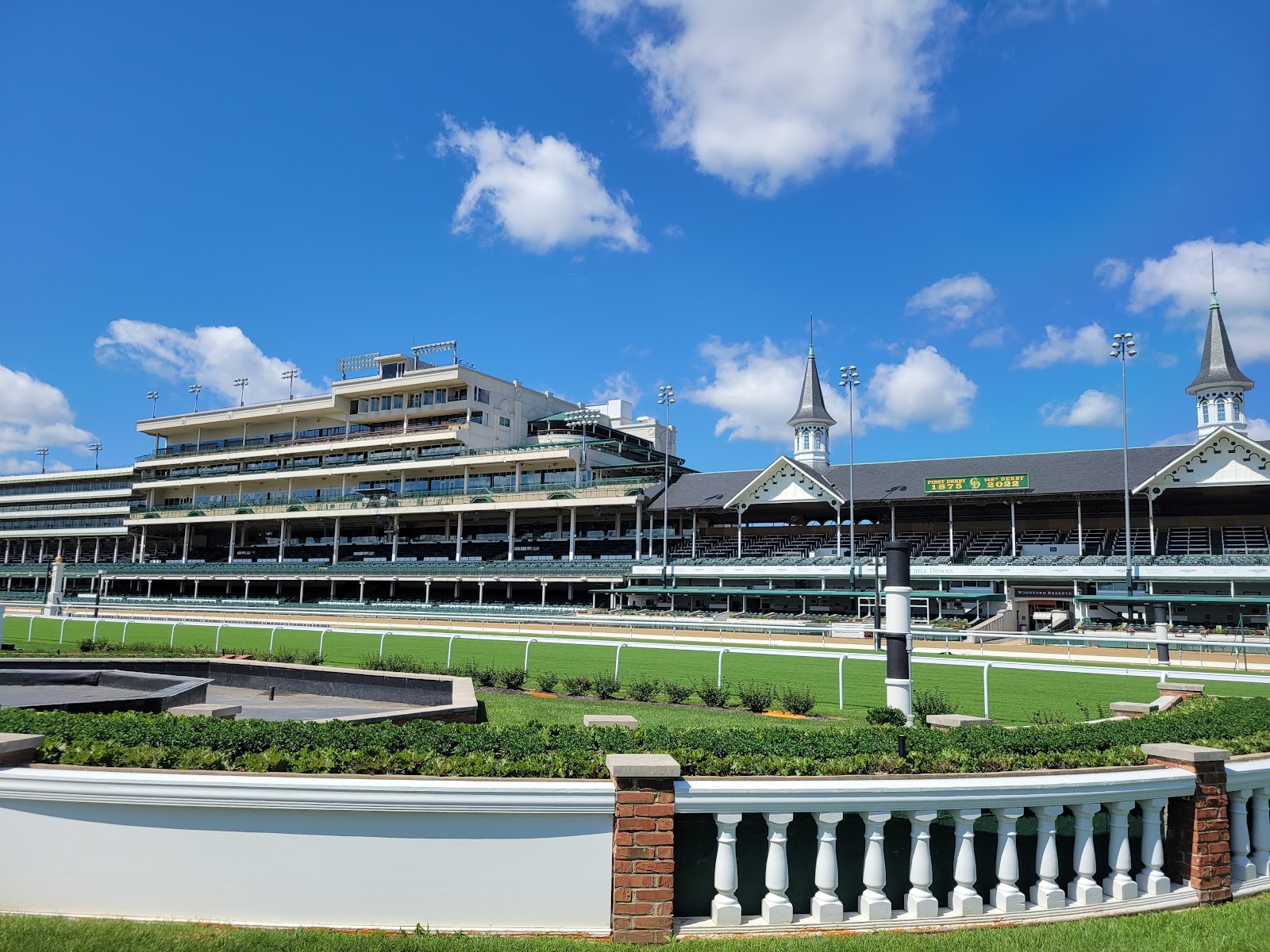
- The spires, compressed. From distance with a long lens, so the spires read large behind the couple rather than small above a roofline. Late afternoon or dusk.
- On the track apron. Low angle, long lens, the dirt and rails receding. Evening light turns the dirt warm and the horizontals become the composition.
- The 360-degree theatre. A wraparound projection space is an unusual environment — a couple standing in a room where the walls are moving image is a frame no conventional venue offers. Ask whether it can be run for you.
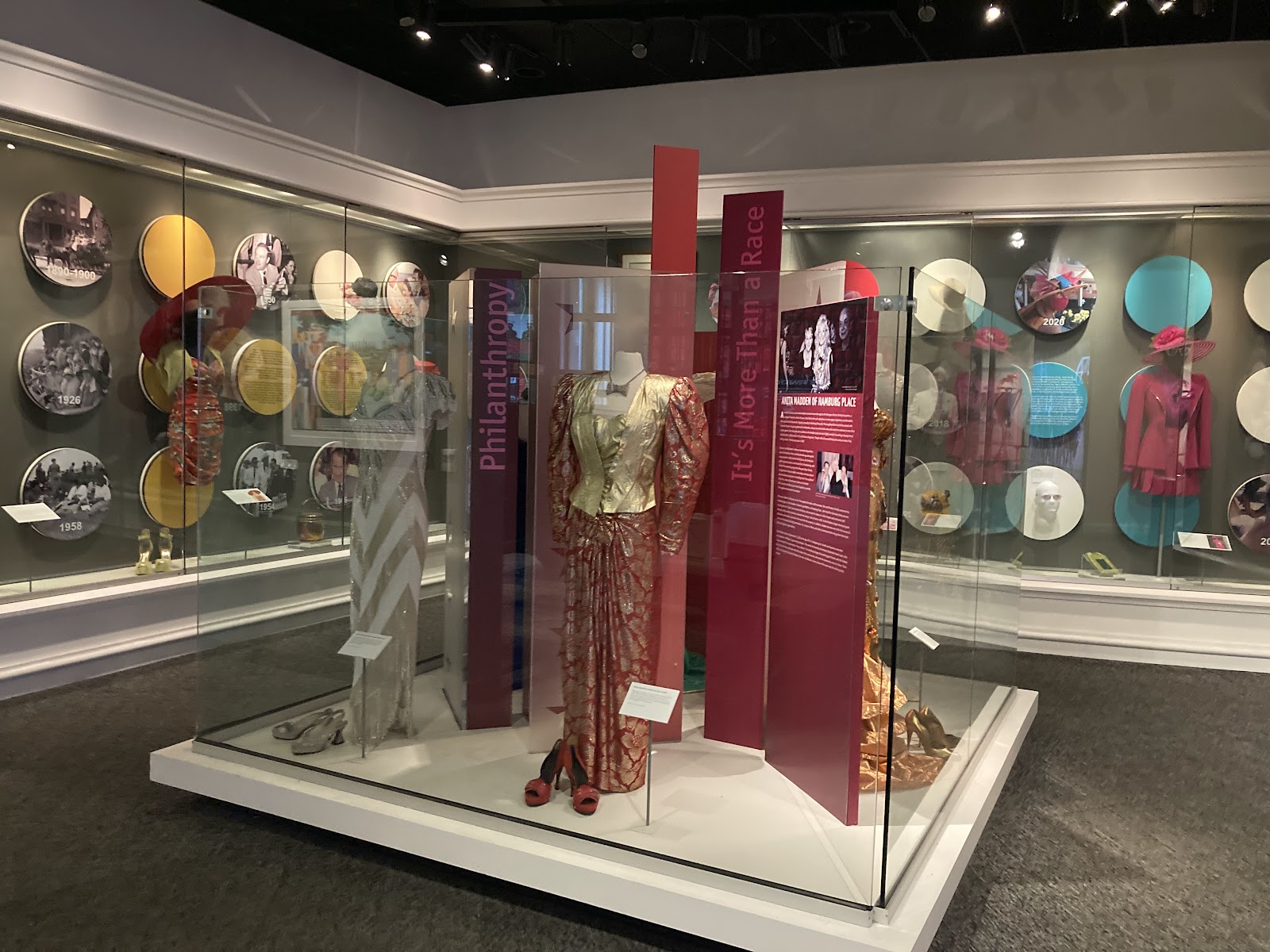
- A gallery frame with intent. One considered image using an exhibit as context, with the couple lit so they dominate. Not a series — museums rarely reward more than one.
- Architectural or atrium space. Whatever clean, high-ceilinged circulation space exists is your best interior portrait location, better than the galleries.
- The establishing exterior. The museum and grandstand together, identifying where the day happened.
Lighting the galleries, and the theatre problem
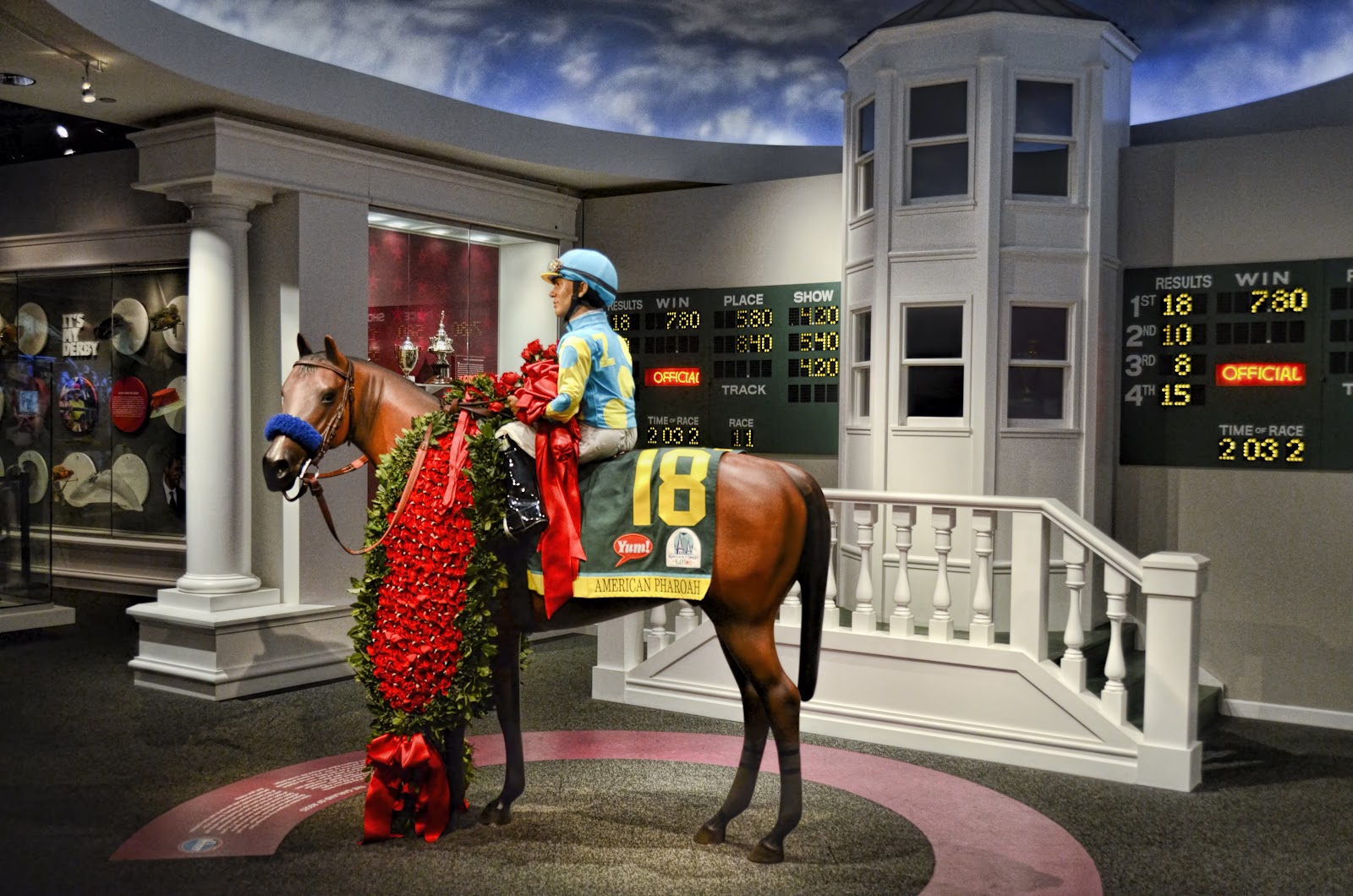
Museum galleries are lit for objects, which means tight warm pools from track fixtures with deep falloff. Stand someone directly beneath one and you get a bright forehead and dark eyes. Work at the edge of a pool so the light rakes across the face, or find where two pools overlap and the light broadens. Assume flash may be restricted near exhibits and ask before planning anything lit.
The 360-degree theatre is a different and more interesting problem. A room where the walls are projected image means the ambient light is coloured, moving and changing continuously — there is no stable exposure or white balance. The approach is to treat the projection as a background light source, expose for your subjects with your own light, and let the walls do whatever they are doing. Shoot bursts, because the projected content changes every second and one frame will be better than the rest.
If flash is not permitted in the theatre, then it becomes a high-ISO ambient exercise and you accept that skin will pick up whatever colour is on screen. That can be striking, but it should be a choice.
The track side: extreme light and no shade
The apron and track are wide open with effectively nothing overhead. In a Kentucky summer between roughly eleven and four that is the harshest light you will encounter — high sun, hard shadows, squinting, and a white dress that blows out while faces go dark under brows.
There are two workable answers and they are both scheduling answers. Either take the track frames in the last ninety minutes of daylight, when the sun is low enough to rake across the dirt and light faces from the side, or in the twenty minutes after sunset when the sky holds colour and any floodlighting comes up. Both are dramatically better than midday and neither costs anything but planning.
If a midday window is all you are given, then flash outdoors is the right call: put the sun behind the couple, expose for the sky, and light faces to bring them within a couple of stops. It is not as good as evening light but it is far better than an unlit backlit compromise.
Watch the ground, too. A dirt track is dusty in dry weather and muddy in wet, and neither is kind to a long dress. Worth flagging to the couple before they walk out onto it.
What works in your favour
- Track access and the twin spires give landmark frames unmatched anywhere in Louisville
- Weather-proof indoor space alongside the outdoor landmark — both on one site
- A 360-degree projection theatre is an environment no conventional venue can offer
- Evening light on open dirt and receding rails is genuinely distinctive
- One site means no travel time between the interior and the landmark
What to plan around
- Everything depends on track access, which must be confirmed rather than assumed
- No shade at all on the track side; midday there is the harshest light you will meet
- Gallery lighting is tightly pooled and unkind to faces; assume flash restrictions near exhibits
- The projection theatre has no stable exposure or white balance
- Dirt track means dust or mud, neither of which suits a long dress
- An operating racecourse calendar constrains dates and access windows
More frames from Kentucky Derby Museum
Kentucky Derby Museum wedding photography: common questions
What is the most important thing to confirm?
What track access you get and at what time. With apron access and a clear view of the spires you have landmark frames nothing else in Louisville can match; without it you have a museum with exhibition lighting. Get it in writing and then build the timeline around that window rather than around the ceremony.
How should the twin spires be photographed?
From a distance with a long lens, so compression makes them read large behind the couple. From close up you are looking steeply upward and they end up small above a lot of roofline. Late afternoon or the twenty minutes after sunset is when the frame is genuinely good.
How do you photograph in the 360-degree theatre?
Treat the projection as a moving background light source, light your subjects with your own flash if permitted, and shoot bursts because the projected content changes every second. There is no stable exposure or white balance in a room where the walls are moving image, so do not try to find one.
When should the track photographs happen?
The last ninety minutes of daylight, or the twenty minutes after sunset. The apron is wide open with no shade, and a Kentucky midday there produces squinting, hard shadows and a blown-out dress. If midday is your only window, use flash with the sun behind the couple.
Are the galleries worth photographing in?
For one considered frame, yes. Gallery lighting is tightly pooled and unkind to faces, and museums rarely reward a series. Use an exhibit as context with the couple lit so they dominate, then spend your time on the track and in whatever clean high-ceilinged circulation space exists.
More Louisville venue guides
We are writing a photographer’s guide to every venue we would happily shoot in Louisville. Here are three more, plus the full index:
- The Louisville Palace: Field Notes on an Atmospheric Theatre
- The Seelbach: Lighting a 1905 Beaux-Arts Hotel
- The Henry Clay: Lighting a 1920s Lodge Building
All Louisville Wedding Venues →
Planning a wedding at Kentucky Derby Museum?
Everything here hinges on track access. Tell us your date and what your booking includes, and we will build the shot list around the window you actually get — and tell you what to ask for if it is not included yet.