 The Gwen: How the Carved Relief Frame Is Actually Made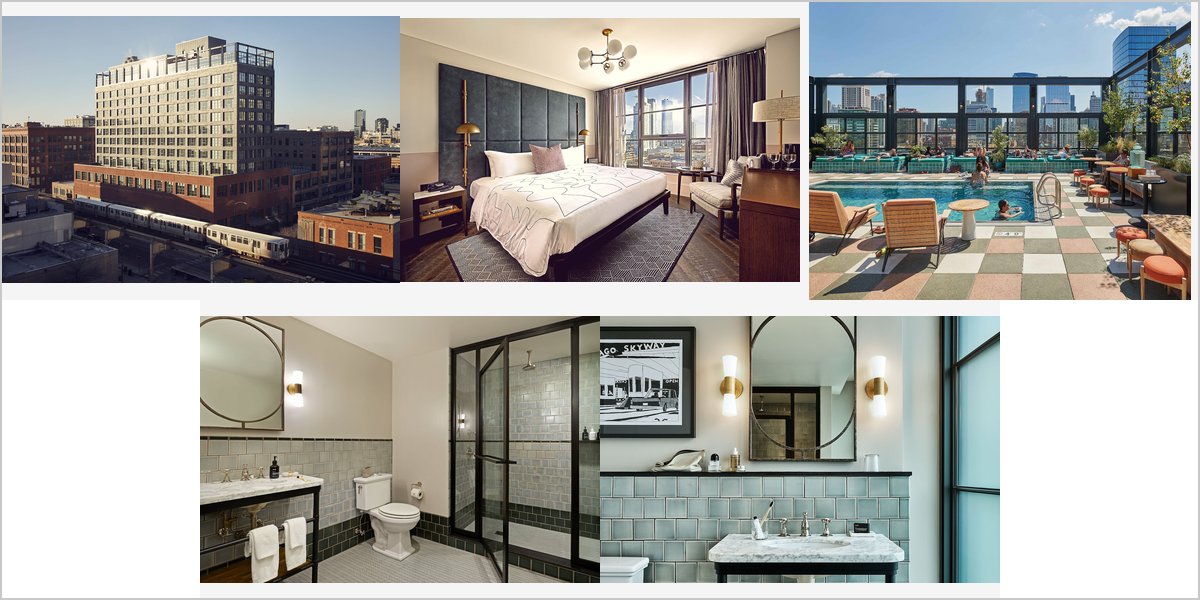
September 19, 2026
The Hoxton Chicago: Photographing a Wedding in Fulton Market
The hotel is good. The neighbourhood is the reason to book it, and it photographs unlike anywhere else in the city.
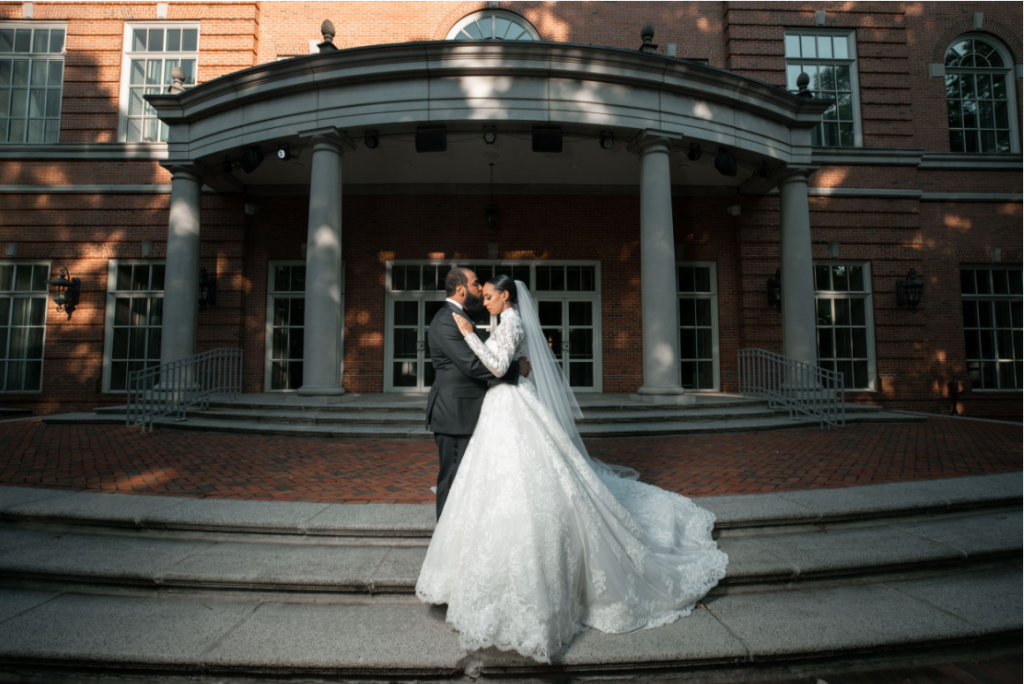
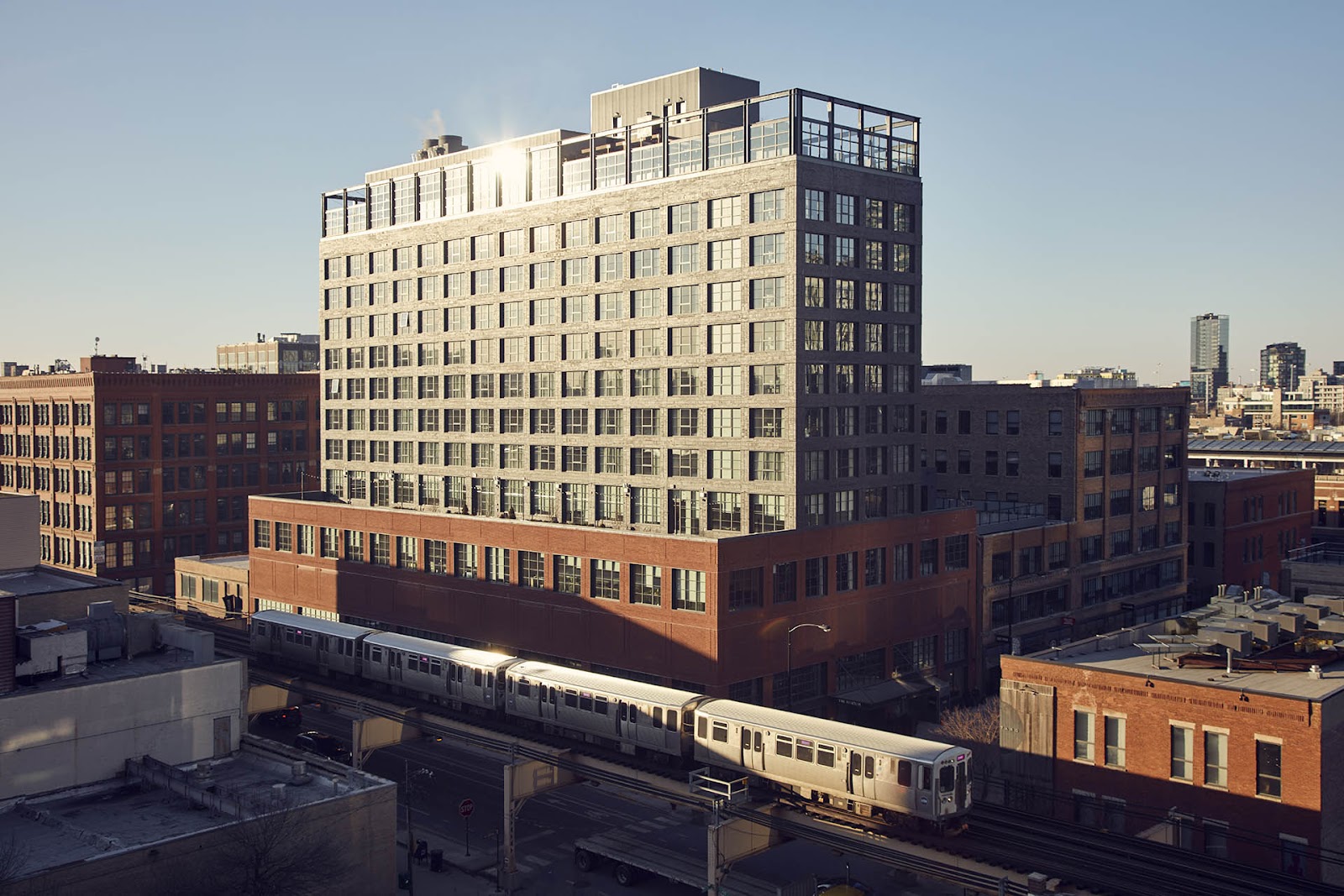
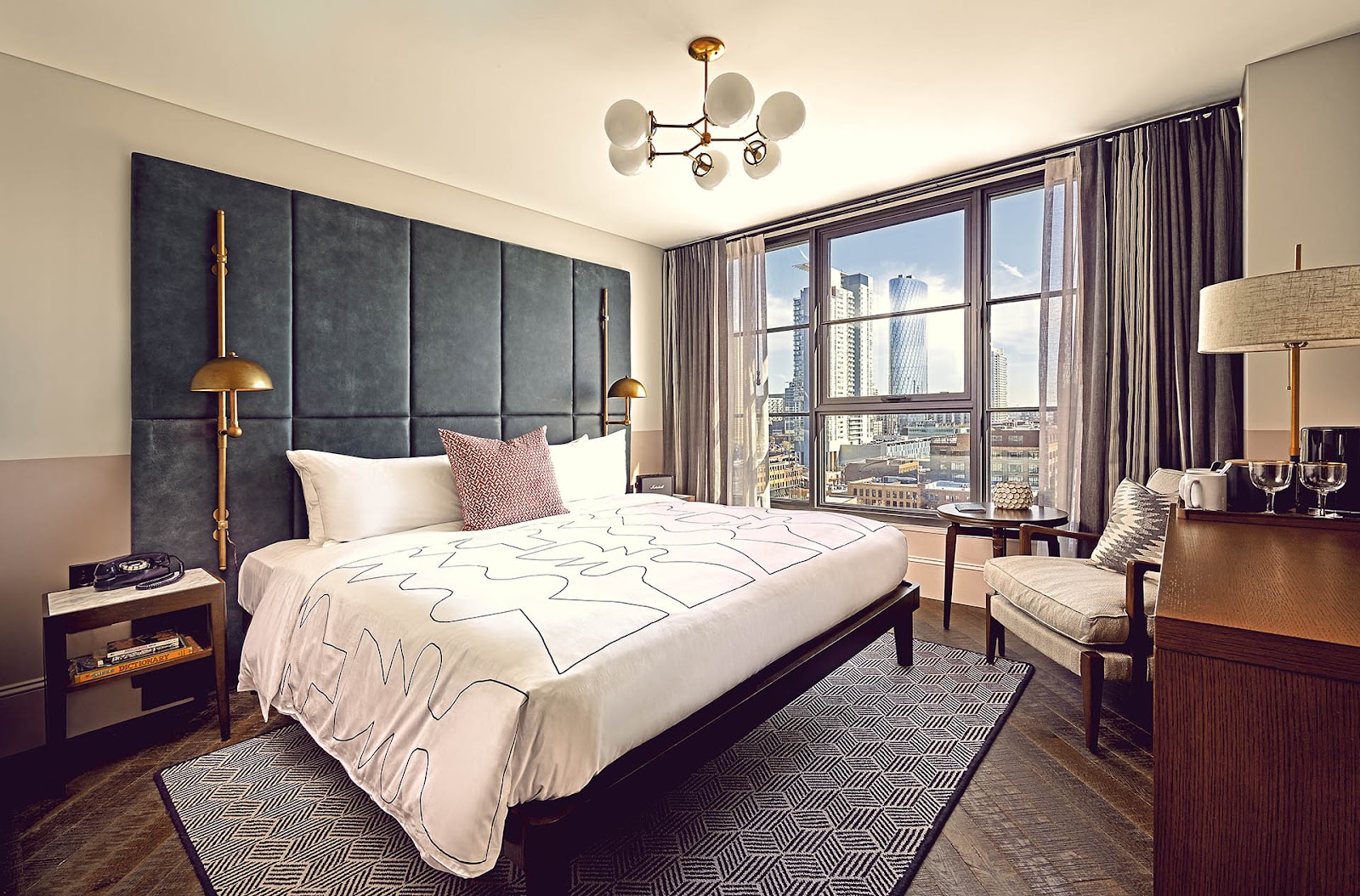
The Hoxton sits in Fulton Market on Chicago’s West Side, in the district that was the city’s meatpacking and wholesale food quarter and is now a run of converted warehouses, restaurants and studios. Its interiors work the industrial register honestly — exposed brick, steel, timber and plain surfaces.
For a photographer the significant thing is not the hotel but its address. Fulton Market is a genuinely distinctive visual environment and it is the opposite of everything downtown: low buildings rather than towers, brick rather than glass, loading docks and roller shutters and cobbled service alleys rather than polished plazas, and a grid of low streets that lets low sun run all the way down them. A wedding based here photographs unlike one based in the Loop, and that is the argument for it.
So this is a walk out from the hotel through the district, and what each part offers. We have not photographed a wedding at the Hoxton; brick warehouses and low industrial streets behave the same in any converted district. Which spaces host events and what the rooftop access allows are questions for their events team.
The Hoxton Chicago at a glance
| Where | Fulton Market, West Side, Chicago, Illinois |
| Character | Converted warehouse district — exposed brick, steel and timber |
| The asset | Low buildings and a street grid that lets low sun run right down it |
| Brick | Warm, textured, and it bounces strong orange onto skin |
| Nearby | Loading docks, roller shutters, cobbled alleys and murals |
Inside: what exposed brick does to a photograph
Brick is a mid-tone with heavy texture and a strong warm colour, and each of those matters. Being a mid-tone makes it an unusually easy background to expose for — unlike a white wall that blows or a dark panel that blocks, brick sits near the middle and holds detail with almost any sensible exposure. Being textured means it reads as something rather than as a flat field, so a frame does not feel empty. Those two qualities together make brick one of the most forgiving backgrounds there is.
The colour is the catch. Brick reflects strongly orange, so light bouncing off a brick wall arrives on skin carrying that cast, and in a room with brick on several sides the effect is cumulative. Faces read ruddy. It is far easier to manage than a green cast because warm on skin is a pleasant direction to err in, but it needs a deliberate white balance rather than an automatic one, and it needs consistency — a custom balance set in the room, kept for the whole block.
Texture also interacts with light direction in a way worth exploiting. Raking light across brick lifts every edge and mortar line and makes the wall look like masonry; frontal light flattens it into a brown surface. So a window throwing light along a brick wall is worth far more than one throwing light at it, and the position of a couple relative to that is the difference between a background with depth and one without.
Industrial interiors usually pair brick with large windows — warehouses were built to be daylit before electricity was reliable — which is the other half of the gift. Big windows, high ceilings and a mid-tone textured background is close to an ideal indoor portrait environment, and it needs nothing brought at all during daylight hours.
Out the door: docks, shutters and service alleys
The district’s working fabric is its photographic asset, and it is worth being specific about what to look for rather than wandering. Loading docks give you a raised platform, a strong horizontal line and a dark recessed opening — which is a natural frame and a natural negative fill at once. Roller shutters give you large fields of flat colour with strong ribbed texture, which is the closest thing to a studio backdrop available on a street. Fire escapes and steel stairs give repeating diagonals. And service alleys, often cobbled or setted, give you converging lines with brick on both sides.
An alley is the single most reliable location in a district like this, for a reason worth understanding: walls on both sides mean the light is directional and the background is contained, so there is no sky to blow out and no clutter beyond the walls. On a bright day an alley is a large softbox with a bright slot overhead; in the last hour, if it happens to run east-west, it becomes a glowing corridor with the sun at the end of it.
Murals are common in converted districts and they need a decision. A large painted wall is visually loud — saturated colour, strong graphic shapes — and it will dominate any couple standing in front of it. Either commit to it as the subject and place the couple small and deliberately within the composition, or use it as a soft field with a long lens from further back. Standing two people in the middle of a bright mural at medium distance gives you a photograph of a mural with some people in it.
The practical caution for any working district: this is a real place with delivery vehicles, refuse collection, restaurant staff on breaks and traffic in the service lanes. It is far quieter than downtown but it is not private, and its quiet hours are early morning and mid-afternoon rather than the evening, when the restaurants fill and the streets get busy again.
What works in your favour
- Brick is a forgiving mid-tone background with real texture
- Warehouse buildings were designed to be daylit — large windows, high ceilings
- Loading docks, shutters, fire escapes and cobbled alleys within a block
- A low street grid lets low sun run the full length of the streets
- A visual register entirely distinct from downtown Chicago
What to plan around
- Brick bounces a strong orange cast onto skin, cumulatively
- Murals dominate any couple placed in front of them at medium distance
- A working district with delivery traffic and service vehicles
- Evenings get busy as the restaurants fill, reversing the usual quiet hours
- No grand architecture; the register is industrial throughout
The low skyline, the golden hour and the rooftop question
Here is the district’s structural advantage and the reason its evening light is exceptional. Downtown, the buildings are tall and close, so the sun disappears behind a tower long before it reaches the horizon and the streets are in shadow by late afternoon. In a low-rise warehouse district the sun stays visible almost all the way down, and the streets run clear to the horizon. That means a genuine golden hour at street level — long raking light down the length of a street, lighting brick on one side and casting the other into shade.
The practical instruction follows: find which streets run roughly east-west and shoot along them in the last forty minutes. That is the frame this neighbourhood gives and downtown cannot. Brick lit by low sun is one of the warmest, richest surfaces in photography, and the whole street becomes it.
The other end of that same axis is the downtown skyline, visible from the West Side looking east. That gives an unusual combination: foreground brick and industrial fabric with the Loop towers behind, which places the district in the city and makes the set unmistakably Chicago. A long lens is essential — compression brings the towers close behind the low buildings, where a wide lens reduces them to a distant strip and loses the whole point.
If rooftop access is available it adds the view without the street-level constraints, and in a low district a roof only two or three storeys up already clears the surrounding buildings — which is not true downtown, where you need to be forty floors up to see anything. That makes a modest rooftop disproportionately valuable here.
One last note on timing the whole day. Because the good outdoor light is at the very end of the day and the district is quietest in the morning and mid-afternoon, the sensible structure is interiors and preparation through the middle hours, the street and alley block in the last forty minutes, and a short return after dark if the neighbourhood’s signage and restaurant windows are worth using — and in a district like this, they usually are.
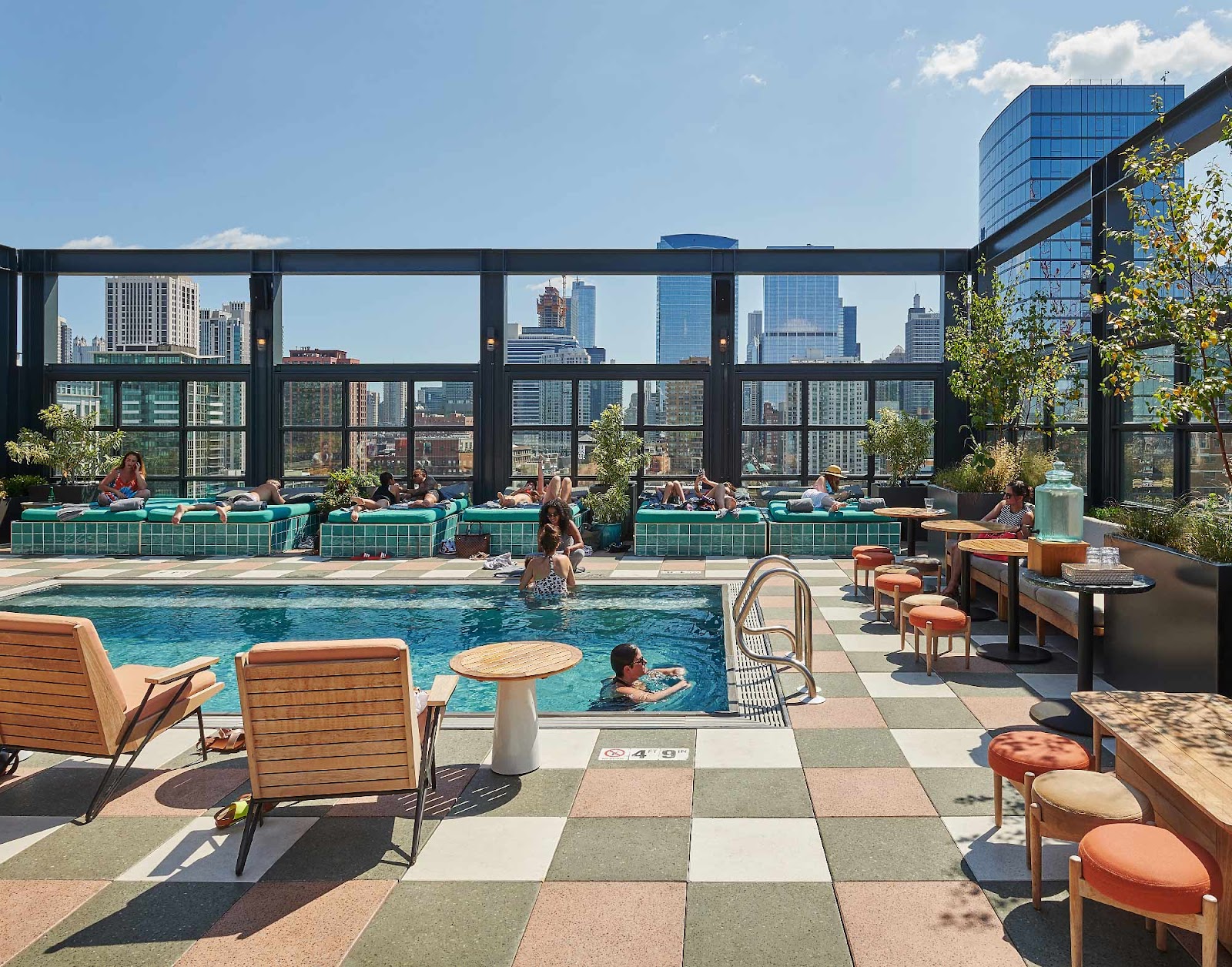
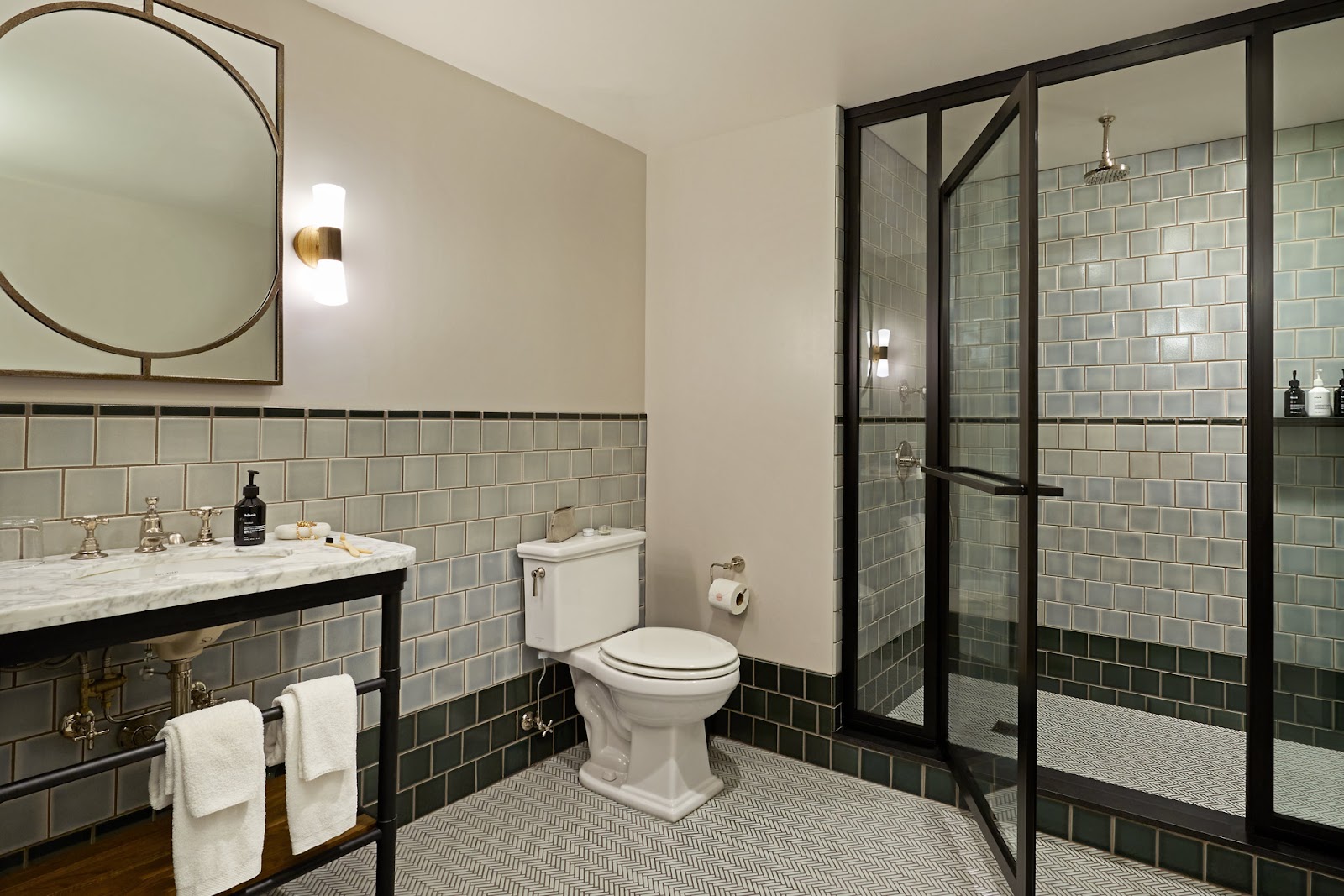
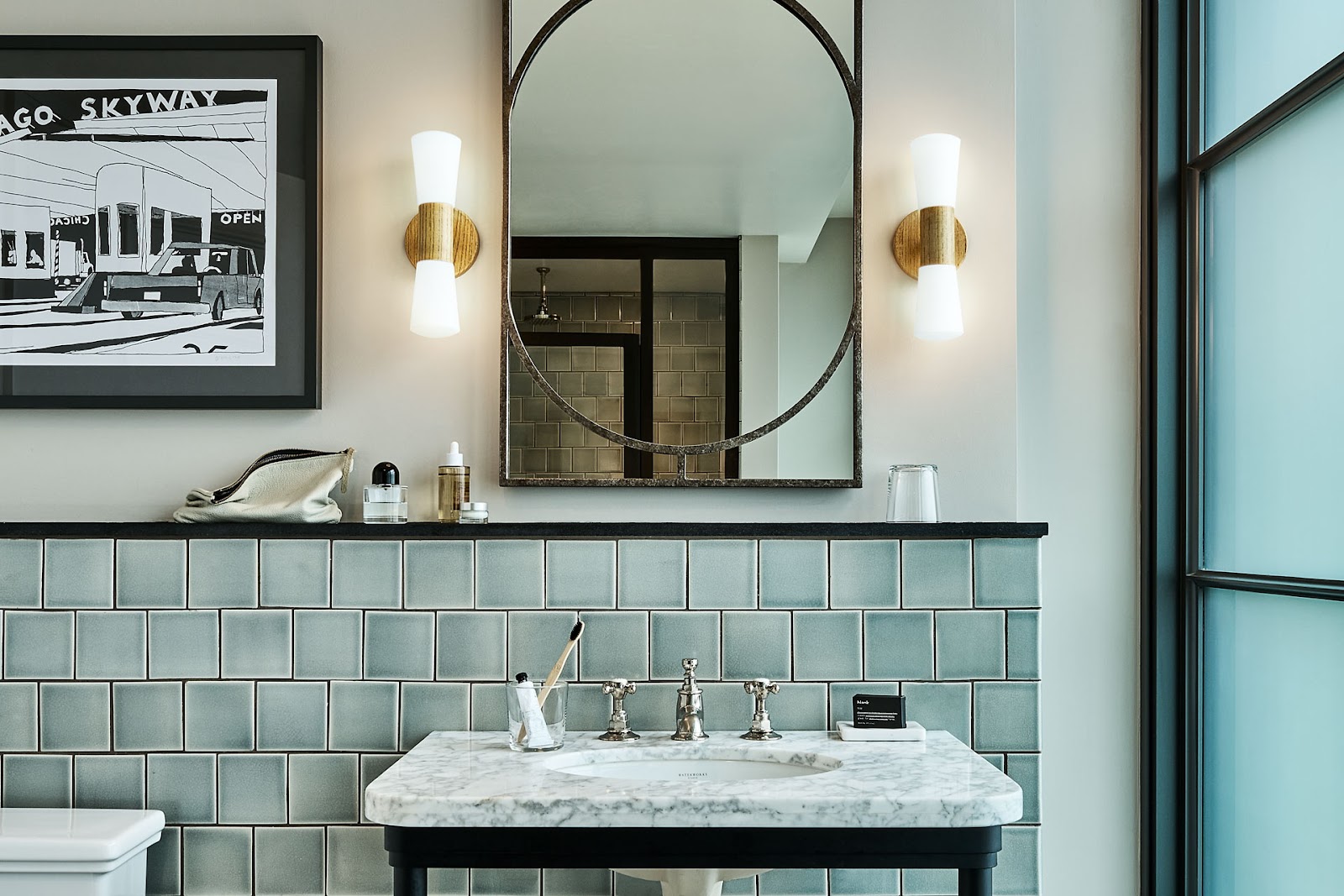
More frames from The Hoxton Chicago
The Hoxton Chicago wedding photography: common questions
Why do faces look ruddy against exposed brick?
Because brick reflects strongly orange, and in a room with brick on several sides the cast is cumulative. It errs in a pleasant direction compared with a green cast, but it needs a custom white balance set in the room and kept for the whole block rather than an automatic one.
What makes brick a good background?
It is a mid-tone, so it holds detail at almost any sensible exposure — unlike a white wall that blows or a dark panel that blocks — and it is textured, so a frame never feels empty. Those two together make it one of the most forgiving backgrounds available.
How should brick be lit?
Along the wall rather than at it. Raking light lifts every edge and mortar line and makes it read as masonry; frontal light flattens it into a brown surface. A window throwing light along a brick wall is worth far more than one throwing light at it.
What is the best location in a district like this?
A service alley. Walls on both sides make the light directional and contain the background, so there is no sky to blow and no clutter beyond. On a bright day it is a large softbox; in the last hour, if it runs east-west, it becomes a glowing corridor.
Why is the golden hour better here than downtown?
Because the buildings are low. Downtown the sun vanishes behind a tower long before the horizon and the streets are in shade by late afternoon. In a low-rise district the sun stays visible nearly all the way down and the streets run clear, so street-level golden hour actually happens.
How do you photograph in front of a mural?
Either commit to it — couple placed small and deliberately within the composition — or shoot from further back with a long lens so it becomes a soft field of colour. Two people at medium distance in front of a bright mural gives you a photograph of a mural.
More Chicago, IL venue guides
We are writing a photographer’s guide to every venue we would happily shoot in Chicago, IL. Here are three more, plus the full index:
- The Langham Chicago: Photographing Inside a Modernist Building
- The Peninsula Chicago: Photographing Pale, Tonal Luxury
- The Robey: How Light Moves Through a Narrow Tower
All Chicago, IL Wedding Venues →
Planning a wedding at The Hoxton Chicago?
The neighbourhood is the venue here, and its best light is the last forty minutes. Tell us your date and we will map the streets that run east-west.