 The Somerset Club on Beacon Street: Is It Right for You?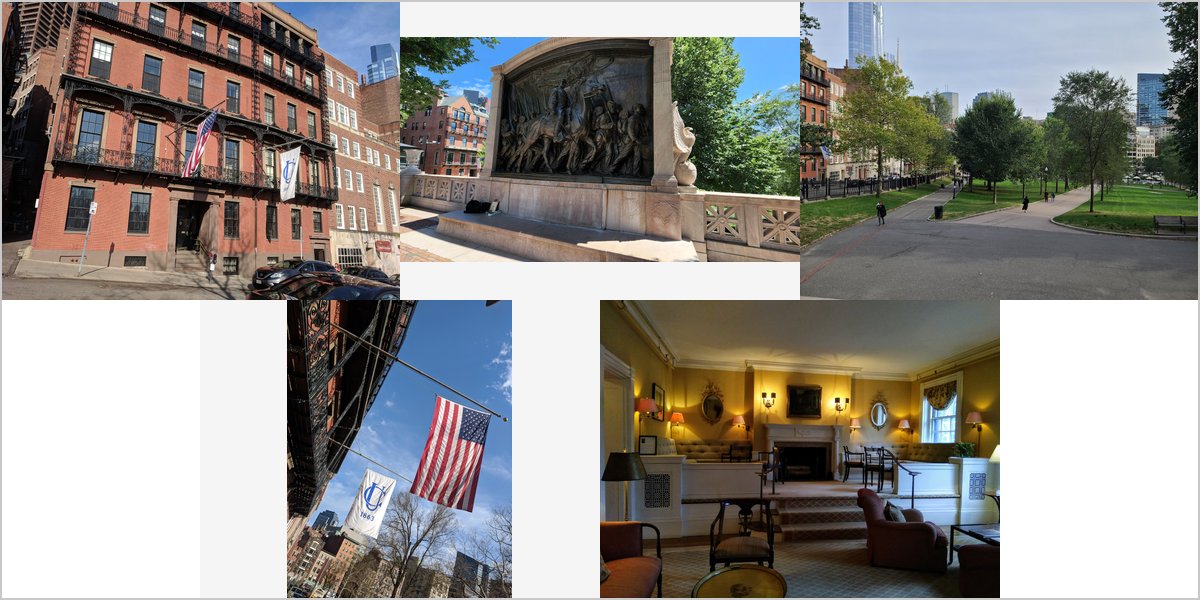
May 5, 2026
The Union Club of Boston: A Walk-Through for Photographs
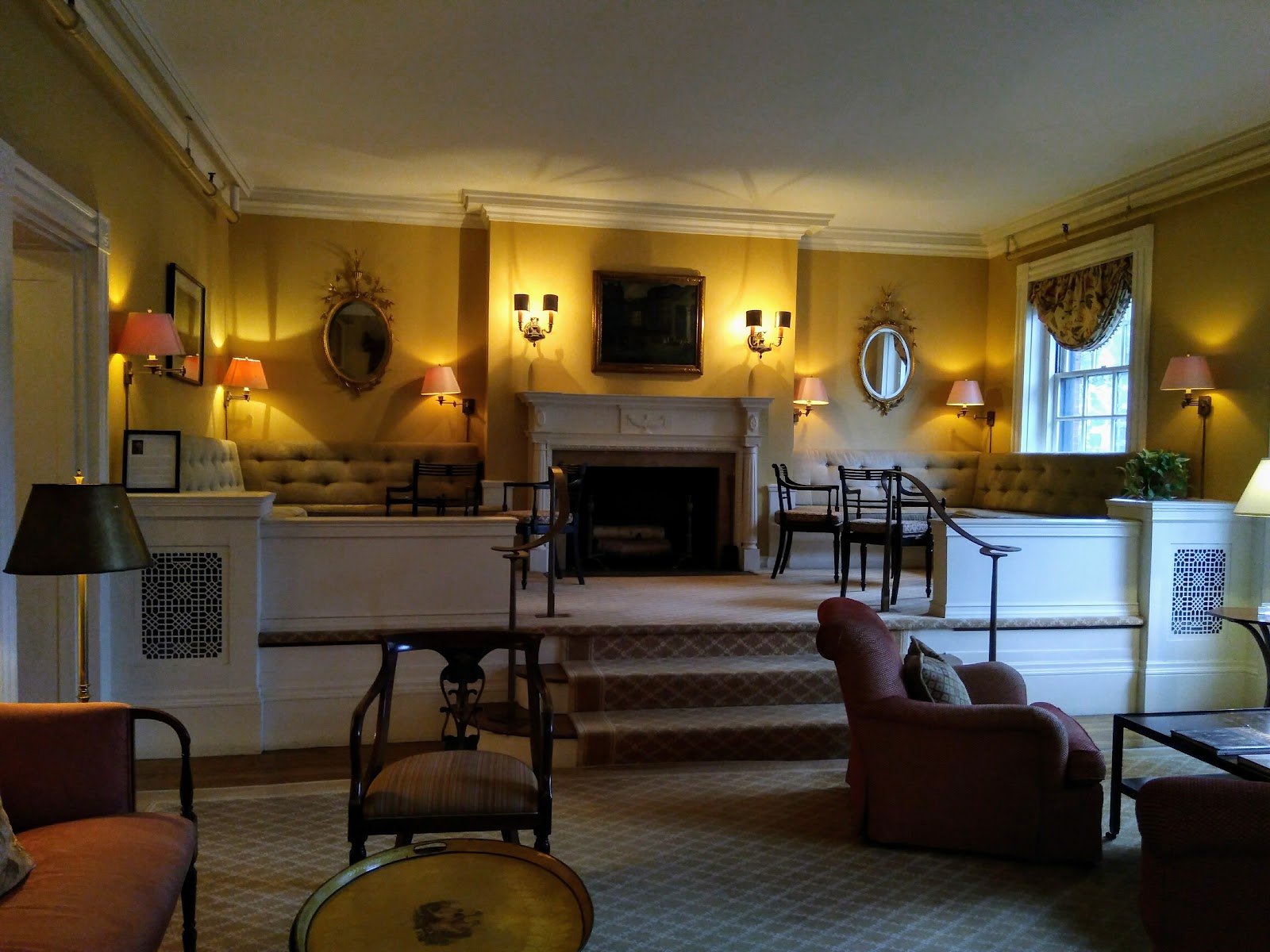
Joined townhouses mean tall windows and small rooms — which is the best combination a photographer can be given. Window light, everywhere, all day.
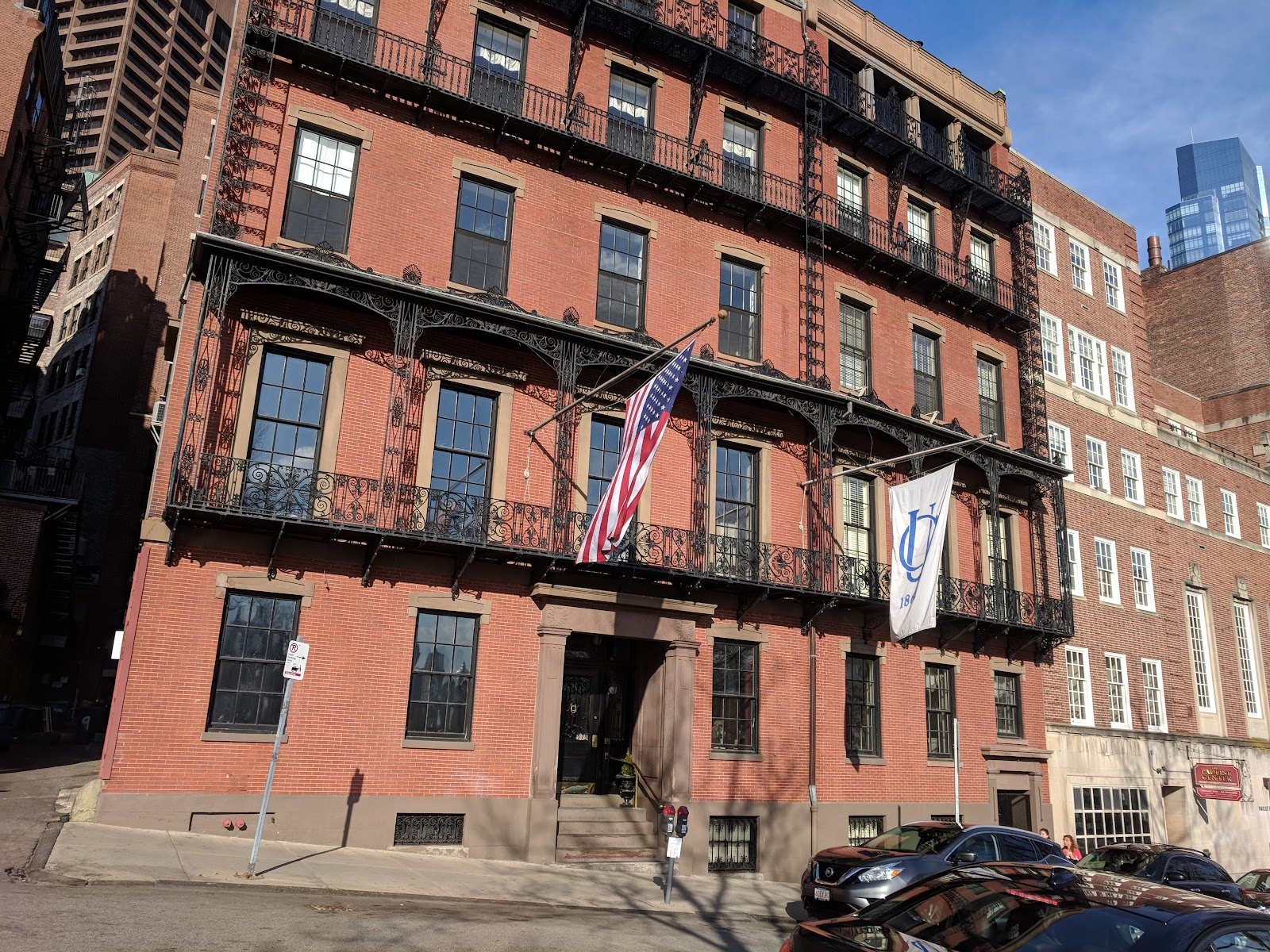
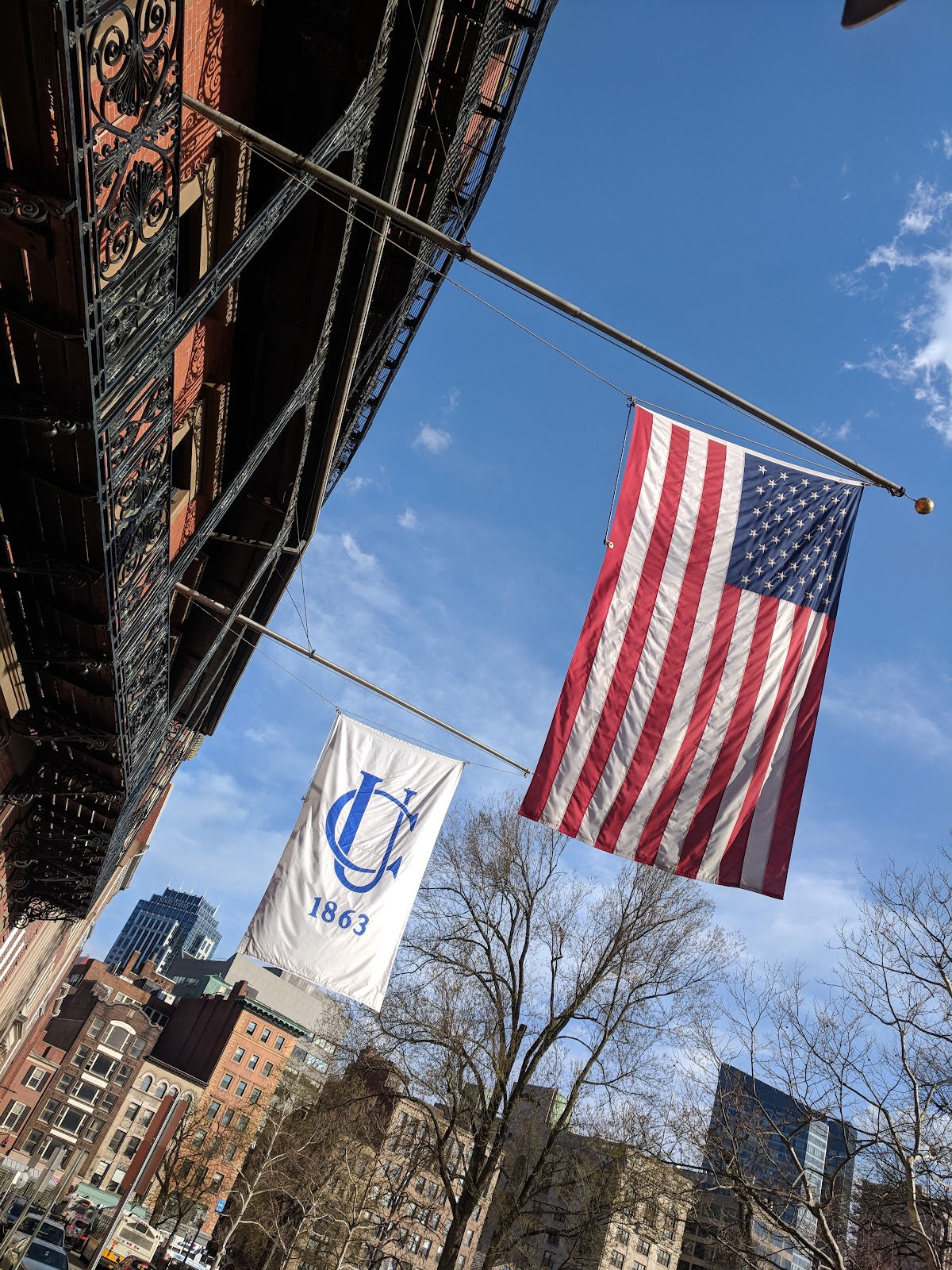
The Union Club of Boston was founded in 1863 and occupies two joined townhouses on Park Street at the foot of Beacon Hill, looking out across Boston Common. It is a private members’ club with event rooms rather than a commercial venue, and the building is essentially domestic architecture at a generous scale.
That matters photographically in a specific and happy way. Nineteenth-century Beacon Hill townhouses have tall sash windows, high ceilings and rooms of moderate depth, which is close to ideal: a tall window in a room that is not too deep produces soft, directional, beautifully falling light across most of the floor area. Compare that with a hotel ballroom, which has no windows at all, and the advantage is obvious.
This is a walk-through in shooting order. We have not photographed a wedding here, and club rules — membership or sponsorship, dress code, where photography is permitted when members are present — are for their office to confirm. At private clubs those rules are generally firmer than at hotels and worth establishing before anything else.
Union Club of Boston at a glance
| Where | Park Street, Beacon Hill, Boston — facing Boston Common |
| Founded | 1863; occupies two joined nineteenth-century townhouses |
| Character | Domestic-scale period rooms, tall sash windows, high ceilings |
| Light | Genuinely good natural light — unusual for a city event venue |
| Ask first | Sponsorship requirements, dress code, and photography rules in member areas |
Arrival and the ground floor: read the windows first
The first thing worth doing in a townhouse venue is working out which way the principal rooms face, because that single fact determines the whole day’s light. Park Street rooms look toward the Common, so the main frontage gets open sky across a park rather than a facing building — which means more light and cleaner light than most urban interiors ever receive.
North-facing rooms give you soft, consistent illumination that does not change much through the day, which is the easiest light to work in and the most forgiving for skin. South-facing rooms give stronger, more directional light with the possibility of direct sun, which is more dramatic and needs more management — sheer curtains, if there are any, are your diffuser.
Establish this on a site visit or by asking, then assign rooms to activities accordingly. The consistently lit room is where portraits and any small ceremony should happen; the dramatic room is where you go for one or two deliberate frames.
The staircase, which is probably the best frame in the building
In almost every joined-townhouse venue, the staircase is the strongest photographic asset, and it is routinely underused. A period stair gives you three things no other space in the building offers: genuine verticality, a curve or turn that creates natural leading lines, and usually a window on the landing acting as a clean key light.
Shoot it from below looking up, from above looking down, and from the landing with the couple a few steps below. A dress on a staircase does what a dress cannot do on a flat floor — it falls, it trails, it has shape. If there is one location to protect ten minutes for, it is this one.
The technical caution is contrast. A bright landing window against a dark panelled stairwell is a wide range, so meter for the faces and let the stairwell go dark rather than trying to hold everything. That falloff is the character of the space.
The dining and event rooms after dark
Once the sun is down, a period townhouse becomes a warm artificial environment: table lamps, sconces, chandeliers, all tungsten, all lovely to the eye and all quite dim. The rooms are not large, which is a real advantage — a modest bounce off a pale ceiling actually works here, unlike in a high-ceilinged ballroom.
So the evening approach is gentler than at most venues. An on-camera flash bounced behind you, or a single small light on a stand gelled warm, is usually enough. The aim is to lift faces two stops while leaving the room’s own warmth and pooling intact, because that warmth is the reason the room looks like this rather than like a function suite.
Expose for the lamps as glowing points rather than blown highlights, and let the corners fall away. A period dining room photographed evenly bright loses everything that made it worth booking.
Outside: Boston Common and Beacon Hill
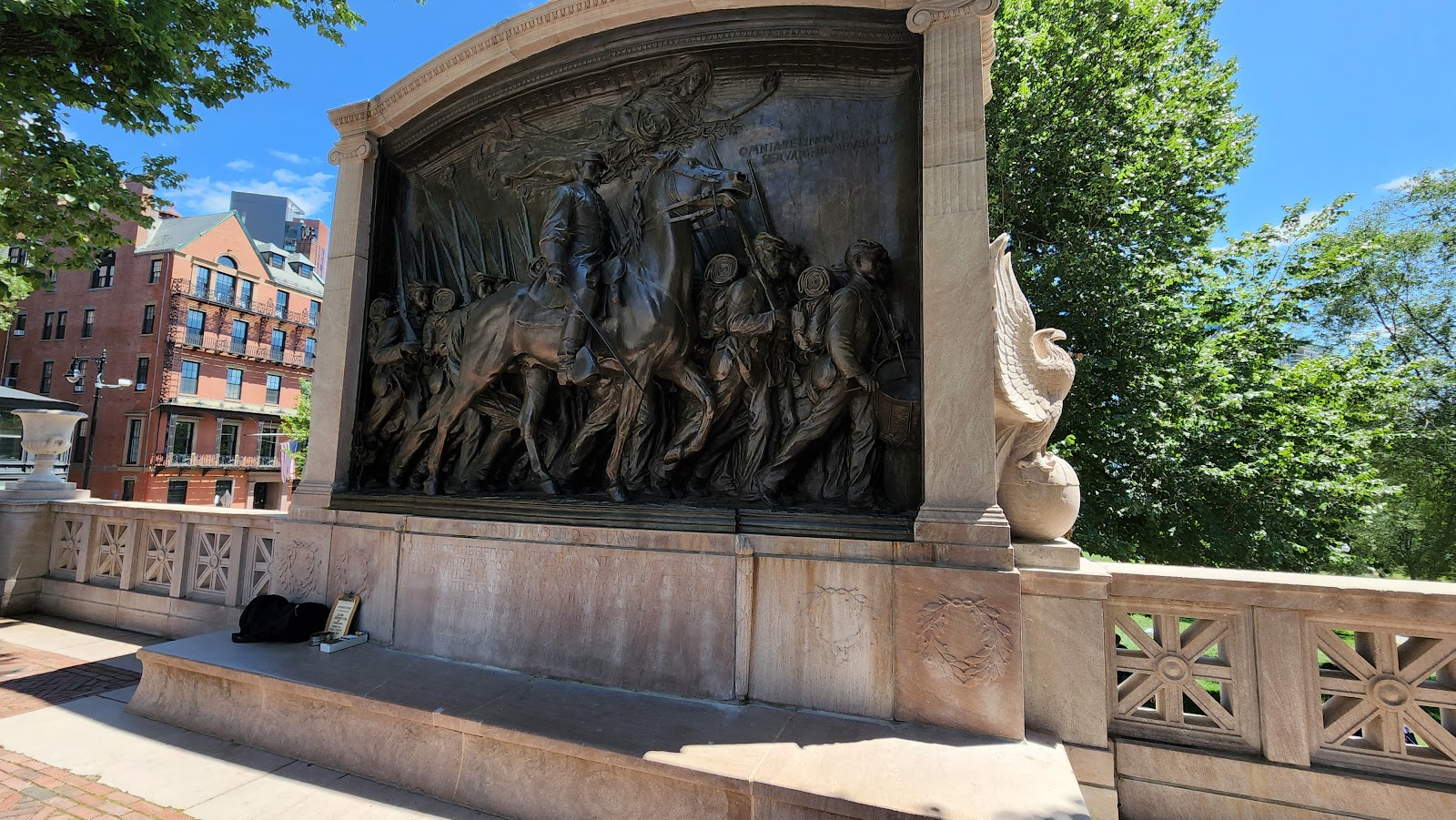
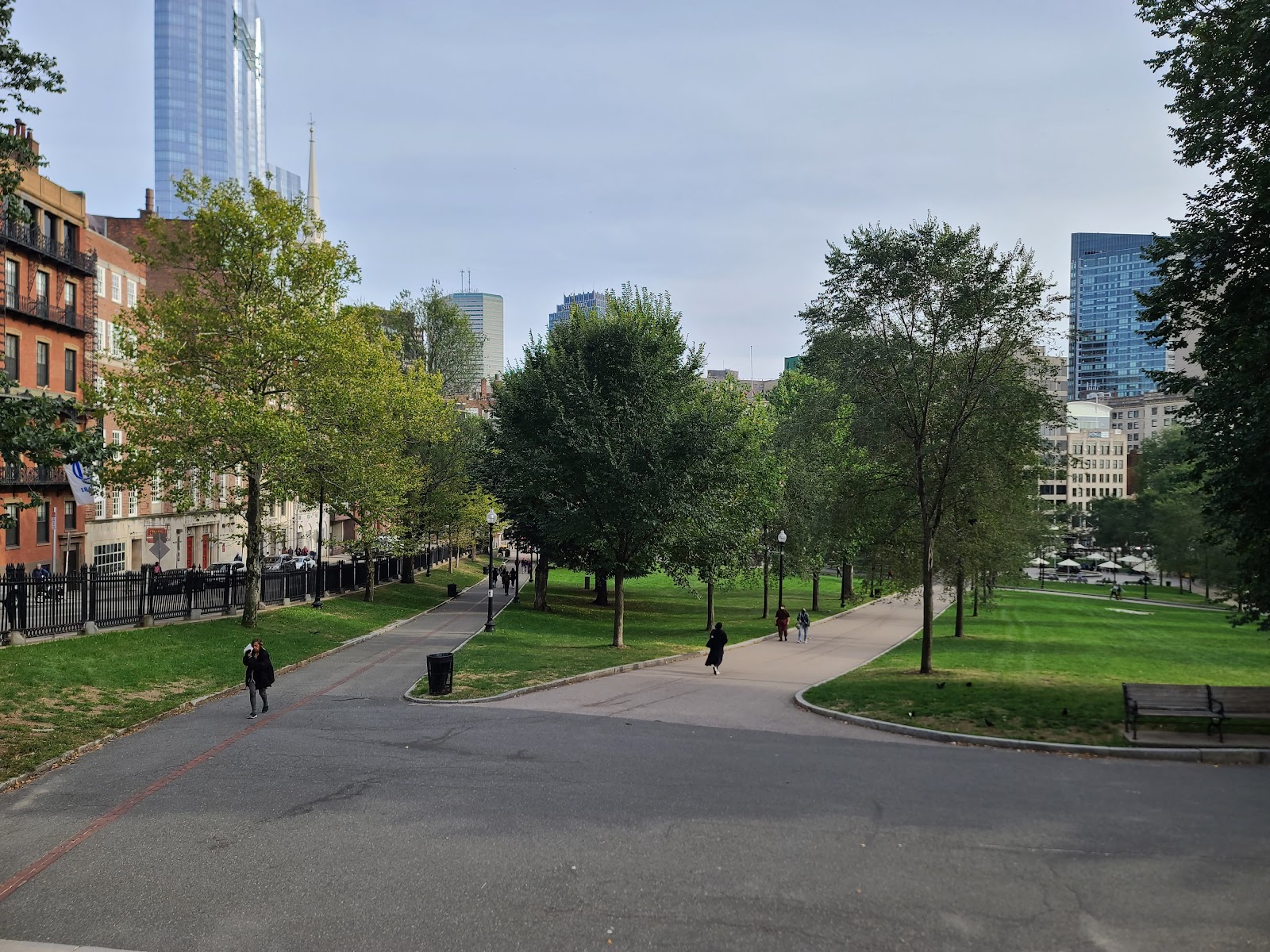
The location is close to unbeatable. Boston Common is directly across Park Street, the Massachusetts State House with its gilded dome is a minute up the hill, and the brick-and-gaslight streets of Beacon Hill — Acorn Street among them — are a short walk. Few venues anywhere have that concentration of recognisable, photogenic ground on the doorstep.
Practically, that means the portraits do not need to compete for space inside the building. Use the club’s staircase and its best-lit room for a handful of interior frames, then go out. Late afternoon on the Common gives long light through mature trees; Beacon Hill’s narrow brick streets give warm reflected light and tight framing that works in almost any weather.
Budget properly for it — thirty minutes minimum, and more if Acorn Street is on the list, since it is narrow, popular and often requires waiting for a clear frame.
What works in your favour
- Genuinely good natural light from tall townhouse windows — rare for a city event venue
- A period staircase that is one of the strongest single frames available in any Boston venue
- Small rooms mean bounced flash actually works in the evening
- Boston Common, the State House and Beacon Hill all within a few minutes’ walk
- Private club privacy: no strangers in frames, no waiting for crowds indoors
What to plan around
- Domestic room scale limits large group photographs indoors
- High contrast between bright windows and dark panelling needs deliberate exposure choices
- Private club rules on sponsorship, dress code and photography in member areas are typically strict
- Not a venue for a very large guest list
- Beacon Hill’s best exterior spots are popular and may require patience
More frames from Union Club of Boston
Union Club of Boston wedding photography: common questions
Does the Union Club have good natural light?
Unusually good for a city venue. Joined nineteenth-century townhouses have tall sash windows and rooms of moderate depth, which produces soft directional light across most of the floor. Rooms facing Park Street look out over Boston Common rather than at a facing building, so the light is cleaner than most urban interiors get.
What is the best single photograph location there?
The staircase, and it is usually underused. A period stair gives verticality, natural leading lines from the turn, and typically a landing window acting as a clean key light. A dress falls and trails on stairs in a way it cannot on a flat floor. Protect ten minutes for it.
How do you light the rooms in the evening?
Gently. The rooms are small enough that a bounced on-camera flash or one small gelled light on a stand is sufficient — unlike a high-ceilinged ballroom where bounce is useless. Lift faces about two stops and leave the room’s warmth and pooling intact; expose the lamps as glowing points, not blown highlights.
Can we hold large family group photos inside?
Only small ones. The rooms are domestic in scale, so a large group will be cramped. With Boston Common directly across the street, the sensible answer is to do big groups outside and keep the interiors for the couple and smaller combinations.
What should we ask the club before booking?
Whether a member must sponsor the event, what the dress code is and whether it applies to suppliers, and exactly where photography is permitted when members are present. Private clubs are typically stricter than hotels, and a restriction found on the day removes a location with no time to replace it.
More Boston venue guides
We are writing a photographer’s guide to every venue we would happily shoot in Boston. Here are three more, plus the full index:
- The Algonquin Club on Commonwealth Avenue: Questions Answered
- Arlington Street Church: Field Notes for Wedding Photographs
- The Boston Athenaeum: Planning the Shot List
Planning a wedding at Union Club of Boston?
A club with real windows and a real staircase is a gift, and the surrounding streets do the rest. Tell us your date and we will plan which rooms to use when, and how long you actually need on the Common and Beacon Hill.