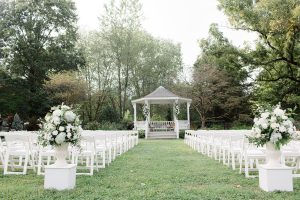
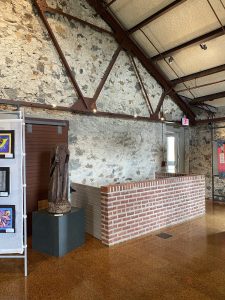
 The Blue Ball Barn, Wilmington: A Walk Through a Converted Barn
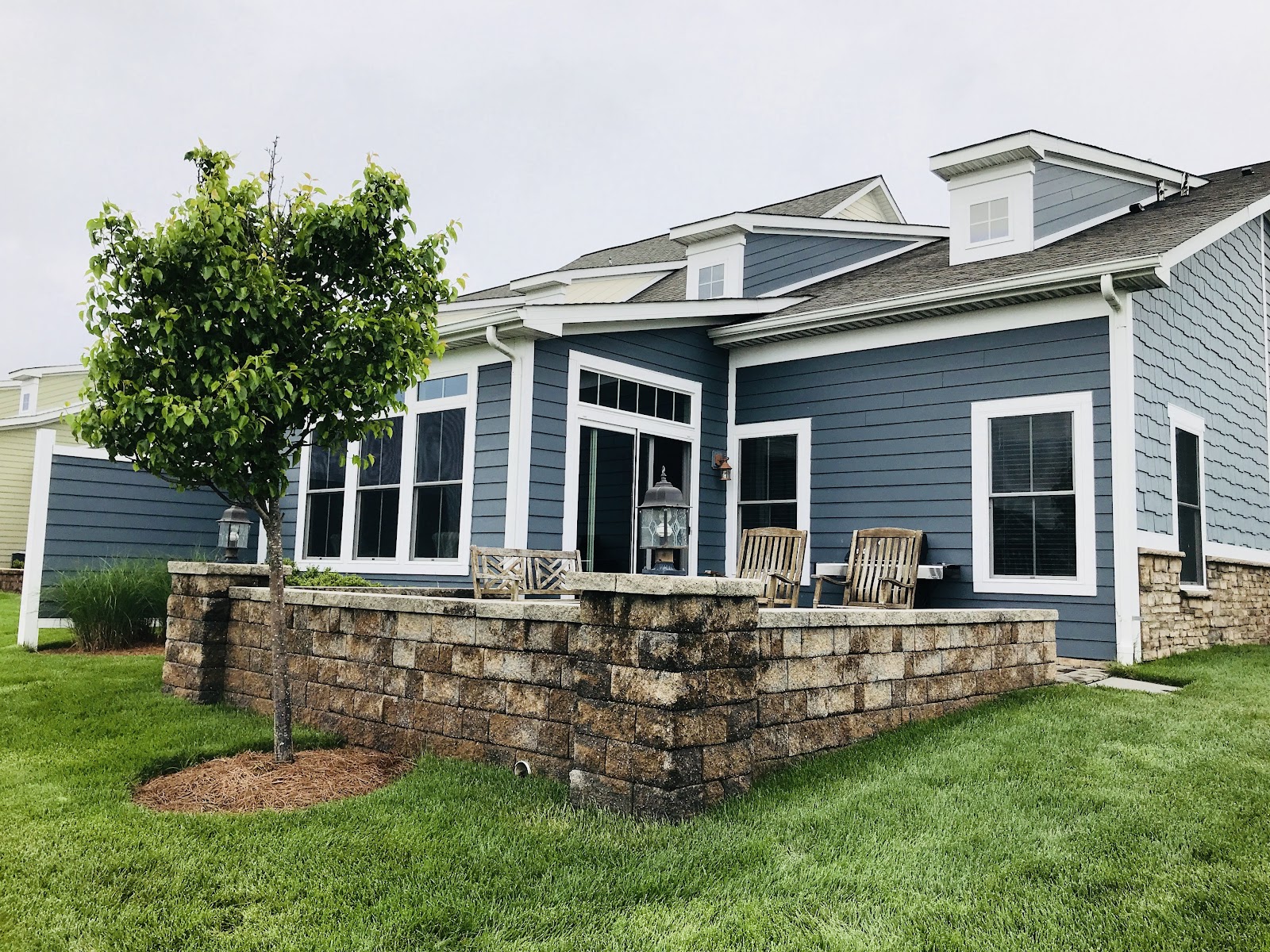
The Peninsula on the Indian River Bay, Millsboro: Field Notes, Problem and Solution
A peninsula in a shallow lagoon. Water on two sides is the whole advantage.
These are field notes rather than a description, organised as problems and what solves them, because the useful information about an inland-bay venue is practical.
The setting first, because it is a specific kind of water that behaves nothing like the ocean a few miles east. Indian River Bay is one of Delaware’s inland bays: a shallow, brackish lagoon lying behind the barrier beaches, connected to the Atlantic through a narrow inlet, fringed with salt marsh.
That produces four properties worth knowing. The water is shallow and sediment-laden, which means it reads brown-green rather than blue and takes its colour largely from the sky. It is sheltered, which means it is calm far more often than the ocean and reflections are available at hours when a sea is a texture.
Its tidal range is small — often under two feet, because the connection to the sea is narrow — which means the shoreline barely changes across a day, and a composition planned in the morning still works in the evening. That is a real convenience and it is the opposite of the ocean beaches nearby.
And it is fringed with salt marsh rather than with dune, which means the background around the water changes colour completely across the year.
The site itself is a peninsula, and that is the advantage worth leading on. Water on more than one side means the property faces more than one direction — so both a sunrise over water and a sunset over water are available from one piece of land, which removes the either-or that defines almost every single-aspect coastal venue.
Millsboro sits at about thirty-eight and a half degrees north on the Delaware coastal plain. The June noon sun reaches around seventy-five degrees, the December noon sun about twenty-eight, days run from about nine hours thirty to fourteen hours fifty, and civil twilight is around twenty-nine minutes.
We have not photographed a wedding at this club. Which spaces are included, what access there is to the shoreline and any dock, and what the permitted hours are, are questions for their team.
The Peninsula on the Indian River Bay at a glance
| Where | A club on a peninsula in Indian River Bay, one of Delaware’s inland bays |
| The water | Shallow, brackish, sheltered: brown-green, calm often, and under two feet of tide |
| The advantage | Water on more than one side — sunrise and sunset both over water |
| The problems | Flat ground, no natural cover, and green for half the year |
| Ask first | Included spaces, shoreline and dock access, permitted hours |
Four problems and what solves them
Problem one: flat ground. This is Delaware coastal plain, which is genuinely level — no rise to shoot from below, no high ground to shoot from above, and every wide frame with the same horizon at the same height.
That removes the most useful tool a photographer has, and the only substitute is camera height at close range. Kneeling or lying, with turf or marsh grass across the bottom of the frame, puts everything behind the subjects above the horizon — sky — which removes the buildings, the cart paths, the docks and the other people in one move.
On flat ground that is not a refinement but the primary technique, and it should be a habit. It also means what the sky is doing matters more here than at a venue with relief, because there is so much of it: a clear coastal sky is even and featureless; a convective sky with structured cloud is the best background this landscape ever has.
Problem two: no natural cover. A peninsula in a bay is exposed on more than one side, which means salt and wind limit what grows tall — and at seventy-five degrees of June elevation the sun puts eyes in shadow and foreheads in light with no position on open ground that fixes it.
The answers are the buildings and whatever evergreen has been planted. Depth back from any covered edge is the whole lighting control: at the edge flat and frontal, two or three metres back dramatic with the ground beyond four or five stops down. A doorway is the purest version — the whole sky as a softbox and the dark interior as a four or five stop backdrop, in any weather.
And American holly, Delaware’s state tree, is the one species to look for: evergreen, dense and very dark, which makes its margin one of the few genuinely near-black backgrounds in this state. A subject a metre inside a holly mass has soft directional light in front and three or four stops of dark behind, at any hour.
Loblolly pine, which is the coastal plain’s dominant tree, is the counterpoint: tall with a high open crown, which means it dapples badly in direct sun and is background material rather than cover.
Problem three: green for half the year. From May to October a coastal club is green in every direction — turf, marsh, canopy — and green is the least useful background colour there is, because skin sits close to it in luminance and complementary to it in hue.
Three solutions. The low camera, which replaces the green with sky. The near-black holly. And the season, which removes the problem outright: the marsh turns gold and then tawny through autumn and stands pale straw through winter, which is the single largest background change of the year here and a substantial improvement.
Problem four: the water is the wrong colour for a bright frame. Brown-green sediment-laden water does not supply the blue that a coastal photograph is expected to have, which means the blue has to come from the sky.
That is a compositional consequence rather than a fault. It means a water frame here wants more sky in it than an ocean frame does, that the water reads best when it is reflecting something rather than when it is being looked into, and that a still surface reflecting a coloured sky is far more useful here than a broken one.
The reflection rule applies and the bay makes it easy: compose so the reflection is of the dark marsh line or a treeline rather than of open sky, and the two sit within a stop of each other and need nothing at all.
Further notes from the field
On the two aspects, which are the site’s real asset. Map them on arrival — which is a two-minute job with a compass — and plan the ends of the day around them.
The shore facing east takes the sunrise: a low warm sun coming off the water into the subjects’ faces, on an empty shore, in the calmest air of the day. The shore facing west takes the sunset, and there the standard backlight problem applies with its three standard answers: a close warm-gelled source at a stop over the ambient with the exposure set for the sky and water; a silhouette exposed for the sky alone, which works well because a bay gives a clean horizontal base of far shore and marsh; or turning around and using the low sun frontally.
The frame that costs nothing is the one in between: a subject in even shade on one aspect with the brightly lit far shore behind them. That is studio separation supplied by geography and it is available twice a day.
On the marsh, which is the background that does the most work here. Salt marsh cordgrass grows in a uniform stand at roughly knee to waist height, which makes it a genuinely useful surface: a field rather than a fringe, textured at a scale that reads from close and from far, and moving in any wind.
Its colour is the point. Green in summer, gold through September and October, tawny brown through late autumn, and pale straw all winter — which means a subject standing at the marsh edge has a background that is bland for five months and excellent for seven. The straw winter version in low raking light is the best thing this venue’s shoreline ever looks.
A low camera with marsh across the bottom of the frame is the single best composition available on the property: the grass gives a textured base, the subjects stand against sky, and the whole club falls out of the background.
On the dock, if there is one. A dock is the most useful structure at any water venue: a straight line into water for perspective, people placed over the surface so they are filled from below, and a constraint that turns posing into small adjustments rather than arrangement. It is narrow, a camera cannot back up far on it so the shooting position is from the shore, and on a peninsula it is the windiest spot on the property.
On the golf ground, if the club has a course. The standard club problems apply — no cover, uniformity, no texture at close range — and the standard answers: the evergreen margins for separation, five scales from one position rather than one scale from five positions, and precision, because a frame a degree off level against mown turf reads as an error immediately.
On the interiors. A modern coastal clubhouse is likely to be pale with generous glazing, which means light is never the problem and separation always is. Find something dark, use the glazing at forty-five degrees, or add a source a stop over ambient so the subject has a shadow side.
The specific advantage of a water-facing window is that the light coming through it has bounced off the bay and the sky rather than off grass, which makes it brighter, cooler and more neutral — with the white balance set on a face rather than on a preset.
Three practical matters. Greenhead flies are a genuine consideration on salt marsh in July and August — biting, persistent and specific to that environment, and a marsh-fringed peninsula is exactly where they live. Mosquitoes follow at dusk. And the mid-Atlantic severe-weather season brings thunderstorms from April into summer, which on an exposed peninsula with no cover makes a named indoor alternative a requirement rather than a courtesy.
- On flat ground, camera height is the only variable — kneel as a habit
- Map both aspects: sunrise on one shore, sunset on the other
- A low camera with marsh across the base is the best composition here
- Reflect the dark marsh line, not the open sky
- Holly is the only near-black background; loblolly pine dapples
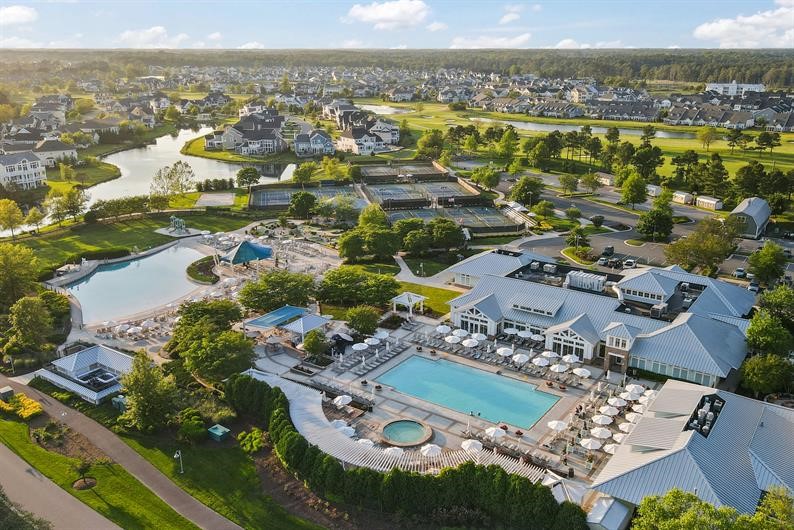
The inland bay year
Four real seasons, and at a marsh-fringed venue the marsh’s colour is the season.
Winter is the best background of the year and the best light. The December noon sun at around twenty-eight degrees means the whole short day rakes rather than floods — which is exactly what marsh grass, mown turf and weathered timber want, so there is no bad hour at all.
The marsh is pale straw, which is the best background it has: a warm, textured, low-saturation field that treats skin and white fabric far better than summer green. The bay runs slate under a low sun and ices at its margins in a hard winter. And there is nobody at all on the property, which removes the one problem a coastal club has in season.
Winter also brings the earliest dusk — sunset just after half past four in December — which puts the whole low-light sequence in the late afternoon rather than after eight. And snow, which is variable and rarely deep here, covers the turf and the cart paths and is the best natural fill available, lifting shadows to within a stop and fooling a meter by about two.
The costs are cold and wind, which on an exposed peninsula is worse in winter than in any other season.
Spring is the fog season on this coast, because warm air moving over water still cold from winter condenses. On a bay, fog removes the far shore entirely, which turns every water frame into a subject against white — and on a site whose backgrounds are water, marsh and sky, it removes almost everything. That is one beautiful photograph and then nothing, and the low-camera marsh frames are what survives it.
Spring is also when the marsh greens, which is the beginning of its weakest five months.
Late spring brings the horseshoe crab and shorebird season to the Delaware Bay beaches a short distance north, around the new and full moons of May and June — a globally significant event, of real interest, and a reason to check beach access in those weeks.
Summer is the busy season and the hardest light of the year. The middle of a day at seventy-five degrees of elevation on open turf with no cover is the worst light the property has, the marsh is uniformly green, dew points in the low twenties Celsius put haze in the air, and greenhead flies are active.
The compensations are the warmth, fifteen hours of daylight, a twenty-nine-minute twilight, and a low sun at the end of the day that rakes the marsh and the turf and turns both to gold.
Early autumn is the strongest window and it is emphatic. September and October bring drier, clearer air than August, the end of the fog season, the crowds gone, the calmest conditions of the year, and — decisively — the marsh turning.
That turn is the single largest background change on the property. Through September and October the cordgrass goes from green through gold to tawny, which converts the venue’s principal background from its weakest state to its strongest, and it coincides with the best air and the calmest water of the year.
The Delaware coastal plain turns late behind it — the second half of October into early November — with sweetgum purple-red, red maple scarlet and oak russet against dark loblolly pine and evergreen holly, which gives the treelines warm colour to add to the tawny marsh.
November is quietly the best month here: the marsh tawny, the air at its clearest, the sun low all day, the bay calm, the property empty, and the dusk arriving at a civilised hour.
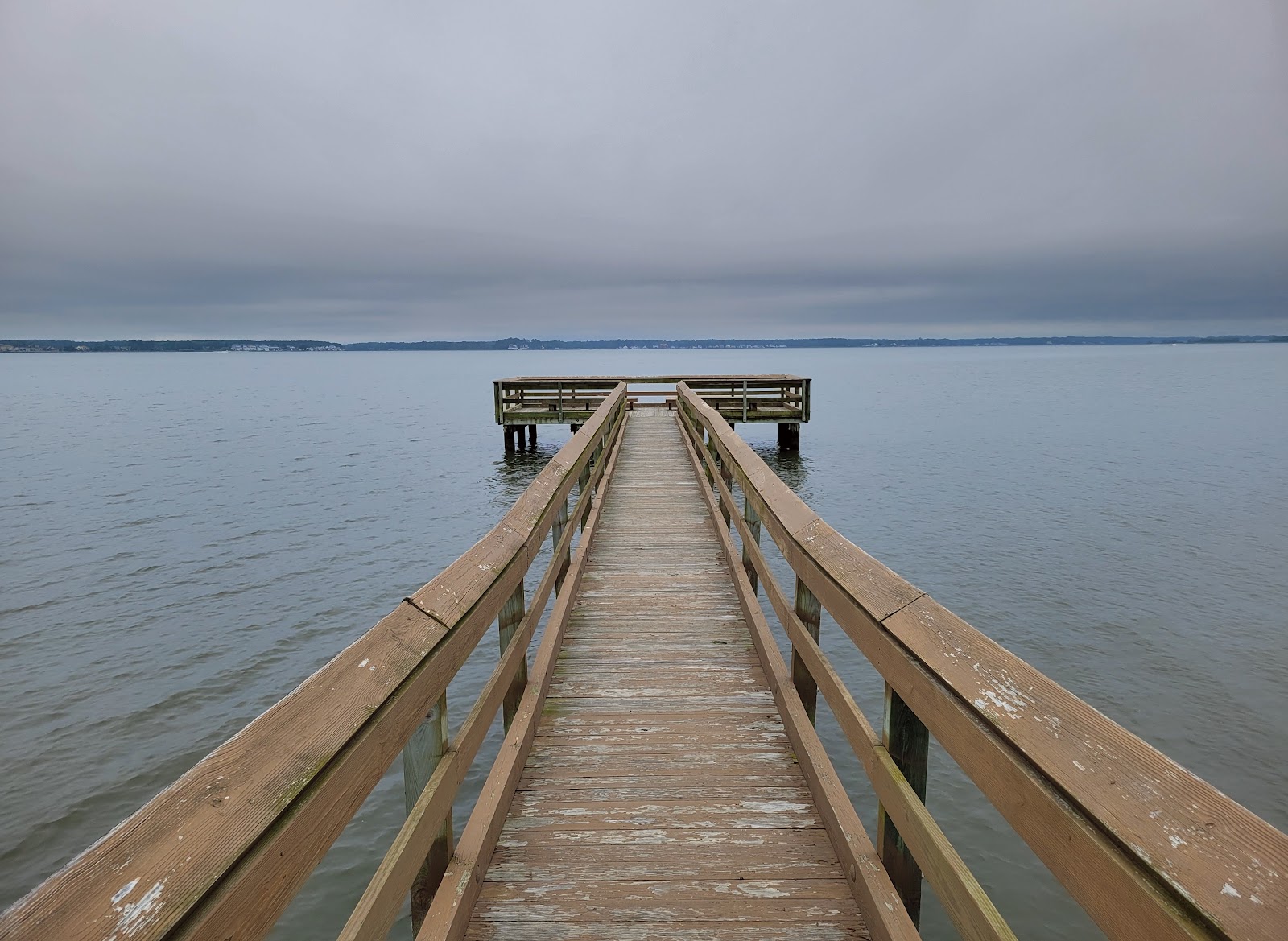
More frames from The Peninsula on the Indian River Bay
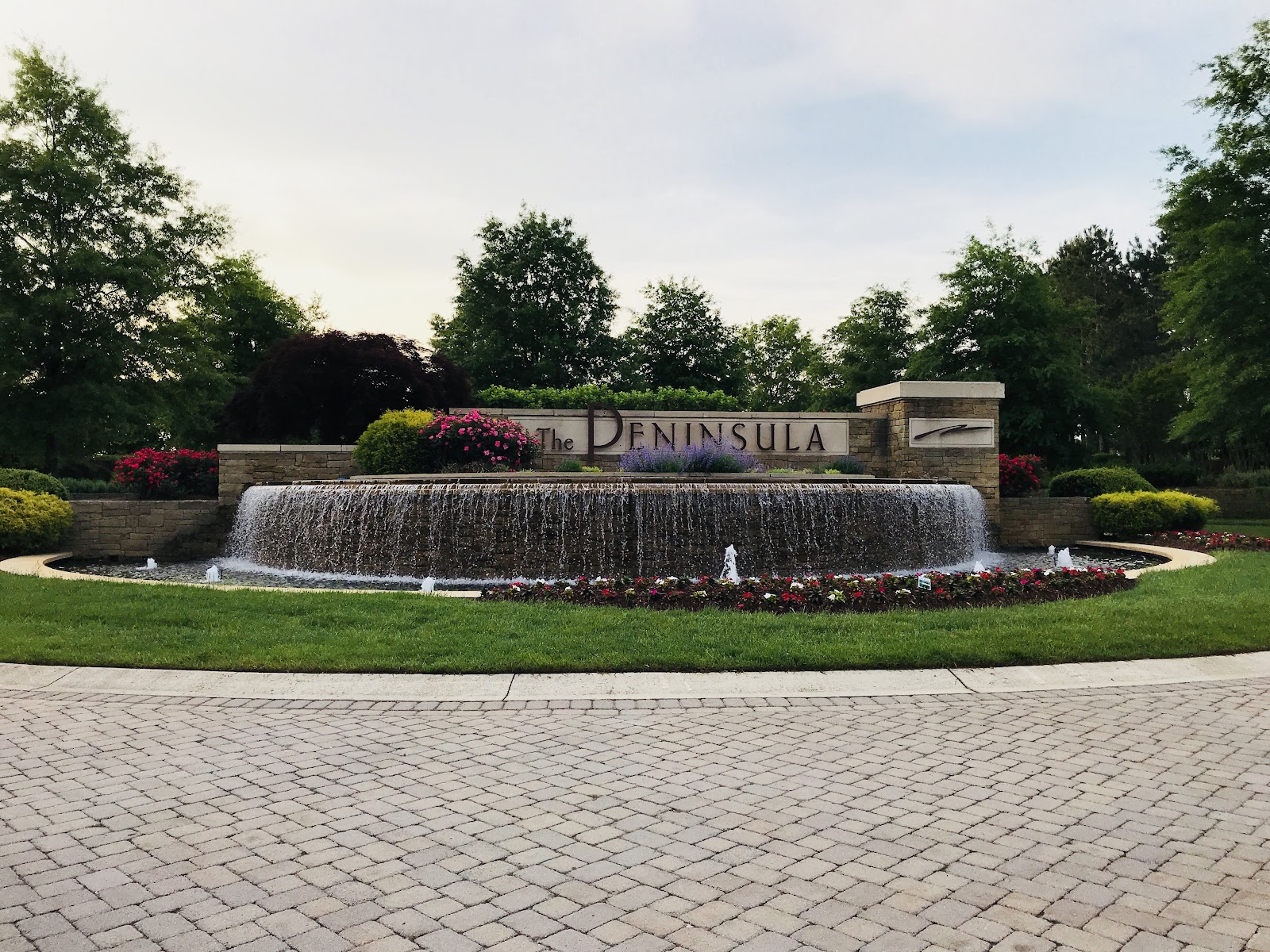
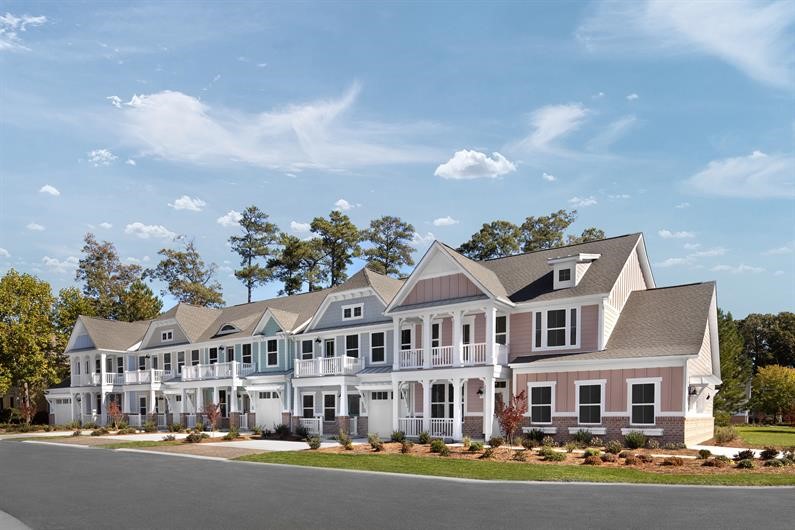
The Peninsula on the Indian River Bay wedding photography: common questions
How is an inland bay different from the ocean?
It is shallow, brackish and sheltered — brown-green rather than blue, calm far more often, and with a tidal range often under two feet instead of four.
What does the small tidal range give me?
Reliability. A shoreline composition planned in the morning still works in the evening, which is not true on the ocean beaches a few miles east.
What does a peninsula give me?
Water on more than one side, so both the sunrise over water and the sunset over water are available from one piece of land.
How do I deal with the flat ground?
Camera height at close range. Kneel or lie with turf or marsh across the base so everything behind the subjects is sky.
Why does the marsh matter so much?
It is the background around all the water, and it changes from green through gold to tawny to straw — bland for five months and excellent for seven.
When is the venue at its best?
September through November: the marsh turning, the clearest air and calmest water of the year, and a low sun all day.
More Delaware venue guides
We are writing a photographer’s guide to every venue we would happily shoot in Delaware. Here are three more, plus the full index:
- South Coastal Library, Bethany Beach: The One Decision That Governs Everything
- The Wharf at Lewes: How the Light Moves on a Tidal Canal
- Winterthur Museum, Garden & Library: The One Decision That Governs Everything
Planning a wedding at The Peninsula on the Indian River Bay?
A peninsula in a quiet bay. Tell us your date and we will map both shores.