 Roots Run Deep, Fruita: The Site’s Own Logic
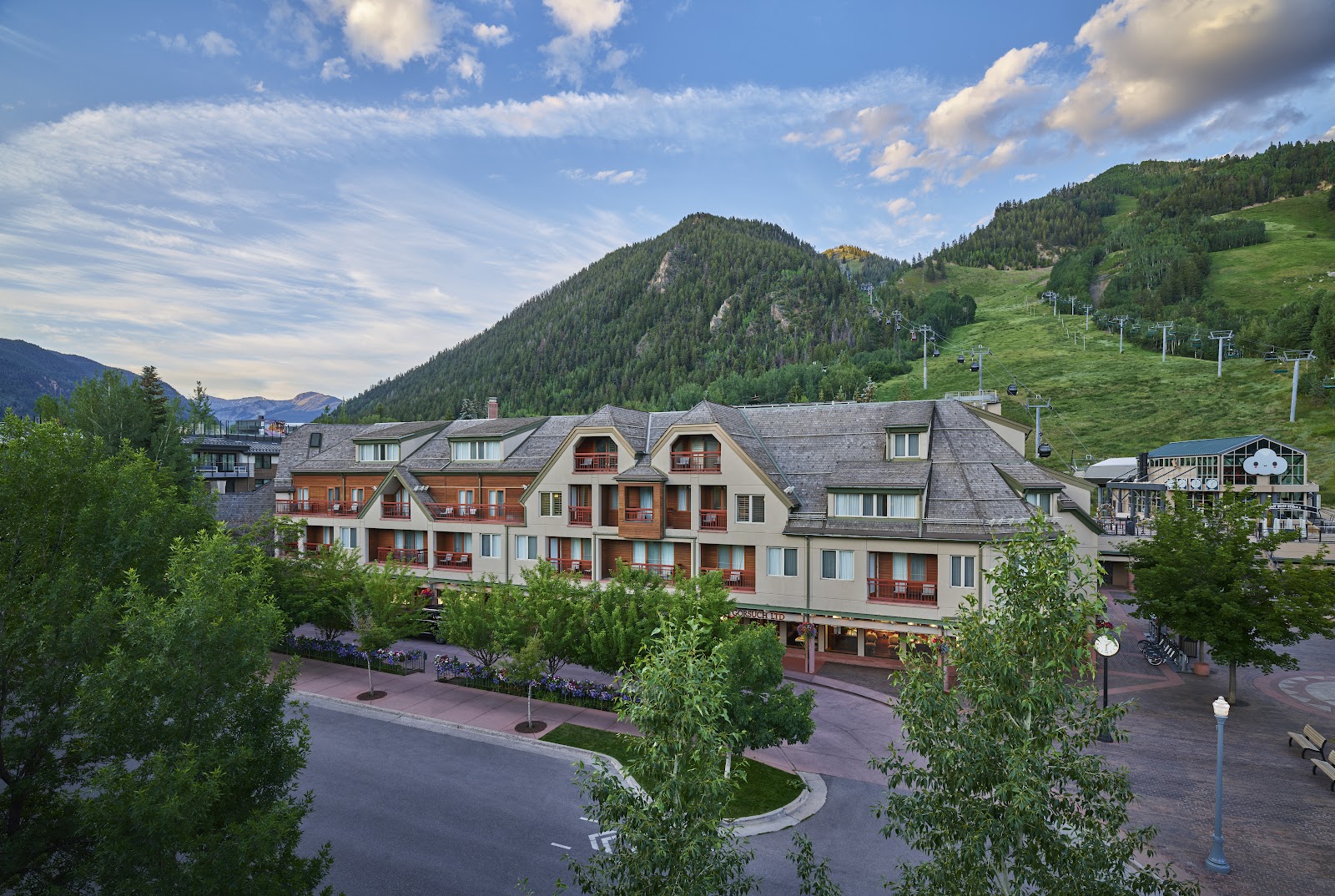
The Little Nell, Aspen: A Hotel at the Bottom of a Mountain
A hotel built where the lift arrives sits at the bottom of a slope. That is the whole explanation.
A hotel at the base of a ski mountain was sited for one reason: proximity to the lift. Everything about its light follows from that, because it means the building sits at the foot of a steep slope rather than in the open.
The consequence is that the hotel loses the sun early. A slope rising immediately to one side takes the sun off the base area well before the published sunset time, which shortens the direct-light window substantially and lengthens the period of open shade at either end of it.
The compensation is the lift itself, and it is a large one. A lift means elevation without a walk — which at nearly eight thousand feet, in formal clothes, is not a trivial difference. Above the base the sun arrives earlier and lasts longer, the sky is deeper, and the surrounding peaks are visible in full rather than glimpsed past a slope.
The third consequence of the siting is aspen. This valley is named for the tree and the slopes above the town carry it in quantity — which matters photographically because aspen behaves unlike any conifer.
We have not photographed a wedding at the Little Nell; base-of-mountain hotels behave consistently. Which spaces are included, whether lift access is part of the offer and whether the lighting is adjustable are questions for their team — and the second of those changes what the day can contain.
The Little Nell at a glance
| Where | The base of a ski mountain at Aspen, Colorado, near 8,000 feet |
| The logic | Sited for the lift, so it sits at the foot of a steep slope |
| The cost | The base loses the sun early; the sunset time is irrelevant |
| The compensation | Elevation without a walk, if lift access is included |
| Ask first | Spaces included, lift access, lighting control, the sun’s timing |
What the siting does to the light
The base area’s short direct-light window is the first consequence and the most important thing to establish. A slope rising immediately beside the building takes the sun off the ground early, which means the usable direct light at the base may last only a few hours and the published sunset time has almost nothing to do with it.
The most useful question to ask is when the sun leaves the base, for the actual date — and the venue will know precisely, because their whole operation depends on it.
What that produces in exchange is a long period of open shade, which is genuinely good light rather than a waiting period: soft, downward, with no hard shadows anywhere. At nearly eight thousand feet it has one colour characteristic worth handling, because the sky is markedly bluer than at sea level — so shade lit by it is cool, and a custom white balance set on a face in position renders skin correctly where a daylight preset does not.
Its deficiency is direction, supplied by geometry rather than equipment: standing near the building, a wall or a dense conifer edge blocks the light from one side and restores the modelling.
The second consequence is that the middle of the day is the only bright window, and at this altitude it is the hardest light a photographer will meet. There is roughly a third less atmosphere overhead than at sea level, which means correspondingly less scattering: direct sun is harder, shadows go deeper, and a face half in sun is unrecoverable rather than difficult.
So full shade is required rather than advisable, and at this elevation it comes from dense conifer and built structure. Spruce and fir absorb almost everything, which gives genuine full shade and three or four stops of free separation — though their crowns are narrow, so full shade means standing inside a stand rather than under one tree. A covered terrace with a solid roof is the reliable alternative and cannot dapple.
The third consequence is the aspen, and it is the valley’s own asset. Aspen bark is white and reflective, which means a grove is a bright vertical repeating background rather than a dark mass — the opposite of conifer, and a genuinely useful alternative when three stops of separation is not what a frame wants.
It also means a subject in front of aspen needs to be brighter than the trunks or the trunks compete, which reverses the usual advice about wooded backgrounds. A long lens at a wide aperture dissolves the verticals into tone, or a face half a stop above them holds the eye.
And aspen turn differently from eastern hardwood. A grove is clonal — genetically a single organism connected below ground — so the whole stand turns at once rather than tree by tree, which gives a uniform gold mass and a short sharp autumn window rather than a long graded one.
The lift, and the interiors
The lift is the compensation for the siting and it is worth asking about specifically, because it changes what a day can contain rather than merely making it easier.
What it gives is elevation without a walk. Above the base the sun arrives earlier and stays longer, which means the direct-light window is longer up there than down here — so the timing problem the siting creates is partly solved by going up rather than waiting.
It also gives the view. From above the base the surrounding peaks are visible in full rather than past a slope, the sky is deeper because there is even less atmosphere above, and the town and valley read as a whole. A long lens compresses the ranges into layers of decreasing contrast, which in dry clear air at this elevation holds detail rather than hazing — the frame this landscape gives that a humid one cannot.
The exposure for those frames goes on the distance rather than the faces, with the faces lifted by a close source, because metering on skin produces a white sky and a flat view.
And it gives the interval, better than the base does: the peaks stay in direct sun for twenty or thirty minutes after the valley has lost it, and from elevated ground more of that is visible. The frame is a couple in soft shade with brilliantly lit rock or snow behind, and the faces need lifting by a close warm-gelled source rather than the peak being underexposed to match them.
The practical considerations of using a lift are worth naming. It runs on a schedule, it may be closed seasonally or in weather, the ride is exposed and windy, and a wedding party arrives in batches rather than together — which means a timed frame at the top needs the party up there before the light rather than as it happens. Fifteen minutes of margin is the difference between having the frame and watching it go.
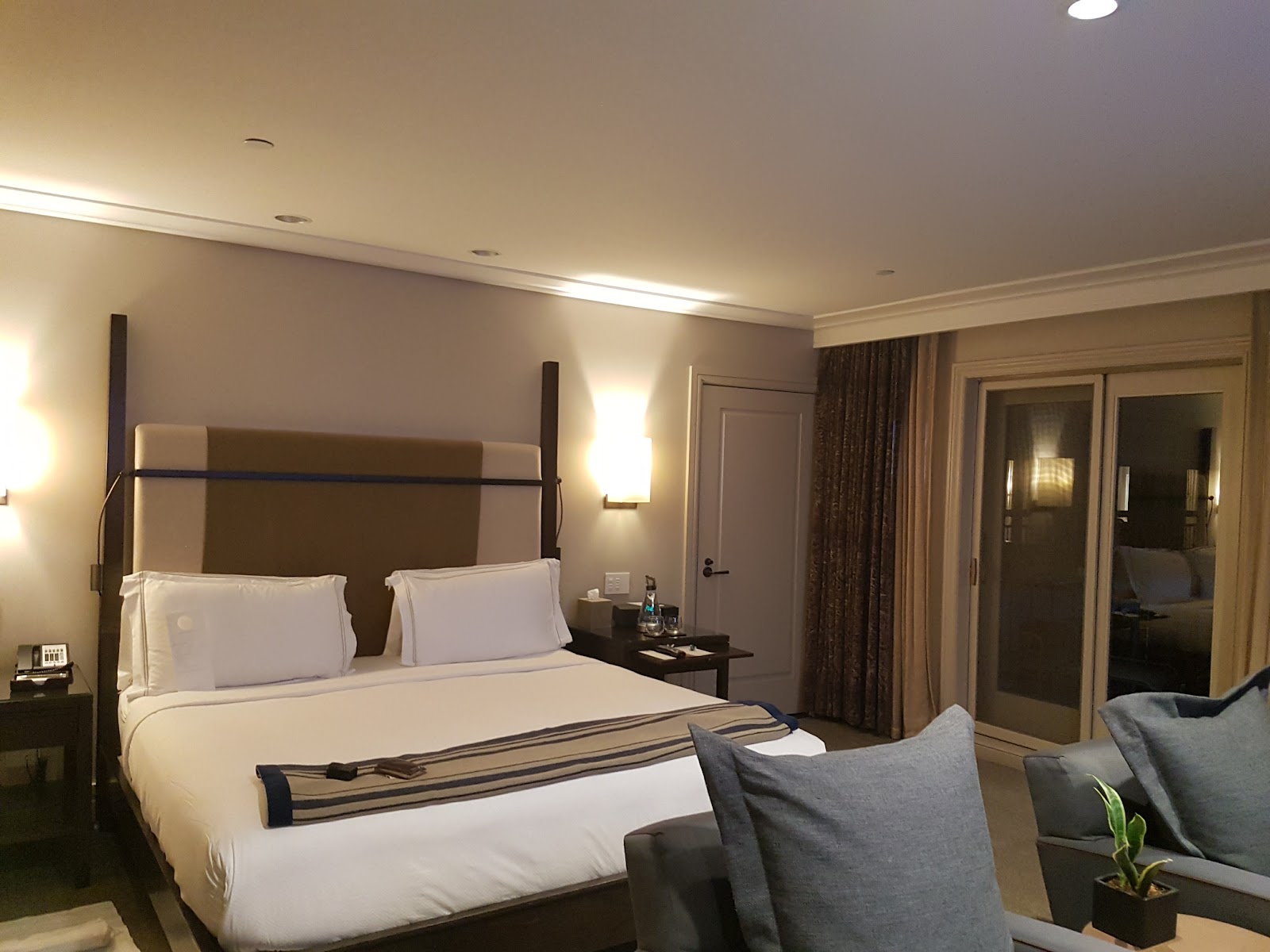
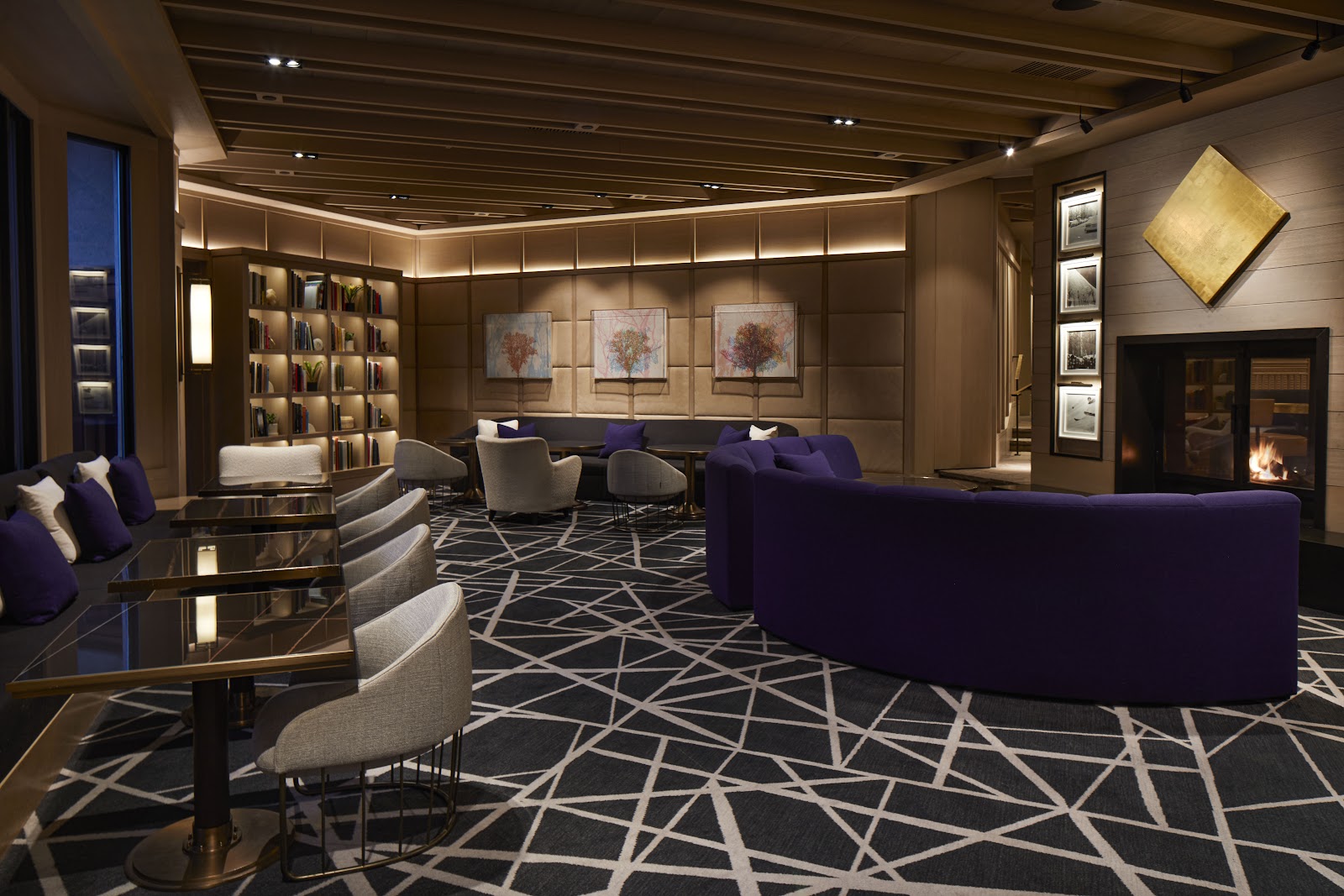
Inside, the hotel follows the mountain pattern. Timber and stone absorb, which puts rooms a stop or two below a pale interior with identical fittings — measure it with one frame on arrival rather than estimating. Test bounce per space, because a timber ceiling returns very little while a plastered guest room may work well.
Warm bounce is the standing colour problem, arriving on the shadow side of a face from several directions at once and uncorrectable globally — so one warm-gelled source with white balance set to the gel is the method, at about a stop above the ambient. And steep fall-off is the compensation: three metres of distance puts natural darkness behind a subject with no equipment.
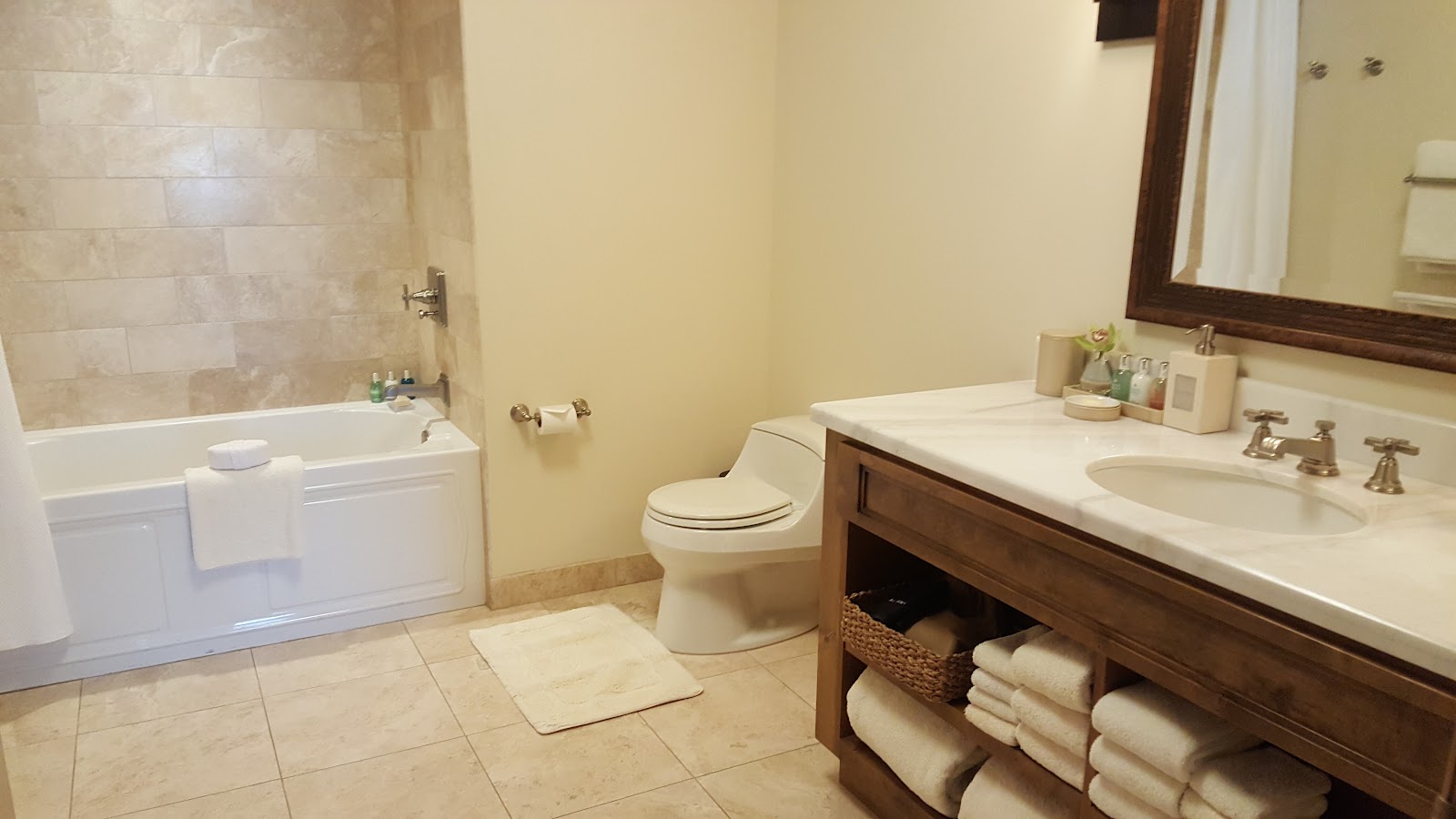
The windows are the good interior light, and at this elevation what is outside them matters as much as which way they face. A window onto snow is lit far more strongly than one onto bare ground, because snow is an enormous reflector that throws light upward as well as across — so a mountain hotel window in February is a better source than the same window in July, and cooler in colour, which makes a custom white balance worth setting.
- Ask when the sun leaves the base, for the actual date
- Full shade only at midday: inside a conifer stand, or a solid roof
- Aspen is a bright background, not a dark one — the reverse of conifer
- Ask whether lift access is included; it changes what the day can contain
- Be at the top fifteen minutes before a timed frame, not as it happens
The Colorado high country year
At nearly eight thousand feet in a ski valley the winter is the principal season, and photographically it suits the site better than the summer does.
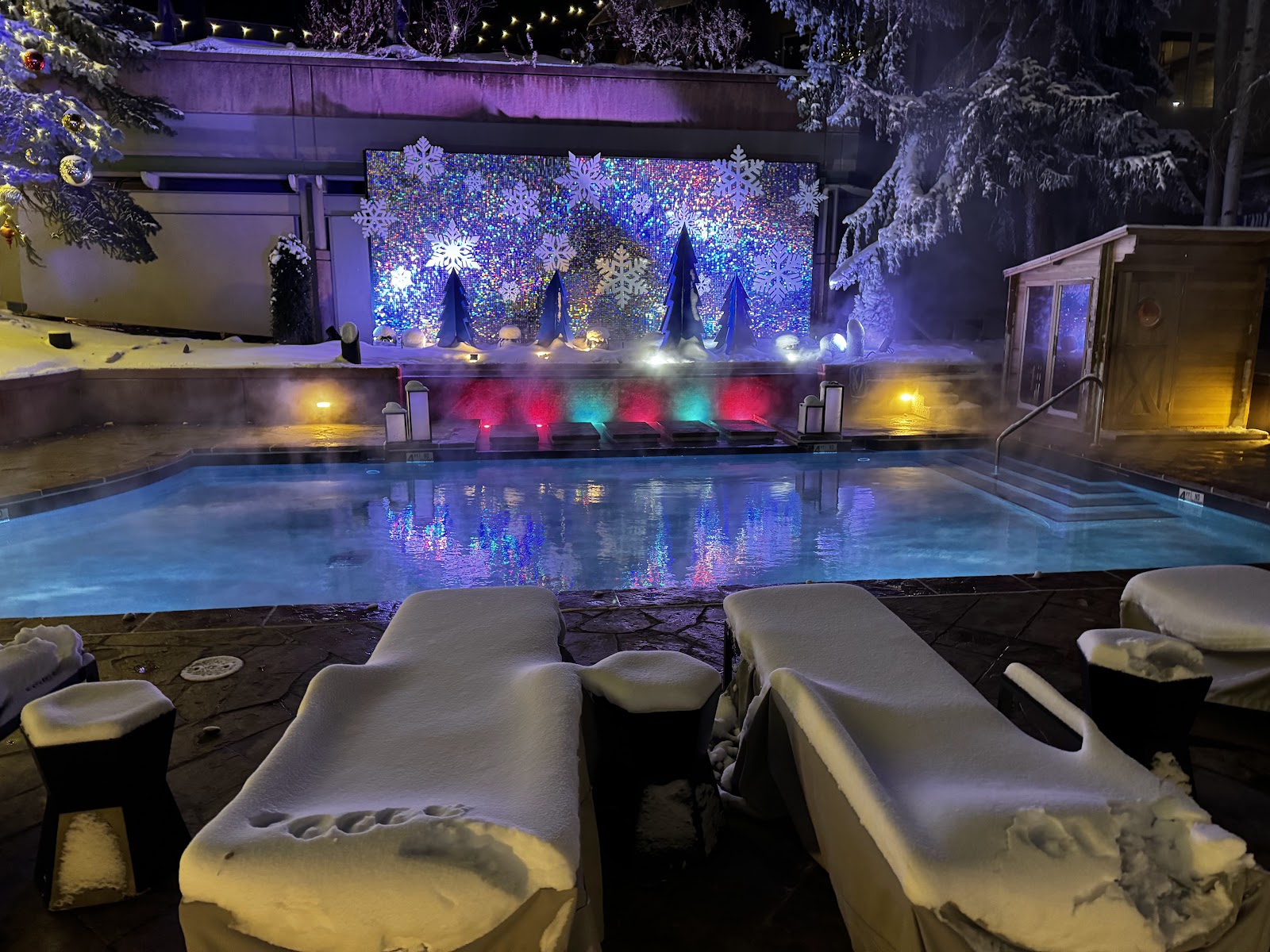
Snow is the reason. It lies for months, and it turns the whole exterior into an enormous reflector: it brightens every window in the hotel, throws light upward into every covered terrace, and fills exactly the shadows a low sun carves. For a building of absorbent timber at the foot of a slope, that is a substantial gain.
Outdoors snow is the best natural fill available, fooling a meter by about two stops toward underexposure — so a snow frame needs deliberate overexposure relative to what the camera suggests. And snow against dark spruce is the widest natural brightness range there is: expose for the snow and let the conifer go near-black.
The December midday sun at this latitude reaches only about twenty-seven degrees above the horizon, which means the whole short day is raking light — so the altitude’s hard-light problem largely disappears and the interval frame lasts far longer, because a low sun keeps the peaks lit while the base is already shaded.
Bare aspen against snow is the winter frame the valley gives that nowhere else does: pale trunks, white ground and dark conifer, a high-key palette unlike anything the rest of the year offers.
The costs are real. Cold and altitude both drain batteries, so spares belong in an inside pocket. The diurnal swing is well over twenty degrees Celsius between afternoon and evening, and a base area loses the sun early and holds cold air. An outdoor block is five minutes with coats rather than twenty without, and a cold body brought into a heated timber interior fogs on every surface and does not clear quickly.
Summer in a high valley is short, green and cool, with wildflowers on the cleared slopes through July and August. Afternoon convection builds almost daily from July into September and those storms produce lightning — which above the treeline or on a lift is genuinely dangerous rather than inconvenient, and Colorado has one of the highest rates of lightning casualties in the country.
That makes a named indoor alternative a requirement, argues for a morning ceremony in high summer, and is a specific reason to treat lift access as weather-dependent rather than assured.
Mountain cloud is the best diffusion available at altitude, and under it the brightness range collapses and the whole valley becomes usable through the middle of the day. A cloudy day here is an easier day.
Autumn is the short sharp best of the year and in this valley it is the point. Aspen turn gold typically in the second half of September at this elevation, and because a grove is clonal the change is fast — a uniform gold mass against dark spruce, with a window of about a week either side of peak. The air is also at its clearest then, which makes the compressed peak frames strongest.
It is worth asking the venue what their own slopes did in recent years rather than guessing, because the difference between the right weekend and the wrong one is the whole frame.
Ultraviolet increases substantially with elevation and reflects strongly off snow, so a party outdoors for an hour burns faster than expected even in winter and even under cloud.
More frames from The Little Nell
The Little Nell wedding photography: common questions
Why does the hotel lose the sun early?
Because it was sited for the lift, which puts it at the foot of a steep slope — and the slope takes the sun off the base well before the published sunset time.
What is the compensation?
The lift. Elevation without a walk, where the sun arrives earlier and stays longer, the peaks are visible in full, and the interval frame is better.
How does aspen differ from conifer?
White reflective bark makes a grove a bright vertical background rather than a dark mass — so a subject needs to be brighter than the trunks, not the reverse.
Why is the aspen autumn window short?
Because a grove is clonal — one connected organism — so the whole stand turns at once rather than tree by tree. About a week either side of peak.
What should be asked about a guest room?
What is outside the window. Snow is an enormous reflector, so a snow-facing room in February is a better source than the same room in July.
Is the lift weather-dependent?
Yes, and specifically so in summer, when afternoon convection and lightning make a lift a place to be off rather than on.
More Colorado venue guides
We are writing a photographer’s guide to every venue we would happily shoot in Colorado. Here are three more, plus the full index:
- The Morrison House, Colorado: The Light Through a Foothills Day
- Purgatory Resort, Durango: The One Decision That Governs Everything
- Red Rocks Amphitheatre, Morrison: A Venue Made of Tilted Rock
Planning a wedding at The Little Nell?
The siting explains the light. Tell us your date and we will ask about the lift.