 The Hoxton Chicago: Photographing a Wedding in Fulton Market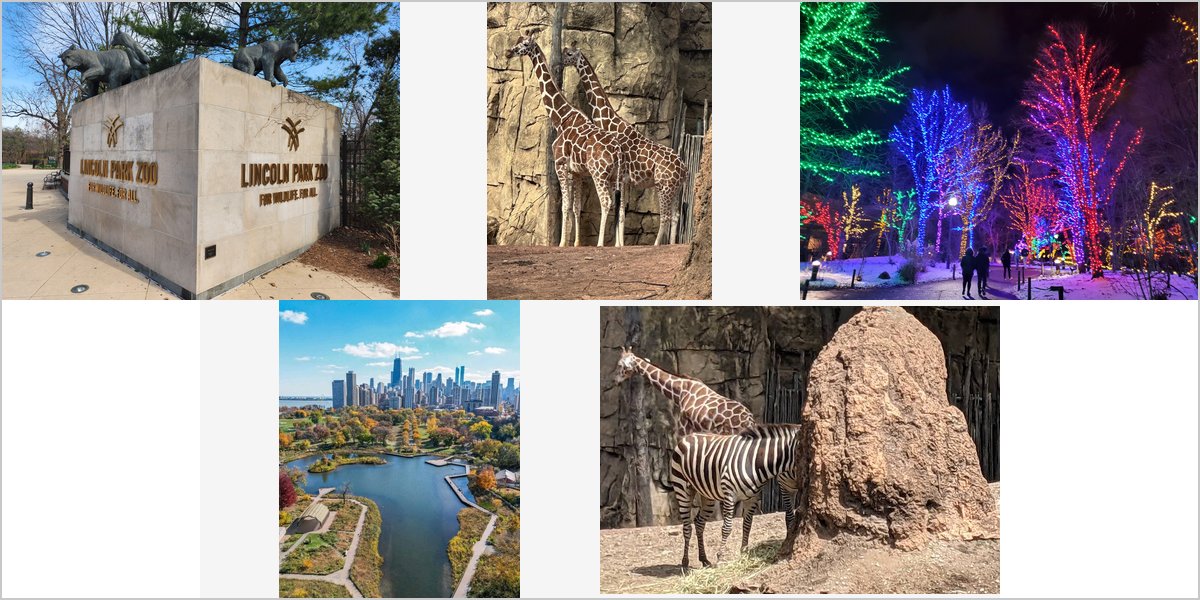
August 23, 2026
Lincoln Park Zoo: Reading a City Park Hour by Hour
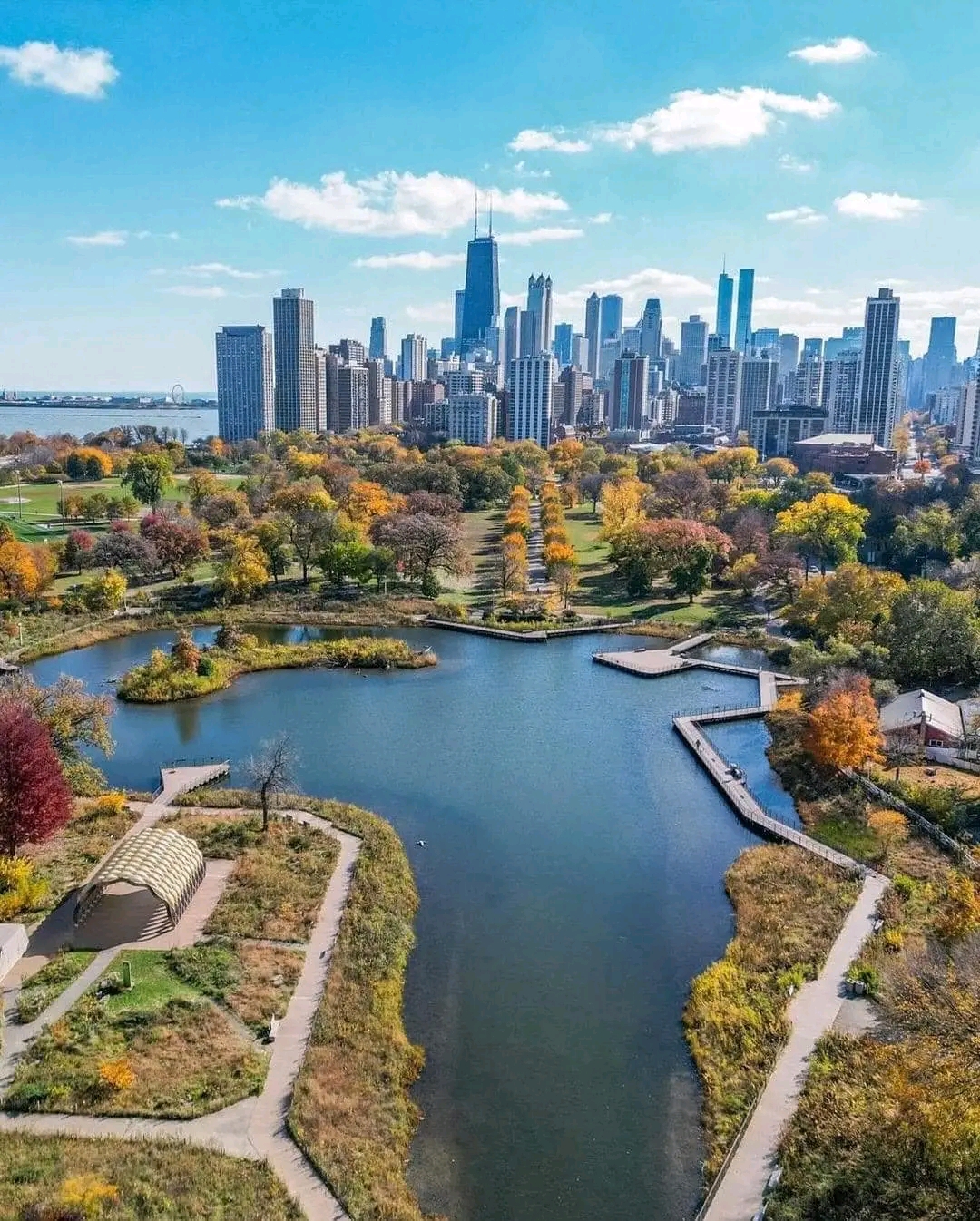
A pond, a stand of mature trees and a skyline behind them. Each is good at a different hour, and none of them all day.
Lincoln Park Zoo sits inside Lincoln Park on Chicago’s North Side, a free zoo of long standing whose grounds include a lily pond, mature planting, several historic brick animal houses of the late nineteenth century, and sight lines that put the downtown skyline behind the trees.
What makes it a genuinely good photographic venue is that it holds four different conditions on one site: open water, dense tree canopy, period brick architecture, and a distant city view. What makes it demanding is that each of those peaks at a different point in the day, and the ones that are easy in the morning are the hardest at noon.
So this walks the day through in order. We have not photographed a wedding at Lincoln Park Zoo; ponds, canopy and period brick behave the same in any city park. Which areas are available for events, whether the grounds are private at your hour and what the animal-house access is are questions for their events team — and the privacy question shapes the day most.
Lincoln Park Zoo at a glance
| Where | Lincoln Park, Chicago’s North Side, Illinois |
| Character | A city zoo with a lily pond, mature trees and period brick houses |
| Morning | The pond, before the sun is high enough to blow the water out |
| Midday | Inside the brick houses, or in continuous building shade |
| Evening | Backlit canopy and the skyline behind the tree line |
Morning: the pond, while the water still works for you
Still water in the early hours is the best thing on this site. A pond at that time is a mirror: it doubles the trees, the sky and the buildings beyond, and it bounces a soft even fill upward into faces, which fills the shadows that low side light would otherwise carve. Nothing you could carry produces that effect, and it is free for about the first two hours.
Two things spoil it later. As the sun rises, specular glare appears on the surface and the reflection breaks up into bright highlights that clip; a mirror becomes a sheet of hot spots. And any wind at all destroys the reflection entirely, which is worth knowing because Chicago mornings are often calm and Chicago afternoons often are not.
So the pond is a morning asset with a short life. Shoot it low, with the horizon high in the frame so reflection carries the lower two-thirds, and put the couple at the water’s edge where the upward bounce reaches their faces. If a first-look or early portrait block is possible at all, this is the argument for it.
Midday: brick houses, and the dapple problem outside
Mature trees make a park beautiful and midday under them unworkable. Sun through a canopy arrives in patches, so a face carries a bright spot on one cheek and deep shade on the other, several stops apart and shifting with the breeze. There is no technique that corrects dappled light; there is only position — full open shade, full sun, or canopy dense enough that the patches merge.
The historic animal houses are the answer to midday, and they are more interesting than a fallback. Late-nineteenth-century brick buildings of this type have tall windows, high interiors and a lot of texture, which gives you directional window light falling across brick and ironwork — a warm, architectural, slightly Victorian register that no modern space supplies. Interiors like this are usually dimmer than they look and often mixed in colour, so bring a light and let it own the faces.
Where you must be outside at midday, the building shadows are the reliable option. A large brick building casts a hard-edged, full, even shade, and standing a couple two metres inside that line gives you soft light with a bright background — which is a far better frame than anything available under a tree at the same hour.
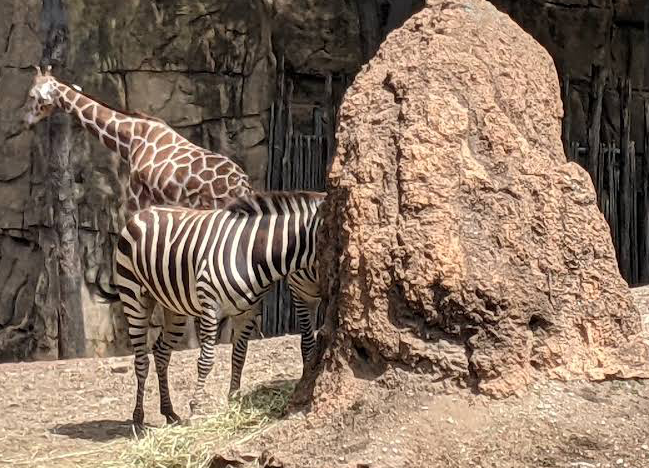
The zoo-specific caution is animal enclosures as backgrounds. Mesh, glass, bars and safety railings read very badly in a photograph and are hard to exclude with a wide lens. The working answer is a long lens and a shallow aperture, which turns a railing two metres behind a couple into an unreadable soft band. If a frame requires a wide lens near an enclosure, it usually contains a fence.
What works in your favour
- A pond that mirrors the park and bounces soft fill upward for two hours
- Period brick animal houses with tall windows and real texture
- Building shadows give hard-edged full shade at the worst hour
- A skyline visible behind the tree line for a city frame with no transfer
- Genuine variety — water, canopy, architecture and view on one site
What to plan around
- The pond’s reflection dies with the first breeze or high sun
- Mature canopy makes midday dapple the default outdoor condition
- Mesh, glass and railings near enclosures are hard to keep out of frame
- Interiors are dimmer and more mixed in colour than they appear
- A free public zoo means visitors present whenever it is open
Evening: backlight, the skyline, and the privacy question
The last ninety minutes are when a treed park becomes the best version of itself. Low sun no longer comes down through the canopy but in under it, horizontally, which turns leaves into glowing translucent shapes and puts a rim of light on hair and shoulders. Backlit foliage is the single most reliable beautiful frame available in any park, and it requires only that you put the sun behind the subject and expose for the face.
The skyline is the other evening asset. Sight lines that put downtown behind the tree line give you a frame that says Chicago without leaving the park, and a long lens is essential — compression makes the towers loom above the trees, where a wide lens reduces them to a distant grey smudge. This is the frame that distinguishes a city-park gallery from a generic one.
Then the constraint that governs the whole day: a free public zoo has visitors in it whenever it is open. Unless the grounds or a specific area are private for your event, every exterior frame is a crowd-management exercise. The practical answers are the usual ones — long lenses to compress people into unreadable background, tight framing, and a strong preference for the first hour after opening or the last hour before closing, when the site genuinely empties.
If a private or after-hours arrangement is available, it changes the venue substantially: the pond, the paths and the houses all become usable at any hour and the dapple problem becomes the only remaining constraint. That is the first thing worth asking about, because the answer determines whether the day is planned around light or around people.
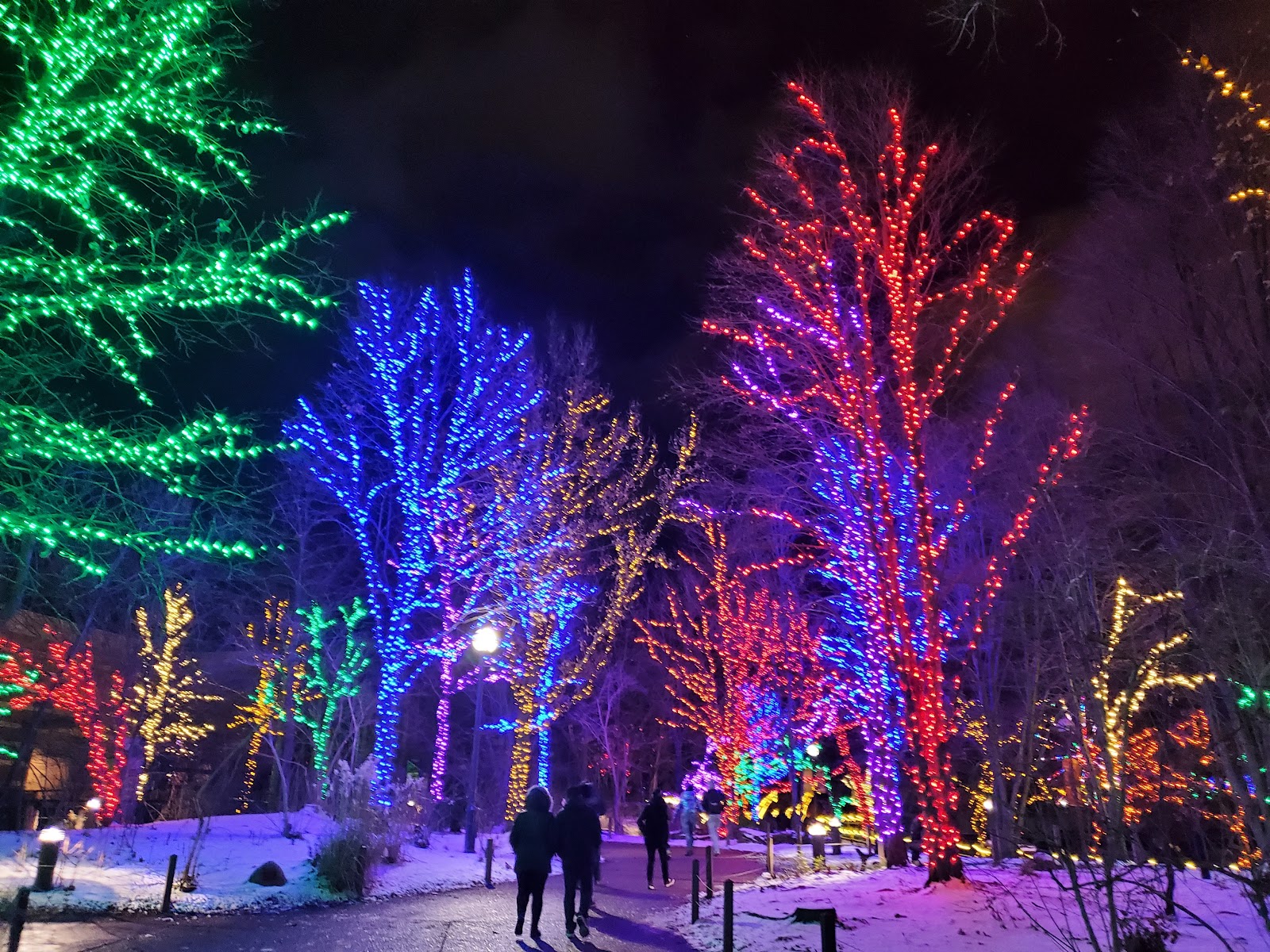
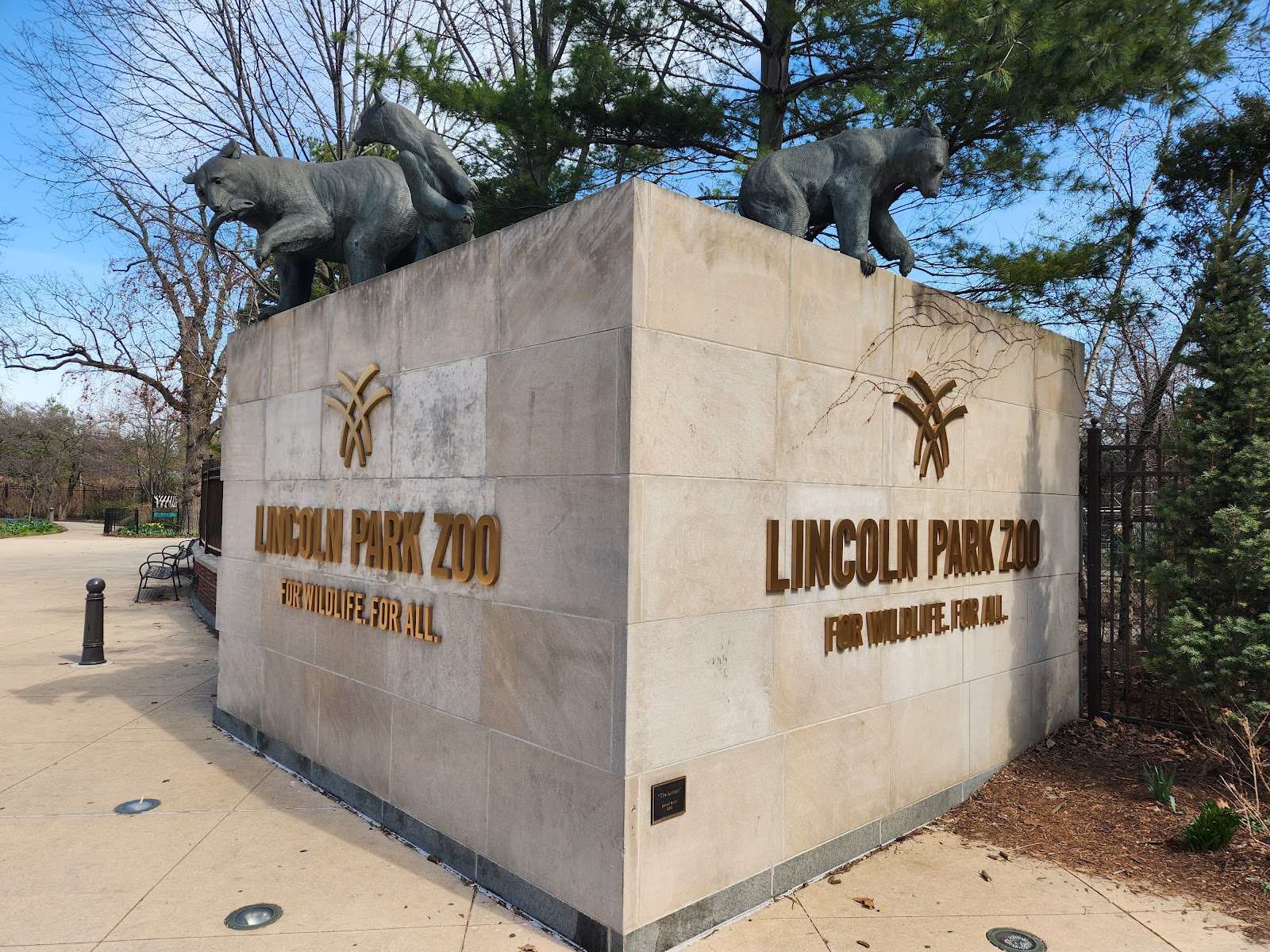
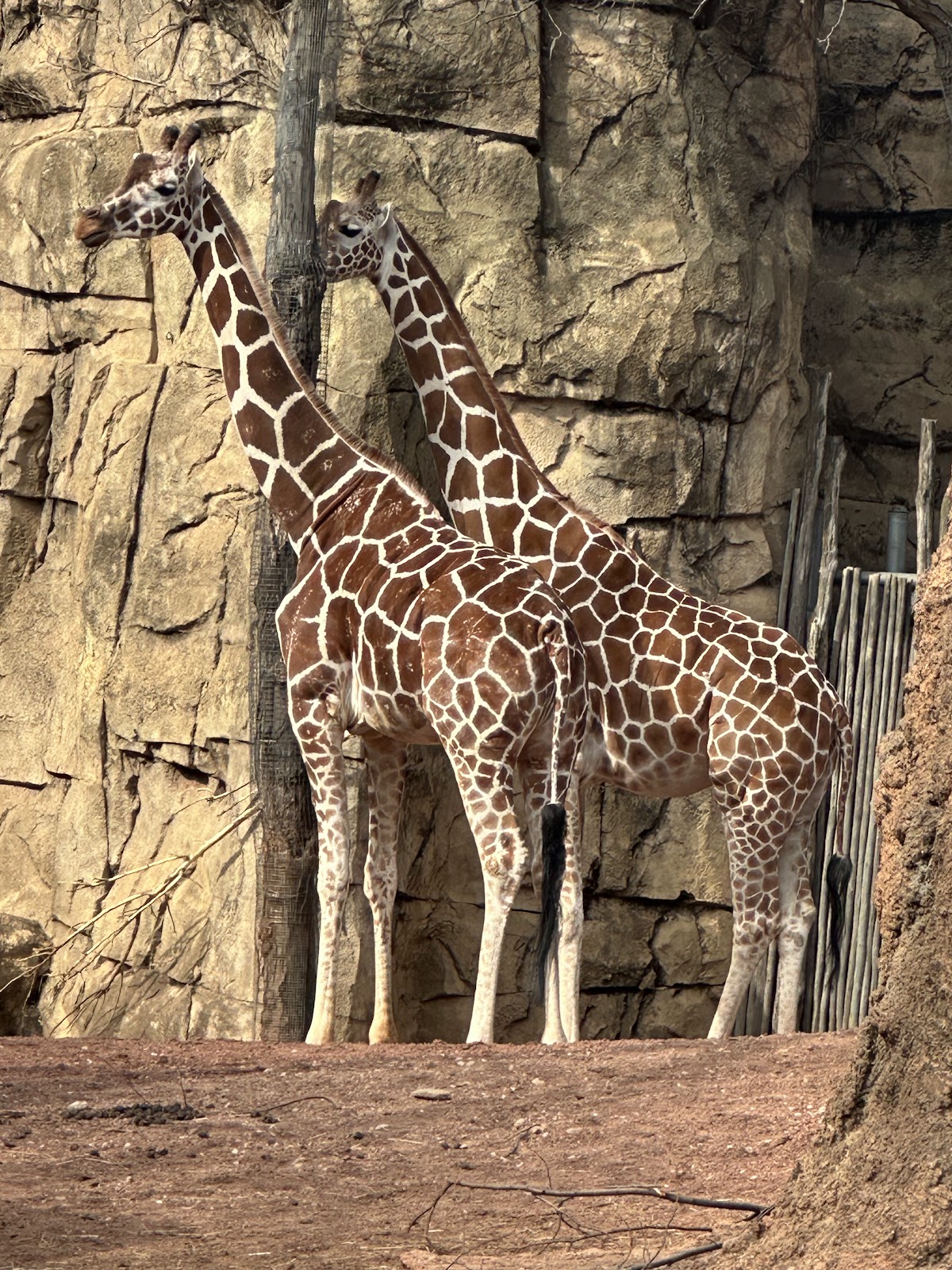
More frames from Lincoln Park Zoo
Lincoln Park Zoo wedding photography: common questions
When is the pond at its best?
The first two hours of the day, while the water is still and the sun is low. Then it mirrors the park and bounces soft fill upward into faces. High sun turns the reflection into clipping highlights, and any breeze destroys it entirely.
What do you do about dappled light under the trees?
Get out of it. No technique corrects dapple — it is neither soft nor directional, just random, and it shifts with the breeze. Move into full open shade, into full sun, or under canopy dense enough that the patches merge. A building’s shadow is the best option on site.
How do you keep fences and mesh out of the frame?
A long lens and a shallow aperture, which turns a railing two metres behind the couple into an unreadable soft band. If a frame needs a wide lens near an enclosure, it almost always contains a fence.
Are the historic animal houses worth using?
Yes, and not just as a midday fallback. Tall windows, high interiors, brick and ironwork give a warm, architectural, faintly Victorian register no modern space supplies. They are dimmer and more mixed in colour than they look, so bring a light.
How do you get the skyline into the frame?
A long lens on a sight line that puts downtown behind the tree line. Compression makes the towers loom above the trees; a wide lens reduces them to a distant grey smudge. It is what separates a city-park gallery from a generic park one.
Will the public be in our photographs?
Whenever the zoo is open, yes — it is free and busy. Long lenses, tight framing, and the first hour after opening or the last before closing, when it genuinely empties. If private or after-hours access is possible, it changes the day completely, so ask first.
More Chicago, IL venue guides
We are writing a photographer’s guide to every venue we would happily shoot in Chicago, IL. Here are three more, plus the full index:
- The LondonHouse Rooftop: One Decision Governs the Whole Evening
- The Museum of Science and Industry: When the Exhibits Are in the Photograph
- Navy Pier: Photographing a Wedding Out Over the Lake
All Chicago, IL Wedding Venues →
Planning a wedding at Lincoln Park Zoo?
Four conditions, four different hours. Tell us your date and whether private access is possible, and we will order the day around the light.