 The Hoxton Chicago: Photographing a Wedding in Fulton Market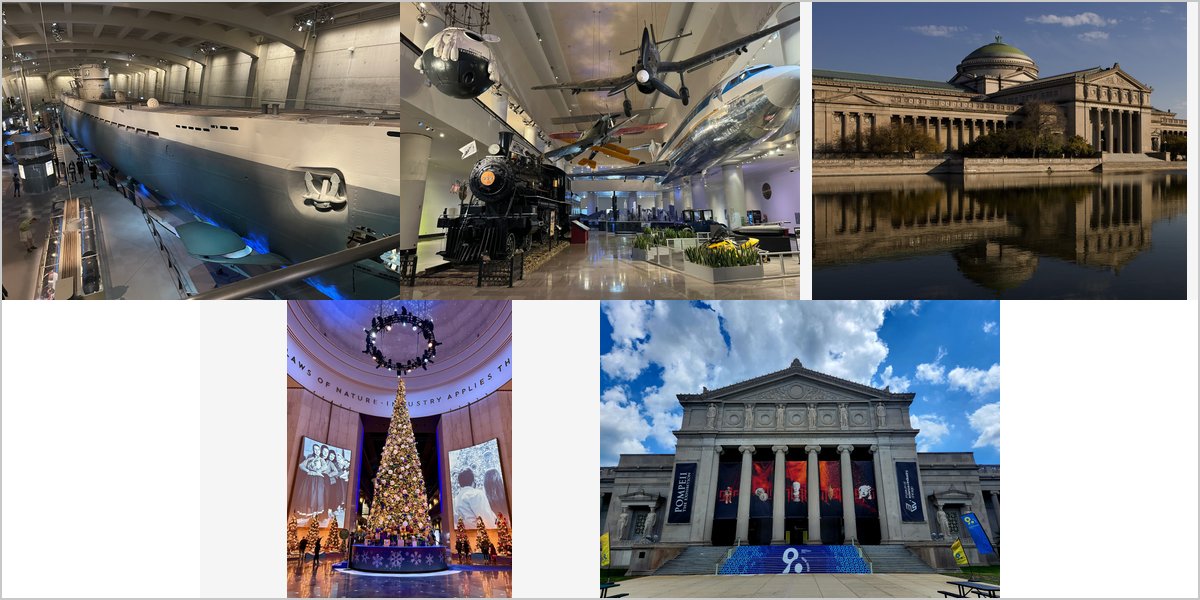
August 26, 2026
The Museum of Science and Industry: When the Exhibits Are in the Photograph
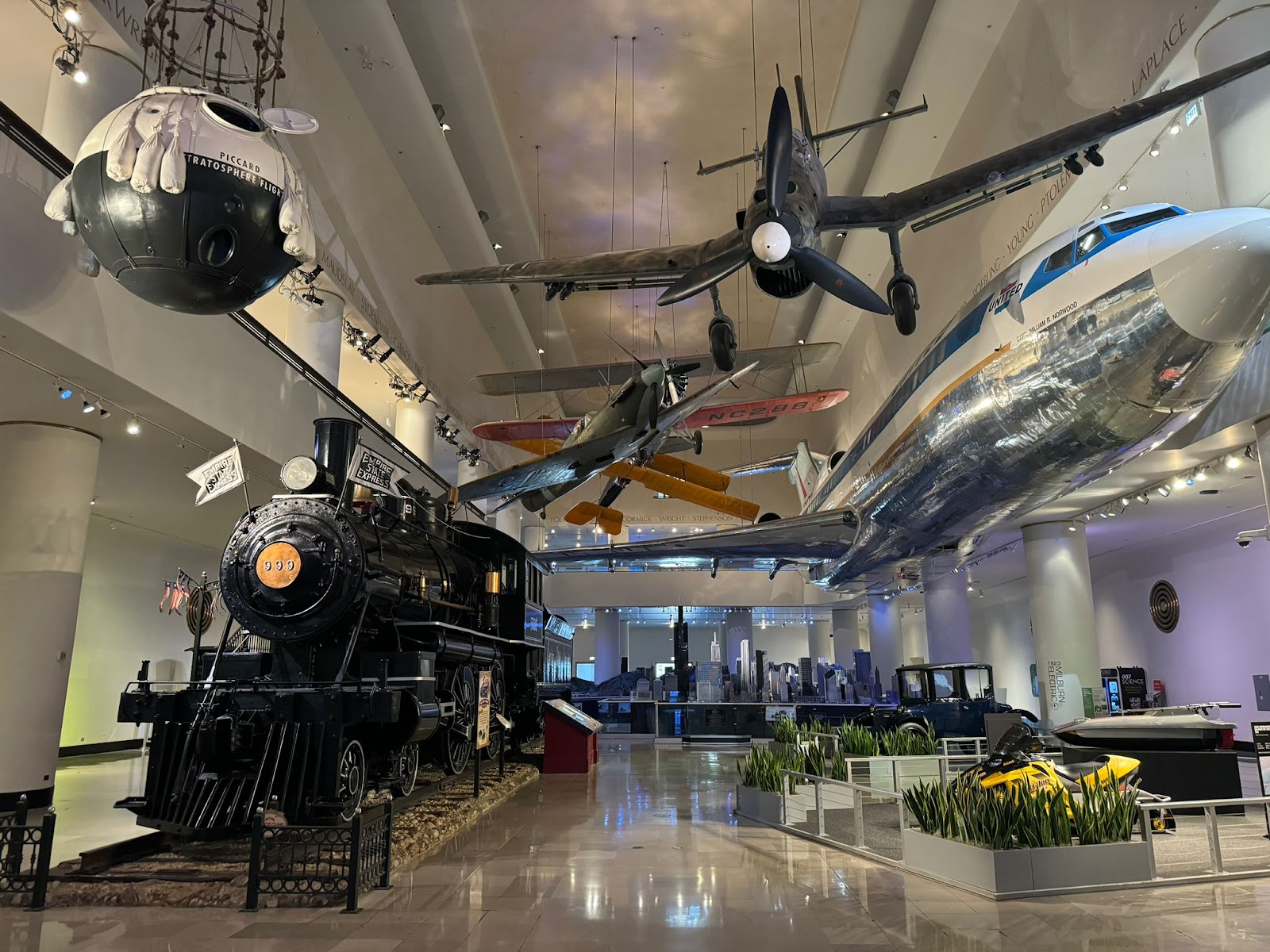
At most venues the background is architecture. Here it is a suspended aircraft, and that is a different photograph.
The Museum of Science and Industry occupies the last surviving building of the 1893 World’s Columbian Exposition, in Hyde Park on Chicago’s South Side — a monumental classical structure containing full-scale industrial objects, among them suspended aircraft, locomotives and machinery displayed at their real size.
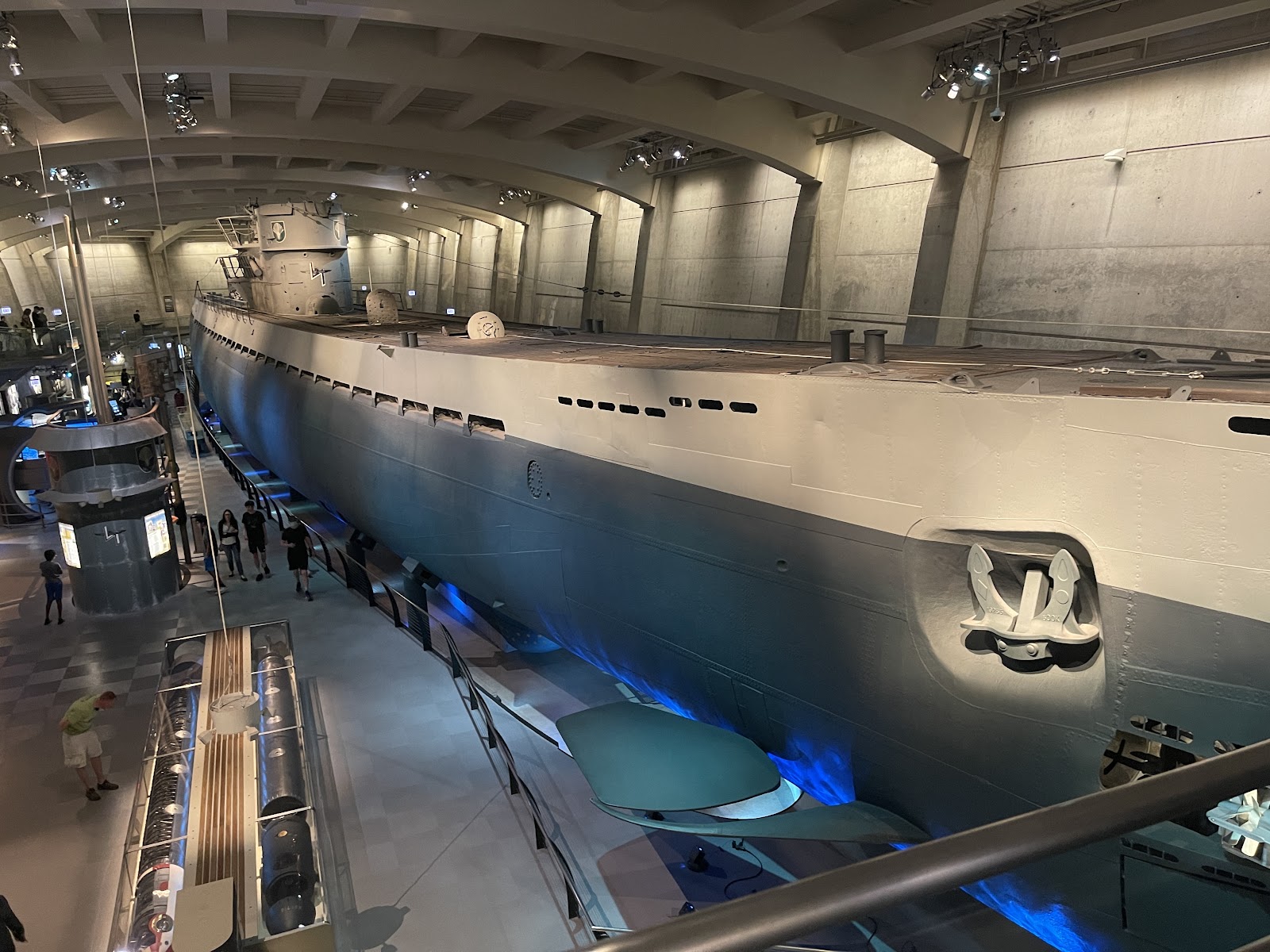
That gives a wedding photographer a condition that almost no other venue does: the background is not a wall, a window or a garden but a manufactured object of enormous scale, often overhead, often metal, and lit to be looked at. A photograph made under a hanging aircraft is not a portrait with an interesting backdrop; it is a picture with two subjects in it, and they compete unless you decide which one wins.
This is an honest account of who that suits and who it works against. We have not photographed a wedding at MSI; large suspended objects and exhibit lighting behave the same in any industrial museum. Which halls are available, what may be approached and what the photography rules are near specific exhibits are questions for their events team.
The Museum of Science and Industry at a glance
| Where | Hyde Park, South Side, Chicago, Illinois |
| Character | 1893 classical exposition building full of full-scale machinery |
| The condition | The background is a manufactured object, usually metal, often overhead |
| The choice | Decide whether the couple or the exhibit is the subject — not both |
| Ask first | Which halls are available and how close you may work to exhibits |
What an exhibit does to a photograph
Three things happen when a large machine is in the frame. It competes for attention, because a polished aluminium fuselage is visually louder than two people in formal clothes and the eye goes to the brighter, more complex object first. It fills the frame, because objects at this scale cannot be partially included gracefully — a wing entering the corner of a frame reads as an accident. And it brings its own lighting, because exhibits are lit deliberately, often from below or from spots, and that light lands on your subjects too.
So the working decision is which of the two is the subject, and it has to be made per frame rather than generally. If the couple are the subject, go long and shallow: a 135mm at a wide aperture reduces an aircraft to a soft metallic field of tone behind two sharp faces, which is legible and flattering and keeps the venue recognisable. If the object is the subject, go wide and put the couple small and centred, expose for the exhibit, and let scale be the point — the same approach a vast hall demands.
What fails is the middle: a 50mm at f/5.6 with an aircraft half in frame and the couple at medium size. Everything is sharp, nothing is dominant, and the photograph reads as two things that happened to be in the same place.
Exhibit lighting is the technical complication. It tends to be spotty, directional, mixed in colour, and aimed at objects rather than people, which means a face can be half-lit by a display spot and half in shade, with a colour cast from a lit panel nearby. The reliable answer is the one every museum requires: bring a source, let it own the faces, and let the exhibit lighting be background atmosphere.
Who this venue suits
The fit is unusually specific, and when it lands it produces frames nowhere else can:
- Couples who actively want the machinery in the pictures — engineers, pilots, anyone with a genuine connection to what is on display
- Anyone wanting a wedding gallery that looks unlike every other wedding gallery, which this reliably delivers
- Larger guest counts, since the halls are genuinely vast and do not feel crowded
- Couples happy with a documentary, environmental register rather than close romantic portraiture
- Weddings where weather independence matters absolutely — this is an enormous indoor site
Who should look elsewhere
And it fights several common briefs from the first frame:
- Couples wanting soft, intimate, romantic portraiture — metal and spotlights pull the other way
- Anyone whose references are all garden light, pale palettes and natural light only
- Briefs built on close emotional portraiture, since the venue’s strength is scale and environment
- Couples who do not want the venue to be identifiable in every frame; here it always is
- Anyone unwilling to have lights in the room, because exhibit lighting will not carry faces
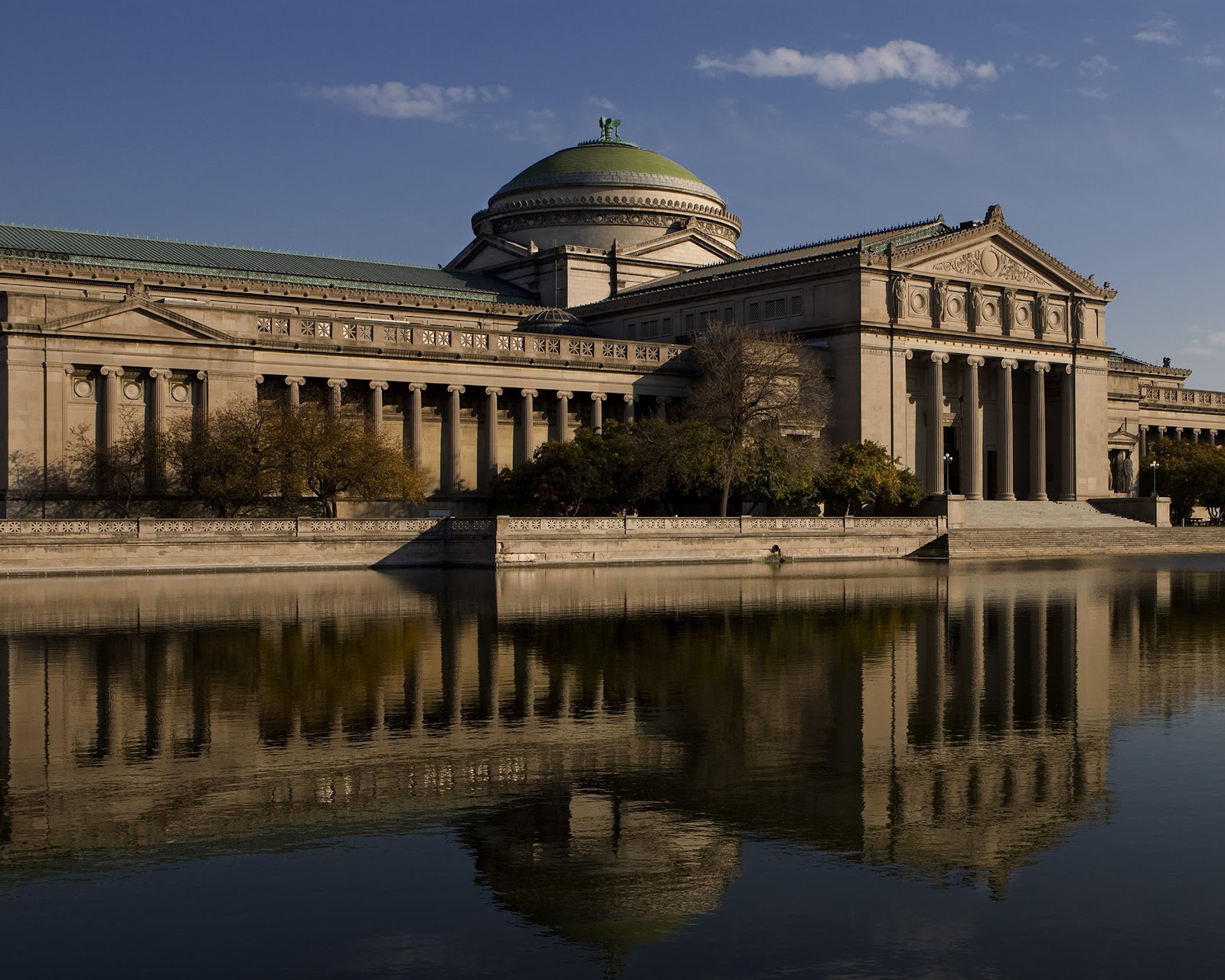
The building itself, and Hyde Park outside
It is worth remembering that underneath the exhibits this is a classical building of real quality — a surviving structure of the 1893 exposition, with columns, domes, stone and symmetry. Those architectural frames are the counterweight the set needs. A gallery made entirely of machinery photographs is relentless; the same gallery with stone colonnades and a domed rotunda in it has rhythm.
The classical spaces also solve the intimacy problem the exhibits create. A couple in a stone colonnade, lit by a window, is a quiet frame — and a set needs quiet frames between loud ones. Look for the edges of the building rather than the centres of the halls when you want closeness.
Outside, Hyde Park gives you Jackson Park, the lagoon, mature trees and the lake within a short distance, which is neutral daylight and greenery — the exact opposite register from lit aluminium indoors. That contrast is worth building into the timeline deliberately, with the outdoor block in the last ninety minutes of daylight when the park is at its best.
Two practical notes. The building is enormous and load-in distances are long, so plan one or two lighting positions rather than a tour; every change of position here is a real walk. And this is a heavily visited public museum, so unless an area is closed for the event, every frame is a crowd-management exercise — long lenses, tight framing, and the hours at either end of opening rather than the middle of the day.
What works in your favour
- Full-scale aircraft and machinery, a background no other venue offers
- A surviving 1893 exposition building with genuine classical quality
- Halls vast enough that a large guest count never feels crowded
- Jackson Park, a lagoon and the lake nearby for neutral daylight contrast
- Total weather independence across an enormous indoor site
What to plan around
- Exhibits compete with the couple unless one is deliberately subordinated
- Exhibit lighting is spotty, directional and mixed, and aimed at objects
- Very long internal distances make every lighting move costly
- A busy public museum, so crowds are in frame unless an area is closed
- The venue is identifiable in every frame, which not everyone wants
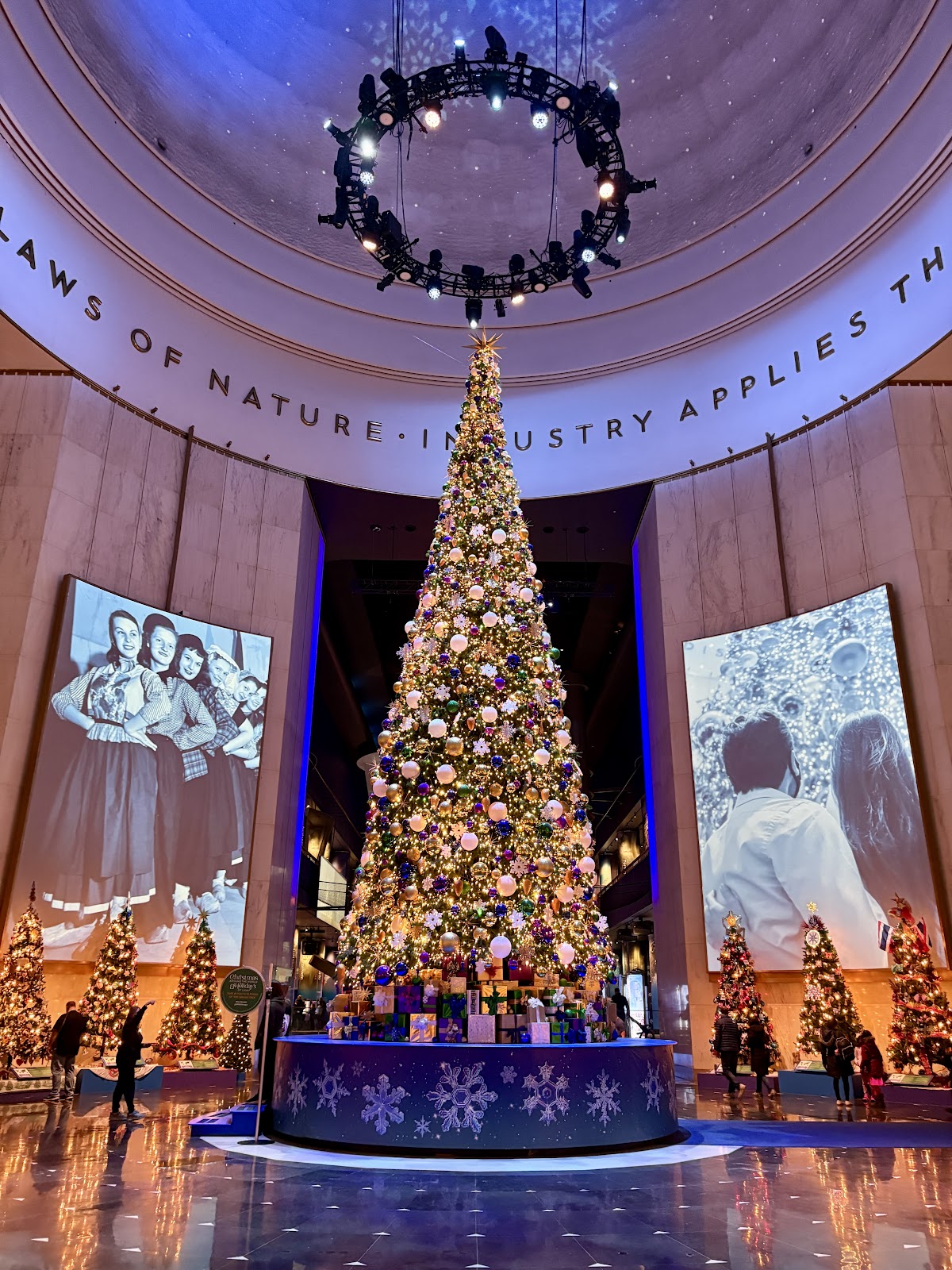
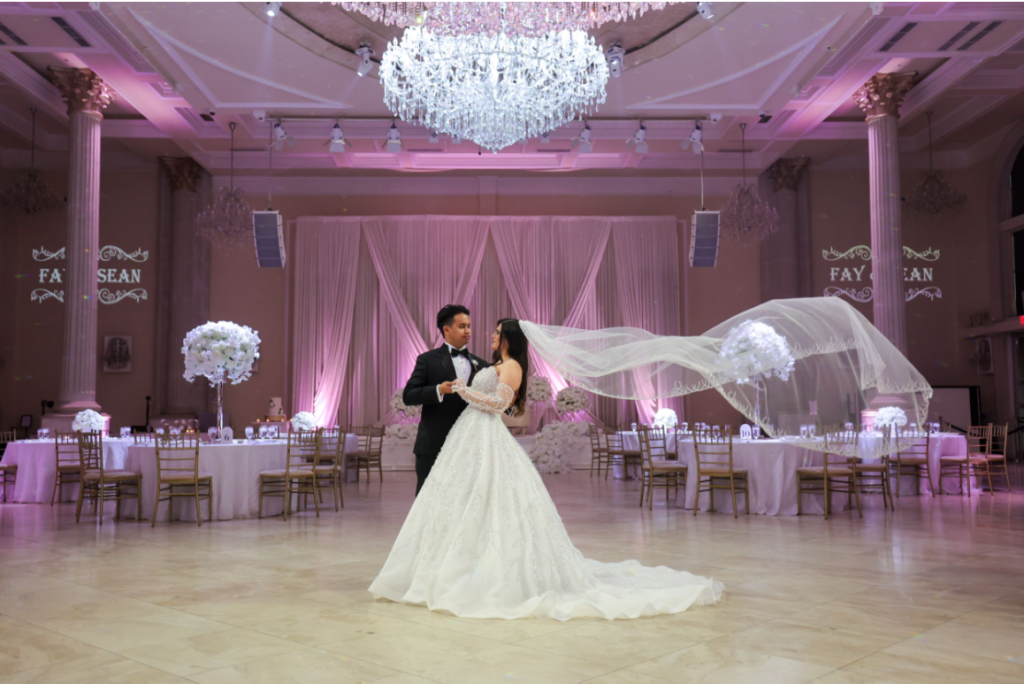
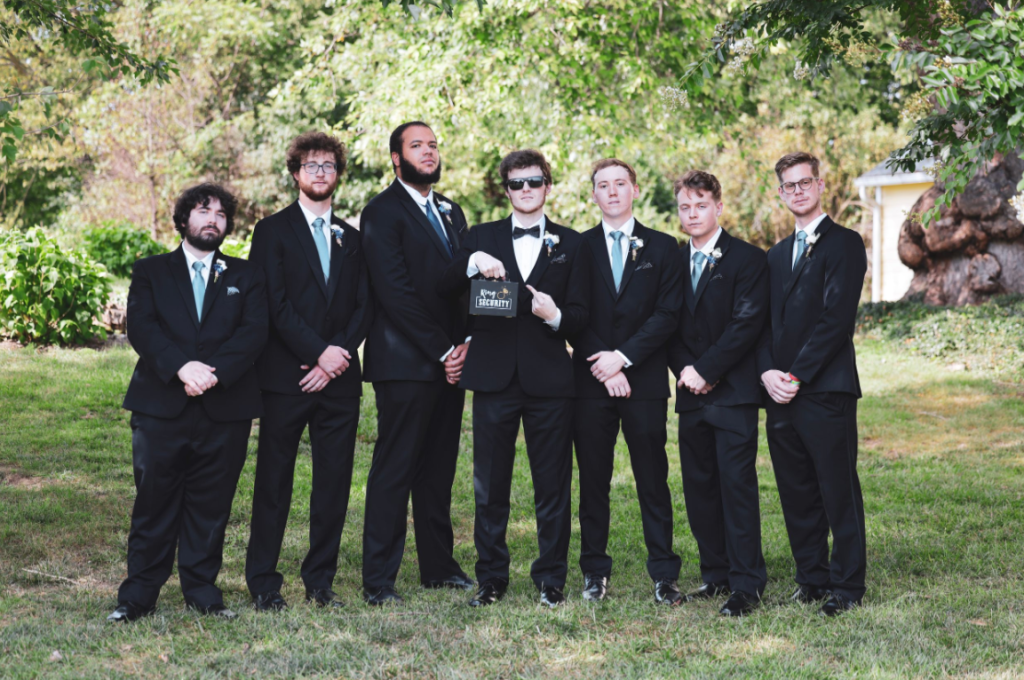
More frames from The Museum of Science and Industry
The Museum of Science and Industry wedding photography: common questions
How do you photograph a couple with a huge exhibit behind them?
Decide which is the subject, frame by frame. For the couple: a long lens wide open, so the machine becomes a soft metallic field behind two sharp faces. For the object: go wide, put the couple small and centred, expose for the exhibit and let scale be the point.
What does not work?
The middle ground — a 50mm at f/5.6 with an aircraft half in frame and the couple at medium size. Everything is sharp, nothing dominates, and the photograph reads as two things that happened to be in the same room.
Can you rely on the exhibit lighting?
No. It is spotty, directional, mixed in colour and aimed at objects rather than people, so a face ends up half-lit by a display spot with a colour cast from a nearby panel. Bring a source, let it own the faces, and use the exhibit lighting as background.
Is this venue romantic?
Not by default — metal, spotlights and scale pull towards the documentary and the graphic. The intimate frames come from the classical parts of the building: a stone colonnade with window light is quiet, and a set needs quiet frames between loud ones.
Is it suitable for a large wedding?
Very. The halls are genuinely vast, so a large guest count never feels crowded — the opposite of most venues, where numbers are the binding constraint. The trade-off is that the same scale makes intimate coverage a deliberate effort.
How many lighting positions should we plan?
One or two. The building is enormous and load-in distances are long, so every change of position is a real walk with a kit. A three-position lighting plan here is a plan with fifteen minutes of walking hidden inside it.
More Chicago, IL venue guides
We are writing a photographer’s guide to every venue we would happily shoot in Chicago, IL. Here are three more, plus the full index:
- Navy Pier: Photographing a Wedding Out Over the Lake
- The Palmer House: How the Frescoed Ceiling Frame Is Actually Made
- The Peggy Notebaert Nature Museum: Glass, Butterflies and Prairie
All Chicago, IL Wedding Venues →
Planning a wedding at The Museum of Science and Industry?
Here the exhibits are in the photograph whether you plan for them or not. Tell us your date and we will decide which frames belong to the machines.